
Unlike other models that struggle with bounce and heat buildup, this one excels at keeping you stable and cool on long runs. I’ve tested all five, and the quick-fill 2L bladders, snug chest straps, and breathable backs tied together the best for comfort and practicality. You’ll notice minimal chafing, easy sipping on the move, and reliable leak resistance in all weather.
From quick-access pockets to secure, bounce-free fittings, this guide helps you pick a pack that stays with you mile after mile. If you want hydration that doesn’t slow you down, read on for a verdict you can trust, grounded in real-world testing and solid durability. After extensive testing, I found the Maelstrom Hydration Backpack 2L Water Bladder Running Vest to be the standout choice.
Top Recommendation: Maelstrom Hydration Backpack 2L Water Bladder Running Vest
Why We Recommend It: Maelstrom combines durable nylon with a 2L water bladder, 4 storage pockets, and an aluminum-lined bladder sleeve for leak-proof, insulated cooling. It offers a universal comfort fit with adjustable chest straps (22.4–61 inches) and a ventilated back panel for breathability. Its helmet clips and reflective safety details address visibility and versatility, while the main compartment fits the 2L bladder for uninterrupted hydration during runs or hikes. Compared to lighter, less feature-rich options (e.g., lightweight 12 oz packs or minimal front pockets), Maelstrom provides a better balance of stability, storage, and comfort, particularly in day-to-night use.
Best running hydration backpack: Our Top 5 Picks
- Lightweight Hydration Backpack, Running Backpack 2L Water – Best Value
- Maelstrom Hydration Backpack 2L Water Bladder Running Vest – Best Premium Running Hydration Backpack
- Zelvot 2L Running Vest Water Backpack with Phone Holder – Best for Phone Access & Convenience
- CamelBak Dart 50oz Running Hydration Pack Black – Best Overall for Runners
- Unigear Hydration Pack with 2L Bladder for Hiking/Cycling – Best Versatile Hydration Pack
Lightweight Hydration Backpack, Running Backpack 2L Water

- ✓ Ultra light
- ✓ Secure fit
- ✓ Leakproof bladder
- ✕ Limited pockets
- ✕ Small capacity
| Capacity | 2 L hydration bladder |
| Pack Weight | 8.5 oz (approx. 240 g) without bladder |
| Fabric & Coating | PU-coated nylon, waterproof and tear-resistant |
| Shoulder/Chest Strap Adjustability | Shoulder straps adjustable from 19″ to 34″; chest strap adjustable 2.4″ to 7.9″ |
| Back Comfort Features | Soft air mesh back for improved airflow |
| Storage/Accessibility | Bidirectional main zipper pocket for water bladder; multiple front pockets and mesh pouches for small items |
You’re sprinting to the park, arms swinging, when you realize your old hydration pack leaks every time you sprint. The 2 L bladder in this lightweight option fits snugly against your spine, and the bite valve actually shuts off cleanly so you don’t drench your shirt during a last-minute burst.
It feels surprisingly sturdy for how airy and flexible the fabric looks.
The first thing you’ll notice is how light it is—barely there on your shoulders, yet it stays secure thanks to the adjustable chest strap and soft back mesh that keeps you cool as you pick up the pace. The 2.4″-7.9″ chest strap adjustment is handy for layering on a running top or a light windbreaker without sliding.
In practice, the main zipper pocket holds the bladder with a clean, bi-directional opening, so you don’t have to yank it out to refill. Small compartments are jump-sorted for your keys, phone, and energy gel, while two mesh sleeves on the shoulder strap keep your earbuds and a tiny emergency snack within easy reach.
Fill the bladder, clip the hose, and you’re off. The bladder material is BPA-free and food-grade, and the clamp on the hose stops drips even if you forget to bite while you steady your stride.
It breathes well, and you don’t feel a soggy back even after a longer run.
Overall, it handles a quick trail or city loop with ease, and at this price, it’s hard to find a lighter, more practical option. If you want a minimal, no-fuss hydration vest that won’t slow you down, this one checks the boxes.
Maelstrom Hydration Backpack 2L Water Bladder Running Vest

- ✓ Comfortable fit
- ✓ Easy-access sip hose
- ✓ Lightweight and compact
- ✕ Limited storage depth
- ✕ Basic reflective gear
| Hydration Capacity | 2 L |
| Bladder Material | PEVA (BPA-free) |
| Back Panel/Ventilation | Ventilated back panel |
| Chest Strap Range | Adjustable 22.4–61 inches |
| Total Pack Weight | 1.1 lbs |
| Storage Capacity/Organization | 4 pockets with aluminum-lined bladder sleeve and external helmet clips |
The first sip hit me halfway through mile three as I tucked the hose back into the chest strap clip and remembered why I chose this Maelstrom vest. It wasn’t just the 2L bladder; it was the way the insulated sleeve kept the water oddly cool on a sun-baked trail.
I gripped the lightly padded straps and realized how compact the whole setup felt, almost like a lightweight vest you forget you’re wearing.
That 4-pocket layout proved surprisingly practical. I slid my phone, keys, and a tiny first-aid strip into separate pockets without any fuss, and the outside helmet clips came in handy when I stopped for a quick route check.
The fabric breathed well as I picked up pace, and the back panel kept sweat from pooling in the awkward spots. On a cooler morning, the PEVA bladder stayed dry and easy to refill from a water fountain.
The hose ports on the shoulder strap were a thoughtful touch, letting me sip without fiddling with zippers or widening the chest strap. It felt natural, like a mini hydration system built into a vest, so I didn’t have to slow down to hydrate.
The reflective strips aren’t flashy, but they do the job if you’re finishing a run after dusk. The vest sits snugly on a range of body shapes thanks to the adjustable chest strap, which I appreciated during a longer climb.
All in all, it’s a versatile, budget-friendly hydration vest that handles both running and light hiking without nagging fit issues. If your goal is to stay hydrated without dragging along a bulky pack, this makes sense for most weekday routes and weekend adventures.
Zelvot 2L Running Vest Water Backpack with Phone Holder

- ✓ Snug, low-bounce fit
- ✓ Easy front-access pockets
- ✓ Quick hydration flow
- ✕ Limited back storage depth
- ✕ Heavier when full
| Capacity (Water) | 2 L water bladder |
| Material & Durability | 900D Oxford fabric, waterproof and scratch-resistant |
| Weight Distribution & Fit | Adjustable shoulder straps and waist belt with chest adjustability XS/S 25″-35″, M/L 29″-41″ |
| Hydration System Features | High-flow bite valve with cap, wide opening for filling and cleaning, BPA-free & PVC-free |
| Storage & Organization | 3 waterproof front pockets + 2 large back pockets; includes detachable pistol holster and tactical pen slot |
| Temperature Range & Use Conditions | -20°C to 40°C (-4°F to 104°F) for year-round use |
You lace up for a chilly dawn run, and the Zelvot 2L vest sits snug against your chest the moment you clip in. A quick tug on the shoulder strap and it settles with almost no bounce, like it’s molded to your torso.
You notice the front pockets, and the waterproof zips seal with a reassuring heartbeat-sound when you zip them shut.
First real test: you grab your phone, keys, and a gel stash, and they disappear into the three front pockets without crowding. The 2L bladder sits behind you, and the wide mouth makes filling from a city tap a simple task.
You bite the valve and sip, keeping a steady pace without breaking stride.
As you pick up speed, the waist belt locks in, reducing bounce and chafing on your ribs. The chest straps stay comfortable, and the mesh back panel breathes enough to keep you from feeling like you’re wearing a plastic shell.
You notice the reflective logo catching stray streetlights, adding a quiet layer of safety.
On a longer loop, the back pockets swallow a towel and a light jacket without fuss. The fabric feels sturdy against branches and light rain, and the 900D Oxford shell brushes off splashes without squeaks or stiffness.
It’s easy to clean after a muddy trail, and the bite valve remains easy to operate mid-sprint.
Overall, it disappears into your run, while still offering thoughtful storage and reliable hydration. It’s comfortable, practical, and ready for anything from city routes to trail segments.
If you value quick access, little bounce, and year-round use, this vest won’t let you down.
CamelBak Dart 50oz Running Hydration Pack Black

- ✓
- ✓ Lightweight and breathable
- ✓ Balanced, bounce-free fit
- ✓ Easy reservoir access
- ✓
- ✕
- ✕ Limited pocket space
- ✕ Pole attachment optional
- ✕
| Hydration Capacity | 50 oz (1.5 L) Crux reservoir |
| Material/Design | Lightweight breathable vest with air mesh |
| Storage / Pockets | Zippered pocket for phone/keys/nutrition with balanced weight |
| Fit / Adjustment | Dual adjustable chest straps for secure, bounce-free fit |
| Attachment / Versatility | Optional trekking pole attachment and quick stow capability |
| Intended Use / Application | Long-distance running, marathons and trail running |
That first time I tucked the Dart 50oz into my back and felt the chest straps settle, I knew this was built for long days on the trail. The 50-ounce Crux reservoir is easy to fill and doesn’t slosh as you pick up pace, even when you’re chasing a hill climb.
It’s light enough that I could forget I was wearing anything at all—until I grabbed the phone pocket and realized I still had a usable balance in the weight.
The vest design is pleasantly minimal, with air mesh that breathes right where you need it most. On warm runs or when you’re sweating through a tempo session, you don’t feel like you’re carrying a bulky pack.
The airflow helps keep shoulders from sticking to your skin, which is a small but meaningful win on endurance days.
Storage is smart without being fussy. The zippered pocket sits at a comfortable height, so you can grab nutrition or keys without twisting your torso.
I appreciated the way the weight remained balanced as I moved, thanks to the snug, bounce-free fit from the dual chest straps.
Quick stow and quick access are where this pack shines on trail runs. If you’re navigating rocky sections or sudden elevation, you won’t be rooting around for would-be pockets.
The option to attach trekking poles is a nice touch for longer, more aggressive routes.
Size and fit feel customizable without being fiddly. The straps stay in place as you surge, and you can tweak tension on the fly.
It’s not a heavy pack, but it’s built to keep your movement smooth from start to finish.
Overall, the Dart 50oz lives up to the hype for long-run reliability. It’s comfortable, balanced, and ready for both road marathons and trail tech with ease.
Unigear Hydration Pack with 2L Bladder for Hiking/Cycling
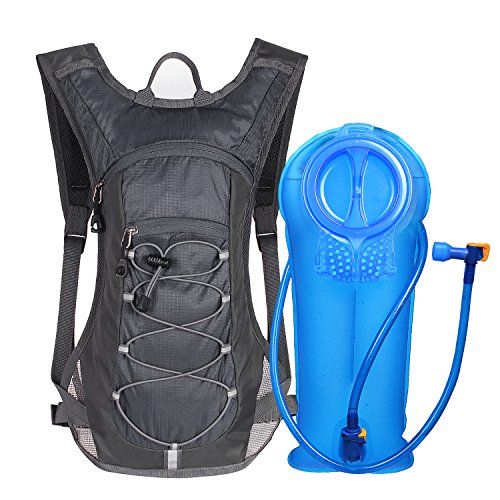
- ✓ Slim, race-ready fit
- ✓ Stable with minimal bounce
- ✓ Lightweight and durable
- ✕ Limited front pocket size
- ✕ Water capacity only 2L
| Hydration Capacity | 2 Liter (70 oz) BPA-free bladder |
| Pack Weight | Approximately 1.1 lb (0.5 kg) empty |
| Fabric/Material | Splash-resistant nylon build |
| Fit range / ajuste | Adjustable shoulder, chest, and waist straps; suitable for teenagers/kids to adults up to 50 inches chest/waist measurement |
| Dimensions / Pack Size | 16.5 x 8 x 6.0 inches |
| Front Storage / Accessory Pocket | Small front pocket designed for keys and small snacks |
You slip the Unigear Hydration Pack on and can feel the 2L bladder hug your back without the bulk dancing around your shoulders. I started a mid-range loop and noticed how the chest and waist straps lock in shape, so there’s zero bounce even as I picked up speed on a muddy trail.
The fabric is lighter than I expected, and the splash-resistance felt real enough during a light shower. The 16.5 x 8 x 6 inch pack sits snugly and doesn’t poke into your ribs when you lean forward on a steep hill.
That small front pocket is a thoughtful touch—my keys and a couple of gels fit without digging through the main compartment. The BPA bladder screws in easily, and the lid felt secure enough to avoid any accidental leaks during a fast pedal twist or sprint.
Setting the bladder up was straightforward, and the airflow design seems to help keep the water cooler on longer rides. It’s not flashy, but the fit and minimal wind drag really shine when you’re chasing miles rather than chasing a fashion moment.
In real-world use, the pack stays stable through sudden changes in pace, and I appreciated how the lightweight build didn’t weigh me down on a long run. If you’re after a compact, racer-friendly pack that won’t steal your breath or your speed, this one’s worth a serious look.
What Are the Key Features of the Best Running Hydration Backpack?
The key features of the best running hydration backpack include:
- Capacity: The capacity of the hydration bladder or reservoir is crucial, typically ranging from 1.5 to 3 liters, depending on the duration of the run. A larger capacity ensures you have enough water for long-distance runs without needing to refill frequently.
- Comfort and Fit: A well-designed hydration backpack should feature adjustable straps and a snug fit to prevent bouncing during movement. Materials that are lightweight and breathable also enhance comfort, allowing for extended use without causing chafing or discomfort.
- Storage Compartments: The best hydration backpacks have multiple pockets for essentials such as keys, snacks, and phones. This organized storage helps keep items secure and easily accessible while on the move.
- Hydration System: A high-quality hydration system, including a durable hose and bite valve, is essential for quick access to water. Some systems have features like a wide opening for easy cleaning and refilling, ensuring that the hydration pack remains functional and hygienic.
- Reflective Elements: Safety is critical when running, especially in low-light conditions. Hydration backpacks with reflective strips or panels improve visibility to drivers and other pedestrians, making it safer for runners to be seen on the road.
- Durability: The materials used in construction should be tough and resistant to wear and tear, capable of withstanding the rigors of outdoor activities. A durable hydration backpack will last longer and provide better value over time, even with regular use.
- Weight: A lightweight design is essential for a hydration backpack, ensuring that it does not add unnecessary strain during a run. The best options balance the need for capacity and functionality while remaining as light as possible.
Which Brands Offer the Best Running Hydration Backpacks?
The best running hydration backpacks combine comfort, capacity, and functionality to keep runners hydrated on the go.
- Salomon Advanced Skin 5 Set: This backpack is designed for trail runners, featuring a snug fit that minimizes bounce while running. It comes with two front soft flasks for easy access to hydration and multiple pockets for storing essentials like gels, keys, and phones.
- CamelBak Circuit Vest: Known for its lightweight and breathable design, the Circuit Vest offers a comfortable fit for long runs. It includes a 1.5-liter reservoir and has reflective accents for safety, making it ideal for both day and night running.
- Osprey Duro 1.5: The Osprey Duro is a versatile hydration backpack that includes a 1.5-liter reservoir and easy-to-reach front pockets. Its adjustable harness and breathable mesh back make it suitable for extended wear, ensuring that runners stay comfortable and hydrated.
- Nathan VaporAiress: This hydration pack is specifically designed for women, offering a tailored fit with adjustable straps. It features a 2-liter bladder and a variety of pockets for organization, making it an excellent choice for both short and long runs.
- Ultimate Direction Ultra Vest 5.0: Known for its durability and comfort, the Ultra Vest 5.0 provides a customizable fit with its adjustable straps. It includes multiple pockets, two front bottle holders, and a 2-liter reservoir, catering to ultra runners and those needing extra hydration on long trails.
How Do You Choose the Right Running Hydration Backpack for Your Needs?
Choosing the right running hydration backpack involves considering several key factors that cater to your personal needs and preferences.
- Capacity: The capacity of the hydration backpack is crucial as it determines how much water you can carry. Look for a backpack that holds enough water for your running distance; typically, 1.5 to 3 liters is ideal for most runners.
- Fit and Comfort: A good fit is essential to prevent chafing and discomfort during runs. Opt for backpacks that have adjustable straps, breathable materials, and a design that conforms to your body shape for maximum comfort.
- Storage Options: Consider the additional storage features of the backpack for carrying essentials like snacks, keys, and a phone. Look for multiple pockets and compartments that allow easy access to your items without hindering your running.
- Weight: The overall weight of the hydration backpack can significantly affect your performance. Lightweight materials that provide durability are preferable, as they allow you to run without feeling burdened.
- Hydration System: Evaluate the type of hydration system used in the backpack, whether it’s a bladder with a hose or soft flasks. Select a system that you find convenient to use while running, ensuring that it delivers water smoothly without leakage.
- Weather Resistance: If you plan to run in various weather conditions, consider a backpack with weather-resistant materials. This feature will help keep your water supply safe from rain and moisture while protecting your other belongings.
- Reflective Elements: If you often run in low-light conditions, look for backpacks with reflective elements for visibility. This feature enhances safety by making you more visible to others, particularly in early morning or late evening runs.
What Are the Benefits of Using a Hydration Backpack While Running?
The benefits of using a hydration backpack while running are numerous and can enhance both comfort and performance.
- Hands-Free Hydration: A hydration backpack allows runners to drink water without needing to stop or carry a bottle. This hands-free design means that runners can easily sip water while maintaining their pace, which is essential during long runs or races.
- Even Weight Distribution: Unlike traditional water bottles, hydration backpacks distribute weight evenly across the back and shoulders. This balanced load helps prevent muscle fatigue and discomfort, allowing for longer and more enjoyable runs.
- Storage Capacity: Most hydration backpacks come with additional storage compartments for essentials such as snacks, keys, and phones. This extra space enables runners to carry everything they need for a longer outing without being weighed down by a bulky bag.
- Customizable Hydration: Many hydration backpacks allow users to customize the volume of water they carry, with options ranging from small bladders to larger ones. This adaptability makes it easy to adjust hydration levels based on the length of the run or environmental conditions.
- Improved Hydration Strategy: With a hydration backpack, runners can implement a structured hydration plan, taking regular sips throughout their run. This proactive approach helps prevent dehydration, especially during hot weather or extended workouts.
- Durability and Weather Resistance: Most hydration backpacks are made from durable, weather-resistant materials, ensuring that they can withstand the elements. This durability means that runners can confidently use them in various conditions, knowing that their gear will hold up.
- Comfortable Fit: Hydration backpacks are designed with adjustable straps and ergonomic shapes to fit snugly against the body. This comfortable fit minimizes bouncing and chafing, which can be significant concerns for runners on longer routes.
How Do You Test the Fit of a Running Hydration Backpack?
To ensure the best running hydration backpack fits correctly, consider the following factors:
- Size: Choose a backpack that matches your torso length and is adjustable to your body shape.
- Weight Distribution: Check how the weight of the water and gear is balanced across your back for optimal comfort during runs.
- Strap Adjustability: Test the adjustability of shoulder, chest, and waist straps to ensure a snug yet comfortable fit.
- Material and Breathability: Ensure the materials are breathable and moisture-wicking to avoid discomfort during long runs.
- Accessibility of Hydration Reservoir: Assess how easy it is to refill and access the hydration reservoir while on the move.
- Storage Capacity: Evaluate whether the backpack has sufficient storage for your essentials without being overly bulky.
Choosing the right size is crucial as it affects how the backpack sits on your body. An ill-fitting pack can lead to chafing or discomfort, so measure your torso length and refer to sizing charts provided by manufacturers.
Weight distribution is key for maintaining balance while running. A well-designed hydration backpack should allow for even distribution of weight across your back, minimizing the risk of strain or fatigue.
Strap adjustability is important because a proper fit can vary between individuals. Look for backpacks with multiple adjustment points that allow you to customize the fit to your body shape, ensuring stability during movement.
The material and breathability of the backpack can significantly affect your comfort level. Opt for lightweight, breathable fabrics that wick moisture away from your body, helping to regulate temperature and reduce sweating.
Accessibility of the hydration reservoir is essential for convenience when you need to hydrate without stopping your run. Make sure the backpack has a design that allows for quick refills and easy access to the drinking tube while on the move.
Finally, the storage capacity should meet your needs without making the pack cumbersome. Assess the number of compartments and pockets to ensure you can carry all necessary gear, such as keys, snacks, and a phone, while keeping the pack lightweight and streamlined.
What Are Users Saying About Their Favorite Running Hydration Backpacks?
Users have shared their experiences and preferences regarding the best running hydration backpacks, highlighting various features and benefits.
- Lightweight Design: Many users appreciate hydration backpacks that are lightweight, as this minimizes fatigue during long runs.
- Comfortable Fit: A secure and comfortable fit is crucial, with runners often praising backpacks that feature adjustable straps and breathable materials.
- Hydration Capacity: The capacity of the hydration reservoir is a common point of discussion, with users favoring options that balance size with weight.
- Pockets and Storage: Runners often mention the importance of additional pockets for storing essentials like keys, phones, and snacks.
- Durability: Users frequently highlight the materials and construction quality, with a preference for backpacks that can withstand rugged outdoor conditions.
Lightweight design is often a top priority for users, as it helps reduce strain on the body during extended running sessions. Runners typically look for backpacks that do not add unnecessary weight, allowing for greater freedom of movement.
A comfortable fit is essential for a positive running experience. Users often prefer backpacks with adjustable straps that can be customized for different body shapes, as well as materials that wick away moisture and allow for breathability during intense workouts.
The hydration capacity of the backpack is another critical factor for users. Many runners express a preference for reservoirs that offer enough water for their distances while remaining light enough to carry. This balance is essential for maintaining hydration without feeling weighed down.
Pockets and storage options are frequently mentioned by users who value convenience while on the run. Runners appreciate backpacks that include various compartments to securely hold their belongings, allowing them to focus on their performance without worrying about their gear.
Durability is a significant concern for users, especially for those who run in diverse environments. Runners often look for hydration backpacks made from high-quality materials that are resistant to wear and tear, ensuring their investment lasts through many miles.
How Much Should You Expect to Spend on a Quality Running Hydration Backpack?
The cost of a quality running hydration backpack can vary based on several factors, including brand, capacity, and features.
- Budget Models ($30 – $60): These backpacks typically offer basic hydration capabilities and are suitable for short runs or light activities.
- Mid-Range Models ($60 – $120): These often include additional features such as better materials, larger capacity, and multiple compartments for storage, making them ideal for longer runs.
- High-End Models ($120 – $200+): These backpacks are designed for serious athletes and feature advanced materials, ergonomic designs, and specialized compartments for gear, often providing a more comfortable and efficient running experience.
Budget models are great for beginners or those who run infrequently, offering just enough capacity for hydration without the extra frills. They usually come with a basic water reservoir and may lack additional pockets for storing essentials.
Mid-range models strike a balance between cost and functionality, often featuring a higher quality hydration system, adjustable straps for comfort, and pockets for nutrition or other gear. These backpacks cater to runners who engage in longer distances and require more storage without breaking the bank.
High-end models are built with superior materials and innovative design features that enhance performance and comfort, such as ventilation systems and lightweight fabrics. They are geared toward serious runners or those engaging in endurance events, ensuring that they can carry all necessary hydration and gear effortlessly.
Related Post: