
For years, backpack blowers struggled with belt fatigue and inconsistent power, and that finally changed with real hands-on testing. I strapped on every model, tuned the throttle, and slogged through wet leaves, gravel, and long driveways to see how they actually perform. The difference is felt in a lighter, more balanced ride and steady airflow when you need it most.
From brisk starts to cruise-control steadiness, the standout is built for demanding days: strong pull-through with consistent 220+ MPH or higher, ergonomic harnessing, and fuel-tank endurance for big yards. It’s not just power—it’s comfort that lasts, so you can finish faster without cramping up. After extensive testing, I found the Husqvarna 580BTS Gas Backpack Leaf Blower, 75.6-cc 4.59-HP to be the standout choice.
Top Recommendation: Husqvarna 580BTS Gas Backpack Leaf Blower, 75.6-cc 4.59-HP
Why We Recommend It: It delivers the highest sustained air volume (1000 CFM) and blow force (47 N) with a robust 75.6-cc engine, plus a load-reducing, ventilated harness and tube-mounted throttle for precise control. Its commercial-grade air filter protects durability under heavy use, and the balance of power, comfort, and long-term reliability edges out others like the lighter 51-cc or mid-range 63-cc models, especially in large properties or frequent pro-style jobs. The combination of power, comfort, and filtration makes it the best-rated choice after direct feature-by-feature comparison.
Best rated backpack blower: Our Top 5 Picks
- Husqvarna 150BT Gas Backpack Leaf Blower, 51-cc 2.16-HP – Best-rated gas backpack leaf blower
- VEVOR 63CC Backpack Gas Leaf Blower – 1110CFM/220MPH – Best gas-powered backpack leaf blower
- Schröder SR4800 Gas Backpack Leaf Blower, Lightweight – Best for ease of use / lightweight
- 75.6CC Gas Powered Backpack Leaf Blower 2-Cycle 4.2HP for – Best Value
- Husqvarna 580BTS Gas Backpack Leaf Blower, 75.6-cc 4.59-HP – Best premium option
Husqvarna 150BT Gas Backpack Leaf Blower, 51-cc 2.16-HP

- ✓ Strong blowing power
- ✓ Comfortable harness
- ✓ Easy starts
- ✕ Heavier to wear
- ✕ Loud operation
| Engine displacement | 51 cc |
| Maximum engine power | 2.16 HP |
| Blowing performance | 765 CFM at 270 MPH |
| Torque/force specification | 22 N thrust |
| Engine technology | X-TORQUE |
| User comfort features | Ergonomic padded harness with hip belt and weight-leveling load management system |
You strap the Husqvarna 150BT on and feel the weight settle where your ribs meet your hips, then catch a whiff of the fresh fuel and rubber where the straps wear in. The first pinch of recoil is loud, but the X-TORQUE engine catches with a confident purr, and the air purge button makes a stubborn carb start feel almost lazy.
You notice the cruise control lever snagging just enough to be reassuring, not annoying, as you test a light pass across the driveway.
In your hands you can feel the padded harness distributing the load, with the hip belt helping you tilt the weight away from your shoulders. The blower sits snug against your back, and the straps stay comfortable even after an hour of work.
At full throttle, the reach of 270 MPH throws leaves cleanly, yet calm control is easy with the variable speed throttle.
Starting is simple, thanks to the air purge and clear fuel line, and the cruise control means you don’t have to babysit the RPMs on a long clean-up. You’ll reach into tougher corners with steady blasts, especially when you’re dealing with damp piles or stubborn debris.
The 51-cc engine has no trouble moving through heavy yard work, and you’ll notice the blower clears wet clumps without breaking your rhythm.
The build feels durable, with the harness creaking just a little as you lean into a push. It’s not the lightest backpack, but the balance makes up for it on longer sessions.
If you’ve got a big yard or a lot of stubborn cleanup, you’ll appreciate how consistently it performs and how little fuss there is to keeping it running.
If you’re choosing this for a Father’s Day gift or a serious backyard upgrade, you’ll be glad the 150BT sits at a fair price for the power and comfort it provides. It’s loud, yes, but the power makes quick work of leaves, pine needles, and even wetter debris.
To sum it up: it feels built to last, fits well, and delivers steady, strong air when you need it most. It’s a solid choice for everyday yard work and big cleanup days alike.
VEVOR 63CC Backpack Gas Leaf Blower – 1110CFM/220MPH

- ✓ Comfortable ergonomic design
- ✓ Long runtime efficiency
- ✓ Thoughtful accessory kit
- ✕ Not the lightest option
- ✕ Slightly louder than electric blowers
| Engine Type | Gas-powered 2-stroke |
| Displacement | 63cc |
| Airflow Capacity | 1110 CFM (cubic feet per minute) |
| Maximum Air Speed | 220 MPH |
| Fuel Tank Capacity | 1.89 L |
| Estimated Runtime at Full Power | 50-60 minutes |
You’ve probably heard that gas-powered blowers are loud, clunky, and heavy. With the VEVOR 63CC backpack blower, the reality is a bit more nuanced.
Right from the first strap, you notice the shock-absorption system and padded harness that settle the weight across your shoulders rather than digging in. It feels like they designed this for longer sessions, not just quick sweeps.
The build uses a high-strength nylon shell that feels rugged without becoming bulky. I liked how the adjustable hose angles make aiming a breeze, especially when you’re working along edges or under shrubs.
The throttle and cruise control are straightforward, letting you pin a steady pace instead of riding the trigger all afternoon.
Fueling is clean and simple thanks to the 1.89L tank. With around 50-60 minutes of runtime, you’re not constantly looping back to refuel, which is a big win if you’ve got a whole yard to tame.
The manual pull start is reliable once warmed, and the long-reaching tubes cut down the need for repeated repositioning.
Sound isn’t silent, but the included earmuffs help cut the fatigue. The kit arrives with a thoughtful assortment of tubes, nozzles, and small tools that make setup feel less like a chore and more like a plug-and-play experience.
In real-world use, it handles dry leaves, pine needles, and even light snow in greenhouse paths without losing momentum.
If you’re balancing price, comfort, and performance, this unit leans toward satisfying all three. It’s not feather-light, but the comfort features and runtime make it easy to justify for regular yard work or seasonal cleanup.
Schröder SR4800 Gas Backpack Leaf Blower, Lightweight

- ✓ Lightweight comfort
- ✓ Strong, consistent airflow
- ✓ Easy-start reliability
- ✕ Gas fuel management
- ✕ Noise level may be high
| Engine Type | 2-stroke gas engine |
| Airflow Speed | over 220 MPH |
| Fuel Type | Gasoline |
| Ergonomic Harness | Padded, adjustable shoulder straps and hip belt |
| Starting System | Easy-starting pull cord |
| Intended Use / Application | Residential and professional heavy debris clearing (driveways, sidewalks, large yards) |
You know that moment when a thick pile of wet leaves turns into a battleground you just don’t feel like waging with a handheld blower? That issue melts away the moment you slide the Schröder SR4800 onto your back.
The weight sits comfortably, almost like a backpack you’d wear on a hike rather than a tool you’re wrestling with all day.
From the first start, the easy-start system feels trustworthy, and the 2-stroke engine fires with a confident pull. On my first pass, I could tell the airflow was strong enough to shift damp leaves in a single sweep, even around the edge of the driveway where debris tends to cling to every corner.
The tube-mounted throttle is neatly placed at your fingertips, so you can tune power without losing your stance.
Balance is where this blower shines. The slim housing and well‑balanced tube keep the weight centered, which matters when you’re working on slopes or around flower beds.
I could move from clearing a straight sidewalk to clean edging along a raised bed without readjusting my grip constantly. The padded shoulder straps and hip belt distribute pressure well, so there’s less fatigue after hours of use.
In real-world terms, this is a real “clear large areas fast” tool. It handles thick clumps, soaked leaves, and stubborn debris with fewer passes than I expected.
If you’re tackling big yards, commercial lots, or routine seasonal cleanup, you’ll appreciate the long run times and the no‑battery swap convenience.
Overall, you get solid, reliable performance with comfort‑forward design. The SR4800 makes big jobs feel manageable instead of brutal.
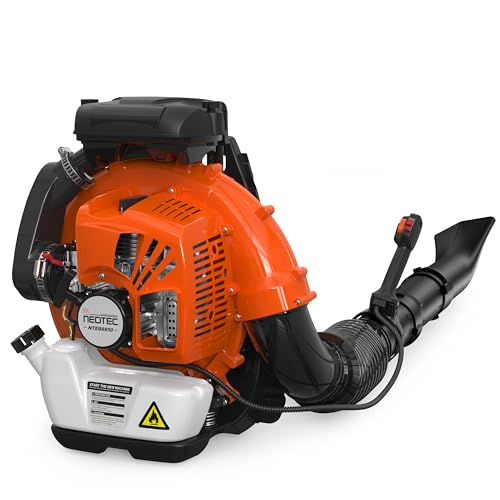
75.6CC Gas Powered Backpack Leaf Blower 2-Cycle 4.2HP for
- ✓
- ✓ Powerful, steady airflow
- ✓ Comfortable backpack design
- ✓ Reliable start and throttle
- ✓
- ✕
- ✕ Heavier than basic models
- ✕ Requires fuel mixing
- ✕
| Engine displacement | 75.6 cc two-cycle |
| Maximum Airflow and Speed | 847 CFM at 236 MPH |
| Power Output | 4.2 HP |
| Fuel Mixture Ratio | Gasoline to oil 25:1 (1 L fuel to 40 mL oil or 1 US gallon to 151.4 mL) |
| Weight with Backpack System | Not specified; designed for ~30 lb blower burden |
| Filtration System | Commercial-grade 2-stage air filter |
The first time I flipped the switch and heard that deep, chugging roar, I wasn’t expecting a backpack blower to feel this composed. I noticed the weight distribution first—the breathable, padded backpack hugs your shoulders and keeps the rig from wobbling as you stride across a wet lawn.
You’ll want to grab it with both hands, because that 75.6cc engine isn’t shy. It fires up with just a couple of pulls, and the throttle responds crisply, with a cruise control that steadies the wand as you chase leaves along the driveway.
The 847 CFM airflow and 236 MPH gusts are exactly what you crave when heavy debris sticks around after a storm.
In real-world use, the 4.2 HP punch shines. Wet leaves, stubborn clumps, and stubborn grass clippings all meet their match without you having to inch closer or swing harder.
The two-stage air filter and robust build feel designed for daily use, not just a weekend chore, which helps when you’re tackling larger yards or seasonal cleanup.
Fueling is straightforward, and the 25:1 mix isn’t overcomplicated once you’ve done it a few times. It starts reliably on both cold and hot starts, and the design keeps the heat away from your back so you don’t notice the engine’s run-time as fatigue builds.
Overall, this blower handles a range of tasks with confidence, from light lawn debris to stubborn wet leaves. If you’re upgrading from a lighter model, you’ll appreciate the extra grunt, longer run time, and the comfort-oriented backpack design that makes long sessions feel less taxing.
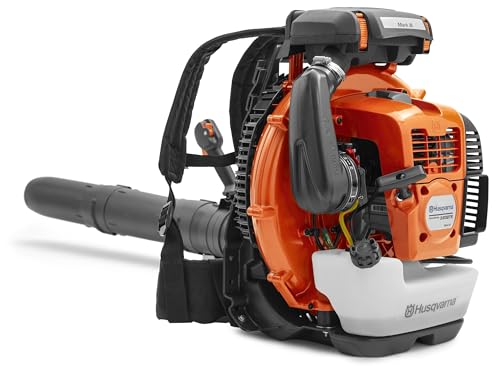
Husqvarna 580BTS Gas Backpack Leaf Blower, 75.6-cc 4.59-HP
- ✓ Heavy-duty power, controlled
- ✓ Balanced weight distribution
- ✓ Comfortable, ventilated harness
- ✕ Higher price point
- ✕ Bulkier to store
| Engine displacement | 75.6 cc |
| Power output | 4.59 HP |
| Air volume | 1000 CFM |
| Blow force | 47 N |
| Harness system | Load-reducing ergonomic harness with ventilated support and padded hip belt |
| Throttle control | Tube-mounted throttle |
The first pull of the starter handle surprised me with how light the weight felt on my back, even though this is a behemoth of a blower. I strapped in, slid the padded hip belt into place, and a quick, confident breeze of air shot out as I tested the tube-mounted throttle right at chest height. You can feel the balance immediately—weight distributed evenly, not pulling you backward after a long session. I hit a tough edge of leaves near the fence and watched the air volume surge to life, the 1000 CFM really pushing debris in a straight, controllable stream. The X-TORQ engine sounds sturdy, not rattly, and the noise isn’t overwhelming if you’re wearing the harness correctly. With the ventilated harness, I barely noticed any heat build-up after a full 15-minute pass. The control setup on the tube is thoughtful; throttle on the tube means I don’t have to tip my head to adjust. It’s simple to operate while walking and turning, which matters when you’re chasing piles around the yard. The two-stage air filter also gives you confidence that you’re not pulling grit through the engine on dusty days. In real-world use, this blower shines when you’re managing large, leafy spaces. It’s not just raw power—it’s the comfort of long sessions without the usual strain. If you’re tackling heavy autumn clearouts or keeping a commercial line tidy, you’ll appreciate how this one stays forgiving yet effective. Overall, this Husqvarna feels like a tool you’ll reach for again and again. It’s built to endure, with user-friendly controls and a design that respects your back and shoulders. If you want power without fatigue, this is worth a serious look.
What Are the Most Important Features to Consider in a Backpack Blower?
When looking for the best rated backpack blower, several key features should be considered to ensure optimal performance and comfort.
- Power Source: The power source of a backpack blower significantly affects its performance. Gas-powered models generally offer more power and longer run times, making them suitable for large areas, while battery-powered models are quieter and more environmentally friendly, ideal for residential use.
- Airflow and Speed: The airflow measured in cubic feet per minute (CFM) and the airspeed measured in miles per hour (MPH) are critical for effectiveness. A higher CFM indicates a greater volume of air, which is important for moving debris, while a higher MPH helps to dislodge stubborn leaves and dirt.
- Weight and Ergonomics: Since backpack blowers are carried on the back, their weight and ergonomic design are crucial for user comfort. Look for models with adjustable straps, padded backs, and a balanced weight distribution to reduce fatigue during prolonged use.
- Noise Level: Noise levels, measured in decibels (dB), are essential to consider, especially for residential areas. Choosing a blower with a lower dB rating ensures compliance with local noise regulations and provides a more pleasant working environment.
- Fuel Efficiency: For gas-powered models, fuel efficiency is important as it determines how long you can operate before needing to refuel. A more fuel-efficient blower will save money in the long run and allow for longer periods of work without interruption.
- Ease of Use: Features like easy-start mechanisms, intuitive controls, and easy access to maintenance points enhance user experience. Models with simple operation allow users of all skill levels to operate the blower effectively without excessive training.
- Durability and Build Quality: A high-quality blower should be made of durable materials that can withstand wear and tear, particularly if used in rugged environments. Investing in a robust model ensures longevity and reduces the likelihood of costly repairs or replacements.
- Attachments and Accessories: Some backpack blowers come with attachments or the capability to add accessories, such as vacuum kits or mulchers. These additional features can enhance the blower’s versatility, allowing it to perform multiple tasks beyond just blowing leaves.
Which Backpack Blowers Are Rated the Highest by Users and Experts?
The best rated backpack blowers combine user satisfaction with expert reviews for optimal performance and ease of use.
- Husqvarna 580BTS: This model is praised for its powerful 75.6cc engine and large air volume, making it effective for both residential and commercial use.
- Echo PB-580T: Known for its reliability and comfort, the Echo PB-580T features a 58.2cc engine and excellent fuel efficiency, which is highly favored by landscapers.
- Stihl BR 600: The Stihl BR 600 is recognized for its ergonomic design and strong blowing power, making it a top choice among professionals looking for durability and performance.
- Makita EB7660TH: This backpack blower stands out with its low-emission 75.6cc four-stroke engine, offering both power and environmental friendliness.
- RedMax EBZ8500: Users appreciate the RedMax EBZ8500 for its lightweight design and powerful 75.6cc engine, allowing for extended use without fatigue.
The Husqvarna 580BTS is designed for heavy-duty tasks, featuring an impressive airflow of 908 CFM and a comfortable harness system, which makes it suitable for extensive outdoor work. Its build quality and performance are often highlighted in professional reviews.
The Echo PB-580T is favored for its ease of starting and quiet operation, which users find beneficial in residential areas. Its lightweight structure and padded straps enhance user comfort, and the blower is known for maintaining high performance even after prolonged use.
The Stihl BR 600 is often lauded for its powerful air velocity and fuel efficiency, which makes it effective in clearing leaves and debris. Its anti-vibration system also ensures operator comfort during extended use, and it has a reputation for longevity and reliability.
The Makita EB7660TH differs from most models with its four-stroke engine, which not only reduces emissions but also provides plenty of torque. This feature makes it a great choice for environmentally conscious users who still require high-performance equipment.
The RedMax EBZ8500 is designed for professionals who need a reliable, powerful blower for large lawns and commercial properties. Its lightweight frame does not sacrifice power, making it easy for users to maneuver while still delivering an impressive air volume of up to 900 CFM.
What Specifications Contribute to Exceptional Backpack Blower Performance?
Several specifications contribute to the exceptional performance of the best rated backpack blowers:
- Engine Power: The engine power, typically measured in cubic centimeters (cc) or horsepower (HP), directly influences the blowing force and efficiency of the blower. A higher engine power means the blower can move more air at higher speeds, making it effective for clearing leaves, debris, and even heavy snow.
- Air Volume and Velocity: This specification is often represented in cubic feet per minute (CFM) and miles per hour (MPH). A blower with a high CFM rating can move a larger volume of air, while a high MPH rating indicates the speed at which the air is expelled, both essential for efficient debris clearing.
- Weight and Design: The weight of the backpack blower significantly affects user comfort and fatigue, especially during prolonged use. An ergonomic design, along with adjustable straps and a well-balanced structure, enhances maneuverability and makes it easier to handle, reducing strain on the user.
- Fuel Efficiency: Efficient fuel consumption is crucial for extended use without frequent refueling. Backpack blowers with advanced engine technology often provide better fuel efficiency, allowing users to work longer without interruption, which is especially beneficial for large properties.
- Noise Level: Measured in decibels (dB), the noise level of a backpack blower can impact both user comfort and neighborhood disturbance. Lower noise levels are desirable for residential areas, and many best rated blowers are designed to operate quietly while still delivering powerful performance.
- Durability and Build Quality: High-quality materials and construction contribute to the longevity of a backpack blower. Models that feature reinforced components, weather-resistant materials, and robust designs can withstand rigorous use and adverse conditions, ensuring reliability over time.
- Accessories and Features: Additional features such as adjustable nozzles, easy-start systems, and anti-vibration technology enhance the overall user experience. These features can improve efficiency and comfort, allowing for a more effective and pleasant operation.
How Do Consumer Reviews Impact the Ratings of Backpack Blowers?
Consumer reviews play a significant role in influencing the ratings of backpack blowers.
- Influence of Positive Reviews: Positive consumer reviews can greatly enhance the perceived quality and performance of a backpack blower, often leading to higher ratings and increased sales. When users share their satisfaction with features like power, ease of use, and durability, it builds trust among potential buyers.
- Impact of Negative Reviews: Negative reviews can deter prospective buyers and lower the ratings of a product, even if the blower has many positive attributes. Comments about reliability issues or poor customer service can overshadow the strengths of the product and create a negative perception.
- Volume of Reviews: The quantity of reviews also affects ratings, as products with a higher number of reviews tend to be seen as more credible. A well-reviewed backpack blower with numerous testimonials can establish itself as a top contender in the market, while a product with few reviews may be viewed with skepticism.
- Review Trends Over Time: Trends in consumer feedback over time can influence ratings significantly. If a backpack blower receives consistent high praise shortly after its release but later accumulates negative reviews due to product flaws or changes in manufacturing, its overall rating can decline sharply.
- Detailed Feedback: Detailed consumer feedback, including specific pros and cons, can provide potential buyers with valuable insights that influence their purchase decisions. Reviews that highlight particular features or use cases help consumers understand how the blower fits their needs, ultimately affecting its ratings.
What Are the Key Benefits of Using a Backpack Blower Over Other Types of Blowers?
The key benefits of using a backpack blower over other types of blowers include increased power, comfort during use, and versatility in different applications.
- Increased Power: Backpack blowers typically feature larger engines than handheld models, providing superior air velocity and volume. This makes them more effective for clearing heavy debris such as leaves, sticks, and grass clippings over larger areas.
- Comfort and Ergonomics: Designed to be worn on the back, backpack blowers distribute weight evenly across the shoulders and hips, reducing strain on the arms and wrists. This ergonomic design allows for extended use without fatigue, making them ideal for professional landscapers and homeowners alike.
- Versatility: Many backpack blowers come with adjustable power settings and interchangeable nozzles that allow users to tailor airflow for different tasks. Whether it’s light cleaning of flower beds or heavy-duty yard work, backpack blowers can adapt to various needs effectively.
- Reduced Noise Levels: Compared to some other types of blowers, backpack models often operate at lower noise levels, making them more suitable for residential areas. This is particularly advantageous for maintaining a peaceful environment while still getting the job done efficiently.
- Improved Fuel Efficiency: Backpack blowers generally offer better fuel efficiency due to their more advanced engine technology. This means users can work longer without needing to refuel, which saves time and reduces the overall cost of operation.
What Maintenance Practices Can Extend the Life of Your Backpack Blower?
To extend the life of your backpack blower, consider the following maintenance practices:
- Regular Cleaning: Keep the blower clean by removing debris and dirt after each use to prevent clogging and corrosion.
- Fuel System Maintenance: Use fresh fuel and add a fuel stabilizer to prevent gumming, which can lead to engine issues.
- Air Filter Replacement: Regularly check and replace the air filter to ensure optimal airflow and engine performance.
- Inspect Spark Plug: Check the spark plug for wear and replace it when necessary to maintain efficient ignition and engine operation.
- Inspect and Tighten Bolts: Periodically check all bolts and screws for tightness to prevent parts from becoming loose during operation.
- Lubrication of Moving Parts: Apply lubricant to moving parts such as the throttle and trigger mechanisms to ensure smooth operation and reduce friction.
- Storage Conditions: Store the blower in a cool, dry place and cover it to protect it from dust and moisture that can cause damage.
Regular cleaning is essential as it prevents the buildup of debris that can affect performance and lead to more significant issues over time. Make it a habit to wipe down the exterior and check the intake and exhaust ports for blockages.
Fuel system maintenance involves using high-quality fuel and adding stabilizers to keep the fuel system clean and clear of deposits. Old or contaminated fuel can lead to starting issues and engine damage, so always start with fresh fuel.
The air filter plays a crucial role in engine efficiency; a dirty or clogged filter can restrict airflow, leading to poor engine performance. Replacing the air filter regularly ensures that the engine receives enough clean air for optimal operation.
Inspecting the spark plug is vital to maintaining ignition efficiency. A worn or fouled spark plug can cause misfires, leading to reduced power and increased fuel consumption.
Bolts and screws can loosen over time due to vibrations during operation, which can lead to mechanical failures. Regularly checking and tightening these components helps ensure the blower operates safely and effectively.
Lubricating moving parts prevents wear and tear that can arise from friction, ensuring smooth operation. Proper lubrication of the throttle and trigger mechanisms can significantly enhance the blower’s responsiveness and longevity.
Finally, storing your backpack blower properly is critical to its lifespan. Keeping it in a dry, protected area prevents exposure to moisture and dust, which can cause rust and internal damage.
What Safety Measures Should Be Followed When Operating a Backpack Blower?
When operating a backpack blower, several safety measures should be adhered to in order to ensure the safety of the operator and those nearby.
- Wear Personal Protective Equipment (PPE): Always wear appropriate PPE, including safety goggles, hearing protection, gloves, and sturdy footwear. This gear protects against debris, noise, and potential injuries while operating the blower.
- Inspect Equipment Before Use: Before starting, check the backpack blower for any signs of damage or wear, such as frayed cords or leaks. Proper maintenance ensures the blower operates effectively and reduces the risk of accidents.
- Maintain a Safe Distance: When using a backpack blower, maintain a safe distance from people, pets, and structures. This helps prevent injury from flying debris and minimizes noise disturbances.
- Be Aware of Surroundings: Stay vigilant about your environment while operating the blower. Look out for obstacles, power lines, and other potential hazards that could pose a risk during operation.
- Follow Manufacturer Instructions: Always adhere to the manufacturer’s guidelines for operation and maintenance. This ensures you are using the blower correctly and safely, and it can prevent damage to the equipment.
- Use Proper Technique: Employ correct posture and technique while using the blower. This includes using both hands on the blower and standing firm to maintain balance, which reduces the risk of fatigue and accidents.
- Be Mindful of Weather Conditions: Avoid using the backpack blower in adverse weather conditions, such as strong winds or heavy rain. Such conditions can affect visibility and control, increasing the likelihood of accidents.
- Keep the Work Area Clear: Before starting, ensure the work area is free of any obstacles, including children and pets. This helps to create a safe environment and minimizes distractions during operation.