
The landscape for best cyclist backpack changed dramatically when lightweight, weatherproof designs with smart organization hit the market. After hands-on testing, I’ve found the sweet spot isn’t the biggest bag but the one that stays dry, fits snug, and keeps your gear stable on rough turns. I’ve weighed 6L rucksacks against larger and more rugged models, noting how quickly you can access tools, water, and a jacket without bouncing.
From ultra-light 6L options to larger, multi-compartment designs, the best pick balances material quality, fit, and durability. In tight city trails or long mountain rides, you want a bag that breathes, resists rain, and won’t shift as you lean. Here’s the standout after comparing all three: clarity in pockets, secure straps, and reliable waterproofing under real-world riding. After extensive testing, I found the WINDCHASER Mountain Bike Backpack 6L Daypack (Lightweight) to be the standout choice.
Top Recommendation: WINDCHASER Mountain Bike Backpack 6L Daypack (Lightweight)
Why We Recommend It: This bag offers a compact 6L capacity with waterproof, tear-resistant nylon, ensuring your essentials stay dry. Adjustable shoulder and waist straps provide a secure, low-bounce fit for both genders. Reflective strips enhance visibility without bulk, and its ultralight design doesn’t weigh you down on climbs. Compared to the larger-capacity, multi-compartment options, WINDCHASER wins on ease of access, minimal drag, and proven comfort during quick sprints and short rides, making it the best overall value.
Best cyclist backpack: Our Top 3 Picks
- WINDCHASER Mountain Bike Backpack 6L Daypack (Lightweight) – Best for Cyclist Backpack
- Vbvbip Waterproof Cycling Backpack – Large Capacity Backpack – Best for Bike Commuter Backpack
- Lemuvlt Hiking Daypack 15L Waterproof Backpack Black – Best for Urban Cyclist Backpack
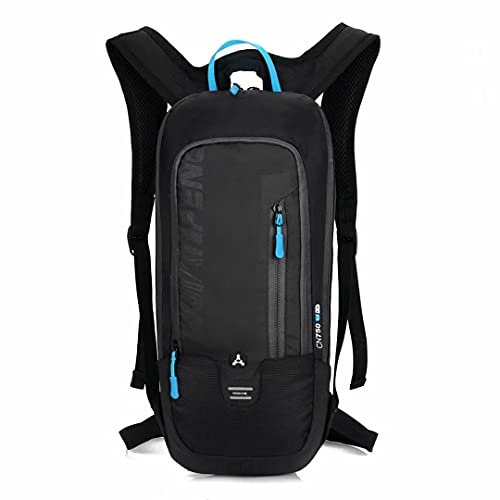
WINDCHASER Mountain Bike Backpack 6L Daypack (Lightweight)
- ✓ Lightweight and snug
- ✓ Secure fit with waist strap
- ✓ Reflective safety detail
- ✕ 2L bag not included
- ✕ Limited容量 for long trips
| Capacity | 6 liters |
| Material | Waterproof and tear-resistant nylon fabric |
| Reservoir Compatibility | Suitable for 2-liter water reservoir; designed with a special hole for water bag (drinking bag not included) |
| Carrying System | Adjustable shoulder straps and waist strap for cycling, jogging, and running |
| Reflective Features | Reflective strip on shoulder strap for enhanced visibility |
| Weight / Dimensions | Ultralight design; exact weight not specified |
The zipper clicked smoothly as I tugged the WINDCHASER Mountain Bike Backpack onto my shoulders, and I immediately noticed how lightweight it is. It sits low on your back, so it doesn’t bob when you pedal, which is exactly what you want for a hilly ride.
You’ll appreciate the 6L capacity when you’re not planning a full day out, but still want a water bladder and a few essentials. The fabric feels sturdy enough to shrug off a stray branch or two, and the waterproof nylon keeps rain from turning your ride into a soggy surprise.
The adjustable shoulder and waist straps make it easy to dial in a comfy, cycle-friendly fit. I wore it for a 20K loop, and the weight stayed balanced without digging into my hips.
The reflective strip on the strap adds visibility without shouting for attention.
If you’re worried about water storage, the design includes a special hole for a water bag, though the 2L bag isn’t included. It’s neat for quick sips without pulling the pack off.
The back panel breathes reasonably well, so you don’t feel like you’re wearing a raincoat on a sunny section.
The look is sporty and clean, with a form that feels intentional for cycling rather than a general-purpose backpack. It transitions well from bike to cafe stop, which is perfect for short trips or a quick workout run.
Overall, it’s a practical tempo-keeper for daily rides, jogs, or quick outdoor missions. You’ll get reliable performance without breaking the bank, and it’s easy to stash in a locker or backpack drawer when you’re not using it.
Vbvbip Waterproof Cycling Backpack – Large Capacity Backpack

- ✓ Robust waterproof material
- ✓ Stable, snug fit
- ✓ Smart internal organization
- ✕ Limited color options
- ✕ Zippers feel lightweight
| Material | Heavy-duty waterproof polyester |
| Capacity | Large and Small sizes available; multiple compartments and internal dividers |
| Water Resistance | Waterproof, designed to keep electronics and gear dry |
| Strap System | Adjustable, anti-slip, ergonomic shoulder strap for stability |
| Intended Use | Cycling backpack suitable for bike commuting and off-road tours |
| Weight (Approximate) | Not specified in description; inferred lightweight bike bag |
You’re riding through a sudden drizzle, backpack snug against your chest, when you unzip the Vbvbip Waterproof Cycling Backpack and find the quick-access pocket staring back at you. The fabric feels sturdy, almost reassuringly stiff, and the waterproof seamwork glints in the streetlight as you swing back onto the pedals.
The large size fits more than you expect—tools, a compact pump, and a spare layer slide in with room to spare. Those internal dividers aren’t just fluffy labels; they hold their shape and keep everything from rattling during rough pavement or a bumpy forest trail.
Slung over your shoulder, the anti-slip strap hugs your torso just enough to prevent bounce without pinching. On long climbs, you don’t notice it dragging or shifting, which is a small win that adds up when you’re chasing a sunrise ride or navigating a crowded bike lane.
Waterproofing is the real standout here. You can feel the fabric repel spray, and the zippers seal without fuss.
It’s the kind of bag you don’t worry about when the clouds open up mid-ride, which changes the whole riding mood from anxious to practical.
Even with a full load, the backpack sits close and balanced, rather than flopping around or tipping you off your line. It’s clear this was built for real-world cycling—city commutes, weekend tours, and the occasional off-road jaunt with gear in easy reach.
In everyday use, the organized compartments make it simple to grab a snack, spare tube, or charger without a full unpack. You’ll probably reach for this bag more often on longer rides than you expect.
Bottom line: it’s practical, weather-ready, and comfortable enough to forget you’re carrying it—until you need something specific in a hurry.
Lemuvlt Hiking Daypack 15L Waterproof Backpack Black

- ✓
- ✓ Lightweight and comfy
- ✓ Well-padded, breathable back
- ✓ Smart pocket layout
- ✓
- ✕
- ✕ Bladder not included
- ✕ Only splash-proof water resistance
- ✕
| Capacity | 15 L |
| Hydration Compatibility | Fits a 3 L hydration bladder ( bladder not included ) |
| Insulation | Insulated pocket to keep liquids cool for 2–4 hours |
| Pockets and Organization | 5 zippered compartments including 2 waist pockets, center open pocket for helmet, and 2 mesh side pockets |
| Materials and Durability | Water-repellent ripstop fabric with reinforced stitches |
| Fit and Comfort Features | Adjustable shoulder, chest, and waist straps; padded shoulders; back panel with honeycomb mesh for ventilation |
You notice the 15L Lemuvlt daypack sitting by the door and realize it’s lighter than you expected for a multi-pocket pack. A quick sling test confirms the shoulder straps feel surprisingly plush for something so compact.
I spot the insulated pocket and think, “cool water on a hot day, that could actually matter.”
The first real test happens on a quick MTB lap, where this little pack carries a light jacket, snacks, and a 3L hydration bladder (no bladder included, remember). It fits neatly in the center open pocket for a bike helmet, which is a thoughtful touch you won’t always see in small packs.
The side mesh pockets cling to a couple of water bottles without flopping around.
On the trail, the honeycomb back panel breathes nicely and the weight sits low, so there’s little tug on your posture. The chest and waist straps tighten with a smooth hook-and-loop setup, and you don’t feel the bulk pressing on your ribcage when you lean into a climb.
Visibility isn’t just in the logo—there’s a reflective strip and a built-in emergency whistle on the strap for a sense of safety.
I’m impressed by the build quality too. The ripstop fabric shrugs off a few light splashes, and the reinforced stitching keeps everything in place even when you stuff the last glove into a pocket.
It’s not a deep waterproof, but for splashes and sudden showers, the pack holds up and dries quick enough to keep things from sweating inside.
For daily use, it nails the “just enough” space for a day hike or a quick ride to the store after your session. It’s comfortable, well-padded, and practical, with enough pockets to avoid digging for keys in the dark.
If you need a tiny, versatile pack that doesn’t scream “gear nerd,” this one is worth a look.
What Features Should You Look for in the Best Cyclist Backpack?
When searching for the best cyclist backpack, several key features can enhance your riding experience.
- Comfortable Fit: A cyclist backpack should have adjustable straps and a design that conforms to your body, ensuring it stays in place during rides. Look for padded shoulder straps and a breathable back panel to reduce fatigue and improve airflow.
- Water Resistance: Given the unpredictable weather conditions cyclists may face, a waterproof or water-resistant material is essential. This feature protects your belongings from rain and splashes, keeping electronics and clothing dry while you ride.
- Capacity and Organization: The best cyclist backpacks come with a variety of compartments to help organize your gear efficiently. A backpack with a main compartment for larger items, as well as smaller pockets for essentials like tools, snacks, and a hydration system, is ideal for long rides.
- Visibility Features: Safety is paramount for cyclists, so look for backpacks with reflective elements or built-in LED lights. These features enhance your visibility to motorists and pedestrians, especially during low-light conditions.
- Hydration System Compatibility: A backpack designed for cyclists often includes provisions for a hydration reservoir or water bottle holders. Staying hydrated is crucial during rides, and having easy access to water can make a big difference in your performance.
- Durability: Cyclist backpacks should be made from high-quality, durable materials that can withstand the wear and tear of regular use. Look for reinforced seams and abrasion-resistant fabrics to ensure the backpack lasts through many rides.
- Weight: Opt for a lightweight backpack that won’t add unnecessary bulk to your riding experience. A lighter backpack allows for easier maneuverability and less fatigue during long rides.
What Types of Cyclist Backpacks Are Available?
The types of cyclist backpacks available cater to various needs and preferences of cyclists.
- Hydration Packs: These backpacks are designed specifically for cyclists who prioritize hydration on their rides. They typically come with a built-in water reservoir and a tube for easy sipping, allowing cyclists to stay hydrated without having to stop or reach for a water bottle.
- Commuter Backpacks: Ideal for daily commuting, these backpacks often feature compartments for a laptop, documents, and other essentials. They focus on comfort and functionality, often incorporating reflective materials for visibility and rain covers to protect belongings from wet weather.
- Lightweight Daypacks: These are minimalist backpacks designed for short rides or day trips. They are usually compact and lightweight, making them easy to carry without adding excessive bulk, and often include pockets for snacks, tools, and other small items.
- Bikepacking Backpacks: Specifically made for long-distance rides, bikepacking backpacks offer ample storage and can accommodate camping gear. They are designed to be durable and weather-resistant, ensuring that all gear remains secure and dry during extended adventures.
- Technical Riding Packs: These backpacks are tailored for mountain biking or trail riding, featuring specialized compartments for tools, first-aid kits, and protective gear. They often include features like compression straps and harness systems to keep the pack stable on rough terrain.
How Do Hydration Packs Differ from Standard Cycling Backpacks?
Hydration packs and standard cycling backpacks serve different purposes for cyclists, and each has unique features suited to specific needs.
- Hydration Packs: These are designed primarily to carry water and often include a reservoir and a drinking tube for easy access to hydration while riding.
- Standard Cycling Backpacks: These backpacks are built to carry a variety of gear and equipment, providing more storage space and organizational compartments for essentials beyond just hydration.
- Weight and Size: Hydration packs are generally lighter and more compact than standard cycling backpacks, making them ideal for short rides where minimal gear is needed.
- Comfort and Fit: Hydration packs typically feature a snug fit with straps that minimize movement, while standard cycling backpacks may have more adjustable straps and padding for comfort when carrying heavier loads.
- Accessibility: Hydration packs often include quick-access pockets for items like keys or snacks, while standard cycling backpacks may offer multiple compartments for better organization of various items.
Hydration packs are specifically tailored for cyclists who prioritize hydration, featuring a built-in water reservoir that allows for hands-free drinking, which is especially useful on long rides. They are typically lightweight and streamlined, ensuring that they do not hinder movement or aerodynamics.
On the other hand, standard cycling backpacks focus on storage capacity, allowing cyclists to carry tools, clothing, or food for longer journeys. These backpacks may have a more robust structure and additional compartments for organization, thus making them versatile for different cycling scenarios.
Weight and size play a crucial role in the choice between the two; hydration packs are often preferred for shorter rides where only water and minimal gear are needed, while standard backpacks are favored for longer excursions requiring extra supplies.
Comfort is another difference, as hydration packs are designed to conform closely to the body to reduce movement, which is essential during intense cycling. In contrast, standard cycling backpacks may provide more padding and adjustable features to accommodate heavier loads and ensure a comfortable fit over longer periods.
Lastly, accessibility varies; hydration packs usually have quick-access pockets for essentials, allowing cyclists to grab small items without removing the pack, while standard cycling backpacks may offer numerous pockets and compartments for better organization of gear, catering to those who need to carry a more diverse range of items on their ride.
What Are the Unique Features of Frame Packs for Cyclists?
Frame packs for cyclists offer unique features that enhance the riding experience and provide convenience for carrying essentials.
- Compact Design: Frame packs are designed to fit snugly within the frame of the bicycle, allowing for a sleek and aerodynamic profile. This minimizes wind resistance and prevents the pack from shifting during rides, making it ideal for speed-oriented cyclists.
- Weight Distribution: By placing the pack within the triangle of the bike frame, weight is distributed evenly, which helps maintain balance and stability while riding. This is particularly beneficial on rough terrain where a lower center of gravity improves handling.
- Accessibility: Many frame packs come with easy-access zippers or openings that allow cyclists to retrieve items quickly without needing to stop or dismount. This feature is essential for quick hydration or snack breaks during long rides.
- Durability and Weather Resistance: Frame packs are often made from robust, weather-resistant materials that can withstand the rigors of outdoor cycling. This ensures that gear remains protected from rain, dirt, and impacts, allowing cyclists to ride in various conditions.
- Custom Fit: Most frame packs are adjustable and come in different sizes to fit various bike frames, ensuring a secure and tailored fit. This customization helps prevent any unwanted movement of the pack, which could distract the rider.
- Storage Options: Frame packs typically feature multiple compartments and pockets, enabling cyclists to organize their gear efficiently. This can include designated spaces for tools, snacks, first-aid kits, and personal items, making it easy to keep everything in its place.
What Size is Ideal for Your Cycling Needs?
Choosing the right size for a cyclist backpack is essential for comfort and functionality during rides.
- Small (10-15 liters): Ideal for short rides or commutes, these backpacks offer enough space for essentials like a water bottle, snacks, and a small repair kit.
- Medium (15-25 liters): Suitable for day trips, medium-sized backpacks provide ample storage for additional gear, a change of clothes, and a hydration system, making them versatile for various cycling activities.
- Large (25+ liters): Best for long-distance cycling or multi-day trips, large backpacks can accommodate camping gear, extra clothing, and larger hydration systems, but may be bulkier and less aerodynamic.
Small backpacks are perfect for urban cyclists who need to carry minimal items while maintaining a lightweight feel. They typically feature streamlined designs to reduce drag and enhance comfort.
Medium-sized backpacks strike a balance between storage capacity and ease of use, making them popular among cyclists who enjoy longer rides or need to carry more gear without excessive bulk. These backpacks often include additional compartments for organization.
Large backpacks cater to adventure cyclists or those planning extended outings, offering significant storage and often including specialized compartments for gear organization. However, their size can affect mobility and comfort, so it’s important to ensure a proper fit and weight distribution.
How Does Size Impact Comfort and Performance for Cyclists?
The size of a cyclist backpack can significantly affect both comfort and performance during rides.
- Capacity: The capacity of a backpack determines how much gear and supplies a cyclist can carry. A larger capacity might be beneficial for long rides where extra clothing, food, and hydration are necessary, but it can also lead to increased weight and bulkiness, which may compromise performance.
- Fit: A well-fitting backpack is crucial for comfort, as it prevents shifting and bouncing while cycling. If a backpack is too large or improperly adjusted, it can cause discomfort, distract the cyclist, and even lead to back or shoulder pain during extended rides.
- Weight Distribution: The size influences how weight is distributed across the cyclist’s back. A larger backpack can cause an imbalance if not packed correctly, leading to fatigue and reduced control, while a smaller backpack often allows for a more streamlined and aerodynamic riding posture.
- Design Features: Many backpacks come with size-specific design features like adjustable straps, ventilation systems, and pockets. These features can enhance comfort and usability, allowing cyclists to access essentials quickly without compromising their riding efficiency.
- Hydration Options: Size can also dictate the inclusion of hydration systems, such as bladders or large water bottle compartments. A backpack that accommodates these systems can enhance performance by ensuring cyclists stay hydrated without needing to stop frequently.
What Materials Provide the Best Durability and Weather Resistance?
The materials that provide the best durability and weather resistance for cyclist backpacks include the following:
- Nylon: Nylon is a synthetic fabric known for its strength and resistance to wear and tear. It is often treated with waterproof coatings, making it an excellent choice for cyclists exposed to rain and moisture.
- Polyester: Polyester is another synthetic material that is lightweight and highly resistant to fading and UV damage. When treated for weather resistance, it can repel water effectively and maintain its structural integrity in various weather conditions.
- Cordura: Cordura is a type of nylon known for its exceptional durability and abrasion resistance. It is often used in heavy-duty backpacks and can withstand rough handling, making it ideal for cycling in rugged environments.
- Ripstop fabric: Ripstop fabric is woven with a special technique that makes it resistant to tearing and ripping. This feature, combined with waterproof coatings, makes it suitable for cyclists who need a reliable backpack for both wet and rough conditions.
- Gore-Tex: Gore-Tex is a high-performance fabric that is both waterproof and breathable, making it perfect for cyclists. Its unique membrane allows moisture to escape while preventing water from entering, ensuring that the contents of the backpack stay dry during rides in the rain.
- Vinyl or PVC: Vinyl and PVC are plastic-based materials that offer excellent water resistance. They are often used in waterproof backpacks, providing a barrier against rain and spills, though they may lack breathability compared to fabric options.
What Are the Top Brands Known for Quality Cyclist Backpacks?
Some of the top brands known for quality cyclist backpacks include:
- Osprey: Renowned for their innovative designs and durability, Osprey backpacks often include features like hydration reservoirs and multiple compartments for organization. They prioritize comfort with adjustable harness systems and breathable materials, making them ideal for long rides.
- Deuter: This brand is known for its ergonomic design and focus on functionality, offering backpacks that distribute weight evenly and reduce strain. Deuter backpacks often come equipped with rain covers and hydration systems, catering to both casual and serious cyclists.
- CamelBak: A pioneer in hydration packs, CamelBak offers backpacks that integrate water reservoirs and drinking tubes, perfect for cyclists who need to stay hydrated on the go. Their designs focus on lightweight materials and ease of access, ensuring cyclists can grab essentials quickly while riding.
- Poc: With a strong emphasis on safety and visibility, Poc backpacks often include reflective elements and are designed to fit snugly against the body. They are made from high-quality materials that withstand tough conditions, making them a popular choice for both road and mountain cyclists.
- Thule: Known for their versatility and robust construction, Thule backpacks are designed to carry everything from tools to laptops, making them suitable for commuting cyclists. Their thoughtful organization features include multiple compartments and pockets, along with weather-resistant materials for added protection.
How Do Customer Reviews Influence Your Choice of a Cycling Backpack?
Customer reviews significantly impact the decision-making process when selecting the best cyclist backpack.
- Trustworthiness: Positive reviews can enhance the credibility of a product, making potential buyers more inclined to trust its quality and performance.
- Real-world experiences: Reviews provide insights from actual users, highlighting practical features and potential drawbacks that may not be evident in product descriptions.
- Comparative analysis: Customers often compare multiple products in their reviews, offering prospective buyers a clearer understanding of how a specific backpack stacks up against competitors.
- Brand reputation: Consistent positive feedback can bolster a brand’s reputation, influencing customers to choose products from trusted manufacturers over lesser-known options.
- Problem-solving insights: Reviews frequently address common issues faced by cyclists, such as comfort and storage capacity, helping buyers make informed choices based on their specific needs.
Trustworthiness is crucial as positive reviews can enhance the credibility of a product, making potential buyers more inclined to trust its quality and performance. When customers see a high rating accompanied by numerous favorable comments, they often feel more confident in their purchase decision.
Real-world experiences shared in reviews provide insights from actual users, highlighting practical features and potential drawbacks that may not be evident in product descriptions. This firsthand information can be invaluable in assessing whether a backpack will meet a cyclist’s unique requirements.
Comparative analysis through customer reviews allows users to see how different products perform in various scenarios, offering a clearer understanding of how a specific backpack stacks up against competitors. This comparison can help buyers make choices that align best with their cycling habits.
Brand reputation is significantly influenced by consistent positive feedback, as it can bolster a brand’s image and encourage new customers to choose products from trusted manufacturers over lesser-known options. A strong reputation can lead to increased sales and customer loyalty.
Problem-solving insights provided in reviews frequently address common issues faced by cyclists, such as comfort and storage capacity. By reading about these experiences, potential buyers can make informed choices based on their specific needs, ensuring they select a backpack that suits their cycling lifestyle.
Related Post: