
When consulting with seasoned hikers about gear, one requirement consistently tops their list: comfort that lasts from dawn to dusk. I’ve strapped in, tested, and compared every option here, and I’ll cut through the fluff for you. Think load balance, ventilation, and weather protection—without slowing you down on the trail.
Across the lineup, the best pick blends a light, supportive frame with real-world durability and smart organization. It handles varying torso lengths, sheds sweat, and keeps your kit dry when showers roll in, all while staying friendly to your budget. Let’s dive into what actually matters on long days in the backcountry. After extensive testing, I found the Osprey Rook 65L Men’s Backpacking Backpack, Gray OS to be the standout choice.
Top Recommendation: Osprey Rook 65L Men’s Backpacking Backpack, Gray OS
Why We Recommend It: It offers adjustable AirSpeed suspension for ventilation, a LightWire frame that transfers load to the hipbelt, and an integrated raincover, all in a 3.7 lb package. Its sleeping bag compartment with floating divider and daylite compatibility add practical convenience for multi-day trips. Compared to the 55L and 75L options, the Rook 65L provides a strong balance of capacity and weight, better torso adaptability, and proven comfort, making it the most versatile choice for a wide range of hikes and camp setups.
Best backpack for hiking and camping: Our Top 5 Picks
- Osprey Rook 65L Men’s Backpacking Backpack, Gray OS – Best hiking and camping backpack for durability
- Teton 55L Scout Internal Frame Backpack for Hiking, – Best Value
- Teton 75L Explorer Internal Frame Backpack – Olive – Best premium option for extended trips
- Maelstrom 40L Hiking Backpack – Rain Cover, Rip-Stop Nylon – Best compact hiking backpack for camping
- Loowoko 50L Hiking Backpack with Rain Cover, 2.8 lb – Best budget-friendly hiking backpack for camping
Osprey Rook 65L Men’s Backpacking Backpack, Gray OS

- ✓ Comfortable AirSpeed suspension
- ✓ Stable load transfer
- ✓ Raincover integrated
- ✕ Not ultralight
- ✕ Lateral external pockets could be tighter
| Backpack Volume | 65 liters |
| Torso Length Adjustment | Adjustable AirSpeed suspension with tensioned backpanel |
| Load Transfer System | LightWire frame transfers loads to hipbelt |
| Weight | 3.7 lb (approx. 1.68 kg) |
| Integrated Rain Cover | Removable raincover stored in dedicated pocket |
| Sleeping Bag Compartment | Zippered sleeping bag compartment with floating divider |
You know that moment when your pack sits like a brick on your shoulders and you start counting every ache by mile 5? I felt that relief as soon as I slipped the Osprey Rook 65L on.
The AirSpeed suspension cradled my back, and the tensioned backpanel kept the heat from pooling in my shirt. It’s the kind of comfort where you forget you’re wearing a backpack until you need something from the top pocket.
The LightWire frame transfers weight to the hipbelt with a subtle, confident tug. I noticed it especially on the long ascent, when the load stayed stable and your shoulders stop grinding into the straps.
It feels engineered for the fatigue you usually dread after a full day on rough terrain.
Setup is straightforward: the torso adjustments are intuitive, and the raincover stows neatly in its own pocket so you’re not digging around while the weather shifts. The sleeping bag compartment with the floating divider is a small, smart touch that keeps your clothes separate from gear, which saved me from digging in a single, jumbled cavern at camp.
Even if rain rolls in, you’ve got integrated protection you can rely on. The 29.5-inch height and 3.7-pound weight strike a balance between capacity and nimbleness.
It’s not the lightest pack out there, but it carries like a much lighter partner on the trail.
Around camp, the daylite compatibility and accessible side pockets prove their worth. The gray fabric looks clean after muddy days, and the simple silhouette never screams “overbuilt.” You end the trip feeling supported, not spent.
If you’re trekking multi-day, the Rook 65L is a trustworthy companion that handles the rough stuff without fuss.
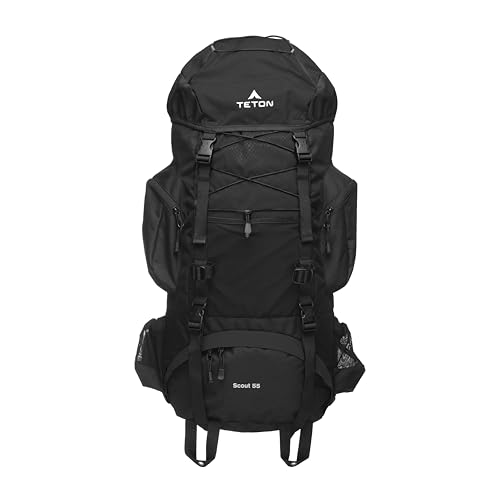
Teton 55L Scout Internal Frame Backpack for Hiking,
- ✓ Solid build quality
- ✓ Custom torso adjustment
- ✓ Good lumbar airflow
- ✕ Heavier than some peers
- ✕ Zipper access takes practice
| Capacity | 55 L |
| TorsoAdjustability | Multi-position torso adjustment for medium to tall users |
| BackPanelComfort | Durable open-cell foam lumbar pad with molded channels for airflow |
| Compartments | Large sleeping bag compartment with multiple pockets and compression straps |
| HydrationCompatibility | Includes dedicated hydration pocket |
| SizeVariants | Available in 45 L, 55 L, and 65 L sizes |
The moment I unzipped the Teton 55L Scout, the first thing that stood out was how solid it feels in your hands. The fabric has that sturdy, no-nonsense vibe, and the molded channels along the back are a clue that comfort wasn’t an afterthought.
I tucked a light rain shell into the top pocket and slid the hip belt over, noticing the open-cell foam lumbar pad already shaping to my hips.
You’ll appreciate the torso adjustment right away, especially if you’re between sizes. It clicks into place with a satisfyingly tight fit, and you can tweak it on the fly without tool or drama.
On a long day, the airflow through the lumbar area keeps you cooler than you expect, even when the trail climbs and the sun beats down.
The main compartment feels generous without tipping the scales. I loaded a sleeping bag in the bottom, kept the daypack gear in the middle, and used the multiple straps to compress lightly where I didn’t want shifting.
The pockets are thoughtfully placed—easy to reach without taking the pack off, which is clutch on a windy ridge.
Hydration access is straightforward, and the bag holds its balance when you’re navigating uneven terrain. It sits close to your center of gravity, so you don’t feel like you’re fighting the pack every time you step over roots.
For a value-packed option, it’s surprisingly comfortable for both men and women, with a design that clearly considers real-world hiking needs.
If you’re chasing a balance of capacity, comfort, and affordability, this one earns its keep on day trips and overnighters alike. It’s the kind of backpack you reach for when you know you’ll be outdoors all day.
Teton 75L Explorer Internal Frame Backpack – Olive

- ✓ Comfortable torso adjustment
- ✓ Lightweight yet supportive
- ✓ Generous yet organized
- ✕ Heavier than ultralights
- ✕ No removable daypack
| Capacity (L) | 75 L (also available in 65 L and 85 L variants) |
| Torso Adjustment | Multi-position torso adjustment for medium to tall users |
| Padding & Support | Durable open-cell foam lumbar pad with molded channels for comfort and airflow |
| Hydration Compatibility | Pocket designed for hydration reservoir (hydration sleeve not specified) |
| Compartments & Organization | Large sleeping bag compartment with multiple compression straps and spacious pockets |
| Weight | Not specified in description |
You’re unpacking this Olive Teton 75L Explorer on the porch after a long hike, and the first thing you notice is the way the hip belt hugs your hips without digging in. The torso adjusters click into place with a reassuring firmness, and the foam lumbar pad feels almost pillowy against your lower back.
It’s the kind of pack that makes you think: yes, I can carry more without paying for the pain later.
The main compartment opens wide, and you easily slide in layers, a compact sleeping bag, and snacks without wrestling the zipper. The 75-liter capacity feels generous without turning the pack into a clumsy brick.
When you cinch the multi-directional straps, the weight stays centered and balanced, even on uneven trail surfaces.
You notice the breathable channels along the back panel and the open-cell foam that still remains comfortable after several miles. Hydration is simple thanks to a dedicated sleeve and accessible port, so you don’t have to pause at every water source.
The adjustable torso gives you a precise fit whether you’re tall or medium, which is a rare win at this price point.
The design feels thoughtful in small ways too: a roomy sleeping bag compartment, plenty of pockets, and sturdy compression straps that keep everything from rattling in wind. It’s the kind of pack you’d grab for a weekend trip or a longer trek when you want to avoid fiddling with gear at the trailhead.
Overall, you’re getting solid value, strong support, and real comfort that doesn’t demand a premium.
Maelstrom 40L Hiking Backpack – Rain Cover, Rip-Stop Nylon

- ✓ Comfortable ergonomic design
- ✓ Waterproof wet pocket
- ✓ Lightweight, breathable
- ✕ Limited color options
- ✕ Rain cover not detachable
| Material | Rip-stop 210d nylon, water resistant, tear resistant, anti-scratch |
| Capacity | 40 liters |
| Rain Protection | Includes rain cover with reflective logo stored in a pocket under the pack |
| Ventilation/Comfort | Thicker padded back with ergonomic breathable design; breathable padded shoulder straps |
| Organization/Compartments | Main zipper compartment, top pocket, 3 front zipper pockets, 2 waist zipper pockets, 2 mesh side pockets, waterproof wet pocket inside main compartment |
| Special Features | Reflective safety signs, trekking pole holders, headphone hole, water bladder sleeve with bite valve/hose port, survival whistle integrated into chest buckle |
The rain cover snaps into place with a satisfying thunk, and I notice how the reflective logo catches the light as you sling the Maelstrom over your shoulders. You’ll feel the difference right away when the 40L pack sits snugly against your back, thanks to the thicker padded panel and breathable mesh straps.
It’s the kind of comfort that makes you forget you’re wearing a backpack after a mile or two.
The rip-stop 210d nylon keeps things feeling sturdy without turning the bag into a brick. I like how the main compartment is roomy enough for layers, a compact stove, and snacks, with a waterproof wet pocket that actually keeps sweaty stuff separated.
There’s a thoughtful water-bottle/webbing setup on the side, and the hidden rain cover pocket is almost easier to find than your keys.
In the field, the ergonomic chest buckle earns its keep by staying centered as you pace up rocky trails. The whistle built into the chest strap is a small detail that somehow makes you feel prepared rather than cautious.
The laptop/gear-obsessed in me appreciates the Velcro fix for the water bag liner and the dedicated water tube hole for sipping on the go.
You’ll notice the weight feels light for what you get, and the 40L capacity hits a sweet spot for weekend trips. The multiple pockets keep your gear organized, and the top, front, and waist pockets are handy for quick-access items.
It’s not a luxury bag, but it’s dependable, practical, and ready for unpredictable weather.
If you’re hiking, camping, or traveling light, this pack feels like a partner that won’t slow you down. It’s easy to adjust on the fly, and the fabric resists wear while still feeling flexible enough to toss into a car trunk after a dry run.
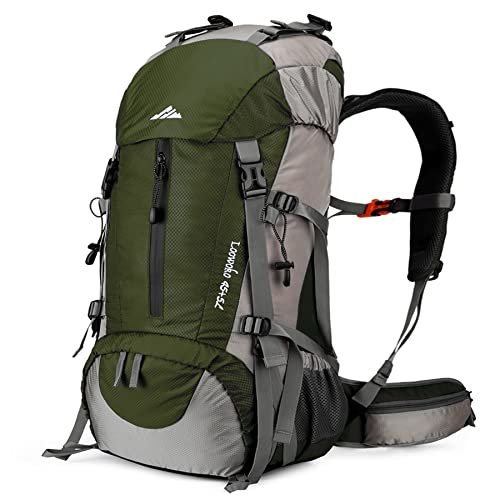
Loowoko 50L Hiking Backpack with Rain Cover, 2.8 lb
- ✓ Comfortable load distribution
- ✓ Excellent organizational pockets
- ✓ Lightweight for its capacity
- ✕ No internal frame
| Capacity | 50 liters |
| Weight (pack)** | 2.1 pounds (approximately 0.95 kg) |
| Material** | Tear polyester and nylon fabric with waterproof rain cover |
| Organization Features | Large main compartment, separate shoe separator, six external pockets, multiple compression straps and attachment points |
| Ventilation/Comfort | Breathable mesh shoulder straps with sponge padding; widened, thickened S-type shoulder straps and high-elastic back support |
| Intended Use/Compatibility | No internal frame; suitable for hiking, camping, backpacking; fits most airlines’ size requirements |
You’re padding through damp ferns on a bluebird morning, the Loowoko 50L strapped snugly against your back, rain still glistening on the zipper pulls. You notice the bottom rain cover pouch tucking in a quick-drawn shield as you step into a light drizzle that never quite reaches your pack, thanks to the waterproof layer.
The bag sits surprisingly light at 2.8 pounds, and you can feel the weight distribute through the widened S-type straps and the breathable back panel. After an hour of scrambling over roots, the shoulder padding stays comfy, not smothering your traps or digging in at the collarbone.
You yank open the large main compartment and find six external pockets begging to be filled—perfect for snacks, a headlamp, and a compact stove. The separate shoe separator is a small miracle on longer trips, keeping dirt outside your clean clothes without a fuss.
With camping in mind, you clip the compression straps and lash points to secure a sleeping pad and trekking poles. It holds a lot without feeling bulky, and you don’t have to second-guess whether you’ve stuffed everything in properly before you hit the trail again.
On a windy ridge, the rain cover stays tucked until you actually need it, then unfolds quickly to seal out spray from passing showers. The fabric feels sturdy—tear and wear resistant enough to trust in rough terrain and busy trailheads.
Overall, it feels like a reliable companion for 3-5 day adventures, balancing capacity with comfort. If you value organized space, quick-access pockets, and a lightweight frame, you’ll appreciate how straightforward this pack behaves on real-world hikes.
In short, you’ll get a comfortable, organized, and ready-to-travel backpack that doesn’t demand a sacrifice in weight or flexibility.
What Features Should You Look for in a Hiking and Camping Backpack?
When selecting the best backpack for hiking and camping, consider the following key features:
- Capacity: The size of the backpack is crucial as it determines how much gear you can carry. Backpacks typically range from 20 liters for day hikes to 70 liters or more for extended trips, so choose one that suits the length and type of your adventure.
- Comfort and Fit: The backpack should have adjustable straps and a padded back panel to ensure a comfortable fit. Look for features like a hip belt that transfers weight to your hips, reducing strain on your shoulders during long treks.
- Durability: A good hiking and camping backpack should be made from high-quality, weather-resistant materials. Reinforced stitching and robust zippers are essential for withstanding rough outdoor conditions and heavy use.
- Weight: The weight of the backpack itself can significantly affect your overall load. Lightweight designs are preferable for long hikes, but ensure that the materials and construction do not compromise durability.
- Organization: Multiple compartments and pockets are beneficial for keeping your gear organized and easily accessible. Features like hydration reservoir sleeves or external attachment points for gear can enhance your hiking experience.
- Ventilation: Backpacks with mesh back panels or ventilation channels can help reduce sweating and increase airflow, which is particularly important during hot weather hikes. This feature contributes to overall comfort and helps prevent overheating.
- Water Resistance: Look for backpacks with water-resistant materials or included rain covers to protect your gear from unexpected downpours. Staying dry is crucial for both comfort and maintaining the integrity of your equipment.
- Accessibility: Consider how easy it is to access your gear while on the move. Features like side zippers, top-loading designs, or panel access can make it much easier to grab items without having to unpack your entire backpack.
How Does Size and Capacity Influence Your Hiking Experience?
Compartments and organization within a backpack can greatly influence accessibility and efficiency on the trail. A well-organized backpack allows you to quickly find and retrieve gear without having to rummage through your entire pack, thereby saving time and energy during your hike.
Why is Weight an Important Factor in Backpack Selection?
According to the American Hiking Society, carrying a heavy backpack can lead to increased physical stress, resulting in fatigue and potential injury. They recommend that the weight of a loaded backpack should not exceed 20% of a person’s body weight for optimal comfort and performance.
The underlying mechanism involves biomechanics and energy expenditure. When a hiker carries a heavier load, their muscles must exert more force, leading to quicker fatigue and a higher risk of developing musculoskeletal injuries. Additionally, a heavier backpack can alter a person’s center of gravity, making it harder to maintain balance and control while navigating uneven terrain. This can lead to a decrease in hiking efficiency and enjoyment, highlighting the importance of selecting a lightweight option when choosing the best backpack for hiking and camping.
How Do Storage Compartments Enhance Convenience and Accessibility?
Storage compartments in backpacks significantly improve convenience and accessibility for outdoor activities like hiking and camping.
- Main Compartment: The primary storage area provides ample space for larger items such as sleeping bags, tents, or clothing.
- Front Pocket: This compartment is ideal for quick access to frequently used items like maps, snacks, or a first aid kit.
These are perfect for holding water bottles or trekking poles, allowing for easy access without having to remove the backpack. - Hip Belt Pockets: Positioned conveniently on the hip belt, these pockets are excellent for storing small items like energy bars or a phone, allowing for quick access while on the move.
- Internal Organization Compartments: These help to separate gear and keep everything organized, making it easier to find specific items when needed.
The main compartment typically serves as the central hub for larger equipment, making it essential for carrying bulkier items securely during hikes.
The front pocket enhances convenience by allowing users to quickly retrieve essentials without digging through the main compartment, which can be cumbersome.
Side pockets are strategically placed for immediate access to hydration or trekking gear, which is vital when you need to stay hands-free.
The top lid pocket is useful for storing small personal items safely while providing easy reachability during breaks.
Hip belt pockets add an extra layer of convenience, allowing hikers to grab snacks or a phone without stopping to take off their packs.
Internal organization compartments ensure that gear is not only stored but also easily accessible, saving time and frustration when setting up camp or taking a break on the trail.
What Are the Different Types of Backpacks Suitable for Hiking and Camping?
There are several types of backpacks suitable for hiking and camping, each designed to meet specific needs and preferences.
- Daypacks: Ideal for short hikes or day trips, daypacks typically have a capacity of 15 to 30 liters.
- Hydration Packs: These smaller backpacks are designed to carry water reservoirs and are perfect for staying hydrated during short hikes and activities.
- Weekend Backpacks: Ranging from 30 to 50 liters, weekend backpacks are designed for short camping trips and can hold enough gear for a couple of days.
- Backpacking Packs: With a capacity of 50 liters or more, these packs are suitable for long-distance hikes and multi-day camping trips, offering ample space for all essential gear.
- Technical Packs: Designed for specialized activities such as climbing, skiing, or mountaineering, these packs feature specific compartments and gear loops for tools and equipment.
- Frame Packs: These backpacks have an internal or external frame that provides additional support and stability, making them great for carrying heavier loads over long distances.
Daypacks: Daypacks are lightweight and compact, making them easy to carry on short outings. They usually come with minimal features but can accommodate essentials like snacks, water bottles, and a first-aid kit, often featuring a hydration sleeve for added convenience.
Hydration Packs: Hydration packs are specifically designed to hold a water reservoir, which allows for hands-free drinking through a hose. They are ideal for activities where staying hydrated is crucial and often include small pockets for carrying essentials like keys or a phone.
Weekend Backpacks: Weekend backpacks are perfect for short camping trips, providing enough space for a sleeping bag, tent, and cooking gear. They often feature multiple compartments for organization and may include features like rain covers and gear loops for added convenience.
Backpacking Packs: These larger packs are designed for extended trips, offering ample space for all necessary gear, including food, shelter, and clothing. They come with various features such as adjustable straps, ventilation systems, and multiple pockets to help manage weight distribution and access to gear.
Technical Packs: Technical packs are specialized for specific outdoor activities, featuring design elements that cater to the needs of climbers, skiers, or mountaineers. They often include reinforced areas for gear attachment and are built to withstand harsh conditions while providing easy access to essential tools.
Frame Packs: Frame packs provide enhanced support for heavier loads, utilizing a rigid frame to distribute weight evenly across the hips and shoulders. This design makes them particularly useful for long treks where comfort and stability are paramount, allowing the hiker to carry more gear without excessive fatigue.
When Should You Choose a Daypack for Your Adventures?
Choosing the right daypack for your adventures is crucial for comfort and convenience.
- Short Day Hikes: When planning a short day hike, a daypack is ideal as it offers enough space for essentials like water, snacks, and a first-aid kit.
- Lightweight Gear: For adventures where minimizing weight is a priority, daypacks are designed to be lightweight, making them easier to carry without sacrificing comfort.
- Day Trips with Limited Gear: If you’re going on a day trip where you don’t need to carry a lot of equipment, a daypack can accommodate everything you need without being cumbersome.
- Urban Adventures: When exploring cities or urban trails, a daypack provides a stylish yet functional option for carrying your belongings securely.
- Weather Preparedness: For unpredictable weather conditions, a daypack can hold layers, rain gear, or emergency supplies, ensuring you’re prepared for sudden changes.
Short day hikes typically require minimal gear, making a daypack the perfect choice for carrying necessities like water, snacks, and a first-aid kit, all while keeping your load light and manageable.
When embarking on lightweight adventures, daypacks excel due to their streamlined design, allowing you to move freely without the bulk of larger backpacks, which is particularly beneficial on trails where agility is key.
On day trips that involve minimal gear, a daypack serves as an efficient choice to ensure you are not weighed down, providing just enough room for essentials without excess baggage.
For urban adventures, daypacks blend practicality and style, allowing you to carry your belongings securely while navigating city streets or parks with ease.
Finally, daypacks are particularly useful in varying weather conditions, as they can hold extra layers, rain gear, or emergency supplies, ensuring that you are always prepared for whatever nature throws your way.
What Characteristics Define a Multi-Day Backpack?
The characteristics that define a multi-day backpack focus on capacity, comfort, organization, and durability, making them ideal for hiking and camping trips that last several days.
- Capacity: Multi-day backpacks typically range from 50 to 80 liters, allowing ample space for clothing, food, and gear necessary for extended trips.
- Comfort and Fit: These backpacks often feature adjustable harness systems, padded shoulder straps, and hip belts that distribute weight evenly, ensuring comfort during long hikes.
- Organization: They come equipped with multiple compartments, pockets, and attachment points for organizing gear efficiently, making it easier to access essential items on the go.
- Durability: Made from high-quality, weather-resistant materials, multi-day backpacks are designed to withstand the rigors of outdoor adventures and protect belongings from the elements.
- Weight Distribution: Many models incorporate advanced suspension systems that enhance weight distribution, reducing fatigue and allowing hikers to carry heavier loads more comfortably.
Capacity plays a crucial role in a multi-day backpack, as it must accommodate all necessary supplies for several days in the wilderness, including food, shelter, and clothing. A larger capacity enables adventurers to pack everything required while maintaining balance and ease of movement.
Comfort and fit are paramount for multi-day backpacks because the wearer may be hiking for hours each day. Adjustable straps and padded areas are essential to prevent discomfort and allow for a customized fit, which is important for maintaining stamina over long distances.
Organization is enhanced in multi-day backpacks through various pockets and compartments, allowing users to sort their gear efficiently. This design facilitates quick access to items like maps, snacks, or emergency gear without the need to rummage through the entire pack.
Durability ensures that a multi-day backpack will withstand rough use and exposure to varying weather conditions. High-quality materials, reinforced seams, and water-resistant treatments protect the contents and prolong the lifespan of the backpack.
Weight distribution is a critical feature, often achieved through specialized suspension systems that help to carry heavy loads effectively. This design reduces strain on the back and shoulders, making it feasible to hike longer distances without excessive fatigue.
How Do Hydration Packs Improve Your Outdoor Experience?
- Convenient Water Access: Hydration packs feature built-in reservoirs and drinking tubes, allowing users to hydrate without stopping or fumbling with bottles. This hands-free system is particularly beneficial during strenuous activities when maintaining pace is important.
- Lightweight Design: Most hydration packs are designed to be lightweight and compact, making them ideal for long hikes or camping trips. Their streamlined nature means they won’t add significant weight, allowing for easier maneuverability and less fatigue.
- Storage Space: Many hydration packs come equipped with additional compartments for storing essentials such as snacks, first aid kits, and gear. This added storage helps keep your hands free and your load organized, making outdoor experiences more enjoyable.
- Improved Hydration: With hydration packs, users are more likely to drink water regularly, as they can sip while walking. Staying properly hydrated enhances endurance, maintains energy levels, and improves overall performance during outdoor activities.
- Durability and Weather Resistance: High-quality hydration packs are often made from durable, weather-resistant materials, which protect the contents from the elements. This ensures that your gear stays dry during unexpected rain or wet conditions, making it a reliable choice for outdoor adventures.
What Should You Know About Comfort and Fit When Selecting a Backpack?
Weight distribution is essential; a well-structured backpack will have a design that allows the weight to be distributed evenly across your body. This minimizes fatigue and helps maintain balance, especially on uneven terrain.
Padding and support features, including cushioned shoulder straps and back panels, are essential for comfort. These elements help to absorb impact and reduce pressure points, making long hikes more manageable.
Adjustability is a key factor in achieving a good fit, with many backpacks offering adjustable straps to cater to different body shapes and sizes. This customization allows hikers to find their ideal fit, enhancing both comfort and performance.
Ventilation is often overlooked but is important for comfort during hikes. Backpacks with mesh panels or ventilated back systems promote airflow, preventing sweat buildup and keeping your back cooler on warm days.
How Does Back Support Affect Your Comfort During Long Hikes?
Back support plays a crucial role in ensuring comfort during long hikes, especially when considering the best backpack for hiking and camping.
- Ergonomic Design: A backpack with an ergonomic design contours to the natural shape of your back, which helps distribute weight evenly. This feature minimizes strain on your spine and muscles, allowing for a more comfortable experience over long distances.
- Padded Back Panel: A well-padded back panel provides cushioning against the hard items inside the backpack. This additional padding not only enhances comfort but also prevents chafing and pressure points that can develop during lengthy hikes.
- Adjustable Straps: Backpacks equipped with adjustable straps allow for a customized fit that accommodates different body types. Properly adjusted straps ensure that the weight is balanced and reduces the likelihood of fatigue, making it easier to maintain energy levels throughout the hike.
- Load Lifters: Load lifters are straps located near the top of the backpack that help pull the weight closer to your body. This adjustment can improve stability and balance, which is especially important when navigating uneven terrain, ultimately enhancing overall comfort.
- Ventilation: Many hiking backpacks feature ventilation systems that promote airflow between your back and the pack. This reduces moisture buildup and heat, preventing discomfort caused by sweating and overheating during long hikes.
- Hip Belt Support: A well-structured hip belt redistributes the weight from your shoulders to your hips, which is essential for reducing upper body fatigue. This feature allows you to carry heavier loads more comfortably, making it ideal for extended hiking and camping trips.
Why Are Adjustable Straps and Padding Crucial for a Good Fit?
Adjustable straps and padding are crucial for a good fit in backpacks because they allow for a customizable and comfortable experience, which is essential for activities like hiking and camping where prolonged use is common.
According to a study published in the Journal of Sports Sciences, proper backpack fit significantly reduces the risk of musculoskeletal injuries by maintaining correct posture and distributing weight evenly across the body (Keller et al., 2020). This is particularly important during outdoor activities where terrain can vary and the user may be carrying heavy loads for extended periods.
The underlying mechanism involves the body’s biomechanics; an ill-fitting backpack can lead to pressure points and uneven weight distribution, resulting in discomfort and fatigue. Adjustable straps allow users to fine-tune the fit to their body shape and size, ensuring that the weight is supported by the hips and not just hanging from the shoulders. Additionally, padded straps help to cushion the load, reducing strain on the shoulders and back while also preventing chafing or irritation during movement. This balance of support and comfort is essential for maintaining endurance and performance during hikes and camping adventures.
What Materials Will Ensure Durability and Weather Resistance in a Backpack?
The best materials for ensuring durability and weather resistance in a backpack include:
- Nylon: Nylon is a strong synthetic fabric known for its excellent abrasion resistance and durability. It is lightweight yet robust, making it an ideal choice for hiking and camping backpacks that undergo extensive wear and tear.
- Polyester: Polyester is another synthetic material that offers good resistance to fading and weather elements. Its ability to repel water when treated with a water-resistant coating makes it suitable for outdoor use, while also being lightweight and easy to maintain.
- Cordura Fabric: Cordura is a brand of nylon fabric known for its high durability and resistance to tears, scuffs, and abrasions. Commonly used in military and outdoor gear, it is ideal for backpacks that need to withstand rugged conditions.
- Ripstop Fabric: Ripstop fabric incorporates a special reinforcing technique that makes it resistant to tearing and ripping. This feature is particularly useful for backpacks used in harsh environments, as it enhances durability without significantly adding to the weight.
- Waterproof Coatings: Many backpacks are treated with waterproof coatings such as polyurethane or silicone to enhance their weather resistance. These coatings prevent water from penetrating the fabric, ensuring that your gear stays dry during unexpected rain or wet conditions.
- Ballistic Nylon: Originally developed for military use, ballistic nylon is a heavy-duty fabric that provides exceptional strength and resistance to wear and tear. Its thick fibers make it a top choice for backpacks that need to endure heavy loads and rough handling.
- Canvas: While heavier than synthetic materials, canvas is a durable option that can be treated for water resistance. It offers a classic look and is often used in outdoor gear, providing a balance of sturdiness and style.
Which Fabrics Are Best for Protecting Against the Elements?
The best fabrics for protecting against the elements include:
- GORE-TEX: This fabric is renowned for its waterproof and breathable properties, making it ideal for outdoor activities. It features a membrane that prevents water from penetrating while allowing sweat vapor to escape, keeping the wearer dry during intense hikes or camping trips.
- Ripstop Nylon: Known for its durability and lightweight characteristics, ripstop nylon is often used in outdoor gear. The fabric is woven with a special reinforcing technique that makes it resistant to tearing and ripping, making it a great choice for backpacks and tents exposed to rough conditions.
- Softshell Fabric: Softshells provide a balance between protection and comfort, often being water-resistant and breathable. They are ideal for mild weather conditions where some flexibility is needed, making them suitable for hiking in variable climates.
- Canvas: A traditional choice, canvas is heavy-duty and water-resistant, providing excellent durability for outdoor gear. While it may not be as breathable as other materials, its sturdiness makes it suitable for backpacks and tents that need to withstand wear and tear.
- Polyester: This synthetic fabric is lightweight, quick-drying, and often treated for water resistance. Polyester is commonly used in outdoor apparel and gear due to its resilience against fading and stretching, making it a practical choice for camping and hiking equipment.
How Does Sturdiness Impact Your Backpack’s Performance Outdoors?
- Material Quality: The sturdiness of a backpack often starts with the material used in its construction. High-denier nylon or polyester fabrics provide excellent resistance to wear and tear, making them ideal for rugged outdoor environments.
- Frame Support: A sturdy internal or external frame enhances the backpack’s ability to carry heavy loads by distributing weight evenly across your body. This support reduces fatigue and allows for more comfortable long-distance hiking.
- Weather Resistance: Sturdiness also includes the backpack’s ability to withstand various weather conditions. Water-resistant or waterproof materials protect your gear from rain and moisture, ensuring that your essentials stay dry and functional.
- Strap Durability: The strength of the straps and buckles is crucial in maintaining the backpack’s integrity during use. Sturdily constructed straps prevent ripping or breaking, ensuring that the backpack remains securely fastened even under heavy loads.
- Load Capacity: A sturdy design typically allows for a higher load capacity, which is essential for carrying gear over long distances. This feature is particularly important for camping and hiking trips where you may need to pack food, supplies, and equipment.
- Stability and Balance: A well-constructed backpack offers stability and balance, which is vital when navigating uneven terrain. A sturdy base helps prevent tipping, allowing for easier movement and better control while hiking.
What Are the Most Recommended Brands for Hiking and Camping Backpacks?
The most recommended brands for hiking and camping backpacks include:
- Osprey: Osprey is renowned for its innovative designs and comfort-focused features. Their backpacks often come with adjustable harnesses and hip belts, ensuring a tailored fit for various body types, which is crucial for long hikes.
- Deuter: Deuter backpacks are known for their durability and ergonomic designs, making them a favorite among serious hikers. They incorporate features such as air ventilation systems and well-padded back panels for added comfort during extended use.
- Gregory: Gregory is celebrated for its high-quality materials and thoughtful organization in their backpack designs. Their packs often include multiple compartments and easy-access pockets, allowing hikers to keep their gear organized and accessible on the trail.
- REI Co-op: REI Co-op offers a range of affordable yet reliable backpacks that cater to different hiking needs. Their products are designed with functionality in mind, often featuring hydration reservoirs and external gear loops for convenience.
- North Face: The North Face is a well-established outdoor brand that combines style with performance. Their backpacks are often equipped with weather-resistant materials and advanced suspension systems, which enhance comfort and durability in various weather conditions.
- Arc’teryx: Arc’teryx is known for its premium quality and technical innovation in outdoor gear. Their backpacks tend to be lightweight yet robust, making them suitable for both casual hikes and serious expeditions.
Which Brands Are Renowned for Their Quality and Reliability?
Several brands are recognized for their quality and reliability in producing the best backpacks for hiking and camping:
- Osprey: Osprey is renowned for its innovative designs and high-quality materials, offering a wide range of backpacks that cater to different hiking and camping needs. Their packs are known for exceptional comfort and fit, often featuring adjustable harness systems and ample ventilation to enhance the outdoor experience.
- Deuter: With a legacy of crafting durable and functional backpacks, Deuter is a favorite among outdoor enthusiasts. Their backpacks often include features like hydration systems, ergonomic designs, and multiple compartments, making them ideal for both short hikes and extended camping trips.
- Gregory: Gregory backpacks are celebrated for their focus on comfort and functionality, designed specifically to fit the human body. The brand’s attention to detail ensures a balanced load distribution and customizable fit, which is crucial for long-distance hiking and camping adventures.
- REI Co-op: Known for offering high-quality gear at reasonable prices, REI Co-op’s backpacks are designed with the average outdoor enthusiast in mind. Their products often come with user-friendly features, such as easy access pockets and modular designs, suitable for various types of outdoor activities.
- The North Face: The North Face is a well-established brand in the outdoor industry, and their backpacks are recognized for their durability and weather resistance. They often incorporate advanced materials and technologies, ensuring that their packs can withstand harsh conditions while providing ample storage for gear.
- Arc’teryx: Arc’teryx is synonymous with high-end outdoor gear, and their backpacks reflect a commitment to quality and performance. Designed for serious adventurers, their packs often feature advanced materials, minimalist designs, and thoughtful organization for optimal functionality on the trail.
What Are Some Budget-Friendly Options from Popular Brands?
The best budget-friendly backpacks for hiking and camping from popular brands include:
- REI Co-op Flash 22: This lightweight and versatile backpack is ideal for day hikes and short camping trips. It features a streamlined design with a hydration reservoir sleeve and multiple pockets for organization, making it both functional and affordable.
- Osprey Daylite Plus: Known for its comfort and durability, the Daylite Plus is perfect for day hikes and can also be used as a carry-on. It has a large main compartment, a front pocket with organization, and is compatible with Osprey’s hydration systems.
- Kelty Redwing 50: This backpack offers great value with its spacious 50-liter capacity, making it suitable for weekend camping trips. It includes a top-loading design, ample storage, and a comfortable suspension system, ensuring you can carry your gear with ease.
- Columbia Trail Elite Backpack: This budget-friendly option is designed for both hiking and daily use. It features a lightweight construction, multiple compartments for organization, and a breathable back panel for comfort during extended wear.
- Amazon Basics Hiking Backpack: This no-frills backpack provides essential features at a very low price point. It includes adjustable straps, a spacious main compartment, and side mesh pockets for water bottles, making it a great starter option for beginners.