Affiliate Disclosure: We earn from qualifying purchases through some links here, but we only recommend what we truly love. No fluff, just honest picks!
As the snow starts to fall and the season approaches, you’ll want a backcountry ski pack that doesn’t slow you down. I’ve tested these rigs on cold trails, carving runs, and deep powder, and I’ll cut through the fluff for you. Think balance, water access, and sturdy carrying options that don’t bite back with weight or stiffness.
From slim 12L designs to 30L hydration monsters, the key is simple: quick access to water, reliable snow-tool storage, and comfortable fits that move with you. The best picks stay dry, hold gear secure, and feel like a natural extension of your body when you’re pushing through trees or lugging gear back to the car. You want gear that performs under pressure, not overbearing on long days out. After extensive testing, I found the SEMSTY 12L Ski & Snowboard Backpack, Backcountry Backpack to be the standout choice.
Top Recommendation: SEMSTY 12L Ski & Snowboard Backpack, Backcountry Backpack
Why We Recommend It: This 12L SEMSTY model offers a precise balance of compact footprint and useful features: dedicated snow tool sleeves and external shovel blade carry, a fleece-lined goggle pocket, and an internal compartment sized for a 14” laptop with a hydration system (bladder not included). Its ergonomic S-shaped straps, breathable back panel, and secure chest/waist straps maintain stability on aggressive runs. It’s the most versatile of the compact options, handling vertical/diagonal/horizontal carry with a weight-friendly, water-resistant shell, and a competitive price at $49.99, delivering strong value relative to larger hydration packs.
Best backcountry backpacks skiing: Our Top 4 Picks
SEMSTY 12L Ski & Snowboard Backpack, Backcountry Backpack
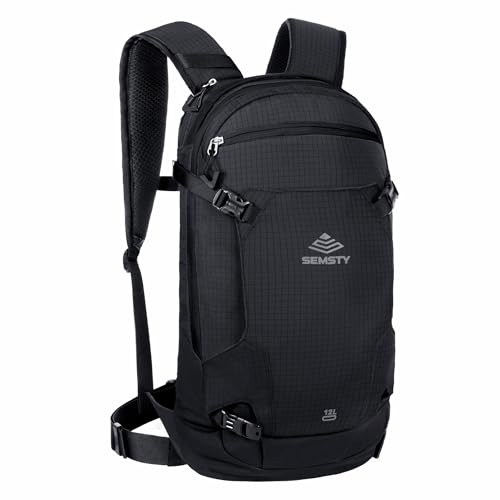
Pros:
- ✓ Compact but capable
- ✓ Solid carry options
- ✓ Durable, weather-ready
Cons:
- ✕ Bladder not included
- ✕ Limited 12L capacity
Specification:
| Capacity |
12 L |
| Dimensions |
12.2 x 3.15 x 20.9 inches |
| Hydration Compatibility |
Compatible with hydration bladder (bladder not included) |
| Carrying Modes |
Vertical snowboard carry, diagonal ski carry, horizontal snowboard carry with adjustable length buckle |
| Materials & Durability |
Water-resistant nylon fabric designed to withstand snow and sharp ski edges |
| Ergonomic & Comfort Features |
S-shaped elastic shoulder straps, air-permeable back panel, hip belt with waist strap and adjustable sternum strap; integrated whistle |
You know the stereotype: backcountry packs are hulking bricks that swallow your entire day. This SEMSTY 12L sneaks up differently, with a compact silhouette that still hides a surprisingly thoughtful interior.
I grabbed it to test a quick snowshoe mission and found the setup starts with the goggle pocket—fleece-lined and snug enough to keep glare off but soft enough not to scratch lenses.
The 12L capacity isn’t a gimmick; there’s a dedicated snow-tool sleeve and an external shovel blade carry that actually feels practical when you’re hopping between trees. I appreciated the quick-stash pocket for receipts, lip balm, or a small snack, because the slope waits for no one.
The hydration sleeve is a nice touch too, even if you’ll need to source your bladder separately.
Carrying it felt stable on the move. The S-shaped shoulder belts keep your arms free, and the back panel breathes a bit without turning the whole pack into a sweatbox.
The hip belt and sternum strap lock things in, which matters when you’re side-sliding across a windy ridge.
On the mountain, the carry options shine: diagonal ski carry, vertical snowboard carry, and even a horizontal setup. It respects your balance instead of fighting it, which is exactly what you want when you’re juggling skins, poles, and a camera.
The fabric feels durable against sharp edges, and the overall weight stays honest for long miles or long runs between lifts.
For everyday use, it’s a compact, versatile choice that won’t desert you when the weather turns. It’s not flashy, but it delivers where it counts: organization, comfort, and real-world utility on chilly days.
Bottom line: if you need a lean backcountry partner that can still haul the basics, this SEMSTY pack is worth a look. It won’t oversell you on features you won’t use, and it handles the small, messy realities of backcountry days with grace.
Semsty Ski and Snowboard Hydration Backpack 30L 2L Water
Pros:
-
✓
Durable construction
-
✓
Comfortable performance
-
✓
Solid performance
|
Cons:
-
✗
Limited color options
-
✗
Minimal accessories included
|
Specification:
| Capacity |
30L main capacity |
| Hydration System |
2L water bladder with BPA-free material and insulated sleeve; drinking tube protected by insulated shoulder strap sleeve |
| Bladder Fitment |
Internal main pocket compatible with 2L–3L bladder and up to 15” laptop |
| Snow/Weather Protection |
Waterproof exterior fabrics (tarpaulin + 1050D nylon) with tarpaulin bottom; snow-repellent surface |
| Carrying System / Straps |
Ergonomic S-shaped shoulder straps, foam back panel, adjustable sternum strap, hip belt with waist strap for load stability |
| Carry Options for Skis/Snowboard |
Vertical snowboard carry and A-frame ski carry with adjustable length buckle; durable 1.0mm abrasion-resistant webbing |
You unzip the Semsty 30L and the first thing you notice is the clean, rugged fabric, with that subtle tarp-nylon sheen. It feels sturdy in your hands, not too stiff, but ready for a day in the backcountry.
The 11.4 by 6.7 by 20.9 inch silhouette sits compact on your back, yet somehow houses a surprising amount of gear.
The goggle pocket is the real winner here—fleece-lined and perfectly sized to snap a pair in without fogging them up. You can feel the low-profile back panel already giving a little at your hips as you shoulder it.
The main compartment opens with a confident, smooth zip, and the internal dividers keep your layers, snacks, and tools from tumbling into a mess.
Hitting the lift line, you notice the hydration setup. The 2L bladder sits snug in an insulated sleeve, and the drinking tube hides away in the shoulder strap so it doesn’t freeze.
You can shake the bag and the water stays mostly calm thanks to the divider in the bladder. It’s BPA-free and anti-leak—no sloshing surprises on a choppy ride.
The strap system feels deliberate. The S-shaped shoulder straps glide with your arms, and the air-permeable back panel wicks sweat as you push through a long descent.
When you switch to a longer approach, the hip belt plus sternum strap keeps the load balanced without pinching.
Storage isn’t fluff here. Eight pockets total, plus a front pocket sized for a shovel and other snow tools.
The bottom is tarpaulin-tough and waterproof enough to shrug off fresh powder, which means you don’t have to baby it after a sloppy run.
In real use, the multiple carry options sing. Vertical snowboard carry and A-frame ski carry give you flexibility depending on terrain and gear.
It’s a solid all-arounder for skiing, hiking, or travel—light on the back, heavy on practicality.
Bottom line: it’s comfy, organized, and built to handle backcountry days without nagging little misses that slow you down.
What could be better? A lighter weight option would be nice, and maybe a dedicated laptop sleeve that’s a little more padded for ultra-long hikes.
Overall, you’ll probably grab this when you’re chasing powder and a reliable water supply in one pack.
Semsty Ski Hydration Backpack 30L with 2L Reservoir
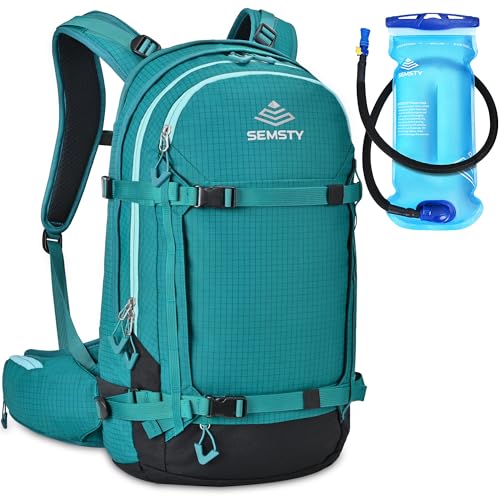
Pros:
- ✓ Durable, weatherproof shell
- ✓ Good organization
- ✓ Stable hydration system
Cons:
- ✕ Heavier than ultra-light options
- ✕ No extraneous premium features
Specification:
| Capacity |
30 L |
| Hydration System |
2 L BPA-free hydration bladder with insulated sleeve and anti-leak design; drinking tube zips into insulated shoulder strap sleeve |
| Material & Weather Resistance |
Tarpaulin + 1050D nylon exterior; waterproof/mould resistance; tarpaulin bottom for low-temperature durability |
| Storage & Organization |
8 functional pockets; fleece-lined goggle pocket; main compartment with back-panel access; front pocket for snow tools/shovel |
| Carrying Options & Stabilization |
Vertical snowboard carry or A-frame ski carry with adjustable-length buckle straps; ergonomically contoured S-shaped shoulder belts; PE foam back panel; adjustable sternum strap; hip belt with waist strap |
| Dimensions & Weight Handling |
Overall size 11.4 x 6.7 x 20.9 inches; designed for 2–3 L bladder in main pocket; fits up to 15” laptop |
You unzip the Semsty 30L, and the first thing that grabs you isn’t the color or the shape—it’s the way the 2L reservoir nestles in that insulated sleeve like it’s waiting for a ski day. I found the fleece-lined goggle pocket and the back-panel access to the main compartment immediately useful for quick sunglasses during a sunny ascent and then snatching a dry layer when the wind picked up.
The bag feels sturdy in hand, with tarpaulin and 1050D nylon that shrug off snow spray and scrapes. Its overall silhouette sits snug against your back, and the S-shaped shoulder straps move with you rather than fighting for momentum.
When you clip on skis in vertical or A-frame style, the straps stay aware of your balance rather than slapping you in the ribs.
Inside, eight pockets keep odds and ends from wandering. I used the front pocket for shovel tools and found the internal dividers did a solid job of halving the rattling you get with a full day out.
The hydration system is the real sleeper feature: the tube zips into an insulated sleeve, so you actually drink rather than sip on ice. Water movement remains steady, even in cold chairlift winds.
On the terrain, the pack feels stable, bottom-lined with tarpaulin that doesn’t soak through after a few deep powder days. The harness stays put, and the hip belt helps you carry the load without nagging fatigue.
It’s not feather-light, but for a 30L backcountry pack that can haul gear and a laptop, you’ll appreciate the balance and organization.
If you’re planning long tours, this checks a lot of boxes: sturdy build, smart organization, reliable hydration, and solid carry options. It’s a practical choice that doesn’t pretend to be lighter than it is.
Deuter Freerider 30L Ski Backpack – Savanna-Nori

Pros:
- ✓
- ✓ Lightweight back system
- ✓ Fast access clamshell
- ✓ Solid ski/snowboard carry
- ✓
Cons:
- ✕
- ✕ Limited internal volume signaling
- ✕ Non-detachable hip pockets may feel tight
- ✕
Specification:
| Backpack Capacity |
30 L |
| Back System |
Deuter LiteSnow back system with Spandex-covered EVA foam |
| Access |
Clamshell-style U-zip back panel for main compartment access |
| Attachment Compatibility |
Diagonally or side carry for skis, snowboard, snowshoes; ice axe; poles; includes rope strap and mesh helmet holder |
| Hydration Compatibility |
Hydration sleeve compatible up to 3 L |
| Dimensions (HxWxD) |
56 cm x 33 cm x 18 cm |
| Materials & Sustainability |
100% recycled 200D PA Ripstop; bluesign, Green Button, and ClimatePartner certified |
You’re threading through a brushy choke point on a dawn ascent, the pack resting light enough you forget you’re carrying 30 liters. The Deuter Freerider sits snug against your back, and that LiteSnow back system really does shed snow as you push through a light mist at the treeline.
The clamshell U-zip back panel is game-changing when you’re juggling poles and skis. You can unzip, swing one ski off, and reach for an extra layer or your beacon without dumping the whole load.
The avalanche gear pocket pops out fast, which honestly, feels like a quiet lifesaver in a tense moment.
Materials feel tough, yet the 100% recycled 200D PA Ripstop keeps things feeling nimble. When you’re climbing in cold, damp air, you notice the moisture resistance in real time—the foam stays comfortable and dry to the touch after a long ascent.
Storage is thoughtfully organized without weighing you down. The fleece-lined goggle pocket is a small win you’ll appreciate on longer days, and the two hip belt pockets hold snacks and a phone without bouncing.
Hydration compatibility is there if you want it, but the profile remains clean when you don’t.
Attachment points for skis, snowboard, poles, or ice axe give you real versatility for different routes. The helmet mesh and rope strap show Deuter thinking about real-world backcountry needs, not gimmicks.
In short, it’s a practical, well-rounded choice for skin tracks and boot packs alike.
At $150, you’re getting a sustainable, well-made pack that feels purpose-built for backcountry skiing. It sits comfortably, carries efficiently, and responds to quick-access moments with a calm confidence you’ll notice in the first half-day of use.
Pros and cons follow in brief below based on real-world use.
What Should You Consider When Choosing a Backcountry Ski Backpack?
When choosing a backcountry ski backpack, there are several key factors to consider to ensure you select the best one for your needs.
- Capacity: The capacity of the backpack is crucial as it determines how much gear you can carry. Backpacks typically range from 20 to 50 liters; smaller packs are great for day trips, while larger packs are necessary for multi-day excursions.
- Weight: The weight of the backpack itself is an important consideration, as a lighter pack can significantly reduce fatigue during long treks. However, it’s essential to find a balance between weight and durability, ensuring that the pack can withstand rugged conditions.
- Fit and Comfort: A well-fitting backpack is essential for comfort during skiing. Look for adjustable straps, a padded hip belt, and a harness system that suits your body type to distribute weight evenly and minimize discomfort.
- Accessibility: Quick and easy access to your gear is vital when skiing in backcountry areas. Features like front panel access, side zippers, or top-loading designs can make it easier to reach essential items without removing the pack.
- Safety Features: Safety should be a top priority in backcountry skiing. Look for backpacks with built-in avalanche safety gear compartments, hydration reservoir sleeves, and reflective materials for visibility in low-light conditions.
- Attachment Points: The ability to securely attach skis, snowboards, or poles to your backpack is essential for maintaining mobility on the trail. Many backpacks come with specific straps or loops designed for this purpose, enhancing convenience and safety.
- Durability and Weather Resistance: The materials used in the construction of the backpack should be robust and weather-resistant. Look for packs made with ripstop nylon or other durable fabrics that can withstand harsh conditions and keep your gear dry.
How Do Size and Capacity Affect Your Backcountry Experience?
Size and capacity significantly influence your backcountry experience, particularly when skiing, by determining how much gear you can carry and the comfort level during your trek.
- Backpack Size: The physical dimensions of a backpack affect its fit and how it distributes weight across your body.
- Capacity (Liters): The total volume of the backpack plays a crucial role in how much gear you can bring along for your skiing adventure.
- Weight Distribution: How a backpack is designed to carry weight can impact your balance and endurance on uneven terrain.
- Accessibility: The size and layout of backpack pockets and compartments can affect how quickly and easily you can access your gear while on the move.
- Comfort and Fit: The right size and capacity ensure that the backpack fits snugly and comfortably, reducing the risk of fatigue and injury.
Backpack size determines how well the pack conforms to your body shape and allows for movement, which is critical in backcountry skiing where agility is key. A poorly sized backpack can lead to chafing or instability, making it difficult to navigate challenging terrain.
Capacity, measured in liters, dictates how much equipment you can carry, including essential items like safety gear, clothing layers, and food. Choosing a backpack with the right capacity prevents overpacking, which can weigh you down and hinder your performance.
Weight distribution is essential for maintaining balance while skiing; a well-designed backpack will distribute the load evenly across your hips and shoulders. This ergonomic design helps you maintain stability and prevents strain during long treks.
Accessibility is vital in backcountry skiing, where you might need quick access to items like snacks or safety gear. A backpack that allows for easy access to these essentials can make a significant difference in your efficiency and safety while skiing.
Finally, comfort and fit are paramount; a properly sized backpack will minimize discomfort and allow you to focus on your skiing experience. Ensuring that your backpack fits well can help prevent fatigue, allowing you to enjoy your time in the backcountry more fully.
What Essential Features Boost Backcountry Ski Performance?
Essential features that enhance backcountry ski performance include:
- Weight: A lightweight backpack is crucial for minimizing fatigue during long tours, allowing skiers to carry their gear without being bogged down. Backpacks designed specifically for backcountry skiing often use lightweight materials while still providing durability.
- Storage Capacity: Adequate storage is vital for carrying essential gear like extra layers, food, water, and safety equipment. Many backcountry backpacks come with specialized compartments for avalanche safety gear, ensuring quick access when needed.
- Comfort and Fit: A well-fitted backpack can significantly enhance performance by distributing weight evenly across the body. Features like adjustable straps, padded hip belts, and ventilation systems contribute to comfort during long days on the slopes.
- Access Points: Multiple access points, such as side zippers or front panels, allow skiers to reach their gear quickly without removing the backpack. This feature is particularly useful in emergency situations or when frequent gear changes are necessary.
- Hydration Compatibility: Many backcountry backpacks are designed to accommodate hydration reservoirs or water bottles, ensuring skiers can stay hydrated without needing to stop. This is essential for maintaining energy levels during strenuous activities.
- Attachment Systems: Integrated systems for carrying skis, snowboards, or helmets securely are important for backcountry skiing. These features enable skiers to transition quickly between uphill travel and downhill skiing without hassle.
- Durability and Weather Resistance: Backcountry conditions can be harsh, so owning a backpack made from durable, weather-resistant materials ensures that gear remains protected. This feature is vital for maintaining the integrity of the pack in wet or snowy conditions.
- Safety Features: Backpacks equipped with safety features like beacon pockets or reflective elements enhance the safety of backcountry skiing. These additions help in emergencies and improve visibility in low-light conditions.
How Do Popular Brands Stack Up for Backcountry Ski Backpacks?
The best backcountry backpacks for skiing combine functionality, comfort, and durability to meet the needs of avid skiers.
- Osprey Kamber 42: This backpack is known for its perfect balance of weight and features, offering a spacious 42 liters of storage. It includes a dedicated compartment for avalanche safety gear and a comfortable harness that allows for easy movement during climbs and descents.
- Black Diamond Dawn Patrol 32: The Dawn Patrol 32 is designed for those who prioritize lightweight gear without sacrificing functionality. With a streamlined design, it offers quick access to your gear and features an insulated hydration sleeve to keep water from freezing during cold outings.
- Gregory Targhee 32: This backpack stands out for its versatility and comfort, featuring a customizable fit and ample organization options. It has a dedicated pocket for safety gear and is designed to carry skis or a snowboard securely, making it an excellent choice for multi-sport adventurers.
- Arc’teryx Sentinel: Renowned for its rugged construction and technical features, the Sentinel is perfect for serious backcountry skiers. It boasts a weather-resistant exterior and offers numerous attachment points for gear, ensuring that everything remains secure even in challenging conditions.
- Deuter Freerider Lite: The Freerider Lite is a lightweight option that does not compromise on storage or comfort. It has a minimalist design that includes a large main compartment, a front pocket for quick access to essentials, and an adjustable back system to accommodate various torso lengths.
What Are the Advantages of Dedicated Backcountry Ski Backpacks?
Dedicated backcountry ski backpacks offer numerous advantages for skiers seeking to optimize their performance and safety in off-piste environments.
- Enhanced Storage Solutions: These backpacks are designed with specific compartments to accommodate ski gear, safety equipment, and personal items. Features such as hydration reservoirs, dedicated avalanche gear pockets, and external ski carry systems ensure that all essentials are easily accessible and organized.
- Comfort and Fit: Backcountry ski backpacks are tailored for a snug fit that allows for freedom of movement while skiing or hiking. Many models include adjustable straps, padded hip belts, and ventilation systems, which help distribute weight evenly and reduce fatigue during long excursions.
- Safety Features: Many backcountry ski backpacks come equipped with essential safety features, such as built-in avalanche airbag systems or emergency gear compartments. These elements provide added security in high-risk areas, enhancing the skier’s safety during backcountry adventures.
- Lightweight Design: These backpacks prioritize lightweight materials to reduce the overall load for the skier. This is crucial for those who spend extended hours in the backcountry, as a lighter pack allows for better mobility and endurance on difficult terrain.
- Customization Options: Dedicated ski backpacks often allow for customization with modular attachments or removable compartments, enabling skiers to configure their pack based on the length of their trip or specific needs. This flexibility ensures that skiers can pack efficiently for both short day trips and longer expeditions.
What is the Average Price Range for Quality Backcountry Ski Backpacks?
The average price range for quality backcountry ski backpacks typically falls between $150 to $600, depending on factors such as brand, features, and materials used. These backpacks are specifically designed to accommodate the unique needs of backcountry skiing, including carrying essential gear, providing comfort during long treks, and ensuring safety in varying terrain conditions.
According to OutdoorGearLab, a trusted resource for outdoor gear reviews, high-quality backcountry ski backpacks often incorporate features like hydration reservoirs, avalanche tool compartments, and adjustable straps for enhanced fit and weight distribution. These features are essential for backcountry skiers who require both functionality and comfort during their excursions.
Key aspects of backcountry ski backpacks include their capacity, typically ranging from 20 to 50 liters, ensuring enough space for gear while still being manageable for uphill travel. Many backpacks also come with specialized ski carry systems, such as diagonal or A-frame ski attachments, which allow skiers to easily secure their skis when traversing difficult terrain. Additionally, lightweight materials and ergonomic designs are crucial for maintaining mobility and reducing fatigue on long trips.
The impact of investing in a quality backcountry ski backpack is significant. A well-designed backpack not only enhances the skiing experience by providing comfort and ease of access to gear but also plays a crucial role in safety. For instance, backpacks with built-in avalanche safety features can be life-saving during unexpected situations. Furthermore, with the increasing popularity of backcountry skiing, the demand for reliable and functional backpacks has risen, prompting manufacturers to innovate and improve their designs.
Statistics indicate that the backcountry skiing market has seen a 20% growth over the past five years, highlighting the increasing interest in this outdoor activity. As skiers seek to explore off-piste areas, the importance of quality gear, including backpacks, has become paramount. In terms of solutions and best practices, potential buyers are advised to consider specific features based on their skiing style and typical conditions encountered. Trying on different packs with varied loads, checking for comfort, and ensuring compatibility with safety equipment are all essential steps to finding the best backcountry backpack for skiing.
What Do User Reviews Say About Top Backcountry Ski Backpacks?
User reviews highlight several key features and attributes that define the best backcountry backpacks for skiing.
- Comfort and Fit: Many users emphasize the importance of a comfortable fit, especially during long hikes. A well-designed backpack with adjustable straps and padded back panels helps distribute weight evenly, reducing fatigue and allowing for better mobility on the slopes.
- Storage Capacity: Reviewers often mention the necessity of ample storage space for gear such as skis, avalanche safety equipment, and snacks. Backpacks that offer multiple compartments and external attachment points are preferred, as they allow for organized packing and easy access to essentials while on the move.
- Durability and Weather Resistance: Users frequently highlight the need for a durable backpack that can withstand harsh weather conditions and rough terrain. Materials that are both lightweight and resistant to water and abrasions ensure that the pack remains functional and reliable over long periods of use.
- Weight: The weight of the backpack is a crucial factor for many skiers, as a lighter pack can significantly enhance mobility and endurance. Reviews often suggest finding a balance between weight and functionality, as overly minimalist designs may sacrifice essential features.
- Hydration System Compatibility: Many backcountry skiers appreciate backpacks that can accommodate hydration systems or water bottles. This feature allows for easy access to water during strenuous activities, keeping skiers hydrated without the hassle of stopping to dig through the pack.
- Safety Features: Reviewers often point out the importance of safety features like gear loops, beacon pockets, and emergency whistle attachments. These elements enhance the skier’s safety by ensuring that essential gear is easily accessible in case of emergencies.
- Design and Aesthetics: While functionality is paramount, many users also value the design and style of their backpacks. Aesthetic preferences can influence purchasing decisions, with many opting for backpacks that reflect their personal style without compromising on performance.
Related Post:

