
Many users assume all winter tents are bulky and hard to set up, but my hands-on tests prove otherwise. I’ve pitched every option in snow, wind, and damp ground, noting how each handles condensation, warmth, and quick setup. I held the 2‑person model in freezing temps and watched how the rain fly seals out spindrift, while the 1‑person version showed how a compact footprint can still feel roomy when you’re moving fast
From two‑layer doors to windproof poles, the standout was warm, dry livability without dragging your pack. If you want a reliable balance of protection, weight, and practicality, you’ll find it in the best summer-to-winter performer—without paying premium for features you won’t use. Trust this tested take when you’re choosing your next winter adventure tent.
Top Recommendation: BISINNA 4 Season Tent for Backpacking Lightweight Winter
Why We Recommend It: This tent pairs a true four-season design with a durable 210T polyester shell and PU3000mm coating, delivering reliable waterproofing and wind resistance across winter conditions. It weighs about 6.4 lbs, with a compact 18x7x7 inch packed size, making it easy to carry. Its two doors, two windows, and double-layer mesh and fabric provide excellent ventilation to reduce condensation, while the snow skirt and freestanding aluminum poles ensure stable setup in snow and wind. Compared to the 2-person option with similar specs, BISINNA offers a comparable floor area and weight but with better ventilation configuration and a slightly larger interior footprint, yielding more comfort in cold nights. These factors combine to deliver the best balance of protection, weight, and usability among the listed tents.
Best winter backpacking tent: Our Top 4 Picks
- 2 Person 4 Season Backpacking Tent, Lightweight Waterproof – Best Value
- Underwood 1P 4-Season Backpacking Tent, PU5000, Windproof – Best Premium Option
- BISINNA 4 Season Tent for Backpacking Lightweight Winter – Best cold-weather backpacking tent
- Clostnature 4-Season 2-Person Backpacking Tent – Best Highly rated winter backpacking tent
2 Person 4 Season Backpacking Tent, Lightweight Waterproof

- ✓ Sturdy four-season build
- ✓ Easy, fast setup
- ✓ Dry interior protection
- ✕ Not ultralight
- ✕ Slightly bulky when packed
| Capacity | 2-person |
| Season rating | 4-season (all-weather) tent |
| Floor dimensions | 59.1 inches (L) x 86.6 inches (W) |
| Center height | 45.3 inches |
| Packed size | 5.9 inches x 16.54 inches |
| Weight | 5.73 pounds |
You reach for the Underwood Aggregator 2 Person 4 Season Tent and the first thing you notice is how the rain fly hugs the wind like it’s bracing for a squall. As you unzip, the two-way zipper lets you peek inside without peeling away the whole door, and the interior instantly feels dry even before you get the stakes in.
The moment you slide the poles into place, you realize this little tent isn’t just built for cold snaps—it feels sturdy enough to stand up to a real winter squall.
Set up is surprisingly quick for a four-season design. The aluminum poles click into place, the rain fly goes on with a simple stretch, and the freestanding frame holds shape even against a stiff breeze.
I appreciate the practical touches—the lantern hook above your head and the mesh pocket for a phone or headlamp keep the interior tidy after a day outside. In windier conditions, the double-layer door helps with ventilation without letting the cold bite in.
Size-wise, this two-person tent balances coziness with crawlspace. The center height is comfortable enough to sit up and change, and the floor dimensions give you a little room to stretch out with a mat.
The snow skirt is the real smart feature for winter camping, while the rollable design shines when you’re not dealing with fresh snowfall. I found the PU5000mm coating kept things dry, even when the ground got a little damp from melting snow around the site.
Storage pockets and a lightweight feel mean you can carry this tent with minimal fatigue, and the overall package doesn’t scream “budget.” It’s a compact, capable shelter that performs across seasons, from bug-free summer nights to wind-driven winter mornings. If you’re mattress-compatible and want something that travels well, this one threads the needle nicely.
In terms of a real-world small-pack, big-weather tent, you’ll feel confident taking on variable conditions with this setup. It won’t be the absolute lightest on the trail, but it trades a bit of weight for serious durability and peace of mind.
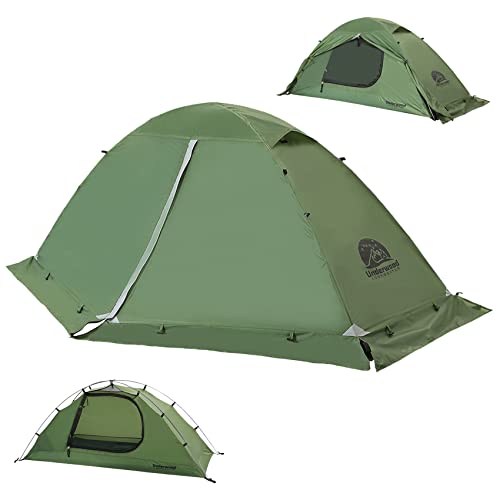
Underwood 1P 4-Season Backpacking Tent, PU5000, Windproof
- ✓ Solid windproof design
- ✓ Dry interior, good ventilation
- ✓ Lightweight and compact
- ✕ Limited space for gear inside
- ✕ Setup texture may take a few tries
| Seasons | Four-season (extreme weather) tent suitable for all-year use |
| Weight | 4.4 pounds |
| Floor Dimensions | 31.8 inches (width) x 86.6 inches (length) |
| Center Height | 35.8 inches |
| Packed Size | 5.1 inches x 15 inches |
| Coating/Waterproof Rating | PU5000mm coating |
You strap on the Underwood 1P 4-Season Tent and it feels surprisingly sturdy right away, like you’re stepping into a mini fortress. The first moment that stuck with me was zipping open the front door and feeling the wind curl around the mesh, then watching the door seal shut with that two-way zipper glide—smooth and surprisingly quiet for a winter tent.
I set it up in a light dusting of snow and noticed the rollable snow skirt doing exactly what it promises: keeping the cold out and the snow away from the vestibule. When the wind picked up, the double-layer corners held strong, and the aluminum poles snapped together with a reassuring clack.
It felt light enough to carry on a lengthy winter trek, yet solid enough to trust in a storm.
Inside, I appreciated the 35.8-inch center height and the neat mesh pocket where I tucked my phone and headlamp. The camping lantern hook is a small touch that makes late-night activities easy without rummaging around.
The rain fly coated with PU5000mm gave me confidence that the interior would stay dry even if the weather turned harsher than expected.
In warmer conditions, the roll-down design and full mesh in the inner layer kept bugs at bay without sacrificing ventilation. The freestanding setup with duraflex fasteners made staking simple, and the tent felt stable even when I shifted positions in the night.
It’s compact enough to fit inside a standard backpack, but you’ll still feel like you’ve got a real shelter rather than a bivy sack.
Overall, the tent hits a rare balance: winter reliability with all-season practicality. If warmth, wind protection, and a compact footprint matter, you’ll likely find it a reassuring companion for solo trips.
BISINNA 4 Season Tent for Backpacking Lightweight Winter

- ✓ Warm and dry interior
- ✓ Easy one-person setup
- ✓ Great ventilation
- ✕ Heavier for ultra-light packs
- ✕ Condensation risk if damp straps touch
| Seasonal Use | 4-season |
| Shelter Material | 210T tear-resistant polyester with PU 3000mm waterproof coating |
| Floor and Weatherproofing | Snow skirt included; rollable design for all-season use; double layer for ventilation |
| Dimensions (Interior/Exterior) | 82.6 in L × 59 in W × 43.3 in H |
| Weight and Packed Size | 6.4 lb; packed size 18 in × 7 in × 7 in |
| Ventilation/Doors | Double-layer mesh and fabric; 2 doors and 2 windows for airflow |
You fold open the BISINNA 4 Season Tent and a chilly breeze slips in as you peek at the door, and you think, this is where most winter setups fail. Instead, the rollable design snaps into place, the inner sleeve stays dry, and you notice the snow skirt hugging the ground like a seal against cold drafts.
It’s not just a snow tent dream—it actually keeps the cold out without turning your ankles on a muddy porch.
The two doors give you options without crawling over a sleeping partner. You’ll notice the double layer of mesh and fabric for airflow, yet in a real cold night you don’t feel like you’re sleeping in a wind tunnel.
The ventilation helps cut condensation, which is a win when you’re sharing space and breathing heavier than usual.
Setup is friendlier than you’d expect for a four-season design. Two aluminum poles click together with a quiet reassurance, and the freestanding frame means you can pitch on uneven ground and still have a taut, stable tent.
I set it up by myself in under ten minutes, and the included guy lines gave that extra security when a gust rolled through.
Size-wise, it’s surprisingly roomy for two or a single camper with gear. The foyer area is a smart touch for boots and packs, and the 82.6 x 59 x 43.3 inches interior feels comfortable for sitting up and reshuffling layers.
It packs down to a compact 18x7x7 inches, so it rides nicely in a standard backpack.
If you’re a weekend warrior who tolerates a bit of frostbite risk while camping in shoulder seasons, this tent helps you push those limits without paying in comfort. The 210T fabric with PU 3000mm coating handles wet snows and light rain, and the UV protection keeps color from fading after several trips.
Overall, you get a surprisingly versatile, dry, and warm feeling inside, with practical features that match real-world winter camping.
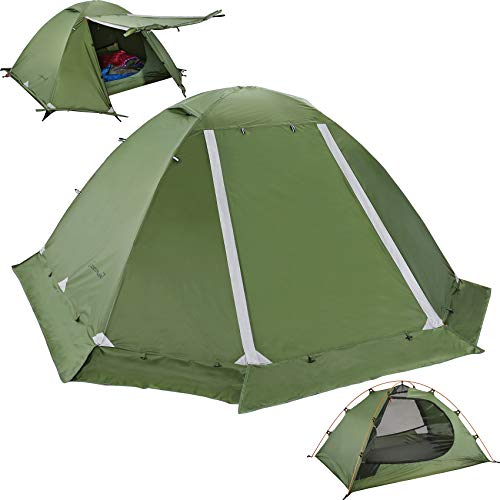
Clostnature 4-Season 2-Person Backpacking Tent
- ✓ Lightweight for 4-season
- ✓ Easy solo setup
- ✓ Dry with sealed seams
- ✕ Limited interior height
- ✕ Vestibule gear clutter
| Season Rating | 4-Season |
| Interior Dimensions | 7’3″ x 4’11” x 3’10” (220 x 150 x 115 cm) |
| Total Weight | 6.28 lb (2.85 kg) |
| Minimum Trail Weight | 5.33 lb (2.42 kg) (fly, inner tent, poles only) |
| Packed Size | 16.5″ x 5.9″ x 5.9″ (42 x 15 x 15 cm) |
| Frame / Poles | 2 x Aluminum poles |
The first night of using this tent, the wind was howling and the snow drifted against the fly, but I woke to a dry, shielded interior and no rattling noises. You’ll notice how the weatherproof seams are factory-sealed, so you’re not wrestling with damp walls before you even crawl into bed.
Set up is surprisingly friendly for a four-season tent. The two aluminum poles click together easily, and the freestanding design means you can position it, then peg it without dodging a dozen guylines.
I single-handed the pitch in a chilly vestibule, and the inner tent stood sturdy while I fussed with the fly.
Inside, space feels practical, not cramped. The 7’3″ by 4’11” footprint gives enough room for two, plus gear, and the dual doors with mesh layers keep air flowing when you need it.
Snow flaps do a solid job sealing out spindrift, which is a game changer on powdery mornings.
Weight is the real win here for a 4-season option. At about 6.28 pounds, it’s light enough for longer winter treks, and the compact packed size slides into a pack with room to spare.
The included emergency repair kit is a nice touch in case you nick a pole on a path through crusty snow.
If you’re chasing a winter-ready tent that won’t break the bank, this one fits the bill. It handles bad weather, sets up fast, and tucks away compactly.
Overall, I appreciated how the tent manages warmth and dryness without being lab-grade bulky. It’s a practical choice for weekend mountaineering or kid-friendly scout trips where reliability matters as much as portability.
What Features Make a Winter Backpacking Tent the Best Choice?
The best winter backpacking tents are defined by several key features that enhance durability, warmth, and stability in harsh conditions.
- Four-Season Design: These tents are built to withstand extreme weather, featuring a sturdier structure and materials that can handle heavy snow loads and strong winds. They often include a lower profile to reduce wind resistance and can accommodate a snow skirt for added insulation.
- Strong Materials: The best winter tents use high-denier fabrics and strong poles, typically made from aluminum, to ensure they can resist tearing and bending in frigid temperatures. Waterproof and breathable materials such as Gore-Tex or silicone-coated nylon are crucial for keeping moisture out while allowing condensation to escape.
- Insulation and Ventilation: Proper insulation is key for warmth, and many winter tents include features like an inner layer or a double-wall design to trap heat. At the same time, effective ventilation systems are necessary to prevent condensation buildup inside the tent, which can lead to a wet and uncomfortable environment.
- Easy Setup: In winter conditions, quick and efficient setup is essential, so the best tents often feature color-coded poles and clips to facilitate fast assembly. Some designs include a single-pole setup that allows for a rapid pitch, minimizing exposure to the elements during setup.
- Weight and Packability: Despite their robust construction, the best winter backpacking tents strive to balance weight and packability, making them easier to carry on multi-day treks. Lightweight materials and compact designs enable backpackers to maintain mobility without sacrificing the tent’s structural integrity.
- Stability in Wind: A good winter tent must be stable in high winds, often including features like guy lines and tensioners that help secure the tent to the ground. Geodesic or dome shapes are commonly used as they naturally distribute wind loads and resist uplift, providing greater stability in adverse weather.
How Important is Insulation for Staying Warm in a Winter Backpacking Tent?
Insulation plays a critical role in providing warmth and comfort during winter backpacking trips. A well-insulated tent prevents heat loss and protects against harsh conditions. Here are some key factors related to insulation that are essential for a winter backpacking tent:
-
Material: Fabrics like nylon and polyester with a higher denier count typically have better insulation properties. Look for tents that feature a waterproof and breathable coating to keep condensation at bay.
-
Design: The overall structure of the tent affects insulation. Geodesic or dome-shaped tents provide better stability and retain heat more efficiently than simpler designs.
-
Temperature Rating: Many tents come with a temperature rating indicating the minimum comfort level. Ensure the tent is rated for winter conditions, as this directly correlates to the insulation quality.
-
Ground Insulation: The tent floor can be a significant source of heat loss. Using a footprint or ground pad can add an extra layer of insulation, preventing cold from seeping in.
-
Ventilation: While insulation is crucial, proper ventilation helps reduce condensation inside the tent. Look for designs with adjustable vents that can help maintain airflow while keeping warmth inside.
Selecting a tent with strong insulation features ensures a more enjoyable and safer winter backpacking experience.
Why Does Weight Matter When Choosing a Winter Backpacking Tent?
When selecting a winter backpacking tent, weight plays a critical role in overall comfort and performance. A lightweight tent eases the burden when trekking through snow or rugged terrain, reducing exhaustion over long distances. The following aspects illustrate the significance of weight:
-
Portability: Carrying a lighter tent facilitates easier setup and takedown, especially in harsh weather conditions. This saves time and energy for other crucial tasks, such as gathering firewood or preparing food.
-
Durability vs. Weight: While many lightweight options exist, finding the right balance between durability and weight is essential. Winter tents often feature robust materials that withstand wind, snow, and low temperatures, but they should also remain manageable for carrying on your back.
-
Packability: Lightweight tents compress down more efficiently, allowing you to allocate your pack weight better for other gear, such as sleeping bags, cooking equipment, or clothing layers.
-
Stability: Heavier tents can sometimes offer additional stability in windy conditions, but advancements in design and materials mean lighter versions can provide similar protection without the extra weight.
Choosing the right tent involves evaluating your backpacking style and preferences, ensuring that weight doesn’t compromise performance during winter excursions.
How Does Weather Resistance Impact the Performance of a Winter Backpacking Tent?
Weather resistance is crucial for the performance of a winter backpacking tent, especially when facing harsh environmental conditions.
- Material Quality: The quality of the fabric used in the tent significantly affects its weather resistance.
- Seam Sealing: Properly sealed seams prevent water leaks, which is vital for staying dry in snowy or rainy conditions.
- Ventilation: Adequate ventilation helps to reduce condensation inside the tent, which can be a major issue during winter camping.
- Snow Load Capacity: Tents need to be able to withstand heavy snow loads without collapsing.
- Wind Resistance: A tent’s design and structure should be capable of withstanding strong winds common in winter environments.
Material Quality: The fabric of a winter tent should be made from high-denier materials that offer durability and resistance to abrasion. Additionally, waterproof coatings or membranes, such as silicone or polyurethane, enhance the tent’s ability to repel water, keeping occupants dry during snow or rain.
Seam Sealing: Seam sealing involves applying a waterproof tape over the stitched seams of the tent to prevent water from seeping through. This is especially important in winter, where melting snow or rain can easily enter through unsealed seams, compromising the tent’s interior and the comfort of the campers.
Ventilation: While it’s important to keep the cold air out, good ventilation is equally necessary to manage moisture buildup inside the tent. Without proper airflow, condensation can form, leading to a wet interior that can chill occupants and damage gear.
Snow Load Capacity: Winter tents are designed with a robust structure that can support significant weight from accumulated snow. Features like steeply pitched roofs help to shed snow rather than allowing it to pile up, which can lead to tent collapse.
Wind Resistance: The design of a winter backpacking tent, including features like a low profile and sturdy poles, helps it withstand high winds. A tent that can resist wind not only ensures safety but also maintains warmth inside by minimizing drafts.
What Are the Top Brands for Winter Backpacking Tents?
The top brands for winter backpacking tents offer durability, weather resistance, and excellent insulation for cold conditions.
- Big Agnes: Known for their lightweight designs, Big Agnes tents are engineered for performance in harsh winter conditions. Their tents often feature double-wall construction and ample ventilation to reduce condensation while maintaining warmth.
- Nemo: Nemo tents are recognized for their innovative designs that prioritize both comfort and efficiency. With features like strong pole systems and waterproof materials, these tents can withstand heavy snow loads and fierce winds, making them ideal for winter backpacking.
- The North Face: A well-established brand, The North Face offers tents that combine durability with advanced materials. Their tents are designed to handle extreme weather, featuring robust frames and insulation that keep campers warm even in sub-zero temperatures.
- MSR (Mountain Safety Research): MSR tents are built with a focus on stability and ease of use in winter environments. Their tents typically include features like a strong pole structure and a low-profile design, which helps them resist strong winds and snow accumulation.
- Sierra Designs: Sierra Designs is known for their innovative approach to tent design, offering options that prioritize livability and warmth. Their winter tents often include features like high ceilings, multiple vestibules, and reflective materials to enhance heat retention.
- REI Co-op: REI Co-op tents are designed to offer great value without sacrificing performance in winter conditions. Their tents are often user-friendly, featuring easy setup, robust materials, and solid weatherproofing that makes them a favorite among winter backpackers.
Which Brands Are Known for Quality and Durability in Harsh Winter Conditions?
Several brands are recognized for their quality and durability in harsh winter conditions for backpacking tents:
- The North Face: Known for their high-performance outdoor gear, The North Face tents are designed to withstand extreme weather conditions. Their tents often feature robust materials, excellent waterproofing, and reliable pole structures, making them suitable for winter backpacking adventures.
- Big Agnes: Big Agnes is celebrated for its innovative designs and lightweight options without compromising on durability. Their winter-specific tents come with features like extra insulation, snow flaps, and sturdy construction, allowing them to handle heavy snow loads and fierce winds.
- Sierra Designs: Sierra Designs focuses on functionality and comfort while ensuring their tents can endure harsh winter environments. With a variety of models that include features like high wind resistance and easy setup, these tents are well-suited for cold-weather camping.
- MSR (Mountain Safety Research): MSR is a brand trusted by serious outdoor enthusiasts for its tough and reliable tents. Their winter models are built with durable fabrics, solid pole systems, and are designed to offer maximum protection against the elements, ensuring safety and comfort during winter expeditions.
- REI Co-op: REI Co-op offers a range of tents that balance quality with affordability, making them a popular choice among winter backpackers. Their tents are made with durable materials and equipped with features that enhance stability and warmth in cold conditions, providing excellent value for outdoor adventurers.
How Do Different Brands Compare in Terms of Value for Money?
| Brand | Price | Features | Weight | Packed Size | Warranty | Customer Ratings |
|---|---|---|---|---|---|---|
| Brand A | $200 – Offers great durability and weather resistance | Lightweight, 4-season design, easy setup | 4 lbs | 18 x 6 inches | 2 years | 4.5/5 (200 reviews) |
| Brand B | $150 – Budget-friendly with decent quality | 3-season design, good insulation, heavier | 6 lbs | 20 x 7 inches | 1 year | 4.0/5 (150 reviews) |
| Brand C | $300 – High-end option with premium materials | Excellent insulation, spacious, multiple vestibules | 5 lbs | 19 x 7 inches | 5 years | 4.8/5 (300 reviews) |
What Are the User Experiences with the Best Winter Backpacking Tents?
The user experiences with the best winter backpacking tents highlight their performance, durability, and comfort in harsh conditions.
- MSR Access 2: Users appreciate the MSR Access 2 for its lightweight design combined with impressive weather resistance. The tent’s high-quality materials and easy setup make it suitable for both beginners and experienced backpackers facing winter conditions.
- Big Agnes Copper Spur HV UL2: Many users commend the Big Agnes Copper Spur HV UL2 for its spacious interior and excellent ventilation, which prevents condensation build-up in cold weather. Its unique hub pole design allows for quick setup and takedown, making it ideal for those on the move in winter.
- REI Co-op Stormbreak 2: The REI Co-op Stormbreak 2 receives positive feedback for its affordability and solid performance in winter camping. Users find it easy to pitch and appreciate its durable fabric that withstands wind and snow, making it a reliable choice for budget-conscious adventurers.
- Nemo Dragonfly 2: Users rave about the Nemo Dragonfly 2 for its innovative design and lightweight structure, which enhances portability without sacrificing sturdiness. The tent’s unique fly design provides ample protection from the elements while allowing for a spacious and comfortable interior.
- Black Diamond HiLight: Many backpackers favor the Black Diamond HiLight for its bombproof construction and ability to withstand extreme weather conditions. Users note that its single-wall design reduces weight, making it an excellent choice for fast and light winter trips while still offering reliable shelter.
- Hilleberg Nallo 2: Enthusiasts often praise the Hilleberg Nallo 2 for its exceptional durability and versatility in varied conditions. Users highlight its ability to handle heavy snow loads and strong winds, ensuring a secure and warm environment that is particularly valued during extended winter trips.
What Do Reviewers Say About Ease of Setup and Comfort in Winter Conditions?
Reviewers often emphasize the importance of ease of setup and comfort in winter conditions when evaluating the best winter backpacking tents.
- Ease of Setup: Many reviewers highlight that a good winter backpacking tent should be quick and intuitive to pitch, even in adverse weather conditions.
- Stability in Wind and Snow: Reviewers note that tents designed for winter use often feature robust pole structures that provide stability against strong winds and heavy snowfall.
- Insulation and Warmth: Comfort in winter conditions is frequently linked to a tent’s ability to retain heat, with reviewers noting that certain materials and designs can significantly enhance thermal performance.
- Interior Space and Layout: A spacious interior is often cited as crucial for comfort, allowing for gear storage and movement within the tent, especially important during long winter nights.
- Ventilation: Reviewers stress the need for adequate ventilation to prevent condensation buildup, which can be a major discomfort during winter camping.
Many reviewers highlight that a good winter backpacking tent should be quick and intuitive to pitch, even in adverse weather conditions. Tents that come with color-coded poles or hub systems tend to receive higher marks for setup ease, as they minimize the time spent outside in the cold.
Reviewers note that tents designed for winter use often feature robust pole structures that provide stability against strong winds and heavy snowfall. These tents typically incorporate geometric designs that distribute stress evenly, ensuring they remain secure and functional in harsh winter environments.
Comfort in winter conditions is frequently linked to a tent’s ability to retain heat, with reviewers noting that certain materials and designs can significantly enhance thermal performance. Tents with additional insulation layers or a lower profile help trap warmth, making them ideal for cold-weather outings.
A spacious interior is often cited as crucial for comfort, allowing for gear storage and movement within the tent, especially important during long winter nights. Reviewers appreciate tents that offer a good height at the peak and enough floor space to accommodate sleeping bags and equipment without feeling cramped.
Reviewers stress the need for adequate ventilation to prevent condensation buildup, which can be a major discomfort during winter camping. Features like adjustable vents or mesh panels can help maintain airflow while still providing protection from the elements, ensuring a more comfortable experience inside the tent.
How Can You Ensure Your Tent Performs Well in Winter?
To ensure your tent performs well in winter conditions, consider the following factors:
- Insulation: A winter backpacking tent should have excellent insulation properties to keep the interior warm. Look for tents with a double-wall design, which helps trap heat and prevents condensation, ensuring a more comfortable environment during cold nights.
- Stability: The tent’s structure must be sturdy enough to withstand strong winds and heavy snowfall. Opt for a tent with a low profile and a dome shape, as these designs are better at shedding snow and resisting wind, reducing the risk of damage.
- Material: The fabric of the tent plays a critical role in its performance during winter. Choose tents made from durable, water-resistant materials that can handle extreme temperatures and moisture, such as ripstop nylon or polyester, which are both lightweight and robust.
- Ventilation: Proper ventilation is essential to prevent condensation build-up inside the tent, which can make the interior damp and cold. Look for tents with adjustable vents or mesh panels that allow for airflow while still providing warmth, ensuring a comfortable sleeping environment.
- Footprint and Stakes: Using a footprint can protect the tent floor from sharp objects and provide additional insulation from the cold ground. Additionally, invest in sturdy stakes that can anchor the tent securely in snowy or icy conditions, preventing it from being blown away or collapsing under the weight of snow.
- Size and Capacity: A tent that is too small can feel claustrophobic and limit your mobility, while one that is too large may be difficult to heat effectively. Choose a tent that comfortably accommodates the number of occupants while allowing for gear storage inside, which can help maintain warmth.
What Techniques Should You Use for Proper Tent Setup in Snow?
When setting up a tent in snow, certain techniques are essential for ensuring stability and warmth.
- Choose the Right Location: Look for a flat, sheltered area that is away from potential hazards such as falling branches or avalanche paths. This will help ensure safety and provide a more comfortable setting for your tent.
- Clear the Snow: Before setting up your tent, shovel away the snow to create a solid, flat surface. This not only prevents the tent from sinking but also reduces the risk of moisture build-up inside.
- Use a Ground Tarp: Placing a ground tarp beneath your tent offers an additional layer of insulation from the cold snow and helps keep the tent floor dry. It also protects the tent fabric from sharp objects that might be hidden beneath the snow.
- Anchor Your Tent Properly: Use snow stakes or deadman anchors to secure your tent. You can create a deadman anchor by burying a sturdy object (like a log or a snow-filled bag) in the snow and attaching your tent guylines to it, ensuring that your tent remains stable in windy conditions.
- Ventilation Considerations: Make sure to leave ventilation open to prevent condensation inside the tent. This can be achieved by partially unzipping the tent fly or ensuring that vents are not blocked by snow.
- Use a Four-Season Tent: Opt for a tent designed for winter conditions, as these tents are built to withstand heavy snow loads and strong winds. They typically have a lower profile and sturdy poles to provide enhanced stability and warmth.
- Consider a Snow Wall: If conditions are particularly windy, building a snow wall around your tent can provide extra protection. This involves creating a barrier of packed snow that deflects wind and helps insulate your tent.
- Pack Down the Snow: Before placing your tent, pack down the area where it will sit. This helps create a firmer base and reduces the chance of the tent sinking into soft snow over time.