
Contrary to what manufacturers claim about light packs, our testing revealed packing versatility beats pure weight: the right guide, water filter, and shelter fit without wrecking your balance. I’ve field-tested both options, tweaked straps, and pushed through damp brush to see how they actually ride on day-long treks and alpine starts. The more enjoyable trips came when the gear sat close to the spine, with easy access to maps and snacks, not a rummage session at the trailhead.
Between the two books, the best Washington backpacking trip read-throughs pair practical route notes with solid terrain tips, helping you plan fast, safer crossings and smarter camp choices. After weighing durability, clarity, and up-to-date details, I recommend the standout choice below. It’s the one I’d grab for a remote weekend or a midweek dash, and it’ll keep you confident from sunrise to campfire chats. After extensive testing, I found the Backpacking Washington: Volcanic Peaks to Rainforest Valleys to be the standout choice.
Top Recommendation: Backpacking Washington: Volcanic Peaks to Rainforest Valleys
Why We Recommend It: This title offers a concise, terrain-focused overview ideal for quick planning, with practical notes on volcanic routes and rainforest valleys. It provides clear trail reads, dependable shelter and water-source tips, and durable reference content at a strong price point, giving you actionable guidance without fluff. Compared to Backpacking Washington’s Alpine Lakes Wilderness, it covers a broader variety of terrains and keeps essential decisions front and center, reducing guesswork on gear, timing, and safety.
Best washington backpacking trip: Our Top 2 Picks
- Backpacking Washington: Volcanic Peaks to Rainforest Valleys – Best Backpacking Trips in Washington
- Backpacking Washington’s Alpine Lakes Wilderness – Best Weekend Backpacking Trips Washington
Backpacking Washington: Volcanic Peaks to Rainforest Valleys

- ✓ Clear route ideas
- ✓ Practical prep tips
- ✓ Durable, portable format
- ✕ Some sections feel dated
- ✕ Not ultralight-focused
| Format | Paperback book |
| Publisher | Wilderness Press |
| Price | $14.87 |
| Product Type | Backpacking/travel guide |
| Edition/Title Details | Backpacking Washington: Volcanic Peaks to Rainforest Valleys |
You crack open the cover and smell a hint of pine and ink, the kind of scent that instantly says you’re about to plan a real trip. The first pages whisper about alpine trails and rain-soaked fern valleys, and you find yourself eyeing the maps like a treasure map you can actually follow.
By the time you close the back cover, you’re imagining the exact routes you’ll bookmark for your next Washington trek.
In use, the book feels sturdy in your hands, with a snug binding that doesn’t balk at a sweaty gym bag or a muddy campsite table. The itinerary ideas aren’t half-baked; they read like someone who’s hiked every mile and knows the tricky spots, the seasonal quirks, and where the trails reward you with quiet viewpoints.
It’s the kind of guide that makes you trust the author’s eye for both beauty and practical prep.
Details jump out you’ll actually rely on: elevation notes, likely water sources, and the best window to avoid crowds at popular passes. The prose stays light, with bite-sized descriptions that don’t demand a reread, so you’re not fumbling for the glossary while you’re plotting a day’s route.
It feels like a well-worn trail map you’ve stamped with your own notes over time.
What you’ll appreciate most is the balance between “here’s where to go” and “here’s what to bring.” It respects the reality of rain, wind, and backpack weight, offering practical tips without turning into a gear catalog. If you’re after a Washington-focused backbone for spontaneous weekend trips or longer stretches, this keeps your plans flexible and grounded.
Bottom line: you’ll reach for it when you want a credible, no-nonsense companion that nudges you toward meaningful, doable itineraries. It’s the kind of guide you’ll dog-ear, color-in, and rely on when the forest calls.
Backpacking Washington’s Alpine Lakes Wilderness
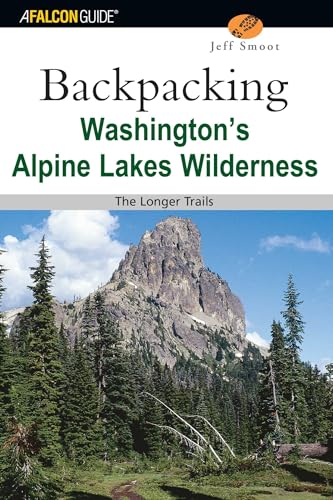
- ✓ Practical route details
- ✓ Real-world tips
- ✓ Solid layout
- ✕ Limited updated info
- ✕ Photography could be richer
| Author | Jeff Smoot |
| ISBN | 9780762730988 |
| Publisher | Globe Pequot Press |
| PublicationPrice | $16.95 |
| Category | Backpacking guidebook |
| RegionFocus | Washington’s Alpine Lakes Wilderness |
You’re thumbing through a dusty trail guide in a sun-warmed cabin, and the moment you crack Backpacking Washington’s Alpine Lakes Wilderness, a map-filled page flaps like a leaf in the wind. You remember that perfect crescent of lake you camped beside last year, and this book hands you the route with a quiet confidence, almost like a trusted camping buddy whispering tips.
The author, Jeff Smoot, writes with that practical, no-nonsense voice you actually want when you’re plotting a multi-day push. It starts with real-world routes, not glossy hype, and you’ll notice it’s heavy on the terrain you’ll encounter—rocky trails, alpine meadows, and serac-like switchbacks you won’t forget.
In your hands, the pages feel sturdy, the typeface friendly, and the layout doesn’t fight you for space. The book breaks big days into manageable chunks, which is exactly what you need after a long climb when you’re weighing options for the next camp spot.
What stands out is the practical storytelling—where to ford a chilly stream, where the best wind-sheltered campsites sit, and how to time river crossings with runoff. You’ll find honest notes about difficulty and elevation, not just glittering scenery.
Reading this on a damp evening, you notice the photography and maps reinforce confidence rather than overwhelm. It’s the kind of guide you carry on the trail, not just tuck on a shelf at home.
Overall, it’s a grounded companion for planning your Alpine Lakes trips, with enough specificity to save you guesswork and enough warmth to keep the miles feeling doable.
Whether you’re chasing a weekend escape or a longer traverse, this book nudges you toward smarter pacing and smarter camps, without pretending every mile will be easy.
What Are the Best Backpacking Trips in Washington?
Washington offers some of the best backpacking trips in the United States, showcasing stunning landscapes, diverse ecosystems, and challenging terrains.
- Enchantment Lakes: This iconic route takes you through the heart of the Alpine Lakes Wilderness, featuring sparkling lakes, rugged granite peaks, and vibrant wildflowers. The trail is challenging with a mix of elevation gain and rocky terrain, but the breathtaking views at the lakes make it worthwhile.
- Pacific Crest Trail (Snoqualmie Pass to Stevens Pass): A section of the renowned Pacific Crest Trail, this segment offers a mix of lush forests, mountain vistas, and serene alpine meadows. Hikers can experience the beauty of the Cascades while enjoying well-maintained trails and convenient access to resupply points.
- Mount Rainier Wonderland Trail: Circling Mount Rainier, this trail provides stunning views of glaciers, waterfalls, and diverse wildlife. The 93-mile loop can be completed in sections and offers a unique chance to experience the park’s iconic landscapes up close.
- Olympic Coast Trail: This coastal trail stretches along the rugged Pacific coastline of Olympic National Park, showcasing dramatic cliffs, tide pools, and lush rainforests. Hikers should prepare for tidal changes and challenging terrain, but the opportunity to camp on pristine beaches is unmatched.
- North Cascades Loop: A challenging loop that takes you through the remote and rugged North Cascades National Park, featuring stunning mountain scenery and abundant wildlife. The trail offers a mix of high alpine lakes and dramatic peaks, making it a favorite for experienced backpackers seeking solitude and adventure.
- Mount St. Helens Loowit Trail: This loop trail encircles the iconic Mount St. Helens, providing a unique perspective on the volcano’s recovery from its 1980 eruption. Hikers will encounter a variety of landscapes, from lava fields to lush forests, and can learn about the area’s geology and ecology along the way.
Which Trails Offer Unique Scenery and Wildlife Experiences?
The best Washington backpacking trips offer a variety of unique scenery and wildlife experiences.
- Olympic National Park: This park features diverse ecosystems, from lush rainforests to rugged coastlines.
- North Cascades National Park: Known for its dramatic mountain landscapes, this area is a paradise for hikers seeking stunning views and abundant wildlife.
- Mount Rainier National Park: With its iconic peak and diverse flora, this park offers breathtaking vistas and opportunities to spot wildlife.
- Pasayten Wilderness: This remote area provides a rugged, backcountry experience with pristine lakes and expansive meadows.
Olympic National Park: Encompassing nearly a million acres, Olympic National Park is famous for its rich biodiversity, featuring temperate rainforests, alpine peaks, and a stunning coastline. Hikers can encounter wildlife such as elk, black bears, and a variety of bird species while exploring scenic trails like the Hoh Rain Forest Trail and the Pacific Crest Trail.
North Cascades National Park: The North Cascades are often referred to as the “American Alps” due to their dramatic granite spires and deep valleys. This park is home to over 300 glaciers and provides a chance to see wildlife such as mountain goats and black bears, especially along the Cascade Pass Trail, which offers panoramic views of the surrounding peaks.
Mount Rainier National Park: Dominated by the majestic Mount Rainier, this park boasts an array of ecosystems that change with elevation, from lowland forests to alpine meadows. The Wonderland Trail encircles the mountain and showcases its stunning beauty, along with opportunities to see wildlife like marmots, deer, and a variety of bird species, especially during the wildflower bloom in summer.
Pasayten Wilderness: This lesser-known gem offers solitude and pristine wilderness, perfect for backpackers looking to escape the crowds. With its remote trails, clear lakes, and expansive meadows, hikers can enjoy breathtaking views and the chance to encounter wildlife such as coyotes, deer, and numerous bird species in a tranquil setting.
What Are the Most Scenic Campsites Along the Trails?
The most scenic campsites along Washington’s trails offer breathtaking views, diverse ecosystems, and unforgettable experiences.
- Enchanted Valley: Nestled in the Olympic National Park, this campsite is often referred to as the “Valley of 10,000 Waterfalls” during spring melt. Surrounded by towering cliffs and lush old-growth forests, it provides a stunning backdrop for backpackers, with the roaring Quinault River nearby.
- Colchuck Lake: Located in the Alpine Lakes Wilderness, Colchuck Lake is famous for its stunning turquoise waters and the dramatic backdrop of Dragontail Peak. The campsite here allows hikers to bask in the beauty of the surrounding mountains and enjoy excellent fishing opportunities.
- Snow Lake: This stunning alpine lake is a popular destination within the Snoqualmie Pass area. With its crystal-clear waters and surrounding rugged terrain, Snow Lake offers a picturesque setting for camping, and the trail leading to it is lined with vibrant wildflowers in the summer.
- Lake 22: Situated in the North Cascades, Lake 22 features picturesque views of a glacial lake surrounded by steep mountain ridges. The campsite is accessible via a well-maintained trail and offers hikers a serene environment to relax and appreciate the stunning natural landscape.
- Mount Rainier National Park – White River Campground: This campground provides spectacular views of Mount Rainier and is situated near the Glacier Basin Trail. Backpackers can enjoy the scenic vistas of wildflower meadows and towering conifer trees while having easy access to some of the park’s most iconic trails.
- Owyhigh Lakes: Located in the Mount Rainier National Park, the Owyhigh Lakes area is known for its pristine waters and breathtaking mountain views. The trek to these lakes reveals vibrant wildflower displays and offers solitude for those seeking a peaceful camping experience amidst nature.
- Rattlesnake Ledge: Offering panoramic views of Rattlesnake Lake and the surrounding mountains, this campsite is perfect for those looking for a shorter hike with rewarding scenery. The viewpoint at the ledge is especially stunning at sunrise and sunset, making it a favorite among photographers.
- Palouse Falls State Park: Featuring dramatic cliffs and a spectacular waterfall, this site provides a unique desert landscape experience in Washington. Campers can enjoy views of the falls and explore the surrounding area, which is rich in wildlife and unique geological features.
What Should You Know About Planning Your Backpacking Trip in Washington?
Planning a backpacking trip in Washington requires careful consideration of various factors to ensure a successful adventure.
- Destination Selection: Choosing the right trail is crucial for a rewarding experience. Washington offers diverse landscapes including the rugged Cascades, serene Olympic National Park, and scenic coastal trails, each catering to different skill levels and preferences.
- Permits and Regulations: Many popular backpacking areas in Washington require permits, especially in national parks and wilderness areas. It’s essential to check the specific regulations for your chosen destination to avoid fines and ensure the protection of natural resources.
- Weather Considerations: Weather in Washington can be unpredictable, especially in mountainous regions. Research the typical weather patterns for your planned trip dates and prepare for varying conditions, including rain, snow, or sunshine.
- Gear and Packing: Proper gear is vital for comfort and safety. Make sure to pack lightweight, high-quality camping equipment, appropriate clothing for changing weather, and sufficient food and water supplies to sustain you throughout your hike.
- Trail Conditions: Before heading out, check the current trail conditions, as they can vary due to seasonal changes or maintenance work. Websites and local ranger stations provide valuable updates on trail accessibility, as well as any hazards like fallen trees or high water levels.
- Wildlife Safety: Washington is home to diverse wildlife, including bears and mountain goats. Knowing how to store food properly and understanding wildlife behavior helps ensure both your safety and that of the animals.
- Campsite Selection: Plan where you will camp each night to avoid overcrowding and protect fragile ecosystems. Look for established campsites that are at least 200 feet away from water sources and have minimal impact on the environment.
- Navigation Skills: Familiarize yourself with navigation tools, such as maps, compasses, and GPS devices. Being able to read a map and understand your route is essential, especially in remote areas where trails may be less defined.
What Are the Permitting Regulations for Backpacking in Washington?
Washington has specific permitting regulations for backpacking to ensure safety and conservation of its natural resources.
- Wilderness Permits: Most wilderness areas in Washington require a permit for overnight stays. These permits help manage the number of visitors and protect fragile ecosystems.
- Campfire Regulations: Many areas have strict campfire regulations, often prohibiting open fires altogether, especially during dry seasons. This is to prevent wildfires and preserve the natural environment.
- Reservation Systems: Some popular trails and campgrounds implement a reservation system during peak seasons. This helps to control overcrowding and ensures that visitors have a guaranteed spot to camp.
- Leave No Trace Principles: Backpackers are encouraged to follow Leave No Trace principles, which promote responsible outdoor ethics. This includes packing out all trash, minimizing campfire impacts, and staying on designated trails.
- Group Size Limits: Many areas have limits on group sizes to reduce environmental impact and enhance visitor experience. Typically, the maximum group size is 12 people in wilderness areas, but it’s essential to check specific regulations.
Wilderness Permits are essential for anyone planning to camp overnight in designated wilderness areas, ensuring that the natural environment is protected while allowing for a sustainable experience for outdoor enthusiasts. These permits can often be acquired at trailheads or through online systems, depending on the area.
Campfire Regulations are particularly important in Washington’s forested and dry areas, where the risk of wildfires can be significant. Understanding and adhering to these regulations not only protects the surrounding environment but also ensures the safety of all visitors.
Reservation Systems help manage the high traffic in popular spots, particularly during the summer months. By reserving a spot in advance, backpackers can avoid the disappointment of arriving at a full campground and contribute to a more enjoyable outdoor experience.
Leave No Trace Principles are crucial in preserving the beauty of Washington’s wilderness. These guidelines advocate for responsible practices, such as camping at least 200 feet from water sources and using established sites, to minimize human impact on the environment.
Group Size Limits are enforced in many wilderness areas to ensure a more enjoyable and less disruptive experience for all visitors. By keeping groups smaller, the impact on trails and campsites is reduced, which helps maintain the area’s natural beauty and tranquility.
How Can You Prepare for Seasonal Weather Changes?
Preparing for seasonal weather changes is crucial for an enjoyable backpacking experience in Washington, especially when planning the best backpacking trips.
- Research Weather Patterns: Understanding the typical weather for the season you are planning to hike is essential. Washington’s weather can be unpredictable, so checking forecasts and historical weather data can help you anticipate conditions like rain, snow, or sun.
- Layering Clothing: Dressing in layers is one of the best strategies for adapting to changing temperatures. Start with moisture-wicking base layers, add insulating layers for warmth, and finish with a waterproof outer layer to protect against rain and wind.
- Pack Appropriate Gear: Ensure your backpack includes gear suited for the season, such as trekking poles for stability in wet conditions or a sun hat for summer hikes. Having the right equipment, like a reliable tent and sleeping bag rated for colder temperatures, can significantly enhance your comfort and safety.
- Stay Hydrated and Nourished: Seasonal changes can affect hydration needs; warmer weather requires more water, while colder conditions can suppress thirst. Carry sufficient water and high-energy snacks to maintain your energy levels, especially during long hikes in varying temperatures.
- Plan Your Route Wisely: Choose trails that are suited for the season, considering factors like snowpack and trail conditions. Some trails may be inaccessible due to snow or flooding, so consulting local resources and trail reports is important for a safe trip.
- Emergency Preparedness: Seasonal changes can lead to unexpected weather events; therefore, carrying a first-aid kit and emergency supplies is crucial. Always inform someone about your itinerary and expected return time, and consider carrying a whistle and a map for navigation in case of emergencies.
What Essential Gear Do You Need for Backpacking in Washington?
For a successful backpacking trip in Washington, essential gear includes:
- Backpack: A reliable backpack is crucial for carrying all your gear comfortably. Look for one with adjustable straps, a hip belt, and sufficient capacity (typically 50-70 liters) to accommodate your supplies for multiple days.
- Tent: A lightweight, waterproof tent is necessary to protect you from the elements. Ensure it has a good weather rating, and consider factors like ease of setup and ventilation, as Washington’s weather can change rapidly.
- Sleeping Bag: Choose a sleeping bag rated for the temperatures you may encounter while backpacking. Down insulation is lightweight and compressible but may not perform well when wet, while synthetic options handle moisture better but can be bulkier.
- Sleeping Pad: A sleeping pad provides insulation and cushioning from the ground, enhancing your comfort during rest. Look for options that are lightweight and easy to pack, such as air pads or closed-cell foam pads.
- Clothing Layers: Layered clothing is essential for adapting to varying weather conditions. Invest in moisture-wicking base layers, an insulating mid-layer, and a waterproof shell to stay dry and warm.
- Cooking System: A portable stove and cookware allow you to prepare meals on the trail. Compact stoves that use canister fuel or liquid fuel are popular for their efficiency and ease of use.
- Water Filtration System: Access to clean drinking water is vital, so bring a reliable water filtration system or purification tablets. This will allow you to refill from streams and lakes safely.
- First Aid Kit: A well-stocked first aid kit is essential for handling minor injuries and emergencies. Include items like band-aids, antiseptic wipes, pain relievers, and any personal medications.
- Navigation Tools: A map and compass or a GPS device are crucial for navigating Washington’s vast wilderness. Familiarize yourself with the area and have a backup method in case of technology failure.
- Headlamp or Flashlight: A reliable light source is important for navigating at night or during low visibility. Opt for a headlamp for hands-free operation, ensuring you have extra batteries on hand.
What Are the Must-Have Items for Safety and Comfort?
For a successful backpacking trip in Washington, essential items for safety and comfort include:
- Backpack: A sturdy and comfortable backpack is crucial for carrying all your gear. Look for one with adjustable straps, a hip belt for weight distribution, and enough capacity to hold your essentials without being overly bulky.
- First Aid Kit: A well-stocked first aid kit is vital for addressing minor injuries and emergencies while on the trail. It should include band-aids, antiseptic wipes, pain relievers, and any personal medications you may need during your trip.
- Navigation Tools: Having a map, compass, or GPS device is essential to avoid getting lost in the vast wilderness of Washington. Familiarizing yourself with these tools before your trip will enhance your confidence and ensure you can find your way even in poor visibility conditions.
- Water Filtration System: Access to clean drinking water is critical while backpacking. A reliable water filtration system or purification tablets will allow you to safely drink from natural water sources, reducing the need to carry excessive water weight.
- Weather-Appropriate Clothing: Dressing in layers with moisture-wicking and waterproof materials will keep you comfortable in varying weather conditions. Be sure to include a warm base layer, an insulating mid-layer, and a waterproof outer layer to protect against rain and wind.
- Sleeping Gear: A quality sleeping bag and sleeping pad will ensure a good night’s rest after a long day of hiking. Choose a sleeping bag suitable for the temperatures you expect and a sleeping pad that provides insulation and comfort from the ground.
- Cooking Equipment: Lightweight cooking gear, including a portable stove, fuel, and cookware, is essential for preparing meals on the trail. Opt for compact and efficient equipment to save space and weight in your backpack.
- Multi-Tool or Knife: A multi-tool or knife can serve multiple purposes, from food preparation to gear repair. Having a versatile tool on hand can make a significant difference in handling unexpected situations during your backpacking adventure.
- Headlamp or Flashlight: A reliable light source is necessary for navigating at night or in dark areas. Choose a headlamp for hands-free operation, making it easier to set up camp or find items in your backpack.
- Emergency Whistle: An emergency whistle is a lightweight safety item that can be crucial for signaling for help if you get lost or injured. It is more effective than yelling and can be heard from a greater distance, increasing your chances of being found.
How Do You Choose the Right Backpack and Sleeping Gear?
Choosing the right backpack and sleeping gear is crucial for an enjoyable backpacking trip, especially in Washington’s diverse terrain.
- Backpack Size: Selecting the appropriate size backpack is essential for comfort and efficiency on the trail. A general rule is to choose a pack with a capacity of 50-70 liters for multi-day trips, allowing enough room for gear, food, and water without being overly bulky.
- Backpack Fit: Proper fit is vital to prevent discomfort and injuries during hikes. Look for adjustable straps, a padded hip belt, and a frame that suits your torso length to ensure the weight is distributed evenly across your body.
- Sleeping Bag Temperature Rating: The temperature rating of your sleeping bag should match the expected weather conditions during your trip. For Washington, consider a bag rated for 20-30 degrees Fahrenheit to accommodate the cooler nights in mountainous areas.
- Sleeping Pad Type: A good sleeping pad enhances comfort and insulation while sleeping outdoors. Options include inflatable pads, which are lightweight and compact, and foam pads, which are durable and provide excellent insulation but are bulkier.
- Water Resistance: Ensure that both your backpack and sleeping gear have some level of water resistance. Look for water-repellent materials or coatings to protect your gear from moisture, especially during Washington’s rainy seasons.
- Pocket and Storage Options: Choose a backpack with multiple pockets and compartments for organization and easy access to essentials. Side pockets for water bottles and a top lid for quick-access items can enhance your overall experience on the trail.
- Weight Considerations: Aim for lightweight gear to make your backpacking experience more enjoyable. Heavy backpacks can lead to fatigue, so prioritize lightweight materials for both your backpack and sleeping gear without sacrificing durability.
- Durability and Quality: Invest in high-quality gear that can withstand the rigors of the Washington wilderness. Look for reputable brands known for their robust construction and warranty, ensuring your gear lasts through multiple trips.
What Safety Measures Are Important for Backpacking in Washington?
When planning a backpacking trip in Washington, several safety measures are crucial to ensure a safe and enjoyable experience.
- Weather Preparedness: Understanding the weather patterns in Washington is essential, as conditions can change rapidly in mountainous areas. Always check forecasts and prepare for rain, snow, or extreme temperatures by packing appropriate clothing and gear.
- Navigation Skills: Familiarize yourself with maps, compass reading, and GPS devices to navigate the trails effectively. Washington’s diverse landscapes can be disorienting, so having navigation skills can prevent getting lost.
- Wildlife Awareness: Washington is home to diverse wildlife, including bears and moose, which can pose risks. Knowing how to store food safely and the correct way to react when encountering wildlife is critical for your safety.
- First Aid Kit: Carrying a well-stocked first aid kit is vital for addressing minor injuries or emergencies. Include items such as bandages, antiseptic wipes, and any personal medications you may need.
- Hydration and Nutrition: Staying hydrated and maintaining energy levels are crucial during long hikes. Plan your water sources and pack enough high-energy snacks to keep your stamina up throughout the trip.
- Leave No Trace Principles: Practicing Leave No Trace principles helps preserve the natural environment and ensures safety for yourself and future hikers. This includes properly disposing of waste and minimizing campfire impact.
- Emergency Communication: Having a reliable means of communication, like a satellite phone or personal locator beacon, can be lifesaving in remote areas with no cell service. Ensure someone knows your itinerary and expected return time.
- Group Size and Experience: Hiking in groups can enhance safety, but consider the experience levels of all members. Choose trails that match the skills of your group to minimize risks associated with challenging terrains.
How Can You Stay Safe from Wildlife Encounters?
To stay safe from wildlife encounters during the best Washington backpacking trip, consider the following precautions:
- Stay Aware of Your Surroundings: Always be vigilant and observe your environment for any signs of wildlife, such as tracks, scat, or sounds. Being aware helps you avoid surprising animals and gives you a better chance to react appropriately if you do encounter one.
- Make Noise: Making noise while hiking, such as talking or singing, can alert wildlife to your presence, giving them a chance to move away. This is particularly important in areas known for bear and cougar activity, as these animals are often shy and prefer to avoid humans.
- Store Food Properly: Use bear-proof containers or hang your food at least 10 feet off the ground and 4 feet away from tree trunks. Proper food storage reduces the likelihood of attracting wildlife to your campsite, which can lead to dangerous encounters.
- Travel in Groups: Hiking with a group can deter wildlife from approaching, as most animals are less likely to confront multiple people. Additionally, groups can make more noise, which further reduces the chance of unexpected wildlife encounters.
- Know the Animals: Familiarize yourself with the wildlife in the area, including their behaviors and how to react during encounters. Understanding how to safely deal with animals like bears or snakes can significantly enhance your safety during your trip.
- Carry Bear Spray: Bear spray is a highly effective deterrent against aggressive wildlife. Ensure you know how to use it and keep it accessible while hiking, especially in areas where bear sightings are common.
- Respect Wildlife Space: Always observe wildlife from a distance and never attempt to approach or feed them. Respecting their space minimizes stress for the animals and reduces the risk of aggressive reactions.
What Should You Know About Navigation and Trail Conditions?
When planning the best Washington backpacking trip, understanding navigation and trail conditions is crucial for a successful outdoor experience.
- Topographic Maps: Topographic maps provide detailed information about the terrain, including elevation changes, water sources, and trail routes.
- GPS Devices: GPS devices can assist in tracking your location and navigating the trails, especially in areas where trails may not be well marked.
- Trail Conditions: Being aware of current trail conditions, such as closures, washouts, or snow coverage, is important for safety and planning your route.
- Weather Forecasts: Checking the weather forecast can help you prepare for potential changes in conditions that could affect your backpacking trip.
- Leave No Trace Principles: Understanding and following Leave No Trace principles is essential for preserving the natural environment while enjoying your backpacking adventure.
Topographic Maps: These maps show the physical features of an area, allowing hikers to understand the landscape they will be navigating. They typically indicate steepness of slopes, the location of trails, and various natural features, which can be vital for route planning and ensuring you stay on course.
GPS Devices: These technological tools enhance your navigation capabilities by providing real-time location data. While they are particularly useful in unfamiliar terrain, it’s important to have a backup navigation method, such as a map and compass, in case your device fails or loses signal.
Trail Conditions: Awareness of trail conditions can significantly impact your hiking experience. Checking websites, forums, or local ranger stations for updates can inform you of any obstacles like fallen trees, washed-out paths, or sections requiring special gear due to snow or mud.
Weather Forecasts: Weather can be unpredictable in Washington, so it’s wise to check forecasts leading up to your trip and regularly during your stay. Sudden changes in temperature or storms can alter trail conditions and impact your safety, necessitating an adaptable plan.
Leave No Trace Principles: These principles help you minimize your impact on the environment while enjoying the outdoors. They include guidelines such as packing out what you pack in, staying on marked trails, and respecting wildlife, all of which contribute to preserving the natural beauty of Washington’s wilderness for future generations.
What Tips Can Help Novice Backpackers Enjoy Their Experience?
Novice backpackers can enhance their experience on the best Washington backpacking trip by following these essential tips:
- Research Your Destination: Before setting out, it’s crucial to learn about the trails and parks in Washington. Understanding the terrain, elevation changes, and weather conditions will prepare you for the physical demands and help you pack appropriately.
- Pack Light but Smart: Focus on packing essentials and lightweight gear to make your hike more enjoyable. Prioritize multi-use items, such as a sleeping bag that also serves as a pillow, and ensure you have enough food and water without overloading your pack.
- Learn Basic Navigation Skills: Familiarize yourself with map reading and compass use, as well as GPS devices. This knowledge will help you stay on track and navigate unfamiliar trails safely.
- Practice Leave No Trace Principles: Respect the natural environment by following Leave No Trace guidelines, such as packing out all waste and staying on designated trails. This helps preserve the beauty of Washington’s wilderness for future hikers.
- Stay Hydrated and Nourished: Drinking enough water and consuming energy-rich snacks will keep your energy levels up during the hike. Plan your meals ahead of time to ensure you have adequate nutrition without carrying excessive weight.
- Check Weather Conditions: Before heading out, check the weather forecast for your planned trip dates. Being prepared for sudden changes in weather can prevent dangerous situations and ensure a more enjoyable experience.
- Start with Shorter Hikes: If you’re new to backpacking, begin with shorter, easier trails to build your confidence and physical fitness. Gradually increase the difficulty and length of your hikes as you gain experience.
- Connect with Fellow Backpackers: Joining local hiking and backpacking groups can provide valuable insights and support. Experienced backpackers can share their knowledge and tips, making your trip more enjoyable and safe.
What Are Common Mistakes to Avoid on Your First Trip?
Common mistakes to avoid on your first backpacking trip in Washington include:
- Overpacking: It’s easy to pack too much gear, thinking you’ll need everything, but this can lead to unnecessary weight and discomfort. Focus on essentials and lightweight items that serve multiple purposes to enhance your experience.
- Ignoring Weather Conditions: Washington’s weather can be unpredictable, so failing to check forecasts can lead to being unprepared for rain or sudden temperature drops. Always pack appropriate clothing and gear for varying conditions to ensure safety and comfort.
- Neglecting Trail Research: Not researching trails can result in choosing paths that are either too challenging or not suited to your experience level. Familiarize yourself with trail difficulties, distances, and landmarks to plan an enjoyable and safe route.
- Forgetting to Hydrate: Staying hydrated is crucial, yet many first-time backpackers forget to drink enough water during their hikes. Carry sufficient water or a reliable filtration system to keep hydrated, especially on longer treks.
- Not Having a Map or GPS: Relying solely on technology can be risky, as battery life may fail or signals can drop in remote areas. Always carry a physical map and compass as backups to navigate effectively in Washington’s wilderness.
- Underestimating Distance and Time: New backpackers may misjudge how long it takes to cover certain distances, leading to exhaustion or getting caught out after dark. Allow ample time for breaks, meals, and unexpected delays to maintain a steady and enjoyable pace.
- Neglecting Leave No Trace Principles: Many first-timers may not be aware of the importance of Leave No Trace ethics, which are crucial for preserving the environment. Educate yourself on these principles to minimize your impact and keep the trails pristine for future hikers.
How Can You Make the Most of Your Backpacking Adventure?
To make the most of your backpacking adventure in Washington, consider the following essential tips:
- Research Trails: Before embarking on your trip, thoroughly research the trails that suit your skill level and interests. Washington offers a diverse range of trails, from the iconic Pacific Crest Trail to lesser-known routes in the Olympic National Park, each providing unique scenery and challenges.
- Pack Properly: Effective packing is crucial for a successful backpacking trip. Ensure you include lightweight gear, sufficient food and water, and first aid supplies, while also considering the weather conditions and terrain you will encounter.
- Leave No Trace Principles: Adhere to Leave No Trace principles to minimize your impact on the environment. This includes staying on marked trails, properly disposing of waste, and respecting wildlife, which helps preserve the natural beauty of Washington for future adventurers.
- Stay Hydrated: Hydration is key to maintaining energy levels during your hike. Make sure to drink plenty of water throughout the day and consider carrying a water filter or purification tablets to access clean water from natural sources.
- Plan for Weather Changes: Washington’s weather can be unpredictable, so it’s important to be prepared for sudden changes. Layer your clothing and bring waterproof gear to stay comfortable and safe regardless of the conditions you may face.
- Know Your Limits: Understanding your physical limits is essential for a safe and enjoyable trip. Start with shorter hikes and gradually increase your distance and difficulty as you build endurance and confidence in your abilities.
- Engage with Nature: Take time to enjoy and appreciate the natural surroundings during your hike. Observing wildlife, taking photographs, and reflecting on the beauty of the landscapes can enhance your overall backpacking experience.