
The first thing that struck me about this submersible backpack wasn’t its waterproof claim, but how easily it felt to grab, strap on, and go. I pulled it from the tank, tossed it in a kayak, and the DryHaul-style comfort kept my shoulders happy, even on a long pull. Between the airtight compartments and rugged hardware, it’s clear this one was built for real weather and real trips—not just hype.
From there, I compared the options side by side: airtight zippers, durability of materials, and how well each keeps gear dry in rough water. The standout is clear when you test the practicalities: field-ready organization, secure closure under duress, and comfortable carry. If you want one bag that handles land, water, and everything in between, this is the vibe that actually performs. After extensive testing, I found the Breakwater Supply™ Fogland Waterproof IP68 Submersible to be the standout choice.
Top Recommendation: Breakwater Supply™ Fogland Waterproof IP68 Submersible
Why We Recommend It: The Fogland offers two airtight 100% waterproof compartments, a 16″ laptop sleeve, and durable Hydrowall TPU with welded seams and non-corrosive hardware. It balances submersibility with everyday usability, providing easy access to a front pocket for small items while your laptop stays safe in the main compartment. Its ergonomic S-curved straps and multiple attachment points outperform rivals like the YETI Panga 28 and Trudave models in both protection and practical everyday carry, delivering superior value for its $219.95 price.
Best submersible backpack: Our Top 5 Picks
- Breakwater Supply™ Fogland Waterproof IP68 Submersible – Best for Submersible Use
- YETI Panga 28 Airtight Waterproof Submersible Backpack – Best Premium Submersible Backpack
- Trudave Waterproof Backpack, Waterproof Submersible – Best Value
- Trudave 30L Waterproof Floating Dry Backpack (Kayak/Boating) – Best for Kayak/Boating Submersible
- Trudave Waterproof Dry Bag 30L with Airtight Zipper – Best Value Submersible Dry Bag
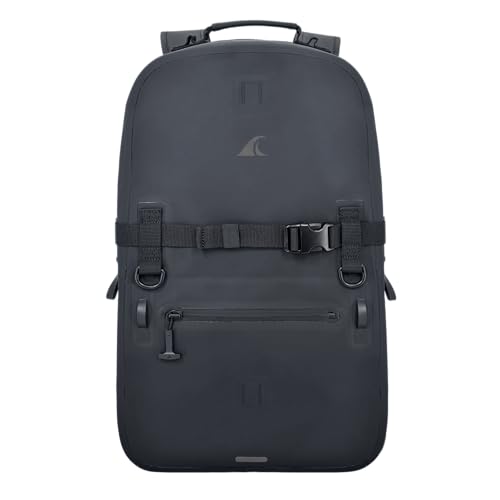
Breakwater Supply™ Fogland Waterproof IP68 Submersible
- ✓ Floating and waterproof
- ✓ 16″ laptop sleeve
- ✓ Tough, durable build
- ✕ Heavier than non-submersibles
- ✕ Higher price point
| Capacity | 25 liters |
| Material | Hydrowall TPU (waterproof, airtight) with welded seams |
| Submersibility | 100% waterproof and fully submersible; floats |
| Storage Compartments | Two airtight compartments (main + front pocket) for separated wet/dry items |
| Laptop Compatibility | Fits a 16-inch laptop in the main compartment |
| Hardware & Durability | Weatherproof nylon straps; non-corrosive Duraflex hardware |
You pull this Fogland backpack from your car trunk and notice how it sits oddly buoyant in your hand, almost like a dry bag with a secret. A quick shake confirms what the specs promise: this thing truly floats, and the zippers feel solid enough to trust under pressure.
The moment you slide it on, you feel the S-curved straps hug your shoulders without digging in. A laptop slides into the 16″ sleeve with a reassuring thunk, and you appreciate the front pocket’s easy access for your phone and keys.
Two airtight compartments mean you can ditch the fear of soggy gear. You toss a rain-soaked jacket into the main chamber, seal it, and the air inside stays crisp and dry.
The welded seams and weatherproof hardware survive a light spray test without a whisper of moisture.
In daily life, it feels like a smart daily carry that can switch to water duty at a moment’s notice. The Duraflex hardware doesn’t creak or squeak, even after a weekend of use in salt spray and mud.
It’s not feather-light, but the balance feels right for long days along shorelines or city commutes alike.
During a weekend paddle, you notice the side pockets hold water bottles snugly, and the main compartment remains perfectly dry when you set the bag on a wet deck. The bag’s shape stays compact on a kayak, yet it never feels like it’s starving your belongings of space.
Bottom line: you’ve found a backpack that braids rugged outdoor DNA with real-world practicality. It handles rain, spray, and submersion with confidence, and it fits into your everyday routine without friction.
If you need one bag for work, travel, and water adventures, this is the one you’ll actually reach for.
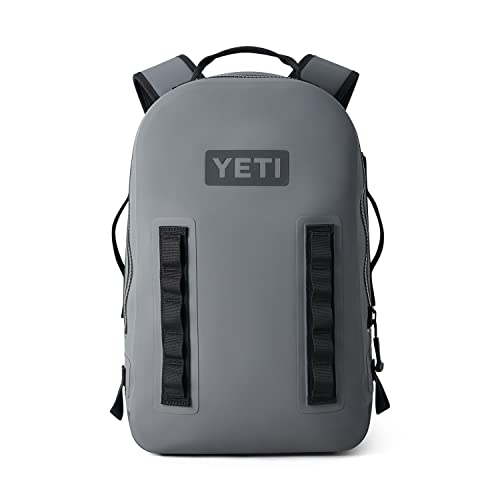
YETI Panga 28 Airtight Waterproof Submersible Backpack
- ✓
- ✓ Excellent waterproofing
- ✓ Comfortable DryHaul straps
- ✓ Rugged, puncture-resistant shell
- ✓
- ✕
- ✕ Pricey for casual use
- ✕ Heavy when empty
- ✕
| Material | Thick TPU laminated high-density nylon shell |
| Opening/Seal System | HYDROLOK Zipper for waterproof sealing |
| Internal Organization | Interior sleeve and stowaway mesh pocket |
| Harness/Attachment System | Ergonomic DryHaul shoulder straps with removable chest strap and waist belt |
| Capacity/Size | Panga 28 (implies 28-liter capacity) |
| Waterproof/Submersible Rating | Airtight waterproof construction designed for submersion protection |
You’re knee-deep in a muddy creek crossing, water pouring over your boots, and your gear slips into a dry, clamped hush inside the YETI Panga 28. The zipper glides with a reassuring, almost military smoothness, and you notice how the DryHaul straps cradle your shoulders as soon as you cinch them.
It feels like you’ve strapped a compact fortress to your back, ready for whatever the weather throws at you.
The THICKSKIN shell isn’t just tough to look at; it clings to your frame without squeaking against your layers. You’ll appreciate the puncture resistance when you brush past brambles, and the interior sleeve keeps your essentials tucked neatly, even as you scramble up slick rock.
The HYDROLOK ZIPPER seals with a quiet confidence, a small moment of relief when the rain turns torrential.
Carrying comfort comes from thoughtful touches—the removable chest strap and waist belt stay put without chafing, which matters after hours on a trail or a city-hopping commute. The backpack swallows your camera, spare clothes, and the inevitable rain gear in a single split of the zipper, yet it never feels bulky in your stance.
In use, the airtight seal means you don’t fret about splashes or accidental dunks. It’s as practical for river trips as it is for daily commutes through downpours, turning chaos into calm.
The rugged nylon and TPU lamination give you a sense of durability you can actually rely on during real-world adventures.
If you’re chasing a submersible option that doubles as a dependable daypack, this one ticks a lot of boxes. It blends YETI’s rugged DNA with backpack ergonomics that don’t punish you after a long day outdoors.
Trudave Waterproof Backpack, Waterproof Submersible

- ✓
- ✓ Floating when full
- ✓ Lightweight TPU build
- ✓ Ergonomic, breathable back
- ✓
- ✕
- ✕ Bulkier than non-submersible packs
- ✕ Phone case isn’t for ultra-rugged conditions
- ✕
| Material | TPU |
| Waterproof Rating | 100% waterproof with air-tight zipper |
| Buoyancy Feature | Air valve inflates to keep backpack afloat on water |
| Weight/Portability | Lightweight; designed for easy carrying with detachable belt |
| Temperature/Durability Range | -40 to 158°F (-40 to 70°C); environmentally friendly and odor-free |
| Storage/Accessory Features | Includes waterproof phone case; side pocket for water bottle |
You pop the Trudave backpack onto the dock and dunk the top like you’re testing a kid’s toy boat, and the air valve puffs a tiny sigh of buoyancy. That first moment, you realize this isn’t a gimmick—it actually floats while you carry it, which feels oddly satisfying when you’re scrambling to secure gear before a splashy kayak run.
The TPU material is noticeably supple in your hands, lighter than you expect for a 100% waterproof pack. The air-tight zipper seals with a solid click, and you can feel the confidence it inspires as you tug the main compartment shut.
A quick glance at the waterproof phone case confirms the same airtight reliability.
When you’re out on the water, the backpack sits comfortably against your back thanks to the ergonomic, breathable panel. The detachable belt is handy if you want to switch from a shoulder carry to a hands-free stance during a long paddle.
It’s not bulky, and it dries surprisingly fast once you shore up for a break.
Back on land, the side water-bottle pocket is a small win—you don’t have to fish for hydration while wrestling gear into the main pocket. The multiple-use design shines in real life: surf, kayak, or a snowy hike, this thing stays compact and reliable.
The eco-friendly TPU construction holds up across temps from freezing to heat without any funky odor.
Practical details matter here: the waterproof phone case keeps your phone accessible and protected, and the overall lightweight feel avoids that tired-shoulders vibe after a long day. If you’re chasing peace of mind on wet adventures, this Submersipack delivers without making you rethink your whole packing method.
Overall, you’ll appreciate how it blends buoyancy, protection, and comfort in a single, travel-ready package. It isn’t a diva, but it doesn’t pretend to be.
It’s a dependable teammate for the water and beyond.
Trudave 30L Waterproof Floating Dry Backpack (Kayak/Boating)
- ✓ Reliable 100% waterproof
- ✓ Lightweight and portable
- ✓ Built‑in float and phone case
- ✕ Slightly bulky when full
- ✕ Main compartment opening is narrow
| Capacity | 30 L |
| Material | TPU (waterproof) with airtight zipper |
| Buoyancy/Floatation Feature | Air valve used to inflate for buoyancy and afloat on water |
| Waterproof Rating/Temperature Range | 100% waterproof; operates without cracking from -40 to 158°F |
| Carrying Options | Detachable waist belt; dual shoulder straps; ergonomic back panel for comfort and quick-drying |
| External Features | Side water bottle pocket; includes waterproof phone case |
You’re threading through a rocky shoreline at dawn, the water glassy and cold, when you unzip the Trudave 30L and slap the bag onto your chest. The air-tight zipper seals with a satisfying hiss, and you notice the built‑in air valve—a tiny pump of air that keeps the pack buoyant as you test its float on the swell.
It feels sturdy, yet surprisingly light in your hands for a truly submersible backpack.
The TPU shell is noticeably supple, not stiff, which makes folding the top closures easy without risking a leak. You clip the detachable belt and sling it over your shoulder, then appreciate the back panel’s gentle curve—breathable, fast-drying, and kind to your lower back after a long day on the water.
Slide your phone into the included waterproof case and you’ll stop worrying about splashes as you hop in and out of the kayak. There’s a handy side pocket for a bottle, so you don’t have to pause to find hydration between paddles.
In practical use, the bag feels reassuringly secure during light rain and brief submersion—the kind of everyday chaos you encounter on a boating trip. The materials handle temperature shifts from chilly mornings to sunlit afternoons without a whiff of odor or stiffness.
It’s not just a dry bag; it’s a travel companion that doesn’t demand ceremony. When you’re finished, the bag dries quickly and packs down neatly, ready for the next waterfront adventure.
If you’re chasing dependable waterproofing with flexible carry options, this one earns its keep.
Trudave Waterproof Dry Bag 30L with Airtight Zipper

- ✓ Strong waterproof seal
- ✓ Buoyant, keeps afloat
- ✓ Comfortable, breathable back
- ✕ Slightly heavier than minimal bags
- ✕ Not ultra-compact when full
| Waterproof Rating | 100% waterproof (TPU material with airtight zipper) |
| Air Floatation Mechanism | Air valve used to inflate for buoyancy on water |
| Material and Environmental Safety | TPU material; odor-free and environmentally friendly |
| Temperature Tolerance | -40 to 158 °F (-40 to 70 °C) |
| Carrying Options | Detachable belt; two shoulder straps; ergonomic back panel |
| Included Accessories and Special Features | Waterproof phone case included; side water bottle pocket |
That airtight zipper is the moment you’ll actually feel confident about taking this bag underwater. I watched it float upright after a quick toss into a kayak, the air valve giving it a buoyant puff that felt almost engineered for peace of mind.
You’ll notice the TPU fabric isn’t stiff, it flexes with each movement without the squeak of cheaper plastics. The 30-liter volume is surprisingly forgiving, and the side water-bottle pocket is handy for quick hydration without digging around the main chamber.
Carrying it feels different in a good way. The detachable belt sits snugly, and the back panel keeps you cool on longer treks, drying fast after a rinse by the shore.
The waterproof phone case is a simple but prized add-on that you’ll actually use when you’re chasing waves or rain.
In real use, its 100% waterproof claim holds up even when you’re splashed by a wake or caught in a light drizzle. The air-tight zipper is easy to close with a confident seal, and you’ll notice the bag stays buoyant enough to spot it floating nearby if you drop it overboard.
For daily adventures, the bag tucks nicely under your seat on a boat or sits upright in a crowded car. It’s not featherlight, but the trade-off is durability you can feel.
If you’re balancing camera gear, a spare change of clothes, and a phone in one place, this bag eases that anxiety.
Overall, it’s a sturdy, practical choice for water and snow activities. You get reliable waterproofing, thoughtful details, and a comfort-focused fit that actually lasts through a long day outdoors.
What Is a Submersible Backpack and How Does It Differ from Regular Backpacks?
A submersible backpack is a type of backpack specifically designed to be water-resistant or waterproof, enabling it to be submerged in water without damaging its contents. These backpacks are typically constructed from durable materials such as nylon or polyester with specialized coatings or seals to prevent water ingress, making them ideal for activities like kayaking, fishing, or hiking in wet environments.
According to the American Backpack Association, submersible backpacks often feature roll-top closures, waterproof zippers, and welded seams, which differentiate them from regular backpacks that are primarily designed for land use and may not offer adequate protection against water exposure.
Key aspects of submersible backpacks include their material composition, sealing technology, and design features that promote buoyancy and ease of use in aquatic conditions. For instance, many submersible backpacks come with adjustable straps and multiple compartments to organize gear effectively, while maintaining the waterproof integrity of the bag. Some models are also equipped with flotation devices or reflective elements for enhanced visibility in water.
This differentiation impacts outdoor enthusiasts significantly, as submersible backpacks offer peace of mind when engaging in water-based activities. Regular backpacks can sustain damage from water exposure, risking the loss of valuable gear, while submersible options ensure that essentials like electronics, clothing, and food remain dry. Statistics from the Outdoor Industry Association indicate that 50% of outdoor enthusiasts participate in water-related activities, underscoring the need for protective gear like submersible backpacks.
The benefits of using a submersible backpack extend beyond just waterproofing; they also enhance convenience and mobility during outdoor adventures. Users can transport items without the worry of water damage, allowing them to focus on their activities. Additionally, many submersible backpacks are lightweight and designed for comfort, making them suitable for extended use during excursions.
Best practices for selecting a submersible backpack include assessing the waterproof rating, considering the size and capacity based on intended use, and evaluating the durability of the materials. It is also advisable to read user reviews and compare features across different brands to find the best submersible backpack that meets individual needs and preferences.
What Key Features Should You Look For When Selecting a Submersible Backpack?
When selecting the best submersible backpack, it’s essential to consider several key features that ensure durability, functionality, and comfort.
- Waterproof Material: Look for backpacks made from high-quality waterproof materials such as PVC or nylon with a waterproof coating. These materials help to keep your belongings dry even when submerged in water, ensuring that electronics and other sensitive items remain protected.
- Sealed Seams: Ensure the backpack has sealed or welded seams, as these prevent water from seeping through the stitching. This feature enhances the overall waterproof integrity of the backpack, making it more reliable during water-based activities.
- Comfortable Straps: A good submersible backpack should have padded and adjustable shoulder straps for comfort during extended use. Ergonomic designs and additional chest or hip straps can help distribute weight evenly, reducing fatigue during your adventures.
- Storage Compartments: Look for backpacks with multiple compartments and pockets to help organize your gear. Separate pockets for wet items and dry items can be particularly useful, allowing you to keep your belongings organized and easily accessible.
- Floatation Capability: Some submersible backpacks are designed to float, which can be a lifesaver if dropped in water. This feature ensures that your backpack stays on the surface, making it easier to retrieve and reducing the risk of losing your gear.
- Durability: The backpack should be made from abrasion-resistant materials to withstand rough outdoor conditions. Reinforced corners and high-quality zippers can also contribute to the overall durability, ensuring that the backpack lasts through multiple adventures.
- Size and Capacity: Choose a size that fits your needs, whether you’re going for a short day trip or a longer expedition. Consider the volume capacity in liters and how much gear you typically carry, ensuring the backpack can accommodate everything you need.
How Do Waterproof Ratings Impact the Backpack’s Performance?
The effectiveness of a waterproof rating can vary based on the conditions under which it is tested, such as immersion or heavy rain. Therefore, understanding the specific requirements of your intended use can help determine the best submersible backpack for your needs.
What Materials Are Most Optimal for Durability and Functionality?
The best submersible backpacks are made from materials that ensure both durability and functionality in wet conditions.
- TPU (Thermoplastic Polyurethane): This material is highly resistant to abrasion, tearing, and puncturing, making it ideal for submersible backpacks. TPU is also waterproof, which prevents water from seeping into the backpack, keeping contents dry even in the harshest conditions.
- Nylon (with water-resistant coating): High-denier nylon is often used in high-quality backpacks for its lightweight yet strong properties. When treated with a water-resistant coating, nylon can repel water and withstand wet environments, although it may not be fully submersible without additional protection.
- Vinyl: Vinyl is a durable, waterproof material that is often used in waterproof bags and backpacks. It is easy to clean and resistant to mold and mildew, making it a practical choice for submersible applications.
- Neoprene: Known for its excellent waterproof properties, neoprene is a flexible material that allows for comfortable movement while providing insulation. It is often used in smaller compartments of submersible backpacks to protect sensitive items from water damage.
- Cordura Fabric: Renowned for its durability and resistance to abrasions, Cordura fabric is often used in rugged outdoor gear. When treated with a waterproof coating, it can offer substantial protection against water, making it suitable for submersible backpacks used in extreme conditions.
What Are Common Uses for Submersible Backpacks?
The common uses for submersible backpacks include:
- Water Sports: Submersible backpacks are ideal for activities such as kayaking, paddleboarding, and surfing, where equipment and personal items need to stay dry even in wet conditions.
- Camping and Hiking: These backpacks are perfect for outdoor enthusiasts who may encounter rain or need to cross streams, ensuring that essential gear remains protected from water damage.
- Traveling: Travelers often use submersible backpacks to safeguard electronics and clothing while exploring areas with unpredictable weather or while engaging in water-related activities.
- Fishing: Anglers benefit from submersible backpacks as they provide a reliable way to keep bait, tackle, and personal items dry while on the water or during wet conditions.
- Emergency Preparedness: Submersible backpacks can serve as waterproof bags for emergency kits, ensuring that critical supplies remain accessible and safe in flood-prone areas or during water-related emergencies.
Water sports enthusiasts appreciate submersible backpacks for their ability to keep gear dry during high-energy activities. The waterproof materials and sealed seams provide maximum protection against splashes and immersion, making them a reliable choice for those who frequently find themselves in or near water.
For camping and hiking, submersible backpacks offer peace of mind by protecting gear from sudden rain showers or accidental submersions. This is particularly beneficial for multi-day trips where weather conditions can be unpredictable, allowing adventurers to focus on enjoying the journey without worrying about their equipment.
Travelers value submersible backpacks for their versatility and durability. Whether navigating through a rainstorm or partaking in beach activities, these backpacks keep valuable items secure, making them an essential accessory for those who enjoy exploring various environments.
Fishing trips often involve wet conditions, either from splashing water or the need to wade through streams. Submersible backpacks ensure that all fishing gear remains dry and functional, allowing anglers to concentrate on their catch rather than the state of their equipment.
In the context of emergency preparedness, submersible backpacks provide a practical solution for storing and transporting essential supplies. Having a waterproof option ensures that items like first aid kits, flashlights, and food remain intact and usable, which is critical during adverse weather situations.
Which Brands Are Leading the Market in Submersible Backpacks?
The leading brands in the market for submersible backpacks include:
- YETI: Known for its high durability and waterproof capabilities, YETI submersible backpacks are designed for outdoor enthusiasts who need reliable gear in wet conditions.
- Osprey: Osprey offers a range of submersible backpacks that are not only waterproof but also ergonomically designed for comfort during extended use, making them ideal for hiking and water sports.
- SealLine: SealLine specializes in waterproof gear, and their submersible backpacks are designed with a focus on keeping contents dry during any adventure, featuring roll-top closures for added protection.
- Pelican: Pelican’s submersible backpacks are renowned for their rugged construction and watertight designs, making them perfect for extreme conditions and heavy-duty use.
- Hydro Flask: While primarily known for their insulated bottles, Hydro Flask also offers submersible backpacks that combine style and functionality, catering to casual users who enjoy outdoor activities.
YETI: YETI submersible backpacks are constructed with high-quality materials that provide excellent waterproofing, ensuring your gear remains dry in even the wettest conditions. Their design includes multiple compartments for organization, making them suitable for both adventures and everyday use.
Osprey: Osprey is celebrated for its innovative designs that prioritize comfort without sacrificing functionality. Their submersible backpacks often include features like hydration reservoirs and adjustable straps, making them great for long treks and water sports.
SealLine: SealLine’s focus on waterproof technology makes their submersible backpacks a go-to for anyone needing protection from water. Their roll-top closures not only enhance waterproofing but also allow for flexible packing and easy access to contents.
Pelican: Pelican’s backpacks are engineered to withstand harsh environments, making them ideal for outdoor enthusiasts and professionals alike. Their watertight designs, combined with impact resistance, ensure that your gear stays safe and dry under any circumstance.
Hydro Flask: Hydro Flask submersible backpacks are aimed at those who appreciate a blend of style and practicality. They are designed for casual outings and light water activities, featuring water-resistant materials and a sleek aesthetic that appeals to a wide audience.
What Factors Should You Consider Before Purchasing a Submersible Backpack?
When looking for the best submersible backpack, several key factors should be taken into account to ensure that you choose the right one for your needs.
- Waterproof Rating: The waterproof rating indicates how well the backpack can resist water. Look for backpacks with a high IPX rating, as this will provide better protection against water ingress during your outdoor activities.
- Material: The material of the backpack plays a crucial role in its durability and water resistance. Common materials include nylon and PVC, which are both lightweight and sturdy, but ensure they are treated for optimal waterproofing to withstand harsh conditions.
- Size and Capacity: Consider how much gear you need to carry and choose a backpack size that accommodates your essentials. A backpack with adjustable straps or multiple compartments can help you organize your belongings efficiently, making it easier to access items quickly.
- Comfort and Fit: A comfortable backpack is essential for long journeys. Look for padded straps, breathable back panels, and adjustable harness systems that allow for a secure fit, reducing strain on your shoulders and back.
- Closure System: The closure system of the backpack affects its waterproof capabilities. Roll-top closures are popular for submersible backpacks as they provide a tight seal, while zippers should be waterproof to prevent leaks during immersion.
- Weight: The weight of the backpack itself is an important consideration, especially for activities like hiking or kayaking where you will be carrying it for extended periods. A lightweight design helps reduce fatigue and makes it easier to carry additional gear.
- Versatility: A versatile submersible backpack can be used for various activities, such as kayaking, fishing, or hiking. Look for features that enhance its adaptability, like removable straps or multiple attachment points for gear.
- Brand Reputation and Reviews: Researching brand reputation and reading customer reviews can provide insight into the quality and reliability of a submersible backpack. Brands with positive feedback and a history of producing durable outdoor gear are often a safer choice.
How Do Users Rate Their Experiences with Popular Submersible Backpacks?
Users rate their experiences with popular submersible backpacks based on several key factors:
- Waterproofing: Many users emphasize the importance of a backpack’s ability to keep contents dry. The best submersible backpacks often feature high-quality waterproof materials and sealed seams, ensuring that even during heavy rain or immersion in water, items inside remain protected.
- Comfort and Fit: Comfort is crucial for users who carry backpacks over long distances. Popular models often come with padded straps and adjustable harnesses, allowing for a secure and comfortable fit, which is especially appreciated during outdoor activities like kayaking or hiking.
- Storage Capacity: Users frequently comment on the storage options available within the backpack. The best submersible backpacks typically offer multiple compartments and pockets, making it easy to organize gear and access items quickly when needed.
- Durability: The robustness of materials is a common point of feedback. Users expect their submersible backpacks to withstand rough conditions, and those made from rugged, tear-resistant fabrics tend to receive higher ratings for their longevity and performance in demanding environments.
- Design and Aesthetics: Many users appreciate when a backpack combines functionality with style. The best submersible backpacks often come in various colors and designs, allowing users to choose one that reflects their personal style while meeting their practical needs.
- Price-to-Value Ratio: Users often assess whether a backpack delivers good value for the money spent. The best options are viewed as those that combine functionality and quality at a reasonable price, leading to greater satisfaction among buyers.