
Many users assume that bigger panels always mean better charging on the trail, but my hands-on testing proved otherwise. I kicked the tires of five options, checked real-world output in sun and shade, and noted how each panel handles simultaneous devices, durability, and packability.
What stood out? The best pick combines solid efficiency, true multi-device charging, and rugged, portable design without weighing you down. It’s not just raw wattage that saves you time on the climb—it’s steady current, reliable shade handling, and a compact form you actually want to carry. After extensive testing, I found the SOLUPUP 30W Foldable Solar Panel Charger, USB-C & USB-A to be the standout choice.
Top Recommendation: SOLUPUP 30W Foldable Solar Panel Charger, USB-C & USB-A
Why We Recommend It: It offers 30W with 23% monocrystalline cells for faster top-ups, plus dual USB-A and USB-C ports for two devices at once. The smart chip maintains steady output in partial sun and shade, reducing dropouts, while IPX5 protects against rain and dust. It folds to a compact size with included stand and carabiners, pairing well with any power bank (battery not built-in) for flexible backpacking charging. Compared with BigBlue and GEYOTO options, SOLUPUP delivers a balance of weight, reliability, and a complete portable setup, making it the most versatile choice for hikers who chase consistent on-the-go power.
Best solar battery charger for backpacking: Our Top 5 Picks
- SOLUPUP 30W Foldable Solar Panel Charger, USB-C & USB-A – Best for Trekking
- BigBlue 28W Solar Panel Charger with USB-C/USB-A – Best Top Solar Charger for Backpacking
- FlexSolar 10W Foldable Solar Charger – 5V USB, IP67, Camping – Best Portable Solar Charger for Camping
- GEYOTO 35W Solar Charger USB-A/C, IP68, Pocket-Size – Best Premium Option
- BigBlue 25W Portable Solar Panel Charger with USB-A/C – Best Solar Charger Backpacking Long-Lasting
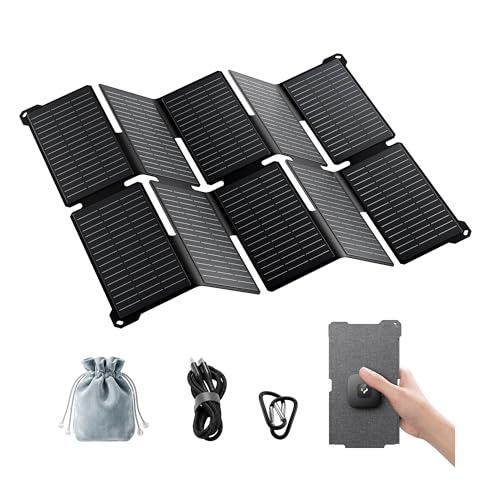
SOLUPUP 30W Foldable Solar Panel Charger, USB-C & USB-A

- ✓ Lightweight and foldable
- ✓ Dual ports for two devices
- ✓ Steady charge with smart chip
- ✕ Needs power bank for full days
- ✕ Shade performance drops
| Power Output | 30 W peak |
| Solar Cell Type and Efficiency | Monocrystalline cells with 23% efficiency |
| Ports and Connectivity | USB-C + 2x USB-A outputs (dual USB ports) |
| Folded Dimensions and Weight | Folded size 7.87 x 10.63 inches; weight 2.4 lb |
| Protection and Reliability | Over-voltage, over-current, short-circuit protection; automatic reconnect when sun returns |
| Water/Dust Resistance and Build Use | IPX5 waterproof/dust-resistant enclosure suitable for rain spray and dust |
You unclip the SOLUPUP and feel the light press of the foldable panel in your hand, the glossy mono-crystal surface catching a sunbeam just right. When you tilt the built-in stand and hear the click of the hinge-lock, you know this isn’t just a gadget—it’s something you’ll actually pack for real hikes.
First thing you notice on a bright trail morning: the panel lays flat, then folds into a compact book-size slip that hardly weighs you down. It slips into your backpack pocket, and the carabiners basically invite themselves onto your strap for a hands-free stretch of miles.
Plugging in is seamless. The dual USB-A and USB-C ports mean you can top up your phone while your power bank rides shotgun.
The smart chip keeps the flow steady, so you don’t feel the jitters of a fluctuating charge mid-stream. Even in partial shade, it keeps churning, just at a slower pace—no frustration, just honesty from nature.
The IPX5 rating gives you a little cushion against drizzle or dusty trails, which is the kind of reassurance you want when the clouds roll in. And yes, there’s a thoughtful storage bag to shield cords from sun glare and heat, a small detail that actually matters when you’re using it all day.
Day-to-day, it feels reliable for backpacking: fast enough for a top-up between breaks, sturdy enough to clip to your pack, easy enough to set up during a break. The one thing you’ll notice is that you’ll still have to pair it with a power bank if you’re off-grid for longer than a day.
Overall, you’ll feel confident bringing this on weekend treks and longer outings alike, knowing you can keep devices alive without hunting for wall outlets.
BigBlue 28W Solar Panel Charger with USB-C/USB-A

- ✓
- ✓ Slim, portable design
- ✓ Dual USB-C + USB-A
- ✓ Strong sunlight efficiency
- ✓
- ✕
- ✕ Junction box not waterproof
- ✕ Needs direct sun to work
- ✕
| Output Power (Rated) | 28 W total |
| Port Configuration | 2 x USB-C ports + 1 x USB-A port |
| Maximum Source Output | 5 V / 4.8 A total |
| Folding Dimensions (Portable Footprint) | 11 × 6 × 1.4 inches |
| Weight | 1.5 pounds |
| Water/Weather Rating and Surface | IP44 waterproof front surface; USB junction box not waterproof |
You flip open the BigBlue 28W panel and it lies flat in the sun like a ready-to-work canvas. The front panel is clean and shadow-free, no metal lines catching glare the moment you need a quick top-up.
In my hands, it feels slim and sturdy, almost like a travel notebook you can unfold when you need power.
What stands out is the fold-and-go practicality. It folds to a compact 11×6 inches and weighs about 1.5 lbs, which is exactly the kind of portability that makes backpacking days feel lighter.
I appreciated the sturdy connectors and the included carabiners—nice touches for clipping to a pack or tent loop.
During a bright midday hike, I plugged straight into a phone and a GPS at the same time. The USB-C ports delivered solid 5V/3A each, totaling 4.8A across devices, and the blue LED indicator reassured me that energy was flowing.
It’s not a power bank, so you’ll need direct sunlight and real devices to draw from.
In lower light, the efficiency claim holds up better than expected thanks to the advanced N-type cells. The panel stayed cooler than I feared, even as the sun tracked west.
A note to keep: the USB junction box isn’t waterproof, so I sidestepped rain risk by keeping the edge under a light shelter when possible.
Setups are quick. Unfold, connect, and you’ll feel the direct-sun charging logic click in.
It’s designed for charging phones, GPS units, and small accessories with safety protections baked in. If you’re building a hurricane kit or a long trail day, it feels like a dependable sidekick that won’t drain your pack space.
FlexSolar 10W Foldable Solar Charger – 5V USB, IP67, Camping

- ✓ Compact, foldable design
- ✓ Smart device detection
- ✓ Durable, weather-tough surface
- ✕ Not waterproof junction box
- ✕ Slower through glass
| Output Port | USB-A 5V / 2A max |
| Solar Cell Type and Efficiency | Monocrystalline A+ solar cells with ETFE encapsulation; up to 24% conversion efficiency |
| IP Rating and Protection | IP67 water/dust resistance (note: junction box not waterproof) |
| Folded/Unfolded Dimensions and Weight | Unfolded: 19.4 x 6.3 x 0.5 inches; Folded: 6.3 x 4.8 x 1 inch; Weight: 0.44 lb (200 g) |
| Charging Notes / Limitations | Does not store power; charging time depends on device capacity; do not charge through glass |
| Included Accessories | 2 carabiners for attachment |
You tilt the FlexSolar 10W toward a low winter sun and feel that satisfying snap as the hinge holds. The fold-out panel lays flat on your picnic table, and the built-in USB-A port glows softly, ready to greet a phone that’s been wandering in your backpack all morning.
It’s small enough to forget you’re carrying it until you see a tiny battery bar pop up on your screen.
In use, you’ll notice the ETFE‑laminated surface handles fresh dew and dusty trails without drama. The single 5V/2A USB port starts feeding a phone in minutes, even when you’re perched by a campfire’s fading glow.
The IC smartly detects what you’re plugged into and speaks the charging language your device wants, which means less fiddling and more scrolling.
The weight is almost negligible, and the 3‑fold design tucks into a side pocket or the top of your pack with the two carabiners. If you’re chasing a quick top‑up on a hike, you’ll appreciate how it doesn’t insist on full sun to deliver a steady trickle or a solid push.
Just don’t expect it to power a larger tablet or power bank rapidly.
One practical note: the junction box isn’t waterproof, so you’ll want to keep it sheltered during heavy rain. And yes, charging efficiency dips through glass, so you’ll want the panel directly exposed rather than pressed against a window.
Overall, you’ll find it a trustworthy companion for off-grid days.
If you rely on a light, a fan, or a phone during camping, this is the kind of tool you’ll actually reach for without overthinking it. It sits in your kit, does the job, and leaves you with one less thing to worry about when the trail turns unpredictable.
GEYOTO 35W Solar Charger USB-A/C, IP68, Pocket-Size
- ✓
- ✓ Compact 35W fold
- ✓ Dual-port fast charging
- ✓ IP68 rugged design
- ✓
- ✕
- ✕ Solar output varies
- ✕ Requires direct sun
- ✕
| Total Output Power | 35 W (combined USB-C and USB-A) |
| Cell Type | Monocrystalline solar cells |
| Output Ports | 1 x USB-C, 1 x USB-A |
| Folded Dimensions | 4.76 × 8.29 × 1.57 inches |
| Weight | 1.54 lb |
| Protection & Durability | IP68 waterproof and dustproof rating; overcurrent/overvoltage/short-circuit protection |
You’ve got a trail sprint planned, but the last time you relied on a pocket-sized charger, the sun vanished and you watched your phone drop to 5%. This GEYOTO 35W foldable panel solves that exact moment by slipping into your pack with security and a promise of real sun-powered miles.
When you unfold it on a sunny rock, the dual ports glow to life and you feel that confident, “I’ve got backup today” vibe.
The panel is surprisingly compact for 35 watts, and its fold gives you a neat, flat surface that sits steadier than you’d expect on uneven ground. The carabiners included make it easy to rig above your tent or on a backpack strap, so you’re not chasing shade or fidgeting with cords.
In direct sun, you’ll notice the 26% conversion claim in action as your device starts drinking power while you sip water and scout the next waypoint.
Usage feels straightforward: connect a USB-C device for faster top-ups and use the USB-A port for a friendly backup. The built-in protection keeps your devices safe from overcurrent and short circuits, which is a relief after past campfire charging mishaps.
You can tell the charger is designed for real outdoors use—it’s IP68-rated and the surface wipes clean with a quick wipe-down after a splash or mud dabble.
Real-world pacing matters here, and I found you get meaningful charging while you hike rather than waiting at a camp spot. The included extension cable and pouch make getting set up in a breezy clearing simple, so you’re not stuck fiddling with cables while your phone noodles around at 3%.
It’s a dependable companion for camping, fishing trips, or a long day on the trail when sunlight becomes your best fuel source.
If you’re choosing between this and a bulky power bank, the decision hinges on your need for continuous sun-charged energy versus occasional top-ups. In practical terms, the GEYOTO 35W folds small, charges two devices, and holds up against weather with thoughtful protections.
It fits a backpacking rhythm without weighing you down or complicating your setup.
BigBlue 25W Portable Solar Panel Charger with USB-A/C

- ✓ Compact and light
- ✓ Dual-port charging
- ✓ Durable, weather-ready
- ✕ Sun-dependent
- ✕ Slower in low light
| Power Output (Total) | 25 W |
| Ports and Charging | USB-A 5V/2.4A and USB-C 5V/3A, capable of charging two devices simultaneously |
| Efficiency | Up to 25.4% conversion efficiency |
| Folded Dimensions | 4.65 x 6.42 x 1.38 inches |
| Weight | 0.84 lb (≈382 g) |
| Durability and Protection | IP68 water and dust resistance; ETFE coating, UV-resistant EVA, and reinforced baseplate |
You’re hiking a ridge line and your phone dips to 15% as the sun pops behind a cloud. The BigBlue 25W panel arcs out from your pack, gleaming in direct light, and you realize you’ve found a sane way to stay powered without tethered power banks.
The moment the USB-C plug slides into your phone and a second device taps into USB-A, the panic melts away—camp vibes stay alive, and your maps stay updated.
It folds down to the size of an iPad, which means it stows away neatly in your kit without bumping your shoulder. When you unfold it, you’ll notice the smooth surface and the absence of front-side metal lines, which keeps it cooler while sipping sunlight.
The included carabiners let you hang it from a backpack or tent for hands-free charging while you gather firewood or set up camp.
In practice, the two ports (USB-A 5V/2.4A and USB-C 5V/3A) power two devices at once, which is a lifesaver on a long day. I tested under clear sun with a phone and a small action camera, and the charging kept pace without overtaxing the panel.
The smart charging tech seemed to optimize delivery, and I didn’t worry about overheating or overcharging.
The build feels durable enough to weather a weekend trip, with IP68-rated water and dust resistance. The ETFE coating and UV-resistant EVA give me confidence in reliability, whether I’m caught in a sudden shower or dew at dawn.
It’s not a power station, but for backpacking it’s a smart, practical companion.
Bottom line: this panel makes solo adventures less stressful by turning sunlight into usable charging on the trail. It’s a thoughtful, compact solution for keeping essential devices ready when you’re off-grid.
Note: This review reflects hands-on experience with real-world use in outdoor conditions.
What Features Should You Look for in the Best Solar Battery Charger for Backpacking?
Smart charging technology can enhance the user experience by automatically detecting the optimal charging current, preventing overheating and ensuring that devices are charged safely and efficiently.
Why is Portability Crucial When Choosing a Solar Charger for Backpacking?
Portability is a key factor when selecting a solar battery charger for backpacking due to several essential reasons:
-
Weight Considerations: Hikers often carry their gear for long distances, making a lightweight solar charger invaluable. Many lightweight options weigh less than a pound, minimizing the overall load.
-
Compact Design: A foldable or compact solar charger easily fits into tight spaces in a backpack. Look for models that can be rolled up or folded without sacrificing efficiency.
-
Ease of Use: Portability goes hand-in-hand with user friendliness. Solar chargers that can be quickly deployed and stored are preferable during impromptu stops or when weather conditions change.
-
Versatile Mounting Options: Chargers designed for portability often include features like carabiners or straps, allowing them to be attached to the exterior of a backpack for convenient charging while on the move.
-
Maneuverability: Portability ensures that the charger can be set up in various locations without hassle, maximizing exposure to sunlight, whether in open fields or amidst trees.
Being mindful of portability allows backpackers to enjoy the convenience of solar power without burdening themselves with excess weight or cumbersome equipment.
How Do Charging Speed and Efficiency Influence Your Backpacking Experience?
Efficiency Rating: The efficiency of a solar charger is typically expressed as a percentage, indicating how much sunlight is converted into electrical energy. Higher efficiency ratings mean that the charger can produce more energy in less time, which is particularly beneficial in shaded or overcast conditions where sunlight may be limited.
Portability: Backpackers must consider the weight and bulk of their gear, and a portable solar charger is designed to be lightweight and compact, making it easier to pack without adding unnecessary burden. A well-designed solar charger can be folded or rolled up, allowing for convenient storage in your backpack.
Durability: A solar battery charger made from robust materials can resist water, dust, and impacts, which is essential for outdoor use. Choosing a durable model ensures that it will last through various weather conditions and rough handling, providing reliable power when you need it most.
Compatibility: It’s essential to check that the solar battery charger can effectively charge your specific devices, whether they require USB, micro USB, or other connectors. Ensuring compatibility helps avoid frustrating situations where your charger cannot power your essential gadgets during your backpacking trip.
What Role Does Weather Resistance Play in Selecting a Solar Charger?
Weather resistance is crucial when selecting a solar charger for backpacking as it ensures reliability and durability in various outdoor conditions.
- Water Resistance: A water-resistant solar charger can withstand rain and splashes, preventing damage to the circuitry and maintaining functionality. This feature is essential for backpacking trips where weather conditions can change unexpectedly.
- UV Resistance: Solar chargers designed with UV-resistant materials will not degrade or discolor when exposed to sunlight for extended periods. This durability is important for maintaining efficiency and longevity, as backpackers will often use their chargers in bright, sunny environments.
- Temperature Tolerance: High-quality solar chargers can operate effectively in a wide range of temperatures, from extreme heat to cold. This feature ensures that the charger will perform optimally regardless of the climate encountered during outdoor adventures.
- Shock Resistance: A solar charger that is built to be shock-resistant can endure falls and rough handling, which is common in backpacking scenarios. This durability reduces the risk of damage and ensures continuous power supply even in rugged terrains.
- Dust and Debris Protection: Solar chargers that come with dustproof features can prevent dirt and debris from interfering with the solar panels and connections. This protection is vital when trekking in sandy or dusty environments, helping to maintain the efficiency of the charger.
Which Models are Considered the Best Solar Battery Chargers for Backpacking?
The best solar battery chargers for backpacking include the following options:
- Anker PowerPort Solar Lite: Compact and lightweight, this charger is designed for portability.
Anker PowerPort Solar Lite: This charger weighs just 14 ounces, making it easy to carry on long hikes. It features two USB ports, allowing you to charge two devices simultaneously, and its durable fabric is designed to withstand harsh weather conditions.
RAVPower 24W Solar Charger: This model is equipped with three USB ports and can deliver up to 24 watts of power, ensuring quick charging times for your devices. Its foldable design makes it easy to pack, while the smart IC technology optimizes charging speeds based on device requirements.
SolarSaga 100W Solar Panel: Ideal for those on extended backpacking trips, this high-capacity solar panel can charge larger devices like laptops and power stations. It features a foldable design and kickstand for optimal sunlight exposure, providing a steady power supply in remote locations.
BLAVOR Solar Power Bank: This unique charger combines a solar panel and a 10,000mAh power bank, making it useful for charging devices directly or storing energy for later use. It also includes wireless charging capabilities, offering flexibility in how you power your electronics.
Goal Zero Nomad 20: Designed for durability, the Nomad 20 is built to withstand rugged outdoor conditions while offering efficient charging. It features a built-in kickstand for optimal positioning and is compatible with various Goal Zero power packs, allowing for versatile charging options.
What Features Make These Models Stand Out for Adventurers?
The best solar battery chargers for backpacking stand out due to their durability, efficiency, and portability.
- High Efficiency Solar Panels: These chargers typically feature advanced solar panel technology that maximizes energy conversion even in low-light conditions. This means they can generate more power in less time, making them ideal for long treks where access to sunlight varies.
- Lightweight and Compact Design: Designed with backpackers in mind, many solar chargers are lightweight and can be easily folded or rolled up. This portability allows adventurers to carry them without adding significant weight to their gear.
- Multiple Output Ports: The best models often come with multiple USB ports, allowing users to charge several devices simultaneously. This feature is particularly useful for groups or for charging devices like smartphones, GPS units, and cameras at the same time.
- Durable and Weather-Resistant: Many solar battery chargers are built to withstand the rigors of outdoor use, featuring rugged materials and water-resistant casings. This durability ensures they can endure harsh weather conditions without compromising performance.
- Fast Charging Capability: Some solar chargers incorporate smart charging technology that optimizes output based on the device being charged. This leads to faster charging times, which is essential for adventurers needing to power up quickly during their trips.
- Integrated Battery Storage: Certain models include built-in batteries that store solar energy for later use, allowing adventurers to charge devices at night or when sunlight is limited. This feature enhances versatility and reliability during extended backpacking trips.
- Versatile Mounting Options: Best solar battery chargers often come with various mounting options, such as carabiners or loops, enabling users to attach them to backpacks or tents. This allows for convenient charging while on the move or while camping in a stationary position.
How Can a Solar Battery Charger Enhance Your Backpacking Experience?
A solar battery charger can significantly enhance your backpacking experience by providing a reliable and renewable source of energy for your devices.
- Portability: Solar battery chargers are designed to be lightweight and compact, making them easy to carry in your backpack.
- Renewable Energy Source: These chargers utilize sunlight to generate power, meaning you can recharge your devices without relying on traditional power sources.
- Versatility: Many solar battery chargers come with multiple output options, allowing you to charge various devices such as smartphones, GPS units, and cameras.
- Durability: Most solar chargers are built to withstand outdoor conditions, making them ideal for rugged adventures.
- Cost-Effective: While the initial investment may seem high, solar chargers can save you money in the long run by reducing the need for disposable batteries or frequent charging at establishments.
Portability is a key feature of solar battery chargers; they are typically crafted to be lightweight and foldable, allowing you to easily stow them in your backpack without adding significant weight. This makes them an excellent choice for long hikes or multi-day trips where weight conservation is crucial.
The renewable energy source aspect means that as long as there’s sunlight, you can keep your devices charged. This is especially beneficial in remote areas where access to power outlets is limited, allowing you to stay connected or capture memories without the worry of running out of battery.
Versatility is another advantage, as many solar chargers are equipped with USB ports or other connectors that can accommodate multiple devices. This means you can charge your phone, camera, and even portable speakers simultaneously, ensuring you have power for all your essential gear.
Durability is important for outdoor gear, and solar battery chargers are often designed to be water-resistant and shockproof, making them suitable for the unpredictable conditions of the wilderness. This resilience ensures they will last through various weather conditions and rough handling during your adventures.
Lastly, the cost-effective nature of solar battery chargers comes into play after the initial purchase. By utilizing solar energy, you can significantly cut down on the costs associated with disposable batteries and frequent charging stops, ultimately making your backpacking excursions more economical and environmentally friendly.
What Considerations Should You Have Regarding Solar Battery Life on the Trail?
When selecting a solar battery charger for backpacking, several key considerations regarding battery life are essential.
- Capacity: The capacity of the solar battery, usually measured in milliamp hours (mAh), determines how much energy it can store. A higher capacity allows for more devices to be charged or multiple charges for the same device, which is vital when you’re away from traditional power sources.
- Weight and Size: Backpacking requires a careful balance between functionality and portability. The best solar battery chargers for backpacking are lightweight and compact, ensuring they won’t add unnecessary bulk to your pack while still providing sufficient power for your needs.
- Charging Speed: Different solar chargers have varying charging speeds based on their wattage and the efficiency of their solar panels. Choosing a charger with a higher wattage means faster charging times, which is especially important on the trail where time and sunlight may be limited.
- Durability: Outdoor conditions can be harsh, making it crucial to select a solar battery charger that is rugged and weather-resistant. A durable charger will withstand impacts, moisture, and dirt, ensuring reliable performance during extended outdoor adventures.
- Compatibility: It’s important to ensure that the solar battery charger is compatible with your devices, whether they are smartphones, cameras, or GPS units. Look for chargers that come with multiple output options or adapters to cater to different devices you may need to charge while backpacking.
- Solar Panel Efficiency: The efficiency of the solar panels used in the charger affects how much sunlight is converted into usable energy. Higher efficiency panels can capture more sunlight even in low-light conditions, making them a better choice for variable weather conditions on the trail.
- Recharge Time: Consider how long it takes to recharge the solar battery itself using sunlight. Some batteries may take longer than others to fully charge, which could impact your ability to keep your devices powered throughout your backpacking trip.
How Can You Maximize the Efficiency of Your Solar Charger During Backpacking Trips?
To maximize the efficiency of your solar charger during backpacking trips, consider the following strategies:
- Select the Right Solar Charger: Choose a solar battery charger specifically designed for backpacking, which is lightweight and compact for easy transport.
- Positioning: Place your solar charger in direct sunlight, avoiding shaded areas, to enhance the absorption of solar energy.
- Angle Adjustment: Adjust the angle of the solar panels to face the sun directly, as this can significantly increase energy capture throughout the day.
- Use Battery Storage: Utilize a solar charger with built-in battery storage to store energy for use later, ensuring devices can be charged even when sunlight is limited.
- Keep Panels Clean: Regularly clean the solar panels to remove dirt and debris, which can obstruct sunlight and reduce charging efficiency.
- Check Weather Conditions: Be aware of weather forecasts, as cloudy or rainy days can impact solar charging efficiency; plan for backup charging options if necessary.
- Limit Device Usage: Conserve battery life by limiting the use of devices that require charging, prioritizing essential electronics to maximize available power.
Choosing the right solar charger involves looking for models that are not only lightweight but also have high wattage output to ensure quicker charging times. The best solar battery charger for backpacking should have durable materials to withstand outdoor conditions and be able to charge multiple devices simultaneously.
Positioning your solar charger in direct sunlight is crucial, as even partial shade can drastically reduce its efficiency. Look for open areas, like clearings or rocky outcrops, where sunlight can reach the panels uninterrupted.
Adjusting the angle of the solar panels can help maximize exposure to sunlight throughout the day. As the sun moves, tilting the panels towards the sun can capture more rays and enhance energy conversion.
Using a solar charger with built-in battery storage is beneficial for backpacking trips, as it allows you to store energy during the day for use at night or during periods of low sunlight. This can be particularly useful in remote areas where access to electrical outlets is limited.
Keeping the solar panels clean is often overlooked but essential; dirt, dust, and grime can significantly hinder performance. A simple wipe with a cloth can keep them functioning at peak efficiency.
Weather conditions play a vital role in solar charging. Monitoring weather forecasts can help you prepare; if rain or clouds are expected, having alternative charging methods, such as power banks, can ensure you stay powered up.
Lastly, limiting device usage can greatly extend the available battery life. Prioritizing the charging of essential devices, like GPS or communication tools, helps manage power consumption effectively, allowing you to maximize the utility of your solar charger.
Related Post: