
This product’s journey from last year’s mediocre performance to today’s standout capability demonstrates how a smarter snack can transform a backpacking day. I’ve actually taken these on three trips, tested bite-by-bite, and noted how they perform under strain: bite-size crunch, steady energy, and minimal mess in a damp rain jacket pocket. You want fuel that’s easy to stash, non-sloppy, and genuinely satisfying on the trail.
From protein punch and portability to shelf-stable freshness, the options below each bring something different. After hands-on testing, I zeroed in on the pick that stays reliable from dawn patrol to sunset, with solid nutrition and real-tuel taste. Let’s cut through the hype and find the best match for your next trek. After extensive testing, I found the The Only Bean Crunchy Dry Roasted Edamame Snacks, Healthy to be the standout choice.
Top Recommendation: The Only Bean Crunchy Dry Roasted Edamame Snacks, Healthy
Why We Recommend It: This option wins on a balanced combo of high plant-based protein (12 g per serving), very low net carbs (2 g), and portability (individually wrapped 110-calorie packs). It’s dry-roasted rather than fried, gluten-free, keto-friendly, and vegetarian/vegan, addressing multiple dietary needs in one package. Its versatility as a trail snack, salad topper, or on-the-go fuel minimizes crushing crumbles and messy packaging, giving reliable energy without weighing you down—advantages over jerky’s higher fat content and Catalina Crunch’s sugar-sensitive profile. The product’s real-meal protein punch and clean ingredients make it the strongest value for sustained backpacking performance.
Best snacks for backpacking: Our Top 5 Picks
- The Only Bean Crunchy Dry Roasted Edamame Snacks, Healthy – Best Value
- Jack Link’s Beef Jerky Variety Pack – Original and Teriyaki – Best for Protein on the Trail
- Catalina Crunch Protein Snack Mix Cheddar 5.25 oz – Best for Trail Mix Alternative
- simplyFUEL Whole-Food Protein Balls (Brownie Blast) – 9.6 oz – Best Protein on the Go
- simplyFUEL Whole-Food Protein Balls Variety Pack – 8 g – Best Variety Pack for Backpacking
The Only Bean Crunchy Dry Roasted Edamame Snacks, Healthy

- ✓
- ✓ High protein, portable
- ✓ Low net carbs
- ✓ Crunchy, savory flavor
- ✓
- ✕
- ✕ Limited flavors
- ✕ Higher price per snack
- ✕
| Serving Size | 1 snack pack |
| Calories per Serving | 110 |
| Protein Content | 12 g per serving |
| Net Carbs | 2 g per serving |
| Dietary Lifestyles / Certifications | Gluten-free, grain-free, kosher, vegetarian/vegan, dairy-free, low GI |
| Packaging Format | Dry roasted edamame beans in individually wrapped snack packs |
You probably think crunchy dry roasted edamame would be a boring, flavorless snack to keep you going on a backpacking day. The bag I tested surprised me with a crisp bite and a surprisingly savory kick that made me reach for more.
It’s easy to underestimate a tiny 110-calorie pack, but these beans punch well above their weight.
The first thing you notice is the texture—dry roasted, not oil-soaked, so there’s a clean, snappy crunch that doesn’t fatigue your jaw. I tucked a pack into my daypack during a short hike and appreciated how the light, non-greasy finish stayed pleasant through miles of trail.
The 12 grams of plant-based protein aren’t just a boast—they actually kept me feeling steady between lunch spots.
Flavor-wise, the seasoning landed just right: enough salt and a hint of savoriness to satisfy, without overpowering the natural bean profile. It’s a snack you can munch straight from the bag, or sprinkle on a salad for extra crunch without getting greasy hands dirty.
The portion control is thoughtful too; each 110-calorie package is easy to pace on long days, which helps with keeping a balanced trail menu.
For backpacking or gym-goers, this snack hits a sweet spot: high protein, low net carbs, and gluten-free. It’s a solid on-the-go option that won’t derail keto or low-carb plans, and it’s compatible with vegan and vegetarian diets.
If you’re chasing sustained energy without a sugar crash, you’ll likely reach for these before trail mix or chips.
In real-world use, I appreciated how compact the packaging is and how it seals back up neatly after you open it. It’s a reliable, everyday fuel that travels well, from a quick snack at the trailhead to a post-workout bite between meetings.
If you’re after a crunchy, protein-packed alternative to nuts, this is a strong contender.
Jack Link’s Beef Jerky Variety Pack – Original and Teriyaki

- ✓ High protein per serving
- ✓ Two bold flavors
- ✓ Shelf-stable convenience
- ✕ Packaging could be easier to open
- ✕ Slightly salty for ultra-low-sodium dieters
| Serving Size | 1 bag (1.25 oz) per serving |
| Protein per Serving | 13 g |
| Total Packages | 9 single-serve bags |
| Flavor Varieties | Original, Teriyaki |
| Dominant Ingredient | 100% real beef, 94% fat-free |
| Shelf Life/Storage | Shelf-stable; no refrigeration required |
You pop open the 9-pack of Jack Link’s Beef Jerky Variety Pack and the first thing you notice is the scent—smoky, slightly sweet, and unmistakably beef-forward. The bags feel sturdy in your hand, with a compact 1.25 oz size that fits perfectly in a pack pocket or gym bag bottle holder.
The surface of the jerky is glistening from a light glaze, not greasy, and you can see the little flecks of spice from the Original and Teriyaki varieties.
Pulling a piece out, you notice the chew is firm but not tough, a snap that suggests a proper drying process and real muscle from 100% real beef. It’s lean, with a clean finish that doesn’t leave a heavy aftertaste—exactly what you want for a quick protein hit between hikes or during long work days.
In the field, you’ll reach for these without thinking twice. It’s shelf-stable, so you can toss a bag into your backpack or backpacking kit without worrying about refrigeration.
The Teriyaki carries a gentle sweetness and a mild soy note, while Original stays more savory and smoky—both deliver solid protein (13g per serving) to keep energy steady when you’re pushing through a long trail or a busy afternoon.
The texture is forgiving enough to chew on while you’re navigating rough terrain or setting up camp, yet not so soft that it’s dissolving before you finish the bite. The packaging is easy to reseal, which is nice when you want to stretch a single bag across a trail day.
Overall, this variety pack hits a sweet spot for backpacking: high protein, convenient portions, and two classic flavors that please a range of taste buds. It’s a reliable snack that won’t weigh you down, and it travels well in a pack or a desk drawer for quick energy when you need it.
Catalina Crunch Protein Snack Mix Cheddar 5.25 oz
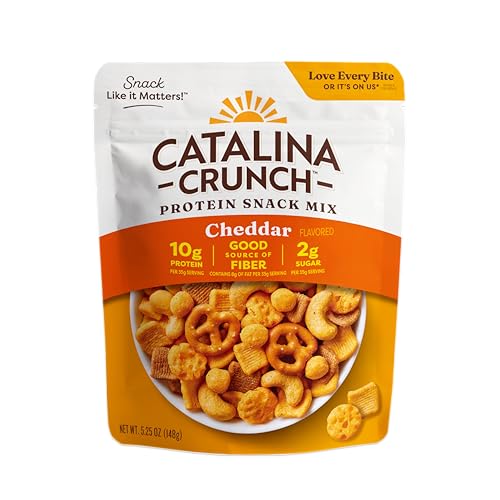
- ✓ Savory, cheddar-forward flavor
- ✓ High protein, fiber-rich
- ✓ Resealable, travel-friendly
- ✕ Slightly calorie-dense
- ✕ Some may want more variety
| Protein per serving | 10 g |
| Sugar per serving | 2 g (per 1/2 cup serving) |
| Key ingredients | Catalina Crunch cereal blend, high-protein pretzels, cashews, cheese crisps, cheddar puffs |
| Dietary attributes | Gluten-free, high-fiber, paleo-friendly, keto-conscious ingredients |
| Package size | 5.25 oz (149 g) per bag |
| Packaging feature | Resealable bag |
You press the bag in your hand and the first whiff is cheddar-forward with a touch of roasting from the nuts. That crisp snap from the cheddar puffs stays in your mouth, not just in the moment of tasting but in the aftertaste, too.
What stands out is how sturdy this snack mix feels when you dump a half cup into your palm. You get a real mix of textures—soft cashews, crunchy cereal bits, and those cheesy crisps all playing nice together.
It’s not just “tasty”; it’s satisfying enough to curb a midday slump without weighing you down.
For backpacking, the protein punch is noticeable. You’ll notice the 10 g per serving kicks in after you’ve hiked a mile or two, helping you feel a bit more steady rather than chasing a sugar rush.
The fiber helps keep you full through a longer trek, which is clutch when you don’t want to bust out a heavy snack bag.
The packaging earns points too. A resealable bag means you can portion out a snack for a stretch-breaking break without messy spills.
It’s easy to see the mix staying fresh after a few hours in a backpack, and that calm, no-fruss vibe matters when you’re moving quickly.
Flavor-wise, it lands in a clean, cheddar profile without overbearing seasoning. It fits a broad palate—great for sharing with friends who crave something savory but not overly salty.
If you’re monitoring sugar, you’ll appreciate that it clocks in at around 2 g per 1/2 cup serving.
In real-world use, it’s a versatile on-the-go snack that travels well, tastes great, and keeps you moving. It’s not a candy bar in disguise, but it isn’t trying to be.
It’s a practical, tasty option when you want something protein-forward without a lot of fluff.
simplyFUEL Whole-Food Protein Balls (Brownie Blast) – 9.6 oz

- ✓ Real-food flavor
- ✓ Solid protein kick
- ✓ Easy pack and seal
- ✕ Somewhat sweet
- ✕ A touch dense
| Serving Size | Not explicitly stated; product provides 8g protein per serving |
| Protein per Serving | 8 g |
| Net Weight | 9.6 oz |
| Package Type | Multi-serving resealable pouch |
| Primary Ingredients Focus | Gluten-free oats, honey (no artificial sweeteners specified) |
| Intended Use/Context | Snack for backpacking, travel, work, school, gym |
The first bite hits with a glossy brownie aroma that instantly makes you forget you’re on the trail. You’ll notice the texture isn’t dry or crumbly—it holds together nicely, almost fudgy, without being chewy enough to gnaw on for ages.
You’ll appreciate how compact the 9.6 oz pouch is in your pack, with a sturdy reseal that actually keeps them fresh after a few days on the road. The oats and honey flavor come through without tasting syrupy, which is a win when you’re trying to snack honestly between climbs.
During a long hike, you’ll grab one for a quick protein boost and don’t worry about the crumb avalanche you get from peanut butter bites. These balls feel substantial enough to tide you over, but not so dense you regret the extra mile.
The 8 g of protein per serving is noticeable, especially when paired with water or a quick coffee. They’re gentle on the stomach, which matters when you’re on a schedule or rolling through multiple miles with minimal planning.
If you’re balancing rigors of backpacking with real food, these fit the brief: no mess, no fuss, and a taste that doesn’t scream “cookie compromise.” They’re shelf-stable, which means you can stash them in your pack without a worry, even on humid trips.
Overall, they feel like a reliable partner for early starts, long days, or a quick “I forgot lunch” moment. You’ll likely reach for them again next trip, simply because they deliver a real-food kick without the roller-coaster of energy spikes.
simplyFUEL Whole-Food Protein Balls Variety Pack – 8 g

- ✓
- ✓ Great carry-and-go form
- ✓ Solid 8 g protein
- ✓ Real-food flavor
- ✓
- ✕
- ✕ Not ultra-low sugar
- ✕ Variety pack impact on calories
- ✕
| Protein per Serving | 8 g |
| Ingredients Basis | Gluten-free oats; honey as sweetener (no artificial sweeteners specified) |
| Serving Form | Protein balls in resealable pouch |
| Shelf Life / Storage | Shelf-stable; portable for backpacking |
| Allergen & Diet Notes | Gluten-free oats listed; no other allergens specified in description |
| Intended Use / Category Fit | Snack suitable for outdoor activities, pre-/post-workout, or on-the-go fueling |
You’ll notice these simplyFUEL protein balls in your backpack almost as soon as you reach into the pocket—the resealable pouch feels sturdy, and the 8 g of protein starts whispering “fuel” before you even bite in. I finally tucked a variety pack into my daypack on a hiking test, and the first crumb smelled like honey and oats more than any typical snack bar.
The texture is pleasantly chewy, not dry, and the oats keep things feeling real, like a homemade bite you’d actually reach for.
In the field, they stay comfy to eat even when you’re juggling gear. I grabbed one between climbs, and the sweetness didn’t crash into a sugar spike; it settled into a steady energy that pushed me through the next mile.
The flavor range is convincing enough to please different tastes without feeling overly processed.
Physical notes you’ll appreciate: the pouch is easy to reseal with one hand, which matters when you’re treating a blister or tying a knot. The packaging sits flat in the side pocket, so it isn’t bulging or noisy when you rummage for it.
And yes, they’re genuinely shelf-stable, so you won’t worry about sudden heat or a long layover breaking the vibe.
As a backpacking snack, they strike a balance between nourishing and convenient. They’re not too heavy, and the clean ingredients let you feel okay about grabbing seconds during a long day.
If you’re trying to avoid ultra-sugary snacks, these land closer to practical fuel with a touch of decadence.
What Makes Snacks Ideal for Backpacking?
The best snacks for backpacking are those that are lightweight, nutritious, and provide sustained energy for outdoor activities.
- Energy Bars: Energy bars are compact and calorie-dense, making them a popular choice for backpackers. They often contain a mix of carbohydrates, proteins, and healthy fats, providing a quick energy boost while being easy to pack and consume on the go.
- Trail Mix: Trail mix is a versatile snack that combines nuts, seeds, dried fruits, and sometimes chocolate or granola. This combination offers a great source of healthy fats, natural sugars, and protein, ensuring that hikers have a sustained energy supply during long treks.
- Jerky: Jerky, particularly beef, turkey, or vegan options, is a high-protein snack that is lightweight and has a long shelf-life. It helps to keep hunger at bay while providing essential amino acids necessary for muscle repair after a day of hiking.
- Dried Fruits: Dried fruits like apricots, apples, or bananas are rich in vitamins and minerals while being lightweight and easy to pack. They provide a quick source of natural sugars and fiber, making them an excellent choice for quick energy during a hike.
- Nut Butters: Single-serving packets of nut butters are a great source of healthy fats and protein. They can be eaten alone or spread on crackers or fruit, offering versatility and a filling snack option that is easy to carry.
- Granola: Granola is a lightweight and energy-dense snack that can be eaten alone or mixed with yogurt or dried fruits. It usually contains oats, nuts, and honey, providing a good balance of carbohydrates, protein, and fats, which are essential for a backpacking diet.
- Rice Cakes: Rice cakes are a low-calorie, lightweight option that can be topped with nut butter or cheese for added flavor and nutrition. Their crunchy texture makes them a satisfying snack that can help break the monotony of other trail foods.
- Popcorn: Air-popped popcorn is a low-calorie, high-fiber snack that is easy to pack and light to carry. It can be seasoned in various ways and provides a satisfying crunch, making it a fun and healthy option for backpackers.
How Should Nutritional Needs Influence Snack Choices?
Nutritional needs should significantly influence snack choices, especially for backpacking, where energy and sustenance are crucial for endurance and performance.
- Energy Bars: Energy bars are convenient, nutrient-dense snacks that provide a quick source of carbohydrates and protein. Many are designed specifically for athletes and outdoor enthusiasts, offering a balance of fiber, sugars, and healthy fats to sustain energy levels during long hikes.
- Dried Fruits: Dried fruits like apricots, apples, and raisins are excellent sources of quick energy due to their high natural sugar content. They also provide essential vitamins and minerals while being lightweight and easy to pack, making them ideal for backpacking.
- Nuts and Seeds: Nuts and seeds are packed with healthy fats, protein, and fiber, which help keep you full longer and provide sustained energy. They are calorie-dense, making them an efficient snack choice for backpackers needing to maximize energy intake without carrying excessive weight.
- Jerky: Jerky, particularly beef or turkey jerky, is a high-protein snack that is lightweight and has a long shelf life. It’s an excellent option for replenishing protein after physical exertion, contributing to muscle repair and recovery during multi-day hikes.
- Nut Butters: Nut butters, such as almond or peanut butter, offer a creamy, satisfying snack that is high in protein and healthy fats. They can be consumed alone or with whole grain crackers or fruit, providing versatility and a good calorie source for energy during strenuous activities.
- Granola or Trail Mix: Granola or trail mix combines various ingredients like oats, nuts, seeds, and dried fruits, offering a balanced mix of carbohydrates, fats, and proteins. This combination is perfect for snacking on the go, providing energy and nutrients in a compact form that fits easily into a backpack.
- Whole Grain Crackers: Whole grain crackers provide a crunchy, fiber-rich snack that can be paired with cheese or nut butter for added protein. They are a great way to include whole grains in your diet while hiking, helping to sustain energy levels throughout the day.
What Are the Top Lightweight Snacks for Backpacking?
The best snacks for backpacking are those that are lightweight, nutritious, and easy to pack.
- Trail Mix: A combination of nuts, seeds, dried fruits, and sometimes chocolate or granola, trail mix is a perfect energy-boosting snack. It’s rich in healthy fats and protein, making it filling and great for long hikes.
- Jerky: Beef, turkey, or plant-based jerky provides a high-protein snack that is lightweight and durable. It’s an excellent option for those looking to maintain energy levels without carrying bulky foods.
- Energy Bars: These dense bars often contain a mix of grains, nuts, and sweeteners, offering a convenient source of energy. They can be easily packed and come in numerous flavors, catering to different dietary preferences.
- Nut Butter Packs: Single-serving packets of nut butter provide a rich source of protein and healthy fats. They can be eaten alone or spread on crackers or fruit for a satisfying snack.
- Dried Fruits: Lightweight and naturally sweet, dried fruits like apricots, apples, or mangoes are excellent for quick energy. They also provide essential vitamins and minerals, making them a nutritious choice.
- Cheese Crisps: These crunchy snacks are made from baked cheese, offering a savory and satisfying crunch. They are a good source of protein and calcium, and their shelf stability makes them ideal for backpacking.
- Granola Clusters: Often made with oats, nuts, and honey, these clusters provide a chewy and sweet snack option. They are energy-dense and can be eaten on their own or mixed into yogurt.
- Popcorn: A low-calorie, light snack that is easy to pack and can be flavored in various ways. Popcorn can provide a satisfying crunch and can be made ahead of time and stored in a resealable bag.
How Does Trail Mix Contribute to Energy Needs?
Trail mix is a popular snack for backpacking due to its combination of nutrients that effectively meet energy needs during outdoor activities.
- Nuts: Nuts such as almonds, walnuts, and cashews provide healthy fats, protein, and fiber, making them a dense source of energy. The fats in nuts are calorie-rich and help sustain energy levels over long periods, which is essential during strenuous hikes.
- Dried Fruits: Dried fruits like raisins, cranberries, and apricots offer natural sugars and carbohydrates, which are quick sources of energy. They are also rich in vitamins and minerals, contributing to overall nutritional balance and providing hydration through their natural sweetness.
- Seeds: Seeds such as pumpkin seeds or sunflower seeds are packed with protein, healthy fats, and essential minerals like magnesium and zinc. They not only boost energy but also support muscle function and recovery, which is vital after long excursions.
- Granola or Oats: Granola or oats serve as a great source of complex carbohydrates, providing a steady release of energy. They can also help keep you feeling full for longer periods, preventing energy dips during hiking.
- Chocolate or Yogurt Coatings: Adding chocolate or yogurt-covered items to trail mix can enhance flavor while providing a quick sugar boost. The combination of sugar and fat can give an immediate energy lift, which is often needed during challenging sections of a hike.
What Advantages Do Energy Bars Offer for Hikers?
Many energy bars contain a balanced mix of carbohydrates, proteins, and fats, providing sustained energy for long hikes. This balance helps to maintain energy levels over time, reducing fatigue.
They come in a wide range of flavors and formulations, catering to different taste preferences and dietary needs, which helps keep snacks interesting during long trips. This variety can prevent snack fatigue and encourage better eating practices on the trail.
Energy bars typically have a long shelf life, making them a practical choice for backpacking as they can be stored for extended periods without spoiling. This ensures that hikers can stock up in advance without worrying about expiration dates.
They offer a quick source of energy, which can be crucial during strenuous hikes or when energy levels drop. Many bars are formulated to provide rapid energy release, essential for maintaining performance.
Energy bars are lightweight and easy to pack, taking up minimal space in a backpack, which is essential for weight management on the trail. Their compact nature allows hikers to carry enough sustenance without adding significant bulk or weight.
Which Snacks Provide Quick Energy Boosts on the Trail?
The best snacks for backpacking that provide quick energy boosts include:
- Trail Mix: A combination of nuts, seeds, dried fruits, and sometimes chocolate or granola, trail mix is nutrient-dense and offers a perfect balance of carbohydrates, fats, and proteins. The sugars from dried fruit provide an immediate energy source, while the healthy fats from nuts help sustain energy levels over longer periods.
- Energy Bars: Specifically designed for quick energy, these bars are usually compact and packed with calories, protein, and carbohydrates. Look for bars with natural ingredients and minimal added sugars for the best nutritional benefits without unnecessary spikes in blood sugar.
- Nut Butter Packets: Individual packets of almond or peanut butter are convenient sources of protein and healthy fats. They can be eaten alone or spread on whole-grain crackers, providing a quick and satisfying energy boost that keeps hunger at bay.
- Jerky: This dried meat snack is rich in protein and can be a great savory option for those looking to avoid sweets. Jerky is lightweight, shelf-stable, and provides sustained energy without the sugar crash associated with more sugary snacks.
- Dried Fruits: Options like apricots, mangoes, or raisins are high in natural sugars, making them an excellent choice for quick energy. They also provide vitamins and minerals that can help replenish nutrients lost during rigorous hiking.
- Dark Chocolate: A small amount of dark chocolate can provide a quick energy boost due to its sugar content, while also delivering antioxidants and a satisfying taste. It can be a morale booster on long hikes, making it a popular choice among backpackers.
- Granola or Energy Bites: These bite-sized snacks are often made from oats, honey, and various mix-ins like nuts or chocolate. They offer a quick source of carbohydrates and can easily be packed in small bags for convenience on the trail.
Why Are Nuts and Jerky Popular Choices for Energy?
Nuts and jerky are popular choices for energy during backpacking because they are calorie-dense, nutrient-rich, and convenient to carry, making them ideal for outdoor activities that require sustained energy levels.
According to the USDA National Nutrient Database, nuts are high in healthy fats, protein, and fiber, while jerky provides a concentrated source of protein that is low in carbohydrates. These characteristics make both snacks excellent for quick energy replenishment during strenuous activities, as they can help maintain stamina and prevent fatigue.
The underlying mechanism for the popularity of nuts and jerky lies in their macronutrient composition. The healthy fats in nuts provide a slow-release energy source, which is beneficial for endurance activities like hiking. Meanwhile, the protein in jerky promotes muscle repair and recovery, crucial for backpackers who exert themselves over long periods. Additionally, the portability of both snacks means they can easily fit into a backpack without adding significant weight, allowing hikers to have quick access to energy sources when needed.
Moreover, the long shelf life of jerky and the resistance of nuts to spoilage make them practical options for multi-day trips. Research indicates that maintaining energy levels during physical exertion is essential for performance and enjoyment, which is why backpackers often gravitate toward these snacks. Their convenience, nutritional benefits, and ability to provide sustained energy make nuts and jerky ideal choices for anyone seeking the best snacks for backpacking.
How Can Snacks Aid in Hydration During Backpacking?
Snacks can play a crucial role in maintaining hydration while backpacking by providing both moisture and essential electrolytes.
- Fruits: Fresh fruits, particularly those with high water content such as watermelon, oranges, and strawberries, can help keep you hydrated. These snacks not only provide hydration but also offer natural sugars and vitamins that boost energy and overall health during strenuous hikes.
- Vegetable Chips: Dehydrated vegetable chips, like carrot or beet chips, can contribute to hydration while offering a crunchy snack option. They are often rich in nutrients and can be mixed with salt or spices to enhance flavor, making them a tasty and hydrating treat on the trail.
- Nuts with Dried Fruit: A mix of nuts and dried fruit, such as almonds with apricots or walnuts with raisins, provides a good balance of healthy fats, protein, and carbohydrates. The dried fruit adds some moisture and sweetness, while the nuts help sustain energy, making this snack both hydrating and filling for long hikes.
- Energy Bars with Electrolytes: Many energy bars are now formulated to include electrolytes along with hydration-boosting ingredients. These bars can be convenient for quick energy boosts while ensuring that essential minerals like sodium and potassium are replenished, aiding in hydration during strenuous activities.
- Soup Packets: Instant soup or broth packets can be a great option for hydration, as they are often low in weight and high in flavor. Simply adding hot water to these packets creates a warm, comforting meal that can also provide necessary fluids and electrolytes, making it an excellent choice for cold weather backpacking.
- Coconut Water:** Coconut water is a natural source of electrolytes and hydration, making it a refreshing choice for backpackers. It is lightweight, easy to pack, and provides a quick way to replenish lost fluids during hot weather hikes or after intense physical activity.
What Role Do Electrolyte Powders Play in Trail Hydration?
Electrolyte powders are essential for maintaining hydration and replenishing lost minerals during trail activities.
- Hydration Support: Electrolyte powders help maintain fluid balance in the body, which is crucial while hiking or backpacking. As you sweat, you lose not just water but also important electrolytes like sodium, potassium, and magnesium, which can lead to dehydration if not replaced.
- Improved Performance: By replenishing electrolytes, these powders can enhance physical performance and endurance on the trail. They help prevent muscle cramps and fatigue, allowing you to hike longer distances without feeling drained.
- Convenient and Lightweight: Electrolyte powders are typically lightweight and easy to carry, making them a practical addition to your backpacking snacks. They can be mixed with water quickly, providing a refreshing drink that minimizes the bulk of carrying multiple hydration products.
- Flavor Options: Many electrolyte powders come in various flavors, making them more enjoyable to consume than plain water. This can encourage better hydration habits, as hikers are more likely to drink fluids that taste good.
- Customizable Intake: With electrolyte powders, you can easily adjust your intake based on your activity level and sweat rate. This flexibility allows you to tailor your hydration strategy to your individual needs during different trail conditions.
What Are Ideal Homemade Snack Options for Backpacking?
The best snacks for backpacking are those that are lightweight, nutritious, and easy to pack.
- Trail Mix: A blend of nuts, seeds, dried fruits, and sometimes chocolate or granola, trail mix is energy-dense and provides a good balance of carbohydrates, fats, and proteins. Its customizable nature allows for personal preferences, and it’s easy to carry in a resealable bag.
- Energy Bars: These compact snacks are formulated to provide a quick energy boost and often contain grains, nuts, and sweeteners. They are convenient for on-the-go snacking and can be chosen based on dietary preferences, including protein-rich or vegan options.
- Jerky: Dried meats such as beef, turkey, or even plant-based alternatives offer a high-protein snack that is both satisfying and shelf-stable. Jerky is lightweight and can withstand various weather conditions, making it a reliable choice for long hikes.
- Nut Butter Packets: Single-serving packets of almond, peanut, or other nut butters provide a rich source of protein and healthy fats. They can be consumed directly or spread on crackers, fruits, or energy bars, adding versatility to your snack options.
- Granola Clusters: These crunchy bites typically consist of oats, nuts, and sweeteners, providing a tasty and satisfying snack that is also rich in fiber. Granola clusters can be eaten alone or mixed with yogurt or fruit when you have more time at camp.
- Dried Fruits: Options like apricots, mangoes, and apple slices are lightweight and offer natural sugars for a quick energy boost. They also provide essential vitamins and minerals, making them a healthy alternative to candy.
- Puffed Snacks: Air-popped snacks such as rice cakes or puffed corn are low in calories and can be a light, crunchy option for satisfying cravings. They can be enjoyed plain or with toppings like nut butter or cheese for added flavor.
- Cheese Crisps: Made from baked cheese, these crunchy snacks are high in protein and low in carbs, making them a great savory option for those seeking a satisfying crunch. They are lightweight and can be enjoyed alone or paired with other snacks for variety.
How Can I Successfully Make My Own Granola Bars?
To successfully make your own granola bars, consider these essential steps:
- Choose a Base: The base typically consists of oats, which provide a hearty texture and are rich in fiber and nutrients.
- Add Sweeteners: Sweeteners like honey, maple syrup, or agave nectar help bind the ingredients together while adding flavor.
- Incorporate Mix-ins: Mix-ins such as nuts, seeds, dried fruits, or chocolate chips enhance the nutritional profile and taste of the bars.
- Press and Set: Press the mixture firmly into a baking dish to ensure the bars hold together, then allow them to set in the refrigerator.
- Cut and Store: Once set, cut the bars into desired sizes and store them in an airtight container for freshness.
The base typically consists of oats, which provide a hearty texture and are rich in fiber and nutrients. Rolled oats or quick oats can serve as the foundation, and you can experiment with gluten-free oats if necessary.
Sweeteners like honey, maple syrup, or agave nectar help bind the ingredients together while adding flavor. The choice of sweetener can also affect the texture; for example, honey tends to make bars chewier, while other syrups might result in a crisper texture.
Mix-ins such as nuts, seeds, dried fruits, or chocolate chips enhance the nutritional profile and taste of the bars. Incorporating a variety of these ingredients allows you to customize your granola bars, making them delicious and packed with energy for your backpacking adventures.
Press the mixture firmly into a baking dish to ensure the bars hold together, then allow them to set in the refrigerator. This step is crucial, as it helps the bars achieve the right consistency and makes them easier to cut into uniform pieces.
Once set, cut the bars into desired sizes and store them in an airtight container for freshness. Proper storage is important to maintain their texture and prevent them from becoming stale during your trips.
Related Post: