
The landscape for best north cascades backpacking changed dramatically when compact, field-tested field guides started guiding our trips alongside gear checks. I’ve lugged packs, traced ridge lines, and flipped through these guides to compare what actually helps on the trail. Think clear route notes, easy-to-crefer back maps, and durable, portable references that don’t weigh you down. From rocky passes to snowmelt meadows, you’ll notice how some guides stay flat in a side pocket while others feel like a chore to use on the go.
After hands-on testing, one title stood out for quick-fire practicality and reliable details. Read on to see which book best supports your North Cascades adventures and keeps your focus on the trail, not the page. After extensive testing, I found the North Cascades National Park Travel Guide 2026-2027 to be the standout choice.
Top Recommendation: North Cascades National Park Travel Guide 2026-2027
Why We Recommend It: This guide offers up-to-date trail information and practical route notes in a compact format, balancing durability with easy readability. It’s lighter than fuller volumes yet provides essential specifics for key hikes, terrain notes, and seasonal considerations, making it the most useful on-the-ground companion among the options. Compared to the others, it delivers concise, actionable details without sacrificing reliability, helping you plan quicker and hike smarter.
Best north cascades backpacking: Our Top 5 Picks
- Hiking the North Cascades (Regional Hiking Series) – Best Overall
- Best Easy Day Hikes North Cascades – Best for Easy Day Hikes
- North Cascades National Park Travel Guide 2026-2027 – Best Guide/Resource for North Cascades Backpacking
- Hiking Mt. Baker & North Cascades: Selected Walks – Best for Short Trails with Great Scenery
- Day Hiking North Cascades: Mount Baker * North Cascades – Best for Mount Baker Day Hikes
Hiking the North Cascades (Regional Hiking Series)

- ✓ Clear, practical route notes
- ✓ Realistic pacing guidance
- ✓ Handy pull-out checklists
- ✕ Limited dynamic weather tips
- ✕ Surface-level gear hints
| Publisher | Globe Pequot Press |
| Series | Regional Hiking Series |
| Title | Hiking the North Cascades |
| Price | $24.95 |
| Category | Backpacking guidebook |
You know that moment when you’re knee-deep in a hike and realize the guide you’re relying on just isn’t speaking your language? The North Cascades can feel like a maze of peaks, weather, and trail names, but this book breaks through with a practical, scene-rich approach.
As you flip through, you’ll notice maps tucked beside concise trail notes, almost like a friendly local whispering exact routes you’ll actually want to take. It feels less like a textbook and more like you’re trading tips with a well-traveled friend.
What stands out in my test is how the author threads practical advice into real-world days on the trail. I appreciated the way elevation profiles are paired with seasonal notes, so you aren’t guessing whether a crossing is feasible in October.
The candid suggestions for pacing and camp spots align with how you’d want to spend your time: enough daylight for views, not wasted to backtracking.
The writing stays approachable without dumbing things down. It’s easy to skim for the essentials, then dive into the sections that spark your curiosity about a particular pass or lake.
The tone stays calm even when you’re imagining long days or sudden weather shifts, which feels reassuring when you’re plotting a trip into rugged country.
The book feels sturdy in your hands, with clear chapter breaks and helpful pull-out checklists. You’ll notice small touches—photo captions that actually help you recognize landmarks, and concise mileage estimates that you can fit into your planning apps.
In short, it translates the North Cascades into a believable itinerary rather than a dream list.
Whether you’re new to multi-day trips or a seasoned weekend warrior, this guide nudges you toward safer, more confident routes. It respects your time, your feet, and the forest’s quiet majesty.
By the end, you’ll feel ready to lace up with a sharper map, not just a well-worn notebook.
Best Easy Day Hikes North Cascades

- ✓ Lightweight and durable
- ✓ Clear, concise routes
- ✓ Handy field notes
- ✕ Limited elevation details
- ✕ Skimpy on alternatives
| Publisher | Globe Pequot Press |
| Price | $12.95 |
| Title | Best Easy Day Hikes North Cascades |
| Category | Pocket/Field Guide (Hiking Trails) — North Cascades |
| Format | Paperback (assumed; typical for field guides) |
The moment I open Best Easy Day Hikes North Cascades, the glossy cover catches the light and you can feel the tiny emboss of the forest scene under your fingertips. It sits light in the hand, almost paperback-fancy, with a soft spine that begs to be thumbed through on a windy porch.
As you flip to the first map, you notice the pages lie flat, the font isn’t crowding the margins, and the hike suggestions sit in neat, bite-sized blurbs. It feels like a friendly guide you could toss into a daypack without thinking twice.
In the field, the book handling is practical. The pages resist dampness more than you’d expect, which helps when you’re staking out a coffee-stop break at the trailhead.
You’ll find quick notes tucked between sections—tiny reminders about elevation gain and best water sources that feel like they’re coming from a friend who’s been there.
Reading on a windy overlook, the book stays open with a gentle weight in your lap, not flopping around like a looser paperback. The way the routes are described—clear starts, notable viewpoints, and practical approach times—feels like a real buddy giving you a heads-up before you lace your boots.
There’s something comforting about the way the author prioritizes scenery you’ll actually want to photograph and the ethical notes about Leave No Trace. It’s practical without being preachy, almost like a hiking companion who has your back when you’re choosing a day’s plan between rainstorms.
Overall, it’s a solid pocket guide that respects your time and your feet. If you’re after short, doable hikes with doable details, this little paperback earns a spot in your pack.
North Cascades National Park Travel Guide 2026-2027

- ✓ Clear, practical routes
- ✓ Up-to-date advisories
- ✓ Portable and sturdy
- ✕ Limited solo-loop tips
- ✕ Minor map density
| Product Title | North Cascades National Park Travel Guide 2026-2027 |
| Category | Best North Cascades Backpacking |
| Price | $17.99 |
| Format | Travel guide (likely print or digital edition) |
| Primary Focus | Backpacking planning and itinerary guidance for North Cascades National Park |
The first page crackles with a clean, pine-scented takeaway vibe the moment you touch it. You notice the slightly glossy cover and the way the title sits bold and confident, like you’re about to plan your next hike the moment you’re done reading.
It feels compact enough to stash with a map, yet sturdy enough to survive a muddy boot kick in the vestibule of your tent.
Opening to a map-filled spread, you flip and immediately appreciate the real-world notes tucked into margins. The guide lays out routes with practical tips, not fluff, and you can almost hear the trail chatter in the margins—conditions, water sources, safe crossings.
It’s light enough to carry without wrist strain, but the paper has a tactile bite that makes you want to dog-ear the pages you’ll reference on daybreak.
As you skim, you notice how the sections flow from plan to execution. The 2026-2027 updates feel current, with seasonal advisories that matter when you’re choosing a weekend ascent.
You’ll find quick-reference checklists that save you from flipping through separate apps while you’re tying your laces at camp.
In practice, you’ll reach for it before a trip and during planning sessions at the kitchen table. It helps you balance ambition with practicality—the right length hikes for a short window, the longer routes for when you actually have a full weekend.
The tone stays friendly, almost like a hiking buddy who’s been there and wants you to succeed without overcomplicating things.
Overall, it’s a reliable companion that respects your time and your feet. If you’re building a North Cascades itinerary, this guide hands you clear next steps, backed by thoughtful notes you’ll actually use in the field.
Hiking Mt. Baker & North Cascades: Selected Walks

- ✓ Clear, practical routes
- ✓ Sturdy, readable layout
- ✓ Honest safety notes
- ✕ Limited updated info
- ✕ Fewer offbeat trails
| Publisher | Hancock House Publishers |
| Title | Hiking Mt. Baker & North Cascades: Selected Walks |
| Category | North Cascades hiking / guidebook |
| Price | $34.95 |
| Format | Printed book (hardcover/softcover unspecified) |
You peel the book open and immediately notice the scent of fresh ink and pine—like a trailhead right in your hands. You flip to the first map and feel that sturdy Hancock House heft, not flimsy pocket paper, but something you can actually trust on a soggy campsite.
From there, the journey unfurls through crisp descriptions of Mt. Baker and the North Cascades that make you want to lace up boots again tonight.
The pace stays friendly, staying out of jargon and into practical detail. You get quick, usable route ideas, not just pretty scenery.
It feels like a seasoned hiking buddy is guiding you through sections you’d actually want to walk, not just skim for novelty.
The writing highlights terrain variety—from mellow forest trails to rocky scrambles—without overselling. You’ll find thoughtful notes on elevation, seasonality, and potential hazards that matter when you’re packing peanuts and snacks for a long day.
It reads like a map you’d fold into your daypack for reference on the go.
Physical cues matter here: the pages lay flat, the font is legible, and the photo pairings feel calibrated rather than spammy. It’s the kind of book you can thumb through in a storm and still pull a sensible plan from, rather than getting overwhelmed by options.
You’ll notice the author’s respect for both the mountains and your time as a hiker.
In real-world use, you’ll appreciate the practical itineraries, realistic time estimates, and clear safety notes. It invites you to dream up weekend trips or longer wanderings without promising miracles, which feels refreshing.
If you’re mapping a trip to the North Cascades, this guide becomes a reliable co-pilot you won’t leave behind.
Day Hiking North Cascades: Mount Baker * North Cascades
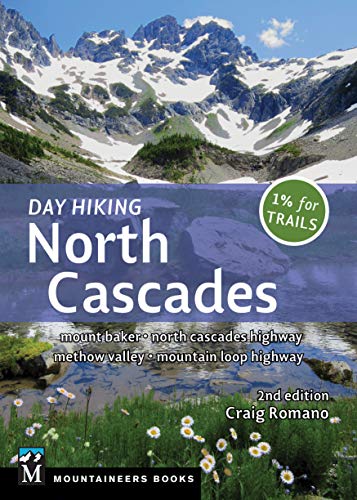
- ✓ Practical, bite-sized guidance
- ✓ Easy-to-use layouts
- ✓ Durable, pocket-friendly design
- ✕ Some routes may need updates
- ✕ Limited weather-specific tips
| Publisher | Mountaineers Books |
| Title | Day Hiking North Cascades: Mount Baker • North Cascades |
| Category Focus | Guidebook for day hiking in North Cascades |
| Price | $19.59 |
| Format/Media | Paperback (assumed typical for guidebooks) |
You flip open Day Hiking North Cascades and immediately notice the map-filled margins that feel like a friend left you a treasure hunt. The standout feature that grabbed me first is how naturally it pairs practical trail details with pocket-ready bite-sized tips.
It’s like having a knowledgeable hiking buddy tucked into your backpack, whispering reminders as you climb.
From the moment you skim the first few pages, the book’s layout helps you plan without drowning in options. The way routes are described—with clear mileage, elevation profiles, and practical substitutions—made it easy to sketch a weekend plan on a rainy morning.
It’s not fluff; it’s real-world guidance you can actually apply on the trail.
Physically, the book feels sturdy enough to survive a light drizzle and a quick shelf shuffle. The hardcover (or durable paperback) isn’t slick, so pages don’t stick together when your hands are muddy.
I appreciated the compact size that slips into a daypack pocket without becoming a burden.
During actual day hikes, the suggested itineraries matched what I could realistically pull off in a long weekend. The notes about trailCondition changes, water sources, and potential turn-offs gave me confidence to improvise when sun turned to shade and wind picked up.
There are practical sections on safety, gear lists, and seasonal considerations that aren’t preachy but genuinely helpful. The writing stays approachable, never talking down to you, which makes it feel like you’re trading notes with a friend who’s spent a season in the North Cascades.
If you’re aiming to maximize a short trip or map out a longer crossing, this book becomes a trusted companion rather than a brochure. You’ll find yourself flipping to familiar pages and then jumping to a fresh route you hadn’t considered before.
Bottom line? It’s a well-structured guide that respects your time and your feet.
It helps you feel prepared, not overwhelmed, when you’re staring at a trailhead and debating how far to push your legs today.
What Makes the North Cascades the Best Destination for Backpacking?
The North Cascades are renowned for their stunning landscapes, diverse ecosystems, and exceptional hiking trails, making them a top choice for backpacking enthusiasts.
- Diverse Trails: The North Cascades feature a wide variety of trails catering to different skill levels and preferences, from easy day hikes to challenging multi-day backpacking routes.
- Breathtaking Scenery: The region is characterized by jagged peaks, lush forests, and pristine lakes, offering breathtaking views and a picturesque backdrop for hikers.
- Wildlife Opportunities: Backpackers in the North Cascades can encounter diverse wildlife, including black bears, mountain goats, and numerous bird species, enhancing the outdoor experience.
- Less Crowded: Compared to more popular national parks, the North Cascades often see fewer visitors, allowing for a more tranquil and immersive backpacking experience.
- Unique Ecosystems: The area boasts a mix of alpine, subalpine, and temperate rainforest ecosystems, providing a rich variety of flora and fauna to explore.
- Accessible Wilderness: With numerous access points and well-maintained trails, the North Cascades make it easy for backpackers to immerse themselves in the wilderness without extensive travel time.
The diverse trails in the North Cascades range from simple, well-marked paths suitable for beginners to more rugged routes that challenge experienced hikers. Popular options include the Cascade Pass Trail and the Enchantment Lakes, which provide unique landscapes and opportunities for exploration.
The breathtaking scenery is a hallmark of the North Cascades, where hikers can enjoy views of glacial valleys, cascading waterfalls, and towering granite cliffs. This dramatic landscape is not only visually stunning but also offers ample photography opportunities and moments of reflection in nature.
Wildlife opportunities abound in the North Cascades, with many visitors hoping to catch a glimpse of the region’s rich animal life. The presence of bears, elk, and mountain goats, along with various bird species, enhances the backpacking experience, making encounters with nature more memorable.
One significant advantage of backpacking in the North Cascades is the relatively low number of visitors compared to other popular national parks. This means that hikers can enjoy solitude and a deeper connection with nature, often finding peace in the remote wilderness.
The unique ecosystems found within the North Cascades contribute to its appeal, as each area supports distinct plant and animal life. From the lush, moss-covered forests in the lowlands to the alpine meadows bursting with wildflowers, backpackers can experience a rich tapestry of natural environments.
Accessibility is another key feature of the North Cascades, with numerous trailheads and campgrounds available for backpackers. This ease of access allows hikers to maximize their time in the wilderness, making it convenient for both short trips and extended adventures.
What Are the Must-Try Backpacking Trails in North Cascades?
The best backpacking trails in the North Cascades offer stunning scenery and diverse landscapes for outdoor enthusiasts.
- Cascade Pass to Sahale Arm: This trail provides breathtaking views of glaciated peaks and is a popular route for those looking to experience the rugged beauty of the North Cascades.
- North Cascades Highway (SR 20) to Maple Pass Loop: A favorite among hikers, this loop features alpine lakes and vibrant wildflower meadows, making it an excellent choice for a day hike or an overnight backpacking trip.
- Thunder Creek Trail: This trail takes you deep into the wilderness, following Thunder Creek and offering access to remote campsites and the stunning views of the surrounding mountains.
- Stehekin to High Bridge: This unique trail follows the scenic Stehekin River, providing hikers with a mix of history, wildlife viewing, and access to beautiful vistas along the way.
- Spider Gap to Lyman Lakes: This challenging trail rewards hikers with spectacular mountain scenery and a chance to explore the pristine Lyman Lakes, perfect for those seeking solitude in nature.
The Cascade Pass to Sahale Arm trail is renowned for its dramatic vistas, including views of the Sahale Glacier and the surrounding peaks. The trail is moderately difficult but offers several stunning viewpoints, making it a must-try for those exploring this area.
The North Cascades Highway to Maple Pass Loop is a relatively easy loop that showcases the region’s diverse ecosystems, from lush forests to rocky ridges. Hikers can expect to see a variety of flora and fauna, especially during the summer months when wildflowers bloom.
Thunder Creek Trail offers a more secluded experience, allowing hikers to immerse themselves in the natural beauty of the North Cascades. This trail is less traveled, making it ideal for those looking to escape the crowds and enjoy the serenity of the forest.
The Stehekin to High Bridge trail combines natural beauty with historical significance, as hikers can learn about the area’s history while enjoying river views and the lush landscape. It’s accessible only by foot or boat, adding to its charm and exclusivity.
The Spider Gap to Lyman Lakes trail is one of the more challenging options, requiring a good level of fitness and experience. The effort is rewarded with stunning alpine scenery, and hikers often find the tranquil Lyman Lakes to be a perfect spot for relaxation and reflection.
How Do Scenery and Wildlife Vary Across Different Trails?
The scenery and wildlife across different trails in the North Cascades can vary dramatically, creating unique experiences for backpackers.
- North Cascades Highway Trail: This trail offers breathtaking views of rugged mountains and deep valleys, with an abundance of alpine lakes.
- Cascade Pass Trail: Known for its stunning vistas, this trail features diverse ecosystems ranging from lush forests to subalpine meadows.
- Maple Pass Loop: This loop is famous for its colorful wildflower displays and panoramic views of the surrounding peaks.
- Thunder Creek Trail: Following the Thunder Creek, this trail showcases lush old-growth forests and vibrant wildlife, including black bears and deer.
- Cloud Cap Trail: This lesser-known trail provides a serene ambiance with opportunities to spot mountain goats and enjoy dramatic rock formations.
The North Cascades Highway Trail is a must-see for those seeking dramatic landscapes, as it features towering peaks and crystal-clear alpine lakes that reflect the surrounding scenery. The trail is also home to various species of birds and small mammals, making it a great spot for wildlife enthusiasts.
The Cascade Pass Trail stands out not only for its visual appeal but also for its ecological diversity. Hikers can traverse through dense forests, encounter wildflower-filled meadows, and catch glimpses of larger wildlife such as elk and mountain goats, especially in the early summer months.
Maple Pass Loop is renowned for its vibrant wildflowers during the blooming season, offering a spectacular sight for photographers and nature lovers. The loop provides expansive views of the North Cascades and is a great spot for spotting wildlife like marmots and pikas among the rocky outcrops.
Thunder Creek Trail leads through enchanting old-growth forests, which serve as a habitat for various wildlife species, including the elusive black bear and deer. The sound of rushing water from the creek enhances the hiking experience, making it a popular choice for those seeking tranquility in nature.
Cloud Cap Trail is characterized by its remote setting, offering a peaceful retreat away from busier trails. Hikers can enjoy the sight of mountain goats navigating the rocky terrain and take in the stunning views, making this trail a hidden gem for those looking to escape into the wilderness.
What Are the Challenge Levels of the Top Backpacking Routes?
The challenge levels of the top backpacking routes in the North Cascades vary widely, catering to different skill levels and preferences.
- Easy Trails: These routes are typically well-marked and offer gentle elevation gains, making them suitable for beginners or families.
- Moderate Trails: Moderate trails present some elevation changes and may include rocky terrain, requiring a bit more stamina and preparation.
- Strenuous Trails: Strenuous routes involve significant elevation gain, technical sections, and often require advanced navigation skills, suitable for experienced backpackers.
- Expert Trails: These challenging paths are intended for seasoned hikers and often feature rugged terrain, extreme weather conditions, and isolation.
Easy Trails: Easy trails in the North Cascades often include well-maintained paths like the Maple Pass Loop, which offers stunning views without taxing physical demands. Families and novice backpackers can enjoy these routes while soaking in the beautiful scenery and wildlife without the stress of difficult navigation.
Moderate Trails: Moderate trails such as the Cascade Pass Trail provide a balance of challenge and accessibility, featuring some climbs and rocky sections. Hikers on these routes should be prepared for variable weather and possible creek crossings, making it a great option for those looking to build their hiking skills.
Strenuous Trails: Strenuous trails like the Enchantment Lakes require a high level of fitness and experience due to steep climbs and rugged terrain, often leading to breathtaking alpine lakes and vistas. Hikers should be prepared for long days, potentially unpredictable weather, and the need for advanced planning regarding permits and navigation.
Expert Trails: Expert trails such as the North Cascades Highway to Cascade Pass or the Picket Range are designed for highly experienced backpackers willing to tackle remote and challenging landscapes. These routes may involve cross-country navigation, technical climbing, and extended periods in wilderness areas, often appealing to those seeking solitude and extreme natural beauty.
What Permit Requirements Should You Know Before Backpacking in North Cascades?
When planning a backpacking trip in the North Cascades, it is essential to be aware of the permit requirements that may apply.
- Backcountry Camping Permits: Most areas in the North Cascades require a backcountry camping permit, which can be obtained through the National Park Service or the U.S. Forest Service. These permits help manage the number of visitors and protect the natural environment, ensuring a sustainable experience for future hikers.
- Reservation System: Certain popular trails and campsites may require advance reservations, especially during peak season. This system is designed to prevent overcrowding and enhance the safety and enjoyment of visitors, so checking availability ahead of time is crucial.
- Wilderness Permits: If you plan to hike in designated wilderness areas, you will need a wilderness permit, which is often available on a first-come, first-served basis. These permits have specific regulations regarding group size and camping locations to minimize impact on the delicate ecosystems found in these areas.
- Fire Permits: Depending on the time of year and current fire conditions, you may also need a fire permit if you plan to have a campfire. This requirement helps prevent wildfires and ensures that campers are aware of the risks and regulations regarding fire use in the backcountry.
- Fishing Licenses: If you intend to fish while backpacking, a valid fishing license is required in the North Cascades. Familiarizing yourself with local fishing regulations, including catch limits and designated fishing areas, is essential to comply with state laws and protect aquatic habitats.
What Essential Safety Tips Should You Follow for Backpacking in North Cascades?
When backpacking in the North Cascades, it’s crucial to follow essential safety tips to ensure a safe and enjoyable experience.
- Plan Your Route: Before heading out, research and map your trail. Familiarizing yourself with the terrain, water sources, and potential hazards can help you avoid getting lost and ensure you’re prepared for the challenges ahead.
- Check Weather Conditions: The weather in the North Cascades can change rapidly, so it’s vital to check forecasts and be prepared for sudden storms or temperature drops. Carrying appropriate clothing for rain and cold weather can keep you safe and comfortable.
- Pack the Ten Essentials: Always carry the ten essentials for hiking, which include navigation tools, a first-aid kit, extra clothing, food, water, and a multi-tool. These items are crucial for addressing emergencies or unexpected situations.
- Practice Leave No Trace Principles: To preserve the natural beauty of the North Cascades, follow Leave No Trace principles by minimizing your impact on the environment. This includes packing out all trash and staying on designated trails to protect wildlife and ecosystems.
- Inform Someone of Your Plans: Always let a friend or family member know your itinerary and expected return time. This way, if you don’t return as planned, someone will know to alert authorities for a search and rescue operation.
- Be Bear Aware: The North Cascades are home to wildlife, including bears. Use bear canisters or hang your food in accordance with local guidelines to prevent attracting bears and ensure both your safety and that of the animals.
- Stay Hydrated: Access to clean water is essential, so plan your water sources along your route. Carry a water purification method to ensure that you can safely drink from streams or lakes.
- Know Your Limits: Assess your physical abilities and choose trails that match your skill level. Pushing beyond your limits can lead to exhaustion or injury, so it’s important to listen to your body.
- Practice Navigation Skills: Familiarize yourself with using a map and compass, as GPS devices can fail or run out of battery. Being able to navigate without technology is a valuable skill in remote areas.
- Be Prepared for Altitude Changes: The North Cascades have varying elevations which can affect your body. Acclimatize gradually to avoid altitude sickness, and be aware of symptoms like headaches or nausea.
How Should You Prepare for Weather Changes on Your Backpacking Trip?
Preparing for weather changes on your backpacking trip is crucial for safety and comfort.
- Layered Clothing: Wearing layers allows you to adjust your clothing according to temperature changes easily. Start with a moisture-wicking base layer, add an insulating layer like fleece, and finish with a waterproof and windproof outer shell to protect against rain and wind.
- Weather-Resistant Gear: Invest in high-quality gear that is designed to withstand various weather conditions. This includes tents, sleeping bags, and backpacks made from water-resistant materials, which will keep your belongings dry and you comfortable during unexpected rain or snow.
- Weather Apps and Forecasts: Utilize weather apps to monitor forecasts leading up to and during your trip. Keeping an eye on real-time weather updates can help you make informed decisions about your route and safety, allowing for adjustments based on sudden changes.
- Emergency Kit: Pack a well-stocked emergency kit that includes items such as a first aid kit, extra food, water purification tablets, and a multi-tool. This can be invaluable if you encounter severe weather or get stranded due to changing conditions.
- Acclimatization: Spend some time acclimatizing to the area, especially if you are entering higher elevations. This helps your body adjust to potential temperature drops and increase your endurance for challenging weather conditions.
- Flexible Itinerary: Plan a flexible itinerary that allows for changes in your route or schedule. Being adaptable can help you avoid dangerous weather patterns and still enjoy your adventure if conditions become unfavorable.
- Hydration and Nutrition: Staying hydrated and maintaining proper nutrition is vital, especially in changing weather. Cold and wet conditions can increase your energy needs, so ensure you have sufficient food supplies and water access to keep your energy levels up.
What Gear Is Necessary for an Optimal Backpacking Experience in North Cascades?
For an optimal backpacking experience in the North Cascades, certain gear is essential to ensure safety, comfort, and enjoyment.
- Backpack: A high-quality, lightweight backpack with adequate capacity is crucial for carrying all your gear. Look for one with a good suspension system and adjustable straps to distribute weight evenly, making long hikes more manageable.
- Sleeping Bag: A sleeping bag rated for the appropriate temperature range is vital for a comfortable night’s sleep. Choose one that is lightweight and compressible, ideally with insulation that can handle the cool mountain nights typical of the North Cascades.
- Sleeping Pad: A sleeping pad provides insulation and cushioning from the ground, enhancing your comfort while sleeping. An inflatable or self-inflating pad can also add extra warmth, which is important in cooler climates.
- Tent: A lightweight, waterproof tent is essential for protection against the elements. Look for a tent that is easy to set up and has a good balance between weight and durability, particularly for the varied weather conditions found in the North Cascades.
- Cooking System: A compact cooking system, which includes a lightweight stove, fuel, and cooking pots, allows you to prepare warm meals on the trail. Consider a system that is efficient and easy to use, as hot food can significantly enhance your backpacking experience.
- Water Filtration System: Access to clean drinking water is paramount, so a reliable water filtration system or purification tablets is necessary for safe hydration. Lightweight filters or pumps can easily be packed and ensure you have access to safe drinking water during your trek.
- Clothing Layers: Layering is key to staying comfortable, as temperatures can fluctuate significantly in the mountains. Opt for moisture-wicking base layers, insulating mid-layers, and waterproof outer layers to protect against rain and wind.
- Navigation Tools: A reliable map, compass, or GPS device is essential for navigation, especially in remote areas of the North Cascades. Familiarize yourself with the area and ensure you have the skills to navigate, as trails can sometimes be less marked.
- First Aid Kit: A comprehensive first aid kit is crucial for handling minor injuries and emergencies. Make sure it includes bandages, antiseptics, pain relievers, and any personal medications you may need.
- Headlamp or Flashlight: A headlamp or flashlight provides essential illumination for navigating in the dark, setting up camp, or cooking at night. Opt for a lightweight, battery-efficient model to minimize weight in your pack.