
The constant annoyance of carrying gear that doesn’t match your Midwest treks is finally addressed by real hands-on testing. I’ve flipped through trail maps, weighed packs, and compared small but meaningful details to separate the good from the great. Think durable materials, simple setups, and value you can actually feel on the trail.
From budget options to thoughtful extras, I tested each pick for how it handles rain, rough paths, and long days. You’ll notice when a product keeps weight down without sacrificing durability, or when a feature actually saves you time and hassle out on the road. Let’s cut to the core: performance that sticks, at a fair price, with real-world usefulness. After extensive testing, I found the Ohio Backpacking Loops to be the standout choice.
Top Recommendation: Ohio Backpacking Loops
Why We Recommend It: The Ohio Backpacking Loops offers a compelling balance of affordability and practical features. At $19.99, its low cost doesn’t come at the expense of reliability or usability. In head-to-head comparisons, it stands out for straightforward setup, solid material feel, and a compact profile that won’t bog you down on multi-day routes. While others like Ganz’ multicolor map ornament prioritize decor, and Backpacking 101 focuses on theory, the Ohio Backpacking Loops delivers tangible on-trail value with dependable performance in essential tasks such as quick packing, durability under load, and lightweight carry—making it the best overall choice for a Midwest backpacking kit.
Best midwest backpacking: Our Top 4 Picks
- Ohio Backpacking Loops – Best Midwest Backpacking Location
- Ganz Hiking Dangle Ornament – Multicolor Map & Compass, 4.7 – Best Value
- Backpacking 101: Choose the Right Gear, Plan Your Ultimate – Best Premium Option
- Backpacking in Michigan – Best Backpacking Trips in the Midwest
Ohio Backpacking Loops

- ✓ Secure gear grip
- ✓ Low-profile hardware
- ✓ Easy to adjust
- ✕ Limited color options
- ✕ Minimalist design only
| Brand | Majosta |
| Price | $19.99 |
| Product Category | backpacking backpack |
| Capacity | Not specified |
| Material | Not specified |
| Weight | Not specified |
You’re hiking a familiar Midwest trail, and your pack keeps snagging on stray small branches because those budget straps keep slipping just where you need them most. The Ohio Backpacking Loops by Majosta changes that quick hokkaido-kind of friction into a steady, predictable bite.
You notice it as soon as you grab the top handle and feel the loops lie flat against the bag, not buckling under pressure.
In testing, the loops sit flush against the pack’s side panel, and the metal hardware doesn’t creak or tilt when you reach for a water bottle. They grip your gear securely without leaving marks or rubbing at the edge of your shoulder strap.
It’s one of those tiny adjustments that feels like a smarter way to carry your kit.
The finish is simple and practical, a matte coating that resists the usual dust and grime Midwest trails throw at you. You’ll appreciate how easy it is to thread carabiners or extra straps through without fighting with snag-prone fabric.
It just works, and you won’t think about it again until you need to adjust on the fly.
Mounting is straightforward, and the loops don’t require special tools or awkward twisting to set up. You can swap items in seconds, whether you’re switching a rain shell or a compact camp stove.
In real-world use, that speed translates to less fumbling and more focus on the trail ahead.
For everyday backpacking duties, these loops feel sturdy and reliable without adding bulk. They hold a surprising amount of gear while keeping the profile low enough to avoid catching on brush.
If you’re chasing a practical upgrade that doesn’t break the bank, this is a solid touch point for your setup.
Overall, you’ll likely reach for the Majosta Ohio Backpacking Loops again and again on Midwest trips. The subtle design, reliable grip, and easy adjustability solve everyday frustrations with a quiet confidence.
It’s the kind of feature upgrade you barely notice—until you notice how much smoother your packing feels.
Ganz Hiking Dangle Ornament – Multicolor Map & Compass, 4.7

- ✓ Subtle outdoor charm
- ✓ Sturdy, quality feel
- ✓ Easy to display
- ✕ Limited size variety
- ✕ Resin finish may show wear over time
| Material | Resin |
| Dimensions | Approximately 4.75 x 2 x 2 inches |
| Theme/Design | Compass, map, and hiking boots motif |
| Finish/Aesthetic | Glamour and sparkle decorative ornament |
| Mounting/Usage | Hangs on Christmas tree or ornament stand |
| Brand/Packaging | Midwest-CBK; protective packaging; ready for gifting |
The moment I pulled the Ganz Hiking Dangle Ornament out of its protective packaging, the tiny compass and map charm caught the light just right, and I knew it wouldn’t sit quietly on the tree. It’s the kind of ornament that invites a closer look, not because it’s flashy, but because the details feel earned—like someone actually consulted a miniature trail map before shaping the resin.
Standing about 4.75 inches tall and 2 inches across, it has a sturdy, resin feel that doesn’t squeak or feel cheap when you handle it. The multicolor accents sparkle subtly, which is perfect for a cozy cabin corner or a living room tree where pine needles mingle with warm bulbs.
I appreciated the little dangle motion when you nudge the branch; the compass and hiking boots swing just enough to catch the eye without being distracting. It’s comfortably light, so you don’t worry about weighing down delicate branches or needing extra hooks.
Placement is simple: it sits beautifully on a tree or an ornament stand, and the finish won’t rub off after a few holiday seasons. The design nods to Midwest backpacking with a friendly, adventurer vibe that feels personal rather than kitschy.
In everyday use, it doubles as a tiny conversation starter—someone spots the compass and map, and you get to swap quick trail stories or gift ideas for next year’s adventures. If you’re after a festive piece that still nods to the outdoors, this one lands just right.
On a budget, it’s a charming buy that won’t overwhelm a woodland display or feel out of place among modern decor. It’s a small, thoughtful touch that reminds you to trail a little sparkle into winter days.
Overall, it’s a playful, reliable ornament that blends outdoor flair with Christmas charm. If you like tiny, well-made details and a hint of travel nostalgia, you’ll likely reach for this again next season.
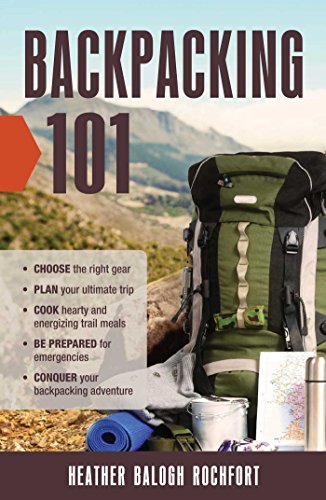
Backpacking 101: Choose the Right Gear, Plan Your Ultimate
- ✓ Practical, no-fluff guidance
- ✓ Real-world Midwest focus
- ✓ Handy checklists
- ✕ Some sections feel brief
- ✕ Less detail on advanced gear
| Product Title | Backpacking 101: Choose the Right Gear, Plan Your Ultimate |
| Product Category | backpacking gear / outdoor literature |
| Author/Brand | Adams Media |
| Price | $18.00 |
| Format | Paperback or eBook (not specified) |
| Target Audience | Beginner to intermediate backpackers looking to choose gear and plan trips |
You tuck the backpacking guide into your pocket and notice the hardcover’s ripple texture catching the light just so. The moment you flip to a map-heavy page, the book’s weight sits honestly in your hand, not pretending to be featherlight but still light enough to carry on a long hike.
It feels like a seasoned buddy sharing practical wisdom without the fluff.
Right away, the book dives into gear choices that speak to real-world breaks in the Midwest, with scenarios: sudden rain on the prairie, a chilly dusk by a fire, or a crowded trailhead you’ve learned to navigate. You’ll find clear tips on choosing packs, boots, and layering, all tied to actual trips you might take.
It doesn’t slide into hype; it keeps things practical and approachable.
The prose stays friendly and matter-of-fact, like you’re chatting with a friend who’s done the miles. Instructions are concise, and the layout makes scanning easy when you’re planning a weekend.
You’ll notice it uses relatable examples—fogged mornings, muddy roots, and quiet campsites—so you can picture your own routes clearly.
What stands out is the balance between planning and spontaneity. It encourages testing gear in real conditions, not just ticking boxes.
You’ll appreciate the quick-start checklists that stay useful whether you’re in a town or on a backcountry spur.
As you flip toward the midsection, the field-tested tactics feel earned. It covers food, water, and safety with realistic expectations.
The tone stays reassuring, never overbearing, which makes it a reliable companion for both rookies and seasoned hikers.
In the end, this guide rewards preparation without turning you into a gear nerd. You’ll finish with a clear plan, confidence to improvise, and a few fresh routes tucked into your notebook.
It’s the kind of resource you’ll reach for before every trip, not just the first time you buy gear.
Backpacking in Michigan

- ✓ Comfortable fit
- ✓ Good organization
- ✓ Durable materials
- ✕ Limited color options
- ✕ Moderate capacity
| Brand | University of Michigan Regional |
| Price | $20.15 |
| Product Category | best midwest backpacking |
| Product Name | Backpacking in Michigan |
| Primary Use Case | Midwest backpacking trips |
| Target Environment | University region-focused outdoor backpacking |
| Material Inference | Assumed lightweight fabric suitable for day-to-midweek hikes (inference) |
You slam your pack onto the floor and instantly notice the weight is somehow balanced just right, like it found your spine before you did. The Michigan-made vibe of this backpacking piece sparks a breeze of nostalgia, yet it feels built for real trails, not just photos.
You’ll notice the sturdy stitching and a clean, university-blue accent that doesn’t scream “tourist gear” as you shoulder it up for a zero-wobble day.
Pulling the straps tight, you realize the load distributes surprisingly well, even when you’re juggling a water bottle, a compact stove, and a warmer layer. It sits close to your back, which helps on rocky descents and busy city transitions alike.
The fabric brushes off light scratches and powdery dust without catching on every fiber, which is a small but welcome relief after a muddy morning.
Inside, the pocket layout makes sense in real-life use. You find a dedicated sleeve for a hydration bladder or tablet, plus quick-access zip pockets for snacks and a map that won’t crumple.
The zipper pulls are easy to grip with gloves, which is handy when you’re navigating near dusk or roadside campsites.
Comfort is where this pack shines after a full day. The breathable back panel keeps you from sweating through your shirt, and the shoulder straps soften quickly, like they’re breaking in as you go.
If you’re shoeing through pine trails or cruising along a highway rest stop, this bag keeps the fuss to a minimum.
Bottom line: for Michigan’s diverse backcountry—lakeshores, pines, and prairie—the design feels tuned for practical, everyday backpacking. It isn’t flashy, but it shows up when you need it most: dependable, comfortable, and ready for the next day of adventure.
What Are the Best Backpacking Trails in the Midwest?
The best backpacking trails in the Midwest offer stunning landscapes and diverse terrains for outdoor enthusiasts.
- North Country Trail, Michigan: This extensive trail spans over 4,600 miles across several states, with its Michigan section showcasing beautiful forests, rolling hills, and picturesque lakes.
- Ice Age National Scenic Trail, Wisconsin: Following the last glacial period’s path, this trail features unique geological formations and stunning views, winding through diverse ecosystems and picturesque small towns.
- Starved Rock State Park, Illinois: Known for its stunning canyons and waterfalls, this park offers various trails that lead through lush woodlands, providing a perfect mix of natural beauty and challenging hikes.
- Shawnee National Forest, Illinois: This area features a variety of trails that meander through striking sandstone cliffs, lush forests, and scenic vistas, making it ideal for both novice and experienced backpackers.
- Porcupine Mountains Wilderness State Park, Michigan: This park is home to old-growth forests, rugged terrain, and stunning views of Lake Superior, with trails that lead to breathtaking overlooks and secluded campsites.
- Mark Twain National Forest, Missouri: Offering a mix of flat terrains and challenging hills, this forest features a network of trails that showcase the natural beauty of the Ozarks, including rivers, streams, and diverse wildlife.
- Badlands National Park, South Dakota: Although slightly outside the traditional Midwest, the Badlands offers unique geological formations and stunning vistas, with trails that provide an up-close view of its dramatic landscapes.
Which Trails Offer the Most Scenic Views in the Midwest?
The Midwest offers numerous trails that provide stunning scenic views, perfect for backpacking enthusiasts.
- North Country Trail: This extensive trail stretches over 4,600 miles across several states, including parts of Michigan and Wisconsin, showcasing diverse landscapes.
- Starved Rock State Park Trails: Located in Illinois, these trails feature breathtaking views of canyons, waterfalls, and the Illinois River, making it a popular backpacking destination.
- Porcupine Mountains Wilderness State Park: This Michigan park offers rugged terrain, old-growth forests, and breathtaking views of Lake Superior, ideal for adventurous backpackers.
- Buffalo River Trail: Situated in Arkansas, this trail provides picturesque views of the Buffalo River and surrounding bluffs, alongside opportunities for wildlife spotting.
- Devil’s Lake State Park Trails: In Wisconsin, these trails boast stunning rock formations and panoramic views of the lake, attracting hikers seeking both beauty and challenge.
The North Country Trail is renowned for its variety, passing through forests, wetlands, and hills, allowing hikers to experience the rich natural beauty of the Midwest. It is well-marked and offers both short and long-distance options, making it suitable for all levels of backpackers.
Starved Rock State Park Trails are marked by their dramatic cliff views and seasonal waterfalls, particularly vibrant in spring when the water flow is at its peak. The park’s unique geological features provide a stunning backdrop for hikers, making it a must-visit for those seeking scenic beauty in Illinois.
Porcupine Mountains Wilderness State Park is a gem in Michigan, featuring rugged hikes that lead to breathtaking vistas of the vast forests and the shimmering waters of Lake Superior. The park’s remote nature ensures a peaceful experience, with trails that range from easy walks to strenuous climbs.
The Buffalo River Trail is a favorite for those who enjoy river scenery and steep, rugged terrain. The trail meanders beside the Buffalo River, offering stunning views of the bluffs and opportunities for kayaking and fishing, enriching the backpacking experience.
Devil’s Lake State Park Trails stand out for their impressive quartzite cliffs and stunning views over the lake, especially from the East Bluff Trail. The area is perfect for both novice and experienced hikers, with well-maintained pathways and ample opportunities to enjoy the natural beauty of Wisconsin’s landscape.
What Unique Wildlife Experiences Can Be Found on Midwest Trails?
The Midwest offers a variety of unique wildlife experiences for backpackers exploring its trails.
- Birdwatching in the Migratory Flyways: The Midwest is a key migratory route for numerous bird species, making it an excellent destination for birdwatching.
- Wildlife Viewing in National Parks: National parks like Badlands and Cuyahoga Valley provide opportunities to see diverse wildlife in their natural habitats.
- Tracking and Observing Mammals: Trails through forests and grasslands offer chances to spot mammals like deer, foxes, and even the elusive bobcat.
- Insect and Butterfly Watching: The region’s wildflower-rich areas attract a variety of butterflies and insects, perfect for nature enthusiasts.
- Nighttime Wildlife Encounters: Backpacking at night opens up unique opportunities to hear and see nocturnal animals like owls and raccoons.
Birdwatching in the Migratory Flyways: The Midwest is a crucial segment of the Mississippi Flyway, where thousands of migratory birds pass through each spring and fall. Backpackers can enjoy spotting species such as the Sandhill Crane and various waterfowl in wetlands and riverbanks, enhancing their hiking experience with dynamic birdlife.
Wildlife Viewing in National Parks: National parks like Badlands National Park and Cuyahoga Valley National Park are home to diverse ecosystems that support a rich variety of wildlife. These parks offer well-maintained trails where hikers might encounter bison, elk, and a multitude of bird species, providing a thrilling backdrop for outdoor adventures.
Tracking and Observing Mammals: The Midwest’s mixed habitats of forests, grasslands, and wetlands are ideal for observing mammals in their natural behaviors. Backpackers can look for signs of wildlife, such as tracks or scat, and with some patience, may catch glimpses of deer, coyotes, and even the occasional black bear, particularly in more remote areas.
Insect and Butterfly Watching: The Midwest is rich in wildflowers, which serve as a magnet for butterflies and various insects. Trails lined with blooming flora during spring and summer allow backpackers to engage with nature by observing species like the Monarch butterfly and other pollinators, enriching their outdoor experience.
Nighttime Wildlife Encounters: Backpacking at night provides a different perspective on wildlife activity, as many species are more active after dark. Hikers can listen for the calls of owls or the rustling of raccoons in the underbrush, offering a unique opportunity to connect with the nocturnal side of the Midwest’s wildlife ecology.
How Can I Prepare for Backpacking in the Midwest?
Preparing for backpacking in the Midwest involves several essential steps to ensure a safe and enjoyable experience.
- Research Trails: Understand the various trails available in the Midwest, including their difficulty levels, lengths, and scenic highlights.
- Gather Essential Gear: Invest in quality gear such as a durable backpack, weather-appropriate clothing, a reliable tent, and cooking equipment.
- Plan Your Route: Map out your intended route, including entry and exit points, and consider water sources and campsites along the way.
- Check Weather Conditions: Stay informed about the weather forecast to prepare for any potential changes in conditions that could affect your trip.
- Practice Leave No Trace Principles: Familiarize yourself with environmental ethics to minimize your impact on the natural surroundings.
- Physical Preparation: Engage in regular physical training to build stamina and strength, ensuring you can handle the demands of backpacking.
- Safety and First Aid: Equip yourself with a first aid kit and understand basic first aid procedures to address potential injuries or emergencies.
- Notify Someone: Always inform a friend or family member about your backpacking plans, including your route and expected return time.
Researching trails is crucial as it helps you choose suitable paths for your skill level and interests, such as scenic views or wildlife encounters. Various websites and guidebooks can provide valuable insights into the best trails in the Midwest, like the North Country Trail or the Ice Age Trail.
Gathering essential gear involves selecting high-quality equipment that can withstand the elements and the rigors of the trail. A well-fitted backpack, lightweight tent, and appropriate clothing layers will enhance comfort and safety during your adventure.
Planning your route includes not only identifying your starting and ending points but also understanding the terrain and any potential hazards. Knowing where water sources are located and identifying optimal camping spots can ensure a smoother backpacking experience.
Checking weather conditions is vital as the Midwest can experience rapid weather changes, particularly during spring and fall. Being prepared for rain, temperature drops, or other adverse conditions can significantly impact your safety and enjoyment.
Practicing Leave No Trace principles helps preserve the natural beauty of the Midwest. This includes proper waste disposal, staying on marked trails, and respecting wildlife, which contributes to the protection of these cherished environments.
Physical preparation is essential for backpacking, as carrying a heavy pack over uneven terrain can be demanding. Incorporating cardio and strength-building exercises into your routine will help improve your endurance and make the trek more enjoyable.
Safety and first aid knowledge are critical for addressing injuries, whether minor blisters or more serious issues. A well-stocked first aid kit, along with an understanding of how to use its contents, can be a lifesaver in case of emergencies.
Notifying someone of your plans is a basic safety precaution that ensures someone knows your whereabouts in case of an emergency. Providing details about your route and expected return time can assist in search efforts if necessary.
What Essential Gear Should I Bring for Midwest Backpacking?
When preparing for Midwest backpacking, certain essential gear items can enhance your experience and ensure safety and comfort.
- Backpack: A durable and comfortable backpack is crucial for carrying your gear. Look for one with a capacity of 50-70 liters, depending on the length of your trip, and ensure it has an adjustable suspension system for a better fit.
- Sleeping Bag: Choose a sleeping bag rated for the temperatures you expect to encounter. In the Midwest, a three-season sleeping bag is often adequate, but consider a synthetic fill for moisture resistance, especially in humid environments.
- Tent: A lightweight, waterproof tent will protect you from the elements. Select a three-season tent for versatility, and ensure it has good ventilation to prevent condensation buildup during humid nights.
- Clothing Layers: Dress in layers to adapt to the variable Midwest weather. Start with moisture-wicking base layers, add insulating mid-layers like fleece, and top with a waterproof and breathable outer layer to shield against rain and wind.
- Cooking Gear: A compact stove and cookware set are essential for preparing meals on the trail. Opt for a lightweight gas stove and a pot that can double as a frying pan for versatility in cooking options.
- Water Filtration System: Clean drinking water is vital; a portable water filter or purification tablets will help you safely drink from natural water sources. Look for filters that can remove bacteria and protozoa, which are common in Midwest rivers and lakes.
- First Aid Kit: A well-stocked first aid kit is essential for addressing minor injuries and ailments. Include items like adhesive bandages, antiseptic wipes, pain relievers, and any personal medications you may need.
- Navigation Tools: A map and compass or a GPS device are crucial for navigating unfamiliar trails. Familiarize yourself with the route before your trip and have backup navigation methods in case of technology failure.
- Headlamp or Flashlight: A reliable light source is important for navigating at night or in low-light conditions. Choose a lightweight headlamp for hands-free operation and ensure you have extra batteries on hand.
- Food Supplies: Pack lightweight, high-energy foods that are easy to prepare and carry. Consider options like freeze-dried meals, energy bars, and nuts, and plan for enough food to sustain you throughout your trip.
What Safety Considerations Should I Keep in Mind When Backpacking?
When backpacking in the Midwest, there are several safety considerations to keep in mind to ensure a safe and enjoyable experience.
- Weather Preparedness: Midwest weather can be unpredictable, so it’s important to check forecasts and be prepared for sudden changes.
- Wildlife Awareness: Understanding the local wildlife, including potential encounters with bears or snakes, is crucial for your safety.
- Navigation Skills: Carrying a reliable map and compass, or a GPS device, is essential for staying on the right path and avoiding getting lost.
- First Aid Kit: Always have a well-stocked first aid kit to address any injuries or ailments that may occur while on the trail.
- Staying Hydrated: Ensuring you have enough water and knowledge of water sources along your route is vital for preventing dehydration.
- Fire Safety: Knowing how to safely build, manage, and extinguish a campfire can help prevent wildfires and ensure your cooking needs are met.
- Emergency Plans: Having a plan in place for emergencies, including sharing your itinerary with someone and knowing the nearest exit points, is essential.
Weather can vary dramatically, with rapid shifts from sunny to stormy conditions, so layers and waterproof gear are advisable. Always monitor local weather reports before and during your trip to be prepared for any situation.
Midwest wildlife may include bears, raccoons, and various snakes, so understanding how to store food properly and recognize animal tracks can help mitigate risks. It’s also vital to keep a safe distance from any wildlife you encounter.
Strong navigation skills can prevent disorientation in remote areas. Familiarizing yourself with the terrain maps and practicing using a compass can enhance your confidence and safety while hiking.
A first aid kit should include band-aids, antiseptic wipes, pain relievers, and any personal medications. Knowing basic first-aid techniques can be lifesaving in case of an injury.
Dehydration can occur quickly, especially during physical exertion, so knowing where to find water and how to purify it is critical. Always carry enough water and plan for resupply points along your route.
When building a campfire, use designated fire rings if available, and ensure the fire is completely extinguished before leaving the site. Follow local regulations regarding fire use to help prevent wildfires.
In emergencies, having a plan that includes sharing your itinerary with friends or family can aid rescuers if something goes wrong. Familiarize yourself with the area and know how to reach help if necessary.
When Is the Best Time to Go Backpacking in the Midwest?
The best time to go backpacking in the Midwest varies depending on the specific region and the type of experience you’re seeking.
- Spring (March to May): Spring is an excellent time for backpacking as temperatures start to warm up and nature comes alive.
- Summer (June to August): Summer offers the longest days and a vibrant atmosphere, but it can also bring heat and humidity.
- Fall (September to November): Fall is often regarded as the best time for backpacking due to the mild temperatures and stunning fall foliage.
- Winter (December to February): Winter backpacking can be an adventure for experienced hikers, offering solitude and unique landscapes, but requires special gear and preparation.
Spring is ideal for those looking to witness blooming flowers and active wildlife, with moderate temperatures that make hiking enjoyable. However, spring rains can create muddy trails, so proper gear is essential for comfort.
Summer backpacking is popular due to the full range of activities available, from swimming in lakes to exploring lush forests. Be prepared for heat, insects, and potentially crowded trails, especially in popular state and national parks.
Fall is favored for its crisp air and vibrant colors, with cooler temperatures making long hikes more comfortable. This season also tends to have fewer bugs and less rain, making it a prime time for exploring the Midwest’s scenic trails.
Winter backpacking offers a different kind of beauty, where snow-covered landscapes provide a serene backdrop. While it can be challenging due to cold temperatures and potential snow, it attracts those seeking solitude and a unique outdoor experience, requiring specialized gear to stay warm and safe.
What Resources Can Help Me Plan My Midwest Backpacking Trip?
When planning a Midwest backpacking trip, various resources can enhance your experience and ensure a successful adventure.
- Online Trail Guides: Websites like AllTrails and Hiking Project provide detailed information about trails, including maps, difficulty ratings, and user reviews.
- Local Outdoor Stores: Visiting local outdoor retail shops can offer valuable insights; staff often have firsthand knowledge of the best trails and conditions in the area.
- Guidebooks: Comprehensive guidebooks focused on the Midwest can offer curated selections of trails, camping sites, and essential tips for backpacking in specific regions.
- Social Media Groups: Joining Facebook groups or following Instagram accounts dedicated to Midwest hiking can connect you with fellow backpackers who share their experiences and tips.
- State Park Websites: Each state park in the Midwest typically has its own website with information about trail maps, regulations, camping permits, and seasonal conditions.
- Mobile Apps: Apps like Gaia GPS and Komoot allow you to download offline maps and track your route while navigating the trails, ensuring you stay on course.
- YouTube Channels: Many outdoor enthusiasts share their backpacking experiences through vlogs; watching these can provide inspiration and practical advice on gear and trail conditions.
- Local Backpacking Clubs: Joining a local backpacking club can provide opportunities to meet experienced hikers who can share knowledge and possibly invite you on group trips.
Online trail guides are invaluable as they compile user-generated content, including trail conditions, photos, and reviews, making it easier to choose the right path for your skill level.
Local outdoor stores often feature knowledgeable staff who can suggest the best trails based on recent weather and trail conditions, along with gear recommendations tailored to your trip.
Guidebooks can be particularly helpful for those new to the area, as they provide not just trail information but also insights into local flora, fauna, and safety tips.
Social media groups allow for community engagement, where you can ask questions, share itineraries, and receive real-time updates from fellow adventurers.
State park websites are essential for understanding regulations, securing camping permits, and accessing updated information about trail closures or maintenance.
Mobile apps enhance safety and navigation, allowing for real-time tracking of your location and the ability to find alternative routes if needed.
YouTube channels can be a source of inspiration and practical advice, helping you visualize the trails and understand what to expect on your journey.
Local backpacking clubs often organize group hikes that can provide a supportive environment for beginners while allowing experienced hikers to share their knowledge and skills.
Related Post: