
Unlike other models that struggle with stability, this one excels at steady boils and compact carry. I’ve used all three in real-world trips, from a quick coffee at dawn to a full dinner boil after a long day on trail. The first thing I notice is weight and setup: the MSR PocketRocket 2 stays light (2.6 oz) and simple, with a tight 2x2x3 inches when folded and a reliable simmer to boil range for gourmet outdoor meals.
Between the lightweight MSR and the larger burner, the PocketRocket 2 shines when you value speed, consistency, and size. It doesn’t fuss with priming, just lights, adjusts, and boils a liter in about 3.5 minutes. If you’re chasing ultra-compact efficiency without sacrificing performance, this is the go-to choice you can trust on every backpacking trip.
Top Recommendation: MSR PocketRocket 2 Ultralight Camping and Backpacking Stove
Why We Recommend It: This stove offers the strongest combination of ultralight weight (2.6 oz), compact size (2x2x3 inches), and fast, reliable performance (boils 1 L in ~3.5 minutes) with simple, no-primer operation. It includes serrated pot supports for a versatile pot range and comes with a protective case. Compared to the Caudblor model, it provides proven brand reliability, quicker boil times, and superior compactness, making it the best value for serious backpackers seeking minimal bulk without sacrificing cooking capability.
Best lightweight stove backpacking: Our Top 2 Picks
- MSR PocketRocket 2 Ultralight Camping and Backpacking Stove – Best Value
- Small Backpacking Stove Portable Camping Stove Burner – Best Premium Option
MSR PocketRocket 2 Ultralight Camping and Backpacking Stove

- ✓ Ultralight and compact
- ✓ Fast boil time
- ✓ Solid pot-supports
- ✕ Fuel canister not included
- ✕ Requires compatible fuel
| Weight (stove only) | 2.6 oz (74 g) |
| Open/Collapsed Dimensions | Open 4.8 x 4.8 x 3.6 inches; Collapsed 2 x 2 x 3 inches |
| Boil Time (1 L) | Approximately 3.5 minutes |
| Fuel Type | Isobutane-propane canister (fuel not included; self-sealing threaded canister compatible) |
| Ignition/Operation | No priming or preheating required; adjustable flame from simmer to full boil |
| Included Accessories | Lightweight protective case |
You might have heard that ultralight stoves can be fiddly or unreliable once you’re away from civilization. With the PocketRocket 2, that misconception gets a reality check in the best possible way.
It feels solid in the hand, its small folded form tucks away like a well-packed map, and the simmer-to-boil control is impressively smooth.
Immediately, the stove’s footprint stands out. At 2.6 oz, you barely notice it in your kit until it’s time to cook.
The metal fins and serrated pot-supports grip a wide range of pots without slipping, even when you’re heat-hunting for a hearty soup after a long trail day.
Setup is refreshingly straightforward. No priming, no preheating, no fuss—just attach the canister, flick the valve, and you’re dancing between a gentle simmer and a rolling boil.
The flame responds crisply to adjustments, which makes it friendly for both coffee-sipping mornings and more ambitious gourmet-style meals.
Boiling a liter takes about 3.5 minutes, which is exactly what you need when you’re chasing an early-morning sunrise or a quick dinner before dark. The case adds a reassuring heft and protection, while the stove itself collapses neatly to a compact 2x2x3 inches.
In real-world use, you’ll notice the reliability matters most. It starts reliably, behaves consistently, and the minimal wind resistance from a small burner makes a noticeable difference on exposed campsites.
If you’re chasing ultralight efficiency without sacrificing performance, this stove checks the box.
If you’re balancing weight, speed, and simplicity, you’ll likely reach for the PocketRocket 2 first. It handles everything from pour-over coffee to pasta with sauce, with no drama and plenty of confidence.
Small Backpacking Stove Portable Camping Stove Burner
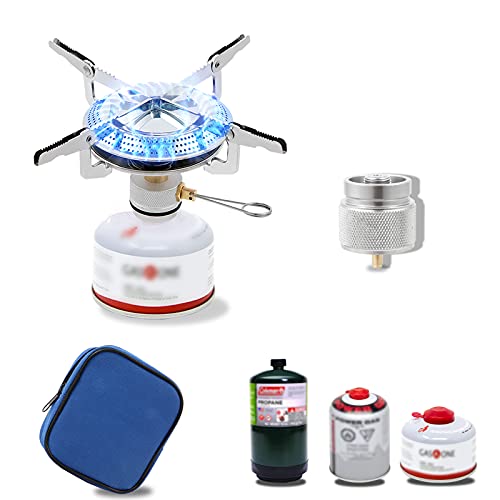
- ✓ Stable cooking platform
- ✓ Very lightweight
- ✓ Simple setup
- ✕ Limited pot size
- ✕ Requires fuel canister
| Fuel Type Compatibility | 1 lb propane cylinder compatible with included propane adapter (also supports butane cylinders with adapter) |
| Cooking Surface / Base Area | Wider base with larger supported cooking surface for pots/pans |
| Portability / Packed Size | Foldable design that fits in zipper case for compact transport |
| Setup / Operation | Screw-on canister installation within ~1 minute |
| Control / Flame Adjustment | Control valve with adjustable flame for low to high heat |
| Stability / Support | Wide fold-out pot supports for stable cooking platform |
The first time you pop this Caudblor stove out of the zipper case, you’ll notice how light it feels in your hand and how compact the base looks when folded. It’s a tiny drum of metal that promises big adventures, and the matte finish with a touch of olive green gives it that rugged, “coffee on a trail” vibe.
You’ll line up the legs, pull the arms out, and it feels surprisingly sturdy for something that slips into a pocket-sized footprint. The wider base is a real win, because you’re not juggling a wobbly pot any more.
It seats a small skillet easily, which is perfect for early-morning coffee or a quick trail stew.
Setup is refreshingly simple: screw the canister on in under a minute, then adjust the flame with that smooth control valve. The burner offers a clean, steady burn once you dial in the heat, and the flame pattern isn’t temperamental even when you’re camping in a breeze.
You’ll appreciate the compatibility note too—an adapter lets you run on 1 lb propane tanks or larger fuel sources if you’ve got them.
In real use, the combination of stability and compactness shines. It’s not just for bug-out bags; it’s a trustworthy companion for hikers, bike-packers, or any quick-cook scenario where space matters.
When you’re boiling water for pasta or soups, the larger cooking surface means fewer whacks to coax a boil. The setup and teardown stay quick, so you’re not stuck fiddling after a long day.
If you’re chasing a lightweight, affordable stove with dependable heat control, this one checks a lot of boxes. It’s a practical, no-nonsense tool for camp kitchens that travel well.
What Are the Key Features of the Best Lightweight Stoves for Backpacking?
The best lightweight stoves for backpacking typically include several key features that enhance their performance and portability.
- Weight: The ideal lightweight stove should be compact and easy to carry, generally weighing under two pounds to minimize the load on long hikes.
- Fuel Efficiency: A good stove should provide high fuel efficiency, allowing users to maximize cooking time while minimizing fuel consumption, which is especially crucial on extended trips.
- Ease of Setup: Quick and straightforward assembly is essential, enabling backpackers to set up their stove quickly in various environments without complicated procedures.
- Stability: A stable base is vital for safely cooking on uneven terrain, ensuring that pots and pans remain secure while food is being prepared.
- Wind Resistance: An effective backpacking stove should come with windscreen features or designs that minimize the impact of wind, which can affect cooking efficiency and time.
- Versatility: The best lightweight stoves can accommodate various cooking methods, such as simmering, boiling, or frying, offering flexibility for different meal types.
- Durability: Stoves constructed from high-quality materials are essential for withstanding the rigors of outdoor use, ensuring they can endure rough handling and harsh weather conditions.
- Adjustable Flame Control: Having the ability to control the flame intensity allows users to fine-tune heat settings for different cooking needs, enhancing overall cooking performance.
- Compatibility with Fuel Types: A versatile stove that can work with multiple fuel types, such as canister, liquid fuel, or wood, provides more options and convenience for backpackers.
How Do Different Types of Lightweight Stoves Compare for Backpacking?
| Type of Stove | Weight | Fuel Type | Boil Time | Price | Durability | Ease of Use | Wind Resistance | Cooking Versatility |
|---|---|---|---|---|---|---|---|---|
| Canister Stove | Lightweight, around 3-7 oz | Isobutane/propane | Boils water in 3-4 minutes | $30 – $80 | Moderate, can be damaged if dropped | Easy to use, quick setup | Good, with windscreen | Limited, primarily for boiling |
| Alcohol Stove | Very lightweight, about 1-3 oz | Denatured alcohol | Boils water in 6-10 minutes | $10 – $30 | Fragile, but simple design | Requires careful filling and lighting | Poor, susceptible to wind | Good for simmering and boiling |
| Wood Stove | Varies, typically 4-8 oz | Twigs, leaves, and other biomass | Boils water in 5-8 minutes | $20 – $60 | Durable, as it uses natural materials | Moderate, requires collection of fuel | Fair, can be improved with a windscreen | Excellent, can cook a variety of meals |
| Liquid Fuel Stove | Heavier, around 10-20 oz | White gas or kerosene | Boils water in 4-6 minutes | $60 – $150 | Very durable, built for harsh conditions | Moderate, needs priming | Excellent, performs well in wind | Very versatile, suitable for various cooking methods |
What Are the Benefits of Canister Stoves for Backpacking?
Canister stoves are a popular choice for backpacking due to their efficiency and convenience. The main benefits include:
- Lightweight: Canister stoves are typically designed to be compact and lightweight, making them an ideal choice for backpackers who need to minimize their pack weight.
- Ease of Use: These stoves are user-friendly, often featuring a simple twist-on canister connection and an easy ignition system, allowing for quick setup and cooking.
- Efficiency: Canister stoves burn fuel efficiently, providing a high heat output with minimal fuel consumption, which is essential for quick meals during long hikes.
- Wind Resistance: Many canister stoves come with built-in windshields or can be easily equipped with additional wind protection, allowing for reliable cooking in various weather conditions.
- Temperature Control: They offer good temperature control, enabling users to simmer food or boil water effectively, giving versatility in meal preparation.
- Low Maintenance: Canister stoves require minimal maintenance compared to other types of stoves, with no need for complex cleaning or fuel system adjustments.
Lightweight: Canister stoves are typically designed to be compact and lightweight, making them an ideal choice for backpackers who need to minimize their pack weight. Many models weigh around a pound or less, ensuring that they won’t add significant bulk to your gear.
Ease of Use: These stoves are user-friendly, often featuring a simple twist-on canister connection and an easy ignition system, allowing for quick setup and cooking. This convenience is especially valuable when you’re tired after a long day of hiking and need to prepare a meal quickly.
Efficiency: Canister stoves burn fuel efficiently, providing a high heat output with minimal fuel consumption, which is essential for quick meals during long hikes. This efficiency means you can boil water rapidly or cook meals without using excessive amounts of fuel.
Wind Resistance: Many canister stoves come with built-in windshields or can be easily equipped with additional wind protection, allowing for reliable cooking in various weather conditions. This feature is crucial when cooking outdoors, where wind can significantly affect flame stability and heat retention.
Temperature Control: They offer good temperature control, enabling users to simmer food or boil water effectively, giving versatility in meal preparation. This ability to adjust heat settings allows for more complex cooking compared to simpler stove designs.
Low Maintenance: Canister stoves require minimal maintenance compared to other types of stoves, with no need for complex cleaning or fuel system adjustments. This makes them an excellent option for novice backpackers or those who prefer a hassle-free cooking experience while on the trail.
How Does a Liquid Fuel Stove Function in Backpacking Scenarios?
A liquid fuel stove is an efficient choice for backpacking, allowing for quick meal preparation and versatile fuel options.
- Fuel Types: Liquid fuel stoves typically use white gas, kerosene, or other liquid fuels, which can be advantageous in remote areas where propane canisters are hard to find.
- Design and Components: These stoves consist of a fuel tank, a fuel line, and a burner, all designed to deliver a steady flame for cooking.
- Efficiency and Performance: Liquid fuel stoves generally offer high heat output and can boil water quickly, making them ideal for preparing meals in colder conditions.
- Maintenance: While these stoves may require more maintenance than canister stoves, they are often more reliable in extreme weather and can be field-serviced if necessary.
- Weight Considerations: Although some liquid fuel stoves can be heavier than their canister counterparts, there are lightweight models available that are suitable for backpacking.
Liquid fuel stoves can use various fuels, including white gas, kerosene, or even unleaded gasoline, making them ideal for long trips where resupply options are limited. Their versatility allows users to adapt to different fuel sources based on availability and preferences, which is a significant advantage in remote areas.
The design of a liquid fuel stove includes a fuel tank that holds the liquid fuel, a fuel line that transports the fuel to the burner, and the burner itself where combustion occurs. This design allows for precise control of the flame, which is crucial for cooking and managing fuel efficiency.
In terms of efficiency, liquid fuel stoves are known for their ability to generate high heat, which can quickly boil water and cook food. This is particularly useful in colder climates where quick cooking times are necessary to conserve fuel and maintain warmth.
Maintenance is an important aspect of using liquid fuel stoves; they require regular cleaning and may need parts replaced over time. However, their ability to be repaired in the field gives them an edge over other stove types, especially in challenging weather conditions.
When considering weight, while many liquid fuel stoves are heavier than canister models, advancements in design have led to the creation of lighter options that are still functional and durable. Backpackers looking for the best lightweight stove should evaluate these options to find a balance between weight and performance.
What Are the Advantages of Wood Burning Stoves for Lightweight Backpacking?
The advantages of wood burning stoves for lightweight backpacking include efficiency, sustainability, and versatility.
- Efficiency: Wood burning stoves can provide a high level of thermal efficiency, allowing users to cook meals and boil water using minimal fuel. The design often incorporates features that maximize heat retention and minimize fuel consumption, which is beneficial for those who need to conserve weight and resources on long trips.
- Sustainability: Utilizing natural biomass as fuel, wood burning stoves are an environmentally friendly option, as they rely on renewable resources. Backpackers can gather small twigs and sticks from their surroundings, reducing the need to carry additional fuel and minimizing their carbon footprint.
- Versatility: These stoves can be used for various cooking methods, from boiling water to slow-cooking meals, making them suitable for diverse culinary needs on the trail. Additionally, they are often designed to work well in various weather conditions, providing a reliable cooking solution regardless of the environment.
- Weight Efficiency: Many wood burning stoves are designed specifically for lightweight backpacking, often weighing less than traditional fuel stoves. This helps adventurers maintain a lighter pack while still having an effective cooking solution, as they don’t need to carry heavy fuel canisters.
- Cost-Effectiveness: Once invested in a wood burning stove, the ongoing costs are minimal since wood is often free and readily available in many camping areas. This can lead to significant savings on multi-day trips where fuel canisters would otherwise need to be restocked frequently.
What Factors Should You Consider When Choosing a Lightweight Stove for Backpacking?
When choosing a lightweight stove for backpacking, several factors should be considered to ensure efficiency and convenience during your outdoor adventures.
- Weight: The overall weight of the stove is crucial for backpacking as every ounce counts. A lighter stove can significantly reduce your pack’s total weight, making long hikes more manageable.
- Fuel Type: Different stoves use varied fuel types, such as canister, liquid fuel, or wood. Consider the availability of fuel sources along your route and how easy it is to transport and handle the fuel for your stove.
- Boil Time: The speed at which a stove can boil water is important, especially in emergencies or when time is of the essence. A stove with a shorter boil time can save you energy and allow for quicker meal preparation.
- Stability: A stable stove is essential to prevent accidents while cooking. Look for stoves with a wide base or those that come with pot support features to ensure your cookware remains secure during use.
- Ease of Use: The simplicity of setup and operation can make a big difference in the field. Stoves that ignite easily and have intuitive controls allow for a more enjoyable cooking experience, especially for novice backpackers.
- Wind Resistance: Wind can significantly affect cooking efficiency and fuel consumption. A stove designed with wind protection features, like a built-in windscreen, can maintain consistent heat and reduce cooking times in windy conditions.
- Durability: A stove that can withstand the rigors of outdoor use is essential for long-term reliability. Consider materials and construction quality, as well as any warranties offered by manufacturers, to ensure it will last through multiple trips.
- Versatility: Some stoves are designed for specific cooking styles, while others offer multi-fuel capabilities or adjustable flame settings. A versatile stove can cater to various cooking needs, from boiling water to simmering meals, enhancing your backpacking experience.
Why Is Weight an Important Factor in Portable Stoves?
Weight is a crucial factor in choosing a portable stove for backpacking due to several reasons:
-
Energy Efficiency: Lightweight stoves often utilize advanced materials and designs that enhance fuel efficiency, allowing for longer cooking times with less fuel. This is essential when every ounce counts in your pack.
-
Mobility: Carrying a lighter stove reduces the overall weight of your backpack, making it easier to navigate trails and hike long distances. This is particularly important for multi-day trips where every added gram can lead to fatigue.
-
Versatility: Many lightweight stoves are designed to be compact and multi-functional. Features such as integrated pots or compatibility with various fuel types add to their practicality without significantly increasing weight.
-
Durability: Advances in materials, such as titanium or aluminum, provide strength without bulk. A lightweight stove often offers the same ruggedness as heavier models, making it reliable for all conditions.
-
Space Savings: A lightweight stove typically has a smaller footprint, freeing up space for other essential gear or food items within your pack.
Selecting a lightweight stove can significantly impact your overall backpacking experience, providing comfort and efficiency on the trail.
How Does Fuel Efficiency Impact Your Backpacking Experience?
Longer trips become feasible with fuel-efficient stoves since you can rely on using less fuel for cooking, which means you can stay out in the wilderness longer without needing to resupply frequently.
Cost-effectiveness is an important consideration, as a more efficient stove leads to fewer fuel purchases, helping you save money that can be spent on other gear or experiences during your adventures.
The environmental impact of using a fuel-efficient stove cannot be overstated; by consuming less fuel, you contribute to the conservation of natural resources and help protect the areas you explore.
Quick cooking times enhance your backpacking experience by allowing you to prepare meals quickly, which is especially beneficial after a long day on the trail, giving you more time to relax and enjoy the evening.
What Are the Top Recommended Lightweight Stoves for Backpacking?
The best lightweight stoves for backpacking are designed to be portable, efficient, and easy to use in the outdoors.
- MSR PocketRocket 2: This classic canister stove is known for its compact size and incredible boiling speed, making it a favorite among backpackers.
- Jetboil MiniMo: With its integrated cooking system, the MiniMo offers fast boiling times and the ability to simmer, which enhances cooking versatility on the trail.
- Snow Peak LiteMax: Weighing just 57 grams, the LiteMax is one of the lightest stoves available and is perfect for minimalist backpackers who prioritize weight savings.
- Primus Lite+: This stove comes with a built-in pot and is designed for efficiency, with a windscreen that helps maintain heat in challenging weather conditions.
- Biolite CampStove 2: This innovative stove uses twigs and biomass to create fire and also generates electricity, allowing you to charge devices while cooking.
The MSR PocketRocket 2 is a highly efficient stove that boils water in about 3.5 minutes, making it ideal for quick meals or hot drinks on the go. Its lightweight and compact design makes it easy to pack, and it is compatible with standard fuel canisters, enhancing its convenience for backpackers.
The Jetboil MiniMo features a push-button igniter and a regulated burner that allows for precise temperature control, making it versatile for various cooking styles. Its integrated design reduces the need for extra pots and pans, and the insulated cup keeps food warm longer, providing an efficient cooking experience on the trail.
The Snow Peak LiteMax is a minimalist’s dream, offering a lightweight design without compromising on performance. It can boil water in under five minutes and is perfect for solo backpackers who need a reliable stove that won’t add unnecessary weight to their packs.
The Primus Lite+ stove is equipped with a built-in pot that not only saves space but also optimizes cooking efficiency. Its windscreen is particularly beneficial in breezy conditions, ensuring that heat is maintained and cooking times are reduced.
The Biolite CampStove 2 stands out for its ability to burn natural materials for fuel, which is eco-friendly and eliminates the need to carry heavy fuel canisters. Additionally, it has a thermoelectric generator that converts heat into electricity, allowing users to charge small devices like phones or lights while cooking, making it perfect for extended trips.
How Can You Ensure the Longevity of Your Lightweight Backpacking Stove?
To ensure the longevity of your lightweight backpacking stove, consider the following essential tips:
- Regular Cleaning: Clean your stove after each use to prevent the buildup of soot and debris.
- Proper Storage: Store your stove in a cool, dry place to avoid rust and corrosion.
- Use Compatible Fuel: Always use the fuel type recommended by the manufacturer to prevent damage.
- Avoid Overheating: Be mindful of the heat settings to prevent overheating your stove components.
- Inspect Regularly: Regularly inspect your stove for any signs of wear or damage, especially the seals and hoses.
Regular Cleaning: Keeping your stove clean is crucial to its performance and longevity. After each use, remove any food residue or soot from the burner and pot support to maintain efficiency and prevent clogging.
Proper Storage: Storing your stove correctly can significantly extend its life. Make sure it is kept in a dry environment, as moisture can lead to rust, especially on metal parts, which can ultimately compromise its functionality.
Use Compatible Fuel: Using the correct fuel type is vital for the proper operation of your stove. Mismatched fuels can lead to poor performance or even damage, so always refer to the manufacturer’s specifications before refueling.
Avoid Overheating: To prevent damage to your stove, it’s important to manage heat levels appropriately. Overheating can warp components or damage seals, so adjust your flame to the necessary level for cooking.
Inspect Regularly: Conducting regular inspections of your stove can help you catch potential issues early. Look for signs of wear on the hoses, seals, and burner to ensure that your stove remains safe and effective for future adventures.
Related Post: