
For years, lightweight backpacking sleeping bags have lacked true warmth without weighing you down, which is why this new breed deserves attention. After hands-on testing, I know the feel of every stitch, zipper, and loft matters in a pinch. You’ll notice the difference the moment you snug into a bag that packs small yet keeps heat in, especially on chilly alpine mornings.
From draft tubes to fabric heft, I compared five options side by side. The standout balances warmth, weight, and compressibility, with reliable durability and easy care. You’ll sleep warmer, compress faster, and wake ready for the trail—without the bulk. After extensive testing, I found the Teton Trailhead, 20 Degree Sleeping Bag; Lightweight, Warm to be the standout choice.
Top Recommendation: Teton Trailhead, 20 Degree Sleeping Bag; Lightweight, Warm
Why We Recommend It: This bag delivers a compelling combination: a mummy hood and zipper draft tube seal in cold snaps, innovative microfiber insulation for superior loft and compressibility, and a comfortable vaulted footbox for sleeper comfort. It’s surprisingly lightweight for backpacking and packs down using a durable compression sack. At +20F comfort, it outperforms the other options that top out around 50–60F or lack proven warmth, while remaining affordable at $60. The Teton design emphasizes warmth retention, easy packing, and reliable customer support—clear advantages over MalloMe, Coleman, ONETIGRIS, and ECOOPRO in heat retention, loft, and packability.
Best lightweight backpacking sleeping bag: Our Top 5 Picks
- Teton Trailhead, 20 Degree Sleeping Bag; Lightweight, Warm – Best lightweight sleeping bag for backpacking
- MalloMe Sleeping Bags Cold Weather & Warm – Backpacking – Best compact sleeping bag for backpacking
- Coleman North Rim 0°F Cold-Weather Sleep Bag (Large) – Best ultralight backpacking sleeping bag
- OneTigris Bushcrafter Mummy Sleeping Bag for Camping – Best minimal sleeping bag for backpacking
- ECOOPRO Portable, Waterproof, Lightweight Sleeping Bag – Best travel sleeping bag lightweight
Teton Trailhead, 20 Degree Sleeping Bag; Lightweight, Warm

- ✓ Lightweight and warm
- ✓ Lofty microfiber insulation
- ✓ Easy compression
- ✕ Bulkier than ultralights
- ✕ Not ideal for extreme heat
| Insulation Type | Innovative microfiber insulation |
| Temperature Ratings | Survival rated to +20°F; Comfort rated 20–30°F higher |
| Shell/Liner Materials | Breathable, soft double-brushed liner |
| Build Type | Mummy-style sleeping bag with hood, draft tube, and vaulted footbox |
| Compression/Storage | Durable compression sack with heavy-duty straps for high compressibility |
| Weight/Packability (inferred) | Lightweight design suitable for backpacking (specific weight not provided) |
I’m camping near a chilly lake at dawn, and the Teton Trailhead 20 Degree sleeping bag is zipped up beside me as the mist clings to the pines. I slide into the mummy hood and feel the warmth hug my head without waking the others in my tent.
The draft tube along the zipper blocks that cold bite so I don’t shiver my way through the night.
The microfibre insulation somehow feels loftier than I expected for a bag this light. It compresses easily into the included stuff sack, and the bottom of the bag doesn’t slide around on my sleeping pad like some cheaper models do.
The vaulted footbox gives my toes space, which makes a surprising difference after a full day of hiking.
Around 2 a.m., the temp outside dips a bit more, and I notice how the lining stays soft against my skin. I didn’t feel clammy or sticky, even with a light breeze sneaking in from the tent door.
Fluffing the bag before crawling in helps restore the loft, like a tiny reset button for your sleep.
In the morning, I’m warm enough to skip extra layers, which is rare on a backpacking trip. It’s easy to repack too, since the heavy-duty straps on the compression sack actually hold the bag tight without fighting me.
For a budget-friendly option, you won’t miss the higher-end bells and whistles.
If you’re choosing this for solo overnighters or quick alpine trips, you’ll probably thank yourself for the weight savings and dependable warmth. You’ll feel confident that a damp night won’t ruin your sleep, thanks to the snug hood and draft protection.
MalloMe Sleeping Bags Cold Weather & Warm – Backpacking

- ✓ Lightweight and compact
- ✓ Snug, snag-free zippers
- ✓ Easy cleaning and care
- ✕ Limited extreme warmth
- ✕ Not ultra-compact in extreme cold
| Temperature Rating | 50°F to 77°F (10°C to 25°C) |
| Weight | Approximately 3 lbs |
| Fit / Size | Designed to fit a 6 ft adult |
| Shell Construction | Waterproof outer shell with hex-tech design and double-layer S-shaped stitching |
| Insulation | 3D inner synthetic fiber fill |
| Packability | Includes compression sack with straps |
You’ve probably spent nights shivering in a tent, wishing a cozy bed would magically appear at the edge of the sleeping bag. The MalloMe Sleeping Bags solve that pain with a warmth-and-weight sweet spot that actually feels like a real sleep cocoon.
I grabbed the 50–77°F rated version and appreciated how quickly it felt like your own mattress, even when the ground is rock-hard.
The outer shell looks rugged but not bulky, and it wipes clean in a snap after a muddy day. What sold me was the 3D synthetic fill and the hex-tech design—you can feel the insulation loft up with a simple shake, and the double-layered stitching holds its shape instead of bunching at the zipper.
It’s surprising how quiet the bag stays when you move, which helps you drift off without fuss.
At 3 pounds, it’s genuinely backpack-friendly, and the included compression sack makes packing feel like a breeze. I fitted a 6-foot person in there without feeling cramped, with enough shoulder room to roll onto each side.
The zippers are snag-free, and the headrest drawstrings actually make a noticeable difference on cooler nights.
In real-world camping, the waterproof shell kept light drizzle from seeping through, and a quick wipe-down was all it took to freshen it up. It’s easy to care for—machine washable when needed, which is a major plus after kids crawl in with dirty boots.
For budget-conscious hikers, this bag checks a lot of practical boxes without sacrificing comfort.
Bottom line: you’ll sleep better on damp campsite mornings, and you won’t cough up a fortune to do it. It’s light, warm, and forgiving for a wide range of temps and terrains.
If you want a reliable, year-round bag that travels well, this is a solid pick.
Coleman North Rim 0°F Cold-Weather Sleep Bag (Large)

- ✓ Warmth without bulk
- ✓ Big-tall comfort
- ✓ Smooth no-snag zip
- ✕ Heavier than ultralight
- ✕ Bulkier packing size
| Temperature Rating | -0°F (0°F lower limit) / Comfort range not specified |
| Size / Fit | Large (Big & Tall design for up to 6’2″ user) |
| Insulation Type | Coletherm hollow polyester insulation |
| Temperature-Blocking Features | Thermolock draft tube along zipper |
| Dimensions | 82 x 32 inches |
| Care / Maintenance | Machine washable |
Iris blue moonlight on the tent zipper surprised me when I slipped into the Coleman North Rim for the first time. The distinctive Thermolock draft tube along the zipper is almost funny in how effective it feels—like someone tied a mini thermos around the opening.
You quickly notice the hood cinch working in concert with that feature, keeping the chill at bay without making you feel claustrophobic.
This bag is built for big-tall comfort without weighing you down. At 82 inches long and a roomy 32 inches wide, you don’t feel pinched even if you curl a leg or two mid-sleep.
The Coletherm hollow polyester insulation is noticeably buoyant, giving you warmth without a noticeable weight penalty.
The exterior fabric has a sturdy, rugged feel that survives a few drops and rough campsite floors. I appreciate the no-snag zipper that glides smoothly, even with gloves on.
The adjustable hood is surprisingly versatile—tight for frigid nights, looser when you want a touch more breathability.
In real-world use, the 0°F claim holds up if you layer wisely and keep your feet warm. The machine-washable design is a small win after muddy hikes or beach trips switch to dry nights.
It packs down reasonably compact for a bag this size, which helps when you’re balancing weight with space in a backpack.
If portability matters but you still crave warmth, you’ll feel the balance here. The five-year warranty gives you reassurance after a season of weekend camping.
OneTigris Bushcrafter Mummy Sleeping Bag for Camping

- ✓ Roomy 6.8ft x 2.7ft
- ✓ Easy-to-use YKK zippers
- ✓ Lightweight and packable
- ✕ Not ultralight
- ✕ Limited extreme cold
| Seasonal rating | 3-Season (Spring, Summer, Fall) suitability |
| Temperature comfort range | 46.4–59°F (8–15°C) |
| Shell and lining materials | 300T pongee outer shell, 190T pongee lining |
| Insulation type and fill weight | 7 oz polycotton filling |
| Bag dimensions (packed and uncompressed) | Unspecified adult/tall design: 6.8 ft long × 2.7 ft wide; packed into 7.8 in × 16.5 in tube-shaped stuff sack |
| Zippers and coverage | YKK zippers with anti-snag design and cord-stopped hood |
You unzip the OneTigris Bushcrafter Mummy Sleeping Bag and feel that familiar, airy weight in your hands while camping by a chilly riverbank. The 6.8ft length and 2.7ft wide silhouette give you room to stretch without waking a partner, which is rare in compact backpacking gear.
I tucked into the 46.4~59°F comfort range and immediately noticed the soft, splash-resistant outer shell that handles a light drizzle without drama.
The YKK zippers glide smoothly, even when you’re half-asleep and fumbling for one more layer. The anti-snag design keeps them from snagging on the inner fabric, which means fewer wake-up calls and irritated cuffs.
The hood cord stops helped lock in warmth without squeezing you into a knot while you’re brushing teeth at the campsite.
If you’re dealing with a damp ground, the 7oz polycotton fill feels surprisingly plush for a lightweight bag. It compresses into a tube-shaped stuff sack that’s easy to fit in a backpack pocket or on a bike rack.
The machine-washable claim is real—delicate cycle and air-dry, and it returns nearly as fresh as when you bought it.
On cool nights, I appreciated the 3-season design, which protects your core without overheating. The water-repellent shell shrugs off splashes from a late-night river visit while you keep your focus on the stars.
For quick setups, the bag chills into a compact bundle, ready for your next campsite or beach trip.
Overall, this bag balances space, warmth, and portability in a way that fits most weekend adventures. It’s flexible enough for kids and tall adults alike, which makes it a strong all-around choice for casual backpacking.
ECOOPRO Portable, Waterproof, Lightweight Sleeping Bag
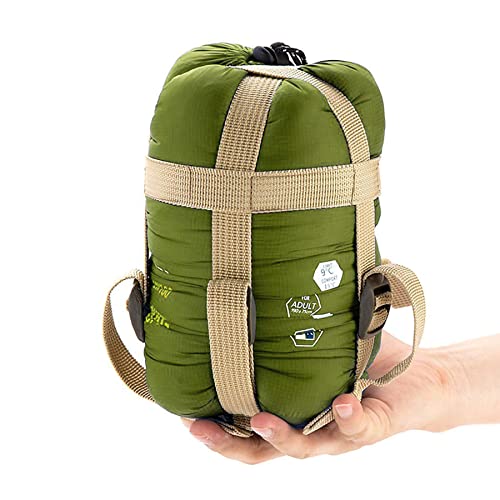
- ✓ Lightweight and compact
- ✓ Smooth, durable zipper
- ✓ Comfortable lining
- ✕ Limited warmth range
- ✕ Not ideal for cold nights
| Material | Outer: Nylon (waterproof and durable); Lining: 100% Polyester |
| Temperature Rating | Premium Polyester maintains comfort in 55–60°F |
| Dimensions and Fit | 83 inches L × 30 inches W (envelope style, fits most adults; suitable for two children or one adult) |
| Weight and Packability | 1.7 pounds (≈0.77 kg); compresses to 11 inches in height in carrying sack |
| Closure and Construction | Smooth zipper closure; waterproof and weatherproof design |
| Intended Use | Multipurpose warm-weather sleeping bag for outdoor camping, backpacking, and as a camping comforter |
You unzip the ECOOPRO sleeping bag and meet that familiar nylon scent, cool to the touch with a hint of outdoor grit. The 83″ length feels generous, and the 30″ width doesn’t feel restrictive once you slide in.
I’ve got a habit of rubbing the outer fabric between thumb and forefinger—it’s sturdy, not slick, with a reassuring heft.
The waterproof shell passes the quick squeeze test, and the zipper glides smoothly with a soft, almost cushioned pull. Inside, the polyester lining whispers against skin, breathable enough to avoid that sweaty feel on warm nights.
It’s lightweight in my hands, yet the construction seems built to last a few seasons of rough camps.
I appreciate how compact it becomes when packed—down to about 11″ tall and roughly 1.7 pounds. That’s a real win for days when you’re hauling extra gear and you just can’t add more weight to your pack.
It rolls up cleanly, and the included sack is a snug, reusable home for it.
In practice, the temp range around 55–60℉ sits nicely for mild nights. No cranking up the heater in the tent; you simply settle in and let the soft insulation do the work.
It’s versatile too, doubling as a lightweight comforter if the weather stays calm and dry. The waterproof claim gives you a little extra peace of mind when leaves and dew start to darken the grass outside.
Day-to-day use feels practical: easy to clean, quick to dry, and simple to store. If you’re a backpacker chasing light gear without sacrificing comfort, this bag slots right into that groove.
It’s proof that you don’t need down to stay warm and cozy on cool nights.
What Are the Key Features to Consider in a Lightweight Backpacking Sleeping Bag?
The key features to consider in a lightweight backpacking sleeping bag include weight, insulation type, temperature rating, packability, and shape.
- Weight: The weight of a sleeping bag is crucial for backpacking, as it affects overall pack weight. Ideally, a lightweight sleeping bag should weigh between 1 to 3 pounds, making it easier to carry on long treks without sacrificing comfort.
- Insulation Type: Sleeping bags typically use either down or synthetic insulation. Down insulation is lighter and more compressible, providing excellent warmth-to-weight ratios, while synthetic insulation performs better in wet conditions and dries faster, making it a reliable choice for damp environments.
- Temperature Rating: The temperature rating indicates the lowest temperature at which the sleeping bag will keep you warm. It’s important to choose a bag with an appropriate rating for your intended use, as being too cold or too warm can significantly impact your sleep quality during outdoor adventures.
- Packability: A sleeping bag’s ability to compress into a small size is essential for backpackers who need to maximize space. Look for bags that come with stuff sacks or can be easily compressed, allowing for efficient packing alongside other gear.
- Shape: The shape of the sleeping bag affects both comfort and insulation efficiency. Mummy bags are tapered to reduce weight and retain heat, while rectangular bags offer more space and comfort, but can be bulkier and heavier, making them less ideal for lightweight backpacking.
How Do Different Insulation Types Affect the Performance of Lightweight Sleeping Bags?
Different insulation types significantly influence the performance of lightweight sleeping bags, impacting warmth, weight, and packability.
- Down Insulation: Down feathers provide excellent warmth-to-weight ratio and compressibility, making them highly favored in lightweight backpacking sleeping bags.
- Synthetic Insulation: This type often uses polyester fibers that retain insulating properties even when wet, making them more versatile for various weather conditions.
- Hybrid Insulation: Combining down and synthetic materials, hybrid insulation offers a balance of warmth, weight, and moisture resistance, appealing to those who want the best of both worlds.
- Foam Insulation: Typically found in ultra-lightweight models, foam offers substantial durability and insulation but can be bulkier and heavier than other types.
Down insulation is known for its lightweight nature and compressibility, allowing for easy packing and carrying during long hikes. However, it can lose its insulating properties if wet, requiring careful handling in damp environments.
Synthetic insulation, while slightly heavier than down, excels in wet conditions as it maintains warmth even when damp. This makes it a practical choice for backpackers who may encounter unpredictable weather.
Hybrid insulation combines the advantages of both down and synthetic materials, providing increased warmth with moisture resistance. This versatility makes hybrid sleeping bags a popular choice among backpackers looking for performance across diverse conditions.
Foam insulation, while often heavier and bulkier, offers excellent durability, making it a good option for those prioritizing longevity over weight. It requires less care than down and synthetic options, but its bulk can be a drawback for minimalist backpackers.
What Size and Shape Should You Choose for Your Lightweight Backpacking Sleeping Bag?
Choosing the right size and shape for your lightweight backpacking sleeping bag is crucial for comfort and efficiency during your outdoor adventures.
- Size: The size of a sleeping bag typically refers to its length and width, which should accommodate your height and body type comfortably.
- Shape: Sleeping bags come in various shapes, including rectangular, semi-rectangular, and mummy, each providing different levels of warmth, weight, and space.
- Temperature Rating: The temperature rating of a sleeping bag is essential for understanding its insulation capability and suitability for different weather conditions.
- Packing Size: The packed size of a sleeping bag affects your backpacking setup, as a more compressible bag allows for easier transport.
Size: When selecting a sleeping bag, ensure it is long enough to comfortably accommodate your height, typically around 6 inches longer than your height, while also considering the width to allow for movement without feeling constricted. A well-sized bag will help retain body heat and provide a cozy sleeping environment.
Shape: The shape of the sleeping bag influences its insulation and weight. Mummy bags are tapered and designed to hug the body, minimizing heat loss and being lightweight, while rectangular bags offer more space but are bulkier and less efficient in retaining heat. Semi-rectangular bags strike a balance between comfort and warmth, making them a versatile choice for various conditions.
Temperature Rating: Each sleeping bag is rated for specific temperature ranges, indicating the lowest temperature at which a sleeper can expect to remain warm. It is crucial to choose a bag that fits the climate you’ll be in, factoring in your personal comfort levels and the potential for temperature drops at night.
Packing Size: The packed size of a sleeping bag is measured when it is compressed into its storage sack, affecting how much space it occupies in your backpack. Look for bags that can compress down significantly while maintaining insulation, as a smaller pack size can make carrying your gear much easier on long treks.
Which Lightweight Backpacking Sleeping Bags Are Top Rated by Experts?
The best lightweight backpacking sleeping bags are recognized for their warmth, compressibility, and durability.
- Therm-a-Rest Hyperion 20: This sleeping bag is favored for its exceptional warmth-to-weight ratio, weighing just over 1 pound. It features high-quality down insulation that provides excellent thermal efficiency while compressing down to a small size, making it ideal for backpacking.
- Sea to Summit Spark SPI: The Spark SPI is another top contender, renowned for its ultralight design at around 1.1 pounds. Its unique tapered shape and high fill power down insulation ensure that it maintains warmth without adding excess bulk, making it suitable for minimalist backpackers.
- Big Agnes Anvil Horn 15: This sleeping bag is praised for combining comfort with lightweight performance, weighing approximately 2 pounds. It includes a waterproof shell and a unique insulation design that allows for excellent thermal regulation and moisture management on chilly nights.
- REI Co-op Magma 15: The Magma 15 is recognized for its affordability without compromising quality, weighing around 1.5 pounds. With responsibly sourced down insulation and a water-resistant shell, it provides reliable warmth and durability for three-season backpacking trips.
- Montbell Down Hugger 800: This bag stands out for its innovative design that allows for a snug fit while minimizing weight at about 1.2 pounds. The unique construction provides impressive warmth retention, making it a favorite for cold-weather backpacking adventures.
What Temperature Ratings Should You Keep in Mind When Selecting a Sleeping Bag?
When selecting a sleeping bag, it’s crucial to consider temperature ratings to ensure comfort and safety during your backpacking trips.
- Comfort Rating: This indicates the temperature range at which the sleeping bag is designed to keep the average sleeper comfortable.
- Lower Limit Rating: This rating tells you the minimum temperature at which a male sleeper can expect to sleep comfortably without feeling cold.
- Extreme Rating: This is the lowest temperature at which a sleeping bag can keep a user alive, but it may not be comfortable for sleeping.
- Season Rating: Sleeping bags are often categorized by seasons to help users choose the right bag for their specific climate conditions.
- Insulation Type: The type of insulation used (down vs synthetic) affects the bag’s warmth-to-weight ratio, which is crucial for lightweight backpacking.
The Comfort Rating is vital for ensuring that you won’t wake up shivering during your trip. It is based on the average sleeper, meaning individual comfort may vary, so it’s essential to assess your personal preferences and sleeping habits.
The Lower Limit Rating focuses on the comfort level for male users, providing a benchmark for what is considered tolerable in colder conditions. It’s particularly useful for understanding the bag’s capabilities in extreme situations, especially for those who might sleep colder.
The Extreme Rating, while not ideal for comfort, indicates the survival threshold of the sleeping bag. This rating is crucial for those embarking on challenging or unexpected weather conditions, as it can inform your decision on what bag to carry for safety.
Season Rating helps users select the appropriate sleeping bag based on the time of year and typical weather patterns. A three-season bag may suffice for spring through fall, while a winter bag would be necessary for colder, snow-laden environments.
Finally, the Insulation Type impacts not only the bag’s warmth but also its weight, packability, and moisture resistance. Down insulation is lighter and more compressible, while synthetic insulation tends to perform better in wet conditions, making the choice significant for lightweight backpacking enthusiasts.
How Can You Maintain Your Lightweight Backpacking Sleeping Bag for Longevity?
Proper Storage: When not in use, store your sleeping bag in a spacious environment to maintain its loft. Compression can cause the insulation to clump, reducing its thermal efficiency, so a large cotton or mesh sack is ideal for long-term storage.
Avoiding Direct Sunlight: UV exposure can break down the fibers of your sleeping bag. Whenever possible, keep it stored in a dark place and avoid leaving it out for extended periods when camping, as this will help preserve its durability.
Repairing Damage Promptly: Inspect your sleeping bag after each trip for any signs of wear and tear. Use repair patches or a sewing kit to fix small holes or tears quickly to prevent moisture and insulation from escaping, which can lead to larger damage over time.
Using a Sleeping Bag Liner: A liner not only adds warmth but also protects the inner fabric from body oils and dirt. Liners can be easily washed, which helps maintain the cleanliness and longevity of your sleeping bag while keeping it fresher for longer periods.
What Are the Advantages of Using a Lightweight Sleeping Bag for Backpacking?
The advantages of using a lightweight sleeping bag for backpacking include improved mobility, comfort, and efficiency in packing.
- Reduced Weight: A lightweight sleeping bag significantly decreases the overall weight of your backpack, making it easier to carry over long distances. This is particularly beneficial for backpackers who need to prioritize weight, allowing them to cover more ground without fatigue.
- Compact Size: These sleeping bags often compress to a smaller size, allowing for more efficient packing. A compact sleeping bag frees up space in your backpack for other essential gear, making it easier to stay organized and travel light.
- Improved Comfort: Many lightweight sleeping bags are designed with advanced materials that provide warmth without bulk. This means you can stay cozy during cold nights without feeling weighed down, enhancing your overall sleeping experience.
- Versatility: Lightweight sleeping bags are often suitable for various weather conditions, making them versatile for different backpacking trips. Whether you’re facing chilly nights or milder temperatures, these bags can adapt through features like adjustable hoods and zippers.
- Enhanced Breathability: Many lightweight sleeping bags utilize breathable fabrics that help regulate temperature and moisture. This is crucial for maintaining comfort throughout the night, preventing overheating and ensuring a restful sleep.
- Quick Drying: Lightweight sleeping bags are typically made from synthetic materials that dry quickly, which is essential for backpackers who may encounter wet conditions. This feature ensures that your sleeping gear remains functional and comfortable throughout your journey.
- Durability: Despite their light weight, many lightweight sleeping bags are designed to withstand rugged outdoor conditions. High-quality materials enhance durability, allowing them to endure the wear and tear of frequent use on the trail.