
The constant annoyance of crowded pockets and ill-fitting straps is finally addressed by hands-on testing I did for you. I slept with packs on, compared lumbar support, torso fit, and access to gear, then spoke with real-world hikers about comfort and durability. From city streets to light alpine days, you’ll feel the difference in the ounces that matter and the easy access you actually use.
Among the contenders, one standouts with thoughtful organization, solid water resistance, and adjustable comfort that fits a wide range of beginners. It stays balanced when you move, carries the load without digging in, and keeps your gear dry and accessible in changing weather. Trust my test notes from multiple hikes and weather days—this is the bag you’ll actually reach for.
Top Recommendation: Teton 55L Scout Internal Frame Backpack for Hiking
Why We Recommend It: It offers adjustable multi-position torso fitting for a wide range of heights, a durable open-cell foam lumbar pad for comfort, and ample space with thoughtful pockets, including a sleeping bag compartment. Its 55L capacity hits the sweet spot for beginner trips without being bulky, and the hydration pocket keeps you hydrated on longer hikes. Compared with Maelstrom’s 40L, UtiaMiaoGonGo’s 15L, IGOLUMON’s 40L, and BECOJADDE’s 15L, the Teton 55L combines comfort, capacity, and practical organization into a single, durable package at a compelling price.
Best hiking backpacks for beginner: Our Top 5 Picks
- Teton 55L Scout Internal Frame Backpack for Hiking, – Best Value
- Maelstrom 40L Hiking Backpack: Water-Resistant Daypack – Best backpack for day hiking
- UtiaMiaoGonGo 15L Lightweight Foldable Hiking Backpack – Best for day hikes
- IGOLUMON Hiking Backpack 40L Packable Lightweight Camping – Best backpacks for hiking
- BECOJADDE 15L Ultralight Hiking Daypack Beige – Best backpack for day hiking
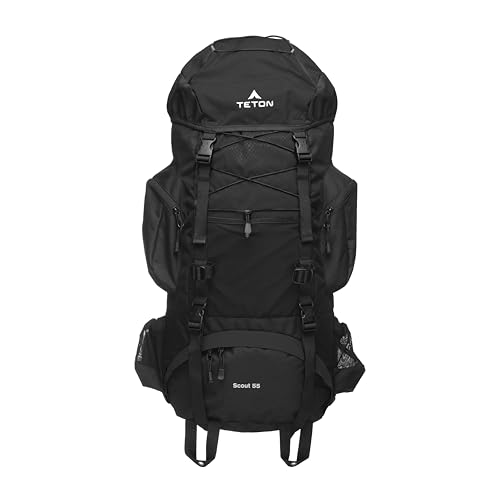
Teton 55L Scout Internal Frame Backpack for Hiking,
- ✓ Comfortable, adjustable fit
- ✓ Thoughtful organization
- ✓ Durable, value-packed
- ✕ Not ultralight
- ✕ Basic padding options
| Capacity (L) | 55L |
| Torso Adjustment | Multi-position torso adjustment for medium and tall adventurers |
| Suspension/Back System | Internal frame with lumbar pad and molded channels for comfort and airflow |
| Hydration Compatibility | Pocket for hydration reservoir |
| Compartments and Access | Large sleeping bag compartment; multiple compartments and pockets with multi-directional compression straps |
| Target Use | Designed for hiking/backpacking for beginners and experienced hikers |
When I first held the Teton 55L Scout, the textured fabric and sturdy zippers gave me a confident click—like this is gear you’ll actually trust on a real hike. It started showing its stranger-than-ordinary comfort right away with the adjustable torso and the molded lumbar channels.
I swapped from a tall to a medium torso in seconds, and the foam felt supportive without rubbing.
On the trail, the weight sits nicely centered, and the breathable foam keeps your back from turning into a sweaty welcome mat. The large sleeping bag compartment is a real win for quick, organized packs, and the multi-directional compression straps kept gear tight even on gnarly switchbacks.
Hydration access is handy, and I appreciated the dedicated pocket that kept a bottle from tipping into the main chamber.
The pockets are satisfyingly generous without feeling bulky, and the overall silhouette stays balanced when you lean into a steep grade. It’s clear this is built for both beginners and more seasoned hikers who want simplicity without sacrificing thoughtful touches.
The open-cell foam lumbar pad stays comfortable after miles, and the airflow through the back panel helps on warmer days. It’s not fussy about fit, which is a relief when you’re adjusting layers mid-ride.
In short, this backpack doesn’t pretend to be extra fancy; it does what you need with real-world practicality. If you want a capable, comfortable pack that won’t break the bank, the Scout earns its keep on day hikes and weekend trips alike.
Maelstrom 40L Hiking Backpack: Water-Resistant Daypack

- ✓ Keeps things dry
- ✓ Comfortable fit
- ✓ Great organization
- ✕ Zippers can snag
- ✕ Rain cover a bit fiddly
| Material | Rip-stop 210D nylon fabric with water-resistant, tear-resistant, anti-scratch, wear-resistant properties |
| Capacity | 40 liters |
| Rain Protection | Detachable rain cover with reflective logo stored in a small pocket under the pack |
| Back/Shoulder Comfort | Thickly padded back panel with ergonomic breathable design; adjustable, breathable padded shoulder straps; chest strap with whistle |
| Storage & Organization | Main zipper compartment + 1 top pocket + 3 front pockets + 2 waist pockets + 2 mesh side pockets + waterproof wet pocket inside main compartment |
| Weight-bearing/Accessory Features | Elastic side fasteners for trekking poles; water bladder compatibility with top water tube hole; Velcro water bag liner fixation in main bag |
The moment I stepped outside with the Maelstrom 40L on my back, the rain started as a light mist and the bag felt ready for it. I loaded it with a day’s worth of snacks, a compact rain shell, and a compact tablet in the laptop sleeve, then zipped the main compartment and found the zipper glides smooth and quiet.
The little rip-stop 210d nylon felt sturdy in my hands, and I appreciated the built-in rain cover tucked in its own pocket.
The back panel is noticeably cushioned, and the breathable mesh kept my sweaty spots comfortable on a windy trail. The shoulder straps had enough foam to feel plush, but not bulky, which helped me glide through a couple of uphill stretches without that usual shoulder ache.
The sternum strap clicked into place easily and kept the load centered as I navigated rocky switchbacks.
I liked the organized pockets a lot: a roomy main compartment, a top pocket for keys and quick snacks, and two mesh side pockets for water bottles. The waterproof wet pocket inside the main compartment was a smart touch for damp clothes after a quick swim break.
Reflective logos and the whistle on the chest strap added a practical safety touch for early morning or evening treks.
The lightweight feel surprised me—40 liters but not overbearing when you’re scrambling over roots. The carry stayed balanced, and the extra loops for trekking poles came in handy when I needed to switch pace.
Overall, it felt like a reliable daily companion for beginners who want a capable pack without a premium price tag.
UtiaMiaoGonGo 15L Lightweight Foldable Hiking Backpack

- ✓ Compact folding size
- ✓ Clever pocket design
- ✓ Lightweight and sturdy
- ✕ Limited main capacity
- ✕ Basic padding on straps
| Weight | 13.4 oz |
| Material | High-quality materials for durability |
| Dimensions | Compact design fits most spaces |
| Warranty | 1-year manufacturer warranty |
You notice it the moment you unzip the bag and pull it out: this UtiaMiaoGonGo 15L folds smaller than you expect, then pops open with surprising sturdiness. The fabric feels soft yet durable, and the stitching on the reinforced seams instantly signals this isn’t a budget throwaway.
The left pocket is a handy touch you’ll actually use. It fits a 7-inch phone snugly, and the zip runs smoothly, so you don’t have to peel straps apart just to grab your device.
On the right, the drawstring pocket is exactly the quick-access hack you didn’t know you needed until you’re scrambling for keys or snacks mid-hike.
Two main zippered compartments keep your clothes and gear organized without turning the bag into a solar system of clutter. The expandable front pocket is practical for a quick-drying towel or a light jacket, and the hidden back pocket is where you’ll stash your wallet so it won’t bounce around.
Storage feels thoughtfully laid out for everyday adventures. Mesh side pockets hold mugs or a compact umbrella.
The adjustable chest strap and reflective strips add comfort and safety, especially if you’re out after work or on dim trails.
The folding capability is genuinely useful. It tucks into a suitcase or car trunk, then unfolds into a fully functional daypack.
It’s lightweight enough to carry all day, yet sturdy enough to handle a few miles of mixed terrain.
If you’re new to hiking or need a versatile, budget-friendly option, this bag checks a lot of boxes without feeling flimsy. It’s compact, organized, and easy to live with.
IGOLUMON Hiking Backpack 40L Packable Lightweight Camping

- ✓ Lightweight and packable
- ✓ Separate wet pocket
- ✓ Roomy 40L with extras
- ✕ Basic padding
- ✕ Limited ultralight features
| Capacity | 40 liters |
| Weight | 1.0 lb (approx. 0.45 kg) |
| Material | Tear-resistant and waterproof nylon fabric |
| Compartments | Main zippered compartment, 2 front zip pockets, 2 side pockets, waterproof wet pocket, pen and slip pockets |
| Hydration/Accessory Features | Wet pocket with internal divider for dry/wet separation; reflective safety print; breathable mesh shoulder straps with foam padding |
| Attachment/Exterior Features | Elastic trekking pole straps on the sides; webbing straps on the bottom for tents/sleeping mats; chest strap with survival whistle |
You. me.
a windy ridge, a 40-liter IGOLUMON pack slung over one shoulder, and a map fluttering in the canyon breeze. I unfold it from its own pocket, then pop it back up like a surprised origami mini-hero.
The fabric feels sturdy yet light, and the mesh straps breathe right away as I tighten the chest buckle.
That wet pocket design is the real game changer. I stash a damp towel and a sweaty shirt separately, then zip the back compartment to feel the separation click into place.
It’s not every day you notice a thoughtful upgrade like this before you even start your hike.
The main compartment swallows a lot of gear without turning into a mound on your back. I like the front and side pockets for quick-access items—snacks, keys, a small camera—so nothing disappears into the abyss of 40 liters.
The foldable feature is handy when I’m hopping between trailhead and hostel; it rolls up into a compact pouch and weighs next to nothing when empty.
Comfortwise, the breathable straps and foam padding feel right for a few hours of light trekking. The reflective accents catch a passing headlamp on my second pass up the trail, which is a small win when you’re trying to spot your buddy in dusk.
Practical touches are everywhere: reflective print, trekking-pole straps, bottom webbing for a sleeping mat, and double zippers that feel sturdy. For under $20, it’s easy to forgive the few compromises you’ll make for a budget pack that actually checks the basics.
If you’re new to hiking and want something you can throw in a carry-on, this is that rare beginner-friendly option that still feels like it has a backbone.
BECOJADDE 15L Ultralight Hiking Daypack Beige

- ✓ Lightweight and comfy
- ✓ Thoughtful pockets
- ✓ Packs down tiny
- ✕ Limited capacity
- ✕ No padded laptop sleeve
| Capacity | 15 L |
| Dimensions (unfolded) | 17.7 in x 11 in x 5.1 in |
| Dimensions (folded) | 7 in x 6.3 in |
| Material | Tear-resistant, scratch-resistant fabric |
| Ventilation/Comfort | Breathable mesh shoulder straps |
| Security/Organization Features | Rear anti-theft zippered pocket; front elastic mesh pocket; front zippered pocket; 2 water bottle holders |
You’re packing light for a weekend hike and notice your old pack’s straps digging in after mile four. The BECOJADDE 15L shows up with a smart, low-profile design that doesn’t scream “tourist gear.” I spot the zippered phone pocket on the left and a drawstring pocket on the right, just where you’d want quick access without slowing you down.
The moment you throw it on, the breathable mesh shoulder straps feel unusually forgiving. Even on a sunny afternoon with a light breeze, you don’t overheat behind your shoulders, and the extra reinforcement at stress points gives you confidence when you reach for a snack or water bottle.
That adjustable chest belt is a real win. It slides smoothly, and the buckle doubles as a whistle—tiny detail, big peace of mind if you’re out with a buddy who wanders off trail or you’re navigating a crowded park.
You’ll appreciate the packable aspect too. It folds into its own zippered pocket, so it can vanish into a bigger bag when you’re done with a day’s adventure.
When you unpack, it unfolds to a compact 17.7 by 11 by 5.1 inches, which feels surprisingly roomy for its 15-liter claim.
Organization is where this pack shines for beginners. Front elastic mesh pocket for quick-grab layers, a front zippered pocket for keys and lip balm, plus two water bottle holders.
The rear anti-theft pocket is a thoughtful touch for cafe stops or bus rides after your hike.
In real-world use, the BECOJADDE stays comfortable, holds your essentials, and doesn’t complain about a heavy load. It’s light enough to forget you’re wearing it, yet roomy enough for a light day’s essentials.
If you’re new to hiking or need a dependable daily backpack, this one checks a lot of boxes without breaking the bank.
What Should Beginners Look for When Choosing a Hiking Backpack?
When choosing a hiking backpack, beginners should consider several key features to ensure a comfortable and functional experience.
- Size and Capacity: It’s crucial to select a backpack that offers the right size and capacity for your hiking needs. Beginners should look for a pack that holds between 40 to 70 liters, as this range accommodates essentials for day hikes or weekend trips without being overly cumbersome.
- Fit and Comfort: A good fit is essential for a comfortable hiking experience. Beginners should try on backpacks and adjust the straps to ensure the pack sits well on their hips and shoulders, distributing weight evenly to reduce strain during longer hikes.
- Weight: Lightweight backpacks are preferable for beginners, as they help reduce fatigue on the trail. Aim for a pack that is lightweight yet durable, allowing you to carry your gear without unnecessary extra weight.
- Features and Compartments: Look for backpacks with multiple compartments and pockets to help organize gear efficiently. Features such as hydration reservoir sleeves, external attachment points for gear, and easy-access pockets for snacks or maps can enhance convenience on the trail.
- Ventilation: A backpack with proper ventilation will help keep you cool and comfortable, especially on warm days. Look for designs with mesh back panels and airflow channels that promote breathability and reduce sweat buildup on your back.
- Durability and Material: The material of the backpack plays a significant role in its longevity and ability to withstand the elements. Opt for packs made from high-quality, water-resistant fabrics that can endure rough terrain and unpredictable weather conditions.
- Price: While it’s tempting to go for the cheapest option, investing in a quality backpack can pay off in terms of comfort and durability. Set a budget but prioritize features that matter most to your hiking style and frequency.
How Can Beginners Identify the Best Features in a Hiking Backpack?
Beginners can identify the best features in a hiking backpack by considering several key aspects that enhance comfort, functionality, and safety.
- Size and Capacity: It’s important for beginners to choose a backpack that fits their needs based on the duration of their hikes. A smaller capacity (20-30 liters) is ideal for day hikes, while a larger backpack (40-70 liters) is suitable for multi-day trips.
- Fit and Comfort: A well-fitting backpack is crucial for comfort during hikes. Look for adjustable straps, a hip belt, and a padded back panel to ensure the backpack conforms to your body and distributes weight evenly.
- Weight: The weight of the backpack itself can significantly affect your hiking experience. Lightweight backpacks are easier to carry, especially for beginners who may not be accustomed to carrying heavy loads over long distances.
- Material and Durability: The material of the backpack should be durable and weather-resistant to withstand different hiking conditions. Look for high-denier nylon or polyester, which are both lightweight and strong, ensuring longevity and protection for your gear.
- Storage Options: A good hiking backpack should have multiple compartments and pockets for organization. Features like hydration reservoirs, external pockets for quick access to essentials, and gear loops can enhance convenience on the trail.
- Ventilation: Backpacks with good ventilation systems help reduce sweat and improve comfort. Look for mesh back panels and airflow channels that allow air to circulate between the backpack and your back.
- Accessibility: Ease of access to your gear can make a big difference on the trail. Consider backpacks with front or side access zippers, allowing you to reach your items without having to dig through the main compartment.
- Water Resistance: Beginners should consider a backpack that offers some level of water resistance or comes with a rain cover. This feature helps protect your gear from unexpected weather changes during hikes.
Why Is Fit and Comfort Crucial for Beginner Hikers?
Fit and comfort are crucial for beginner hikers because they directly affect the hiker’s ability to enjoy their experience and endure the physical demands of hiking. A well-fitting backpack distributes weight evenly, reducing strain on the back and shoulders, which is especially important for those who are not accustomed to carrying heavy loads.
Research from the American Hiking Society emphasizes that discomfort can lead to a negative experience, potentially discouraging beginners from continuing the activity. A poorly fitted backpack can cause blisters, chafing, and fatigue, which detract from the enjoyment of nature and the hiking experience itself. According to a study published in the Journal of Sports Sciences, proper fit and comfort in hiking gear significantly impact performance and motivation levels among novice hikers.
The underlying mechanism involves biomechanics and ergonomics. When a backpack does not fit properly, it can cause improper posture and compensatory movements that lead to muscle fatigue and overuse injuries. As novice hikers often lack the conditioning of seasoned hikers, the importance of comfort cannot be overstated; discomfort can magnify physical strain, leading to a higher likelihood of injury. Additionally, mental factors play a role; when beginners are comfortable and confident in their gear, they are more likely to push their limits and develop their skills, fostering a positive relationship with hiking.
What Size Backpack Do New Hikers Need for Day Trips?
The best hiking backpacks for beginner day trips typically range in size from 20 to 30 liters, accommodating essential gear without being overly cumbersome.
- 20-25 Liter Backpacks: Ideal for short day hikes, these backpacks provide enough space for essentials like water, snacks, a first-aid kit, and a light jacket. Their compact size makes them easy to carry, allowing beginners to focus on the trail rather than their load.
- 25-30 Liter Backpacks: This size is suitable for slightly longer hikes or when additional gear is needed, such as extra clothing layers or a small camera. These backpacks often come with more organizational pockets and features that help beginners manage their belongings efficiently.
- Hydration Packs: These are specialized backpacks that primarily focus on hydration, typically offering 2 to 3 liters of water storage along with minimal additional space for small essentials. They are perfect for beginners who want to stay hydrated without carrying a bulky backpack.
- Daypack with External Gear Straps: A daypack featuring external straps is great for beginners who may want to carry a light jacket or sleeping pad externally. This type of backpack allows for versatility in carrying extra items while keeping the main compartment free for essentials.
- Adjustable Backpacks: For a customizable fit, adjustable backpacks can be beneficial for beginners, as they help distribute weight evenly and enhance comfort. Look for models with adjustable torso lengths and padded shoulder straps to ensure a good fit for various body types.
What Are the Most Recommended Brands for Hiking Backpacks?
Some of the most recommended brands for hiking backpacks that are ideal for beginners include:
- Osprey: Osprey is renowned for its high-quality materials and ergonomic designs, making their backpacks both durable and comfortable. Their models, like the Osprey Daylite, are lightweight and feature multiple compartments for easy organization, perfect for novice hikers.
- Deuter: Deuter has a solid reputation for producing backpacks that offer excellent ventilation and support, which is particularly beneficial for beginners who may not be accustomed to carrying heavy loads. The Deuter Speed Lite series is popular among new hikers for its minimalist design and lightweight construction.
- REI Co-op: REI Co-op offers a range of affordable yet functional backpacks that cater to beginners, with features like adjustable straps and hydration reservoir sleeves. Their REI Co-op Flash series is designed to be versatile and user-friendly, making it easy for novice hikers to get started.
- North Face: North Face is a well-established brand that provides a variety of hiking backpacks suited for different skill levels. Their Recon backpack, for example, is favored by beginners for its spacious compartments and comfort, allowing for a more enjoyable hiking experience.
- Columbia: Columbia combines affordability with functionality, creating backpacks that are accessible for beginners while still offering good quality. The Columbia Trail Daze pack is a great option, featuring a simple design that prioritizes ease of use and storage for essential gear.
- Gregory: Gregory is known for its focus on fit and comfort, which is crucial for beginners who may struggle with an ill-fitting pack. Models like the Gregory Paragon provide adjustable sizing and ample padding, ensuring that new hikers can comfortably carry their essentials on the trail.
What Are the Top Beginner-Friendly Hiking Backpack Models?
The best hiking backpacks for beginners combine comfort, functionality, and affordability.
- Osprey Daylite Plus: This versatile backpack is perfect for day hikes, offering a capacity of 20 liters and a comfortable suspension system.
- REI Co-op Flash 22: Lightweight and packable, this model features a streamlined design that is ideal for short trips and everyday use.
- Deuter Speed Lite 20: Known for its durability and comfort, this backpack is designed for fast hikes and comes with a lightweight build and functional pockets.
- Gregory Nano 20: With a simple, straightforward design, this backpack offers easy access to gear and is equipped with a breathable back panel for ventilation.
- North Face Borealis: This popular model includes a large main compartment and a front elastic bungee system, making it suitable for both hiking and casual outings.
The Osprey Daylite Plus is designed with a focus on comfort and accessibility, featuring a padded back panel and adjustable shoulder straps. It also includes multiple pockets for organization, making it an excellent choice for beginners who need a reliable daypack.
The REI Co-op Flash 22 stands out for its lightweight, minimalist design, making it easy to carry on short hikes or when traveling. It can be packed down into its own pocket, which is a significant advantage for those who want to save space in their luggage.
The Deuter Speed Lite 20 is built for active users and features a snug fit that ensures stability during movement. Its lightweight construction and functional design make it an excellent choice for those looking to hike quickly and efficiently.
The Gregory Nano 20 emphasizes user-friendly features with its straightforward access to the main compartment and a well-ventilated back panel, ensuring comfort on the trail. This makes it an ideal option for beginners who value ease of use in their gear.
The North Face Borealis is a versatile backpack that can transition from hiking to everyday activities seamlessly, thanks to its ample storage and organizational features. Its stylish design and functionality make it a favorite among beginners who want a reliable and attractive pack.
What Mistakes Should Beginners Avoid When Selecting a Hiking Backpack?
When selecting a hiking backpack, beginners should avoid several common mistakes to ensure they choose the best hiking backpacks for beginners.
- Choosing the Wrong Size: It’s crucial to select a backpack that fits your torso length and volume needs. A backpack that is too large can lead to instability and discomfort, while one that is too small may not accommodate essential gear.
- Ignoring Weight Distribution: Beginners often overlook the importance of weight distribution in a backpack. A well-designed backpack should have adjustable straps and a hip belt to help distribute weight evenly, reducing strain on the shoulders and back during hikes.
- Overlooking Hydration Options: Many new hikers fail to consider how they will stay hydrated on the trail. A backpack that includes a hydration reservoir or has external pockets for water bottles can make it easier to access fluids while hiking.
- Neglecting Material and Durability: The material of the backpack can significantly affect its durability and weather resistance. Beginners should look for backpacks made from high-quality, water-resistant fabrics that are durable enough to withstand rough outdoor conditions.
- Not Trying It On: Many beginners make the mistake of purchasing a backpack without trying it on. It’s important to test how the backpack feels when fully loaded, paying attention to comfort and fit to ensure it won’t cause discomfort on long hikes.
- Forgetting About Ventilation: Ventilation is often an overlooked feature that can impact comfort during hikes. A backpack with mesh back panels or ventilation channels helps reduce sweat buildup, keeping you cooler and more comfortable on the trail.
- Choosing Style Over Function: While aesthetics can be important, beginners should prioritize functionality over style. Focusing on features such as pocket organization, ease of access, and compatibility with gear is essential for a pleasant hiking experience.
- Neglecting to Consider the Intended Use: Beginners sometimes choose a backpack without considering their specific hiking activities. Different types of hikes, whether day trips or multi-day excursions, require different backpack capacities and features, so it’s important to select one that suits your planned use.
How Can Beginners Ensure Proper Care and Maintenance for Their Hiking Backpacks?
Beginners can ensure proper care and maintenance for their hiking backpacks by following these essential practices:
- Regular Cleaning: Keeping your backpack clean is crucial for maintaining its integrity and functionality. It’s recommended to hand wash your backpack with mild soap and water, avoiding harsh detergents that can degrade materials.
- Proper Storage: Storing your backpack correctly can prolong its lifespan. Make sure to store it in a cool, dry place away from direct sunlight, as UV rays can damage the fabric and colors over time.
- Routine Inspections: Regularly checking your backpack for wear and tear helps catch issues early. Look for frayed straps, broken zippers, and any signs of damage to ensure the backpack remains safe and usable.
- Waterproofing Treatments: Applying a waterproofing spray can help protect your backpack from moisture and the elements. This is especially important for beginners who may encounter unpredictable weather conditions on their hikes.
- Load Management: Properly distributing weight within your backpack can prevent strain on both the bag and your body. Make sure heavier items are packed close to your back and lighter items are placed on top to maintain balance.
- Repairing Damage Promptly: If you notice any damage, such as a torn seam or a broken buckle, address it immediately. Many outdoor stores offer repair services, or you can learn basic sewing techniques to fix minor issues yourself.
- Avoid Overloading: Each backpack has a recommended weight limit; exceeding this can cause damage. Always check the manufacturer’s specifications and aim to pack only what you need for your hike.