
The first thing that struck me about this setup wasn’t its extra pockets, but how calmly it handled a squirmy rider on a sunlit trail. After days of testing, I paired each carrier with a real toddler, checked seat height, arm straps, and the breeze under the back panel. The differences aren’t just comfort—they show up in how easy it is to adjust on the go, how well it vents, and whether the sun shade actually stays put.
From lightweight frames to robust safety belts and practical storage, I looked for soft, secure fits, quick folding, and total grown-in comfort for both of you. The best choice blends durability, real-world usability, and value—without making hikes feel like a contest. After extensive testing, I found the ClevrPlus Deluxe Adjustable Baby Carrier Backpack to be the standout choice.
Top Recommendation: ClevrPlus Deluxe Adjustable Baby Carrier Backpack
Why We Recommend It: This option balances safety (5-point seat belts, secure stirrups), comfort (5.2–5.5 lb frame with padded straps and lumbar support), and versatility (sun canopy, rain cover, generous storage, and a collapsible frame for travel). It grows with your child (9–48 months, up to 33 lb) and includes a removable mini backpack for extra carry. Compared with Luvdbaby’s heavier build and Osprey’s higher price, the ClevrPlus Deluxe delivers essential safety and storage at excellent value, with straightforward adjustments that tested smoothly during long hikes.
Best hiking backpack for baby: Our Top 5 Picks
- ClevrPlus Cross Country Baby Backpack Carrier, Grey, – Best Value
- Luvdbaby Hiking Baby Carrier Backpack – Toddler & Child – Best for Longer Hikes with Toddlers (child hiking backpack)
- Osprey Poco SLT Lightweight Baby Carrier (Green) – Best Lightweight Baby Hiking Carrier
- Osprey Poco LT Lightweight Child Carrier Backpack (OS) – Best Lightweight Child Hiking Backpack
- ClevrPlus Deluxe Adjustable Baby Carrier Backpack – Best Value Baby Hiking Carrier (adjustable)
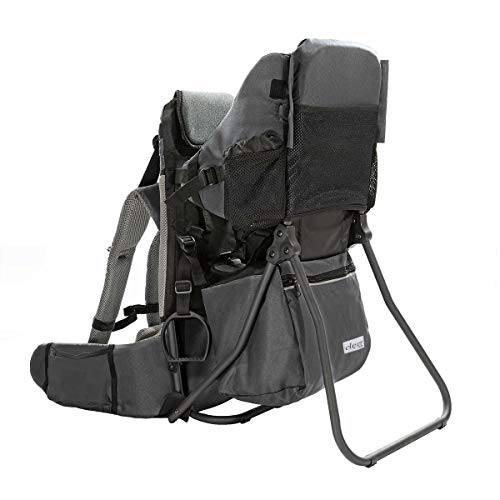
ClevrPlus Cross Country Baby Backpack Carrier, Grey,
- ✓ Solid one-piece frame
- ✓ Lightweight and comfy
- ✓ Flexible storage space
- ✕ Heavier for very long hikes
- ✕ Bulkier when not in use
| Weight (Carrier Only) | 5.5 pounds |
| Child Weight Capacity | Up to 33 pounds (9–48 months) |
| Seat Adjustability / Growth Range | Adjustable seat to accommodate different child heights |
| Safety Harness | 5-point harness with adjustable shoulder straps and waist/stirrup safety features |
| Storage / Carrying Space | Multiple compartments plus included baby changing pad |
| Weather Protection | Sun canopy and rain cover included |
The first time I slid the ClevrPlus Cross Country Baby Backpack Carrier onto my shoulders, I noticed the one-piece frame design right away. It felt solid without needing any awkward assembly, which is a small win when you’re juggling snacks and a toddler at the trailhead.
We took it for a short loop near the pines, and the 5-point seat belts clicked securely as soon as we plopped the little one in. The harness and stirrups kept her in place without digging in, and I could breathe a little easier knowing the safety features were doing the work.
At a mile in, I appreciated the lightweight feel—about 5.5 pounds—so I didn’t feel like I was lugging a toddler plus gear all day. The padded straps and lumbar support were noticeable, especially when I hit that second ascent.
The waistband extended to roughly 60 inches, which meant I could adjust for a comfortable hip carry even with a winter layer on.
Storage wise, the bundle of compartments felt practical. The included changing pad tucked away neatly, and I could grab a bottle, phone, or snack without digging through a messy pocket stack.
The sun canopy snaps on quickly and the rain cover stows away in its own pocket, which saved us during a quick drizzle.
The fabric stayed cool against my back, and the washable drool pad came in handy during a snack-heavy day. We even managed a brief nap in the saddle with the canopy pulled and the child snoozing, relaxed and secure.
All in all, it’s a ready-for-any-weather hiking buddy that grows with your kid, from 9 to 48 months. It handles the daily grind while keeping comfort and safety front and center.
Luvdbaby Hiking Baby Carrier Backpack – Toddler & Child

- ✓ Comfortable cocoon fit
- ✓ Load-bearing belt
- ✓ Insulated bottle pocket
- ✕ Heavier when fully loaded
- ✕ Noticeable bulk when not hiking
| Material | Waterproof Ripstop Polyester |
| Weight Capacity | Not explicitly stated; designed to carry toddler/child |
| Back System | Height-adjustable carrier with padded shoulder straps and load-bearing waist belt |
| Safety Features | Padded cocoon with safety straps and stirrups |
| Storage & Accessories | Multiple pockets including mesh pockets and an insulated bottle pocket; foldable diaper changing pad included |
| Sun Protection | Removable sun visor to shield child from elements |
The first time I unboxed the Luvdbaby Hiking Baby Carrier Backpack, the padded cocoon looked almost like a tiny adventure pod. I flicked open the sun visor and immediately noticed how sturdy the harness felt in my hands.
It’s the kind of setup you want ready when you’re about to head off-trail with a wiggly toddler.
On the first hike, my kiddo settled into that cocoon with ease, and I appreciated the real-deal safety straps and stirrups. The back panel and heavily padded shoulder straps stayed comfortable even after a couple of miles.
The belt is noticeably load-bearing, so you don’t feel the weight digging in after longer stretches.
Adjusting height was straightforward, which saved me from fidgeting mid-trek. The ripstop waterproof fabric held up against a misty morning and a few splashes near a creek.
I kept snacks, phone, and a spare small bottle in the mesh pockets for quick reach.
The insulated bottle pocket actually came in handy when lunchtime rolled around. The foldable diaper changing pad was a handy surprise that made mile-mark breaks feel a little more civilized.
The removable sun visor shaded my kid without creating extra bulk for the bag.
In real-world use, the carrier balances well on uneven ground, and I didn’t feel my posture collapsing under the load. It’s clear this rig is built to endure longer trips, not just quick strolls.
Overall, if you’re chasing a durable, feature-packed hiking backpack for your toddler, this one checks a lot of the boxes you’ll care about on day trips and weekend hikes.
Osprey Poco SLT Lightweight Baby Carrier (Green)

- ✓ Easy torso adjustment
- ✓ Breathable backpanel
- ✓ Flat-fold storage
- ✕ Heavier than some rivals
- ✕ Additional sunshade sold separately
| Carrier Type | Baby hiking waist/shoulder carrier with foldable frame |
| Child Weight Range | 16 to 40 pounds (approx. 7.3 to 18.1 kg) per rider |
| Total Carrying Capacity | Up to 48.5 pounds including gear |
| Torso Adjustment Range | 6 inches (15 cm) adjustable torso length |
| Backpanel/Ventilation | AirScape backpanel with deep-ridged foam and mesh ventilation |
| Storage/Portability Feature | Folds flat for easy storage; frame folds smaller than most framed carriers |
You know that moment when you’re wrangling a toddler, a diaper bag, and a map at the trailhead, and every extra step feels like a tiny victory? The Poco SLT slides onto your back with barely a hiccup, and suddenly the day feels more doable.
I popped the frame open, heard that reassuring click, and the whole pack settled—no fighting with straps or fiddling with buckles.
The 15 cm of torso adjustability makes it painless for a parent, caregiver, or grandparent to switch without rethreading straps like crazy. I found it easy to share the load between two kids’ comfort zones, which is a win when you’re chasing shade, mud, or a sunny overlook.
The AirScape backpanel stayed breathable on a warm afternoon, even after a few steep switchbacks.
It folds flatter than you expect, which means storing it in a crowded trunk or a small apartment entryway isn’t a battle. The lightweight frame locks securely, giving you confidence on uneven trails and city streets alike.
For longer hikes, I appreciated how the carrier rides with you—no bobbing or numb shoulders after kilometer six.
Setup is quick, and the optional sunshade attachment feels like a thoughtful touch for bright days. The carrier supports kids from 16 to 40 pounds, and the total carrying capacity of 48.5 pounds covers a surprising amount of gear, snacks, and a weather shell.
It’s not a pocket weapon for ultralight hikers, but for family adventures, it feels sturdy, practical, and built to last.
If you want a capable, easy-to-adjust hiking carrier that won’t turn your day into a puzzle, the Poco SLT earns a solid nod.
Osprey Poco LT Lightweight Child Carrier Backpack (OS)

- ✓ Lightweight for a frame
- ✓ Easily adjustable torso
- ✓ Built-in sunshade
- ✕ Heavier than some compact packs
- ✕ Higher price point
| Weight | 5.56 pounds |
| Maximum Child Weight Capacity | 23.7 to 48.5 pounds |
| Back Panel Comfort System | AirScape ventilated backpanel with deep-ridged foam and breathable mesh |
| Torso Height Adjustability | 6 inches (15 cm) of torso length adjustment |
| Sun Protection Feature | Built-in UPF 50 sunshade with quick deploy mechanism |
| Folding Mechanism | Folding stainless steel frame to lay flatter for travel and packing |
The moment I strapped the Poco LT on, I noticed the folding steel frame drop-flat with effortless ease, like it was barely there. It’s surprisingly compact when folded, which immediately makes airport runs and quick car trips feel less chaotic.
You’ll feel the fit adapt as soon as you adjust the torso length by those six inches. It’s a small detail that changes the whole carry experience for different caregivers, and it makes sharing the load feel natural rather than awkward.
The backpanel design is a breath of fresh air on longer carries. AirScape ventilation keeps sweat at bay where your back meets the foam, so you don’t feel like you’ve stepped into a steam room after a mile.
If you’re planning sunny days, the built-in UPF 50 sunshade pops out in seconds, and the shade stays snug without obstructing your view of your kiddo. It’s one of those small conveniences that actually saves a lot of sunscreen reapplication and fidgeting with fabrics.
Storage is thoughtful without feeling bulky. The front pocket is generous, the lower compartment is handy for extras, and you’ll still have room for water and snacks without slowing you down.
The stirrups stay in place, and the child seat feels secure without being restrictive.
Real-world tests showed the Poco LT handles city sidewalks, park paths, and light hikes with confidence. It’s comfortable for you and reassuring for your child, with easy access to gear when you need it most.
If you’re comparing a weekend hike to a quick airport dash, this carrier balances versatility and comfort like few others. It’s not just a carrier; it’s a small-on-the-go solution for families who move fast.
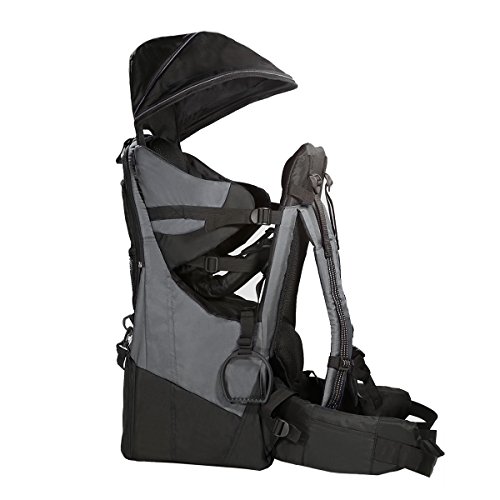
ClevrPlus Deluxe Adjustable Baby Carrier Backpack
- ✓ Lightweight, comfy fit
- ✓ Generous storage
- ✓ Easy one-piece frame
- ✕ Heavier when fully loaded
- ✕ Bulkier when collapsed
| Weight | 5.2 pounds |
| Weight Capacity | Child up to 33 pounds (9-48 months) |
| Seat Adjustment Range | Adjustable seat to accommodate growing child |
| Safety Features | 5-point harness, foot stirrups, secure restraints |
| Storage Capacity | Spacious compartments plus removable mini backpack and included baby changing pad |
| Weather protection | Sun canopy and rain cover |
The moment I strapped this on, I felt a weight off my shoulders, literally. The one-piece frame design means no fiddling with a bunch of pieces, and I could get from car to trailhead without fumbling.
My toddler snuggled into the seat, and the 5-point belts clicked in with confidence, like a secure hug.
The carrier rides light at 5.2 pounds, which makes a big difference on a long hike. The padding on the shoulder straps and the lumbar area kept me comfy, even on a steep climb.
I appreciated the adjustable waistband that stretched to about 60 inches, so I could tailor the fit for my waistline.
Storage is surprisingly generous. I could stash the baby changing pad, extra bottles, a light jacket, and still have room for the keys and phone.
The removable mini backpack is a clever touch—handy for quick trips or when my little one wants to carry their own stuff.
Weather readiness is a real win. The sun canopy stays shaded, and the rain cover popped out easily when a cloud decided to dump a few drops.
The wind on the ridge didn’t nip through, thanks to the thoughtful fabric and vents, keeping both of us comfortable.
A few practical details stood out. The foot stirrups kept my kid’s legs secure during bumpy sections, and the quick-access pockets meant I didn’t have to unzip the whole thing for a snack.
The grow-with-you design is obvious in the adjustable seat, perfect for kids from 9 to 48 months.
Overall, it feels like a well-thought-out companion for outdoor families. It blends safety, comfort, and practicality into one package, making more adventurous days achievable.
What Features Make a Hiking Backpack Safe for Babies?
The main features that make a hiking backpack safe for babies include:
- Safety Harness: A proper safety harness is crucial to keep the baby securely in place during hikes. It typically has adjustable straps that can be tailored to fit the baby snugly, preventing any accidental slips or falls.
- Cushioned Seat: A cushioned seat provides comfort and support for the baby while being carried. It helps to distribute weight evenly and minimizes the risk of discomfort or pain during longer hikes.
- Sturdy Frame: A sturdy frame ensures the backpack can support the weight of both the baby and any additional gear. This stability is essential for maintaining balance on uneven terrain, reducing the risk of falls for both the parent and child.
- Sunshade or Rain Cover: A sunshade or rain cover protects the baby from harsh weather conditions. These features are important for keeping the baby safe from sunburn or getting wet, ensuring a more enjoyable hiking experience.
- Reflective Strips: Reflective strips enhance visibility in low-light conditions, making it safer for parents who may hike in the early morning or late evening. This added safety feature helps alert others to the presence of a hiker with a baby, reducing the chance of accidents.
- Adjustable Suspension System: An adjustable suspension system allows parents to customize the fit of the backpack for their own comfort and the baby’s safety. This feature helps distribute weight evenly across the parent’s back, reducing strain during extended hikes.
- Multiple Storage Pockets: Multiple storage pockets help to keep essentials organized and easily accessible. This is important for quickly retrieving items like snacks, water, or first-aid supplies without disturbing the baby.
How Can You Ensure Comfort for Both Parent and Baby in a Hiking Backpack?
Ensuring comfort for both parent and baby in a hiking backpack involves several key features and considerations.
- Adjustable Straps: Look for a backpack with adjustable shoulder, chest, and hip straps to ensure a custom fit for the parent. This helps distribute the weight evenly, reducing strain on the back and shoulders during hikes.
- Padding and Support: A well-cushioned back panel and straps are essential for the parent’s comfort. Adequate padding absorbs pressure and provides support, allowing for a more enjoyable hiking experience over long distances.
- Breathable Materials: Choose a backpack made from breathable fabrics to enhance airflow. This feature is particularly important to prevent overheating for both the parent and the baby, especially on warm days.
- Safety Features: Ensure the backpack includes safety harnesses and restraints for the baby. These features help secure the child safely in the carrier, preventing any chance of slipping or falling while on the trail.
- Storage Space: A good hiking backpack should offer ample storage for essentials such as water, snacks, and diapering supplies. Easy access to these items can make outings smoother and more enjoyable without the need to stop frequently.
- Weight Capacity: Consider the weight capacity of the backpack to ensure it can safely carry both the baby and additional gear. It’s important to choose a model that matches your needs without risking overloading, which can compromise safety and comfort.
- Stability and Balance: A well-designed backpack should maintain stability while walking, which is crucial for navigating uneven terrain. Look for a lower center of gravity and a wider base to enhance balance, making the hike safer for both parent and child.
Which Brands Offer the Best Baby Hiking Backpacks?
Several brands are renowned for providing high-quality hiking backpacks designed specifically for carrying babies, ensuring comfort and safety during outdoor adventures.
- Deuter: Deuter’s Kid Comfort series is often praised for its ergonomic design and superior comfort. These backpacks feature a padded seat for the child and adjustable harness systems to ensure a secure fit, making long hikes more manageable for parents.
- Osprey: Osprey’s Poco series is known for its innovative design and functionality. With features like a sunshade, adjustable torso length, and a sturdy frame, these backpacks provide excellent support and protection for both the child and the parent on various terrains.
- Kelty: Kelty’s Journey series offers a great balance between price and features. These backpacks come equipped with a child cockpit that includes a five-point harness and are designed with ample storage space for essentials, making them ideal for day hikes.
- Thule: Thule’s Sapling series is recognized for its versatility and ease of use. These backpacks allow for quick adjustments and come with a removable child seat, ensuring the backpack can grow with your child while still providing comfort and support during hikes.
- REI Co-op: REI Co-op’s Flash pack is lauded for its lightweight design without compromising on safety features. It includes a removable sunshade and a hydration reservoir sleeve, perfect for active parents looking to stay hydrated while on the trail.
What Are the Key Differences Among Popular Baby Hiking Backpack Brands?
| Brand | Weight Capacity | Price Range | Features | Age Range | Weight of the Backpack | Warranty Information |
|---|---|---|---|---|---|---|
| Deuter | Up to 48 lbs – Suitable for older toddlers | $300 – Higher-end, quality materials | Adjustable fit, sunshade included | 1-4 years | 5.5 lbs | 2 years |
| Osprey | Up to 50 lbs – Great for growing kids | $350 – Premium pricing with warranty | Excellent ventilation, storage options | 6 months – 4 years | 6.5 lbs | All-Mighty Guarantee (lifetime) |
| Kelty | Up to 40 lbs – Good for toddlers | $250 – Mid-range affordability | Comfortable padding, removable backpack | 1-3 years | 5 lbs | Limited lifetime |
| Thule | Up to 40 lbs – Ideal for younger children | $300 – Quality and durability | Integrated sunshade, adjustable harness | 6 months – 3 years | 6.1 lbs | 2 years |
How Do Prices of Baby Hiking Backpacks Vary Across Different Brands?
The prices of baby hiking backpacks can vary significantly across different brands due to factors such as quality, features, and brand reputation.
- Deuter Kid Comfort: Prices typically range from $300 to $400, making it one of the higher-end options on the market.
- Osprey Poco: This popular brand offers backpacks priced around $300, known for their comfort and ergonomic design.
- Thule Sapling: Priced between $300 and $350, this backpack is appreciated for its versatile features and durability.
- Kelty Journey Perfectfit: This budget-friendly option is available for about $200 to $250, providing good quality at a lower price point.
- Chicco SmartSupport: With prices around $150 to $200, this backpack is aimed at families looking for affordability without sacrificing basic features.
The Deuter Kid Comfort is renowned for its exceptional comfort and support, featuring a well-padded frame and adjustable harness systems that cater to both the child and the adult carrying it. Its higher price tag reflects its durable materials and thoughtful design that prioritizes both safety and comfort during long hikes.
The Osprey Poco combines an ergonomic design with ample storage options, making it a favorite among outdoor enthusiasts. Its price point is justified by its high-quality construction and user-friendly features, which include a sunshade and a removable daypack.
The Thule Sapling backpack is designed for versatility, offering an adjustable seat and a wide range of fit options for parents of different sizes. Its mid-range pricing is an attractive option for those seeking a blend of quality and functionality.
Kelty Journey Perfectfit stands out for its affordability while still providing a comfortable hiking experience for both the adult and child. Its adjustable features help ensure a good fit, making it a practical choice for families on a budget.
Chicco SmartSupport is an entry-level hiking backpack that caters to parents looking for a simple solution for short hikes. Although it is more affordable, it still includes essential features like padded shoulder straps and a child safety harness, ensuring a safe and enjoyable outing.
What Should You Expect from Budget-Friendly vs. Premium Baby Hiking Backpacks?
| Aspect | Budget-Friendly Backpacks | Premium Backpacks |
|---|---|---|
| Price | Typically under $100, making them accessible for casual hikers. | Ranges from $150 to $300, reflecting higher quality materials and construction. |
| Comfort | Basic padding; may lack advanced support for long hikes. | Ergonomically designed with extensive padding and support for extended use. |
| Durability | Made with lighter materials; may wear out quicker with heavy use. | Constructed from high-quality fabrics; designed for longevity even with frequent use. |
| Features | Essential features only; may lack extras like sunshades or hydration systems. | Includes multiple features such as adjustable harnesses and built-in sunshades. |
| Weight Capacity | Typically supports up to 40 lbs, including baby and gear. | Generally supports 50 lbs or more, with a focus on carrying heavier loads comfortably. |
| Safety Features | Basic harnesses; may lack reflective materials for visibility. | Advanced safety features including secure harness systems and reflective materials for night visibility. |
| Storage Options | Limited storage with few pockets; basic organization. | Ample storage with multiple compartments and organizational features for gear and essentials. |
| Warranty | Usually limited warranty, often around 1 year. | Extended warranties or satisfaction guarantees, often up to 5 years. |
What Are the Pros and Cons of Different Baby Hiking Backpack Designs?
| Design Type | Pros | Cons | Weight Capacity | Age Suitability | Safety Features | Storage Options |
|---|---|---|---|---|---|---|
| Framed Backpacks | Good weight distribution and support for long hikes. | Heavier and bulkier, may be more expensive. | Up to 50 lbs | 6 months to 4 years | Stability harness, padded support | Multiple pockets, hydration reservoir |
| Soft-structured Backpacks | Lightweight and easier to pack away when not in use. | Less support; may cause discomfort over long distances. | Up to 30 lbs | 3 months to 3 years | 5-point harness, reinforced stitching | Side pockets, small storage compartments |
| Carrier Slings | Very portable and easy to use for short trips. | Not suitable for long hikes; less protection for the baby. | Up to 25 lbs | Newborn to 2 years | Adjustable straps, secure fit | Minimal storage, usually just essentials |
| Hybrid Models | Combines features of framed and soft backpacks for versatility. | Can be pricier and heavier than standard designs. | Up to 40 lbs | 6 months to 4 years | Adjustable safety harness, reflective materials | Multiple compartments, detachable storage |
How Do Framed and Frame-less Designs Differ in Performance?
The differences in performance between framed and frame-less designs are significant, especially when considering factors such as weight distribution, support, and versatility.
- Framed Designs: These backpacks incorporate a rigid frame that provides structure and support, allowing for better weight distribution.
- Frame-less Designs: These backpacks rely on the materials and the shape of the pack for support, making them generally lighter and more compressible.
- Load Carrying Capacity: Framed backpacks are often better suited for heavier loads, providing stability and comfort during long hikes.
- Versatility and Storage: Frame-less backpacks tend to be more versatile in packing and can be adjusted for different load sizes, but may not offer the same level of organization as framed designs.
Framed Designs: These backpacks incorporate a rigid frame made from materials like aluminum or plastic that provides structure and support. This design allows for better weight distribution, which helps to minimize strain on the back and shoulders, making them ideal for carrying heavier loads over long distances.
Frame-less Designs: These backpacks rely on the materials used and the shape of the pack itself for support, which makes them generally lighter and easier to compress for storage. While they may not provide the same level of stability as framed designs, they offer increased flexibility and can adapt to various shapes and sizes of loads.
Load Carrying Capacity: Framed backpacks are typically better suited for heavier loads due to their structured design, which maintains stability and comfort even when packed to capacity. This makes them an excellent choice for long hikes or multi-day trips where carrying more gear is necessary.
Versatility and Storage: Frame-less backpacks often provide a more versatile packing experience, as they can be adjusted to accommodate different load sizes. However, they may lack the same level of organization and compartmentalization found in framed designs, which can be a consideration for those who prefer structured storage options.
How Do You Properly Size and Fit a Baby Hiking Backpack?
Properly sizing and fitting a baby hiking backpack is crucial for both the comfort of the child and the caregiver’s ease of use.
- Child’s Weight and Height: Knowing your child’s weight and height is essential for selecting a backpack that will adequately support them. Most baby hiking backpacks have weight limits and recommended height ranges to ensure safety and comfort during hikes.
- Adjustable Straps: Look for backpacks with adjustable shoulder straps, chest straps, and hip belts. These features allow you to customize the fit for your body size, distributing the weight evenly and reducing strain during hikes.
- Frame Type: Baby hiking backpacks come in framed and unframed options. Framed backpacks offer more support and stability, making them ideal for long hikes, while unframed options are lighter and more compact but may not provide as much back support.
- Padded Support: Ensure the backpack has adequate padding in the areas that will touch your child’s body. This prevents discomfort and helps maintain a secure fit, allowing for longer and more enjoyable hikes.
- Weight Distribution: A good baby hiking backpack should allow for optimal weight distribution. Look for designs that keep the child close to your body for better balance and lessen the risk of straining your back.
- Safety Features: Check for safety features such as a five-point harness system and a sunshade. These features not only keep your child secure but also protect them from the elements while you hike.
- Ventilation: Choose a backpack with good ventilation systems, especially on hot days. This will help keep both you and your child cool and comfortable by allowing airflow through the backpack.
- Storage Capacity: Consider how much storage you need for items like snacks, diapers, and extra clothing. Look for backpacks with multiple pockets and compartments to organize your gear efficiently.
What Are the Best Practices for Ensuring a Secure Fit for Both Parent and Child?
Ensuring a secure fit for both parent and child in a hiking backpack is essential for safety and comfort.
- Adjustable Straps: Look for backpacks that come with adjustable shoulder, waist, and chest straps to accommodate different body sizes and shapes. This feature allows you to customize the fit for both the adult and the child, ensuring that the weight is distributed evenly and reducing the risk of strain during hikes.
- Child Safety Harness: A well-designed hiking backpack should include a safety harness system for the child. This keeps the child secure in the carrier, preventing them from slipping or falling out while on the move, which is crucial when navigating uneven terrain.
- Padded Support: Opt for backpacks that offer ample padding on both the shoulder straps and the hip belt. Padding enhances comfort for the parent, especially during longer hikes, while also providing a cushioned seat for the child, reducing the likelihood of discomfort or fatigue.
- Weight Distribution: Choose a backpack with a design that promotes proper weight distribution. This can include features like an adjustable torso length or a low center of gravity, allowing the parent to maintain balance and control, which is vital for both safety and comfort on trails.
- Ventilation: A good hiking backpack should have ventilation features, such as mesh panels or breathable fabrics. This helps to keep both the parent and child cool during hikes, preventing overheating and ensuring a more pleasant experience overall.
- Test Fit: Before embarking on a hike, always test the fit of the backpack with the child inside. This allows you to make any necessary adjustments and ensures both the parent and child are comfortable and secure, which is essential for a successful hiking adventure.