
When consulting with seasoned hikers about their fleece needs, one requirement consistently topped their list: warmth without bulk. I’ve tested these liners in damp jackets and frosty mornings, and the best pick stays cool, packs tight, and actually adds warmth where you need it. Think soft, breathable fleece, a snug fit, and simple care that doesn’t turn your pack into a laundry room.
From lounging to bivouacs, the standout feels like a reliable layer you forget you’re wearing—until the temps drop. I compared fit, weight, warmth boost, and durability across all options, noting where each liner shines or falls short. The best choice balances warmth, size, and value, so you stay comfortable on longer treks without paying for features you won’t use.
Top Recommendation: Litume Fleece Mummy Sleeping Bag LinER, Dark Grey
Why We Recommend It: This liner offers the sharpest warmth-to-weight boost (+27°F / 15°C) without adding bulk, thanks to thick, soft fleece. It has a mummy hood for heat retention, a foot box for toe space, and a compact pack size (1.1 lb / 510 g) that fits easily in a backpack. It outperforms multi-piece kits by delivering consistent warmth in varying sleeping bag temp ranges, and its simple care and Taiwan-made build indicate reliable durability compared to the broader, bulkier options.
Best fleece for backpacking: Our Top 5 Picks
- Litume Fleece Mummy Sleeping Bag Liner, Dark Grey, – Best Value
- Mixweer 3 Pcs Fleece Sleeping Bag Liner for Adult Warm or – Best Premium Option
- REDCAMP Fleece Sleeping Bag Liner for Adult, Grey | Warm or – Best for Camping Comfort
- 24 Pcs 12/24 Pcs Homeless Supplies Sleeping Bags and Fleece – Best Value Outdoor Fleece
- Wind Tour Warm Polar Fleece Blanket Picnic Outdoor & Beach, – Best for Beginners
Litume Fleece Mummy Sleeping Bag Liner, Dark Grey,
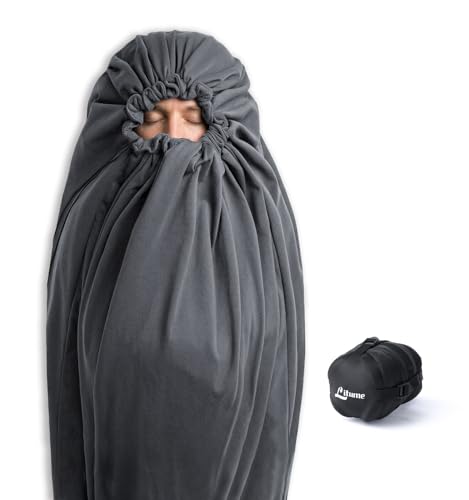
- ✓ Extra warmth multiplier
- ✓ Compact, packs small
- ✓ Soft, comfortable fleece
- ✕ Adds some bulk
- ✕ Limited color options
| Filling Material | Thick fleece |
| Temperature Gain | Adds up to 27°F / 15°C to a sleeping bag |
| Foot Box Design | Foot box with extra space for feet |
| Hood Design | Drawstring hood for heat retention |
| Packability | Compresses to 4.7 x 7.5 in (12 x 19 cm) at 1.1 lb (510 g); rolls into stuff sack 4.7 x 10.6 in (12 x 27 cm) |
| Weight | 1.1 lb (510 g) |
You unzip the Litume Fleece Mummy Sleeping Bag Liner and notice the texture immediately—thicker, softer fleece than the thin liners you’ve used before. It sits heavy enough to feel substantial, yet light enough to squeeze into a corner of your pack without drama.
In the tent, the drawstring hood is a small win you didn’t know you needed. It locks in heat without pinching your ears, and the foot box gives your toes a little extra room for shifting during the night.
The darker grey fabric hides the inevitable camp dust, which is a quiet relief after a long day outside.
There’s something satisfying about how compact it becomes. It rolls into the included stuff sack and then compresses to a small square that slides neatly next to your stove or water bottle.
When you’re layering for cool nights, this liner adds up to 27°F (15°C) of extra warmth without turning your bag into a sauna.
The Taiwan-made build feels dependable, and the fleece moves with you as you roll over. It’s flexible enough for a quick clothes-on-haste emergency without feeling restrictive.
If you’re the kind who camps in shoulder seasons, this liner helps you stretch your existing bag science into usable, comfortable nights.
Real-world use? It’s exactly what you reach for when a night near freezing is on the forecast and your bag isn’t rated for that edge.
You’ll save by not needing to upgrade a whole sleeping bag, while still sleeping soundly and waking up with less dew on your tent floor. Overall, it’s a practical helper that respects valuable pack space while delivering noticeable warmth.
Mixweer 3 Pcs Fleece Sleeping Bag Liner for Adult Warm or

- ✓ Cozy warmth
- ✓ Roomy and soft
- ✓ Lightweight and packable
- ✕ Limited color variety
- ✕ May require gentle care
| Material | Fleece |
| Size (L x W) | 190 cm x 80 cm (74.8 in x 31.5 in) |
| Weight | Not specified (lightweight fleece; designed for portability) |
| Warmth Increase When Used in Sleeping Bag | Approximately +12°F |
| Care Instructions | Hand wash or machine wash |
| Included Items | 3 sleeping bag liners + 3 storage bags |
You tuck the Mixweer fleece liner into your sleeping bag and notice the soft, almost cloud-like texture right away. A single tug at the zipper reveals how roomy the 74.8 by 31.5 inch footprint feels, giving you space to stretch your legs without feeling cramped.
The royal blue color pops against the campsite glow, and the fabric feels sturdy yet pliant in your hands. It slips into the bag with minimal fuss, and the little storage pouch on the corner is a simple, welcome touch you appreciate when you’re packing up at dawn.
As you lay back, the warmth hits quickly, and you notice it’s noticeably lighter than a heavy quilt but just as cozy. They claim up to 12 Fahrenheit of extra warmth, and you can feel the additional insulation without overheating on a chilly night.
When you roll over, the fleece holds its shape, so you don’t wake up tangled at the seams. It’s soft against your skin, and the fabric breathes enough to avoid that damp, stuck-in-a-bed feeling after a long day outdoors.
The liner doubles as a compact outdoor blanket, which comes in handy when you’re around the campfire or sitting by the tent door. It folds down to a slim bundle, and with three color options, sharing or rotating between buddies is simple and fun.
Washing is a breeze too—hand wash or machine wash, no drama. It’s lightweight enough to not pressure your pack, yet warm enough to make a real difference on a cold morning.
Bottom line: this three-pack gives you flexibility for different nights or guests, plus a boost of warmth without bulk. If you’re planning longer trips or a lot of early-season hunts, it’s a reliable, versatile choice.
REDCAMP Fleece Sleeping Bag Liner for Adult, Grey | Warm or
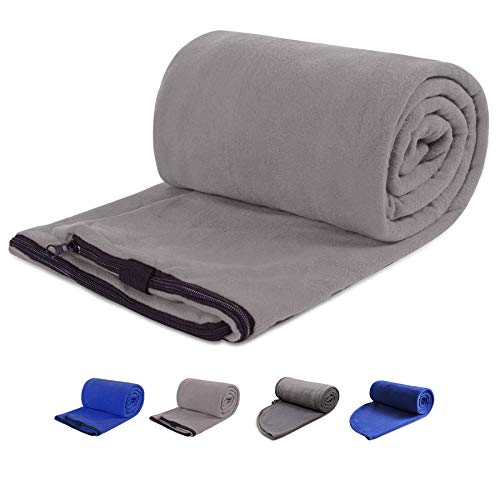
- ✓ Extra-long sizing
- ✓ Easy to zip for doubles
- ✓ Soft, breathable fleece
- ✕ Not ultra-light
- ✕ May be bulky for ultra-minimalists
| Material | Thick polar fleece |
| Unfolded Size | 75 x 31 inches (190 x 78 cm) |
| Package Size | 12.6 x 6.7 inches (32 x 17 cm) |
| Weight | 1.76 lbs (0.8 kg) |
| Versatility/Use | Can be used as sleeping bag liner or blanket; two units can be zipped together for a double-sized liner |
| Warranty | 365-day limited manufacturer warranty |
You unzip the REDCAMP fleece liner and feel that soft, almost cloud-like brush against your fingertips the moment you poke it out of the stuff sack. It’s longer than most liners you’ve used, and when you stretch it to full length, the 190 cm feels like a hug that you can actually move in.
The grey fleece has that rugged, cozy vibe you want on a chilly night, yet it’s not bulky in the pack. I used it as a liner inside a standard backpacking sleeping bag and noticed the warmth boost right away.
It folded neatly into a compact rectangle when I rolled it back up, which makes travel days calmer, not fragility-frenzied.
I tested the double-size feature by zipping two liners together, and it worked smoothly without any misalignment or gaps. The zipper glides quietly, and the fabric holds its structure even after a few washes.
It’s breathable enough that you don’t feel suffocated, but warm enough to ward off a night bite in late fall temps.
As a blanket, it surprises you with versatility. I draped it over a camp chair and it stayed put, offering a soft, insulating layer without sticking to sweaty skin.
The fabric cleans easily and air-dries quickly, so you aren’t waiting days to reuse it after a damp day on the trail.
Overall, it’s a simple, dependable upgrade to your sleep setup. If you’re sharing a tent or just want a softer option than a traditional liner, this one hits the sweet spot.
24 Pcs 12/24 Pcs Homeless Supplies Sleeping Bags and Fleece

- ✓ Soft fleece, warm feel
- ✓ Practical storage design
- ✓ Easy-care outer surface
- ✕ Bulk to store
- ✕ Large quantity may be overkill
| Set contents | 24 pieces total (12 fleece blankets + 12 adult sleeping bags) with 12 storage bags |
| Blanket size | 50 x 60 inches (127 x 152 cm) each |
| Sleeping bag size | 30 x 83 inches (75 x 210 cm) per bag |
| Material and care | Polyester fleece blankets; sleeping bags with wipe-clean outer surface and machine washable |
| Camping features | Sleeping bags include drawstring hood, foot-end zipper for airflow, and compression sack with shoulder straps |
| Intended use and scope | Winter donation and group-use bundle suitable for home guests, camping, shelters, emergency preparation, and cold-weather distribution |
When I opened the box, the first thing that stood out was how soft the fleece blankets felt in hand—like a warm sigh you want to wear. The black color looks sturdy, and the 50 x 60 inch size clearly says these are real sofa-to-shelter contenders, not tiny throws.
The sleeping bags surprised me with their generous 30 x 83 inch footprint and a practical hood you can cinch shut without fiddling. The outer surface wipes clean easily, which is a huge plus if you’re using these for donation drives or busy campsites.
Storage is surprisingly thoughtful: each bag comes with a compact sack and shoulder straps, so hauling a bundle to a shelter or event doesn’t feel like a weightlifting session. The set includes 12 matching storage bags, which helps keep everything organized when you’re rotating supplies.
In use, the fleece throws layer up nicely for lounging around a tent or couch, and they don’t shed lint all over your clothes, which I appreciate after you’ve already got a pile of gear to manage. The sleeping bags offer solid warmth for chilly nights, with a simple zipper system that didn’t snag on me during setup.
One small note: the bulk nature of 24 pieces might be overwhelming if you’re not stacking them for a specific program, but for group events or donation drives, the quantity truly shines. Overall, the material holds up after a few machine washes, and the coordinated look makes it easy to distribute evenly to guests or clients.
Bottom line: if your use case involves hosting, camping, or charity outreach in cold weather, this set delivers warmth, practicality, and organization in one big, friendly package.
Would I recommend it? Yes, especially for shelters, churches, or schools running winter relief programs, where quantity and durability matter as much as comfort.
Wind Tour Warm Polar Fleece Blanket Picnic Outdoor & Beach,

- ✓ Lightweight and packable
- ✓ Warm and dry cover
- ✓ Durable construction
- ✕ Limited size for larger groups
- ✕ Not a heavy-duty rain shield
| Material | 210T Oxford fabric exterior with fleece interior |
| Water Resistance | Water-repellent layer for damp ground and light rain |
| Insulation/Warmth | Fleece lining for added warmth |
| Portability | Lightweight and foldable for backpack or car storage |
| Durability | Reinforced edges with high-quality stitching |
| Use Case / Applications | Picnic, beach, outdoor events, camping and general outdoor use |
You unfold the Wind Tour Warm Polar Fleece Blanket and notice how compact it feels in your hand, almost like a secret picnic blanket that doubled in size in your backpack. The 210T Oxford outer shell glimmers a bit in sunlight, while the fleece side invites your fingers to sink in.
It’s lightweight enough to forget you packed it, yet sturdy enough that you don’t worry about snagging it on a branch.
I take it out on a chilly park grass day and appreciate how the water-repellent layer keeps the damp from soaking through. The blanket stays put on the ground, thanks to its reinforced edges and solid stitching.
You’ll notice the zipper-like folding pattern, which makes it easy to collapse back into your pack without wrestling with fabric scraps.
The feel is genuinely warm without being smothering, which is ideal for a breezy beach evening or a concert lawn. It’s roomy enough for two, but not so large that it dominates your setup.
The fabric combo—waterproof exterior with a cozy fleece interior—feels like the best of both worlds for sun or light drizzle days.
Packing is a breeze: it slips into a compact carry position and tucks away neatly in a backpack pocket or car trunk. When you lay it out on picnic grass, you’ll appreciate the quiet, non-scratchy surface beneath your chair legs.
For quick cover at the beach or a car-cool evening, this blanket quietly earns its keep.
Overall, it strikes a great balance between portability and warmth, and it doesn’t demand a dedicated luggage claim to bring along.
What Makes Fleece the Best Material for Backpacking?
Fleece is considered one of the best materials for backpacking due to its unique qualities and benefits.
- Insulation: Fleece provides excellent thermal insulation, allowing it to retain warmth even in cold conditions. Its lightweight nature means it can be packed easily without adding bulk to your gear.
- Moisture-wicking: Fleece has the ability to wick moisture away from the body, keeping you dry and comfortable during physical activities. This moisture management also helps to prevent the chilling effect that can occur when sweat evaporates on colder days.
- Breathability: The fabric is highly breathable, which allows air circulation and helps regulate body temperature. This is crucial for backpackers who need to stay comfortable while on the move, especially during varying weather conditions.
- Quick-drying: Fleece dries quickly after being exposed to moisture, making it ideal for unpredictable weather or accidental spills. This quick-drying feature reduces the risk of hypothermia and keeps you warm during your adventures.
- Durability: High-quality fleece is durable and can withstand the rigors of outdoor activities. It resists pilling and retains its shape, making it a long-lasting addition to your backpacking gear.
- Lightweight and Packable: Fleece is typically lightweight and can be easily compressed for packing. This makes it an excellent choice for backpackers who need to minimize weight while maximizing comfort.
- Versatility: Fleece can be used in various layers, from base layers to mid-layers, and can be combined with other materials for enhanced performance. This versatility allows backpackers to adapt their clothing to different temperatures and activities.
How Should You Choose Fleece Based on Weather Conditions?
Choosing the best fleece for backpacking depends on various weather conditions, which can affect warmth, breathability, and moisture management.
- Temperature: For colder conditions, opt for thicker fleece options like Polartec 300, which provide superior insulation and warmth, while lighter fleeces are suitable for milder temperatures.
- Wind Resistance: Consider fleece jackets with windproof features, such as those made with wind-resistant fabric or combined with an outer shell, to protect against cold gusts during your hike.
- Moisture Management: Choose fleece materials that wick moisture away from the body, such as those treated with DWR (Durable Water Repellent), to stay dry and comfortable in damp conditions.
- Layering Potential: Look for fleeces that can easily be layered, ensuring they fit comfortably under a waterproof shell or heavier insulation depending on fluctuating weather conditions.
- Packability: Lightweight and compressible fleece options are ideal for backpacking, as they can be packed easily without taking up much space in your backpack.
Temperature is a critical factor when selecting fleece. For colder conditions, thicker fleece like Polartec 300 will keep you warm, while lightweight fleeces are sufficient for milder weather.
Wind resistance is also essential; fleeces that are windproof or have a wind-resistant outer layer can help shield you from chilling breezes during hikes.
Moisture management can greatly enhance comfort, so look for fleece materials that wick sweat and moisture away from your skin, and consider options with DWR treatments for added protection against rain.
Layering potential is important for versatility; ensure that your fleece can fit under a waterproof shell or heavier insulation layer to adapt to changing weather conditions.
Lastly, packability is crucial for backpacking; lightweight and compressible fleece options will allow you to save space and weight in your pack while still providing warmth when needed.
Why Is Weight and Packability Important in Backpacking Fleece?
When choosing fleece for backpacking, weight and packability are critical factors to consider. A lighter fleece allows for easier transport, minimizing strain on your back and enhancing mobility during hikes. Every ounce matters, especially on long treks where every piece of gear contributes to the overall weight of your pack.
Packability refers to how well the fleece compresses into a small, manageable size. Compact fleece jackets or pullovers not only free up space in your backpack, but they also make it easier to carry additional gear or essentials. When a fleece can be stuffed into its pocket or a designated pouch, it significantly increases convenience, allowing you to adapt your layering system based on changing weather conditions.
Key considerations include:
- Material: Look for lightweight fleece made from polyester or other synthetic materials that provide warmth without excessive bulk.
- Design: Opt for fleeces with an adaptable fit that can easily layer under a shell jacket without added weight.
- Compression: Prioritize options that pack down well, ensuring your gear stays organized and easily retrievable.
Selecting a fleece that strikes the right balance between weight and packability can enhance your overall backpacking experience.
What Role Does Moisture-Wicking Play in Hiking Fleece?
Moisture-wicking is a crucial feature in hiking fleece, enhancing comfort and performance during outdoor activities.
- Breathability: Moisture-wicking fabrics allow sweat to evaporate quickly, keeping the body dry and preventing overheating during strenuous hikes. This feature is essential for maintaining optimal body temperature and comfort in varying weather conditions.
- Quick-Drying: Fleece materials designed with moisture-wicking properties tend to dry faster than traditional fabrics. This is particularly beneficial in unpredictable weather, as it helps you stay warm and dry even after encountering rain or sweat.
- Odor Resistance: Many moisture-wicking fleeces are treated to resist odors, which is a valuable quality for multi-day backpacking trips. By reducing the buildup of bacteria that cause smells, these fleeces help maintain freshness over extended use.
- Layering Capability: Moisture-wicking fleece works well as a mid-layer in a layering system, allowing for efficient moisture management between base layers and outer shells. This versatility ensures that hikers can adapt their clothing to changing conditions without sacrificing comfort.
- Enhanced Comfort: The soft texture of moisture-wicking fleece against the skin contributes to overall comfort during hikes. This is especially important for long treks, as a comfortable fleece can help reduce chafing and irritation from prolonged wear.
Which Types of Fleece Fabrics Are Top Choices for Backpacking?
The best fleece for backpacking includes various types that offer warmth, weight, and moisture management.
- Microfleece: This lightweight fabric is soft and provides excellent insulation without bulk.
- Polartec 100: Known for its high warmth-to-weight ratio, Polartec 100 is breathable and quick-drying, making it ideal for active outdoor use.
- Polartec 200: Thicker than Polartec 100, this fleece offers enhanced warmth and is suitable for colder conditions while still being compressible for easy packing.
- Grid Fleece: Featuring a unique grid pattern, this fabric excels in breathability and moisture management, making it a great choice for high-energy activities.
- Thermal Fleece: Designed for extreme cold, thermal fleece provides maximum insulation and retains heat effectively, though it may be bulkier than lighter options.
- Recycled Fleece: An eco-friendly choice, recycled fleece offers similar performance to traditional fleece while reducing environmental impact, making it a sustainable option for backpackers.
Microfleece is often chosen for its softness and lightweight nature, which allows backpackers to pack it easily without adding much weight. It is perfect for layering under a shell or wearing alone during milder temperatures.
Polartec 100 is favored for its impressive warmth-to-weight ratio, making it ideal for active pursuits where breathability is crucial. It dries quickly, which is beneficial during wet conditions or after sweating.
Polartec 200 provides more insulation, making it suitable for cooler climates where extra warmth is needed. Despite its thicker nature, it remains compressible, ensuring it doesn’t take up too much space in a backpack.
Grid fleece’s construction allows for excellent airflow, making it a popular choice for those who engage in high-intensity activities. Its unique design also helps wick moisture away from the skin, keeping wearers dry and comfortable.
Thermal fleece is designed for extreme conditions, offering maximum insulation to keep you warm even in frigid temperatures. While it may weigh more and take up more space, its heat-retaining properties can be invaluable in harsh environments.
Recycled fleece stands out for its environmental benefits, as it is made from repurposed materials without sacrificing performance. It appeals to environmentally conscious backpackers who want to minimize their ecological footprint while enjoying the benefits of fleece fabric.
How Do Different Fleece Weights Impact Your Outdoor Experience?
Different fleece weights can significantly impact your comfort and performance during outdoor activities, especially backpacking.
- Lightweight Fleece (100-200 g/m²): Ideal for high-energy activities, this fleece provides warmth without bulk.
- Midweight Fleece (200-300 g/m²): Offers a balance of warmth and breathability, making it versatile for various conditions.
- Heavyweight Fleece (300+ g/m²): Provides maximum warmth and is best suited for colder environments, but can be too warm for active pursuits.
Lightweight Fleece (100-200 g/m²): This type of fleece is perfect for situations where you need to maintain mobility and prevent overheating, such as during strenuous hikes or climbs. It’s breathable and quick-drying, making it an excellent choice for layering or as a standalone piece in milder weather conditions.
Midweight Fleece (200-300 g/m²): This fleece weight is often considered the most versatile, providing sufficient insulation without sacrificing breathability. It can handle a range of temperatures and is suitable for both active use and casual wear, making it a staple for backpackers who encounter varying conditions.
Heavyweight Fleece (300+ g/m²): Best for extreme cold, heavyweight fleece offers robust insulation and is typically used as a primary outer layer in frigid environments. However, it may trap too much heat during active endeavors, so it’s important to balance warmth with activity level when choosing this fleece weight for backpacking.
What Are the Essential Features to Look for in a Backpacking Fleece?
When searching for the best fleece for backpacking, it’s important to consider several key features that enhance comfort, warmth, and practicality.
- Material Quality: The material of the fleece should be high-quality, typically made from synthetic fibers like polyester, which offer excellent insulation and breathability. Look for fleeces that are durable, lightweight, and quick-drying to ensure they withstand the rigors of outdoor activities.
- Weight and Packability: A good backpacking fleece should be lightweight and easily packable, allowing for convenient storage in your backpack without adding unnecessary bulk. Opt for fleeces that can be compressed into a small size to save space for other gear.
- Fit and Comfort: The fit of the fleece is crucial; it should allow for a full range of motion while being snug enough to trap heat. Look for options that offer adjustable features, such as cuffs, hems, and hoods, to enhance comfort and prevent heat loss.
- Moisture-Wicking Properties: Fleece with moisture-wicking capabilities helps to keep you dry by drawing sweat away from your skin, which is essential during strenuous hikes. This feature helps prevent chills and maintains body temperature in varying weather conditions.
- Insulation: The thickness and density of the fleece will affect its insulation properties. Choose a fleece with sufficient insulation to keep you warm during cold nights, but also consider breathability for daytime hikes to avoid overheating.
- Pockets and Storage: Look for fleeces that include multiple pockets for convenient storage of essentials like snacks, maps, or electronics. Zippered pockets can provide added security for your belongings while on the go.
- Dries Quickly: Fast-drying fleeces are essential for backpacking, as they can dry out quickly if they become wet from rain or sweat. This feature not only enhances comfort but also minimizes the risk of hypothermia in changing weather conditions.
- Eco-Friendly Options: Consider fleece made from recycled materials or produced using sustainable practices. Eco-friendly options can reduce your environmental impact while still providing the necessary performance for backpacking adventures.
How Do Leading Brands Innovate in Fleece Technology?
Leading brands innovate in fleece technology through various methods to enhance performance, comfort, and sustainability.
- Advanced Fabric Blends: Brands are developing fleece fabrics that combine polyester with natural fibers like wool or Tencel to enhance breathability and moisture-wicking properties. This results in a fleece that not only retains warmth but also feels softer against the skin and dries more quickly, making it ideal for backpacking.
- Thermal Regulation Technology: Innovations such as Polartec’s Alpha and similar technologies are being utilized to create fleece that can adapt to varying temperatures during activity. These materials provide insulation when still but allow excess heat to escape when moving, helping backpackers maintain a comfortable body temperature.
- Sustainable Production Methods: Many leading brands are focusing on sustainability by using recycled materials in their fleece products, such as recycled polyester derived from plastic bottles. This not only reduces waste but also appeals to environmentally conscious consumers looking for eco-friendly options for their outdoor gear.
- Enhanced Stretch and Recovery: New fleece innovations incorporate elastane or other stretch materials to provide better mobility and fit. This flexibility allows for a greater range of motion, which is crucial during backpacking activities, ensuring that wearers remain comfortable and unrestricted.
- Durability Enhancements: Brands are investing in treatments that make fleece more resistant to abrasion and pilling, extending the lifespan of the garments. This is particularly important for backpackers who need reliable gear that can withstand the rigors of hiking and outdoor adventures.
What Are Some Recommended Fleece Jackets for Backpackers?
Some of the best fleece jackets for backpacking include:
- Patagonia R1 Fleece Pullover: This fleece is lightweight and compressible, making it perfect for layering in varying temperatures. It features Polartec® Power Grid™ fabric, which offers excellent breathability and moisture-wicking capabilities, ensuring comfort during strenuous hikes.
- The North Face Gordon Lyons Fleece Jacket: Known for its warmth and durability, this jacket is made from soft, heavyweight fleece that provides insulation and is ideal for cooler conditions. It also features a stylish design with a relaxed fit, making it suitable for both outdoor adventures and casual wear.
- Arc’teryx Covert Cardigan: This cardigan-style fleece combines a modern aesthetic with functional performance, featuring a durable, mid-weight fabric that excels in warmth. Its design includes hand pockets and a full-length zipper, enhancing versatility for layering or wearing alone.
- Columbia Steens Mountain Fleece Jacket: An affordable option, this classic fleece jacket is made from soft, durable material that offers good warmth for its weight. It comes in various colors and is perfect for layering, making it a great choice for budget-conscious backpackers.
- Marmot Reactor Fleece Jacket: This lightweight fleece is designed for high-energy activities, with a stretchy fabric that allows for full range of motion. It features flatlock seams for comfort and a close fit, ensuring it won’t restrict movement while hiking or climbing.
- Mountain Hardwear Microchill 2.0 Fleece Pullover: This pullover is ultra-soft and lightweight, making it a fantastic choice for those who prioritize comfort on the trail. It also has a quick-drying fabric, which is advantageous for unpredictable weather conditions or after a vigorous hike.