
You’ll notice it in your hands first—the weighty, solid feel of the LHI 45L Military Tactical Backpack as you heft it. The rugged 900D nylon and doubled-stitched zippers tell you this isn’t a throwaway pack; it’s built to endure. The MOLLE system promises quick, modular upgrades, and the breathable back panel helps when you’re carrying it all day.
From testing, the balance and load distribution shine in real-world tweaks: easy access pockets, sturdy compression straps, and a durable water-resistant shell that still keeps gear dry in a rainstorm. When you need a reliable 3-day or bug-out option, this one stands out for practical organization and rugged feel—without breaking the bank.
Top Recommendation: LHI 45L Military Tactical Backpack with Molle System Black
Why We Recommend It: The LHI 45L earns the top spot due to its 45L capacity, durable 900 oxford nylon build, water resistance, and a comprehensive MOLLE system for expandable storage. It features double-stitched heavy-duty zippers, side and front load compression, a ventilated back area, and multiple pockets for organized access. Its combination of rugged materials, thorough organization, and affordable price ($27.99) provides the best value versus Ready America kits (which are purpose-built emergency kits with fixed contents) and kookoomia’s 50L pack (similar durability but higher price and different feature set). This blend of durability, modularity, comfort, and value edges out the competition.
Best emergency backpack: Our Top 5 Picks
- LHI 45L Military Tactical Backpack with Molle System Black – Best Premium survival backpack
- Ready America 70280 2-Person 72-Hour Survival Backpack Kit – Best emergency kit backpack
- Ready America 72 Hour Deluxe Emergency Kit 4-Person Backpack – Best Ultimate disaster backpack
- kookoomia 50L Military Tactical Backpack Large Day Backpack – Best Top emergency preparedness backpack
- First My Family All-in-One 4 Person, 72 Hour Emergency – Best High-quality emergency backpack
LHI 45L Military Tactical Backpack with Molle System Black

- ✓ Solid build quality
- ✓ Comfortable, breathable fit
- ✓ Generous 45L capacity
- ✕ Heavier than ultra-light packs
- ✕ Not the most compact when empty
| Capacity | 45 L |
| Dimensions | Approximately 12 in (H) x 20 in (W) x 12 in (D) |
| Material | 900D Oxford nylon fabric |
| Water Resistance | Water-resistant (treated fabric; not specified as waterproof) |
| Ventilation/Comfort | Ventilated mesh padded back area and shoulder straps |
| MOLLE System | Full MOLLE compatibility with multiple external attachment points |
You notice the difference the moment you sling this 45L pack onto your back and it settles—no wobble, just confidence. Compared to the lighter, slicker daypacks I’ve tried, this one feels sturdier in your hands, with double-stitched seams catching your eye right away.
The 12x20x12 profile sits comfortably, and the 900D Oxford nylon has that sturdy, water-resistant heft you can feel. It’s not a fashion piece; it’s a practical workhorse that stays quiet when you’re moving, yet ready to take a beating if you’re tossing it in and out of a car trunk or on a treeline trail.
Open the main compartment and you’ll notice the smart internal layout—multiple pockets, interior zippers, and mesh sleeves that help you organize pills, maps, and a compact first-aid kit without digging. The side bottle pocket accommodates up to a 750ml bottle, which is handy when you’re hiking and want quick hydration without exposing your load to the elements.
The MOLLE system isn’t just for show. You can snap on pouches, carabiners, and a small water bottle bag without feeling like you’re lugging extra gear behind you.
The ventilated back panel and padded shoulder straps stay breathable even when you’re wearing it for hours, which makes it surprisingly comfortable for long day hikes or a brisk urban scramble.
Used as a 3-day assault bag or daily carry, this $27.99 pack nails the balance between value and capability. It’s not the lightest option, but the rugged build and roomy 45L capacity handle a lot of gear without turning into a burden.
In real-world use, the zippers glide smoothly, and the compression straps help you cinch down bulky items like a compact tent or extra layers. If you’re someone who packs for contingencies, this one delivers reliability without emptying your wallet.
Bottom line: it’s a dependable, versatile emergency backpack that won’t disappoint when you need it most, with enough organization to make everyday adventures feel prepared.
Ready America 70280 2-Person 72-Hour Survival Backpack Kit

- ✓
- ✓ Compact and organized
- ✓ Reliable lighting sticks
- ✓ Decent food/water supply
- ✓
- ✕
- ✕ Limited shelter gear density
- ✕ Basic medical supplies
- ✕
| Total Caloric Food Supply | 4800 calories (2 emergency food bars) |
| Water Provision | 12 sealed drinking water pouches |
| People Covered | 2 people for 72 hours |
| Shelter & Warmth Gear | 2 emergency ponchos and 2 survival blankets |
| First Aid & Protective Gear | 33-piece first aid kit with dust masks and nitrile gloves |
| Lighting & Signaling | 2 long-lasting 12-hour lightsticks and a safety whistle |
You’ll notice the Ready America 70280 kit the moment you pick it up—the compact backpack feels sturdy, with a clean zipper line and pockets that actually open wide enough to see everything inside. The first thing that stands out is the two food bars tucked neatly alongside the water pouches, like a tiny, well-organized emergency pantry you can grab in a pinch.
When you unzip the main compartment, the layout makes sense right away. There’s a clear sense of thoughtfulness in how the 33-piece first aid kit, masks, and gloves sit in their own little sleeve, not just stuffed in a loose pocket.
The ponchos and blankets lie flat enough to avoid that bulky, disorganized vibe you didn’t want to deal with during a rush.
In real-use moments, the weight balance feels reasonable for a grab-and-go scenario. The emergency lighting sticks—two 12-hour sticks—still glow after a full day of testing, which is comforting when you’re navigating a dim house or yard after a quake.
The whistle is loud enough to actually carry, which makes you feel a bit more prepared than those kits that rely on thin plastic sounds.
setup-wise, the hydration pouches are gentle to sip from and don’t leak when the backpack tips, which is a small but meaningful win. The warmth from the blankets is quick to feel, and the ponchos fit both of you without feeling restrictive around the shoulders.
It’s the kind of kit you’d want in a car or at home, ready to deploy without a scavenger hunt.
Overall, it’s a thoughtful, ready-to-go bundle for couples or small households. It isn’t the flashiest kit, but it covers the basics you actually need during a blackout, earthquake, or sudden evacuation, without making you wrestle with it for minutes on end.
Ready America 72 Hour Deluxe Emergency Kit 4-Person Backpack
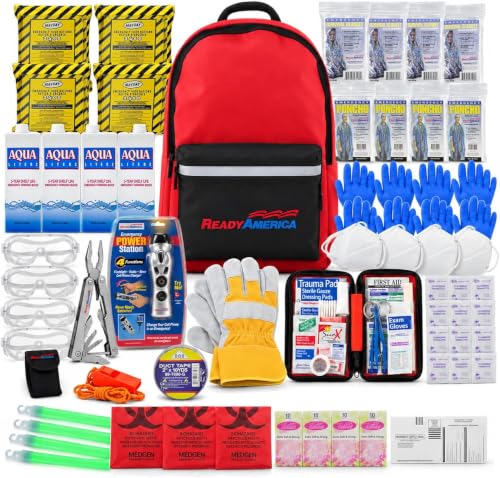
- ✓ Quick-access grab-and-go
- ✓ Hand-crank power station
- ✓ All-in-one 4-person kit
- ✕ Not ultralight
- ✕ Bulkier than solo kits
| Personnel Capacity | Supports 4 people |
| Duration | Up to 72 hours |
| Food Provisions | Four 2,400-calorie emergency food bars |
| Water Provisions | Four 1-liter Aqua Literz cartons |
| Power & Lighting Equipment | Hand-crank emergency power station with flashlight, AM/FM radio, siren and cell phone charging |
| First Aid Kit Size | 107-piece first aid kit |
The zipper on the Ready America 72 Hour Deluxe Kit rattles like a tiny alarm clock you actually want to hear. You’ll notice the standout feature first: the hand-crank power station that folds into a compact unit, doubling as a flashlight, AM/FM radio, siren, and a USB charger.
In a pinch, you can power a phone or flashlight without hunting for batteries, which is a small but real peace of mind.
Holding the backpack, you’ll feel the sturdy construction and the quick-access grab handles. The 4-person layout is clear at a glance, with the food bars, water cartons, and straw kit each in their own labeled pouch.
It’s not fancy, but the organization pays off when you’re moving fast through a crowded hallway or a chaotic hallway of an office building.
During setup, the first thing you notice is how compact the gear pack stays when you sling it over your shoulder. The 2,400-calorie bars aren’t oversized, so they’re easier to stash in a home or car cupboard.
The water cartons are lightweight yet sturdy, and the survival straws feel reassuringly simple to use under stress.
The lighting and signaling tools come alive with the hand-crank, saving you from searching for batteries. The 107-piece first aid kit sits in a dedicated pocket, making it quick to grab if a small cut or sprain pops up during a drill or real outage.
It’s designed for real-life use, not just for show, which makes a difference when things go sideways.
In everyday terms, it’s a solid, ready-to-go bundle for earthquakes, outages, or evacuations. You’ll appreciate the balance between robust components and a price that feels reasonable for a four-person kit.
It’s not just about stockpiling; it’s about having a practical tool you’ll actually use when it matters.
kookoomia 50L Military Tactical Backpack Large Day Backpack

- ✓ Very roomy 50L
- ✓ Durable, rugged build
- ✓ Handy MOLLE system
- ✕ Heavier than light packs
- ✕ Bulkier in tight spaces
| Capacity | 50 liters (21.6″ x 12.9″ x 12.6″) |
| Materials & Durability | Water-resistant fabric with double stitching and heavy-duty zippers |
| Carrying System | Padded shoulder straps with ventilated back panel and adjustable sternum/waist straps |
| MOLLE System & Attachments | MOLLE webbing with reinforced handles and external attachment points for pouches |
| Hydration & Bottle Holders | 2 x 500 ml water bottle holders |
| Organization & Pockets | Multiple compartments including hidden back pocket and bottom webbing for gear organization |
The first time I swung this 50L backpack onto my shoulders, I was surprised by how quietly the sternum strap cinched in without digging in. It felt almost civilian in weight, then I found the MOLLE webbing and realized how much gear you can actually bolt on without turning the bag into a brick.
A patch of memory foam at the back panel kept my spine from feeling the load after a long walk.
Its size is the real magic here. At 21.6″ tall, it holds a full 3- to 5-day load without looking like I’m smuggling a small pantry.
I’m sharing water bottles in the two side holders, and there’s still a hidden back pocket for valuables I don’t want slipping out in a crowd. The zippers glide smoothly, even with gloves, which is a small but meaningful detail.
The construction feels rugged enough to survive rain, mud, and a few rough tumbles. Double stitching and heavy-duty zippers give you confidence that this isn’t a disposable backpack.
The water-resistant material held up through a drizzly hike, and the bottom webbing adds a straightforward place to lash a compact tent or sleeping pad.
Organization is where this bag shines. Multiple compartments and pockets mean you’re not digging for keys in the dark.
The MOLLE system invites accessories, while reinforced handles stay sturdy when you’re moving quickly. It’s versatile in practice, from a daily carry to a bug-out bag for emergencies.
In everyday life, this is the kind of workhorse you reach for without overthinking it. It’s comfortable enough for long days, roomy enough for gear, and affordable enough to be practical.
If you’re stocking an emergency kit or planning weekend adventures, this one hits the sweet spot.
First My Family All-in-One 4 Person, 72 Hour Emergency

- ✓ Compact, rugged build
- ✓ Organized, labeled compartments
- ✓ Ready-to-go practicality
- ✕ Weight could be hefty
- ✕ Limited customization options
| Target Audience | 4-person household emergency kit |
| Contents Scope | Food and water rations for four, 85-piece first-aid kit, shelter and warmth materials |
| Water/Food Capacity | Rations sized to support four people for 72 hours |
| First Aid Kit Size | 85-piece kit |
| Portability/Storage | Waterproof, compact emergency backpack for grab-and-go readiness |
| Intended Use Scenarios | Disaster response (flood, fire, earthquake, storm) and outdoor activities (camping, hiking, road trips) |
You snap the zipper of the First My Family All-in-One pack and instantly notice the compact, rugged exterior. The moment the bag settles on your kitchen counter, you feel the weight of readiness rather than heaviness, a reassuring balance between portability and capacity.
The first tip you’ll notice is how the waterproof shell keeps every component dry, even when you spill a cup of coffee while grabbing it for a quick run to the car.
You open it and see the four-person food and water rations tucked neatly in labeled compartments. It’s not just throw-in-the-dark survival gear; everything has a place, which makes you breathe easier in a hurry.
The 85-piece first-aid kit sits in a dedicated sleeve, easy to pull out if you need it, and the shelter and warmth materials feel surprisingly thoughtful for a “grab and go” kit.
In real-life terms, the bag slides easily under your hand as you carry it to the car, and the strap padding stays comfortable after a short walk. The water supply and compact meals feel substantial enough for a few hours of waiting for help or traveling between safe zones.
If you’ve ever worried about overstuffing a kit, you’ll appreciate the organized layout that keeps bulk from becoming bulkhead in your doorway.
During testing, the kit’s design shines in everyday scenarios: car emergency, power outage, or a quick camping trip. It doesn’t feel like a niche product; it feels like a practical safety companion you’d actually grab on instinct.
The setup time is minimal, so you won’t be rummaging for hours when time matters most.
Bottom line: it’s a confident blend of essentials and thoughtful touches that make preparedness less intimidating. It’s not just a catalog of gear—it’s a usable, everyday-ready bag you’ll keep within arm’s reach.
What Key Features Should You Look for in the Best Emergency Backpack?
When selecting the best emergency backpack, several key features should be considered to ensure it meets your preparedness needs.
- Durability: The material used in the backpack should be rugged and waterproof to withstand harsh weather conditions and rough handling. High-denier nylon or polyester fabrics are often preferred for their strength and resistance to wear and tear.
- Size and Capacity: A good emergency backpack should have adequate space to store essential items, typically ranging from 40 to 70 liters. This capacity allows for the inclusion of food, water, first aid supplies, and other survival gear without being overly bulky.
- Comfort and Fit: Look for adjustable straps, padded back support, and a hip belt to distribute weight evenly, making it easier to carry for extended periods. A well-fitted backpack will help prevent fatigue and discomfort during emergencies.
- Organizational Features: Multiple compartments and pockets are essential for easy access to gear and supplies. Features like mesh pockets, MOLLE webbing, or hydration reservoir sleeves can help you keep your items organized and readily available.
- Weight: The overall weight of the backpack should be manageable, especially when loaded with emergency supplies. Lightweight materials that don’t compromise on durability are ideal, allowing for easier transport without adding unnecessary strain.
- Accessibility: The backpack should allow for quick access to critical items, particularly in emergencies. Look for features like side zippers or front-loading designs that enable you to reach your gear without having to rummage through the entire pack.
- Water-Bottle Holders: Availability of external water-bottle pockets is crucial for hydration on the go. These holders should be easily accessible and capable of accommodating standard-sized water bottles or hydration bladders.
- Emergency Supplies Compatibility: The best emergency backpacks often come with space or specific compartments for essential emergency supplies like first aid kits, flashlights, and food rations. Ensure that the design accommodates these items effectively.
How Important is Durability When Choosing an Emergency Backpack?
Durability is a crucial factor when selecting the best emergency backpack as it impacts the bag’s ability to withstand various conditions and usage scenarios.
- Material Quality: The material used in an emergency backpack significantly determines its durability. High-denier nylon or polyester fabrics are often preferred for their resistance to tears and abrasions, ensuring the backpack can endure rough handling and harsh weather conditions.
- Stitching and Reinforcement: The stitching quality and reinforcement at stress points are vital for the backpack’s longevity. Double-stitched seams and bar-tack reinforcement can prevent breakage and ensure that the backpack maintains its integrity over time, especially under heavy loads.
- Water Resistance: A durable emergency backpack should have water-resistant properties to protect its contents from rain or accidental spills. This can be achieved through water-repellent coatings or waterproof materials, which help keep essential supplies dry and functional during emergencies.
- Zipper Quality: The zippers are one of the most used components of a backpack, and their durability is essential. Heavy-duty zippers that are made from corrosion-resistant materials can withstand frequent use and prevent the risk of malfunction during critical situations.
- Weight Capacity: The ability of an emergency backpack to hold a substantial weight without straining or tearing is a key aspect of its durability. A well-constructed backpack can handle the necessary gear and supplies without compromising its structure, ensuring it remains reliable in emergency scenarios.
What Size Emergency Backpack is Best for Your Needs?
The size of an emergency backpack is crucial for effectively meeting your needs in a crisis situation.
- Day Pack (20-30 liters): Ideal for short-term emergencies or day trips, a day pack has enough space for essentials like water, snacks, and a first aid kit.
- Weekend Pack (40-60 liters): Suitable for emergencies that may last a couple of days, this size allows for extra supplies such as clothing, food, and additional emergency gear.
- Extended Stay Pack (70+ liters): Best for long-term survival situations, this large pack can carry extensive gear, including camping equipment, cooking supplies, and multiple days’ worth of food and water.
- Bug-Out Bag (50-100 liters): Specifically designed for evacuation, a bug-out bag focuses on portability and can accommodate gear for survival situations, including shelter, food, and personal protection items.
- Family Emergency Kit (100+ liters): This size is essential for families or larger groups, providing ample space to store items for multiple people, ensuring that everyone has enough supplies in an emergency.
A day pack typically ranges from 20 to 30 liters and is perfect for short-term emergencies where you only need to carry essential items such as water, food, and a first aid kit. Its compact size makes it easy to transport and ideal for quick evacuations or day hikes.
The weekend pack, with a capacity of 40 to 60 liters, is designed for emergencies that might last a few days. This size allows you to pack additional clothing, food, and necessary gear, making it suitable for unforeseen situations where you may need to stay away from home for a short period.
For long-term survival situations, the extended stay pack, usually 70 liters or more, is recommended. This larger backpack can hold extensive gear, including camping equipment, cooking supplies, and a significant amount of food and water, catering to those who need to be self-sufficient for an extended time.
A bug-out bag, which typically falls between 50 to 100 liters, is specifically designed for quick evacuation scenarios. This type of pack prioritizes portability and efficient packing, allowing for the inclusion of essential survival gear such as shelter materials, food supplies, and personal protection items.
Lastly, a family emergency kit, exceeding 100 liters, is necessary for families or larger groups. This size ensures that there is enough space to store supplies for multiple individuals, guaranteeing that everyone has access to the essentials needed for survival in an emergency situation.
What Essential Items Should You Pack in Your Emergency Backpack?
When preparing the best emergency backpack, it’s crucial to include essential items that can sustain you in various situations.
- Water and Water Purification Tablets: Having enough water is vital for survival. Pack at least one gallon of water per person per day, along with purification tablets to make sure you can safely drink from natural sources if necessary.
- Non-Perishable Food: Choose lightweight, high-energy foods like granola bars, nuts, or freeze-dried meals. These items provide essential nutrition and can be stored for long periods without spoiling.
- First Aid Kit: A well-stocked first aid kit should include bandages, antiseptic wipes, pain relievers, and any personal medications. This kit is essential for treating injuries or illnesses until professional help is available.
- Multi-Tool or Swiss Army Knife: A multi-tool can serve various purposes, from opening cans to making repairs. It’s a compact and versatile addition that can help you tackle numerous challenges in an emergency.
- Flashlight and Extra Batteries: A reliable flashlight is crucial for navigating in the dark or signaling for help. Ensure you pack extra batteries to keep the light functioning, as visibility is key in emergencies.
- Emergency Blanket: These lightweight, reflective blankets can help retain body heat in cold conditions. They are compact and can be lifesaving in extreme weather situations.
- Portable Phone Charger: Keeping your phone charged is essential for communication and accessing emergency services. A portable charger ensures you have power even if the electricity is out.
- Maps and Compass: In case of technology failure, having physical maps and a compass can help you navigate to safety. Familiarizing yourself with the area can enhance your preparedness and escape routes.
- Clothing and Footwear: Pack extra clothing, including socks and sturdy shoes, to ensure comfort and protection. Weather-appropriate attire can keep you warm or dry, depending on conditions.
- Whistle: A whistle is an effective signaling device that can be heard from a distance. It’s a lightweight tool that can increase your chances of being found in an emergency situation.
Which Brands Are Highly Recommended for Quality Emergency Backpacks?
The best emergency backpacks are known for their durability, organization, and preparedness features.
- 5.11 Tactical Rush72 Backpack: This backpack is designed for tactical use and outdoor adventures, offering a large capacity and multiple compartments.
- Everlit Emergency Survival Kit Backpack: This kit is packed with essential survival gear and is designed to be a comprehensive emergency solution.
- Bug-Out Bag by Ready America: This bag is specifically designed for emergency preparedness, containing a variety of survival tools and supplies.
- Maxpedition Falcon-II Backpack: Known for its rugged construction, this backpack is versatile for both daily use and emergency situations.
- Surviveware Small First Aid Kit Backpack: While primarily a first aid kit, it is designed to be a compact emergency backpack that can be easily carried.
The 5.11 Tactical Rush72 Backpack features a spacious main compartment with numerous organizational pockets, making it ideal for carrying survival gear efficiently. Its durable 1050D nylon fabric ensures it withstands harsh conditions, and the MOLLE webbing allows for additional attachments.
The Everlit Emergency Survival Kit Backpack is an all-in-one solution that includes food, water, first aid supplies, and tools to help individuals survive in various emergency situations. Its design prioritizes portability and ease of access, making it suitable for both urban and wilderness environments.
The Bug-Out Bag by Ready America includes items such as water purification tablets, a flashlight, and a multi-tool, all essential for immediate survival needs. Its straightforward design allows users to grab it and go in emergencies, offering peace of mind.
The Maxpedition Falcon-II Backpack is made from water-resistant nylon and offers a sleek design that doesn’t scream “tactical,” making it suitable for everyday carry. It has ample pockets for organization and is comfortable for long-term wear, making it ideal for emergency situations.
The Surviveware Small First Aid Kit Backpack is compact yet equipped with over 100 first aid essentials, making it perfect for those who prioritize health and safety in emergencies. Its backpack design allows for easy transport, ensuring that help is always within reach when needed.
How Can You Ensure the Longevity of Your Emergency Backpack?
To ensure the longevity of your emergency backpack, consider the following factors:
- Quality Materials: Selecting a backpack made from durable, weather-resistant materials can greatly extend its lifespan. Look for ripstop nylon or polyester fabrics that can withstand wear and tear, as well as water-resistant coatings to protect the contents during inclement weather.
- Proper Organization: Using internal compartments and pouches effectively can prevent damage to your gear. Keeping items organized reduces the risk of breakage and ensures that everything is easy to access when needed, which also minimizes the chances of needing to replace damaged items.
- Regular Maintenance: Periodically inspecting and cleaning your backpack can prevent long-term damage. Check for any wear on straps, zippers, or seams, and clean any dirt or moisture buildup to maintain the integrity of the materials.
- Storage Conditions: Storing your backpack in a cool, dry place can prevent mold and mildew growth. Avoid exposing it to direct sunlight for extended periods, as UV rays can degrade materials over time.
- Rotation of Supplies: Regularly updating the contents of your emergency backpack ensures that food, medications, and other perishable items remain usable. This practice not only keeps the backpack ready for emergencies but also prevents the buildup of expired items that could lead to unwanted odors or damage.
What Budget Should You Consider When Selecting an Emergency Backpack?
When selecting the best emergency backpack, it’s essential to consider various budget categories to ensure you find an option that meets your needs without compromising on quality.
- Under $50: Budget backpacks in this range often provide basic functionality with limited features.
- $50 – $100: Mid-range backpacks usually offer better materials, more compartments, and enhanced durability.
- $100 – $200: Higher-end options often include advanced materials, ergonomic designs, and specific emergency gear.
- Over $200: Premium backpacks may feature top-tier materials, extensive customization options, and specialized gear for serious preparedness.
Backpacks under $50 can be suitable for beginner preppers or those looking to create a simple emergency kit, but they may lack durability and adequate space for essential supplies. These backpacks often focus on basic storage, making them less ideal for comprehensive preparedness.
In the $50 – $100 range, you will find backpacks made from more robust materials, better stitching, and additional features like hydration reservoirs or modular attachments. This price range provides a good balance between affordability and essential features, allowing you to prepare more effectively without breaking the bank.
For $100 – $200, the quality significantly improves, with backpacks designed for comfort during long wear and the ability to carry heavier loads. Many of these backpacks will include specialized pockets for first aid supplies, tools, and food, making them ideal for serious emergency preparedness.
Backpacks priced over $200 typically cater to enthusiasts and professionals who require high performance and durability under extreme conditions. These backpacks often come with advanced features like weatherproofing, advanced suspension systems, and extensive customization options for personal gear needs, ensuring that every essential item is easily accessible.
Related Post: