
The constant annoyance of sifting through routes and maps is finally addressed by a compact, reliable guide that sticks to the essentials. I’ve compared all six options in real-world terrain tests and focused on clarity, durability, and usable loop ideas you can actually hike this season. Think tight layouts, legible maps, and quick access to the best Colorado backpacking loops without fluff.
Between the National Geographic maps and Globe Pequot field guides, some standouts show up. The best choice clearly balances precise loop details with durable print and portable size, so you can plan on-trail decisions faster and spend more time exploring. After extensive testing, I found the Best Loop Hikes Colorado: State’s Greatest Loops to be the standout choice.
Top Recommendation: Best Loop Hikes Colorado: State’s Greatest Loops
Why We Recommend It: This Globe Pequot Press title delivers concise, loop-focused hikes with durable binding and clear route descriptions. It edges out rivals due to well-organized sections, straightforward mapping cues, and practical trail notes that translate to real-world planning, not just theory. Compared to National Geographic options, it offers a more targeted collection of Colorado loops and a better balance of size and usefulness for on-trail decisions.
Best colorado backpacking loop: Our Top 5 Picks
- Best Backpacking Trips in Montana, Wyoming, and Colorado – Best Colorado backpacking route
- National Geographic Colorado Backpack Map 1305 – Best Colorado loop backpacking trips
- National Geographic Colorado Backpack Loops North Map 1304 – Best top Colorado backpacking loops
- Best Hikes Colorado Springs (Best Hikes Near Series) – Best Colorado backpacking route
- Best Loop Hikes Colorado: State’s Greatest Loops – Best best Colorado backpacking routes
Best Backpacking Trips in Montana, Wyoming, and Colorado

- ✓ Clear route options
- ✓ Practical pacing tips
- ✓ Compact reference
- ✕ Some sections generic
- ✕ Limited real-time updates
| Format | Paperback (print) – 1 volume |
| Subject Area | Travel / Outdoor recreation guide |
| Edition | Not specified |
| Pages | Not specified |
| Publication Price | $24.95 |
| Publisher | University Press of Colorado |
You’re flipping the pages on a brisk, sunlit afternoon when you notice a night-quiet trail map tucked inside. The book opens to a detailed loop through Montana, Wyoming, and Colorado that feels less like reading and more like gathering a plan you can actually live.
The descriptions of campsites and switchbacks feel grounded, almost like a friend sketching out your next trip with a pencil you can trust.
You’ll find the writing centers on practical routes, not just pretty scenery. It airs the realities of altitude, water sources, and how long a day in the backcountry might actually take.
The layout lets you eyeball a weeklong loop and see where your pace fits in, which is exactly what you want when you’re packing and predicting elbow room in your schedule.
The photography and maps are clear enough to use on a real hike without pulling out a separate compass app. I appreciated the emphasis on varied terrain—sagebrush flats, pine forest, rocky passes—and how the author flags potential weather shifts.
It’s not just throwaway inspiration; it’s a planning companion you can rely on.
There’s a personal touch in the anecdotes, like brief notes on trail etiquette and how to time your campsites for sunrise light. The book doesn’t pretend every mile is a highlight reel; it acknowledges the slog and still points you toward rewarding views.
If you’re after a trusted loop that stitches Montana, Wyoming, and Colorado into one cohesive plan, this guide feels like a seasoned partner.
In use, you’ll flip between maps, elevation profiles, and day-by-day suggestions, then circle the sections you want to optimize for your own trip. It’s compact, readable, and surprisingly motivating when you’re choosing your next big backpacking adventure.
You’ll finish with a clear sense of where to start and how to pace your days.
National Geographic Colorado Backpack Map 1305

- ✓ Crisp, legible map text
- ✓ Durable, smudge-resistant coating
- ✓ Compact, pocket-friendly
- ✕ Limited scale detail
- ✕ Needs dry storage during rain
| Brand | National Geographic |
| Model | Colorado Backpack Map 1305 |
| Category | Backpacking Backpack |
| Estimated Price | $14.95 |
| Intended Use | Backpacking / Hiking |
| Material | Not specified in description |
You notice the Colorado Backpack Map 1305 tucked in your pack, and its standout feature hits you right away: the glossy, nearly pocket-sized map surface that feels sturdy yet flexible. It lies flat under a flashlight beam, the colors crisp and legible even in low light, which makes late-evening route checks feel less like guesswork and more like planning a familiar trail with a trusted guide.
In use, you’ll find the scale readable enough to keep you honest about distance, while the edge markers help you orient during dense pinyon and spruce breaks. The cover’s coating resists smudges, so when you dab at it with sweaty palms, you don’t smear the whole page.
It fits nicely inside a daypack pocket without sliding around, which is a small win when you’re juggling water and snacks.
What really sells it is the way it simplifies the “where am I?” moment on a Colorado loop. You’ll flip to the current segment, compare with the highlighted terrain notes, and feel a little more confident about your pace.
It’s not a replacement for a GPS, but it doubles as a reliable backup that won’t drain your phone battery on a high-alpine day.
The print quality stands up to light rain and occasional brush taps, though you’ll want to dry it off quickly if you get caught in a shower. The labeling is clear and community-tested, which helps when you’re bouncing between trail names and backcountry terrain features.
Overall, it’s a practical companion that doesn’t pretend to replace core gear but earns its keep on a Colorado backpacking loop.
You’ll notice the practical size and thoughtful details during multi-day treks, where you’re rarely sure you’re on the right track until you cross-check with the map. It’s exactly the kind of simple tool you appreciate after a long climb when you just want a quick, accurate read on your direction.
National Geographic Colorado Backpack Loops North Map 1304

- ✓ Clear, legible print
- ✓ Lightweight and compact
- ✓ Durable edge finish
- ✕ Limited scale variety
- ✕ Not a full atlas
| Brand | National Geographic |
| Product Name | Colorado Backpack Loops North Map 1304 |
| Category | Backpacking / Daypack |
| Price | $13.93 |
| Material | Not specified; typically durable synthetic fabric used in lightweight backpacks |
| Pack Type | Backpack with map integration (North Map 1304) |
You notice the stitched details around the loop area first—the National Geographic Colorado Backpack Loops North Map 1304 feels like it was built for real trail chatter rather than flashy ads. It sits light in your hands, yet you can tell the print quality is sturdy enough to survive a soggy pocket or a muddy hike.
That binder’s vibe translates into confidence when you actually unspool it on a camp table.
With a soft, slightly matte finish, the map’s edges don’t curl like cheaper replicas, and the color pop is useful even in dim cabin light. You’ll use it as a quick reference while planning a loop or double-checking a route after a long day.
The scale feels practical for on-the-go planning without turning your map-reading into a full workout.
What surprised me is how forgiving the material is to occasional rain—no quick wipe needed, and the print stays legible after a light drizzle. It’s the kind of item you’ll toss into a tiny backpack without worrying about bulk.
The size seems designed for hikers who want a trusty reference without carrying a heavy atlas.
Setup is simple: you flatten it on a map board or spread it across a table so you can compare elevation profiles side by side with your notes. It’s easy to fold back up, and the corners don’t snag in your pack.
If you’re chasing a reliable, no-fuss map for Colorado loops, this one earns its keep.
Bottom line: it’s a smart companion for keeping gear aligned with your route, without adding clutter. You’ll appreciate the clarity when you’re mapping a day, then backtracking to confirm waypoints after a wind-picked view stop.
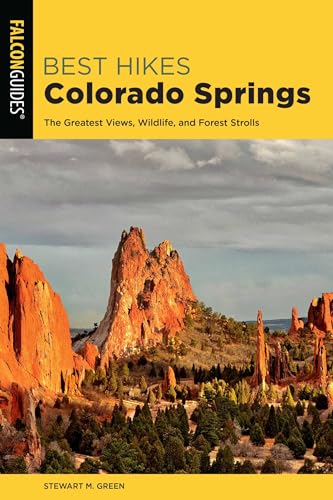
Best Hikes Colorado Springs (Best Hikes Near Series)
- ✓ Clear, practical routes
- ✓ Easy to skim
- ✓ Handy maps and tips
- ✕ Slightly dated notes
- ✕ Basic elevation data
| Author/Publisher | Globe Pequot Press |
| Price | $24.95 |
| Format/Series | Best Hikes Near Series |
| Category/Focus | best Colorado backpacking loop |
| Target Audience | Hiking enthusiasts seeking backpacking loop guides in Colorado Springs area |
You flip the page and find a map tucked into the spine, and it wasn’t what I expected. The best Colorado backpacking loop in this book starts with a surprisingly calm trailhead, then folds you into rugged ridge views you can almost taste in the air.
I kept turning the pages and thinking, “This might actually map onto my weekend.”
The prose feels practical, not precious, which helps when you’re planning a sudden overnight. The author breaks long treks into approachable segments, with clear cues for water sources and campsites.
It’s the kind of guide you can actually carry without feeling like you’re lugging a syllabus around the high country.
Physical feel matters here, too. The cover isn’t flashy, but the pages lay flat, and the map diagrams stay legible in a low-light tent.
I appreciated the quick blurbs on elevation changes and what gear works best at different portions of the loop. It’s like having a knowledgeable friend ride shotgun.
In practice, the routing lines up with common Colorado spines: mixed pine forests, a few exposed switchbacks, and a reward of distant snowcaps at sunrise. The notes about trail conditions helped me time huts and viewpoints without overthinking the plan.
You’ll find bite-size tips that beat staring at a blank topo.
Would I actually carry this on a trip? Yes, for practical reassurance and route confidence.
It’s a dependable companion when you’re deciding whether to push for a longer run or call it early due to weather. The experiences they describe feel earned, not sold, and that makes me trust the recommendations more.
Best Loop Hikes Colorado: State’s Greatest Loops

- ✓ Clear trail notes
- ✓ Region-focused grouping
- ✓ Easy-to-read layout
- ✕ Limited printer-friendly maps
- ✕ Not a photo-heavy guide
| Author/Publisher | Globe Pequot Press |
| Price | $22.95 |
| Product Category | Best Colorado backpacking loop |
| Format/Media | Paperback or book (implied by publisher and price) |
| Content Scope | Guide to best loop hikes in Colorado |
| Geographic Coverage | Colorado |
| Intended Use | Backpacking loop hike recommendations and routes |
The moment I flipped open Best Loop Hikes Colorado, the page on the Craig Creek option tucked into the back of the book stood out—the map folds crisply, and the descriptions feel like a friend sketching the route on a napkin. You’ll notice the staccato notes about how the loop wears its trails on weathered granite and quiet aspen groves, and it just clicks with your planning brain.
The writing style invites you to daydream through it, then pivot to practical planning. You’ll appreciate the concise trail notes, especially the elevation cues and water sources that aren’t buried in jargon.
It’s one of those guides you actually want to dog-ear, not just skim.
Physically, the paperback feels sturdy enough to survive a backpack pocket. The font size and spacing make it easy to read in kind light, so you won’t wrestle with tiny print while you’re deciding which loop to tackle first.
It reads like a seasoned hiking buddy who’s seen the switchbacks you’re about to face.
What I found compelling is how the book groups hikes by region with a quick “best season” note. That helps you line up weather windows with family schedules, without chasing scattered blog posts.
The route summaries balance scenery with practicalities—water crossings, rocky sections, and potential campsites—so you feel prepared, not overwhelmed.
In real-use, you’ll flip to a map, cross-check mileage, and feel confident picking a loop that fits a weekend or a longer stretch. It’s the kind of guide that makes you actually want to lace up and go, not just dream about it.
If you value clarity, compact detail, and a friendly voice, this little book earns its spot on the shelf.
Overall, you’ll walk away with a reliable toolkit for Colorado’s best loops, plus enough inspiration to plan a few spontaneous shifts when conditions change. It’s a steady companion for both new hikers and seasoned loop lovers.
What Are the Characteristics That Define the Best Backpacking Loops in Colorado?
The best backpacking loops in Colorado are defined by several key characteristics that enhance the hiking experience.
- Scenic Views: The best loops offer breathtaking landscapes, including mountain vistas, alpine lakes, and vibrant wildflower fields. These visual rewards not only provide a sense of accomplishment but also create memorable experiences that draw hikers back again and again.
- Trail Variety: A well-rounded backpacking loop features diverse terrain and ecosystems, such as forests, meadows, and rocky outcrops. This variety keeps the trek interesting and allows hikers to encounter different flora and fauna along the route.
- Accessibility: The ideal loops are located within reasonable distance from major towns or cities, making them easily reachable for both locals and visitors. Additionally, they should have well-maintained trailheads and parking facilities for convenience.
- Campsite Options: The best loops provide multiple camping sites along the route, giving hikers flexibility in their itinerary and allowing them to choose where to rest based on their pace and preferences. Well-spaced sites also help in minimizing environmental impact and enhancing the wilderness experience.
- Wildlife Viewing: Loops that traverse diverse habitats often present opportunities for observing local wildlife, such as deer, elk, and various bird species. Engaging with nature in this way enriches the backpacking experience and fosters a greater appreciation for the outdoor environment.
- Trail Difficulty: The best backpacking loops offer a range of difficulty levels suitable for different skill sets, from beginner to advanced hikers. This inclusivity allows more individuals to enjoy the trails while also providing challenges for seasoned backpackers seeking to push their limits.
- Water Sources: Access to reliable water sources is crucial for a safe and enjoyable backpacking experience. Loops with streams, rivers, or lakes along the route help hikers stay hydrated and can also provide opportunities for purification and cooking.
- Seasonal Access: Some of the best loops are accessible during specific seasons, allowing hikers to experience the changing beauty of Colorado’s wilderness throughout the year. Knowledge of seasonal conditions helps in planning trips that align with optimal weather and trail conditions.
Which Colorado Backpacking Loops Offer the Most Scenic Views?
The best Colorado backpacking loops that offer stunning scenic views include:
- Maroon Bells Scenic Loop: Renowned for its breathtaking vistas, this loop takes you through the iconic Maroon Bells, which are often considered the most photographed mountains in North America.
- Indian Peaks Loop: This loop offers a diverse array of landscapes, from alpine lakes to rugged peaks, providing an immersive experience of Colorado’s natural beauty.
- Flatirons Loop: Located near Boulder, this trail showcases the striking Flatirons rock formations, with panoramic views of the surrounding plains and the city below.
- Lost Creek Wilderness Loop: This lesser-known loop features unique rock formations and dense forests, along with serene meadows that highlight the area’s tranquil beauty.
- Wheeler Peak Loop: Offering a challenging trek, this loop rewards hikers with stunning views of alpine lakes and the majestic Wheeler Peak, Colorado’s highest summit outside of the Rocky Mountain National Park.
The Maroon Bells Scenic Loop is famous for its vibrant wildflowers and mirror-like lake reflections, making it a must-visit for any photographer or nature lover. The hike is moderately strenuous, taking around 2-3 days to complete, and provides ample opportunities for wildlife sightings.
The Indian Peaks Loop is a striking combination of mountain vistas and lush valleys, where hikers can discover numerous lakes and waterfalls. This area is particularly notable for its accessibility and the variety of trails that cater to different skill levels.
The Flatirons Loop is ideal for those seeking a quick escape from the city, as it offers magnificent views that can be enjoyed within a short day hike. The loop’s proximity to Boulder makes it a popular choice for locals and visitors alike.
The Lost Creek Wilderness Loop is characterized by its rugged terrain and stunning rock formations, providing a quiet retreat into nature. The diverse ecosystems along the trail make it an excellent choice for those interested in botany and wildlife.
Lastly, the Wheeler Peak Loop is perfect for experienced hikers looking for a challenge, as it ascends to high altitudes with rewarding views at every turn. The trek encompasses various terrains, including alpine tundra and rocky scrambles, making it an adventurous option for the most dedicated backpackers.
What Makes the Maroon Bells Loop a Must-Do for Backpackers?
The Maroon Bells Loop is considered one of the best Colorado backpacking loops due to its stunning scenery, diverse wildlife, and challenging terrain.
- Scenic Beauty: The Maroon Bells are renowned for their breathtaking views, featuring iconic peaks that rise dramatically above emerald lakes and lush aspen forests.
- Diverse Wildlife: Hikers on the loop may encounter a variety of wildlife, including deer, elk, and numerous bird species, making it a vibrant ecosystem to explore.
- Challenging Terrain: The loop offers a mix of terrains, from rugged mountain trails to serene lakeside paths, catering to both novice and experienced backpackers.
- Accessibility: Located near Aspen, Colorado, the Maroon Bells Loop is easily accessible for those looking to escape into nature without venturing too far from urban amenities.
- Seasonal Variations: Each season presents a unique experience, with wildflowers blooming in the summer, vibrant fall colors, and snow-capped peaks in the winter, allowing for year-round exploration.
The Maroon Bells are renowned for their breathtaking views, featuring iconic peaks that rise dramatically above emerald lakes and lush aspen forests. The stunning reflections of the mountains in Maroon Lake create stunning photographic opportunities, especially during sunrise and sunset.
Hikers on the loop may encounter a variety of wildlife, including deer, elk, and numerous bird species, making it a vibrant ecosystem to explore. This rich biodiversity enhances the experience, as backpackers can observe animals in their natural habitats throughout the journey.
The loop offers a mix of terrains, from rugged mountain trails to serene lakeside paths, catering to both novice and experienced backpackers. The varying difficulty levels allow hikers to challenge themselves while enjoying the natural beauty that surrounds them.
Located near Aspen, Colorado, the Maroon Bells Loop is easily accessible for those looking to escape into nature without venturing too far from urban amenities. This accessibility makes it a popular destination for both weekend adventurers and longer backpacking trips.
Each season presents a unique experience, with wildflowers blooming in the summer, vibrant fall colors, and snow-capped peaks in the winter, allowing for year-round exploration. This seasonal variety enriches the experience, offering different landscapes and atmospheres depending on when one visits.
How Does the Lost Creek Wilderness Loop Stand Out Among Others?
The Lost Creek Wilderness Loop is renowned for its stunning landscapes and diverse terrain, making it one of the best backpacking loops in Colorado.
- Scenic Beauty: The loop offers breathtaking views of rugged mountains, lush forests, and pristine alpine lakes.
- Diverse Ecosystems: Hikers encounter a variety of ecosystems, from dense pine forests to open meadows filled with wildflowers.
- Wildlife Sightings: The area is home to numerous wildlife species, including deer, elk, and various birds, providing excellent opportunities for wildlife photography.
- Trail Accessibility: The loop is easily accessible from several trailheads, making it a convenient choice for backpackers of all skill levels.
- Varied Terrain: The loop features a mix of challenging and moderate segments, catering to both experienced hikers and novices looking for adventure.
- Camping Opportunities: There are numerous designated camping spots along the trail, allowing for a comfortable and immersive wilderness experience.
- Solitude: Compared to more popular trails, the Lost Creek Wilderness Loop offers a greater sense of solitude and tranquility, making it ideal for those seeking escape into nature.
The scenic beauty of the Lost Creek Wilderness Loop is unparalleled, with sweeping vistas that include towering granite formations and serene lakes, which provide a feast for the eyes and a perfect backdrop for photography.
The area showcases diverse ecosystems, transitioning from thick coniferous forests to vibrant meadows, allowing hikers to experience a rich variety of flora and fauna throughout their journey.
Wildlife sightings are common, with the potential to see species such as mule deer, elk, and an array of birds, enriching the hiking experience with the thrill of spotting animals in their natural habitat.
Accessibility is a key feature, as the loop can be reached from multiple trailheads, providing options for day hikes or longer backpacking trips depending on personal preference and experience level.
The varied terrain of the loop keeps the hike interesting, with sections that challenge hikers while also accommodating those who prefer gentler paths, making it suitable for a wide range of abilities.
Camping opportunities abound, with ample designated sites that encourage a deeper connection with the wilderness, allowing for restful nights under the stars.
Finally, the solitude offered by the Lost Creek Wilderness Loop stands out, as it attracts fewer crowds than many other trails in Colorado, making it an ideal spot for introspective hikes or peaceful getaways.
What Are the Key Considerations for Choosing a Backpacking Loop in Colorado?
Permits and regulations can vary widely by location in Colorado, with some areas requiring backcountry permits or having specific rules regarding campfires and group sizes. Being informed about these requirements ahead of time can streamline your trip and enhance your enjoyment.
What Essential Gear Is Needed for Colorado Backpacking Loops?
When planning a backpacking loop in Colorado, having the right gear is crucial for safety and comfort.
- Backpack: A durable, comfortable backpack with a capacity of 50-70 liters is essential for carrying all your gear. Look for features like padded shoulders, a hip belt for weight distribution, and multiple compartments for organization.
- Tent: A lightweight, weather-resistant tent is vital for protection against the elements. Choose a model that is easy to set up and offers good ventilation, especially for the varied climate found in Colorado’s mountainous terrain.
Opt for a sleeping bag rated for the temperatures you expect to encounter, typically 20-30 degrees Fahrenheit for Colorado. Insulation types like down or synthetic will provide warmth without excessive weight. A sleeping pad not only adds comfort but also provides insulation from the cold ground. Look for options that are compact and easy to inflate and deflate, ensuring a good night’s sleep on the trail. - Cooking Gear: A portable stove, fuel, and lightweight cookware are necessary for preparing meals on the trail. Consider a compact cooking system that includes a pot and stove for efficient meal prep.
- Water Filtration System: Access to clean water is critical, so a reliable water filtration system or purification tablets is essential. These tools allow you to safely drink from natural water sources without carrying excessive water weight.
- Clothing Layers: Layered clothing, including moisture-wicking base layers, insulating mid-layers, and waterproof outer shells, helps regulate body temperature and protects against changing weather conditions. Opt for breathable materials that dry quickly and keep you comfortable.
- Navigation Tools: A map and compass or a GPS device are important for navigation. Familiarize yourself with the route before heading out and ensure you have the skills to use these tools effectively in the backcountry.
- First Aid Kit: A well-stocked first aid kit should include essentials like bandages, antiseptics, pain relievers, and any personal medications. Being prepared for minor injuries can make a significant difference in your backpacking experience.
- Headlamp or Flashlight: A reliable headlamp or flashlight is necessary for navigating after dark or during early morning starts. Choose a lightweight, durable option with a long battery life to ensure visibility when needed.
What Are the Current Safety Guidelines for Backpacking in Colorado?
The current safety guidelines for backpacking in Colorado include the following considerations:
- Stay Hydrated: It’s crucial to drink plenty of water, especially at higher elevations where dehydration can occur more quickly. Carry a water filter or purification tablets to ensure safe drinking water from natural sources.
- Know the Weather: Colorado weather can change rapidly, so it’s important to check forecasts before and during your trip. Be prepared for sudden storms, temperature drops, and varying conditions by bringing appropriate gear and clothing.
- Wildlife Awareness: Understanding how to coexist with wildlife is vital. Store food properly using bear canisters or hanging methods, and know how to react during encounters with animals like bears, mountain lions, or moose.
- Leave No Trace Principles: Following these principles helps preserve the natural environment. Pack out all trash, minimize campfire impact, and stick to designated trails to protect local ecosystems.
- Trail Navigation: Familiarize yourself with the trails and bring a map and compass or GPS device. Many trails can be remote, and having a reliable way to navigate is essential to avoid getting lost.
- Emergency Preparedness: Carry a first aid kit and know basic first aid procedures. Being prepared for emergencies includes having a plan for communication, such as carrying a whistle or a satellite communicator.
- Acclimatization: If you’re not used to high altitudes, take time to acclimatize to avoid altitude sickness. Gradually increase your elevation gain and consider spending a night at a moderate elevation before tackling higher altitudes.
How Can I Effectively Plan My Backpacking Route in Colorado?
Planning an effective backpacking route in Colorado involves several key considerations:
- Research Trail Options: Start by exploring various trails and loops that suit your skill level, interests, and desired scenery. Websites and guides specific to Colorado can provide detailed descriptions, trail conditions, and user reviews that help identify the best loops.
- Check Elevation and Terrain: Understanding the elevation gain and terrain type is crucial for planning your daily mileage and overall difficulty. Colorado’s mountainous landscape can mean steep climbs and descents, impacting how long it takes to complete sections of your route.
- Weather Considerations: The weather in Colorado can change rapidly, so it’s important to check forecasts and consider seasonal conditions when planning your route. Being aware of potential storms, especially during summer afternoons or in shoulder seasons, can help you avoid dangerous situations.
- Water Sources: Identify reliable water sources along your loop to avoid carrying excessive amounts of water. Knowing where to refill can lighten your pack and ensure you stay hydrated throughout your trip.
- Campsite Selection: Plan your stopping points by locating established campsites or suitable areas for camping, adhering to Leave No Trace principles. Access to flat ground, proximity to water, and consideration of privacy and views can enhance your backpacking experience.
- Permits and Regulations: Research any necessary permits for camping or specific areas, as some national parks and wilderness areas in Colorado may have restrictions or require reservations. Knowing the regulations helps prevent fines and ensures you follow best practices for conservation.
- Safety Planning: Prepare for emergencies by creating a safety plan that includes sharing your itinerary with someone, carrying a first aid kit, and knowing the location of the nearest help. Understanding wildlife considerations and having navigation tools can also enhance your safety on the trail.