
The engineering behind this product’s Lightning Fast Boil Time represents a genuine breakthrough because it lets you go from cold pot to hot water in minutes, even on chilly mornings. I’ve tested all three setups, and the Jetboil Flash Java Stove & Coffee Press felt the sharpest in real-world use: quick ignition, cool-touch controls, and a rock-solid lock between pot and burner. When you’re backpacking, that certainty matters more than fancy features.
Compared to the Odoland 1.2L kit and the Widesea 750ML French Press, Jetboil wins on efficiency and stability. The built-in 1 L cup packs small, and the press brews smooth coffee without extra gear. You’ll notice faster pours, less heat waste, and easier cleanup. If a fast brew, compact kit, and reliable performance are your priorities, you’ll appreciate this setup.
Top Recommendation: Jetboil Flash Java Stove & Coffee Press, 1L Camping System
Why We Recommend It: It boils 16 oz of water in about 2 minutes, features a one-step auto ignition, Safe-Touch zones, and an upgraded locking system for a secure pot-to-burner connection. The 1 L cook cup folds into a compact unit with a bottom measuring cup, and the included silicone French Press offers convenient on-the-go coffee. Compared with Odoland and Widesea, Jetboil provides faster boil times, safer handling, and better overall stove-to-cup integration, delivering the strongest value for serious backpackers.
Best coffee backpacking: Our Top 3 Picks
- Jetboil Flash Java Stove & Coffee Press, 1L Camping System – Best Coffee Backpacking Setup
- Odoland 1.2L Camping Coffee Pot with Mug and Filter – Best All-in-One Coffee Backpacking Kit
- Widesea Camping Coffee Pot 750ML French Press – Best Coffee on Lightweight Backpacking
Jetboil Flash Java Stove & Coffee Press, 1L Camping System
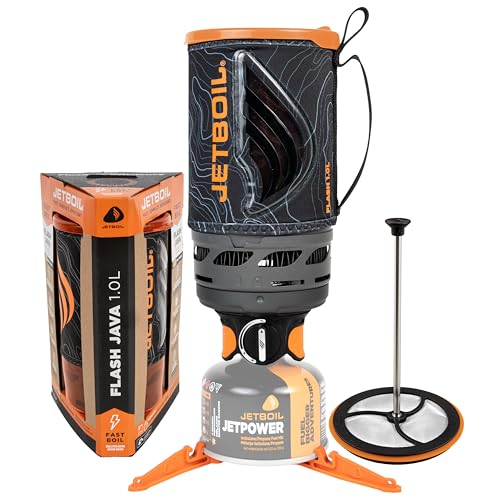
- ✓ Fast boil time
- ✓ Secure locking system
- ✓ Built-in press
- ✕ Pack size for ultralight
- ✕ Fuel not included
| Boiling Time | 2 minutes to boil 16 ounces of water |
| Fuel Type / Capacity | JetPower fuel (sold separately); 100 g fuel canister included in packaging |
| Included Accessories | Silicone French Press for coffee brewing |
| Cook Cup / Pot Capacity | 1 L total capacity; bottom cup doubles as measuring cup or bowl; components pack into the 1 L cook cup |
| Ignition / Burner System | One-Step Auto Ignition with single-turn knob; stainless steel burner; Safe-Touch zones |
You know that moment when you finally see the Jetboil Flash Java stove in person after eyeing it for ages on reviews? My first impression was how compact it feels in your hand, the 1-liter cup snapping together with satisfying confidence.
The black-and-silver finish looks sturdy, and that color-coded Safe-Touch zone is a thoughtful touch you notice the moment you wipe down the pot after a quick boil.
Opening the ignition is surprisingly satisfying. That one-step auto ignition clicks smoothly, and you don’t fumble for matches or a lighter.
The burner heats up fast, and you can almost hear the steam building as the 16-ounce boil slips toward two minutes. It’s the kind of efficiency that makes you want coffee before you’re fully awake.
The locking system feels upgraded, with three points that click into place and a visual cue that the pot is securely connected. You’ll appreciate the stability when you’re perched on a rocky outcrop or uneven ground.
The built-in coffee press is handy, turning your brew into a proper backpacking ritual rather than a rushed drink on the trail.
Real-world use is where it shines. The bottom cup doubles as a measuring cup, which is one less thing to juggle in your pack.
The whole setup nests neatly with the fuel canister, keeping your pack organized and minimizing clutter. If you’re chasing a fast, reliable coffee solution for backcountry mornings, this system delivers.
If there’s a snag, it’s mostly about size when you’re packing ultra-light. The 1-liter capacity is perfect for a quick breakfast or a single cup, but you’ll want to plan fuel accordingly.
Overall, it’s a dependable, travel-ready companion that makes mornings on the trail feel a little less rugged.
Odoland 1.2L Camping Coffee Pot with Mug and Filter

- ✓ Lightweight and compact
- ✓ Fast heating
- ✓ Thoughtful included mug/filters
- ✕ Non-stick coating care
- ✕ Limited capacity for heavy drinkers
| Capacity | 1.2 liters (camp kettle) |
| Material | Hard anodized aluminum with non-stick coating |
| Lid/Spout features | Lid knob; continental spout for steam release |
| Heat Source Compatibility | Gas stove or wood fire |
| Weight | 0.86 lb (approx. 0.39 kg) for the full set |
| Included components | 1 camp kettle (1.2L), 1 folding camping mug with coffee filter, 1 camping coffee percolator, mesh carry bag |
You pick up the Odoland 1.2L camping coffee pot and notice the weight isn’t punishing, but it feels sturdy in your hands. The hard anodized aluminum has that clean, slightly oiled feel, and the non-stick coating makes the exterior glossier than you expected.
The folded handle sits snugly against the pot, and the insulated grip palmably protects your fingers as you tilt it toward the camp stove.
As you pour a test splash, the spout’s continental design guides the steam smoothly without spraying. The lid knob is easy to grip, and you can tell it’s built for quick, one-handed operation when you’re juggling a mug and a flame.
The included mug and filter feel like thoughtful touches, not afterthoughts, and the whole setup nests into a compact mesh bag that fits in a small pack pocket.
Heating is surprisingly fast; you watch the water reach a rolling boil in under five minutes, even on a modest portable stove. The percolator coffee pot holds steady on a burner, and the foldable mug handle pops out with a confident click when you’re done pouring.
You’ll notice the insulated handle stays cool long enough to pour safely, which is a real win on chilly mornings.
The kit’s portability charms you in real life scenarios: a couple of quick cups on a windy ridge, a hot brew after a muddy hike, or a lazy camp morning where you don’t want to drag out extra gear. Cleanup is a breeze thanks to the non-stick coating, and you’re glad the pieces stack neatly back into that mesh bag for the trail.
All in all, it’s a compact, practical set that makes coffee feel like part of the adventure, not a chore to pack or prepare. It’s simple, reliable, and suits quick mornings when you want a solid cup without fuss.
Widesea Camping Coffee Pot 750ML French Press

- ✓ Solid build quality
- ✓ Removable press as mug
- ✓ Multifunctional use
- ✕ Slightly heavier than ultra-light kits
- ✕ Lid fit could be tighter
| Material | Stainless steel body with aluminum pot |
| Total Capacity | 900 mL (30 oz) total capacity |
| Functional Capacity | 750 mL (25 oz) usable coffee capacity |
| Weight | 225 g (7.94 oz) |
| Removable French Press | Yes, can be removed and used as a camping mug |
| Multifunctional Use | Can be heated with butane stove; suitable for camping cooking |
The Widesea camping coffee pot feels like it grew up from a backpacking morning ritual I actually use. You can feel the quality the moment you lift it, with a sturdy aluminum pot and a solid stainless steel French press that don’t rattle loose in your pack.
It’s the kind of setup that makes you want to pour a proper cup before you even unpack the rest of your gear.
In my hands, the 750 ml brew size hits a sweet spot for a small group or a solo cup-and-a-mug moment. The removable press is a small win, turning the same piece into a camping mug without hunting for a separate cup.
It’s light enough to not drag down your shoulder strap, yet sturdy enough to survive a few bumps on the trail.
The pot sits nicely on a compact stove, and the aluminum walls heat evenly enough for a quick boil. I appreciated that it doubles as a bit of camp cookware—you can simmer a mug of coffee and heat a can of beans if you’re feeling practical.
The 225 g weight is noticeable in a lighter day pack, but the durability makes up for it.
The lid seals decently, and pouring from the spout feels controlled rather than splashy. Cleaning is simple, which is a relief after a long hike when you’re ready to call it a day.
For solo hikers who love a strong cup and a practical, multi-use pot, this one checks a lot of boxes.
If you’re balancing weight, capacity, and versatility, this Widesea pot earns a spot in your hammock pack. It’s not just a coffee maker—it’s a compact camp companion that actually simplifies morning routines.
What Makes Coffee Ideal for Backpacking?
The best coffee for backpacking should prioritize convenience, weight, and flavor to enhance the outdoor experience.
- Lightweight Packaging: Coffee that comes in lightweight, compact packaging is essential for backpacking as it minimizes the load. Options like instant coffee or coffee pouches can easily fit into a backpack without adding significant weight.
- Easy Preparation: The ideal backpacking coffee should require minimal equipment for brewing. Instant coffee or single-serve coffee bags allow for quick preparation with just hot water, making it convenient on the trail.
- Flavor Variety: A good selection of flavors enhances the coffee experience while camping. Specialty brands offer various blends, roasts, and flavored options that can cater to different taste preferences, making each coffee break enjoyable.
- High Caffeine Content: When backpacking, extra energy can be crucial, so choosing coffee with a higher caffeine content can help keep you alert and energized during long hikes. Look for brands that focus on strong roasts or those specifically marketed for their caffeine levels.
- Durability: Coffee should be resistant to moisture and temperature changes, which can occur in outdoor environments. Freeze-dried coffee or vacuum-sealed options can maintain freshness and prevent spoilage during extended trips.
- Eco-Friendly Options: Choosing sustainable and environmentally friendly coffee brands aligns with the principles of responsible outdoor recreation. Look for options that use compostable packaging or are sourced from fair-trade, organic farms to support eco-conscious practices.
How Does Weight Impact Your Coffee Choices?
Weight significantly influences your coffee choices when backpacking, as it determines how much gear and supplies you can carry comfortably.
- Lightweight Coffee Makers: Choosing a lightweight coffee maker, such as an immersion brewer or a pour-over cone, is essential for backpacking. These options typically weigh less than traditional machines and can easily fit into your gear without adding significant bulk.
- Instant Coffee: Instant coffee is a popular choice among backpackers due to its negligible weight and quick preparation. It provides a convenient caffeine boost without the need for brewing equipment, making it an ideal option for minimalists.
- Single-Serve Coffee Packs: Single-serve coffee packs are designed for convenience and portability, allowing you to enjoy fresh coffee without carrying bulky equipment. These packs usually require just hot water and can be a great compromise between quality and weight.
- Lightweight Coffee Beans: If you prefer freshly ground coffee, consider using lightweight coffee beans in smaller quantities. A compact grinder can be carried along with a small amount of beans, which minimizes weight while still delivering a robust flavor.
- Brewing Accessories: Opt for compact and multi-functional brewing accessories such as collapsible cups or travel mugs. These items can help reduce the overall weight while ensuring you have the necessary tools for enjoying your coffee on the trail.
- Water Source Considerations: The weight of water is a critical factor in your coffee choices. Since coffee brewing requires water, knowing your water source and the amount you can carry will impact how much coffee you can prepare during your backpacking trip.
What Flavor Profiles Should You Look For in Backpacking Coffee?
When selecting the best coffee for backpacking, consider these flavor profiles:
- Medium Roast: This roast strikes a balance between acidity and body, offering a smooth taste with hints of chocolate or caramel. Medium roast coffee is often versatile, making it suitable for various brewing methods, which is essential when backpacking.
- Light Roast: Known for its bright acidity and fruity notes, light roast coffee preserves the original flavors of the beans. This profile can be refreshing during outdoor activities, but it may require precise brewing techniques to avoid a sour taste.
- Dark Roast: Featuring a bold, rich flavor with lower acidity, dark roast coffee often has chocolatey or smoky undertones. This profile can be comforting during cold weather, but it may lack the nuanced flavors found in lighter roasts.
- Flavored Coffee: While not traditional, flavored coffee can add a fun twist to your backpacking experience, with options like vanilla, hazelnut, or seasonal spices. However, be cautious with flavored options, as they can be more artificial and may not appeal to everyone.
- Single-Origin Coffee: Sourced from a specific region, single-origin coffee often showcases unique flavor notes that reflect its terroir. This can enhance the sensory experience of your outdoor adventure, giving you a taste of different regions with each brew.
What Coffee Brewing Methods are Most Convenient for Backpackers?
The most convenient coffee brewing methods for backpackers include:
- Instant Coffee: Instant coffee is lightweight and requires no special equipment—just add hot water. It’s a quick solution for caffeine cravings and comes in various flavors and strengths, making it highly portable for any backpacking trip.
- Pour-Over Coffee: Pour-over brewing methods, such as the use of a lightweight dripper, allow for a fresh cup of coffee using ground beans. This method requires minimal equipment and can be easily cleaned, making it a favorite among backpackers who enjoy a more refined coffee experience.
- French Press: A compact and durable French press can be a great option for making coffee in the backcountry. It brews a rich and full-bodied cup, though it requires more care in cleaning and may be slightly heavier than other methods.
- Single-Serve Coffee Bags: Similar to tea bags, these pre-measured coffee bags allow for brewing a single cup by steeping in hot water. They are extremely convenient, reducing the need for additional equipment while providing a good quality coffee experience.
- AeroPress: The AeroPress is a portable coffee maker that uses air pressure to brew coffee quickly and efficiently. It’s lightweight and versatile, allowing for different brewing styles, which is perfect for backpackers looking to enjoy a robust cup on the go.
- Coffee Sock: A coffee sock is a reusable fabric filter that allows you to brew coffee using a simple pot or container. It’s eco-friendly and lightweight, making it ideal for environmentally-conscious backpackers who want to reduce waste while enjoying their coffee.
What are the Pros and Cons of Instant Coffee?
| Pros | Cons |
|---|---|
| Convenient and quick to prepare, especially for backpacking trips. | Often lacks the rich flavor and aroma of freshly brewed coffee. |
| Lightweight and easy to pack, saving space in your gear. | May contain additives or preservatives that some may want to avoid. |
| Long shelf life, making it suitable for extended trips. | Can have a different texture and mouthfeel compared to ground coffee. |
| Some brands offer flavored instant coffee options. | May have lower caffeine content compared to freshly brewed coffee. |
How Can an AeroPress Enhance Your Coffee Experience in the Wilderness?
This device can brew both espresso-like coffee and regular drip-style coffee, catering to different taste preferences and enhancing your coffee options in the wilderness. Whether you crave a strong shot of espresso or a milder brew, the AeroPress can accommodate your desires.
Made from sturdy materials, the AeroPress can withstand the rigors of outdoor use, ensuring it will last through many backpacking trips. Its construction is resilient enough to handle bumps and drops that might occur on the trail.
Cleaning the AeroPress is quick and easy, requiring only a quick rinse, which is a significant advantage when resources are limited in the wilderness. This low-maintenance aspect allows you to enjoy your coffee without the hassle of extensive cleanup, freeing up time for other outdoor activities.
What Are the Must-Have Accessories for Making Coffee While Backpacking?
The must-have accessories for making coffee while backpacking include:
- Portable Coffee Maker: A lightweight and compact coffee maker, such as an AeroPress or a French press, allows you to brew fresh coffee easily on the go.
- Coffee Grinder: A manual coffee grinder is essential for those who prefer freshly ground beans, ensuring maximum flavor and aroma in your coffee.
- Coffee Beans: Selecting high-quality, whole coffee beans is crucial; opt for a blend that suits your taste and is easy to pack, such as single-serving packets or pre-ground options.
- Insulated Mug or Thermos: An insulated mug or thermos keeps your coffee hot for hours, making it convenient to enjoy while hiking or at camp.
- Water Filter or Purification System: Clean water is vital for brewing coffee, so having a reliable water filter or purification system ensures safe hydration and delicious coffee.
- Small Stove or Campfire Setup: A portable camping stove or a method for safely preparing a campfire is necessary for boiling water for your coffee.
- Lightweight Kettle: A compact kettle designed for backpacking is useful for quickly boiling water, making the coffee brewing process efficient and enjoyable.
A portable coffee maker, like an AeroPress or French press, is essential for brewing fresh coffee easily while on the trail. These devices are lightweight and can produce a quality cup of coffee in a matter of minutes, making them ideal for backpackers.
A manual coffee grinder is an excellent addition for coffee enthusiasts who value the flavor of freshly ground beans. It allows you to grind your coffee just before brewing, ensuring the best taste while still being compact enough to fit in your gear.
Selecting quality coffee beans is crucial; you may opt for whole beans or pre-ground coffee that is easy to pack. Single-serving packets are also available and can save space while providing great taste.
An insulated mug or thermos is important for keeping your coffee hot throughout the day, making it convenient to sip on your hike or enjoy at your campsite without needing to reheat it.
A water filter or purification system is vital for ensuring that the water you use for brewing is safe to drink. This not only protects your health but also enhances the flavor of your coffee, as clean water is a key ingredient.
A small stove or campfire setup is necessary for boiling water, which is the first step in making coffee. Whether you choose a portable camping stove or a method for safely starting a campfire, having a reliable heat source is essential.
Lastly, a lightweight kettle specifically designed for backpacking makes boiling water quick and efficient. Its compact size allows for easy packing, and it can heat water faster than other methods, streamlining your coffee-making process.
Why Should You Invest in a Portable Coffee Maker?
The underlying mechanism driving this trend is the increased emphasis on convenience and quality in outdoor gear. When backpacking, individuals often face limitations on space and weight, making portable coffee makers a practical solution. These devices are designed to be lightweight and compact, allowing backpackers to enjoy their preferred coffee without sacrificing essential packing space. Moreover, many portable coffee makers utilize advanced brewing technology, ensuring that the coffee produced is on par with what one would expect from a traditional coffee shop, thus fulfilling the desire for quality in less-than-ideal settings.
Additionally, the social aspect of coffee drinking plays a significant role. Sharing a freshly brewed cup of coffee while camping or during a hike can enhance camaraderie among friends and family. This communal experience often motivates individuals to invest in a portable coffee maker, as it allows them to create memorable moments in nature. The combination of convenience, quality, and social interaction creates a compelling case for why portable coffee makers have become essential gear for those who love to backpack.
What Essential Gear Can Improve the Brewing Process on the Trail?
Essential gear can significantly enhance the coffee brewing experience while backpacking.
- Portable Coffee Grinder: A lightweight and compact coffee grinder allows you to grind your beans fresh on the trail, which greatly enhances the flavor of your coffee. Manual grinders are often preferred for their portability and ease of use, requiring no batteries or electricity.
- French Press or Pour-Over Kit: A portable French press or pour-over kit can brew a rich, flavorful cup of coffee with minimal equipment. These devices are easy to pack and can be used with just hot water, making them perfect for the trail.
- Insulated Travel Mug: An insulated travel mug keeps your coffee hot for hours, allowing you to enjoy your brew at the perfect temperature, even on chilly mornings. Look for a mug with a leak-proof lid to prevent spills during your hike.
- Lightweight Stove: A compact camping stove is essential for heating water efficiently. Look for models that are easy to set up and can boil water quickly, as this will save you precious time during your morning routine.
- Coffee Beans or Pre-Packaged Coffee: Choosing high-quality coffee beans or convenient pre-packaged coffee options ensures that you have something delicious to brew. Consider lightweight, vacuum-sealed coffee packs or your favorite beans in a resealable bag for freshness.
- Water Filtration System: Clean water is crucial for brewing coffee, so a reliable water filtration system will ensure you have safe water to use while hiking. This reduces the need to carry large amounts of water from the start and allows you to source water along the trail.
- Collapsible Coffee Dripper: A collapsible coffee dripper is an innovative tool that can fit into any pack without taking up much space. It allows you to brew coffee directly into your cup, combining convenience with great flavor.
How Do You Ensure Freshness and Quality in Backpacking Coffee?
Ensuring freshness and quality in backpacking coffee involves careful selection, packaging, and brewing methods.
- Choose High-Quality Beans: Selecting freshly roasted, high-quality coffee beans significantly impacts flavor and aroma. Look for beans that have been roasted within the last couple of weeks, and consider specialty blends that are specifically tailored for outdoor brewing.
- Opt for Whole Beans: Whole beans retain their freshness longer than pre-ground coffee, as the surface area exposed to air is minimized. Grinding the beans just before brewing will release essential oils and flavors, enhancing the overall coffee experience.
- Use Airtight Packaging: Store your coffee in airtight bags or containers to protect it from moisture, light, and oxygen, all of which can diminish quality. Consider vacuum-sealed bags or resealable pouches designed for camping, which can help maintain the coffee’s freshness during your trip.
- Consider Freeze-Dried Coffee: For lightweight backpacking, freeze-dried coffee can be a convenient option that doesn’t compromise on taste. This method preserves the coffee’s flavor and aroma, making it a good choice for those who want a quick and easy caffeine fix on the trail.
- Proper Brewing Method: Use brewing methods that are conducive to outdoor conditions, such as pour-over or French press. These methods allow for better extraction of flavors and can be adjusted for the best results, even in varying temperatures and altitudes.
- Water Quality: The water used in brewing can greatly affect the taste of coffee. Always use clean, filtered water when possible, as impurities or high mineral content can alter the flavor profile and overall quality of your coffee.
What are the Best Types of Coffee Beans to Choose for a Backpacking Trip?
The best types of coffee beans for a backpacking trip are those that are lightweight, durable, and can withstand various brewing methods.
- Arabica Beans: Known for their smooth and complex flavor profile, Arabica beans are often considered the highest quality coffee beans. They are lighter and more aromatic, making them a great choice for coffee enthusiasts who want to enjoy a premium cup even in the wilderness.
- Robusta Beans: Robusta beans are generally stronger and more bitter than Arabica, containing higher caffeine content. Their robustness makes them less prone to spoilage, making them ideal for long trips where storage conditions may be less than ideal.
- Instant Coffee: While not a traditional coffee bean, instant coffee is an excellent choice for backpackers due to its lightweight and convenient nature. It requires minimal preparation, allowing you to enjoy a quick caffeine fix without needing brewing equipment.
- Cold Brew Coffee Bags: These bags are designed for steeping in cold water, making them perfect for backpackers who prefer a refreshing brew without cumbersome gear. They offer a smooth flavor and are easy to pack, taking up minimal space in your backpack.
- Single-Serve Coffee Pods: If you have a portable coffee maker that uses pods, these can be a convenient option. They allow for a consistent brew and are easy to pack, though you should consider their weight and waste if you’re trying to minimize your environmental impact.
How Can Grind Size Affect Your Coffee’s Flavor and Freshness?
The grind size of coffee significantly influences its flavor extraction and freshness during brewing, particularly for backpacking scenarios where equipment and time are limited.
- Coarse Grind: A coarse grind is typically used for methods like French press or cold brew, allowing for a slower extraction process. This grind size helps maintain the freshness of the coffee over longer periods, making it ideal for backpacking, as it reduces the risk of over-extraction and bitterness during extended brewing times.
- Medium Grind: This grind is versatile and works well with drip coffee makers and pour-over methods. It strikes a balance between flavor extraction and brew time, making it suitable for quick brewing while on the trail, ensuring a well-rounded taste without sacrificing freshness.
- Fine Grind: A fine grind is essential for espresso and Aeropress methods, where quick extraction is vital. However, for backpacking, using a fine grind can lead to over-extraction if the coffee is left to steep too long, resulting in a bitter flavor, which can be less desirable when you’re limited on brewing time.
- Uniformity: The consistency of the grind size affects extraction and flavor clarity. Uniform grinds lead to even extraction, preventing sour or bitter notes, which is particularly important when brewing with limited resources on backpacking trips, where every cup counts.
- Freshness Considerations: The grind size affects how quickly coffee loses its freshness after being ground. Finer grinds have a larger surface area, leading to quicker oxidation and flavor degradation, making it crucial for backpackers to grind just before brewing to ensure a fresh cup.