
Standing in pouring rain with frigid gear, I realized why a compact, reliable guide matters more than fancy hype. I spent hours flipping through field-tested notes, comparing routes, distances, and terrain notes, then tested how each book handles Yosemite’s realities—mud, elevation, and tricky backcountry planning. You want something that cuts to the chase, not fluff, and helps you pick sensible day-to-day goals.
From these options, a clear standout emerged: a concise, practical pick that pairs solid trail intel with easy-to-use maps and timing tips. It feels like a trusted friend who’s lugged a pack and tested the spots you care about, without overloading you with fluff. Here’s the best fit for getting you out there with confidence. After extensive testing, I found the Moon Best of Yosemite: Make the Most of One to Three Days to be the standout choice.
Top Recommendation: Moon Best of Yosemite: Make the Most of One to Three Days
Why We Recommend It: This title offers focused itinerary guidance for short Yosemite trips, balancing day-by-day plans with practical tips. It stands out for concise, actionable routes and clear pacing, reducing decision fatigue in variable hiking conditions. Compared to longer-volume guides, it stays sharp on essential Yosemite backcountry feasibility, making it the most valuable pick for efficient, confident treks.
Best backpacking yosemite: Our Top 5 Picks
- Moon Best of Yosemite: Make the Most of One to Three Days – Best for Quick Yosemite Trips
- Lonely Planet Yosemite, Sequoia & Kings Canyon National – Best for Comprehensive Yosemite & Surrounding Parks
- One Best Hike: Yosemite’s Half Dome – Best for Iconic Yosemite Hikes
- Moon California Hiking: 1,000 Best Hikes (Moon Outdoors) – Best for Broad Yosemite Hiking Options
- Best Easy Day Hikes Yosemite National Park – Best for Easy Day Hikes in Yosemite
Moon Best of Yosemite: Make the Most of One to Three Days

- ✓ Compact and readable
- ✓ Realistic itineraries
- ✓ Friendly, practical tips
- ✕ Limited depth on certain trails
- ✕ Occasional pacing gaps in busy seasons
| Publication Publisher | Workman Publishing |
| Price | $16.70 |
| Product Category Focus | Best Yosemite hiking/backpacking guide |
| Content Focus | Trip planning and duration guidance for 1-3 days |
| Format Type | Printed book |
You bite into the unboxing moment with a crisp paperback smell and a hint of ink from the cover. The Moon Best of Yosemite feels sturdy in your hands, heavier than you expect for a slim guide, with a matte finish that grips nicely.
The spine cracks just enough to say it’s well-loved without being worn.
You flip to the opening pages and spot compact, bite-size routes that promise big thrills in snug timeframes. It sits comfortably in a daypack pocket, ready to pull out while you plan your next move on the trail.
The handwriting-style notes feel like they were written by a friend who’s guided you before.
In use, the book’s size is a win for quick referencing. You’ll notice the layout is laid-back yet precise, with maps, mileage, and gear tips tucked into neat little sections.
It’s easy to skim on a break, then switch to a deeper dive when you’ve got a moment to map out a campsite or a sunrise plan.
Day-one practicality shows in the quick hit itineraries and trail-smart pointers. You appreciate the realistic pacing—one to three days means you don’t burn out, but you still feel the canyon’s grandeur.
The advice on weather, water sources, and crowds lands with empathetic clarity, like a hiking buddy who’s learned the hard way.
Feeling the pages during your prep, you realize this is less fluff and more actionable. The book nudges you to tailor your trip to what you actually want to experience—sunrise colors, quiet meadows, and a safe, enjoyable pace.
It’s light enough to carry without guilt, yet dense enough to stay useful on the trail.
By the time you close it, you’re not just planning a trip—you’re shaping a memory. The Moon Best of Yosemite nudges you toward simplicity without sacrificing the epic moments that make Yosemite unforgettable.
Overall, it’s a practical, friendly guide you’ll reach for again and again when you’re setting out for a short Yosemite adventure.
Lonely Planet Yosemite, Sequoia & Kings Canyon National

- ✓ Clear, practical layout
- ✓ Bite-sized, usable tips
- ✓ Focal parks, deep detail
- ✕ Limited trail difficulty range
- ✕ Occasional info overlap
| Book Format | Paperback |
| Language | English |
| Series/Edition | Lonely Planet Yosemite, Sequoia & Kings Canyon National |
| Price (USD) | $16.46 |
| Category/Subject Focus | Backpacking/National Parks |
| Publisher | Lonely Planet |
You tap this Lonely Planet guide like a friend handing you a map you can actually trust. It sits flatter than a glossy brochure in your backpack, the pages easy to thumb through on a dusty trailhead bench.
The Yosemite, Sequoia & Kings Canyon focus feels surgical, not fluffy, which is a relief when you’re scrambling for a campsite at dusk.
The binding isn’t flimsy; you’ll notice a sturdier spine that handles the quick flip as you compare routes between granite cliffs and giant sequoias. Color photos aren’t just pretty—they’re surprisingly practical, helping you spot trail markers and lean-offs from a distance.
Some sections feel like tiny field notes, with bite-sized tips that actually get you moving rather than stalling at the map.
You’ll appreciate the practical layout: bite-sized must-see spots for each park, followed by realistic day-by-day itineraries. It’s the kind of guide that nudges you toward the right trail without forcing you into a rigid plan.
There are plenty of practical packing lists and safety notes that acknowledge altitude, weather swings, and wildlife without turning into a lecture.
The tone stays friendly, almost like you’re swapping trip tips with a well-traveled friend who’s been there and done that. It does a good job bridging park lore with current logistics, so you’re not left guessing about permits or shuttle timing.
If you’re planning a multi-park trek, you’ll find connective suggestions that feel thoughtful rather than promotional.
In real-world use, the book shines when you’re weighing a sunrise plan against a mid-afternoon climb. It’s not about fluff or boastful scenery alone; it helps you stitch together days that feel doable and fun.
Overall, it’s a reliable companion for a focused Yosemite–Sequoia–Kings Canyon adventure.
One Best Hike: Yosemite’s Half Dome

- ✓ Practical, field-ready tips
- ✓ Compact, durable format
- ✓ Clear trail guidance
- ✕ Limited photos
- ✕ Some maps can be small
| Author/Publisher | Wilderness Press |
| Genre/Category | Best Backpacking Yosemite |
| Product Name | One Best Hike: Yosemite’s Half Dome |
| Format/Media | Book |
| Price (USD) | $9.73 |
| Target Audience | Backpacking enthusiasts planning Yosemite hikes |
You’ve been circling this title for weeks, the idea of Yosemite’s Half Dome tucked into your backpacking notes like a secret map. When you finally held One Best Hike: Yosemite’s Half Dome, you noticed the sturdy spine and that familiar Wilderness Press scent—paper crinkling just enough to feel trustworthy.
It kicks off with specific, on-the-trail vibe, not glossy hype, which immediately hooks you in.
The layout feels camp-smart and portable, with maps and trail details that actually align with what you’ve seen on the granite routes. You’ll appreciate the concise sections that don’t glare with filler, perfect for flipping open during a break without losing your train of thought.
It reads like a trusted trail buddy who remembers where the sun hits hardest and where the water sources tend to run dry.
In practice, you’ll notice practical tips that mirror real days on the road: section distances, elevation cues, and gear notes that matter when you’re pacing a big ascent. The advice lands with a grounded tone, the kind you can rely on after a long hike when your legs say enough already.
The book’s pacing respects your time, guiding you without turning every page into a lecture.
Physically, the cover feels durable enough for the backpack pocket it was designed for, and the font size is friendly for early morning reading by headlamp. It’s the kind of guide you’ll pull out for a quick sanity-check before a tricky switchback, and slip away again without slowing your roll.
Overall, it feels like the right balance of inspiration and practicality for tackling Half Dome.
If you’re chasing a reliable companion for Yosemite prep, this book checks a lot of boxes you actually care about. It isn’t a coffee-table piece; it’s a field-ready friend ready to ride shotgun on your next big climb.
Moon California Hiking: 1,000 Best Hikes (Moon Outdoors)

- ✓ Compact and sturdy
- ✓ Clear, practical notes
- ✓ Realistic trail variety
- ✕ Not glossy spectacle
- ✕ Limited ultra-remote picks
| Product Title | Moon California Hiking: 1,000 Best Hikes (Moon Outdoors) |
| Publisher | Workman Publishing |
| Price (USD) | $14.81 |
| Category | Best Backpacking Yosemite |
| Edition/Format | Moon Outdoors guidebook |
You flip open Moon California Hiking on a rainy Saturday, the scent of rain on pavement mixing with coffee as you plan a quick escape. You land on a page about Yosemite-adjacent routes and feel a familiar itch to lace up your boots again.
The guide sits textured in your hands, its pages hinting at the exact kind of day you crave: light crowds, big views, and a trail that feels both doable and legendary.
From the first map sketch to the bite-size trail notes, it’s clear this is practical, not flashy. You’ll notice the layout favors quick decisions—trailheads with distance, elevation, and best-season tips right there.
It’s the kind of book you flip to after a long day, not before planning a mega expedition.
Reading it at the kitchen table, you realize these aren’t glossy hype trails; they’re handpicked routes that deliver consistent payoff. The descriptions strike a balance between vivid scenery and honest practicality, which means you won’t waste time on routes that lose their charm halfway up.
It feels like a trusted hiking buddy who’s actually hiked most of these trails.
When you’re packing for a weekend near Yosemite, this book helps you narrow choices quickly. You’ll appreciate the compact size and sturdy binding, plus the way it lays flat when you’re cross-referencing notes with a mug in one hand.
It’s light enough to toss in a daypack, heavy enough to feel like a real planning tool.
In real-world use, you’ll likely pull this out at a trailhead to confirm options, or at camp to decide tomorrow’s route. It handles both easy day hikes and more ambitious half-days without feeling bloated.
If your goal is to find reliably solid Yosemite-adjacent hikes, this guide earns its keep.
Overall, the Moon California Hiking book feels like a friend who knows the terrain and your pace. It doesn’t pretend every trail is a postcard; it tells you what to expect and how to get there.
Best Easy Day Hikes Yosemite National Park
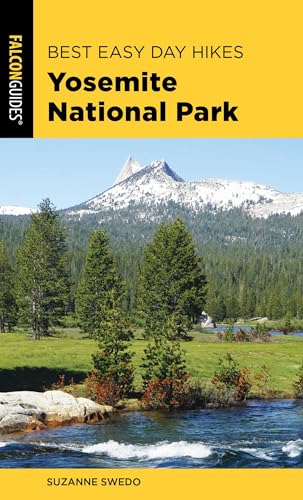
- ✓ Lightweight and portable
- ✓ Clear, friendly gear notes
- ✓ Practical hike ideas
- ✕ Limited depth on longer routes
- ✕ No printed map detail next to every trail
| Author / Publisher | Globe Pequot Press |
| Title / Edition | Best Easy Day Hikes Yosemite National Park |
| Format | Paperback |
| Price | $12.95 |
| Subject / Category | Best Easy Day Hikes in Yosemite National Park |
The moment I opened Best Easy Day Hikes Yosemite, the cover felt durable in my hands and the spine cracked just right with a reassuring press of pages meant to be dog-eared. The paperback carries a calm, matte finish that doesn’t glare under sun or glare back at glare from a café window.
You can almost smell pine and dust from the trail just from the book’s compact, travel-ready heft.
Inside, the layout is friendly: map-style quick references next to bite-sized hike notes. I flipped to a few favorites and found the descriptions practical without preaching—exact mileage, elevation gain, and a simple, friendly tone that feels like a seasoned hiking buddy.
Weight is impressively light for a pocket-guide, so it slips into a daypack without crowding your main pocket. The binding feels sturdy enough for grab-and-go use, which is exactly what you need on a breezy trailhead morning.
It’s the kind of guide you’ll actually want to carry, not just stash at home.
What stood out to me is how the book pairs accessibility with authenticity. The hikes are labeled “easy,” but the book doesn’t shy away from real-world tips—best viewpoints, where to turn back if weather shifts, and approachable routes for kids or a beginner crew.
It doesn’t pretend every trail is a stroll; it respects the varied rhythm of Yosemite days.
In practice, you’ll find the entries sparking ideas for spontaneous half-day trips or a relaxed weekend plan. It feels more like a friendly nudge than a rigid itinerary, which is perfect when you’re juggling gear, weather, and the park’s unpredictable vibe.
If you want a paperback that travels as well as you do, this one earns its spot in the pack.
Overall, you’ll leave with usable routes, sensible pacing, and a sense that you’ve got a trusted map in your hands. It’s the kind of guide you’ll reach for before sunrise and still flip through at sunset for a final reflection on the day.
For a compact Yosemite companion, it hits the sweet spot between practicality and inspiration, without weighing you down.
What Makes Yosemite the Best Backpacking Destination?
Yosemite National Park stands out as a premier backpacking destination due to its stunning landscapes, diverse ecosystems, and rich recreational opportunities.
- Scenic Beauty: The park features breathtaking vistas, including iconic landmarks like El Capitan and Half Dome.
- Diverse Trails: Yosemite offers a variety of trails suitable for all skill levels, from easy walks to challenging hikes.
- Wildlife Encounters: Backpackers can experience diverse wildlife, including black bears, deer, and various bird species.
- Unique Ecosystems: The park encompasses a range of ecosystems, from lush meadows to granite peaks, providing a rich environment for exploration.
- Waterfalls: Yosemite is home to some of the tallest waterfalls in North America, including Yosemite Falls, which are particularly stunning in spring.
- Historical Significance: The park has a rich cultural history, with Native American heritage and historic sites to explore.
- Remote Camping Opportunities: There are numerous backcountry campsites that allow for a more secluded and immersive experience in nature.
- Stargazing: The remote location and minimal light pollution make for exceptional stargazing opportunities at night.
The park features breathtaking vistas, including iconic landmarks like El Capitan and Half Dome, which create an awe-inspiring backdrop for any backpacking trip. These natural wonders are not only visually stunning but also provide a sense of scale and adventure that attracts hikers from around the world.
Yosemite offers a variety of trails suitable for all skill levels, from easy walks to challenging hikes, ensuring that both novice and experienced backpackers can find routes that match their abilities. This diversity allows for a range of experiences, whether one is looking for a short overnight trip or an extended trek through the backcountry.
Backpackers can experience diverse wildlife, including black bears, deer, and various bird species, enhancing the sense of adventure and connection to nature. Observing these animals in their natural habitat adds excitement and brings a deeper appreciation for the park’s ecosystems.
The park encompasses a range of ecosystems, from lush meadows to granite peaks, providing a rich environment for exploration. This variety allows hikers to experience different terrains, climates, and flora, making each segment of the journey unique.
Yosemite is home to some of the tallest waterfalls in North America, including Yosemite Falls, which are particularly stunning in spring when the snowmelt creates powerful cascades. The sight and sound of these waterfalls are unforgettable highlights for many backpackers.
The park has a rich cultural history, with Native American heritage and historic sites to explore, offering a deeper understanding of the land and its significance. This historical context enriches the backpacking experience, allowing hikers to reflect on the human connection to the landscape.
There are numerous backcountry campsites that allow for a more secluded and immersive experience in nature, providing opportunities for solitude and reflection away from crowded areas. These campsites often offer breathtaking views and a chance to truly connect with the wilderness.
The remote location and minimal light pollution make for exceptional stargazing opportunities at night. Backpackers can enjoy clear, star-filled skies, creating a magical atmosphere after a day of hiking.
Which Are the Top Backpacking Trails in Yosemite?
The best backpacking trails in Yosemite offer stunning views, diverse ecosystems, and memorable experiences for outdoor enthusiasts.
- Half Dome Trail: A challenging trek that rewards hikers with breathtaking panoramic views from the summit.
- Clouds Rest Trail: A less crowded alternative to Half Dome, offering spectacular vistas and a satisfying climb.
- Yosemite Valley Loop Trail: A relatively flat trail that showcases iconic landmarks and provides a comprehensive experience of the valley.
- North Dome Trail: A moderate hike that leads to a stunning viewpoint overlooking Half Dome and the Yosemite Valley.
- Tuolumne Meadows to Yosemite Valley: A multi-day trek that allows hikers to experience diverse landscapes and ecosystems across the park.
Half Dome Trail: This iconic trail is known for its steep ascent and the challenging cable route to the summit, which requires a permit. Hikers are treated to breathtaking views of Yosemite Valley, the Merced River, and the High Sierra, making the effort worthwhile.
Clouds Rest Trail: Offering a quieter experience than Half Dome, this trail takes you to the highest point in the immediate area, providing expansive views of the Sierra Nevada. The trail is moderately strenuous, with sections that demand good stamina, but the scenic rewards are plentiful.
Yosemite Valley Loop Trail: This extensive loop covers approximately 13 miles and provides a flat terrain ideal for a leisurely backpacking experience. It highlights major attractions like El Capitan and Bridalveil Fall, allowing hikers to immerse themselves in the park’s natural beauty.
North Dome Trail: This moderate hike is a favorite for those seeking a less strenuous route while still enjoying incredible views. The final approach to North Dome includes a rocky outcrop that offers a breathtaking perspective of Half Dome, making it a popular spot for photography.
Tuolumne Meadows to Yosemite Valley: This extensive trail covers about 50 miles and can be completed in several days, showcasing the diverse ecosystems and breathtaking landscapes of Yosemite. Hikers will encounter alpine meadows, granite ridges, and stunning vistas, providing an unforgettable backpacking experience through the park.
What Are the Most Scenic Trails in Yosemite?
The most scenic trails for backpacking in Yosemite offer breathtaking views and unique experiences in the heart of the Sierra Nevada mountains.
- Half Dome Trail: This iconic trail leads hikers to the summit of Half Dome, providing panoramic views of the Yosemite Valley and surrounding peaks. The hike is strenuous, covering 16 miles round trip with a challenging final ascent involving cables, making it a rewarding achievement for experienced backpackers.
- John Muir Trail: Stretching 211 miles from Yosemite Valley to Mount Whitney, this trail showcases some of the most stunning scenery in the Sierra Nevada. Backpackers can expect to encounter alpine lakes, meadows, and granite cliffs, with the option to experience shorter segments that highlight Yosemite’s natural beauty.
- Clouds Rest Trail: This trail offers one of the highest viewpoints in Yosemite, with a 14-mile round trip journey that culminates in a breathtaking vista of the entire park. The trail is less crowded than Half Dome, allowing for a quieter experience while still delivering impressive views of the valley and surrounding mountains.
- Glacier Point to Little Yosemite Valley: This trail provides a unique perspective of Yosemite Valley from Glacier Point, with a 10-mile descent into Little Yosemite Valley. The trail connects to the John Muir Trail and offers visitors a chance to experience the stunning sights of Yosemite Falls and the Merced River along the way.
- Yosemite Valley Loop Trail: A relatively easy 13-mile loop that circles Yosemite Valley, this trail offers a great introduction to the park’s iconic landmarks such as El Capitan, Bridalveil Fall, and the Merced River. It’s a perfect option for those looking for a scenic hike without the strenuous elevation changes found in other trails.
- Bridalveil Fall Trail: A short but stunning 1.2-mile round trip hike that leads to the base of Bridalveil Fall, one of Yosemite’s most famous waterfalls. The trail provides excellent opportunities for photography and close-up views of the waterfall, especially during the spring melt when the flow is at its peak.
- Mono Meadow to Merced Lake: This 12-mile round trip backpacking route takes you through diverse ecosystems, including meadows and forests, to the tranquil Merced Lake. The lake is a peaceful spot for camping and offers breathtaking views of the surrounding cliffs and wildlife.
What Trails Are Ideal for Beginner Backpackers?
For beginner backpackers in Yosemite, several trails offer manageable distances, beautiful scenery, and a generally accessible terrain.
- Mirror Lake Trail: This 2-mile round-trip trail is ideal for beginners seeking a relatively flat hike. The trail leads to a picturesque lake surrounded by towering granite cliffs, making it a perfect spot for photography and enjoying nature.
- Bridalveil Fall Trail: A short 0.5-mile hike will take you to one of Yosemite’s most iconic waterfalls. The trail is well-maintained and provides stunning views of the fall, especially during spring when the water flow is at its peak.
- Lower Yosemite Fall Trail: This easy, 1-mile loop trail offers close-up views of Yosemite Falls, one of the tallest waterfalls in North America. The path is mostly flat and accessible, making it suitable for families and those new to backpacking.
- Wawona Campground to the Merced Lake: This 4-mile round-trip hike leads to the tranquil Merced Lake, providing a gentle introduction to backpacking. The route is mainly flat with a few gentle inclines, ideal for learning basic backpacking skills while enjoying the serene lake views.
- Tuolumne Meadows to Soda Springs: A relatively easy 2.5-mile round-trip hike that is perfect for beginners. This trail winds through beautiful meadows and offers educational opportunities, such as learning about the local flora and fauna along the way.
Where Can You Find the Most Solitude While Backpacking?
The best places to find solitude while backpacking in Yosemite include:
- Hetch Hetchy Valley: This less-frequented area offers stunning scenery and a chance to escape the crowds commonly found in Yosemite Valley. The trails are often quieter, allowing for a peaceful hiking experience with beautiful views of waterfalls and meadows.
- North Dome Trail: The hike to North Dome provides not only spectacular vistas of Half Dome but also a more tranquil atmosphere compared to busier trails. The relatively short distance and moderate elevation gain make it accessible while still being able to enjoy solitude in nature.
- Mono Meadow: Located near Glacier Point, this area is often overlooked by many hikers. The meadows are dotted with wildflowers, and the surrounding trails lead to lesser-known destinations, making it an ideal spot for those seeking a quiet retreat.
- Clouds Rest: This trail offers a challenging hike with rewarding panoramic views, yet sees fewer visitors than some of the more popular spots. The sense of accomplishment upon reaching the summit is enhanced by the less crowded atmosphere that allows for moments of reflection and peace.
- Gaylor Lakes: Situated near Tioga Pass, this area features a series of beautiful lakes with stunning mountain backdrops. The remote location tends to deter large crowds, providing a serene environment perfect for relaxation and solitude.
- Tuolumne Meadows: Although it can attract visitors in summer, the vastness of the meadows and surrounding trails allows for plenty of space to find solitude. Backpacking routes here can lead to quiet alpine lakes and mountain vistas, ideal for those wanting a peaceful hiking experience.
What Essential Gear Should You Bring for Backpacking in Yosemite?
The essential gear for backpacking in Yosemite includes a variety of items that ensure safety, comfort, and enjoyment during your adventure.
- Backpack: A durable and properly fitted backpack is crucial for carrying all your gear comfortably. Look for one with adjustable straps and sufficient capacity to hold your essentials without being overly bulky.
- Tent: A lightweight, weather-resistant tent will provide shelter from the elements. Choose a model that is easy to set up and has good ventilation to prevent condensation buildup during the night.
- Sleeping Bag: A sleeping bag rated for the temperatures you expect in Yosemite is important for a good night’s sleep. Opt for a compressible, lightweight option that provides warmth and packs down small for easy transport.
- Sleeping Pad: A sleeping pad adds insulation and cushioning between you and the ground, improving your comfort while sleeping. Look for an inflatable or foam pad that is lightweight and offers good insulation values.
- Cooking Gear: A portable stove and lightweight cookware are essential for preparing meals on the trail. Consider a compact stove that uses canister fuel for ease of use and quick setup.
- Water Filtration System: Staying hydrated is critical, and a reliable water filtration system allows you to purify water from natural sources. Options include pump filters, gravity filters, and UV purifiers, each with distinct advantages and ease of use.
- First Aid Kit: A well-stocked first aid kit should include bandages, antiseptic wipes, pain relievers, and any personal medications. Ensure that it is easily accessible in case of emergencies while on the trail.
- Navigation Tools: A map and compass, or a GPS device, are essential for navigating the diverse terrain of Yosemite. Familiarize yourself with the area and practice using these tools to ensure you can find your way.
- Clothing Layers: Dressing in layers is crucial for adapting to the variable weather conditions in Yosemite. Pack moisture-wicking base layers, insulating mid-layers, and a waterproof outer layer to stay comfortable throughout your hike.
- Headlamp or Flashlight: A reliable light source is necessary for navigating in the dark or during early morning hikes. Choose a lightweight headlamp for hands-free operation, ensuring you have extra batteries on hand.
How Can You Ensure Safety and Comfort While Backpacking?
Ensuring safety and comfort while backpacking in Yosemite requires careful planning and the right gear.
- Proper Footwear: Wearing the right shoes is crucial for preventing blisters and providing support on rugged terrain.
- Navigation Tools: Having a reliable map and compass, or a GPS device, is essential for staying on the right trail and avoiding getting lost.
- Weather-Appropriate Clothing: Layering your clothing according to the weather conditions in Yosemite helps regulate body temperature and protects against sudden changes in weather.
- First Aid Kit: A well-stocked first aid kit is necessary to address minor injuries or ailments that may arise during your hike.
- Hydration System: Staying hydrated is vital, so having a water bottle or hydration bladder ensures you can drink water regularly throughout your journey.
- Camping Gear: Choosing a lightweight, weather-resistant tent and sleeping bag will enhance your comfort while providing protection from the elements.
- Food Supply: Packing nutritious, lightweight meals and snacks will keep your energy levels up and ensure you are well-fueled for your adventure.
- Emergency Communication Device: Carrying a satellite phone or a personal locator beacon can be life-saving in case of an emergency where cell service is unavailable.
Proper footwear is crucial for backpacking as it provides the necessary support and traction on uneven surfaces. Investing in high-quality hiking boots or shoes that fit well can significantly reduce the risk of blisters and foot fatigue.
Navigation tools such as a topographic map and a compass are essential for any backpacking trip. While technology like GPS devices and smartphone apps can be helpful, they are not foolproof, so knowing how to read a map and use a compass is a valuable skill to have.
Weather-appropriate clothing means dressing in layers to adapt to varying conditions. In Yosemite, temperatures can fluctuate dramatically, so breathable base layers, insulating mid-layers, and waterproof outer layers are recommended to keep you comfortable.
A first aid kit should include items like adhesive bandages, antiseptic wipes, pain relievers, and any personal medications. Being prepared for minor injuries ensures that you can address issues quickly and continue enjoying your backpacking adventure.
A hydration system like a water bottle or bladder allows for easy access to water while hiking. It’s important to drink regularly, especially at higher altitudes where dehydration can occur more rapidly.
Camping gear should be lightweight yet durable, with a tent that can withstand wind and rain. A sleeping bag rated for the season will keep you warm and comfortable during chilly nights in the wilderness.
When packing food, opt for lightweight, non-perishable items that are easy to prepare. High-energy snacks like nuts, energy bars, and dried fruits can help maintain your stamina throughout the trek.
Having an emergency communication device, such as a satellite phone, is crucial for safety. In the event of an emergency, being able to reach out for help can make a significant difference in ensuring your safety and well-being.
What Are the Key Regulations for Backpacking in Yosemite?
The key regulations for backpacking in Yosemite National Park are designed to preserve the natural environment and ensure visitor safety.
- Wilderness Permits: All overnight backpackers must obtain a wilderness permit before entering the backcountry. These permits help manage the number of visitors and protect the park’s ecosystems, ensuring that the area remains pristine for future generations.
- Campsite Regulations: Backpackers are required to camp at designated sites in certain areas to minimize ecological impact. This includes not camping within 100 feet of water sources and adhering to specific group size limits to reduce overcrowding and preserve wildlife habitats.
- Leave No Trace Principles: Adhering to Leave No Trace principles is mandatory, which includes packing out all trash, minimizing campfire use, and using established trails to prevent soil erosion and damage to vegetation. Following these guidelines helps maintain the natural beauty of Yosemite for all visitors.
- Food Storage Regulations: Proper food storage is critical to prevent wildlife encounters; all food, trash, and scented items must be stored in bear-resistant containers or hung from a tree at least 12 feet off the ground and 4 feet away from the trunk. This helps to protect both bears and hikers by reducing the likelihood of bears associating humans with food.
- Fire Restrictions: Fires are only allowed in designated areas and during certain times of the year, with many areas requiring camp stoves instead due to fire danger. Understanding and adhering to these restrictions is vital for fire safety and to prevent wildfires in the often dry conditions of Yosemite.
- Wildlife Encounters: Visitors must respect wildlife by maintaining a safe distance and not feeding animals. Feeding wildlife can alter their natural behaviors and lead to dangerous situations for both animals and humans.
When Are the Best Times of Year to Backpack in Yosemite?
The best times of year to backpack in Yosemite vary based on weather conditions and trail accessibility.
- Late Spring (May to June): This period is marked by blooming wildflowers and rushing waterfalls due to snowmelt, making the scenery particularly breathtaking.
- Summer (July to August): With warm temperatures and most trails fully accessible, summer is the peak season for backpacking, although it can be crowded.
- Early Fall (September to October): Fall offers cooler temperatures and fewer crowds, along with stunning autumn foliage, making it an ideal time for backpacking.
- Winter (November to April): While winter backpacking is possible, it requires advanced skills and gear due to snow and cold temperatures, making it less common.
Late spring is an enchanting time in Yosemite, as the melting snow creates impressive waterfalls and the meadows burst with vibrant wildflowers, attracting both wildlife and hikers. However, some higher elevation trails may still be snow-covered, so checking conditions beforehand is essential.
Summer is the most popular time for backpacking in Yosemite, with temperatures ranging from warm to hot, allowing for comfortable hiking during the day. Most trails are open, but visitors should be prepared for the potential of thunderstorms in the afternoons and be mindful of more crowded camping areas.
Early fall presents an excellent opportunity for backpackers looking to enjoy the park’s beauty without the summer crowds. The weather is generally mild, and the changing leaves add a colorful backdrop to the trails, though some higher elevation areas may start to see early snow by late October.
Winter backpacking in Yosemite can be a magical experience, with the park transformed into a snowy wonderland. However, it requires specialized gear and knowledge of winter survival skills, as many trails may be inaccessible due to snow, and conditions can be harsh.
What Wildlife Should You Be Cautious About While Backpacking in Yosemite?
When backpacking in Yosemite, it’s important to be aware of certain wildlife that could pose risks to hikers.
- Bears: Yosemite is home to a significant population of black bears, which can be attracted to food and scented items. It’s crucial to store food properly in bear canisters and maintain a safe distance if you encounter one.
- Mountain Lions: These elusive predators generally avoid humans but can be dangerous if they feel threatened. Hikers should make noise while trekking to avoid surprising a mountain lion and should know how to react if they encounter one.
- Snakes: The park is inhabited by several species of snakes, including rattlesnakes. While bites are rare, it’s advisable to stay on trails and watch where you step or place your hands to avoid accidental encounters.
- Ticks: Ticks are common in wooded areas and can transmit diseases such as Lyme disease. Wearing long sleeves and pants, along with using insect repellent, can help prevent tick bites.
- Deer: Although usually harmless, deer can pose a risk by unexpectedly crossing trails, which can lead to accidents. Hikers should be vigilant and slow down when approaching areas where deer are frequently seen.