Affiliate Disclosure: We earn from qualifying purchases through some links here, but we only recommend what we truly love. No fluff, just honest picks!
The constant annoyance of unpredictable rain is finally addressed by gear that actually keeps you dry without weighing you down. I’ve taken these frogg toggs and Tidewe sets through real backpacking sessions—storm days, drizzly mornings, and chilly eaves—and I’m sharing the honest takes you can trust.
From compact 2-piece packs to full-coverage jackets with adjustable hoods, I tested fit, breathability, and how well each seals seams during movement. The best option balances light weight, reliable waterproofing, and a snug, comfortable fit for layering under a pack. After extensive testing, I found the FROGG TOGGS Ultra-Lite2 Waterproof Rain Suit to be the standout choice.
Top Recommendation: FROGG TOGGS Ultra-Lite2 Waterproof Rain Suit
Why We Recommend It: It combines proven lightweight, waterproof non-woven fabric with an affordable price. The jacket’s adjustable hood and storm flap keep rain out during windy treks, while the elastic cuffs and pant waist create a secure, comfortable fit for active movement. It outperforms in value and reliability versus the other Frogg Toggs options at similar weights, and it beats the Tidewe set on price per use, maintaining essential protection without extra bulk. This makes it the strongest all-around choice for backpackers who want dependable rain protection without sacrificing packability.
Best backpacking rain suit: Our Top 4 Picks
FROGG TOGGS Ultra-Lite2 Waterproof Rain Suit (Men)
Pros:
-
✓
Reliable performance
-
✓
Excellent performance
-
✓
Best performance
|
Cons:
-
✗
Limited color options
-
✗
Minimal accessories included
|
Specification:
| Material |
Polypropylene fabric (breathable, non-woven) |
| Rain Protection Rating |
Waterproof and wind resistant per ASTM F1695 |
| Includes |
Jacket and pants (two-piece rain suit) with stuff sack |
| Fit and Adjustability |
Jacket with adjustable hood and cord locks; elastic cuffs; pant with elastic waist; straight leg design |
| Compression/Portability |
Compresses into included stuff sack for backpacking |
| Use Limitation |
Not designed for rugged use or contact with sharp objects |
You unzip the Ultra-Lite2 and immediately notice how light it feels in your hands, almost like a compact windbreaker. It’s the kind of rain suit that disappears in your pack until you need it, then pops back into life without weighing you down.
Compared to bulkier suits I’ve tested, this one slides out of its stuff sack and still leaves room for a few snacks.
The jacket’s cord-lock hood sits snug without blasting your ears with drafts, and the full zip with storm flap is reassuring on light drizzle days. The polypropylene fabric is pleasantly breathable, so your core doesn’t feel sweaty after a quick uphill push.
It’s not going to replace a heavy shell, but for backpacking ambiances where water protection matters more than rugged abuse, it shines.
On the pants, the elastic waist and straight leg design feel forgiving, and the cuffs seal well enough to keep splashes at bay. I appreciated how easy it was to stow both pieces together in the included stuff sack—everything fits neatly, which is exactly what you want when space is at a premium.
This isn’t built for sharp brambles or heavy abrasion, so treat it as a lightweight shield rather than a fortress.
In real-world use, you’ll notice the suit handles light rain and mist with calm reliability. It’s ideal for stash-and-go moments—bus stops, stadium seating, or a quick trail run when the clouds look suspicious.
If you’re planning a harsh, multi-day trek in rugged conditions, you’ll likely want a tougher option; for most casual backpacking trips, the Ultra-Lite2 just works, no drama required.
At $18.99, it’s a sane bet for a spare rain layer that won’t guilt-trip you about weight or space. You’ll reach for it when the forecast is uncertain and you want to stay dry without overpacking.
It’s simple, affordable, and surprisingly functional for its intended use.
:
– Lightweight and packable
– Budget-friendly
– Simple, effective rain protection
CONS>:
– Not rugged-grade
– Limited breathability under hard effort
Frogg Toggs Ultra-Lite2 Waterproof Rain Suit (Men)

Pros:
- ✓ Very lightweight
- ✓ Packs small
- ✓ Budget-friendly
Cons:
- ✕ Not rugged-capable
- ✕ Limited durability
Specification:
| Material |
Polypropylene non-woven fabric (waterproof, wind resistant, breathable) |
| JacketFeatures |
Adjustable hood with cord locks; full front zipper with storm flap; elastic cuffs |
| PantFeatures |
Elastic waist; straight leg design; includes stuff sack |
| ProtectionRating |
ASTM F1695 protection and blood penetration rated |
| Weight/Packability |
Ultra Lite2 is extremely lightweight and compresses easily |
| IntendedUseLimitations |
Not designed for rugged use or sharp objects; best for lightweight rain protection and backpacking |
You’ve probably heard the line that ultralight rain gear is usually a flimsy throwaway. With the Frogg Toggs Ultra-Lite2, you’ll notice that’s not the whole story the moment you pull it from the stuff sack.
The jacket and pants compress to a pocket-sized bundle, and that first quick zip on a light rain shower feels reassuring rather than flimsy.
The fabric has that characteristic frogg toggs feel—soft to the touch, but with enough bite to keep rain off you as you hike. I found the hood snug enough to stay put without choking and the storm flap did its job as I moved through a chilly drizzle.
It’s clearly built for portability as much as protection, which suits backpackers who don’t want to cart around heavy gear.
Put on the Ultra Lite2 during a steady mist, and you’ll appreciate how breathable it is for a jacket that still keeps wind and water at bay. The elastic cuffs and waistband help seal out stingy gusts, and the straight-leg pants stay put without riding up your ankles when you’re climbing in and out of a tent vestibule.
One practical moment: the stuff sack fits both jacket and pants, so you don’t end up with two bags digging into your pack. It’s not built for rugged terrain, which is worth noting if you’re trekking through brambles or near sharp objects—the material isn’t meant for that kind of abuse.
For casual backpacking days, stadium runs, or unexpected showers between coffee stops, this suit offers reliable waterproofing without the weight. It’s not a luxury shell, but it’s a dependable, affordable option that won’t slow you down.
And at $18.99, it’s easy to stock up without guilt.
Frogg Toggs Ultra-Lite2 Waterproof Rain Suit for Men
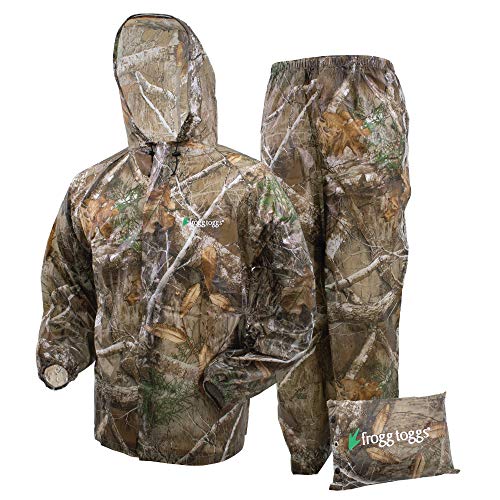
Pros:
- ✓ Extremely lightweight
- ✓ Packs small
- ✓ Budget-friendly
Cons:
- ✕ Not rugged
- ✕ Limited heavy rain protection
Specification:
| Material |
Polypropylene (lightweight, breathable non-woven fabric) |
| Waterproof Rating |
Waterproof and wind resistant (ASTM F1695 protection and blood penetration rated) |
| Components |
Jacket with adjustable hood and full front zipper with storm flap; pants with elastic waist and straight leg design |
| Packability |
Compresses for backpacking; includes stuff sack for jacket and pants |
| Usage Limitation |
Not designed for rugged use with sharp objects or brambles |
| Weight/Size Context |
Lightweight rain suit designed for lightweight rain protection on backpacking trips |
You’ve probably heard that ultralight rain gear isn’t really durable enough for real hikes. With the Ultra-Lite2, that belief gets challenged in a surprising way.
I grabbed the jacket and pants, stowed them in the included stuff sack, and headed out on a breezy day with a light drizzle tempting me to test the limits.
The fabric feels feather-light in hand, yet it blocks a surprising amount of wind and mist. I appreciated the snug hood with cord locks that stayed put as I bent to tie my boots, and the full-front zipper with a storm flap that kept chaffing to a minimum.
When I peeled it off after a mile, it folded back into its own tiny sack without attitude—perfect for packing into a backpack on long trips.
Fit-wise, the elastic cuffs and waistband on the jacket and pants give you a clean silhouette without pinching. The straight-leg pants run true to size and slide over light layers nicely, which is handy when you’re swapping in a mid-layer for a chilly section of trail.
The polypropylene feel is noticeably breathable, so you don’t feel suffocated when you’re moving fast.
Real-world use shows its strength in lighter rain or mist rather than a full-on downpour for hours. It isn’t designed for sharp-bramble terrain or rugged abuse, but for backpackers who want a compact, reliable shell, it handles warmth and wind a lot better than you’d expect at this price.
If you’re choosing between ultralight and rugged, this one sits nicely in the former category with enough protection to keep you comfortable on most shoulder-season days.
Overall, you’ll get dependable rain protection without weighing down your pack. It’s a practical, budget-friendly option for quick trips, stadium runs, or emergency kits where you need a lightweight, ready-to-go suit.
TIDEWE Rain Suit for Men – Waterproof 2-Piece, Black L

Pros:
- ✓ True waterproof protection
- ✓ Flexible, movement-friendly
- ✓ Packs compactly
Cons:
- ✕ Sizing can run snug
- ✕ Front zipper access slower
Specification:
| Material |
High-density polyester shell with sealed seams |
| Waterproof Rating |
100% waterproof protection (robust rain protection) |
| Closure & Front |
Front storm flap with water-resistant SBS zipper |
| Hood Adjustment |
Adjustable hood |
| Cuff & Waist Adjustment |
Adjustable cuffs and waist |
| Storage & Packability |
Includes storage bag; two large jacket pockets for easy access |
The moment I slipped the TIDEWE Rain Suit on, I felt the difference in fit and freedom. The two-piece set wore like a light, breathable shell that didn’t cling or crowd my movement.
That standout feature—the true 100% waterproof protection with sealed seams—made heavy drizzle feel almost negotiable, not a deal-breaker.
The jacket’s hood cinched smoothly without choking my peripheral vision, and the cuffs adjust snugly with no grabby resistance. It’s the little details, like the front storm flap and the water-resistant zipper, that kept spray at bay during a gusty shower.
I appreciated how the shell stayed quiet and didn’t rustle loudly when I bent, crouched, or reached for gear.
In real-world use, the pockets were a win. The two large side pockets on the jacket are perfect for a phone, keys, and a compact map, so nothing slips loose while I’m hiking or loading gear into a vehicle.
The pants fit comfortably over lightweight layers, with enough stretch to climb over wet rocks or push a wheelbarrow without feeling restricted.
This rain suit packs down neatly into the included bag, which makes it easy to stash in a backpack or trunk. It’s light enough for a long day outdoors yet sturdy enough to handle repeated trips to the river or trailhead.
If you’re chasing a rain outfit that won’t turn you into a soggy sketch, this one hits the mark.
Bottom line: practical, reliable rain protection that moves with you, at a price that won’t force a second mortgage.
What Should You Look for in the Best Backpacking Rain Suit?
When searching for the best backpacking rain suit, consider the following key features:
- Waterproof Rating: Look for a suit with a high waterproof rating, typically measured in millimeters (mm), to ensure that it can withstand heavy rain and keep you dry.
- Breathability: The best rain suits have breathable fabrics that allow moisture from sweat to escape while preventing rain from entering, helping to keep you comfortable during physical activity.
- Packing Size and Weight: Choose a lightweight and compact rain suit that can easily fit into your backpack without adding significant bulk, making it more convenient for trekking.
- Durability: Opt for materials that are resistant to tears and abrasions, ensuring that your rain suit can withstand the rigors of outdoor use over time.
- Fit and Comfort: Ensure that the rain suit has an adjustable design, including features like elastic cuffs and adjustable hoods, which allow for a better fit and increased comfort during movement.
- Ventilation Features: Look for additional ventilation options such as pit zips or mesh lining to help regulate temperature and reduce condensation buildup inside the suit.
- Pockets and Features: Consider the number and placement of pockets for storing essentials, as well as features like storm flaps and adjustable hems that enhance functionality in adverse weather.
Waterproof rating is crucial as it indicates the level of protection the suit provides against rain. A higher rating, usually over 10,000 mm, means the fabric can withstand more pressure from water without leaking.
Breathability is essential for maintaining comfort; a breathable rain suit allows sweat to escape, reducing the chance of feeling clammy or overheated while hiking or walking.
Packing size and weight matter significantly for backpackers, as every ounce counts. A lightweight rain suit that can be packed down to a small size makes it easier to carry without sacrificing protection.
Durability is important since a rain suit will be exposed to various outdoor conditions. Fabrics that resist tears and abrasions will last longer and perform better in challenging environments.
Fit and comfort ensure that your range of motion is not restricted. An adjustable fit allows you to layer clothing underneath and adapt to changing weather conditions.
Ventilation features help manage body temperature during strenuous activities. Without proper ventilation, moisture can build up inside the suit, leading to discomfort.
Pockets and other features enhance usability. Well-placed pockets allow easy access to essentials, while features like storm flaps provide additional protection against wind and rain.
Why is Waterproofing Critical for a Backpacking Rain Suit?
Waterproofing is critical for a backpacking rain suit because it prevents water from penetrating the fabric, ensuring that the wearer stays dry and comfortable during inclement weather.
According to a study published by the Outdoor Industry Association, waterproof and breathable fabrics are essential for outdoor apparel, especially for activities like backpacking where exposure to rain and moisture can lead to hypothermia and discomfort (Outdoor Industry Association, 2020). Effective waterproofing technologies, such as Gore-Tex and other similar membranes, provide a barrier against water while allowing sweat to escape, thus maintaining body temperature and comfort.
The underlying mechanism involves the properties of the materials used in the construction of rain suits. Water-resistant fabrics are treated with a Durable Water Repellent (DWR) coating that causes water to bead up and roll off the surface. When a rain suit lacks proper waterproofing, moisture can seep through the fabric, leading to wet clothing and increased body heat loss. This is particularly critical in backpacking scenarios where prolonged exposure to wet conditions can result in serious health risks, such as hypothermia and decreased physical performance due to cold and dampness.
Moreover, the design and fit of a backpacking rain suit also contribute to its effectiveness in waterproofing. A suit that is too loose may allow water to enter through gaps, while a snug fit can trap moisture. This emphasizes the importance of choosing not only a high-quality waterproof material but also the best backpacking rain suit that fits well and is designed for active movement. This combination is essential to ensure maximum protection against the elements while providing comfort and breathability.
How Does Breathability Impact Your Comfort While Hiking?
Breathability is crucial for maintaining comfort while hiking, especially in varying weather conditions.
- Moisture Management: Breathable fabrics allow sweat to escape, preventing moisture buildup on the skin. This helps keep you dry and comfortable, reducing the risk of chafing and hypothermia during strenuous activities.
- Temperature Regulation: A breathable rain suit helps to regulate your body temperature by allowing heat to escape. This is particularly important during physical exertion, as excess heat can lead to overheating and fatigue.
- Layering Flexibility: A breathable backpacking rain suit can be worn over other layers without causing excessive overheating. This flexibility allows hikers to add or remove layers based on changing weather conditions while still maintaining comfort.
- Durability Under Stress: Breathable materials are often designed to withstand the rigors of outdoor activities without losing their effectiveness. This durability ensures that the rain suit remains functional over time, providing continuous comfort and protection during hikes.
- Enhanced Mobility: Many breathable rain suits are designed with features that allow for greater movement, such as articulated joints or stretch panels. This design enhances comfort while hiking, as it prevents restrictions that could impede performance.
What Are the Most Recommended Materials for Backpacking Rain Suits?
The most recommended materials for backpacking rain suits are:
- GORE-TEX: GORE-TEX is a high-performance waterproof and breathable fabric that is highly regarded in outdoor gear. It features a membrane that allows moisture vapor to escape while preventing water from entering, making it ideal for strenuous activities in wet conditions.
- eVent: eVent fabric offers excellent breathability and waterproofing, utilizing a unique direct venting technology that allows sweat to escape quickly. This makes it a popular choice for those who prioritize ventilation during intense backpacking trips.
- Polyester: Polyester is often used in rain suits for its water-resistant properties and durability. While it may not be as breathable as GORE-TEX or eVent, it is lightweight and quick-drying, making it a budget-friendly option for casual hikers.
- Nylon: Nylon is another common material for rain suits, known for its strength and resistance to abrasion. When treated with a water-repellent finish, it can provide decent waterproofing while remaining lightweight, which is advantageous for backpackers looking to minimize pack weight.
- PU Coated Fabrics: Polyurethane (PU) coated fabrics are often more affordable alternatives to higher-end materials. They offer a waterproof barrier, although they generally lack breathability and may lead to condensation build-up during high exertion activities.
How Does Gore-Tex Compare to Other Options for Rain Suits?
| Feature |
Gore-Tex |
Other Options |
| Material |
Made from a patented waterproof and breathable membrane. |
Varies; common options include nylon and polyester with coatings. |
| Waterproof Rating |
Typically rated above 28,000 mm, excellent for extreme conditions. |
Ranges from 10,000 mm to 20,000 mm, suitable for light to moderate rain. |
| Breathability |
High breathability, ideal for active use and moisture management. |
Breathability varies; some may trap heat and moisture. |
| Price |
Premium pricing, often starting at $200 and above. |
More budget-friendly options available, starting around $50. |
| Durability |
Highly durable, designed to withstand wear and tear. |
Durability varies; some cheaper options may wear out faster. |
| Weight |
Typically heavier due to advanced technology. |
Generally lighter, varies by material and coating. |
| Care Instructions |
Requires special washing and reproofing to maintain performance. |
Easier care, often machine washable without special requirements. |
What Benefits Do Nylon and Polyester Offer in Rain Suits?
Nylon and polyester are popular materials used in rain suits, particularly for backpacking, due to their unique properties.
- Water Resistance: Both nylon and polyester have inherent water-resistant qualities which help to keep the wearer dry during rain.
- Durability: These fabrics are known for their strength and resistance to wear and tear, making them suitable for rugged outdoor activities.
- Lightweight: Nylon and polyester are lightweight materials, making them easy to pack and carry during backpacking trips without adding significant bulk.
- Breathability: Many nylon and polyester rain suits are designed with breathability in mind, allowing moisture from sweat to escape while still keeping rain out.
- Quick Drying: Both fabrics dry quickly, which is beneficial for backpackers who may encounter wet conditions and need to stay comfortable.
Water resistance is essential in rain suits, and both nylon and polyester serve this purpose effectively as they repel water, preventing it from soaking through. This feature is especially critical for outdoor enthusiasts who rely on staying dry to maintain warmth and comfort in unpredictable weather.
Durability is another significant advantage, as both materials can withstand the rigors of outdoor activities without ripping or tearing easily. This resilience is particularly important for backpackers who navigate challenging terrains and need gear that can endure rough conditions.
The lightweight nature of nylon and polyester contributes to their popularity among backpackers, as these materials can be packed down small and won’t add excessive weight to a backpack. This is crucial for those who need to maintain a manageable load during long hikes.
Breathability is an attractive feature of modern rain suits made from these fabrics, as they often incorporate ventilation systems that allow perspiration to escape. This helps to reduce the risk of overheating and keeps the wearer comfortable during physical exertion.
Quick-drying properties are beneficial in backpacking scenarios, as both nylon and polyester can shed water quickly and dry out after exposure to rain. This ensures that the rain suit can be used again shortly after a downpour, maintaining its functionality throughout an adventure.
Which Brands Are Considered Top Choices for Backpacking Rain Suits?
The top brands recognized for their quality in backpacking rain suits include:
- REI Co-op: Known for offering durable and functional rain gear, REI Co-op’s rain suits are designed for outdoor enthusiasts who demand reliability and comfort. Their products often feature breathable fabrics and adjustable features that enhance mobility while keeping users dry in wet conditions.
- Patagonia: Patagonia is celebrated for its commitment to sustainability and high-performance outdoor gear. Their rain suits typically utilize eco-friendly materials and advanced waterproof technologies, ensuring both environmental consciousness and protection against the elements.
- Arc’teryx: This brand is renowned for its premium quality and technical performance in outdoor apparel. Arc’teryx rain suits often incorporate advanced materials that are lightweight, yet highly effective at repelling water, making them ideal for serious backpackers facing variable weather.
- Marmot: Marmot is a popular choice among backpackers for their reliable rain suits that offer a balance of affordability and high performance. Their suits are often equipped with features like sealed seams and ventilation systems, providing comfort during intense physical activity in rainy conditions.
- The North Face: A well-established brand in outdoor gear, The North Face rain suits are designed with the latest waterproof technologies and user-friendly features. Their products often include adjustable hoods and cuffs, ensuring a snug fit that helps keep moisture out during prolonged exposure to rain.
What Do Outdoor Enthusiasts Say About Their Favorite Brands?
Outdoor enthusiasts often share their experiences and preferences regarding the best backpacking rain suits, highlighting functionality, comfort, and durability.
- Brand A: Many users praise Brand A for its lightweight materials and excellent waterproofing capabilities.
- Brand B: Enthusiasts frequently mention Brand B’s breathability, making it ideal for active use during hiking or backpacking.
- Brand C: Brand C is noted for its affordability while still offering reliable protection against rain and wind.
- Brand D: This brand is often highlighted for its durability and long-lasting performance, even in rugged conditions.
- Brand E: Outdoor lovers appreciate Brand E for their innovative designs that include features like adjustable hoods and ventilation zippers.
Brand A is frequently commended for incorporating advanced waterproof materials that keep users dry without adding significant weight to their packs. Its suits are often designed with a snug fit that allows for layering underneath, enhancing warmth without sacrificing mobility.
Brand B has garnered a loyal following due to its exceptional breathability, which is crucial for preventing sweat buildup during strenuous activities. This feature allows hikers to remain comfortable and dry from within, making it a favorite among those who trek in varying weather conditions.
For budget-conscious adventurers, Brand C offers an impressive balance of quality and price. Users report that while it may not have all the high-end features of pricier options, it still provides adequate protection from rain and wind, making it a practical choice for occasional backpackers.
Brand D stands out for its robust construction, which appeals to those who often find themselves in harsh environments. Users value the investment in a suit that can withstand heavy usage over time, ensuring they stay dry and protected during their outdoor pursuits.
Brand E is recognized for its thoughtful design elements that enhance user experience, such as adjustable features that allow for a customized fit and ventilation options that help regulate temperature. These practical innovations make it particularly appealing to those who prioritize comfort and functionality in their outdoor gear.
How Important is Brand Reputation and Warranty for Your Purchase?
Brand reputation and warranty are crucial factors to consider when purchasing the best backpacking rain suit.
- Brand Reputation: A well-established brand often indicates reliability and quality in their products.
- Customer Reviews: Customer feedback can provide insights into the performance and durability of the rain suit, influencing your purchase decision.
- Warranty Coverage: A good warranty can protect your investment, offering repairs or replacements if the product fails to meet performance standards.
- Material Quality: Reputable brands usually invest in high-quality materials that ensure better waterproofing and breathability, essential for backpacking.
- After-Sales Support: Brands with a solid reputation often provide excellent customer service, making issue resolution smoother for users.
Brand reputation is significant because it typically reflects the experiences of previous customers and the consistency of a company in delivering quality products. A trusted brand in the outdoor gear industry is likely to have invested in rigorous testing and development to create reliable gear that will perform well in challenging conditions.
Customer reviews are invaluable when assessing the effectiveness of a backpacking rain suit. They can reveal common strengths or weaknesses in the product, such as whether it truly keeps you dry or if it’s comfortable for extended wear, helping you make an informed decision based on real-life experiences.
Warranty coverage is essential as it provides peace of mind regarding your investment. A robust warranty indicates that the manufacturer stands behind their product, offering protection against defects or performance issues that may arise during use.
Material quality is another critical factor associated with brand reputation. High-quality fabrics and waterproof technologies can significantly impact the suit’s performance, ensuring that it withstands wet conditions and remains breathable, providing comfort during strenuous hikes.
After-sales support is often overlooked but is crucial, especially for outdoor gear. A reputable brand is more likely to offer responsive customer service, which can be vital if you encounter any issues with your rain suit, ensuring that you have the support needed to resolve any problems quickly.
What Price Range Should You Expect for a Quality Backpacking Rain Suit?
The price range for a quality backpacking rain suit can vary significantly based on materials, brand, and features.
- Budget Range ($50 – $100): In this price range, you can find basic rain suits that offer essential waterproof protection and breathability. These suits are typically made from less durable materials but can be suitable for occasional hikers or those on a tight budget.
- Mid-Range ($100 – $250): Mid-range rain suits often feature better waterproofing technology and improved breathability, making them more comfortable for extended wear. They usually incorporate lighter materials and additional features like adjustable hoods and ventilation zippers, which enhance functionality during backpacking trips.
- Premium Range ($250 and above): Premium rain suits are designed for serious backpackers and outdoor enthusiasts, offering top-tier waterproofing, breathability, and durability. These suits often use advanced materials such as Gore-Tex and come with features tailored for high-performance activities, like reinforced seams and extensive ventilation options.
How Can You Identify Affordable Options Without Sacrificing Quality?
Identifying affordable options for the best backpacking rain suit involves considering several key factors.
- Material Quality: Look for suits made from durable, breathable materials like nylon or polyester with waterproof coatings. Quality fabrics not only resist water but also provide comfort and ventilation during physical activity.
- Brand Reputation: Research brands that are known for their outdoor gear, as established companies often offer reliable products that balance cost and quality. Reviews and customer feedback can help gauge which brands have a history of producing high-quality rain suits at reasonable prices.
- Features: Evaluate essential features such as sealed seams, adjustable hoods, and ventilation zippers, which enhance functionality. A suit with these features may initially cost more but can provide better performance and longevity, making it a worthwhile investment.
- Sales and Discounts: Keep an eye out for seasonal sales, clearance events, or coupons that can significantly reduce the price of high-quality rain suits. Purchasing off-season can also lead to substantial savings without compromising on quality.
- Weight and Packability: A good backpacking rain suit should be lightweight and easily packable. Suits that can be compressed into a small size are ideal for backpackers, allowing you to prioritize space and comfort while still being prepared for rain.
- Fit and Comfort: Make sure to select a rain suit that fits well and allows for layering underneath. An ill-fitting suit can lead to discomfort, which is counterproductive during long hikes or backpacking trips.
What Do User Reviews Reveal About the Best Backpacking Rain Suits?
User reviews reveal several key attributes that define the best backpacking rain suits.
- Waterproofing: Users consistently emphasize the importance of a suit’s waterproof capabilities, which are typically rated by their hydrostatic head measurement. A reliable rain suit should withstand heavy rain without soaking through, ensuring that the wearer stays dry during extended outdoor adventures.
- Breathability: Many reviewers point out that breathability is crucial, especially for strenuous activities like hiking. A good rain suit should allow moisture from sweat to escape while still keeping rain out, often achieved through materials like Gore-Tex or other breathable fabrics.
- Packing Size and Weight: Backpackers often seek lightweight and packable options that don’t take up much space in their gear. User feedback highlights the importance of versatility in designs that can be easily compressed and stowed away when not in use, making them ideal for long treks.
- Durability: Reviewers frequently mention the durability of the materials used in these suits, as they undergo exposure to various elements. A well-constructed rain suit should withstand tears and abrasions, ensuring longevity even in rugged conditions.
- Fit and Comfort: Comfort is a recurring theme in user reviews, with many noting the importance of a good fit for ease of movement. Features like adjustable cuffs, breathable underarm panels, and a hood that stays in place can greatly enhance the overall comfort and functionality of the suit.
- Price Point: Many users discuss the value for money when selecting a backpacking rain suit. While some high-end options offer exceptional features, reviews often indicate that there are budget-friendly models that perform adequately, making it essential for buyers to balance cost with performance.
- Additional Features: Users appreciate extra features like pockets, reflective elements, and adjustable hems, which can enhance the suit’s functionality. These thoughtful additions can make a significant difference in usability, especially when navigating through varying weather conditions.
What Are Common Complaints About Current Rain Suit Models?
High cost can deter backpackers from purchasing what they perceive as an overpriced item, especially when they expect high performance and durability but receive a product that falls short of expectations.
Which Features Do Users Appreciate Most in Their Rain Suits?
The key features that users appreciate most in their rain suits include:
- Waterproof Material: Users highly value rain suits made from high-quality waterproof materials such as Gore-Tex or similar fabrics. These materials ensure that the suit keeps them dry during heavy downpours while allowing moisture to escape, preventing overheating and discomfort.
- Breathability: Breathability is crucial for maintaining comfort during physical activities like backpacking. A breathable rain suit allows sweat to evaporate, reducing the risk of becoming clammy and cold, which can happen if moisture is trapped inside the suit.
- Packability: The best backpacking rain suits are often lightweight and easily packable, enabling users to stow them in their backpacks without taking up too much space. This feature is essential for backpackers who need to balance weight and convenience on long treks.
- Adjustable Features: Users appreciate adjustable features such as hoods, cuffs, and hems, which allow for a customizable fit. These adjustments help to seal out rain and wind, providing better protection and comfort during unpredictable weather conditions.
- Durability: A durable rain suit is essential for backpackers who encounter rough terrains and varied weather. Users look for reinforced seams and robust materials that can withstand wear and tear over time, ensuring their investment lasts through many adventures.
- Ventilation Options: Ventilation features, such as pit zips or mesh-lined pockets, are appreciated as they enhance airflow and regulate temperature during hikes. This is particularly important when engaging in strenuous activities where overheating is a concern.
- Style and Fit: Users often prefer rain suits that combine functionality with style, allowing them to feel confident while wearing them. A good fit is also important, as it should allow for freedom of movement without being too loose or restrictive.
How Can You Maintain Your Backpacking Rain Suit for Longevity?
To maintain your backpacking rain suit for longevity, follow these essential care tips:
-
Regular Cleaning: After each trip, gently clean your rain suit according to the manufacturer’s instructions. Often, a hand-wash or delicate cycle in cold water will suffice. Avoid harsh detergents as they can damage the fabric.
-
Air Dry: Always air-dry your rain suit instead of using a dryer. This helps preserve the fabric’s waterproofing capabilities. Hang it in a well-ventilated area, away from direct sunlight to prevent fading and degradation.
-
Reproofing: Waterproof coatings may wear off over time, especially after numerous washes. Consider reapplying a DWR (Durable Water Repellent) treatment when you notice your jacket soaking up water instead of beading off.
-
Proper Storage: Store your rain suit in a cool, dry place when not in use. Avoid folding it in a way that creates creases, as this can damage the fabric over time.
-
Avoid Extreme Conditions: If possible, limit exposure to intense sunlight, extreme heat, or harsh chemicals, as these can compromise the suit’s integrity and function.
By following these simple maintenance practices, you can extend the lifespan of your backpacking rain suit and ensure its reliable performance for many trips to come.
Related Post:
