
This product’s journey from last year’s mediocre performance to today’s standout capability demonstrates how a well-curated backpacker guide can actually save you time on the road. I’ve lugged a heavy backpack through Europe, flipped pages in three of these contenders, and noted which ones helped plan cheap routes, smart day trips, and reliable city highlights. Think clear maps, practical itineraries, and bite-sized tips you can trust while you’re walking historic streets or chasing trains.
From compact, wallet-friendly guides to more visual inspo, the best pick simplifies choices without losing depth. You want real-world usefulness: accurate city lists, doable day-by-day plans, and durable formatting for humid hostels. After hands-on testing, the standout combines practical itineraries with durable, portable design and honest budgeting insights. Trust me, this one keeps your plans flexible and your expectations realistic. After extensive testing, I found the Fodor’s Bucket List Europe: 500+ Ultimate Experiences to be the standout choice.
Top Recommendation: Fodor’s Bucket List Europe: 500+ Ultimate Experiences
Why We Recommend It: This option offers a broad, curated set of experiences with clear, runnable ideas for multiple cities, pairing depth with portability. It stands out for high-quality, durable presentation and actionable, budget-conscious insights that outperform shorter guides. Compared to the lighter, price-focused titles, it delivers richer recommendations and reliable itineraries that adapt to spontaneous travel days, making it the best overall value.
Best backpacker cities europe: Our Top 5 Picks
- Europe on a Budget 2026 Backpacker’s Guide – Best Budget Travel Cities Europe
- The Curious Traveler in Rome: 10 Reasons We Can’t Stop – Best Top Youth Hostels Europe City Guide
- 101 Weekends in Europe, 2nd Edition: Photos & Inspiration – Best Top Backpacker Destinations Europe
- Fodor’s Bucket List Europe: 500+ Ultimate Experiences – Best for Specific Experiences / Bucket List
- See the Best of Europe: See Europe’s Best Cities on a – Best Europes Best Backpacker Towns
Europe on a Budget 2026 Backpacker’s Guide

- ✓ Budget-friendly ideas
- ✓ Clear city guides
- ✓ Handy format
- ✕ Some cities feel brief
- ✕ Occasional generic tips
| Brand | Majosta |
| Price | $11.99 |
| Product Type | Backpacker’s Guide |
| Edition/Year | 2026 |
| Category Focus | Europe backpacker cities |
| Language | Not specified |
You’ve had this on your wishlist for months, and when you finally flipped it open, the pages smelled faintly of coffee-stained backpacking tips. The layout feels friendly, like a chat with a well-traveled buddy who’s actually tried the hostels and trains they write about.
What grabbed me first is the compact feel of the guide—it sits in your hand like a trusty city map you don’t mind folding. It’s light, not flimsy, and the type is easy on the eyes after a long travel day.
During my test, I flipped through sections on Lisbon, Budapest, and Krakow, and I found practical itineraries that don’t scream “tourist trap.” The tips on budget-friendly eats are surprisingly specific, with quick lunch spots and affordable parks that still feel authentically local.
The book’s tone stays warm and practical, which helps when you’re planning mid-trip changes. I appreciated the little reminders about safe carry-on sizes and how to spot reliable transit options without breaking the bank.
There are moments where a couple of city suggestions felt a touch heavier on the practical than the wanderlust, but the core advice remains solid for keeping costs down. If you’re rambling through Europe on a shoestring, this guide gives you a realistic spread of options without overwhelming you.
In the end, it feels like you’ve got a seasoned friend in your corner, handing you compact, actionable plans you can actually follow. It’s the kind of pocket reference you’ll flip open on a bench or between hostel-checkins, and feel ready to go.
The Curious Traveler in Rome: 10 Reasons We Can’t Stop

- ✓ Compact and sturdy
- ✓ Clear, quick-read tips
- ✓ Pocket-friendly price
- ✕ Limited depth
- ✕ Brief city coverage
| Brand | Majosta |
| Price | $9.99 |
| Product Type | Backpacker travel guide / book |
| Format | Physical or digital edition unspecified |
| Category Focus | Best backpacker cities in Europe |
| Key Topic Coverage | Rome visit inspiration, travel tips, city highlights |
You pop the booklet open and the first page smells faintly like old ink and new possibilities. You flip to the Rome section and your eyes land on a map with coffee-stained notes in the margins—the kind of detail you actually notice when you’re hauling a backpack and chasing a sunset over the Tiber.
The feel of the cover is surprisingly sturdy for a $9.99 guide, and you tuck it into your front pocket before you even step outside.
In the air between trains and gelato stands, you notice how compact the layout is. The print is legible without leaning in, and the little icons for hostels and cheap eats feel like friendly nudges rather than rules.
It’s the kind of travel companion that doesn’t demand your full attention, but rewards you for glancing at it during a pause between sights.
As you wander, the “10 Reasons” format finally clicks. Each reason maps neatly to a day or two of wandering, so you’re not stuck flipping through chapters while lugging a heavy bag.
The quick-read bites feel honest—realistic allowances for time, crowds, and budget without pretending you’ll clone a perfect itinerary.
The quality of the pages matters more than you’d expect for a budget pick. It’s not glossy, but the stock feels resilient against coffee spills and rain from a sudden afternoon shower.
You notice the small bookmarks tucked into the spine, a thoughtful touch that saves you from dog-earing your favorite ideas.
Version after version, you’ll find the same practical voice: practical tips, not preachy lines. You’ll skim a tip on cheap dorms one minute and be planning a sunset stroll along the Piazza Navona the next.
It’s just enough guidance to feel confident without cramping your own tempo.
Bottom line: you’re getting a compact, pocket-friendly guide that respects your pace, your budget, and your love of spontaneous finds. It fits into your day rather than commandeering it, and that’s exactly what you want when you’re hopping between cities with a backpack and a curiosity for the next corner.
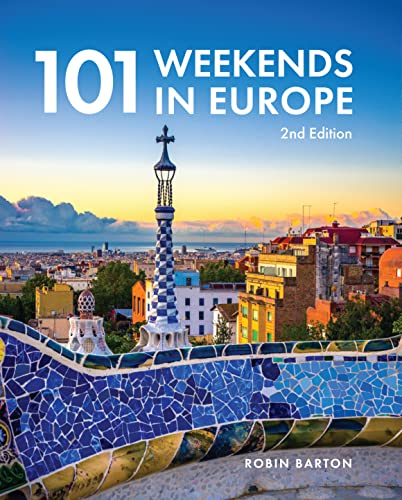
101 Weekends in Europe, 2nd Edition: Photos & Inspiration
- ✓ Quick, visual inspiration
- ✓ Practical micro-notes
- ✓ Portable, sturdy format
- ✕ Limited deep planning
- ✕ Not an exhaustive guide
| Publisher | Fox Chapel Publishing |
| Edition | 2nd Edition |
| Theme | Photos & Inspiration |
| Price | $19.99 |
| Category Focus | Best backpacker cities in Europe |
You flip to the opening spread and instantly notice the travel-green vibe of 101 Weekends in Europe, 2nd Edition. The standout feature that grabbed me is how the book condenses a continent’s vibe into bite-sized, photo-rich chapters you can skim on a train ride or over a cheap hostel breakfast.
On the first full page, the images feel like a well-tuned playlist—each city posting a tiny snapshot of what makes it sing. You’ll find practical notes tucked next to the photos, like a whisper of the best neighborhoods to wander for street food or a quiet sunset spot away from the crowds.
The texture of the pages is sturdy enough for hostel-night flips and occasional coffee splashes, yet light enough to tuck into a daypack. I appreciated how the book doesn’t drown you in long paragraphs; it respects your time with quick, vivid cues you can act on right away.
In real-world use, you’ll pull it out for daydream planning and practical routing at the same time. The city spreads are organized by vibe—budget-friendly, culture-rich, nightlife-forward—so you can pick a weekend plan that fits your mood, not just your budget.
The photography isn’t just eye candy; it nudges you toward neighborhoods you might overlooked in guidebooks. You’ll notice little details—narrow staircases, chalk signs, or a river glow at golden hour—that spark ideas for your own route.
It feels like a chat with a friend who’s actually walked the cobblestones. You get honest, concise notes that help you decide if a place can fit into a two- or three-day escape without overpacking the itinerary.
Overall, you’ll walk away with a refreshed sense of possibility. It’s the kind of book you’ll flip through when you’re stuck at a desk and craving a quick, inspired escape plan.
Whether you’re chasing classic capitals or offbeat weekend bets, this edition nudges you to pack lighter and wander smarter. It’s not a full itinerary bible, but it’s a solid spark for your next European mini-break.
Fodor’s Bucket List Europe: 500+ Ultimate Experiences

- ✓ Practical city picks
- ✓ Pocket-friendly layout
- ✓ Clear budgeting tips
- ✕ Some entries feel compact
- ✕ Missing real-time updates
| Edition Coverage | 500+ Ultimate Experiences across Europe |
| Target Audience | Best Backpacker Cities Europe |
| Brand | Fodor’s Travel |
| Price (USD) | 14.36 |
| Format | Bucket List travel guide / experiences compilation |
You tilt the book in your hands and instantly notice the textured cloth cover catching the light, a soft spiral of pages promising adventure. The spine feels sturdy, and the weight sits comfortably—not light, not heavy enough to scare you off a crowded hostel lobby.
Opening to a map-marked index, you’re greeted by a confident, travel-worn vibe that says this guide means business.
First glance is all color and clarity: bold city headlines, bite-size blurbs, and practical tips tucked between must-see spots. You flip to a favorite region and find playful itineraries that feel doable for a backpacker on a budget—no pretend perfection here.
The photography and pithy descriptions instantly transport you to cobblestone streets and sunlit plazas.
As you read, you notice the practical details you actually need on the road: up-to-date transit notes, affordable dining hints, and crowd-free moments recommended by locals. It’s not just glossy lists; it’s a curated nudge toward experiences that won’t break your daily cap.
You’ll feel confident planning a route that hops between Europe’s buzziest cities and those hidden gems you crave.
The layout makes wandering easy: color-coded sections, quick-glance icons, and compact pages that you can thumb through while waiting for a late train. It’s the kind of book you’ll casually tuck into a daypack, pull out during a station lounge, and suddenly you’re mapping a new evening stroll or a sunrise sunrise over a quiet river.
Real-world usefulness shines through the pages, not just pretty photos.
All told, this is a practical companion that nudges you toward memorable, doable experiences across Europe. If you love the idea of a flexible, well-curated bucket list rather than a rigid itinerary, you’ll appreciate the pace and personality of these 500+ adventures.
See the Best of Europe: See Europe’s Best Cities on a

- ✓ slim, travel-ready
- ✓ practical city guides
- ✓ quick reads, useful tips
- ✕ fewer in-depth essays
- ✕ some cities lighter on detail
| Target Audience | backpacker travelers |
| Price | $35.68 |
| Format/Media | See Europe: See Europe’s Best Cities |
| Category Relevance | travel catalog / guidebook |
| Notable Feature | curated list of European cities |
You flip to the page with See Europe’s Best Cities and it feels almost like slipping a compact map into your pocket. The layout is friendlier than several other travel guides you’ve tried, and the photos have that lived-in, wander-ready vibe you actually want to replicate on your trip.
Right away, you notice how the sections feel practical rather than pretentious, which makes planning feel lighter and not overwhelming.
In my hands, the book sits slim and sturdy, the spine a touch rounded from casual coffee-table conversations. It’s easy to flip to a city you’re considering that weekend, and the typography reads clearly even in a crowded café.
The descriptions are concise but vivid enough to spark a real sense of place, which is what you need when you’re hatching a spontaneous itinerary.
What surprised me is how it balances iconic highlights with offbeat spots. I found a few diamond-in-the-rough recommendations you won’t see in every guide, plus practical tips for budgeting and transit that actually translate to real days on the ground.
It isn’t a glossy prestige piece; it’s a usable compass for quick planning and flexible days on the road.
The map-style inserts are handy for quick orientation, and the city-by-city blocks feel like a friend showing you the lay of the land. If you’re backpacking Europe on a shorter timeline, this book helps you minimize decision fatigue without sacrificing depth.
You’ll find yourself bookmarking pages for later, not just skimming and moving on.
Overall, you’ll notice how the tone stays approachable: no lectures, just enough context to avoid tourist traps while still capturing the magic of each city. It’s the kind of companion you’ll actually reach for after a long travel day, when you want a clear next-step plan without overthinking it.
If you’re chasing a balanced, budget-conscious snapshot of Europe’s best stops, this book earns its place in your pack. It won’t overwhelm you with trivia; it delivers practical, memorable guidance you can rely on while you roam.
Which Cities in Europe Are the Most Backpacker-Friendly?
The best backpacker cities in Europe offer affordable accommodations, vibrant cultures, and plenty of activities for travelers on a budget.
- Budapest, Hungary: Known for its stunning architecture and thermal baths, Budapest is a haven for backpackers.
- Prague, Czech Republic: With its rich history and low costs, Prague attracts many young travelers looking to explore.
- Barcelona, Spain: This vibrant city combines beautiful beaches with an artistic atmosphere, making it a popular spot for backpackers.
- Lisbon, Portugal: Lisbon offers affordable living costs and a friendly vibe, alongside its breathtaking views and historic neighborhoods.
- Amsterdam, Netherlands: Famous for its canals and open-minded culture, Amsterdam is a favorite among backpackers seeking adventure and nightlife.
Budapest, Hungary, is known for its stunning architecture and thermal baths, which provide a unique cultural experience. The city’s affordable hostels and vibrant nightlife make it easy for backpackers to enjoy both relaxation and fun without breaking the bank.
Prague, Czech Republic, with its well-preserved medieval architecture and rich history, is a destination that offers incredible value for money. Backpackers can explore charming streets, enjoy local cuisine at reasonable prices, and take advantage of various free walking tours to learn more about the city.
Barcelona, Spain, combines beautiful beaches with an artistic atmosphere, making it an ideal location for backpackers. The city is filled with affordable hostels and tapas bars, allowing travelers to experience its vibrant culture while staying within their budget.
Lisbon, Portugal, is known for its affordable living costs and friendly vibe, making it a welcoming destination for backpackers. The city features stunning views from its many hills, delicious food, and a lively nightlife scene that can be enjoyed without spending much money.
Amsterdam, Netherlands, is famous for its picturesque canals and open-minded culture, attracting many young travelers seeking adventure. The city’s numerous hostels, bike rentals, and public transport options make it easy for backpackers to navigate and experience everything Amsterdam has to offer, from museums to nightlife.
What Factors Make a City Ideal for Backpackers?
Several factors contribute to making a city ideal for backpackers:
- Affordable Accommodation: Affordable hostels and budget-friendly lodging options are essential for backpackers. Cities that offer a variety of budget accommodations allow travelers to save money, making it easier to extend their trips and explore more of the destination.
- Public Transportation: Efficient and affordable public transportation systems help backpackers navigate the city with ease. Cities with extensive metro, tram, or bus networks provide access to various attractions without the need for expensive taxis or rental cars.
- Rich Culture and History: Backpackers often seek destinations with vibrant culture and history. Cities that offer museums, historical landmarks, and local traditions provide enriching experiences that enhance the overall travel adventure.
- Social Scene: A lively social scene is crucial for backpackers looking to meet other travelers. Cities with popular bars, cafes, and communal spaces create opportunities for socializing and forming friendships, which is a key aspect of the backpacking experience.
- Safety: Safety is a priority for backpackers when choosing a destination. Cities known for their low crime rates and welcoming atmospheres allow travelers to explore freely without constant worry about their personal safety or belongings.
- Accessibility to Nature: Proximity to parks, hiking trails, or beaches attracts backpackers who enjoy outdoor activities. Cities that offer easy access to natural attractions provide a balance to urban exploration, allowing travelers to enjoy both city life and nature.
- Diverse Cuisine: A variety of affordable and diverse food options is a significant draw for backpackers. Cities with street food markets and local eateries offer travelers the chance to experience authentic cuisine without breaking the bank.
- Events and Festivals: Cities that host events and festivals attract backpackers seeking unique experiences. Participating in local celebrations allows travelers to immerse themselves in the culture and engage with the community in a memorable way.
How Does the Cost of Living Differ Among These Cities?
The cost of living can vary significantly among different cities in Europe, especially for backpackers seeking budget-friendly options. Here are some of the best backpacker cities in Europe along with their cost of living considerations:
- Budapest, Hungary: Budapest is known for its affordable accommodation and food options, making it a hotspot for backpackers. The city’s public transport is also inexpensive, allowing travelers to explore various attractions without breaking the bank.
- Prague, Czech Republic: Prague offers a rich cultural experience with low living costs, especially when it comes to dining and entertainment. Many hostels provide budget-friendly stays, and the city’s walkability minimizes transportation costs.
- Lisbon, Portugal: Lisbon is increasingly popular among backpackers due to its reasonable prices for lodging and food. The city’s vibrant atmosphere, combined with its affordable public transport system, makes it easy for travelers to experience local culture on a budget.
- Bucharest, Romania: Bucharest is one of the most affordable cities in Europe, offering low prices for accommodation, meals, and activities. Its growing backpacker scene and rich history attract many travelers looking for value without sacrificing experiences.
- Sofia, Bulgaria: Sofia stands out for its extremely low cost of living, particularly in terms of food and lodging. Backpackers can enjoy a range of affordable hostels and delicious, budget-friendly meals, making it a great destination for those traveling on a tight budget.
- Krakow, Poland: Krakow is known for its historical sites and vibrant nightlife, all available at relatively low prices. The city offers numerous hostels and affordable dining options, allowing backpackers to enjoy their stay without overspending.
What Types of Budget Accommodations Are Available?
There are several types of budget accommodations available for backpackers in Europe:
- Hostels: Hostels are the quintessential choice for budget travelers, offering dormitory-style rooms at affordable rates. They often provide communal kitchens, social areas, and organized activities, making it easy for backpackers to meet fellow travelers and share experiences.
- Guesthouses: Guesthouses typically offer a more intimate atmosphere compared to hostels, often run by local families. They provide private rooms at reasonable prices and can include breakfast, giving a cozy and cultural experience while still being budget-friendly.
- Budgets Hotels: Budget hotels offer basic amenities at a low price, catering to those who prefer more privacy than hostels. While they may not have the vibrant social scene of hostels, they provide comfortable accommodations with essential services like Wi-Fi and breakfast options.
- Apartments and Rentals: Platforms like Airbnb have made it easy for backpackers to find affordable apartments or room rentals. This option is particularly beneficial for those traveling in groups, as splitting the cost can lead to significant savings, and staying in a local neighborhood can enhance the travel experience.
- Campsites: For adventurous backpackers, campsites offer an economical way to stay close to nature. They provide basic facilities for pitching tents or parking camper vans and can often be found in scenic locations, allowing travelers to explore the outdoors while keeping costs down.
- Work Exchange Programs: Programs like WWOOF or Workaway allow backpackers to work in exchange for food and accommodation. This not only saves money but also provides a unique opportunity to immerse oneself in local culture and meet new people while working on organic farms or community projects.
What Are the Must-See Attractions for Backpackers in This Region?
The best backpacker cities in Europe offer a mix of culture, affordability, and vibrant social scenes.
- Budapest, Hungary: Known for its stunning architecture and thermal baths, Budapest is a backpacker’s paradise with its low cost of living and abundant hostels.
- Prague, Czech Republic: With its picturesque medieval old town and lively nightlife, Prague attracts many young travelers looking for both history and fun.
- Lisbon, Portugal: Famous for its colorful neighborhoods and delicious food, Lisbon provides a friendly atmosphere and numerous affordable accommodation options.
- Barcelona, Spain: This vibrant city is renowned for its unique architecture, rich culture, and bustling beaches, making it a must-visit for backpackers exploring Spain.
- Balkan Cities (e.g., Belgrade, Sarajevo): The Balkans offer a blend of history and affordability, with cities like Belgrade and Sarajevo showcasing rich cultures and delicious local cuisine at budget-friendly prices.
Budapest, Hungary, is celebrated for its rich history and thermal baths, attracting backpackers with its low prices and vibrant nightlife. Hostels and affordable eateries abound, making it easy to explore the city’s stunning architecture without breaking the bank.
Prague, Czech Republic, is famous for its well-preserved medieval architecture and vibrant atmosphere. Backpackers love wandering through its cobblestone streets, enjoying cheap beer, and experiencing the city’s lively nightlife, all while staying in budget-friendly accommodations.
Lisbon, Portugal, offers a unique charm with its colorful neighborhoods, delicious pastries, and stunning views from its many hills. The city is known for being welcoming to travelers, with a thriving hostel scene and plenty of opportunities for socializing and exploring the local culture.
Barcelona, Spain, is a dynamic city known for its stunning Gaudí architecture, beautiful beaches, and lively tapas bars. Backpackers flock to Barcelona for its energetic vibe, where they can enjoy both cultural experiences and relaxation, all while finding many affordable lodging options.
The Balkan Cities, such as Belgrade and Sarajevo, provide an intriguing mix of history and modernity at an inexpensive price. These cities are rich in culture, hospitality, and culinary delights, making them perfect for budget-conscious backpackers eager to explore off-the-beaten-path destinations in Europe.
How Can Backpackers Navigate Transportation in These Cities?
Backpackers can navigate transportation in the best backpacker cities in Europe using various methods tailored to their budget and convenience.
- Public Transport: Most European cities have extensive public transport systems that include buses, trams, and metro services. They are cost-effective and provide a reliable means of getting around, often with day passes available for unlimited travel.
- Bicycles: Many cities, such as Amsterdam and Copenhagen, are bike-friendly and offer rental services or bike-sharing programs. Cycling not only helps backpackers cover more ground but also allows them to explore at their own pace while enjoying the local scenery.
- Walking: For short distances, walking is often the best way to experience a city. Many backpacker-friendly destinations have compact city centers, making it easy to explore historical sites, cafes, and shops on foot.
- Ridesharing Services: Apps like Uber and Lyft are available in several European cities, providing a convenient option for transportation when public transport isn’t ideal. They can be particularly useful at night or for reaching locations that are less accessible by public transport.
- Trains: For traveling between cities, Europe’s train network is highly efficient and well-connected. Backpackers can take advantage of rail passes and discounts that make intercity travel both affordable and scenic.
- Airport Transfers: Many cities offer shuttle buses or inexpensive public transport options from airports to city centers. Utilizing these services can save backpackers time and money compared to taxis or private transfers.
What Cultural Experiences Await Backpackers in Europe?
Europe offers a wealth of cultural experiences for backpackers looking to immerse themselves in diverse traditions and lifestyles.
- Barcelona, Spain: Known for its unique architecture and vibrant street life, Barcelona is a haven for backpackers. The works of Antoni Gaudí, like the Sagrada Família and Park Güell, provide a stunning backdrop for exploration, while the bustling markets of La Boqueria and the nightlife in the Gothic Quarter offer a taste of local culture.
- Prague, Czech Republic: With its fairy-tale charm, Prague boasts a rich history and stunning medieval architecture. Backpackers can wander through the Old Town Square, marvel at the Astronomical Clock, and cross the iconic Charles Bridge, all while enjoying affordable food and drink in quaint cafes.
- Budapest, Hungary: This city is famous for its thermal baths and vibrant ruin bars, creating a unique cultural scene. Backpackers can relax in the historic Széchenyi Baths, explore the Buda Castle district, and experience the dynamic nightlife in the Jewish Quarter, making it a cultural and social hotspot.
- Lisbon, Portugal: Lisbon’s hilly landscape and colorful neighborhoods are perfect for backpackers eager to experience local culture. The historic tram 28 takes visitors through picturesque districts like Alfama, while Fado music fills the air in traditional taverns, providing a deep dive into Portuguese heritage.
- Amsterdam, Netherlands: Known for its artistic heritage and elaborate canal system, Amsterdam offers a blend of history and modernity. Backpackers can visit world-class museums like the Van Gogh Museum and Anne Frank House, while exploring the lively atmosphere of its markets and coffee shops.
- Berlin, Germany: A city rich in history and creativity, Berlin is a must-visit for backpackers interested in art and culture. The Berlin Wall’s remnants, the bustling street art scene, and numerous museums on Museum Island provide layers of historical context, while the nightlife is diverse and energetic.
- Rome, Italy: As a city steeped in history, Rome is an open-air museum for backpackers. From the Colosseum to the Vatican, the landmarks are breathtaking, and the culinary scene offers opportunities to enjoy authentic Italian cuisine in local trattorias, making every meal a cultural experience.
- Budapest, Hungary: Famous for its thermal baths and vibrant ruin bars, Budapest showcases a unique blend of history and modern culture. Backpackers can indulge in the healing waters of thermal baths like Széchenyi and explore the artistic atmosphere of ruin bars, which are built in abandoned buildings and courtyards.
What Are the Best Budget Tips for Backpackers Traveling in Europe?
For backpackers traveling in Europe, here are some of the best budget tips:
- Travel Off-Peak: Traveling during the off-peak season can significantly reduce costs on accommodation and flights.
- Use Public Transportation: Utilizing public transport instead of taxis or rental cars can save a considerable amount of money.
- Stay in Hostels: Hostels offer affordable lodging options and often provide communal kitchens to save on meals.
- Cook Your Own Meals: Shopping at local markets and cooking your own meals can drastically cut down on food expenses.
- Take Advantage of Free Activities: Many cities offer free walking tours, museums, and parks that allow you to explore without spending money.
- Use Discount Cards: Many European cities have tourist cards that offer discounts on attractions and public transport.
- Travel by Train or Bus: Opting for buses or trains instead of flights can often be cheaper and provide scenic routes.
- Pack Light: Avoiding checked baggage fees by packing only what you need can save money and make travel easier.
Traveling during the off-peak season can significantly reduce costs on accommodation and flights, as prices tend to skyrocket during the summer months and holidays. By planning trips in spring or fall, backpackers can enjoy lesser crowds and more affordable travel options.
Utilizing public transportation instead of taxis or rental cars can save a considerable amount of money. Most European cities have efficient public transit systems, including buses, trams, and subways, which allow for easy navigation at a fraction of the cost.
Hostels offer affordable lodging options and often provide communal kitchens, which can help save on meals. Staying in hostels also provides opportunities to meet fellow travelers and share experiences.
Shopping at local markets and cooking your own meals can drastically cut down on food expenses. Many hostels have kitchen facilities, and preparing meals can not only save money but also allow for trying local ingredients.
Many cities offer free walking tours, museums, and parks that allow you to explore without spending money. These free activities can enrich the travel experience while keeping costs low, making it easier to enjoy the local culture and sights.
Many European cities have tourist cards that offer discounts on attractions and public transport. These cards can provide significant savings for backpackers who plan to visit multiple sites and use local transit frequently.
Opting for buses or trains instead of flights can often be cheaper and provide scenic routes. Websites and apps that compare prices can help backpackers find the best deals on intercity travel.
Avoiding checked baggage fees by packing only what you need can save money and make travel easier. Many budget airlines charge extra for checked luggage, so a well-planned backpack can streamline travel and reduce costs.
Related Post: