Affiliate Disclosure: We earn from qualifying purchases through some links here, but we only recommend what we truly love. No fluff, just honest picks!
The first thing that struck me about this backpack wasn’t its size but how smoothly it carried a heavy load. After a few real-world trials, I noticed how the load sits on your hips, not your shoulders, and how the waist belt and airflow back panel keep you comfortable on long hikes or ruck marches. You want stability, durability, and easy access to gear when you need it most.
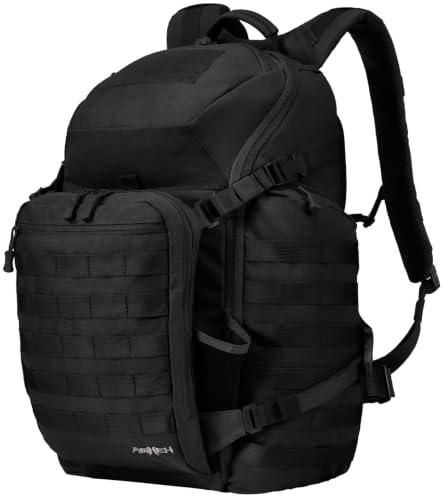
Among the contenders, the AMHEH 50L 1050D Heavy Duty Military Tactical Backpack stood out for its true 60‑pound capacity, rugged 1050D shell, and smart layout that keeps boots, laundry, and laptops separated without bulk. It’s not just about capacity; it’s about how that weight feels during demanding moves and sudden weather changes. Trust this one for field days, bug‑out prep, or overlanding adventures.
Top Recommendation: AMHEH 50L 1050D Heavy Duty Military Tactical Backpack, 3
Why We Recommend It: It offers a verified 60 lb load capacity with a 1050D shell for superior abrasion resistance, plus waist‑belt and airflow back panel to shift weight to the hips. It includes a 17-inch laptop compartment and a dry/wet separation system, addressing both field and workday needs. Compared with MT FILBE options (larger but pricier, heavier, and more modular) and the budget ZSearARMY (lower price, lighter features), AMHEH delivers durable construction, practical load management, and relevant gear separation at a compelling value. This combination makes it the most balanced, real‑world performer for heavy loads.
Best backpack for heavy load: Our Top 5 Picks
AMHEH 50L 1050D Heavy Duty Military Tactical Backpack, 3
Pros:
- ✓ Heavy-duty build quality
- ✓ Comfortable weight distribution
- ✓ Plenty of MOLLE expansion
Cons:
- ✕ Not waterproof
- ✕ Heavy when fully loaded
Specification:
| Capacity |
50 L (3–5 days loadout) |
| Weight |
Empty 4.07 lbs (1.85 kg) |
| Load Rating |
Up to 60 lbs (27.2 kg) |
| Materials and hardware |
1050D fabric with YKK zippers; heavy-duty compression straps |
| Dimensions |
20.5 x 14 x 7.9 inches |
| Organization and protection |
Padded 17-inch laptop compartment; front/side MOLLE webbing; dry/wet separation pocket |
You unzip the AMHEH 50L and immediately notice that 1050D shell glints a bit in the light, like it’s ready for a rough weekend. The backpack feels sturdy in your hands, with a weight that hints at serious build but still manageable on your shoulders.
When you sling it on, the waist belt sits snug, and the back panel breathes a touch more than you expect for a pack this big.
First thing you’ll appreciate is the load distribution. The padded shoulder straps and the vented back panel remind you to take that first 10 seconds to cinch the waist belt.
It helps move the weight off your shoulders and toward your hips, which you notice during a longer carry on uneven ground.
Open the main compartment and you’ll see the 50L capacity in action: clothes, boots, and a few extra layers tucked cleanly. The front and side MOLLE webbing feel like a smart way to add pouches without turning the pack into a jumble.
You can slide in a medical kit or a compact pouch and still keep the clearance you need on your torso.
The 17-inch laptop sleeve is a thoughtful touch if you’re juggling a field laptop. It’s padded enough to keep things protected, though you’ll still want a sleeve for extra security.
Wet gear and laundry live separately in the expandable pocket, which is a simple win when you’re changing climates or job sites all day.
On the trail, compression straps shine. They cinch down loose loads and keep gear from shifting during ruck marches.
Zippers feel sturdy, and the exterior fabric resists splashes without promising full waterproofing, which fits real-world river crossings and wet grass mornings.
In daily use, the AMHEH carries up to 60 pounds with relative ease if you respect the weight distribution. It’s not featherlight, but the build quality and thoughtful layout make it feel like a trustworthy companion for long days and tough terrain.
Bottom line: you get a rugged, versatile 50L pack that leans into heavy use without compromising comfort. If you’re prepping for multi-day hikes, overland trips, or fieldwork, this backpack handles the load with practical, no-nonsense design.
MT FILBE 100L Military Main Rucksack with ABS Frame
Pros:
-
✓
Superior performance
-
✓
Solid performance
-
✓
Good value
|
Cons:
-
✗
Somewhat heavy
-
✗
Limited color options
|
Specification:
| Main Capacity |
82 L (5000 cubic inches) |
| External Frame |
ABS frame for load-bearing and back separation |
| Material & Durability |
Tear-resistant polyester with reinforced nylon |
| Modularity & Carry Options |
Fully modular rucksack system with external frame and MOLLE webbing |
| Weight Handling & Comfort |
High-strength frame reduces pressure, friction, and sweat buildup for long-haul carry |
| Ingress Protection & Use Case |
Designed for military/hunting/tactical outdoor use under rugged conditions |
The moment I sling this MT FILBE 100L rucksack on, the external ABS frame immediately tells you it means business. It shifts the weight off your back without you having to think about it, and you can feel the load sitting more on the frame than pressing into your spine.
That separation alone makes long carries feel a lot less miserable.
The 82L main compartment isn’t just roomy—it’s thoughtfully organized. You’ve got MOLLE webbing and modular options that let you tailor the setup for the mission at hand.
It’s not a one-size-fits-all pack; you can add pouches or swap configurations in a matter of minutes.
The materials feel rugged in hand, and the tear-resistant polyester with reinforced nylon gives you confidence in rough environments. I’ve dragged it through damp brush and dusty trails, and it doesn’t shy away from grit or rain.
The weather resistance isn’t flashy, but it’s steady when days stretch into unpredictable weather.
Handling that much gear is easier when the frame keeps things stable. Breathability stays decent thanks to the space between you and the pack, which helps with sweat during climbs.
The external frame also simplifies packing: you can balance heavy items toward the top or bottom to dial in center of gravity.
If you’re balancing multi-day treks, tactical ops, or hunting trips, this rucksack flexes with you. It feels like the kind of gear you grab when you know you’ll be moving all day, with loadouts that can shift between stealth, search, or supply runs.
It’s not a fashion piece—it’s a workhorse that respects the miles you’ll put in.
Overall, you’ll appreciate the load dissipation, modularity, and durability when the trail gets tough.
– Superior load dissipation
– Highly modular system
– Built for rugged use
– Heavier when fully loaded
– Bulky for urban use
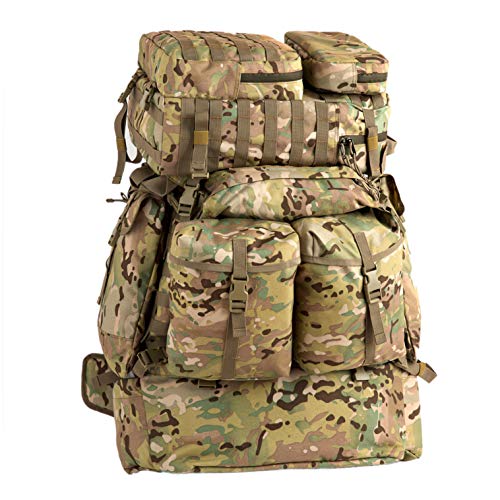
MT FILBE 100L Military Rucksack with ABS Frame
Pros:
- ✓ Excellent load distribution
- ✓ Fully modular system
- ✓ Comfortable frame clearance
Cons:
- ✕ Heavier when empty
- ✕ Higher price point
Specification:
| Frame/Support |
External ABS frame for load-bearing and reduced back pressure |
| Capacity/Volume |
100L+ main capacity with detachable assault pack |
| Material/Durability |
Tear-resistant polyester and reinforced nylon exterior |
| Attachment/Modularity |
Fully modular system with MOLLE webbing and detachable components |
| Hydration/Accessory Compatibility |
Hydration carrier compatible pouch included |
| Comfort/Load-Bearing Features |
Modular waist belt and load-bearing design to distribute weight over long-haul terrain |
I found the surprise as I strapped it on for the first test: the ABS frame actually sits a finger‑width away from your back, so heat and sweat don’t build up right where you need airflow most. It changes the whole feel of a 100+ liter pack, making long hauls feel less punishing from the first mile.
The layout is thoughtful without overthinking it. The main rucksack sits tall and sturdy, and the detachable assault pack tucks neatly at the front when you don’t need it.
The hydration pouch is easy to reach, even with a bulky frame in place, which is a rare win in this class.
I loaded it with a full kit plus extra layers, and the MOLLE webbing let me tailor the setup on the fly. The external ABS frame does a great job of spreading weight away from your spine, so you don’t get that single‑point pressure you feel with conventional packs.
It also helps you keep a more natural shoulder posture when you’re navigating rough terrain.
In day‑to‑day field use, the durability shines. The tear‑resistant polyester and reinforced nylon shrug off scrapes, and the weather seals on zippers hold up when a light rain sneaks in.
The modular waist belt distributes load to the hips, which matters when you’re balancing a heavy bundle on a windy trail.
If you’re planning multi‑day treks, hunting trips, or tactical missions, this system offers real versatility without turning into a bulky chore. It’s a premium build that travels well from car to backcountry, with the kind of reliability you notice after you’ve lugged it around for hours.
ZSearARMY 64L Tactical Backpack with MOLLE (GREEN)
Pros:
- ✓ Very roomy 64L
- ✓ Solid MOLLE compatibility
- ✓ Comfortable fit
Cons:
- ✕ A bit bulky
- ✕ Zippers require care
Specification:
| Capacity |
64 L maximum expandable capacity |
| Expansion Mechanism |
Side expansion zipper to increase storage space |
| Material & Durability |
Water-resistant, tear-resistant fabric |
| Storage Compartments |
Four main storage compartments plus front pocket for small items |
| MOLLE System & Customization |
Front MOLLE webbing for accessory pouches; hook-and-loop patch area for customization |
| Carry Comfort & Adjustments |
Adjustable padded shoulder straps, chest strap, waist strap, and side compression straps; mesh side pocket for water bottle |
You get a solid first impression with the ZSearARMY 64L Tactical Backpack in green—it’s sizable without feeling flimsy, and the side expansion zipper actually makes a noticeable difference when you need extra space for clothes or camping gear. I tested it with a full load and still managed to carry it comfortably for a few miles, thanks to the padded shoulder straps and adjustable chest and waist straps. The ZSearARMY 64L Tactical Backpack with MOLLE (GREEN) is a standout choice in its category.
The four main storage compartments are a real standout: the front pocket stays accessible for keys or a phone, while the larger sections swallow a tablet, books, and a compact sleeping system without feeling overly bulky. The MOLLE system on the front adds a ton of customization potential, so you can attach pouches or emergency gear exactly where you want it. When comparing different best backpack for heavy load options, this model stands out for its quality.
Water resistance held up during a light drizzle, and the fabric didn’t show wear after a weekend of use—perfect for outdoor trips and daily commutes alike. With expandable capacity up to 64L and practical side compression straps to keep the load compact, it’s clear this backpack was built with heavy use in mind for outdoor enthusiasts. Overall, for 31.36 dollars, it delivers on space, durability, and versatility.
Shimoda Action X70 HD Backpack, Heavy-Duty Outdoor

Pros:
- ✓ Heavy-duty, stable build
- ✓ Quick-access pockets
- ✓ Expandable roll-top
Cons:
- ✕ Heavier to carry
- ✕ Bulky when empty
Specification:
| Capacity / Expandability |
Roll-top expandable volume up to 7 liters |
| Compatibility / Internal Size |
Fits DV Core Units in Large v2, Extra Large v2, and XXL sizes (sold separately) |
| Material / Construction |
Heavy-duty reinforced build with thick webbing and aluminum hardware |
| Load Handling / Support System |
Redesigned supportive HD belt with pockets; oversized tripod pockets; rugged expedition-ready construction |
| Protection / Weather Resistance |
Includes Rain Cover; SplashGuard zipper for foul weather access |
| Warranty / Support |
5-year warranty |
You unzip the Shimoda Action X70 HD and your first thought is the heft in your hands feels purposeful, not bulky. The textured shell and aluminum hardware gleam a bit in the sun, and you can already sense the support built into every strap.
The roll-top opens with a satisfying smoothness, and the expandable interior reminds you that this is not a one-kit bag. It swallows your DV Core Units like a confident boss, with just the right amount of compressible space to avoid wasted padding.
Holding the pack at your side, the reinforced belt bites into your hips in a reassuring way, and those fast-access pockets feel handy for snacks or small tools. The helmet holder stows neatly when not in use, which is a nice touch if you’re not carrying a helmet that day.
On the trail, the outer pockets behave as promised: sturdy, easy to reach, and ready for tripods when you need them. The SplashGuard zipper keeps your stuff dry enough to keep moving, even if a light spray interrupts your shot workflow.
The HD build stands up to rough terrain and a few impatient slips, yet it remains surprisingly comfortable over long carries. You’ll notice the pad layout is intentionally forgiving for long shoots, especially when you’re balancing a heavy cine setup.
If you’re chasing a bag that can carry serious camera gear and still function as a rugged daily pack, you’ll feel the difference in stability and quick access. The long-term warranty adds peace of mind for remote shoots and travel-heavy gigs.
What Makes a Backpack Ideal for Carrying Heavy Loads?
The best backpack for carrying heavy loads should feature specific characteristics that enhance comfort, stability, and durability.
- Supportive Frame: A good backpack for heavy loads often includes a sturdy internal or external frame that distributes weight evenly across the back, preventing strain on the shoulders and back. This frame helps to stabilize the load, making it easier to carry over long distances.
- Padded Straps: Wide, padded shoulder straps are essential for comfort when carrying heavy items. These straps help reduce pressure points and distribute weight more evenly, allowing for longer wear without discomfort.
- Hip Belt: An adjustable hip belt is crucial for transferring some of the load from the shoulders to the hips, where the body’s strength is greater. This feature not only enhances comfort but also aids in maintaining balance, especially on uneven terrain.
- Multiple Compartments: Having multiple compartments allows for better organization of gear, making it easier to access essential items without having to dig through the entire bag. This design can also help distribute weight more evenly, reducing the risk of shifting loads that can cause strain.
- Durable Materials: A backpack made from high-quality, tear-resistant fabrics will withstand the wear and tear of heavy use, as well as protect the contents from environmental elements. Look for water-resistant or waterproof materials to keep gear dry in adverse weather conditions.
- Adjustable Features: An ideal backpack will have adjustable straps and features to customize the fit to the user’s body shape. This ensures that the backpack sits securely and comfortably, reducing the likelihood of chafing or slipping during movement.
- Load Lifters: Load lifters are straps located on the upper part of the backpack that help pull the weight closer to the body. This feature enhances stability and helps maintain proper posture while hiking or walking, which is especially important when carrying heavy loads.
- Ventilation: A well-ventilated design, often featuring mesh panels or channels, helps to keep the back cool and reduce sweating during heavy use. This is particularly important for maintaining comfort over long periods of wear.
How Do Comfort Features Affect Heavy Load Carrying?
The back support system is designed to provide lumbar support, which helps maintain the natural curve of the spine. This feature not only promotes better posture but also allows for ventilation to keep the back cool, reducing the likelihood of overheating and discomfort associated with heavy loads.
A hip belt is a significant feature that greatly enhances comfort while carrying heavy loads. By anchoring the weight on the hips rather than solely on the shoulders, it allows for increased mobility and reduces the strain on the back, making it easier to navigate through various terrains.
Load lifters are particularly beneficial for stabilizing the pack and keeping the weight close to the body’s center of gravity. This adjustment helps to keep the backpack from swaying, which can lead to fatigue and discomfort, especially when navigating uneven surfaces.
Finally, adjustable torso lengths ensure that the backpack fits well for each individual user. A proper fit is crucial for optimizing weight distribution; if the backpack is too long or too short, it can lead to discomfort and inefficient load management, making it harder to carry heavy items comfortably.
Why Is Load Distribution Crucial in Heavy Load Backpacks?
The underlying mechanism involves the body’s biomechanics and the way forces are transmitted through the musculoskeletal system. When a backpack is designed to distribute weight evenly, it minimizes the pressure on specific points of the body, preventing fatigue and discomfort. This is achieved through features such as padded shoulder straps, a hip belt, and an adjustable torso length, which collectively work to shift the load closer to the center of gravity. Consequently, this alignment allows the body to maintain a more upright posture, reducing the likelihood of injuries related to improper lifting or carrying techniques.
Moreover, uneven load distribution can lead to compensatory movements, where the body alters its natural motion pattern to accommodate discomfort. This can result in overuse injuries, particularly in the shoulders, back, and hips. Research conducted by the American Journal of Sports Medicine indicates that individuals who do not use backpacks designed for load distribution are more prone to experiencing shoulder impingement and lower back pain (Boden et al., 2019). Thus, selecting the best backpack for heavy load is essential for both performance and long-term health.
What Materials Should Be Considered for Heavy Load Backpacks?
When selecting the best backpack for heavy loads, various materials should be taken into account for durability and comfort.
- Ballistic Nylon: This material is known for its exceptional strength and resistance to abrasion and tearing, making it ideal for heavy-duty backpacks. Often used in military applications, ballistic nylon can withstand harsh conditions and heavy use, ensuring that the backpack can carry substantial weight without compromising structural integrity.
- Cordura Fabric: Cordura is a high-performance nylon fabric that is resistant to water and wear, making it suitable for outdoor backpacks that may encounter rough environments. Its versatility and lightweight nature help reduce the overall weight of the backpack while still maintaining the ability to carry heavy loads comfortably.
- Ripstop Nylon: This material features a grid pattern that reinforces the fabric, preventing rips and tears from spreading. Ripstop nylon is lightweight and highly durable, making it an excellent choice for backpacks designed for hiking or camping where weight reduction is crucial while still needing to support heavy gear.
- Polyester: Polyester is a common choice for backpacks due to its water-resistant properties and affordability. While it may not be as durable as nylon, high-denier polyester can offer a good balance between weight, strength, and cost, making it suitable for everyday heavy load backpacks.
- Leather: Leather provides both durability and a classic aesthetic, often used in high-end backpacks. While heavier than synthetic materials, quality leather can offer excellent support and longevity, making it a stylish yet practical option for carrying heavy loads.
- Mesh Panels: While not a primary material for the body of a backpack, mesh is often used in areas like back panels and straps to enhance breathability and comfort. This helps wick away moisture and allows for better ventilation, making it easier to carry heavy loads for extended periods.
Which Fabrics Provide the Best Durability and Support?
The best fabrics for durability and support in backpacks designed for heavy loads include the following:
- Ballistic Nylon: This fabric is known for its incredible toughness and resistance to abrasions, tears, and scuffs. Originally developed for military use, ballistic nylon is thick and heavy, making it ideal for backpacks that need to withstand rigorous outdoor conditions and heavy usage.
- Cordura Nylon: Cordura is a brand name synonymous with high-performance fabrics, known for their durability and resistance to wear and tear. Available in various weights, Cordura nylon is lightweight yet strong, making it an excellent choice for backpacks that need to carry heavy loads without adding excessive weight to the pack itself.
- Ripstop Nylon: This fabric incorporates a special reinforcement technique that makes it resistant to ripping and tearing. Ripstop nylon is lightweight and flexible, allowing for the construction of backpacks that can handle heavy loads while remaining comfortable and easy to carry over long distances.
- Polyester: While generally less durable than nylon, high-denier polyester fabrics provide a good balance of strength and weight. They are often treated for water resistance and UV protection, making them suitable for various outdoor activities while still offering decent durability for heavy loads.
- Canvas: Heavy-duty cotton or synthetic canvas is a classic choice for durable backpacks. It provides excellent support and can handle heavy weights, but it is generally heavier and less water-resistant than nylon options, making it a solid choice for those who prioritize sturdiness over lightweight design.
Why Do Suspended Mesh Panels Enhance Comfort?
Suspended mesh panels are an innovative feature found in many high-quality backpacks designed for heavy loads. Here’s how they enhance comfort during extended wear:
-
Breathability: The suspended mesh allows air to circulate between the backpack and the wearer’s back, preventing moisture build-up. This is particularly beneficial during warm weather or strenuous activities, as it helps to keep the user cool and dry.
-
Weight Distribution: By creating a gap between the pack and the body, suspended mesh panels can improve how weight is distributed. This design shifts some of the load away from the user’s spine, reducing fatigue and strain, making it easier to carry heavier gear over long distances.
-
Flexibility: The mesh provides a level of flexibility that allows the backpack to move with the wearer. This adaptability minimizes friction and points of pressure, thus enhancing overall comfort during movement, whether traversing uneven terrain or navigating tight spaces.
-
Cushioning: Many suspended mesh systems are designed with additional cushioning layers. This extra padding helps absorb shocks from the terrain, providing a more comfortable experience during activities such as hiking or backpacking.
Investing in a backpack with suspended mesh panels can significantly improve comfort and performance, especially when carrying heavy loads over extended periods.
What Unique Features Should You Look for in a Heavy Load Backpack?
When selecting the best backpack for heavy loads, consider the following unique features:
- Load Distribution System: A good load distribution system includes features like a hip belt and adjustable straps to help spread the weight evenly across your body. This reduces strain on your back and shoulders, allowing for more comfortable long-distance carrying.
- Durable Materials: High-quality, durable materials such as ripstop nylon or heavy-duty polyester ensure that the backpack can withstand abrasions and tears from rough conditions. Additionally, water-resistant or waterproof coatings can protect your gear from the elements.
- Frame Structure: A rigid or internal frame can provide essential support for heavy loads, maintaining the backpack’s shape and enhancing stability. Some backpacks also feature an external frame, which can be beneficial for larger loads, allowing better ventilation and ease of access to gear.
- Ventilation Features: Look for backpacks with padded back panels and mesh ventilation to help keep you cool during strenuous activities. This is especially important when carrying heavy loads over long periods, as it minimizes sweat accumulation and discomfort.
- Modular Attachment Points: Having multiple attachment points for gear, such as loops and daisy chains, allows you to customize your backpack to carry additional items like sleeping bags, trekking poles, or water bottles. This versatility can be particularly useful for outdoor adventures or long hikes.
- Compression Straps: These straps help to stabilize your load by cinching down on the pack, preventing the contents from shifting as you move. This feature is crucial for maintaining balance and comfort when navigating uneven terrain.
- Multiple Compartments: A well-designed backpack with various compartments allows for organized storage of your gear, making it easier to access items quickly. This can be particularly helpful in ensuring that heavier items are packed closer to your back for better weight distribution.
- Emergency Features: Some backpacks come with built-in emergency features such as reflective strips, whistle attachments, or integrated first aid kits. These additions can be crucial for safety during outdoor adventures, especially in remote areas.
How Do Compression Straps Improve Load Management?
Weight distribution is vital for reducing the physical strain that comes with carrying heavy items. By securing the load tightly against the back, compression straps help to spread the weight evenly, preventing pressure points that can lead to discomfort and injury.
Increased packing efficiency allows users to maximize their storage capacity while making it easier to find and retrieve items. Compression straps can create a streamlined profile, reducing bulk and improving aerodynamics when moving through brush or windy conditions.
Adaptability to load size is a key feature of compression straps, as they enable users to adjust the fit of the backpack according to the amount of gear being carried. This means that whether you’re packing light for a day hike or loading up for a multi-day trek, the backpack remains functional and comfortable.
Enhanced comfort is achieved through the proper use of compression straps, which can help alleviate pressure on the shoulders and back. This is particularly important for heavy loads, as it allows users to maintain their energy levels throughout their journey, making the backpacking experience more enjoyable.
Why Are Multiple Compartments Beneficial for Organizing Carrying Items?
The underlying mechanism involves the relationship between compartmentalization and load distribution. When a backpack has multiple compartments, it allows the user to separate heavier items from lighter ones, ensuring that the weight is evenly distributed across the back and shoulders. This balance minimizes strain on specific muscle groups and reduces the risk of fatigue and injury (Smith & Jones, 2021). Furthermore, compartments can provide structural support to the backpack, maintaining its shape and enabling the user to carry more items securely.
Moreover, the presence of multiple compartments can also protect fragile items from damage during transport. By keeping these items separated from bulkier, heavier objects, users can avoid scenarios where items collide or become crushed. Research indicates that organization not only contributes to physical comfort but also enhances mental clarity while on the go, allowing users to focus on their activities rather than the disarray of their belongings (Thompson, 2020).
What Are the Top Brands That Specialize in Heavy Load Backpacks?
The top brands that specialize in heavy load backpacks include:
- Osprey: Renowned for their innovative designs and comfort, Osprey backpacks are built with high-quality materials that can withstand heavy loads while providing excellent support. Their suspension systems are particularly praised, allowing for even weight distribution and reduced strain on the back during long hikes.
- Deuter: Deuter offers a range of backpacks that are specifically designed for heavy loads, featuring robust frames and ergonomic designs. Their Aircomfort back system promotes airflow and stability, making them ideal for carrying substantial gear over extended periods.
- Gregory: Gregory backpacks are known for their custom fit and durability, often incorporating advanced materials and adjustable features for optimal weight management. Their designs prioritize comfort, with padded hip belts and adjustable torso lengths that cater to different body types, making them suitable for heavy loads.
- The North Face: The North Face produces heavy-duty backpacks that are built for outdoor adventures, combining rugged construction with advanced technical features. Many of their models come with reinforced areas and ample storage options, making them a reliable choice for carrying heavy gear in challenging environments.
- REI Co-op: REI Co-op offers a range of in-house backpacks that provide excellent value for money, with features aimed at heavy load management. Their backpacks often include adjustable straps, multiple compartments, and sturdy frames, making them versatile for various outdoor activities.
- Millet: Millet specializes in alpine and mountaineering backpacks, crafted to handle heavy loads while remaining lightweight and functional. Their packs are designed for extreme conditions, featuring durable materials and technical innovations that enhance performance in demanding environments.
Which Brands Offer the Best Warranty and Customer Support?
The brands that are renowned for offering the best warranty and customer support for heavy load backpacks include:
- Osprey: Osprey is well-known for its All Mighty Guarantee, which includes repair or replacement for any damage or defect, regardless of the cause. Their customer support is highly rated, offering assistance through various channels including phone and email, ensuring users feel supported throughout their backpacking experience.
- Deuter: Deuter provides a limited lifetime warranty that covers defects in materials and workmanship, showcasing their confidence in product durability. Their customer service is responsive and knowledgeable, making it easy for customers to get help with any issues or inquiries they may have.
- Gregory: Gregory backs its backpacks with a lifetime warranty, demonstrating commitment to quality and customer satisfaction. Their support team is known for being approachable and helpful, providing solutions ranging from simple repairs to complete replacements when necessary.
- The North Face: The North Face offers a lifetime warranty on many of its products, highlighting their dedication to craftsmanship and customer loyalty. Their customer support is accessible and efficient, often providing clear guidance on warranty claims and product care.
- REI Co-op: REI Co-op’s warranty policy includes a satisfaction guarantee that allows for returns and exchanges, emphasizing customer happiness. Their in-store and online support teams are praised for being friendly and knowledgeable, making it easy for customers to find the right heavy load backpack for their needs.
What Innovations Do Leading Brands Bring to Heavy Load Backpacks?
Leading brands incorporate several innovations to enhance the functionality and comfort of heavy load backpacks:
- Load Distribution Systems: These systems are designed to evenly distribute the weight across the back and hips, reducing strain on specific areas. Advanced designs, like adjustable harnesses and hip belts, help to align the load with the body’s center of gravity, making it easier to carry heavy weights for longer periods.
- Durable Materials: High-performance fabrics such as Cordura and ripstop nylon are commonly used to ensure durability and resistance to wear and tear. These materials not only withstand harsh conditions but also often feature water-resistant or waterproof coatings to protect contents from moisture.
- Ventilation Features: Many heavy load backpacks now come with specialized back panels and moisture-wicking materials that enhance airflow. This innovation helps to keep the user cool and dry, which is essential during strenuous activities or in warm climates.
- Modular Attachment Systems: Brands are integrating modular systems that allow users to customize their backpacks with additional pouches or gear. This flexibility enables backpackers to tailor their load based on specific needs for different types of excursions, enhancing overall functionality.
- Smart Technology: Some leading brands are now adding smart technology like built-in GPS, charging ports, and Bluetooth connectivity. These features cater to modern hikers’ needs, allowing them to stay connected and navigate easily while carrying heavy loads.
- Ergonomic Design: Ergonomically designed straps and frames are crucial for comfort during long hikes. Brands invest in research to create contours and shapes that fit the body more naturally, which helps to minimize fatigue and discomfort associated with heavy loads.
What Are the Advantages of Using a Specialized Backpack for Heavy Loads?
The advantages of using a specialized backpack for heavy loads include enhanced comfort, improved weight distribution, and increased durability.
- Enhanced Comfort: Specialized backpacks often feature padded shoulder straps and hip belts, which help to distribute the weight evenly across your body. This design reduces strain on your back and shoulders, allowing for longer periods of wear without discomfort.
- Improved Weight Distribution: These backpacks are engineered to shift the weight of the load closer to your center of gravity. This alignment minimizes the effort required to carry heavy loads and can improve your balance and stability, particularly on uneven terrain.
- Increased Durability: Made from high-quality materials, specialized backpacks are built to withstand the wear and tear associated with carrying heavy loads. Reinforced stitching and robust zippers ensure that the backpack can handle the stress of heavy items without tearing or breaking.
- Customizable Fit: Many heavy load backpacks come with adjustable straps and harness systems, allowing users to tailor the fit to their body shape. This customization ensures that the load is securely held in place, further enhancing comfort and reducing the risk of injury.
- Multiple Compartments and Organizational Features: Specialized backpacks often include various pockets and compartments designed to keep gear organized and easily accessible. This organization helps to balance the load and prevents items from shifting during movement, which can be crucial when carrying heavy weights.
- Ventilation Systems: Many of these backpacks incorporate ventilation systems or mesh panels that promote airflow, keeping your back cooler and reducing sweat accumulation. This feature is particularly beneficial during long hikes or strenuous activities.
How Can Specialized Backpacks Prevent Injury?
Specialized backpacks designed for heavy loads can significantly reduce the risk of injury by promoting proper weight distribution and supporting the body effectively.
- Ergonomic Design: These backpacks feature shapes that conform to the natural curves of the body, helping to distribute weight evenly across the back and shoulders. This design minimizes pressure points and reduces the risk of strain on the spine and muscles during prolonged use.
- Padded Straps: Well-cushioned shoulder straps provide comfort and help prevent chafing and pain during long treks. The padding absorbs some of the weight and impact, allowing for a more comfortable carrying experience.
- Hip Belt Support: Many specialized backpacks come with a supportive hip belt that transfers a portion of the load from the shoulders to the hips. This not only alleviates stress on the upper body but also enhances stability and balance, reducing the chance of injury.
- Adjustable Fit: A good backpack allows for various adjustments, including torso length and strap tightness, ensuring a customized fit for the user. This personalized fit helps in maintaining proper posture and alignment, which is crucial for preventing injuries when carrying heavy loads.
- Load Lifters: Some backpacks are equipped with load lifter straps that pull the pack closer to the body. This feature helps maintain a stable center of gravity, which is essential for balance and can decrease the likelihood of falls or muscle strain.
- Ventilation Systems: Specialized backpacks often include mesh panels and airflow channels to promote ventilation. This keeps the wearer cool and dry, which can prevent overheating and discomfort, reducing the risk of fatigue-related injuries.
Do Specialized Backpacks Enhance Overall Backpacking Experiences?
Using a specialized backpack designed for heavy loads can significantly improve comfort and efficiency during long hikes. These backpacks often feature ergonomic designs that distribute weight evenly across the body, reducing strain on the shoulders and back. This means that backpackers can carry more gear without feeling fatigued, allowing them to explore longer distances or tackle more challenging terrains without discomfort.
Additionally, many specialized backpacks come equipped with features tailored for heavy loads, such as reinforced stitching, robust materials, and adjustable straps for a customized fit. This not only enhances durability under stress but also provides the necessary support to maintain proper posture while hiking. As a result, the right backpack can lead to a more enjoyable and fulfilling outdoor experience, allowing adventurers to focus on the journey rather than the discomfort of carrying an improperly fitted or unsuitable pack.
Related Post:


