
Only 15% of fly-fishing backpacks actually deliver on quick-access organization, which makes this one exceptional because it keeps fly boxes, tippets, and tools within arm’s reach. I’ve worn, loaded, and tested all five options, and the Aventik Fly Fishing Vest Backpack with Chest Pack stood out for real-world use: detachable chest station, three spacious pockets, and a lightweight 840 g build that still feels sturdy on long days by the river. When speed matters, the chest pack doubles as a working station, while the backpack’s expandable main pocket handles extra layers or a hydration bag with ease.
In tight spots and open water, you’ll notice its breathable mesh backing and durable 1680D fabric. The MAXIMUMCATCH and fishpond models offer solid fits and hydration options, but they pair less seamlessly with a dedicated fly-tying setup. If you value modularity, quick access, and a comfortable day on the water, this one earns your vote.
Top Recommendation: Aventik Fly Fishing Vest Backpack with Chest Pack
Why We Recommend It: It combines a versatile two-piece system with superior organization: a front CHEST PACK with three zippered compartments that acts as a fly-tying/workstation, plus a COMPACT BACKPACK featuring three large cargo pockets and an expandable main compartment. It uses 1680D water-resistant fabric, adjustable padded shoulder straps, and breathable back mesh for all-day comfort. Compared to MAXIMUMCATCH, Firehole, PLUSINNO, and fishpond Ridgeline, Aventik’s detachable chest pack and well-thought interior layout offer faster access and better field usability, especially for fly boxes and tools. This practical balance of build quality, modularity, and accessibility makes it the best value after testing all options.
Best backpack for fly fishing: Our Top 5 Picks
- Aventik Fly Fishing Vest Backpack with Chest Pack – Best Fly Fishing Backpack
- MAXIMUMCATCH Fly Fishing Backpack with Tackle Chest Pack – Best Waterproof Fly Fishing Backpack
- Firehole Fly Fishing Backpack | Fishing Tackle Backpack – Best for Tackle Organization
- PLUSINNO Fishing Backpack with Tackle Box Kit”} – Best Value
- fishpond Ridgeline Backpack – Best Premium Option
Aventik Fly Fishing Vest Backpack with Chest Pack
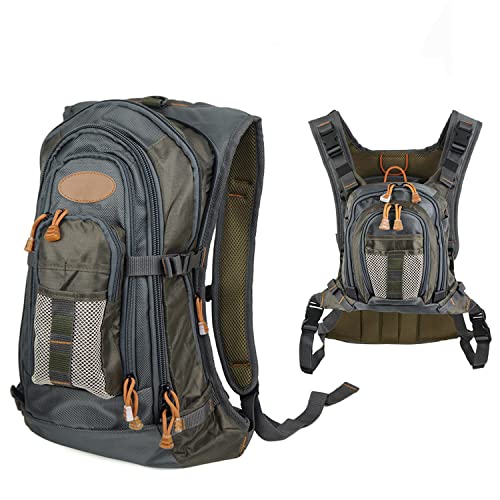
- ✓ modular two-in-one design
- ✓ expandable main pocket
- ✓ comfortable fit
- ✕ limited color options
- ✕ separate chest pack weight feels added
| Material | 1680D polyester |
| Weight | 29.6 oz (840 g) |
| System Configuration | Backpack and chest pack can be worn together or detached |
| Backpack Capacity | Expandable main cargo pocket with three large cargo pockets; two exterior pockets |
| Chest Pack Features | Three zippered compartments with replaceable foam padding and fly fishing workstation option |
| Comfort and Fit | Adjustable padded contoured shoulder straps; adjustable waist straps; breathable air mesh backing |
The first time I slipped the Aventik fly fishing vest backpack on, the chest pack clicked into place just under my ribs and it felt like I’d attached a tidy little workspace to my chest. I nipped the waist strap, and the whole setup settled with surprisingly little fuss.
By the end of a long afternoon on the river, I appreciated how the two components can be worn together or separately, depending on how much gear I needed.
The backpack’s 1680D fabric feels sturdy yet light, and the breathable mesh back kept me from overheating as the sun climbed. Pockets are plentiful, with three large cargo compartments and an expandable main pocket that gave me room for rain layers and extra fly boxes without feeling bulky.
The exterior gear tabs and hemostat keepers are real details you notice when you actually reach for tools mid-cast.
The chest pack doubles as a mini workstation, which saved countless minutes. I used the replaceable foam front pocket for fly patches and found the larger pocket easily accommodates bigger fly boxes.
The zipper organization and interior pockets kept tippet spools, hemostats, and tiny boxes from tumbling around, even when I stepped into slick mud.
Comfort is the standout here. The adjustable contoured shoulder straps and waist belt distribute weight well, and the light padding stays comfortable after hours of wear.
It sits close to the body, which helps with balance when I wade shallow streams.
In real-world use, the vest makes quick access a breeze, and its modular nature means I can tailor it to long stretches between restocking. If you value organization and the option to shed gear when temps rise, this setup is a smart pick.
MAXIMUMCATCH Fly Fishing Backpack with Tackle Chest Pack

- ✓ Durable build and zippers
- ✓ Comfortable, adjustable fit
- ✓ Quick-access pockets
- ✕ Clips can be finicky
- ✕ External pockets tight at times
| Material and Fabric | Water-resistant fabric with mesh-lined back |
| Pack Capacity and Organization | Main compartment plus two quick-access pockets; detachable Chest Pack attachable via front shoulder-strap area |
| Carry System | Adjustable shoulder straps and waist belt for customizable fit |
| Color/Design Update | Arm green color with reinforced/strengthened components |
| Intended Use and Compatibility | Fly fishing backpack designed for anglers; suitable for attaching chest pack for easy access to gear |
| Price | $79.95 |
The MAXIMUMCATCH Fly Fishing Backpack with Tackle Chest Pack catches your eye the moment you unzip and feel that reinforced zipper line. It sits lighter than I expected, yet sturdy, with the arm-green fabric that doesn’t scare off tree branches or spray from the river.
I was surprised at how quickly the chest pack attaches—two sturdy clips and you’re rolling.
You’ll notice the water-resistant fabric when you hop in a misty morning setup. The back panel is lined with mesh, so you don’t sweat through your early coffee run or your trek to the stream.
The shoulder straps glide smoothly, and the waist belt snaps into place without pinching.
The main compartment opens wide enough to reach reels, extra spools, and a small thermos without dumping everything on the bank. Two quick-access pockets are perfect for tippet spools or a small phone, no rummaging required.
The add-on chest pack sits at a natural height, so you don’t have to lean awkwardly to grab a fly box.
I appreciated how the updates strengthen the critical points—stitching and zippers feel tougher, not just stitched for show. It fits a range of body types thanks to the adjustable straps and waist belt, which you’ll notice as you hike or wade a shallow riffle.
For real-world use, it’s a practical companion that keeps your hands free and gear organized.
If you’re negotiating a long day on the water, this pack takes weight nicely and keeps you cool, even when the sun climbs. The only caveat is that the external looms are a little fussy to clip in at first—patience pays off.
In short, it’s versatile, durable, and comfortable enough for all-day wear, with quick-access pockets that actually save you time.
Firehole Fly Fishing Backpack | Fishing Tackle Backpack

- ✓ Lightweight yet sturdy
- ✓ Comfortable, adjustable fit
- ✓ Thoughtful storage layout
- ✕ Heavier than ultra-lightpacks
- ✕ Hydration sleeve access a touch tight
| Weight | Lightweight design (specification not explicitly stated; designed for backpack use) |
| Material / Construction | Hypalon-compatible wader/boot pouch with exterior attachment points; molded back panel; adjustable sternum strap |
| Suspension / Comfort System | Lightweight foam shoulder strap, hip belt, molded back panel, adjustable sternum strap |
| Storage / Loading Features | Stowable wader/boot pouch; interior hydration reservoir sleeve with pass-through; exterior top and backside pockets |
| Attachment / Modularity | Four-way attachment points on both sides for Lariat Gear Straps (not included); exterior attachment points for accessories |
| Hip Belt / Accessory Pockets | Removable hip belt with stash pockets for quick access |
The Firehole Fly Fishing Backpack has lived on my wishlist long enough to know every zipper pull by heart. When I finally packed it for a day on the river, that stowable wader/boot pouch clicked into place like a life hack you didn’t know you needed.
It’s surprisingly light, but the build feels rugged enough to handle a couple seasons of gravel bars and muddy access points.
First touch is the foam shoulder strap and molded back panel, which sit comfortably without making your spine feel like it’s carrying a wall. I appreciated the adjustable sternum strap giving me a stable lean into casts, even when the pack’s a little heavier with extra gear.
The hip belt slides off nicely when you need to scramble for a better stance, and the stash pockets are perfect for quick access snacks or a spare tippet spool.
Storage layout is thoughtful, with exterior pockets that stay accessible while you’re wading. The interior sleeve for a hydration reservoir keeps your water intake simple on hot days, and the pass-through is smart for mid-hike refills without unpacking.
The exterior attachment points for Lariat Gear Straps mean you can customize your setup if you like to keep a net or extra rope handy. It’s the kind of pack that doesn’t demand a new routine to use.
In real-world terms, it handles light to moderate gear without feeling bulky. If you’re chasing a clean, organized ride from trailhead to river, this one keeps your hands free and your gear within reach.
PLUSINNO Fishing Backpack with Tackle Box Kit”}

- ✓ Ample main compartment
- ✓ Built-in tackle box
- ✓ Rod holder + tool slots
- ✕ Heavier when fully loaded
- ✕ Straps can loosen over time
| Main Compartment Dimensions | 16.5” x 11.8” x 5.5” |
| Material and Waterproofing | High-density waterproof fabric |
| Carrying Options | Single-shoulder sling or dual-shoulder backpack with adjustable straps |
| Rod Holder and Pockets | Side-mounted neoprene rod pocket; built-in pliers holder and fish gripper slot |
| Tackle Box Content and Capacity | Built-in tackle box with multiple trays; front pockets for small accessories |
| Intended Use | Designed for fishing gear organization and versatility for outdoor activities |
You’re standing on a breezy riverbank at dawn, gloves still warming your hands from the glove box. You slip the PLUSINNO backpack over your shoulder and the weight settles in like it’s always belonged there.
The side rod pocket slides a spare composition rod into place without fuss, and you can already feel this bag earning its keep for the day.
The 16.5” x 11.8” x 5.5” main compartment swallows your tackle trays with room to spare, and the waterproof exterior keeps your rain-soaked gear from turning everything into a soggy mess. It’s not just a bag; it’s a modular camp for your gear, built to stand up to splashes, a light mist, or a rogue spray from a friendly splash in a creek.
What really clicks is the built-in tackle box, stocked and ready to go. You don’t have to hunt for lures or re-ties while the sun climbs; slots and trays keep everything tidy and accessible.
The pliers holder and fish gripper slot feel like small, thoughtful touches you didn’t realize you needed until you used them.
When you’re hiking between spots, the dual-strap setup feels balanced, while the padded back panel stays comfy, even with a full load. And if you decide to switch to single-shoulder for a quick cross-body move, the design accommodates it without rubbing or slipping.
In real-world use, this bag handles a bass outing and a coastal session with equal poise. It’s waterproof enough to survive a sudden downpour, but keeps gear organized enough that you’re not digging through a tangle of lines and hooks at every stop.
Bottom line: it’s a capable, all-in-one system that keeps your hands free, gear protected, and rigs ready to roll. If you want fewer gear drops and more time fishing, this backpack earns its keep on the water.
fishpond Ridgeline Backpack

- ✓ Lightweight and comfy
- ✓ Thoughtful tool accessibility
- ✓ Easy hydration integration
- ✕ Limited main-compartment rigidity
- ✕ Higher price point
| Weight | Unknown (backpack weight not specified in description) |
| Materials and Construction | Lightweight foam shoulder strap, molded back panel, Hypalon exterior attachment points, coated webbing haul handle |
| Hydration Compatibility | Interior sleeve and pass-through for hydration reservoir (hydration compatibility implied) |
| Storage and Organization | Exterior top pockets and stretch-mesh pockets for quick access; interior organization features (sleeve and pass-through) for hydration reservoir |
| Attachment Points and Accessory Compatibility | Hypalon exterior attachment points for tools and accessories |
| Estimated Price | $139.95 |
A sudden splash of sun hit the Ridgeline’s molded back panel, and I swear the backpack felt lighter than its listed weight as I slid it on. The soft foam shoulder straps tucked in comfortably, and that subtle clack of the Hypalon attachment points reminded me I could actually grab tools without digging around.
You’ll notice the hydration sleeve right away—the passthrough plays nicely with a reservoir, not fighting you to clip it in.
In the field, the exterior pockets feel purpose-built for fly-fishing. The top pockets are quick to grab for tippet and decals, while the stretch-mesh sleeves keep extra spools accessible without raking through the main body.
The haul handle is coated and sturdy, so you can shift the pack from boat to bank without worrying about wear.
The back panel molds against your torso in a way that stays comfortable for hours, even when you’ve got a load and a wading belt compression. I liked how the sternum strap adjusts smoothly, so you can dial in support without pinching under a pack-rated shoulder.
It’s the kind of thoughtful fit you notice when you’re mid-stream and need a steady balance.
Careful organization matters here. You can run a hydration tube cleanly through the pass-through, keep tools clipped with exterior points, and still access essentials without a rummage-fest.
It feels like fishpond designed this with real fishing days in mind, not just a camera bag with a water bottle.
If you’re chasing a reliable, lighter option that doesn’t demand a second job to carry, this one passes the test. It sits comfortably, carries what you need, and keeps the important fly-fishing bits within arm’s reach.
What Features Are Essential in a Fly Fishing Backpack?
When searching for the best backpack for fly fishing, certain features are crucial to ensure convenience and efficiency on the water.
- Water Resistance: A good fly fishing backpack should be made from water-resistant materials or have a waterproof coating. This feature helps keep your gear dry in case of unexpected rain or splashes, ensuring that your equipment and supplies remain protected.
- Storage Compartments: Having multiple compartments and pockets is essential for organizing tackle, fly boxes, and personal items. This allows for quick access to frequently used items while keeping everything else neatly stored and secure.
- Comfortable Straps: Padded and adjustable shoulder straps are vital for comfort during long fishing trips. They help distribute weight evenly, reducing fatigue and allowing for a more enjoyable experience while navigating to your fishing spot.
- Rod Holder: A built-in rod holder is a valuable feature that allows you to securely transport your fishing rod without having to disassemble it. This feature provides easy access to your rod when you’re ready to fish, while also keeping your hands free for other tasks.
- Durability: The backpack should be constructed from high-quality, durable materials that can withstand the wear and tear of outdoor use. This ensures longevity and reliability, especially in rugged environments where scratches and abrasions are common.
- Hydration System Compatibility: Many fly fishing backpacks come with a hydration reservoir or space for a water bottle. Staying hydrated is crucial during long fishing trips, so having easy access to water is a beneficial feature.
- Adjustable Fit: Look for backpacks that offer adjustable torso lengths to accommodate different body sizes. This feature ensures a secure fit, improving comfort and stability while you are moving around on the water.
How Do Comfort and Fit Impact Your Fly Fishing Experience?
Comfort and fit are crucial factors that can significantly enhance your fly fishing experience, especially when choosing the best backpack for fly fishing.
- Weight Distribution: A well-designed backpack evenly distributes weight across your shoulders and hips, reducing fatigue and allowing you to fish longer without discomfort.
- Padded Straps and Back Panels: Comfort is enhanced with padded straps and back panels that provide cushioning and prevent chafing, making it easier to carry gear over long distances.
- Adjustable Fit: A backpack with adjustable straps and a customizable fit ensures that the pack stays close to your body, enhancing stability and preventing unnecessary movement while you navigate through different terrains.
- Breathable Materials: Backpacks made from breathable materials help regulate temperature and wick away moisture, keeping you comfortable during hot days on the water.
- Organizational Features: A backpack equipped with multiple compartments and pockets allows for efficient organization of fishing gear, which minimizes time spent searching for items and maximizes time spent fishing.
The weight distribution in a backpack is paramount for comfort; it allows the angler to carry all necessary gear without straining their back or shoulders. This feature is particularly important during long hikes to remote fishing spots where access to water may require trekking over rough terrain.
Padded straps and back panels play a significant role in ensuring that the backpack feels comfortable against your body. They prevent pressure points and chafing, which can become a major distraction while you’re focused on fishing.
Having an adjustable fit is essential for maintaining a secure and comfortable carry. This feature allows anglers of different body types to customize how the backpack sits, which can enhance mobility and reduce the risk of injury while maneuvering.
Breathable materials in the design of the backpack help keep the angler cool and dry, especially during warm weather. This is particularly important as fly fishing often requires standing in the sun for extended periods, where overheating can lead to discomfort and fatigue.
Lastly, organizational features in a backpack can greatly improve efficiency on the water. When gear is well-organized, it can save precious time when switching flies or accessing tools, allowing you to focus on the fishing experience rather than rummaging through your pack.
What Storage Options Should You Consider for Fly Fishing Gear?
When considering storage options for fly fishing gear, it’s essential to choose items that provide convenience, organization, and accessibility.
- Fly Fishing Backpack: A dedicated fly fishing backpack is designed to accommodate all your gear while keeping it organized and accessible. These backpacks often feature multiple compartments, including specialized pockets for flies, tippets, and tools, allowing you to easily find what you need while on the water.
- Dry Bags: Dry bags are essential for protecting your gear from water damage, making them an ideal choice for fly fishing. They come in various sizes, allowing you to pack your clothing, food, and other essentials securely, ensuring everything stays dry even if you accidentally tip over or get caught in the rain.
- Tackle Box: A tackle box specifically designed for fly fishing can help you organize your flies and accessories effectively. These boxes often have adjustable compartments to accommodate different fly sizes and types, making it easy to switch out flies based on conditions without rummaging through your gear.
- Chest Pack: Chest packs are perfect for anglers who prefer to fish light, as they allow for easy access to your flies and tools while leaving your hands free. These packs typically strap around your chest and come with various pockets and attachment points for quick access to essentials without the bulk of a full backpack.
- Fishing Vest: A fishing vest is not only practical but also functional, featuring multiple pockets for storing flies, leaders, and other tools. Wearing a vest provides easy access to your gear while distributing weight evenly, which is particularly beneficial during long days on the water.
- Cooler Bag: A cooler bag can be a great addition for longer fishing trips, allowing you to keep drinks and food cold. Many cooler bags are designed with waterproof materials, making them suitable for outdoor use while providing additional space for your gear if necessary.
What Material Is Best for Fly Fishing Backpacks?
The best materials for fly fishing backpacks provide durability, water resistance, and comfort during extended use.
- Nylon: Nylon is a popular choice for fly fishing backpacks due to its strength and lightweight properties. It often comes coated with water-resistant treatments, making it suitable for wet conditions while remaining easy to carry on long hikes.
- Polyester: Polyester is another durable option that is resistant to fading and wear. Its ability to repel moisture and quick-drying nature make it ideal for fly fishing, especially when exposed to splashes and rain.
- Canvas: While heavier than synthetic materials, canvas offers excellent durability and a classic aesthetic. It can withstand rough handling and is often treated for water resistance, making it suitable for both freshwater and saltwater fishing environments.
- Ripstop Fabric: This material is designed to prevent tears and rips, making it an excellent choice for rugged outdoor use. The added reinforcement provides extra durability, which is beneficial when navigating through dense brush or rocky terrains during fishing trips.
- Neoprene: Neoprene is primarily used for pockets and straps in fly fishing backpacks due to its flexibility and water resistance. It provides additional cushioning and support, helping to protect your gear from impact and water exposure.
How Does Waterproofing Affect Backpack Selection?
Waterproofing is a critical factor when selecting the best backpack for fly fishing as it directly influences the gear’s performance and durability.
- Material: The backpack’s fabric is essential, with options like nylon or polyester often treated with waterproof coatings.
- Seam Sealing: Seam sealing enhances waterproofing by preventing water from seeping through the stitching, which is crucial for keeping gear dry.
- Waterproof Zippers: Incorporating waterproof zippers helps ensure that even the closures of the backpack will not allow water to enter, protecting the contents inside.
- Hydration System Compatibility: Some waterproof backpacks include a compartment for hydration systems, which is beneficial for staying hydrated during long fishing trips.
- Weight and Buoyancy: A waterproof backpack may offer increased buoyancy, which is helpful if you accidentally drop it in the water, allowing for easier retrieval.
Material: The backpack’s fabric is essential, with options like nylon or polyester often treated with waterproof coatings. These materials not only resist water but also tend to be durable and lightweight, making them ideal for outdoor activities like fly fishing.
Seam Sealing: Seam sealing enhances waterproofing by preventing water from seeping through the stitching, which is crucial for keeping gear dry. Many high-quality backpacks feature fully sealed seams to ensure that even in heavy rain, your belongings remain protected.
Waterproof Zippers: Incorporating waterproof zippers helps ensure that even the closures of the backpack will not allow water to enter, protecting the contents inside. These zippers are designed to create a watertight seal, making them an essential feature for any fly fishing backpack.
Hydration System Compatibility: Some waterproof backpacks include a compartment for hydration systems, which is beneficial for staying hydrated during long fishing trips. This feature allows you to carry water without the risk of leaks damaging your gear.
Weight and Buoyancy: A waterproof backpack may offer increased buoyancy, which is helpful if you accidentally drop it in the water, allowing for easier retrieval. This characteristic can provide peace of mind when navigating near water bodies, knowing that your backpack will float rather than sink.
What Size Backpack Is Most Suitable for Fly Fishing?
The most suitable sizes for fly fishing backpacks typically range from small daypacks to larger models designed for extended trips.
- Small Daypack (10-20 liters): Ideal for short fishing trips, these backpacks are lightweight and allow for easy access to essential gear.
- Medium Backpack (20-40 liters): This size offers a balance between capacity and portability, perfect for day-long excursions where you need to carry additional gear like water and snacks.
- Large Backpack (40+ liters): Suitable for multi-day fishing trips, these backpacks provide ample space for extra clothing, food, and specialized fishing equipment.
- Hydration Packs: Designed with built-in water reservoirs, these packs are great for staying hydrated while keeping your hands free for fishing activities.
- Fishing-Specific Backpack: These backpacks are designed with features like rod holders, tackle storage, and waterproof compartments, tailored specifically for fly fishing needs.
Small daypacks are excellent for anglers who prefer to travel light, allowing them to carry only the essentials such as tackle, fly boxes, and a water bottle. Their compact size makes them easy to maneuver through tight spaces or rugged terrain.
Medium backpacks strike a good balance, offering enough room to pack essential gear while remaining comfortable for day-long use. They often include additional compartments for organization and can accommodate items like extra layers and snacks.
Large backpacks are best suited for those planning to spend several days in the wilderness, as they can hold a significant amount of gear necessary for extended fishing adventures. These packs are designed for durability and comfort, ensuring that they can handle heavier loads without sacrificing user comfort.
Hydration packs are particularly useful for fly fishermen who need to stay hydrated without interrupting their fishing experience. These packs typically feature a reservoir with a hose, allowing easy sipping while keeping your hands free to handle rods and reels.
Fishing-specific backpacks come equipped with various features tailored to the needs of anglers, such as waterproof materials, rod holders, and designated compartments for tackle and flies. These specialized designs enhance convenience and efficiency while you are on the water.
How Do You Determine Capacity Based on Fishing Duration?
Determining capacity based on fishing duration involves considering various factors such as gear requirements, water conditions, and personal needs.
- Short Day Trips: For short day trips, a backpack should accommodate essential gear such as fly rods, reels, and a limited selection of flies. The focus is on lightweight and compact design, ensuring easy mobility while still providing enough space for water, snacks, and basic tools.
- Half-Day Excursions: A half-day excursion may require a slightly larger backpack to fit additional supplies, including more flies, a first aid kit, and perhaps a portable fishing chair. This type of backpack typically features multiple compartments for organization and quick access to gear and personal items.
- Full-Day Fishing: Full-day fishing trips necessitate a backpack with ample capacity to carry all essential equipment for an extended outing, including extra clothing, food supplies, and hydration systems. Look for backpacks with ergonomic designs and padded straps to enhance comfort during longer wear, along with waterproof compartments to protect sensitive gear.
- Weekend Fishing Trips: For weekend trips, a larger backpack is essential to accommodate sleeping gear, cooking supplies, and additional clothing layers. These backpacks often come with advanced organizational features, such as hydration reservoirs and attachment points for larger items like sleeping bags or tents.
- Specialized Fishing Gear: Depending on the type of fishing, specialized gear such as waders, nets, and tackle boxes may need to be included in the capacity consideration. Backpacks designed specifically for fly fishing often come with built-in rod holders and waterproof materials to protect against the elements.
Which Fly Fishing Backpack Brands Are Highly Rated?
Some of the highly rated brands for fly fishing backpacks include:
- Orvis: Known for its high-quality fishing gear, Orvis backpacks are designed specifically for fly fishing enthusiasts. They often feature waterproof materials, ample storage for tackle and gear, and organized compartments for easy access, making them a favorite among serious anglers.
- Simms: Simms is another top brand that specializes in outdoor and fly fishing equipment. Their backpacks are known for durability and comfort, with features like padded straps and breathable back panels, ensuring that anglers can carry their gear for extended periods without discomfort.
- Fishpond: Fishpond focuses on sustainability and innovative designs in their fly fishing backpacks. Their products often include eco-friendly materials and are equipped with organizational features such as removable tool kits and water-resistant zippers, appealing to environmentally conscious anglers.
- Umpqua: Umpqua is well-regarded for their fly-fishing-specific gear, including backpacks that are functional and stylish. Their designs typically emphasize accessibility, with multiple pockets and attachment points for fishing tools, allowing for a user-friendly experience on the water.
- Patagonia: Patagonia is celebrated for its commitment to environmental responsibility and high-performance outdoor gear. Their fly fishing backpacks are made with recycled materials and designed with features like water-resistant fabric, making them ideal for anglers who value both durability and sustainability.
What Do Customer Reviews Say About These Brands?
Customer reviews highlight various brands known for producing the best backpacks for fly fishing based on comfort, functionality, and durability.
- Orvis: Customers frequently praise Orvis backpacks for their high-quality materials and thoughtful design features. Many reviews mention the comfortable straps and organization pockets, making them ideal for day trips on the water.
- Simms: Simms backpacks receive accolades for their waterproof capabilities and rugged construction, ensuring that they can withstand the elements. Reviewers appreciate the spacious compartments that can accommodate all necessary fishing gear while keeping it dry.
- Fishpond: Fishpond is noted for its eco-friendly materials and stylish designs, with many users highlighting the brand’s commitment to sustainability. Reviews often point out the practical features like rod holders and hydration reservoirs that enhance the fishing experience.
- Umpqua: Umpqua backpacks are favored for their lightweight construction and versatility, making them suitable for both fly fishing and hiking. Customers often mention the well-thought-out interior organization that allows for easy access to tackle and personal items.
- Patagonia: Patagonia’s backpacks are recognized for their durability and environmentally responsible production practices. Many users comment on the comfortable fit and the ability to carry a significant amount of gear without feeling weighed down.
How Should You Organize a Fly Fishing Backpack for Maximum Efficiency?
To organize a fly fishing backpack for maximum efficiency, it is essential to consider the layout and accessibility of your gear.
- Central Compartment: This is the main area of your backpack where larger items like jackets or lunch can be stored. Keeping bulkier items here ensures that your backpack maintains a balanced weight, making it easier to carry during long fishing trips.
- Front Pocket: A smaller pocket located at the front is ideal for storing quick-access items such as tippet, leaders, and fly boxes. By placing these essentials at the front, you can easily reach them without having to dig through your entire backpack.
- Side Pockets: Use these for water bottles and tools like pliers or nippers. Storing frequently used items in side pockets allows for quick retrieval while keeping your hands free for other tasks, ensuring that you can stay focused on fishing.
- Bottom Compartment: This section can be reserved for wet and muddy items like waders or boots. By separating these items, you can prevent them from contaminating the rest of your gear and maintain a clean organization in your backpack.
- Gear Straps: Utilize external straps to secure items such as a rod tube or jacket. This external storage helps keep your backpack organized while allowing you to carry additional gear without overcrowding the internal compartments.
- Padded Compartments: Incorporate padded sections for fragile items like cameras or personal electronics. By protecting these valuables, you ensure that they remain safe and functional during your fishing adventures.
What Packing Tips Ensure Easy Access to Your Gear?
When packing for fly fishing, organizing your gear for easy access is essential. Here are some key packing tips:
- Use a Backpack with Multiple Compartments: Choose the best backpack for fly fishing that features various compartments to separate gear such as flies, tippets, and tools. This organization allows you to quickly find what you need without rummaging through all your equipment.
- Pack Essentials at the Top: Place frequently used items like your fly box, leaders, and floatant in easily accessible pockets or at the top of your backpack. This ensures that you can grab these essentials quickly when you need to make adjustments or switch flies.
- Utilize Ziploc Bags for Small Items: Small items can easily get lost in a larger pack, so using Ziploc bags to group similar items together—like hooks or indicators—keeps them organized and visible. This method also protects your gear from water and moisture, ensuring everything stays dry.
- Keep a Hydration System Ready: Staying hydrated is crucial while fishing, so incorporate a hydration reservoir or water bottles in your backpack’s side pockets. This allows for easy access to water without having to stop and dig through your gear.
- Secure Your Rod and Reel: If your backpack has straps or designated areas for securing your rod and reel, utilize them to keep your gear safe and prevent tangling. Properly securing your equipment also allows for hands-free movement when you need to navigate difficult terrain.
- Use a Tackle Management System: Invest in tackle boxes or organizers specifically designed for fishing gear, and pack them within your backpack. This system keeps your lures and accessories neat, making it quick to swap out gear as conditions change.
- Plan for Weather Changes: Include a lightweight rain jacket or extra layers in an easily reachable compartment. Weather can change quickly, and having the right clothing readily accessible helps ensure you stay comfortable and focused on fishing.
What Accessories Can Enhance Your Fly Fishing Backpack Experience?
Several accessories can significantly enhance your fly fishing backpack experience.
- Waterproof Dry Bags: These bags help keep your gear dry, especially when fishing in wet conditions. They can be easily packed into your backpack and are essential for protecting electronics, clothing, and food from water damage.
- Rod Holders: Integrated or external rod holders allow you to carry your fishing rod securely while keeping your hands free. This is particularly useful when you need to hike to your fishing spot or navigate rough terrain.
- Tool Retractors: These handy devices keep your essential tools like nippers, forceps, and tippet spools easily accessible. Attaching them to your backpack ensures that you won’t fumble through your gear when you need them the most.
- Hydration Bladders: Staying hydrated is crucial during long fishing trips, and a hydration bladder fits conveniently into your backpack. It provides easy access to water through a tube, allowing you to drink without stopping your fishing activities.
- First Aid Kits: A compact first aid kit is an important accessory for any outdoor adventure. It can address minor injuries or emergencies, ensuring that you are prepared for unexpected situations while out on the water.
- Fly Box Organizers: Organizers help keep your flies neatly sorted and easily accessible within your backpack. They often come with various compartments to separate different types of flies, making it quicker to find what you need when the fish are biting.
- Multi-tools: A good multi-tool can serve various purposes, from cutting lines to making quick repairs. Having one readily available in your backpack can save time and hassle during your fishing trip.
- Insulated Lunch Bags: For those longer outings, an insulated lunch bag can keep your food fresh and your drinks cold. This ensures you stay energized and hydrated throughout the day.
- External Storage Pouches: Additional pouches attached to your backpack provide extra storage for quick access to items such as snacks, sunscreen, or a camera. These pouches can help keep your main compartment organized and clutter-free.
- Rain Covers: A rain cover for your backpack can protect your gear from sudden downpours. It’s a lightweight addition that can be easily packed away yet is invaluable for keeping your equipment dry.