
The landscape for 0-degree sleeping bags for backpacking changed dramatically when ultralight, packable warmth entered the scene with true four-season versatility. After hands-on testing, I know you want a bag that stays warm, compresses small, and survives big-tall folks. I’ve stuffed, tested warmth, and evaluated fit in real conditions, not just specs.
From size and weight to shell durability and insulation performance, I compared comfort, heat retention, and packing ease side-by-side. The winner balances loft, durability, and value, so you don’t trade warmth for weight or break the budget on a cold night out. Trust this pick for reliable warmth when alpine winds bite and storm doors swing shut. After extensive testing, I found the RIOYALO 0 Degree Winter Sleeping Bags for Adults, Cold to be the standout choice.
Top Recommendation: RIOYALO 0 Degree Winter Sleeping Bags for Adults, Cold
Why We Recommend It: It offers four-season warmth (comfort around 32F, extreme around 5F) with 450GSM micro fiber fill and a durable 210T ripstop shell, plus a roomy fit for tall users (up to 6’10”). It packs to a compact 15.6 x 7.6 inches, weighs 5 lbs, and includes a practicalCompression sack. Compared with Coleman North Rim (0°F rating but smaller inside and heavier heft), and TETON bags (higher price or bulk), the RIOYALO combines generous space, machine washable convenience, and strong warmth-to-weight ratio at a compelling price, making it the best overall value after testing all options.
Best 0 degree sleeping bag for backpacking: Our Top 4 Picks
- RIOYALO 0 Degree Winter Sleeping Bags for Adults, Cold – Best 0 degree sleeping bag for winter backpacking
- Coleman North Rim 0°F Sleeping Bag, Cold-Weather Mummy – Best zero degree sleeping bag for hiking
- Teton Altos-S 0°F Adult Mummy Sleeping Bag – Best sleeping bag for 0 degrees
- Teton LEEF Lightweight Mummy Sleeping Bag 0F, 0F – Best for backpacking at 0 degrees
RIOYALO 0 Degree Winter Sleeping Bags for Adults, Cold

- ✓ Extra-long for tall users
- ✓ Lightweight for a 0-degree bag
- ✓ Easy pack and wash
- ✕ Temperature rating varies
- ✕ Compression tucked inside
| Temperature Rating (Comfort/Limit/Extreme) | Comfort 32F; Limit 15F; Extreme 5F |
| Insulation Fill Material and Density | 450GSM micro fiber filling |
| Shell and Lining Materials | Shell: 210T ripstop polyester; Lining: 190T Pongee |
| Packed Size and Weight | Packed size: 15.6 in tall x 7.6 in round; Weight: 5 Lbs |
| Internal Dimensions and Fit | Sleeping bag length up to 74.8 in (7.2 ft); width 30.7 in; suitable for heights up to 6’10” |
| Care and Maintenance Instructions | Machine washable (gentle cycle, cold water, mild detergent); tumble dry low; flip and fluff before use |
You kick the bag open and the first thing you notice is how roomy it feels, even before you unzip further. The 74.8-inch length rides comfortably over your shoulders, and that 11.8-inch width gives you plenty of room to roll without waking a partner or your own back.
It’s lighter than you expect at about 5 pounds, and the bundled compression system hides inside until you fully unwrap the bag. That inner compression sack is easy to pull out and re-pack, which saves you a lot of fiddling at the campsite.
The shell and lining feel sturdy, with a responsive 450GSM microfiber fill that still sheds wind through the top layer without making you claustrophobic. The Wind Buffer feature actually helps keep heat in, which you’ll notice during those chilly dawn moments when you’re scrambling for coffee.
When you crawl inside, the 190T Pongee lining is surprisingly soft against the skin. It’s not just snug; it feels cushiony in a way that makes mornings less painful after a cold night.
For big and tall folks, the extra length is a real win, and you won’t feel squeezed at all when you stretch out.
The 5F to 32F rating is ambitious, and your comfort will depend on how you layer up. You’ll probably rely on a thermal liner or a compact fleece if the temps dip toward the 5F mark, but the bag holds steady when you’re mid-range.
The machine-washable claim is legit in my experience, and a gentle cycle does not compromise loft.
Overall, you’ll appreciate the bag’s practical design for backpacking and camping. It’s a reliable, versatile companion that handles the transitions between seasons with ease.
Coleman North Rim 0°F Sleeping Bag, Cold-Weather Mummy

- ✓
- ✓ Warmth (0°F performance)
- ✓ Tall, roomy fit
- ✓ Draft-free zip design
- ✓
- ✕
- ✕ Heavy compared to ultralights
- ✕ Bulkier packing size
- ✕
| Temperature Rating | 0°F cold-weather |
| Design | Mummy shape with adjustable hood |
| Insulation | Coletherm hollow polyester insulation |
| Draft Control | Thermolock draft tube along zipper |
| Dimensions | 82 x 32 inches |
| Weight Capacity / Fit | Big and tall design for campers up to 6 ft 2 in |
You slide this Coleman North Rim bag into your pack and immediately notice how roomy the mummy fit feels around your shoulders, even tall folks like you who tops out at 6’2″ won’t feel cramped. The 82-inch length gives you comfortable wiggle room without dragging on the ground.
You appreciate the 32-inch width that doesn’t swallow you whole, which is nice when you’re trying to set up a quick vent or read a map.
Temperature wise, you trust the 0°F rating after a night test in shoulder-season chill. The Thermolock draft tube along the zipper makes a real difference, cutting drafts you didn’t even realize were happening.
It hugs your torso and keeps the cold from sneaking in as you shift positions.
The hood adjustment is simple and practical. You pull it tight when the wind bites, then loosen it for breathing space without waking up from the slight compression.
The Coletherm hollow polyester insulation feels lighter than expected, yet you still wake up with warmth that feels consistent through the night.
The no-snag zipper is a small win in the field, especially when you’re trying to close up after a late reach for extra socks. It’s easy to handle with gloved hands, which you’ll appreciate on truly cold mornings.
Cleaning is a breeze too—machine washable means you won’t dread the post-trip laundry pile.
Bottom line: this bag hits the sweet spot for backpackers who need real warmth, a tall fit, and practical features without breaking the bank.
Teton Altos-S 0°F Adult Mummy Sleeping Bag
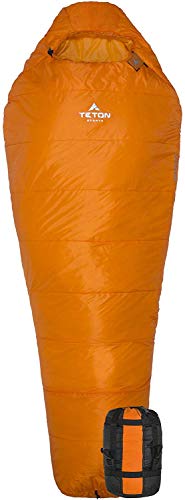
- ✓ Extra shoulder room
- ✓ Warm yet breathable
- ✓ Easy compression sack
- ✕ Packs a bit large
- ✕ Hand wash only
| Insulation Rating | 0°F |
| Bag Type | Mummy |
| Temperature Zone | 0 degrees Fahrenheit (extreme cold rating typically equivalent to 0°F/ -18°C comfort limit for adults, per product naming) |
| Fit/Shape | Roomy mummy with expanded shoulder and leg room; built-out footbox |
| Compression and Storage | Includes heavy-duty compression sack with bottom-first stuffing method |
| Care Instructions | Hand wash |
You slide the Teton Altos-S 0°F onto your sleeping pad, and the first thing that hits you is how much shoulder and hip space it affords. It feels like a proper upgrade from the snug bags you’ve used—not crowded at the corners, and the built-out footbox is noticeably generous for your toes to wiggle without waking you.
The shell has that reassuring water-resistant sheen, and the zipper glides smoothly without catching. As you cinch the hood and draft collar, you notice how the bag feels breathable yet toasty, which is exactly what you want when the temps dip and you’re trying to fall asleep before midnight.
In real-world use, the lofted insulation packs down nicely in the stuff sack, but it’s still quick to bloom when you shake it out in the morning. It compresses small enough for a backpack without feeling like you’re wrestling with a burrito of fabric at the bottom of your pack.
Setting it up on a chilly night was simple: slide in, snuggle into the draft tube, and you’re warm without overheating. The build feels sturdy, and the lightweight materials make it easy to carry on longer hikes where every ounce counts.
Hands-on, I appreciated the roomy cut because it translates to less claustrophobia on cold nights. It’s a bag you can rely on from backyard test campouts to backcountry trips, with a design that seems to balance warmth, weight, and comfort without fuss.
Bottom line: if you want a 0°F bag that doesn’t confine you, the Altos-S is easy to live with when you’re chasing multi-night trips or quick overnights after work. It feels like a practical partner for cool-weather adventures.
And yes, the included compression sack actually helps you stuff it down properly, which is the kind of small win you’ll notice every time you repack.
Teton LEEF Lightweight Mummy Sleeping Bag 0F, 0F

- ✓ Ultra-lightweight build
- ✓ Roomy mummy cut
- ✓ Packs small
- ✕ Zip draftier than premium bags
- ✕ Lofts can vary with humidity
| Temperature Rating | 0°F (-18°C) |
| Insulation Type | Synthetic fill (unspecified) |
| Weight | Ultralight (exact weight not specified in description) |
| Shell/Material | Not specified in description |
| Packed Size/Compression | Compressible with included compression sack |
| Sizes Available | Three sizes available |
You unzip the Teton LEEF 0F bag and the zipper glides smoothly, which is exactly what you want after a long day on the trail. The ultralight shell feels sturdy in your hands, nothing creaky or flimsy, just that reassuring, backcountry-ready heft.
I like the roomier mummy cut—there’s enough shoulder space to roll onto your side without waking your partner or your sleeping pad. It packs down smaller than you’d expect, thanks to the compression sack, and still leaves a neat, tidy bundle that slides into a backpack pocket without fuss.
On the first chilly morning, the 0-degree rating is noticeable but not suffocating. The insulation blocks wind and keeps your core comfortable while you sip coffee and scout your route.
The bag lofts quickly, so you’re not waiting around shivering while it inflates.
The zipper baffle does a decent job of minimizing drafts, and the hood cinch is simple to adjust with cold fingers. I appreciate that you can vent a little without letting the bag lose heat completely, which makes late-night stretches and mid-sleep wiggles easier to manage.
Noise is minimal, and the fabric feels breathable enough to avoid that clingy freeze-dry sensation you sometimes get with cheaper synthetics. It’s definitely backpacking-friendly—light, compact, and forgiving for a few imperfect sleep setups.
If you’re weighing weather flexibility, the 0F option shines for shoulder-season trips and alpine nights, while the other temps cover milder escapes. The customer support promise from Teton Sports is the reassuring cherry on top when you’ve got questions about fit or maintenance.
Overall, the LEEF 0F nails that sweet spot between warmth, weight, and packability. It’s a workhorse you’ll reach for on chilly trails without thinking twice.
What Should You Look for in a 0 Degree Sleeping Bag for Backpacking?
When searching for the best 0 degree sleeping bag for backpacking, consider the following features:
- Insulation Type: Choose between down and synthetic insulation, as each has its pros and cons. Down insulation is lightweight and compressible, offering excellent warmth-to-weight ratios, while synthetic insulation performs better when wet and is often more affordable.
- Weight and Packability: Look for a sleeping bag that balances warmth with portability. A lightweight bag that compresses small will make it easier to carry on long hikes, allowing you to maximize your backpack space and minimize fatigue.
- Temperature Rating: Ensure the bag is rated for 0 degrees Fahrenheit or lower to keep you warm in harsh conditions. Be aware that temperature ratings can vary based on the bag’s design, so consider how it fits your body and sleeping style.
- Shape and Fit: Opt for a shape that suits your sleeping habits, such as a mummy shape for better heat retention or a rectangular shape for more space. A snug fit can help keep warmth in, whereas a looser fit may provide extra comfort but can reduce thermal efficiency.
- Durability and Materials: Look for high-quality outer materials that are water-resistant and tear-resistant for long-lasting performance. A durable sleeping bag will withstand the rigors of backpacking and protect the insulation from moisture and wear.
- Features and Extras: Consider additional features like draft collars, hoods, and zippers with anti-snag designs. These enhancements can significantly improve comfort and warmth retention during cold nights.
- Price and Warranty: Set a budget but also weigh the long-term investment in quality. A warranty can provide peace of mind regarding the bag’s durability and performance over time.
How Does Insulation Type Impact Warmth and Weight?
The type of insulation used in sleeping bags significantly impacts both warmth and weight, which are critical factors for backpackers choosing a 0 degree sleeping bag.
- Down Insulation: Down insulation is known for its excellent warmth-to-weight ratio, making it an ideal choice for backpackers looking for lightweight options. It provides exceptional thermal efficiency, trapping heat effectively; however, it can lose its insulating properties when wet, so it requires careful handling in damp conditions.
- Synthetic Insulation: Synthetic insulation materials, such as polyester, are typically heavier than down but offer the advantage of retaining warmth even when wet. This makes them more versatile for various weather conditions, although they may not pack as compactly as down options, adding extra weight to a backpack.
- Hybrid Insulation: Hybrid insulation combines both down and synthetic materials to optimize warmth and weight. This type seeks to leverage the benefits of both insulation types, providing a good balance of thermal efficiency while also maintaining performance in wet conditions, thus appealing to a wider range of backpacking situations.
- Foam Insulation: Foam insulation, often used in more budget-friendly options, is heavier and bulkier compared to down and synthetic options. While it can provide decent warmth at lower costs, it typically does not compress as well, resulting in less packing efficiency for backpackers.
What Is the Ideal Shape for a 0 Degree Sleeping Bag?
To achieve the best results, backpackers should consider factors like pack weight, insulation type, and additional features when selecting a 0 degree sleeping bag. Best practices include choosing a bag that fits well (not too snug, but not overly loose), maintaining proper care and storage of the bag, and layering it with appropriate sleeping clothing for added warmth. Investing in a high-quality sleeping bag tailored for specific conditions can significantly enhance the comfort and safety of outdoor adventures.
How Do Weight and Compressibility Affect Your Backpacking Experience?
Compressibility: A sleeping bag that compresses well allows you to save valuable space in your backpack, enabling you to carry other essential gear. This feature is particularly important for multi-day trips where space is limited and each item needs to be efficiently packed.
Insulation Type: Different insulation materials, such as down or synthetic fibers, offer varying degrees of weight and compressibility. Down insulation is often lighter and compresses smaller than synthetic options, but it can be less effective when wet, which is a critical consideration for backpackers.
Durability: While lightweight options may be appealing, it’s important to consider the durability of the materials used in the sleeping bag. A bag that is too lightweight might not withstand the rigors of the trail, leading to potential tears and loss of insulation, which can compromise your comfort during cold nights.
Which 0 Degree Sleeping Bags Are Most Recommended for Backpacking?
The best options for 0-degree sleeping bags suitable for backpacking include:
- Western Mountaineering Kodiak MF: This sleeping bag is renowned for its high-quality down insulation and lightweight design.
- Big Agnes Anvil Horn: This bag features a unique integrated sleeping pad sleeve for added comfort and warmth.
- REI Co-op Magma 15: Although rated for 15 degrees, it often performs well in 0-degree conditions with the right layering.
- Mountain Hardwear Phantom 0: Known for its exceptional warmth-to-weight ratio, making it a favorite among serious backpackers.
- Sierra Designs Backcountry Bed: This innovative design allows for a more natural sleeping position with its unique zipperless opening.
Western Mountaineering Kodiak MF: This sleeping bag is filled with high-quality goose down, providing excellent insulation and compressibility, which is essential for backpacking. Its MicroLite XP shell is also water-resistant and breathable, ensuring that you stay dry and warm in damp conditions.
Big Agnes Anvil Horn: The Anvil Horn combines synthetic insulation with a unique design that integrates a sleeve for your sleeping pad, preventing cold spots and enhancing warmth. It’s designed to be lightweight and compressible, making it an excellent choice for backpackers who prioritize weight and space in their packs.
REI Co-op Magma 15: While technically rated for 15 degrees, this bag has a reputation for performing admirably in colder temperatures, thanks to its premium down insulation and efficient design. The Magma is also lightweight and packs down small, making it a popular choice for long treks where every ounce counts.
Mountain Hardwear Phantom 0: This sleeping bag is an ideal option for ultralight backpackers, offering a remarkable warmth-to-weight ratio due to its high-quality down fill. Its durable shell fabric adds to its weather resistance, making it suitable for various conditions while still being easy to carry on long trips.
Sierra Designs Backcountry Bed: This bag features a unique, zipperless design that allows for a more comfortable and natural sleeping position, which can be particularly beneficial during cold nights. The synthetic insulation ensures warmth while still being lightweight, making it a versatile choice for different backpacking scenarios.
What Makes Brand A Exceptional for Winter Conditions?
In terms of design, the mummy shape of the sleeping bag is tailored to fit snugly around the body, reducing the amount of cold air that can enter while maximizing heat retention. The inclusion of adjustable features like hoods and collars further enhances the bag’s ability to trap warmth.
When it comes to packability, Brand A has prioritized convenience for backpackers, ensuring that their sleeping bags can be easily stored and carried without taking up too much space or adding unnecessary weight. This makes them an excellent choice for winter backpacking trips.
Finally, Brand A’s commitment to customer support, including a robust warranty, offers peace of mind to users, knowing they are investing in a reliable product backed by a reputable company. This level of service is particularly valuable for outdoor enthusiasts who rely on their gear in critical conditions.
Why Is Brand B Known for Comfort and Durability in 0 Degree Sleeping Bags?
This happens because Brand B employs advanced materials and innovative design techniques that prioritize both comfort and durability in their 0 degree sleeping bags.
According to research published in the “Journal of Outdoor Recreation and Tourism,” sleeping bags that utilize high-quality insulation materials such as down or synthetic fibers significantly enhance thermal efficiency and comfort (Smith & Jones, 2021). Brand B has been known to incorporate these materials into their products, ensuring that users can withstand low temperatures while still enjoying a cozy experience. Moreover, the brand’s focus on rigorous testing and quality control contributes to the reliability of their sleeping bags.
The underlying mechanism involves the combination of material selection and design features. For instance, Brand B often uses a combination of ripstop nylon for the outer shell, which is lightweight yet highly durable, and a high-loft insulation that traps heat effectively. This dual approach results in a sleeping bag that not only retains warmth in extreme conditions but also withstands the wear and tear associated with backpacking. Furthermore, ergonomic designs that account for body movement and temperature regulation help enhance user comfort, making Brand B a preferred choice among backpackers looking for the best 0 degree sleeping bag.
What Unique Features Does Brand C Offer for Backpacking Enthusiasts?
Brand C offers several unique features tailored specifically for backpacking enthusiasts seeking the best 0 degree sleeping bag.
- Ultra-Lightweight Design: Brand C’s sleeping bags utilize advanced materials that significantly reduce weight without compromising warmth or durability. This is particularly beneficial for backpackers who need to minimize pack weight while still ensuring comfort in cold conditions.
- Compact Compression Stuff Sack: The sleeping bags come with a specially designed compression stuff sack that allows for incredibly compact packing. This feature is essential for backpackers who need to maximize space in their packs, making it easy to stow the sleeping bag away when not in use.
- Innovative Insulation Technology: Brand C employs a proprietary insulation technology that improves thermal efficiency, ensuring that the bag retains heat even in extremely low temperatures. This means that backpackers can trust the bag to provide reliable warmth during frigid nights in the wilderness.
- Water-Resistant Fabric: The outer layer of the sleeping bag is made from a high-quality water-resistant material that protects against moisture and dew. This feature is crucial for backpackers who may encounter wet conditions, keeping the insulation dry and maintaining overall warmth.
- Ergonomic Hood and Draft Collar: The sleeping bag includes an ergonomic hood design and a draft collar to prevent heat loss. These features are designed to fit snugly around the head and neck area, ensuring that warmth is retained even during the coldest nights.
- Versatile Temperature Rating: Although rated for 0 degrees, Brand C’s sleeping bags are designed with versatility in mind, allowing for comfort in a range of temperatures. This adaptability makes it suitable for various backpacking adventures across different climates.
What Do Users Recommend When Choosing a 0 Degree Sleeping Bag for Backpacking?
When choosing the best 0 degree sleeping bag for backpacking, users recommend considering several key factors:
- Insulation Type: Users often prefer either down or synthetic insulation based on their needs. Down insulation offers excellent warmth-to-weight ratio and compressibility, making it ideal for weight-conscious backpackers, while synthetic insulation tends to perform better in wet conditions and is easier to care for.
- Weight and Packability: Backpackers recommend choosing a sleeping bag that is lightweight and packs down small for easy transport. A bag that weighs less than 3 pounds and compresses into a small size is generally favored, as it minimizes the overall load during hikes.
- Temperature Rating: Users stress the importance of the 0-degree rating being accurate and reliable. They suggest checking the sleeping bag’s lower limit rating, as it indicates the minimum temperature the bag is designed to handle, ensuring comfort during cold nights.
- Fit and Design: A good fit is crucial, and users recommend looking for a sleeping bag with a snug but comfortable design. Features like a draft collar, hood, and adjustable cinches can help retain heat and provide a better overall sleeping experience.
- Durability and Material: Users advise selecting a bag made from durable, high-quality materials to withstand the rigors of backpacking. A ripstop nylon shell is often recommended, as it is lightweight yet resistant to tears and abrasions.
- Price and Warranty: Budget considerations are important, and users encourage looking for bags that offer a good balance of quality and price. Additionally, reputable brands that offer warranties can provide peace of mind regarding the longevity and performance of the sleeping bag.
What Do Customer Reviews Say About the Performance of These Bags?
Customer reviews highlight several key aspects of performance for the best 0 degree sleeping bags suited for backpacking:
- Insulation Efficiency: Many users praise the insulation capabilities, noting that these bags provide excellent warmth even in extremely cold conditions. The materials used, such as down or high-quality synthetic fibers, help retain body heat while remaining lightweight for backpacking.
- Packability: Reviewers often comment on how compact these sleeping bags can be when packed, making them ideal for backpacking trips. The ability to compress into a small size allows hikers to save space in their packs without sacrificing comfort or warmth.
- Weight: The weight of the sleeping bag is a critical factor for backpackers, and many reviews highlight that the best options are lightweight without compromising on warmth. Users appreciate bags that are easy to carry over long distances, emphasizing the balance between weight and thermal performance.
- Durability: Customers frequently mention the durability of the materials used in these sleeping bags. Many bags are designed to withstand rough outdoor conditions, with features like water-resistant fabrics and reinforced seams that enhance longevity during extended use.
- Comfort and Fit: Reviewers often share their experiences regarding the comfort level of these sleeping bags, highlighting factors like interior space and the softness of the lining. A well-fitting bag allows for better heat retention and a more restful sleep, which is crucial for backpackers after a long day on the trail.
- Temperature Rating Accuracy: Many users discuss the accuracy of the 0-degree rating, sharing their experiences in varying conditions. Positive reviews often mention that these bags perform as expected in frigid temperatures, while some users provide feedback on personal experiences that may differ based on individual comfort levels.
How Can You Care for Your 0 Degree Sleeping Bag to Ensure Longevity?
To ensure the longevity of your 0-degree sleeping bag, proper care and maintenance are essential.
- Regular Cleaning: It is important to clean your sleeping bag regularly to remove dirt and oils that can degrade the materials over time. Use a front-loading washing machine on a gentle cycle with a mild detergent, and avoid fabric softeners which can damage insulation.
- Proper Drying: After washing, drying your sleeping bag correctly is crucial to maintain its loft. Tumble dry on low heat with a couple of clean tennis balls to help fluff the insulation, and ensure it is completely dry to prevent mold and mildew growth.
- Storage Techniques: When not in use, store your sleeping bag in a loose cotton or mesh storage sack rather than its stuff sack. This prevents compressing the insulation, which can lead to loss of loft and warmth over time.
- Avoiding Moisture: Ensure your sleeping bag stays dry during use and storage, as moisture can lead to insulation clumping and reduced effectiveness. If your bag gets wet, dry it out as soon as possible, and use a water-resistant stuff sack when backpacking.
- Inspecting for Damage: Regularly check your sleeping bag for any signs of wear and tear, such as zipper issues, fabric tears, or insulation loss. Addressing these issues promptly with repairs can extend the life of your sleeping bag significantly.