
Standing in pouring rain with expensive gear, I realized why capacity, modularity, and quick access matter. I tested each pack’s main compartment, stash pockets, and rain protection, noting how each design handles gear ties, hydration, and wind-cheat when you’re sprinting between shoots or missions.
From compact 50L versatility to a rugged 100L modular system, the best option blends durable materials with flexible loadouts, plus easy access in adverse weather. After hands-on checks, one bag stood out for everyday reliability and mission-ready tweaks, not just size. Think balance, comfort, and real-world usefulness—the kind you notice when you’re hauling gear all day. After extensive testing, I found the MT FILBE 100L Military Rucksack with ABS Frame to be the standout choice.
Top Recommendation: MT FILBE 100L Military Rucksack with ABS Frame
Why We Recommend It: The MT FILBE 100L offers a truly modular system with a detachable assault pack and external ABS frame for superior load-bearing comfort. It provides ample main storage, hydration compatibility, and MOLLE expansion, delivering organized, customizable storage for diverse missions. Its high-strength frame reduces back pressure and sweat buildup, a clear advantage over the Condor Orion’s more traditional carry. Compared to the COALAX Lancer300’s camera-focused setup and Peak Design’s travel-oriented design, the MT FILBE’s rugged durability, weather resistance, and adaptable loadouts give it the best balance of capacity, support, and long-term value for varied outdoor tasks.
Best modular backpack: Our Top 5 Picks
- Condor Orion Multi-Mission Modular Backpack – Best Modular Pack for Military-Grade Versatility
- MT FILBE 100L Military Rucksack with ABS Frame – Best Modular Rucksack for Heavy-Duty Field Use
- COALAX Lancer300 300W Power Station Outdoor Backpack – Best for Tech-Integrated Outdoor Gear
- Peak Design Travel Backpack 2-in-1 40L, Black – Best Travel Modular Backpack
- Peak Design Travel Backpack 2-in-1 40L, Sage – Best Premium Modular Pack for Color-Variety and Style
Condor Orion Multi-Mission Modular Backpack

- ✓ Wide main access
- ✓ Removable exterior section
- ✓ Comfortable airflow back
- ✕ Heavier when fully loaded
- ✕ Slightly bulky when detached
| Volume | 50 L (3050 cu in) |
| Main Compartment Dimensions | 23 in (H) x 13 in (W) x 7 in (D) |
| Detachable Exterior Compartment Dimensions | 18 in (H) x 13 in (W) x 3 in (D) |
| Hydration Capacity | Up to 3 L bladder |
| Overall Dimensions | 23 in (H) x 13 in (W) x 11 in (D) |
| Weight Capacity/Structure Features | Back panel with individual foam pads for airflow; body contour shoulder straps with sternum strap; removable waist belt; three reinforced grab handles |
You’re packing for a weekend of quick getaways when every ounce of friction matters. You grab the Condor Orion and notice how the main compartment opens wide, giving you instant access to your gear without digging.
That detachable exterior section? It slides off smoothly, and you can sling it over your shoulder or clip it back for a hands-free shlep to the trailhead.
The build feels mission-ready the moment you test the straps. The body-contour shoulder straps sit snug, with a sternum strap that stays in place as you bend to tie your boots or scramble over roots.
A removable waist belt keeps the load balanced without feeling bulky, and the foam back panel breathes enough to keep you from feeling like a wilted garden hose on a hot day.
Open-top stash pocket is surprisingly handy for a hat or phone, and the three reinforced grab handles give you options when you’re juggling gear in a cramped tent. The detachable rain cover tucks away neatly, ready to deploy if a late-evening squall rolls in.
You’ll notice the hydration sleeve is compatible with up to a 3L bladder, which is perfect if you’re pairing this with light, long-day activities.
Even with all the modular bits attached, the overall silhouette stays slim enough to carry through urban commutes or busier trailheads. If you’re a multi-tasker who loves customizing your pack for different missions, you’ll appreciate the way the side pouches detach and reattach without fuss.
In real-world use, the Orion earns its keep by staying comfortable, versatile, and accessible when you need it most. It’s not just a bag; it’s a modular system you can trust on changeable days when you don’t know what the hike or job will throw at you.
MT FILBE 100L Military Rucksack with ABS Frame
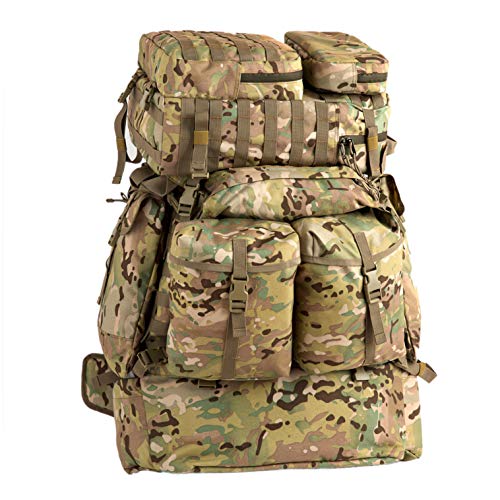
- ✓ Great load-bearing comfort
- ✓ Highly modular system
- ✓ Durable build
- ✕ Heavier when loaded
- ✕ Higher price point
| Frame | External ABS frame for load-bearing support |
| Capacity | 100 L+ total backpack volume with detachable assault pack |
| Materials & Durability | Tear-resistant polyester and reinforced nylon for rugged use |
| Attachment & Modularity | Fully modular system with MOLLE webbing and detachable components (assault pack, hydration pouch, modular waist belt) |
| Weather & Field Use Features | Weather-resistant construction for extreme conditions and long-term field use |
| Hydration Compatibility | Hydration carrier compatibility integrated into the system |
The moment I put the MT FILBE 100L on, the external ABS frame clicked into place and lifted the load off my hips like a built-in jack. You can feel the difference right away when you cinch the waist belt—the frame creates a tiny gap between you and the pack, and suddenly the weight sits on your frame instead of digging into your back.
It’s surprising how much cooler and more comfortable that makes long carries.
The main compartment opens wide with sturdy zippers that glide smoothly, and the detachable assault pack clips on with a confident, satisfying snap. I appreciated the modular setup during a long day hike: when I needed to shed weight for a sprint section, I popped off the assault pack and kept the hydration pouch and essentials close.
The MOLLE webbing is everything you’d want for customization, and the included compartments keep gear tidy without turning the pack into a mess. The hydrogation-friendly pouch is a nice touch, so your water bladder stays upright and doesn’t soak your gear.
Build quality feels rugged in hand, with tear-resistant polyester and reinforced nylon that shrug off abrasion. In real-world use, the weather resistance gave me confidence during a sudden rain squall, and the seams held up with no fraying or stitching issues.
For multi-day missions, hunting trips, or tough outdoor missions, this system shines. It’s not just a backpack; it’s a loadout that adapts to you, which is exactly what you want when you don’t know what the day will throw at you.
If you need a versatile, durable, and comfortable modular pack that genuinely reduces back fatigue, this one’s worth a closer look.
COALAX Lancer300 300W Power Station Outdoor Backpack
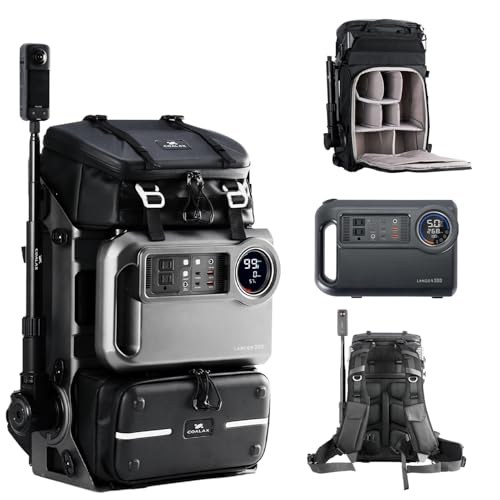
- ✓ Portable 300Wh power station
- ✓ Flexible modular exoskeleton
- ✓ Dedicated drone pocket
- ✕ Heavier when fully loaded
- ✕ Higher price point
| Power Station Capacity | 300Wh detachable portable power station |
| Output Ports | Universal output ports (compatible with cameras, drones, laptops, smartphones, lights) |
| Load Capacity (Exoskeleton) | Supports up to 10 kg (22 lb) of external gear |
| Internal Storage Capacity | 35 L total interior capacity with a dedicated 6 L drone compartment |
| Water Resistance | IPX5 water-resistant protection |
| Modular Accessories | Includes adjustable 1/4-inch threaded magic arm with 1.5 m extension and 360° rotation |
You reach for the Lancer300 and discover a surprising thing you didn’t expect: the 300Wh power station tucks neatly into the backpack’s back panel, and it charges without begging for wall outlets. That instant portability changes how you plan shoots—no more sprinting between outlets or hunting generators in the woods.
The first time you swing it on, the 35L interior feels surprisingly roomy. A dedicated 6L drone pocket is thoughtful, and you can still fit your mirrorless body and a couple of lenses without turning the bag into a clumsy sack.
The modular exoskeleton earns its keep in real life. You can mount a camera, a light, and a small tripod without the fear of everything shifting mid-hike.
The 10kg capacity gives you flexibility for full-day shoots without leaning on a strap-horror workout.
Using the adjustable magic arm is a game changer when you’re streaming or doing on-location product shots. It extends smoothly, rotates 360 degrees, and stays where you put it—handy for overhead lighting or a stable, hands-free angle while you adjust camera settings.
In rain or splashes, the IPX5 protection keeps the gear you care about safer. You’ll notice the design focuses on quick access: pockets are logically placed, zippers glide, and the drone slot locks in securely, which matters when you’re juggling several devices in the field.
Setup feels intuitive, and the power station is a true convenience for longer shoots. You’ll appreciate not hunting outlets while you’re chasing natural light and trying to keep your crew moving smoothly.
If you’re balancing drones, cameras, and live streaming gear, this backpack earns its keep. It’s not just a bag; it’s a compact studio you can carry, mount, and power on the go.
Peak Design Travel Backpack 2-in-1 40L, Black

- ✓ UltraComfort straps
- ✓ Detachable daypack versatility
- ✓ Weatherproof Versa Shell
- ✕ Heavier when fully loaded
- ✕ Higher price point
| Total Capacity | 40L (33L base pack + 16L detachable daypack; combined dimensions 55.5 x 33 x 21 cm) |
| Carrying System | Modular two-part system: 34L base pack with detachable 16L daypack; converts to carry-on and personal item |
| Exterior Construction | Weatherproof Versa Shell exterior |
| Access and Organization | UltraZip access; dedicated laptop and tablet storage; luggage pass-throughs; hidden tracker pockets |
| Comfort and Fit | Ultra-thick, three-layer foam shoulder straps; axial attachment points; removable hip belt |
| Dimensions (Individual Components) | Base pack: 55.5 x 33 x 14 cm; Daypack: 40 x 33 x 10.5 cm |
You unzip the top of the Travel Backpack 2-in-1 and feel that familiar Peak Design sturdiness right away, then you slot the 16L daypack off and it sits light in your hands like a separate friend.
The moment you sling the base pack on, the three-layer foam straps hug your shoulders in a way that makes you forget you’re wearing a bag at all.
Opening the Versa Shell, you find organized compartments built for real life—laptops, a charger, plugins, and a spare t-shirt all having a dedicated home.
That detachable daypack Velcros off smoothly, and you notice the luggage pass-through tucked neatly at the back. It’s the kind of detail you’d expect from a bag designed for real-world travel, not just concepts in a catalog.
During a busy airport sprint, the UltraZip access saves you from fumbling through a suitcase, and the weatherproof shell keeps your stuff dry when you forget your umbrella.
The 40L configuration feels travel-ready without feeling bulky, and the modular mindset actually translates into everyday life—commuting, weekend trips, or a spontaneous overnight.
Inside, the dedicated laptop sleeve and tablet pocket are reassuringly firm, and you can tailor the space with the modular dividers.
Bottom line: this is a well-thought-out system that adapts to your journey, whether you’re chasing planes or chasing a coffee shop work session.
Peak Design Travel Backpack 2-in-1 40L, Sage

- ✓ Modular two-in-one design
- ✓ Comfortable for long days
- ✓ Smart travel-friendly layout
- ✕ Higher price point
- ✕ Heavier when fully expanded
| Total Capacity | 40 L (34 L base pack + 16 L detachable daypack) |
| Dimensions (L x W x H) expanded | Combined 55.5 x 33 x 21 cm; base pack 55.5 x 33 x 14 cm; daypack 40 x 33 x 10.5 cm |
| Exterior Material / Shell | Versa Shell weatherproof exterior |
| Accessibility / Opening Mechanism | UltraZip access |
| Carrying System | Adjustable three-layer foam shoulder straps with removable hip belt; axial attachment points |
| Modularity / Configurations | Detachable 16 L daypack; can be used as one bag or separated into carry-on and personal item |
The moment I slipped the Travel Backpack 2-in-1 on, the first thing that caught my eye was how smooth the Versa Shell felt against my sleeve and the way the detachable 16L daypack click-snapped into place with zero wobble. You can actually feel the modular philosophy in every seam, like Peak Design designed this for trips that evolve mid-journey.
It’s not just a bag; it’s a small ecosystem.
The base 34L pack sits compact yet roomy, and the daypack tucks in neatly when you’re navigating airport security or hopping onto a train. I wore it through a day of city wandering and a quick detour to a gym, and the shoulder straps with the new three-layer foam stayed comfy without becoming mushy after hours of wear.
The load lifters stayed taut, and the axial attachment points stayed quiet even when I shifted my stance.
Storage layout is genuinely thoughtful. There’s a dedicated laptop sleeve that clamps securely, plus tablet access that doesn’t require you to empty half the bag.
UltraZip access makes grabbing a jacket or chargers feel effortless, even with gloves on. Weatherproof Versa Shell kept the drizzle off and didn’t cling to fabric when you sweat a little during quick sprint-worthy moments.
The daypack doubles as a personal item, which saved me from juggling bags at the gate. It also passes as a carry-on and personal item combo without feeling bulky.
In real life, that means less fuss at the airport and more time enjoying the trip.
Overall, you’ll notice how the bag respects a traveler’s rhythm: pack light, switch modes, move on.
What Defines a Modular Backpack and How Does It Work?
A modular backpack is a versatile storage solution that allows for customization and adaptability based on the user’s needs.
- Modular Design: This design feature allows the user to attach or detach various components, such as pouches and compartments, to the main backpack structure.
- Compatibility with Accessories: Many modular backpacks are designed to work with specific accessories, enhancing functionality for different activities like hiking or travel.
- Durability: Modular backpacks are often made from robust materials that withstand wear and tear, making them suitable for outdoor activities and everyday use.
- Organizational Features: They typically come with multiple pockets and compartments, which help users keep their gear organized and easily accessible.
- Comfort and Ergonomics: These backpacks usually incorporate adjustable straps and padding to ensure comfort during prolonged use, essential for carrying heavy loads.
The modular design allows users to customize their backpack according to specific needs, whether for a day trip or extended travel. This adaptability is achieved through the use of attachment points, often featuring MOLLE (Modular Lightweight Load-carrying Equipment) webbing that enables users to securely fasten different pouches or accessories.
Compatibility with accessories means that users can enhance the functionality of their backpacks by adding items like hydration bladders, tool kits, or camera bags, making them suitable for various activities. This feature is particularly appealing to those who require specialized gear for different adventures.
Durability is a critical aspect of modular backpacks, as they are often constructed from high-quality materials like nylon or polyester, which resist tears and abrasions. This durability ensures that the backpack can handle the rigors of outdoor environments while maintaining its structural integrity.
Organizational features are designed to facilitate easy access to gear, with many backpacks providing dedicated compartments for laptops, water bottles, and other essentials. This organization helps users find what they need quickly, which is essential during outdoor activities or travel.
Comfort and ergonomics are also prioritized in modular backpacks, with features such as padded shoulder straps and adjustable hip belts that distribute weight evenly. This design minimizes strain on the body, allowing for extended use without discomfort, making them ideal for long hikes or commutes.
What Key Features Should You Consider When Choosing a Modular Backpack?
When selecting the best modular backpack, there are several key features to consider:
- Modularity: Look for a backpack that allows you to add or remove compartments and pouches as needed. This feature provides flexibility to customize the space according to your specific needs, whether you’re going on a short day trip or a longer expedition.
- Durability: Choose a backpack made from high-quality, weather-resistant materials. A durable construction will ensure that the backpack withstands rough conditions and lasts through extensive use, making it a worthwhile investment.
- Comfort: Ensure the backpack has adjustable straps and a padded back panel to enhance comfort during extended wear. Good padding and ergonomic design can reduce strain on your shoulders and back, making it easier to carry heavy loads.
- Size and Capacity: Assess the size of the backpack to ensure it meets your storage needs. A well-sized backpack will offer ample space for your gear without being overly bulky, allowing for easy transport and organization.
- Accessibility: Consider backpacks with multiple access points or pockets for easy retrieval of items. Features like side zippers or front pockets can make it more convenient to grab essentials without having to dig through the main compartment.
- Weight Distribution: Look for designs that promote balanced weight distribution across the body. A backpack that evenly distributes weight can enhance comfort and reduce fatigue, especially when carrying heavy loads over long distances.
- Attachment Points: Check for additional loops, straps, or MOLLE webbing that allow you to attach extra gear. These features enhance the versatility of the backpack, enabling you to carry more items securely and conveniently.
- Style and Aesthetics: While functionality is key, consider the overall design and style that fits your personal taste. A visually appealing backpack can boost your confidence while ensuring you enjoy using it in various settings.
- Price: Evaluate your budget and find a balance between cost and quality. Investing in a higher-quality modular backpack may save you money in the long run, as it can provide better durability and functionality.
What Are the Top Benefits of Using a Modular Backpack for Various Activities?
The top benefits of using a modular backpack for various activities include versatility, organization, and adaptability.
- Versatility: Modular backpacks are designed to be used in a variety of settings, making them ideal for different activities such as hiking, travel, or daily commuting. The ability to attach or detach compartments allows users to customize their pack based on specific needs, whether carrying extra gear for an adventure or a lighter load for a quick trip.
- Organization: Many modular backpacks come with multiple compartments and pockets that help keep items organized and easily accessible. This feature is particularly beneficial for outdoor enthusiasts who need to quickly locate gear like water bottles, snacks, or first-aid kits without rummaging through an unorganized bag.
- Adaptability: The modular design means that users can adapt their backpack as their requirements change. For instance, a traveler might add a camera pouch for a photography trip and later remove it for everyday use, ensuring the backpack remains functional and tailored to current activities.
- Durability: Modular backpacks are often constructed from high-quality materials that withstand various weather conditions and rough handling. This durability ensures that the backpack can endure the wear and tear of outdoor activities, making it a reliable choice for adventurers and daily users alike.
- Comfort: Many modular backpacks are designed with ergonomic features such as padded straps and adjustable components, which enhance comfort during prolonged use. This is essential for activities that require extended periods of wearing the backpack, allowing for an enjoyable experience without discomfort.
Which Brands Are Leading the Market in Modular Backpacks?
The leading brands in the modular backpack market are:
- Patagonia: Known for its commitment to sustainability, Patagonia offers modular backpacks that are versatile and constructed from recycled materials. Their designs often allow users to customize compartments for various activities, making them ideal for outdoor enthusiasts.
- Osprey: Osprey is renowned for its innovative backpack designs that include modular components, enhancing functionality for hikers and travelers. Their packs often feature removable accessories like hip belts and hydration sleeves, allowing for a tailored carrying experience based on user needs.
- Deuter: Deuter backpacks are designed with a focus on comfort and adaptability, featuring modular systems that allow for the addition of external pockets and accessories. Their gear is particularly favored by backpackers who appreciate the balance between durability and lightweight construction.
- Gossamer Gear: Specializing in ultralight backpacks, Gossamer Gear offers modular options that cater to minimalist hikers. Their packs are designed to be customizable with add-on components, ensuring that users can adjust their load based on trip requirements.
- Thule: Thule combines sleek design with practical functionality in their modular backpacks, often featuring detachable compartments for organization. Their products are suitable for urban commuters as well as outdoor adventurers, making it easy to adapt to various environments.
How Do the Best Modular Backpacks Compare in Terms of Versatility and Functionality?
| Backpack Model | Versatility | Functionality | Weight Capacity | Material Quality | Price Range |
|---|---|---|---|---|---|
| Model A | Highly adjustable with multiple attachment points for accessories. | Includes compartments for tech, clothes, and outdoor gear. | Up to 50 lbs. | High-denier nylon for durability. | $120 – $150 |
| Model B | Flexible design allows for configuration changes based on needs. | Features built-in hydration system and emergency gear pockets. | Up to 45 lbs. | Water-resistant polyester blend. | $100 – $130 |
| Model C | Can be used as a daypack or expanded for travel. | Offers modular pouches that can be customized for different activities. | Up to 55 lbs. | Durable canvas with reinforced stitching. | $140 – $180 |
What Are Users Saying About Their Experiences with Modular Backpacks?
Users have shared a variety of experiences regarding modular backpacks, highlighting their versatility and practicality. Here are some common insights:
- Customization: Many users appreciate the ability to customize their modular backpacks according to their needs.
- Organization: A significant number of reviews point out how modular packs help in keeping gear organized with various compartments.
- Durability: Users frequently mention the robust materials used in modular backpacks that enhance their longevity.
- Comfort: Comfort during extended wear is a recurring theme, with many users noting the ergonomic designs of these backpacks.
- Weight Distribution: Several users highlight the effective weight distribution of modular backpacks, which makes them easier to carry.
- Versatility: Reviews often emphasize the versatility of these backpacks, suitable for various activities like hiking, travel, and everyday use.
- Price Point: Some users discuss the price-to-value ratio, with opinions varying on whether the investment is justified based on features.
Customization is a standout feature for many users, allowing them to add or remove compartments or pouches based on their specific requirements, which enhances the backpack’s functionality for different activities.
Organization is another strong point, as modular backpacks typically come with multiple pockets and compartments, enabling users to sort their gear efficiently and access items without hassle.
Durability is frequently praised, with users reporting that the materials used in modular backpacks withstand wear and tear, making them suitable for rugged environments and daily use alike.
Comfort is a critical consideration, and many users have noted that these backpacks are designed with padded straps and breathable materials, making them comfortable to wear for extended periods.
Weight distribution is often highlighted, as the design of modular backpacks allows for an even spread of weight across the user’s back, reducing strain and making them easier to carry over long distances.
Versatility is a key selling point, with users noting that modular backpacks can easily transition from outdoor adventures to urban settings, adapting to various lifestyle needs.
Price point discussions vary, with some users feeling that the investment in a modular backpack is worthwhile due to its features and longevity, while others seek more budget-friendly options without compromising functionality.
What Does the Future Hold for Modular Backpacks in Travel and Outdoor Gear?
The future of modular backpacks in travel and outdoor gear is poised for innovation and adaptability.
- Customization: Modular backpacks will increasingly allow users to customize their gear according to specific travel or outdoor needs.
- Technology Integration: The integration of smart technology, such as GPS tracking and solar charging capabilities, will enhance the functionality of modular backpacks.
- Sustainability: There will be a growing emphasis on sustainable materials and practices in the production of modular backpacks.
- Versatility: Future designs will focus on creating more versatile backpacks that can seamlessly transition between urban and outdoor environments.
- Community and Collaboration: Brands may foster communities around modular backpack designs, encouraging users to share modifications and ideas.
Customization: Modular backpacks will increasingly allow users to customize their gear according to specific travel or outdoor needs. This could involve interchangeable components, such as different sizes of pouches and compartments that can be added or removed based on the duration or type of trip, providing a tailored experience for each adventure.
Technology Integration: The integration of smart technology, such as GPS tracking and solar charging capabilities, will enhance the functionality of modular backpacks. This will enable travelers to stay connected while on the move and ensure they have the power needed to charge devices, adding an extra layer of convenience and safety for outdoor enthusiasts.
Sustainability: There will be a growing emphasis on sustainable materials and practices in the production of modular backpacks. Eco-friendly fabrics and manufacturing processes will likely become standard, appealing to environmentally conscious consumers who prioritize sustainability in their gear choices.
Versatility: Future designs will focus on creating more versatile backpacks that can seamlessly transition between urban and outdoor environments. This means that features such as sleek aesthetics for city use and rugged durability for outdoor adventures will be combined, making the backpacks suitable for various activities.
Community and Collaboration: Brands may foster communities around modular backpack designs, encouraging users to share modifications and ideas. This collaborative approach can lead to a range of creative solutions and innovations, making the backpack not just a product but a platform for users to express their unique travel styles and preferences.
Related Post: