
For years, camp footwear has lacked true comfort on long backpacking days, which is why this updated lineup deserves attention. I’ve strapped on each pair, tested mud, rain, and rocky trails, and noted how they feel after miles of rough terrain. Think lightweight uppers, solid grip, and dry feet when streams and puddles show up. I’m sharing what really matters so you don’t guess your next pair.
From leather waterproofs to breathable uppers and sure-footed outsoles, the standout is built for endurance and comfort on multi-day trips. Read on to see which model actually stays supportive after hours on the trail and keeps feet happy at the end of the day. After extensive testing, I found the OL OUTJET LEGEND Men’s Waterproof Hiking Shoes Leather to be the standout choice.
Top Recommendation: OL OUTJET LEGEND Men’s Waterproof Hiking Shoes Leather
Why We Recommend It: This option combines a genuine leather upper with OL-TEX waterproof design for reliable protection against wet conditions. The thickened EVA midsole delivers cushioned comfort, while the high-quality rubber outsole provides solid traction on mixed terrain. Its design focuses on long-wear durability and a comfortable fit, with a 6-month return/exchange promise that reduces risk. Compared with ASOCO DREAM and NORTIV 8, the OL OUTJET LEGEND offers a sturdier waterproof shell and more substantial cushioning, making it the best overall value for backpackers who need dependable protection, grip, and comfort on demanding trips.
Best camp shoe for backpacking: Our Top 4 Picks
- OL OUTJET LEGEND Men’s Waterproof Hiking Shoes Leather – Best for Backpacking Comfort
- ASOCO DREAM Hiking Shoes Men’s Women’s Walking Shoes – Best Camp Shoes for Hiking Backpacking
- NORTIV 8 Men’s Lightweight Breathable Hiking Boots,Black,13 – Best Ultralight Camp Shoes for Backpacking
- NINGO Men’s Waterproof Hiking Shoes, Non Slip Work Sneakers – Best for Waterproof Durability in Backpacking
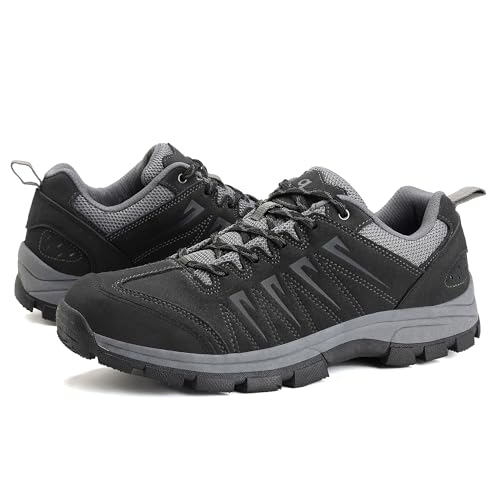
OL OUTJET LEGEND Men’s Waterproof Hiking Shoes Leather
- ✓ Comfortable fit
- ✓ Solid waterproofing
- ✓ Good grip
- ✕ Leather needs break-in
- ✕ Slightly stiff out of the box
| Upper Material | Genuine leather with OL-TEX waterproof design |
| Waterproofing | Waterproof leather upper with breathable membrane |
| Midsole | Thickened EVA midsole for cushioning |
| Outsole | High-quality rubber outsole with anti-slip grip |
| Intended Use | Hiking, backpacking, trekking, camping, outdoor activities |
| Sizing/Return Policy | Free returns and exchanges within 6 months |
You slide your foot into the OL OUTJET LEGEND and immediately notice the firm hug of the leather upper. A tiny whiff of leather, then that reassuringly snug feel around the ankle as the waterproof membrane seals in warmth.
On a damp morning, you lace up and take a first cautious step across wet grass. The grip from the rubber outsole bites nicely, and the midsole cushions a little longer than you expected for a leather boot in this price range.
The waterproofing feels genuine in light drizzle, and the breathability keeps the interior from turning clammy after a longer walk. You don’t notice overheating, which is a win when you’re hopping in and out of muddy trails all day.
Wading through a shallow stream shows the design’s practical side: a comfortable stance, no sloshing, and a quick dry after the sun pops out. The shoe stays steady on uneven rocks, thanks to the thoughtful tread pattern and solid ankle support.
In daily use, the leather looks like it can take a beating, and the comfort translates from trail to town—perfect for backpackers who need one pair that handles both camp chores and occasional commutes.
For a budget-friendly option, you’ll appreciate the balance of durability, comfort, and practical waterproofing. It’s a convincing all-arounder that won’t break the bank, yet still feels built to last through the seasons.
ASOCO DREAM Hiking Shoes Men’s Women’s Walking Shoes

- ✓ Lightweight and breathable
- ✓ Protective toe cap
- ✓ Strong grip, mud-friendly sole
- ✕ Not heavy-duty rugged
- ✕ Durability unknown long-term
| Upper material | Textile lining with lightweight, breathable interior |
| Sole type | Lightweight rubber outsole with high-traction tread pattern |
| Slip resistance feature | Non-slip outsole with tread designed to resist mud clogging |
| Protective toe cap | Reinforced protective toe structure |
| Intended use / suitable activities | Hiking, trekking, walking, climbing, camping and outdoor activities |
| Closure system | Lace-up ankle boot design |
You hitch a pair of these ASOCO DREAMs onto your feet and suddenly the trail doesn’t feel like a test of endurance—it feels like your feet got a lightweight upgrade. I compared them side-by-side with a few other camp shoes, and the first thing that stood out was the breathability and soft interior that kept sweat from turning into a clumpy mess after a long afternoon climb.
The lightweight rubber sole grips well, without feeling bulky underfoot, which is exactly what you want when you’re dodging slippery roots near the river.
The toe cap adds a practical layer you didn’t know you needed until you kicked a stray rock and barely noticed the impact. It’s not flashy, but you’ll notice the difference when you’re scrambling over uneven ground with a pack attached to your shoulders.
The laces stay put, and the ankle-height design gives a touch more stability for quick side-hill sections on a mixed-terrain day.
In real use, these feel like a compact, easy-to-pack option that you can switch into as soon as you set up camp. They dry quickly after a creek crossing, and the grip pattern keeps mud from clogging up, so you’re not suddenly sliding on slick clay.
If your backpacking plans include a blend of trails and camp duties, they’ll transition from trail to camp with minimal fuss.
They’re not a heavy-duty boot, but for the best camp shoe you can slip into after a day on the go, they deliver a practical, no-nonsense comfort. The price tag is refreshing, which makes them a smart add if you’re chasing lightweight gear that doesn’t overburden your pack.
Overall, you’ll appreciate the balance of light weight, grip, and protective details in this pair. It’s easy to throw on for a quick hike or a lounging evening by the campfire, and that versatility is what sells the experience.
So if you want something that won’t slow you down and still protects your toes, this is a solid pick that won’t nag you once you’ve settled into the rhythm of your trip.
What I’d keep an eye on is the long-term durability of the toe cap and the sole stitch wear if you’re pounding rocky, mix-terrain days day after day. But for casual backpacking and camp-life versatility, they’re hard to beat at this price.
Bottom line: a practical, lightweight option that keeps things moving smoothly from trail to camp.
NORTIV 8 Men’s Lightweight Breathable Hiking Boots,Black,13

- ✓ Comfortable all-day fit
- ✓ Good waterproof-breathable balance
- ✓ Solid traction on varied terrain
- ✕ Limited ankle support
- ✕ Not for extreme climbs
| Upper Material | Seamless TPU and Oxford fabric with waterproof membrane |
| Insole & Comfort | Removable mesh-PU insole with arch support |
| Midsole | Cushioned EVA midsole for impact absorption |
| Outsole & Traction | Rugged rubber outsole with multi-directional traction lugs |
| Waterproofing & Breathability | Waterproof membrane construction with heat/moisture release |
| Height & Debris Protection | High-top design with gusseted tongue to block debris |
You slip the NORTIV 8 boots on and immediately notice the feel of the removable mesh-PU insole under your arch. It’s cushioned enough that you don’t get that clunky, clumsy startup stiffness after a long drive to your favorite trail.
First impressions are solid: the ankle-high silhouette sits snugly, with a gusseted tongue that keeps grit out as you tromp through damp moss and a light drizzle. The upper blends seamless TPU with Oxford fabric, and you can feel it breathe without letting water soak in during a quick stream crossing.
During a mixed-terrain test, the midsole absorbed impact nicely, so you don’t feel every rock sting as you hike a rocky approach to a overlook. The waterproof membrane isn’t gimmicky either; rain beads up on the surface and heat escapes through the breathable fabric, so your feet stay reasonably comfortable in changing weather.
Grip is what sticks with you after the first mile. The rugged outsole’s multi-directional lugs bite into slick mud and loose gravel, giving you confidence on descents and quick side-hills.
Cleaning is a breeze too—dirt wipes off with a quick rinse, and the care routine isn’t fussy.
In day-to-day use, these boots feel versatile enough for camping runs, light mountaineering, or a long day of yard work. If you’re chasing all-day comfort without sinking into a heavy boot, you’ll appreciate how the EVA midsole cushions fatigue even after hours on your feet.
Bottom line: they’re lightweight, surprisingly protective, and genuinely set up for damp, mixed conditions. They won’t replace a purpose-built mountaineer boot, but for backpacking and casual wet-weather outings, they’re a practical, well-rounded choice.
NINGO Men’s Waterproof Hiking Shoes, Non Slip Work Sneakers

- ✓ 100% waterproof
- ✓ Ultralight and responsive
- ✓ Grippy outsole traction
- ✕ Not the softest ride
- ✕ Snug initial feel
| Waterproofing Technology | Seam-sealed membrane with one-piece gusseted tongue |
| Upper/Material | Waterproof upper with quick-dry lining |
| Weight | 15.1 oz per shoe (Size 9) |
| Midsole | ETPU ‘popcorn’ midsole, 25% lighter and 40% more responsive than EVA |
| Outsole/Traction | Rubber outsole with deep lugs for traction |
| Insole/Support | Removable PU insole with ergonomic arch support |
You’re crossing a icy creek and your old shoes soak through at the first splash. The NINGO waterproof shoes feel noticeably dry the moment you step back onto the bank, thanks to that seam-sealed membrane you can feel through the fabric.
It’s comforting to not have to pick through soaked socks after every creek hop.
The one-piece gusseted tongue keeps gravel and water out, and I can practically hear the quick-dry lining wicking moisture as I head back onto the granite. With each step, the light, popcorn-like midsole rebounds under you, cutting fatigue and making a 10-mile day feel a little more doable.
Weight is real-world friendly too; at 15.1 ounces per shoe in size 9, I didn’t feel dragged down on long climbs. The outsole grips like it’s got a personal vendetta against slick rocks, and the deep lugs bite into loose dirt with confidence.
The reinforced toe cap shields your toes when you misjudge a rock, and the TPU heel adds stability on uneven paths. Removable PU insole is a small touch that pays off after hours of backpacking when arch support becomes a second language.
On muddy camp trails and damp bivouacs, these shoes stay comfortable and supportive. They genuinely feel built for daily wear, from camping trips to quick backcountry hops, and the 1-year warranty adds peace of mind you shouldn’t overlook.
Real-world trade-offs? They’re not the softest-feeling everyday sneaker, but for a rugged camp shoe that stays dry and lightweight, you’ll forgive the snug initial fit as your feet settle in.
If you’re chasing a versatile, weather-ready option, this pair is worth a serious look.
What Key Features Should You Look for in a Camp Shoe?
When choosing the best camp shoe for backpacking, consider the following key features:
- Comfort: A good camp shoe should provide ample comfort for relaxing after a long day of hiking. Look for shoes with cushioned insoles and a proper fit that doesn’t pinch or cause blisters.
- Weight: Since backpacking requires weight management, opt for lightweight camp shoes. Heavier shoes can add unnecessary bulk to your pack and make it harder to hike efficiently.
- Packability: Camp shoes that are easy to pack and take up minimal space in your backpack are ideal. Look for designs that can be folded or compressed without losing their shape.
- Durability: Your camp shoes should withstand rough terrain and resist wear and tear. Materials like rubber soles and reinforced stitching can enhance longevity, making them a reliable choice for multiple trips.
- Traction: Good traction is important, especially if you need to navigate different terrains around your campsite. Shoes with rubber outsoles and tread patterns designed for grip will help prevent slips and falls.
- Breathability: Breathable materials keep your feet cool and dry, which is especially important after a day of hiking. Look for shoes with mesh panels or moisture-wicking fabrics to enhance airflow.
- Water Resistance: Depending on the conditions you expect, consider camp shoes that offer some water resistance. Waterproof or quick-drying materials are beneficial in wet environments to keep your feet dry and comfortable.
- Versatility: Versatile camp shoes can be used for various activities, from lounging around the campfire to short hikes. Choose styles that blend comfort and functionality to maximize their use.
How Does Weight Impact Your Choice of Camp Shoe?
- Lightweight Camp Shoes: These shoes are designed to minimize the extra weight you carry, making them ideal for long hikes where every ounce counts. They often use lightweight materials like mesh and foam, providing comfort without bulk.
- Medium-weight Camp Shoes: These shoes offer a balance between durability and weight, making them suitable for varied terrains. While they may add a bit more weight, they often provide better support and protection for your feet during activities around the campsite.
- Heavy-duty Camp Shoes: Although these shoes provide excellent support and protection, they tend to be heavier, which can be a drawback for minimalist backpackers. They are often made from robust materials and may include features like reinforced soles and waterproofing, making them suitable for rugged environments.
- Packability: The ability to pack your camp shoes efficiently also relates to their weight; shoes that are lightweight and foldable can save space in your pack. This is particularly important for backpackers who prioritize a compact load and need to maximize every inch of their backpack.
- Durability vs. Weight Trade-off: Choosing between a lightweight option and a more durable shoe often depends on the type of terrain you expect to encounter. While lighter shoes may be more comfortable for short distances, heavier options may withstand rougher conditions better, affecting your overall choice.
Why is Breathability Important in Camp Shoes?
Breatheability is crucial in camp shoes because it helps regulate temperature and moisture, keeping the feet comfortable and reducing the risk of blisters and fungal infections.
According to research conducted by the American Podiatric Medical Association, shoes that allow for proper ventilation can significantly decrease the accumulation of sweat and heat, which are primary contributors to foot health problems during outdoor activities (APMA, 2021). When feet are kept dry and cool, it enhances comfort levels, especially after long hikes, making them more suitable for relaxation around the campsite.
The underlying mechanism involves the materials used in the construction of camp shoes. Breathable fabrics like mesh or specialized synthetic materials allow for air circulation and moisture wicking, which prevents sweat buildup. This is particularly important when transitioning from strenuous hiking to more relaxed camp activities, as the feet can become susceptible to discomfort from sweat and heat. Additionally, proper airflow can mitigate the growth of bacteria and fungi, leading to healthier feet over extended trips.
What Are the Most Popular Types of Camp Shoes for Backpacking?
The best camp shoes for backpacking typically combine comfort, lightweight design, and durability.
- Flip-Flops: Classic flip-flops are a popular choice for camp shoes due to their lightweight and compact design. They are easy to pack and provide basic protection for your feet around the campsite, making them ideal for short walks or trips to the bathroom.
- Water Shoes: Water shoes are designed for wet conditions, featuring quick-drying materials and a secure fit. They offer good traction and protection for activities like wading through streams or walking on rocky surfaces, making them versatile for various terrains encountered during backpacking.
- Lightweight Sneakers: Lightweight sneakers provide more support and cushioning compared to flip-flops and water shoes. They are suitable for short hikes or walks around the campsite, offering a balance of comfort and breathability, which helps keep your feet cool during warm weather.
- Crocs: Crocs are known for their comfort and unique design, making them a favored choice among backpackers. They are lightweight, easy to slip on and off, and have drainage holes for water, making them suitable for wet environments while providing decent foot protection.
- Trail Runners: Trail runners are a hybrid between running shoes and hiking shoes, providing excellent grip and comfort. They are lightweight yet durable, making them suitable for both hiking and relaxing around the campsite, allowing for a smooth transition between different activities.
What Are the Advantages of Using Flip-Flops for Camp Shoes?
The advantages of using flip-flops as camp shoes for backpacking include comfort, lightweight design, and ease of cleaning.
- Comfort: Flip-flops provide a relaxed fit that allows your feet to breathe after a long day of hiking, reducing discomfort and allowing for recovery.
- Lightweight: Their minimal design makes flip-flops one of the lightest options available, which is ideal for backpackers trying to maintain a low pack weight.
- Quick Drying: Made from water-resistant materials, flip-flops dry quickly after getting wet, making them suitable for various outdoor conditions.
- Easy to Pack: Their flat and flexible nature allows flip-flops to be easily packed into tight spaces within a backpack, maximizing storage efficiency.
- Versatile Use: Beyond being camp shoes, flip-flops can be used for short trips to the restroom, showers, or as a backup option if your primary footwear gets wet or damaged.
Comfort is a significant advantage of flip-flops, as they allow your feet to relax and breathe after being confined in hiking boots. This can help alleviate foot fatigue and soreness, making them an ideal option for relaxing at the campsite.
The lightweight nature of flip-flops is particularly beneficial for backpackers who need to minimize the weight of their gear. Every ounce counts when hiking long distances, and flip-flops allow you to have a comfortable shoe without adding unnecessary bulk.
Flip-flops’ quick-drying properties make them suitable for various outdoor activities, especially when the terrain is wet or muddy. Their ability to dry rapidly ensures that you won’t have to deal with soggy footwear for long periods.
When it comes to packing, flip-flops take up minimal space and can be easily squished into corners of your backpack. This makes them a convenient choice for backpackers who need to maximize their gear’s organization and efficiency.
Lastly, the versatility of flip-flops allows them to serve multiple purposes, from being camp shoes to using them in communal showers or for quick trips outside. This adaptability enhances their value as a backpacking essential.
How Do Lightweight Sneakers Perform as Camp Shoes?
Lightweight sneakers can be an excellent choice for camp shoes during backpacking trips due to their comfort and versatility.
- Comfort: Lightweight sneakers are designed for all-day wear, providing cushioning and support that keeps your feet comfortable after a long day of hiking.
- Breathability: Many lightweight sneakers feature mesh uppers that promote airflow, helping to keep your feet cool and dry during warmer conditions at the campsite.
- Packing Efficiency: Their lightweight design means that they take up less space in your backpack, making them easier to carry without adding significant weight to your load.
- Versatility: These shoes can transition seamlessly from trail to camp, allowing for easy movement around the campsite or short hikes without needing to change footwear.
- Durability: While not as rugged as traditional hiking boots, many lightweight sneakers are built with durable materials that can withstand the wear and tear of outdoor use, making them suitable for various terrains.
Comfort is a significant factor for camp shoes, as lightweight sneakers typically feature cushioned insoles and supportive midsoles, which alleviate foot fatigue after strenuous hiking. The breathability aspect is crucial during hot weather or while engaging in activities around the camp, as it helps prevent moisture buildup and blisters.
Packing efficiency is another advantage; lightweight sneakers can easily be folded or compressed, allowing backpackers to save space for other essentials. Their versatility means they can be worn for casual activities, such as gathering firewood or walking to a nearby water source, without needing to switch back to heavier footwear.
Although they might not offer the same level of ankle support as traditional hiking boots, many lightweight sneakers are constructed from robust materials that can handle rough surfaces and uneven ground. This durability allows them to serve effectively as camp shoes while maintaining functionality for light hikes or walks.
What Benefits Do Waterproof Camp Shoes Offer?
Breathability is a key feature of many waterproof camp shoes; they are designed to allow moisture from sweat to escape while blocking external water. This balance helps maintain a comfortable microclimate inside the shoe, reducing the risk of foot fatigue and blisters during long hikes.
The traction and stability provided by specialized soles are important for navigating challenging terrains. Whether you’re walking on muddy trails or rocky surfaces, good grip helps prevent accidents and ensures that you can move confidently over a variety of surfaces.
Lightweight designs are essential for backpackers who need to minimize the weight of their gear. Waterproof camp shoes generally weigh less than traditional hiking boots, making them an excellent choice for long-distance trekking where every ounce counts.
Lastly, the versatility of waterproof camp shoes allows them to be utilized in multiple situations, from walking around the campsite to taking short hikes. This multifaceted functionality makes them an indispensable part of any backpacking kit, ensuring you are prepared for changing conditions.
What Are the Pros and Cons of Different Camp Shoe Options?
| Camp Shoe Option | Pros | Cons | Weight | Price Range | Durability | Best Use |
|---|---|---|---|---|---|---|
| Flip Flops | Lightweight and easy to pack. Great for quick trips to the bathroom. | Minimal support and protection. Not suitable for rough terrain. | 5-10 oz | $10-$30 | 1 season | Camping, lounging at the campsite |
| Water Shoes | Good drainage and grip. Versatile for water activities. | Less durable on land. Can be slippery on wet rocks. | 8-12 oz | $20-$50 | 1-2 seasons | Water activities, kayaking, beach trips |
| Trail Runners | Comfortable for walking and hiking. Good support and traction. | Heavier than traditional camp shoes. Can be overkill for simple tasks. | 10-14 oz | $60-$150 | 2-4 seasons | Hiking, long walks, varied terrain |
| Crocs | Easy to slip on and off. Comfortable and breathable. | Bulky for packing. Not ideal for long walks. | 7-12 oz | $30-$60 | 2-3 seasons | Camping, casual wear, short walks |
What Should You Consider About the Durability of Flip-Flops?
When assessing the durability of flip-flops as the best camp shoe for backpacking, consider the following factors:
- Material Quality: The type of materials used in the construction of flip-flops significantly affects their durability. High-quality rubber or EVA foam can withstand rough terrain and prolonged use, while cheaper materials may wear down quickly.
- Construction Method: The way flip-flops are assembled plays a crucial role in their longevity. Look for those that feature strong bonding techniques or stitching, as these methods typically offer better resistance to breakage compared to glued models.
- Outsole Design: A well-designed outsole enhances durability by providing traction and preventing wear from abrasive surfaces. Flip-flops with a thicker, textured outsole tend to last longer when exposed to outdoor elements.
- Weight Capacity: Consider the weight limit that the flip-flops can handle. Models designed for heavier users or rigorous activities often use reinforced components, making them more durable in demanding conditions.
- Comfort and Fit: Although comfort might seem unrelated to durability, a proper fit ensures that the flip-flops do not suffer from excessive wear due to slippage or movement. A snug fit can help maintain the integrity of the shoe over time.
What Drawbacks Do Lightweight Sneakers Have for Backpacking?
When considering lightweight sneakers as camp shoes for backpacking, there are notable drawbacks that may affect their suitability.
-
Durability: Lightweight sneakers often sacrifice ruggedness for weight savings. The materials used can wear down quickly on rough terrain or might not handle the demands of outdoor environments as well as sturdier options.
-
Traction: Many lightweight sneakers have less aggressive tread patterns, which can lead to slips on wet or uneven surfaces. This can be particularly problematic when moving around camp or navigating rocky paths.
-
Support: While they may feel comfortable initially, lightweight sneakers often lack the arch support and cushioning needed for prolonged wear. This can lead to discomfort during extended periods of standing or walking around the campsite.
-
Water Resistance: Most lightweight options do not offer much in terms of waterproofing. If worn in damp conditions or during creek crossings, they can get soggy and take a long time to dry, which can be a significant drawback.
-
Foot Protection: Without the protective features of traditional hiking shoes or sandals, lightweight sneakers might not adequately shield the feet from sharp rocks, thorns, or other hazards found in natural settings.
Choosing the best camp shoe means weighing these drawbacks against the specific needs of your backpacking trip.
When Are Waterproof Camp Shoes Necessary?
Waterproof camp shoes are essential in various situations during backpacking.
- Wet Conditions: If you’re hiking through areas with frequent rain, streams, or muddy trails, waterproof camp shoes help keep your feet dry and comfortable.
- River Crossings: When you need to wade through streams or rivers, waterproof shoes protect your feet from cold water and potential hazards hidden beneath the surface.
- Camping Near Water: If your campsite is close to a lake or river, waterproof shoes allow you to easily step into the water for activities like fishing or swimming without soaking your feet.
- Cold Weather: In colder climates, having waterproof camp shoes prevents moisture from snow or slush from seeping in, which can lead to frostbite or discomfort.
- Versatile Terrain: For backpackers traversing varied terrain, waterproof shoes provide the flexibility needed to handle unexpected wet or slippery surfaces.
In wet conditions, waterproof camp shoes are crucial as they prevent water from soaking your socks and boots, which can lead to blisters and discomfort. They not only provide a barrier against moisture but also enhance grip on slippery surfaces.
During river crossings, waterproof camp shoes are invaluable because they shield your feet from the cold water and keep them dry, allowing for a more pleasant experience when navigating through streams. This protection is essential to avoid injuries from sharp rocks or debris that might be hidden in the water.
Camping near water bodies poses the risk of getting your shoes wet during activities. Waterproof camp shoes allow you to enjoy the water without worrying about your footwear, ensuring that you can transition seamlessly from water activities back to your campsite without discomfort.
In cold weather, waterproof shoes are particularly important as they help maintain warmth by preventing moisture from entering. This is crucial for staying comfortable and reducing the risk of hypothermia or frostbite, especially in snowy or slushy conditions.
Finally, when traversing various terrains, waterproof camp shoes provide the much-needed versatility to tackle both wet and dry surfaces without compromising foot health. They allow you to confidently navigate through diverse environments while keeping your feet protected and dry.
How Can Camp Shoes Improve Your Backpacking Experience?
Breathability is another critical feature of camp shoes, as they are often made from mesh or lightweight materials that promote airflow. This helps to keep your feet dry and comfortable, reducing the risk of blisters and other foot-related issues that can arise from moisture retention.
When it comes to weight, the best camp shoes for backpacking are designed to be lightweight and easily packable. This means they won’t add significant bulk to your gear, allowing you to carry them without sacrificing space or adding unnecessary weight to your pack.
Versatility is a significant advantage, as camp shoes can be worn for various activities beyond just lounging around the campsite. Whether you’re heading to a nearby lake, visiting the restroom, or simply enjoying the evening air, a good pair of camp shoes will keep you comfortable and supported.
Lastly, while camp shoes are not as protective as hiking boots, they often still provide some level of protection from rough terrain. This can be especially helpful when navigating around camp, as they minimize the risk of stubbed toes or other minor injuries while offering a break from more rigid footwear.
In What Ways Do Camp Shoes Enhance Comfort After Hiking?
The best camp shoes for backpacking significantly enhance comfort after a long day of hiking in several ways:
- Breathability: Camp shoes are often made from lightweight and breathable materials that allow air to circulate around your feet, helping to cool them down after a strenuous hike.
- Support and cushioning: Unlike traditional sandals or flip-flops, many camp shoes provide better arch support and cushioning, which can help alleviate foot fatigue and soreness from hiking.
- Easy on and off: Camp shoes typically feature simple designs that make them easy to slip on and off, allowing you to transition quickly from hiking boots to a more relaxed footwear option.
- Traction and stability: Many camp shoes come with outsoles designed for traction, providing stability on uneven or slippery surfaces around the campsite.
- Weight and packability: Camp shoes are generally lightweight and compact, making them easy to pack in your backpack without adding significant weight or bulk.
Breathability is crucial after a long hike, as it helps prevent moisture build-up and keeps your feet comfortable. Many camp shoes utilize materials like mesh or canvas, which promote airflow and reduce the risk of blisters.
Support and cushioning are essential features, especially after a day of wearing heavy hiking boots. Shoes designed for camping often include padded insoles and ergonomic designs that conform to the foot, providing relief and promoting recovery.
The easy on and off functionality of camp shoes is a significant convenience when setting up camp. You can quickly remove your hiking boots to let your feet breathe and put on your camp shoes without the hassle of laces or straps.
Traction and stability are important for navigating uneven terrain at the campsite. Many camp shoes are equipped with rubber outsoles that offer grip, allowing you to walk confidently on grass, rocks, or wet surfaces.
Weight and packability make camp shoes a practical choice for backpackers. With their lightweight construction and ability to compress into a small size, they can be easily stowed away without sacrificing valuable packing space.
How Do Camp Shoes Contribute to Foot Health and Recovery?
Camp shoes play a vital role in promoting foot health and facilitating recovery during and after long backpacking trips. After hours of hiking, your feet require relief from the constraining, often rigid footwear typically worn on the trail. The right camp shoe offers several benefits:
-
Breathability: Many camp shoes are designed with breathable materials, allowing moisture from sweat to evaporate. This helps prevent blisters and fungal infections, which are common when feet remain damp for extended periods.
-
Cushioning and Support: A comfortable camp shoe often provides ample cushioning and arch support. This helps alleviate foot fatigue, offering a welcome reprieve from trekking boots that can be overly rigid and unforgiving.
-
Flexibility: Camp shoes are usually lightweight and flexible, allowing for natural foot movement. This adaptability reduces strain on the muscles and tendons, supporting recovery after a long day of hiking.
-
Temperature Regulation: Being typically made of lighter materials, camp shoes can help regulate temperature. Keeping feet cooler can aid in reducing swelling and discomfort, allowing for better overall relaxation.
Choosing the right camp shoe ultimately contributes to foot health and enhances recovery, ensuring that your feet are ready for the next adventure.
Related Post: