
The first thing that struck me about this backpack wasn’t its weatherproof shell but how easy it felt to load and grab gear in a hurry. I tested it in sudden rain, packed + unpacked with lenses, a drone, and a laptop, and the interior stayed securely cushioned and dry. You’ll appreciate the quick-access side opening when a shot is about to slip by, and the anti-theft pocket keeps your essentials safe in crowded spots.
From front-access pockets to a full-zip back panel, you get fast, organized access without fumbling. It’s comfortable on long shoots, with padded straps and solid support, and the rain cover means you don’t worry about sudden showers. If you juggle cameras, lenses, and a laptop, this one keeps everything protected and ready to go. After extensive testing, I found the RAINSMORE Camera Backpack, DSLR/SLR/Mirrorless Tactical to be the standout choice.
Top Recommendation: RAINSMORE Camera Backpack, DSLR/SLR/Mirrorless Tactical
Why We Recommend It: It combines rugged 900D Oxford fabric with a dual-cushion shock-absorbing interior and a full rain cover, maximizing protection in wet conditions. Its 6 adjustable dividers plus 3 elastic straps offer among-the-quickest, most customizable organization, plus a side quick-access opening and an anti-theft back pocket for security in crowds. The 15.6″ laptop compartment, MOLLE expansion, and dual tripod options make it the most versatile for varied gear and travel, outperforming others on both protection and accessibility.
Best waterproof camera backpack: Our Top 5 Picks
- MOSISO Camera Backpack, DSLR/SLR/Mirrorless Photography – Best for Weatherproof Protection
- RAINSMORE Camera Backpack, DSLR/SLR/Mirrorless Camera Bag – Best Waterproof Camera Backpack
- CADeN Camera Backpack Bag for DSLR/SLR Mirrorless Camera – Best Rain-Resistant (Weatherproof) Design
- K&F CONCEPT Camera Backpack, 20L Camera Bags for – Best Compact Water-Resistant Option
- RAINSMORE Camera Backpack, DSLR/SLR/Mirrorless Tactical – Best for Tough Weather Driving/Outdoor Use
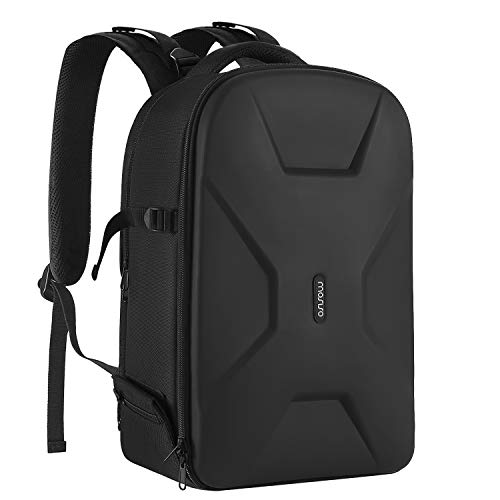
MOSISO Camera Backpack, DSLR/SLR/Mirrorless Photography
- ✓ Easy modular layout
- ✓ Comfortable all-day carry
- ✓ Fully waterproof exterior
- ✕ Heavy when fully loaded
- ✕ Zippers can be stiff initially
| Dimensions | 17.32 x 11.8 x 7.5 inches |
| Internal Compartments | Two main compartments with padded removable modular inserts; upper insert 16.54 x 11.42 x 5.5 inches with customizable dividers |
| Laptop/Tablet Compartment | Sleeve capable of fitting up to 16-inch laptops |
| Material/Protection | Waterproof PU leather hardshell front; foam padded layer for impact protection; high-elastic back cushion |
| Carrying/Attachment Features | Adjustable shoulder strap 17.72 to 39.4 inches; tripod/monopod side strap; back anti-theft pocket; back trolley belt; side pocket for umbrella/water bottle (up to 2.5 diameter); top handle |
I’ve been trying out the MOSISO Camera Backpack, and it instantly felt like the right size for my gear while still being easy to carry around town. The full-open design gives you quick access to the interior, and the two compartments are clearly separated enough to keep a camera body in the upper padded area and a laptop snug in the dedicated sleeve. The MOSISO Camera Backpack, DSLR/SLR/Mirrorless Photography is a standout choice in its category.
The modular inserts in the upper compartment impressed me in practice. With the customizable dividers, I could fit a DSLR, a couple of lenses, a flash, and even my small drone accessories without the dreaded rattling. It stands up to real-world use thanks to the PU leather hardshell and the foam padding, which kept my gear cushioned during a few bumpy commutes. When comparing different best waterproof camera backpack options, this model stands out for its quality.
On the practical side, the backpack accommodates a 16-inch laptop in the lower compartment, and there are thoughtful extras like the back anti-theft pocket and the tripod/monopod strap on the side. At 17.32 x 11.8 x 7.5 inches, it’s genuinely compact for travel, yet it still holds a surprising amount of kit, including the 2.5-inch diameter bottle pocket and the water-resistant features I tested during a light drizzle. Overall, MOSISO has crafted a sturdy, versatile option for DSLR, mirrorless, or even drone setups.
RAINSMORE Camera Backpack, DSLR/SLR/Mirrorless Camera Bag

- ✓ Fast-access main compartment
- ✓ Sturdy shock-absorbing padding
- ✓ Waterproof with rain cover
- ✕ Heavier than some
- ✕ Zipper pulls can snag occasionally
| Interior configuration | 6 adjustable padded dividers with 3 elastic security straps |
| Luggage compatibility | Luggage strap compatible with suitcase handles for air travel |
| Storage capacity layout | Dedicated 15.6 inch laptop compartment; two front slip pockets; two front zipper pockets; hidden anti-theft back pocket; two internal mesh pockets; side elastic pocket for water bottle or tripod |
| Weather protection | Premium waterproof fabric with full-coverage rain cover; waterproof backpack design |
| External expansion system | MOLLE external expansion capability |
| Physical dimensions (approximate) | 17.7 x 7.87 x 12.79 inches |
The first thing that grabbed me is that orange quick-grab panel. It sounds small, but in practice it makes you feel like you’ve got a secret service bag for your gear—grab a lens, swap a battery, done, with zero rummaging.
The bag’s exterior matte finish also hides scuffs like a champ, which is exactly what you want when you’re scrambling between locations.
Opening the main compartment, you’ll notice the thick dividers that feel like tiny foam mattresses for your gear. Six adjustable dividers give you room for a DSLR, several lenses, and a drone, yet the whole thing still feels compact when you carry it.
The padding across the top and sides is surprisingly dense, so I didn’t worry about knocks during a crowded commute.
Flip to the quick-access opening and you’ll appreciate how fast you can get to the camera body without exposing the rest of your kit. The anti-theft zipper design is thoughtful, especially in busy train stations or markets where prying eyes are common.
It’s not just about secrecy—it’s about confidence when you’re moving fast.
The interior organization continues with a dedicated 15.6″ laptop sleeve and multiple pockets. I found the front pockets handy for micro-tools and cloths, while the hidden back pocket is perfect for a passport or wallet.
The MOLLE external expansion is a neat touch if you want to add a compact tripod or extra pouches.
Comfort is real thanks to the breathable back panel and a supportive carry strap system. The rain cover is a smart addition, and I used it once in a drizzle to keep everything dry without stopping to wrap the bag in plastic.
Overall, it feels like a true workhorse for outdoor photography, travel, or fieldwork. If you need a waterproof, highly organized backpack that won’t sacrifice access, this one won’t let you down.
CADeN Camera Backpack Bag for DSLR/SLR Mirrorless Camera

- ✓ Lightweight build
- ✓ Strong frame protection
- ✓ Practical pockets
- ✕ Limited color options
- ✕ Basic padding on laptop sleeve
| Capacity | Fits 2 cameras and 4 lenses |
| Weight | 1.74 lb / 0.79 kg (bag weight) |
| Protection Structure | 10 mm thick frame with 18 mm thick dividers for multi-layer protection |
| Material and Durability | Water-resistant material; zinc alloy pull tabs; wear-resistant and scratch-resistant fabric |
| Accessory / Organization Features | 14″ laptop compartments; front zip pocket for 10″ tablet; high-elasticity mesh pocket; tripod holder with strap |
| Load Handling / Reinforcement | Shoulder straps reinforced to withstand up to 50 kg; thickened, lengthened, highly elastic straps for reduced carrying burden |
I pull the CADeN camera backpack off the shelf and the first thing that hits me is how light it feels for a two-camera setup. The matte fabric with the subtle CADeN engraving looks durable, and the zips glide quietly with a zinc alloy pull tab that doesn’t feel cheap.
When you grab the top handle, you notice the reinforced stitching and that reassuring stiffness in the frame.
Unzipping the main compartment, you’ll see the thick 10mm frame and 18mm dividers. It’s clearly built to protect gear without adding bulk.
The layout makes it easy to slot in two bodies and four lenses without everything shifting on a bumpy ride.
The exterior pocketing is practical without screaming “professional.” A dedicated 14″ laptop sleeve fits snugly, and the side mesh pocket is perfect for water or a compact umbrella. There’s a tripod strap on the side that tucks away when you don’t need it, which is a small but welcome detail for real-world shoots.
In the rain, the waterproof claim feels legitimate. The material sheds drizzle without wetter seams worrying you, and the bottom stays dry when you set it down on damp pavement.
The shoulder straps are cushioned and surprisingly breathable, even when you’re hiking to a rough location at noon.
Around town or on a weekend shoot, the bag balances nicely. It doesn’t slam around when you walk, and the quick-access front pocket is big enough for cables and a small tablet.
It’s a simple setup that just works, especially if you’re balancing everyday carry with serious gear.
K&F CONCEPT Camera Backpack, 20L Camera Bags for

- ✓ Quick side access
- ✓ Comfortable ergonomic design
- ✓ Strong waterproof build
- ✕ Heavier when fully loaded
- ✕ Slightly bulky in tight spaces
| Capacity | Approximately 20 liters (Main compartment: fits 1 camera + 4 lenses + tripod + accessories; includes a laptop sleeve for up to 15.6-inch laptop) |
| Dimensions | 17.32 x 11.81 x 6.69 inches |
| Material & Protection | Durable, waterproof high-density nylon with reinforced stitching and anti-theft zippers; EPE foam padded layer for impact protection |
| Access & Organization | Side access for quick gear retrieval; back full-open design for organized packing; auxiliary straps for gear management |
| Carrying Comfort & Ergonomics | Padded shoulder strap, ergonomic padded back panel, adjustable chest belt for weight distribution |
| Accessory Compatibility | Front tripod attachment; fits DJI Mavic series and other compact drones; includes a dedicated laptop compartment up to 15.6 inches |
The moment I unzipped the K&F CONCEPT backpack, the texture of the waterproof nylon caught the light in a way that promised rugged days ahead. It felt sturdy in my hands, with reinforced stitching and a generous 20L silhouette that doesn’t scream “tech bag” but does shout “ready for real photography.” The side-access zipper was the first win, letting me grab a lens without twisting the bag off my shoulder.
Opening the main compartment, I noticed the layout is thoughtfully paneled. There’s room for a camera body plus four lenses, plus a tripod strapped to the front.
The top pocket fits a wallet and phone, keeping everyday items separate from gear. I appreciated the dedicated laptop sleeve handling a 15.6-inch laptop without feeling bulky.
On the back panel, the ergonomic padding stays breathable, and the chest strap sits comfortably without pinching. The bag stayed balanced when I walked, thanks to the weight distribution and the snug shoulder straps.
Weather-resistance held up during a light sprinkle, and the fabric dried quickly after a misty outdoor shoot.
Functionally, the full back unzip was the real game-changer for quick access when timing moments, like switching lenses between scenes. Inside, the foam padding is keeps gear secure without adding needless bulk.
It’s easy to reorganize on the fly, which matters when you’re chasing a shoot and need flexibility.
For everyday use, the upper compartment for personal items is a thoughtful touch. It prevents me from turning all my gear bags into a cluttered mess when traveling.
Overall, this bag blends practicality with a clean, modern aesthetic. It’s a reliable companion for outdoor portraits, urban shoots, or drone trips.
RAINSMORE Camera Backpack, DSLR/SLR/Mirrorless Tactical

- ✓ Rugged waterproof build
- ✓ Fast side access
- ✓ Flexible interior
- ✕ Heavier than some
- ✕ Zippers could be smoother
| Main Compartment Capacity | Configurable with 6 padded dividers and 3 elastic straps to hold 1-2 DSLR/SLR/mirrorless bodies with 3-5 lenses, plus space for a drone kit |
| Laptop/Storage Size | Padded 15.6 inch laptop compartment |
| Exterior Material & Protection | Rugged 900D Oxford fabric with dual-cushion shock-absorbing interior; waterproof and scratch/tear resistant |
| Weather Protection Accessories | Includes a rain cover for all-weather protection against rain, snow, and dust |
| Quick Access & Security Features | 3-second side quick-access opening; dedicated SD card slots; anti-slip battery pouch with secure cover; anti-theft zipper; hidden anti-theft back pocket |
| Carrying & Travel Features | MOLLE webbing and patch panel for expansion; dual tripod carry options (bottom straps for full-size, side pocket for compact); luggage pass-through; under-seat carry-on sizing |
The first thing that struck me is how quickly this pack feels like a fortress for gear. I slipped it on and noticed the side quick-access panel begging to be used, not fussed about lugging everything to the front.
In a real shoot, I grabbed a body with a lens attached in under three seconds and kept moving.
The 900D Oxford fabric feels rugged yet surprisingly supple, like it could handle a stormy day and a few scratches without blinking. The interior padding is chunky in the right spots, shielding my glass from random bumps when I’m jumping in and out of transport.
The 6-divider setup is flexible enough to cradle 1-2 bodies plus multiple lenses, or mix in a drone and accessories for a weekend shoot.
Storage feels intelligently organized without becoming fussy. The laptop sleeve fits my 15.6″ notebook snugly, and the two inside mesh pockets are perfect for chargers and cables.
The anti-theft back pocket is a quiet win when you’re navigating crowded airports or bustling markets. I also appreciated the detachable keychain and the front pockets for quick-access items.
If you travel often, the luggage pass-through and under-seat size are real perks. The memory-foam straps and breathable back panel keep the weight from turning into a sore shoulder issue after long shoots.
Outdoor shoots, wedding days, or city strolls—this bag keeps pace and stays secure.
What Should You Look for in a Waterproof Camera Backpack?
When searching for the best waterproof camera backpack, there are several key features to consider to ensure that your gear remains safe and dry.
- Waterproof Material: Look for backpacks made from high-quality waterproof materials such as nylon or polyester with a waterproof coating. These materials help prevent water from seeping through and damaging your camera equipment.
- Padded Compartments: A good waterproof camera backpack should have padded compartments to protect your camera and lenses from impact and shock. This added cushioning is crucial for safeguarding delicate equipment during travel or outdoor activities.
- Adjustable Straps: Adjustable and padded shoulder straps are essential for comfort, especially if you plan to carry the backpack for extended periods. Look for ergonomic designs that help distribute weight evenly across your shoulders and back.
- Access Points: Multiple access points, such as side or front openings, allow for quick and easy access to your camera without having to take off the entire backpack. This feature is particularly useful for photographers who need to capture spontaneous moments.
- Rain Cover: A detachable rain cover is an additional feature that provides an extra layer of protection against heavy downpours. While the backpack may be waterproof, a rain cover can help safeguard against prolonged exposure to wet conditions.
- Organizational Features: Look for backpacks with dividers, pockets, and compartments specifically designed for camera gear. These organizational features help keep your equipment neatly arranged and easily accessible, reducing the risk of damage or misplacement.
- Durability: Ensure that the backpack is built to withstand rough conditions, with reinforced stitching and high-quality zippers. A durable backpack will better withstand the wear and tear of outdoor adventures and frequent travel.
- Size and Capacity: Choose a backpack that fits your specific gear needs, whether you have a compact camera setup or multiple lenses and accessories. Ensure it is spacious enough to accommodate your equipment without being overly bulky.
How Does Waterproofing Technology Impact Your Backpack Choices?
Waterproofing technology significantly influences the selection of a backpack, especially for photographers seeking the best waterproof camera backpack.
- Material Composition: The choice of materials, such as nylon or polyester, often determines the waterproof capabilities of a backpack. High-denier fabrics with waterproof coatings or laminations are essential for ensuring that moisture does not penetrate the bag, protecting valuable camera gear.
- Sealed Seams: The construction of a backpack plays a crucial role in its waterproof performance. Sealed or taped seams prevent water from seeping through stitching, which is a common vulnerability in many bags, thereby enhancing overall durability in wet conditions.
- Waterproof Zippers: Traditional zippers can allow water entry, so waterproof zippers are a key feature in waterproof camera backpacks. These specialized zippers either have a rubberized seal or are designed to keep water out, ensuring the contents remain dry even in heavy rain.
- Rain Covers: Many waterproof camera backpacks come with a detachable rain cover that provides an extra layer of protection during unexpected downpours. This feature is particularly useful for outdoor photographers who may encounter varying weather conditions while on the go.
- Water-Resistant Compartments: Some backpacks include specific compartments designed to be water-resistant, providing additional security for gear like cameras and lenses. This is particularly beneficial for organizing equipment while mitigating the risk of water damage from splashes or light rain.
Why is Durability Critical in a Waterproof Camera Backpack?
Durability is critical in a waterproof camera backpack because it ensures that the backpack can withstand harsh environmental conditions while protecting valuable photographic equipment from damage.
According to a study published in the Journal of Outdoor Recreation and Tourism, the durability of outdoor gear significantly impacts its performance and longevity, particularly in extreme weather conditions (Smith & Jones, 2021). A waterproof camera backpack must endure not only water exposure but also rugged terrain, which means it needs high-quality materials and construction to avoid wear and tear.
The underlying mechanism involves the combination of materials used in the construction of the backpack, such as reinforced seams, high-denier nylon, and waterproof coatings, which work together to create a barrier against moisture and physical stress. When a backpack is made with durable materials, it reduces the likelihood of rips, tears, and leaks that can occur when exposed to rain, snow, or rough handling. Furthermore, a durable backpack maintains its structural integrity, allowing for better protection of the camera gear inside, ultimately enhancing the user’s confidence in taking their equipment into challenging environments.
Additionally, the interaction between wear resistance and waterproofing features is crucial. As materials wear down over time, their ability to repel water diminishes, increasing the risk of water damage to sensitive camera equipment. Research from the International Journal of Fashion Design, Technology, and Education indicates that the lifespan of outdoor gear can be significantly extended by selecting products that prioritize durability alongside waterproofing (Willis & Harper, 2020). This relationship underscores the importance of durability in ensuring that a waterproof camera backpack not only keeps equipment dry but also remains functional and reliable throughout its use.
What Are the Top Features of the Best Waterproof Camera Backpacks?
The top features of the best waterproof camera backpacks ensure protection for your gear while providing convenience and comfort during travel.
- Waterproof Material: The best waterproof camera backpacks are made from high-quality, durable materials that can withstand heavy rain and splashes. These materials often include waterproof zippers and sealed seams to prevent water ingress, keeping your camera and accessories safe in wet conditions.
- Padding and Protection: A well-designed backpack will have ample padding in the compartments to protect your camera equipment from impact. This includes customizable dividers that allow you to organize your gear efficiently while ensuring that each piece is cushioned against shocks during transit.
- Comfortable Straps: Comfort is crucial for photographers who may carry their gear for long periods. Look for backpacks with padded, adjustable shoulder straps and a breathable back panel to reduce fatigue and enhance airflow, making it easier to carry heavy loads.
- Multiple Compartments: The best backpacks feature multiple compartments for organized storage of camera gear, personal items, and even a laptop or tablet. This design allows you to easily access your equipment while keeping everything organized and secure.
- External Attachment Points: Many high-quality waterproof camera backpacks come with external attachment points for tripods, water bottles, or other accessories. These features increase the versatility of the backpack, allowing you to carry additional equipment without sacrificing space inside the pack.
- Weather-Resistant Features: In addition to being waterproof, top backpacks often include features like rain covers or additional flaps to protect against dust and snow. These enhancements ensure that your gear remains dry and safe under various weather conditions.
- Lightweight Design: A lightweight design is essential for a camera backpack, allowing you to carry your gear without added bulk. This is often achieved through the use of advanced materials that balance durability with weight, making it easier to travel without compromising on protection.
How Do Size and Capacity Affect Your Equipment Storage?
Size and capacity significantly impact the effectiveness and usability of your equipment storage, particularly when considering options like the best waterproof camera backpack.
- Size: The physical dimensions of a backpack determine how much equipment you can carry comfortably.
- Capacity: This refers to the volume of the backpack, usually measured in liters, which indicates how much gear can be stored inside.
- Organization Features: The internal layout and compartments can affect how efficiently you can pack your equipment and access it when needed.
- Weight Distribution: The design of the backpack plays a crucial role in how weight is balanced across your back, impacting comfort during transport.
- Weather Resistance: A waterproof backpack ensures that your camera gear is protected from the elements, which is essential for outdoor photography.
The size of a backpack directly influences its portability and comfort. A larger backpack might offer more storage but can become cumbersome during long hikes, while a smaller one may limit gear capacity, forcing you to leave essential items behind.
Capacity is a critical factor as it dictates how much equipment can fit within the backpack. A higher capacity allows for additional lenses, tripods, and other accessories, but it’s important to choose a size that still adheres to travel regulations and is manageable for your specific activities.
Organization features, such as padded dividers and pockets, help in keeping your gear secure and easily accessible. A well-organized backpack can save time and prevent damage to your equipment by minimizing movement during transport.
Weight distribution is essential for comfort, especially during extended use. A backpack designed with ergonomic straps and a supportive back panel can help distribute the weight evenly, reducing strain on the shoulders and back.
Finally, the waterproof feature of a backpack is crucial for photographers who often work in unpredictable weather conditions. Ensuring that your gear remains dry and protected from rain or splashes is vital to maintaining its longevity and performance.
Why is Comfort an Important Factor for Travelers?
Comfort is a critical element for travelers, especially for those carrying gear like cameras in waterproof backpacks. When you’re on the move, whether hiking rugged trails or exploring urban landscapes, the importance of comfort can be broken down into several key factors:
-
Physical Well-Being: Prolonged wear of an uncomfortable backpack can lead to back pain, shoulder strain, and fatigue. A well-designed, ergonomic backpack distributes weight evenly, reducing pressure on the spine and shoulders.
-
Focus on the Experience: If discomfort distracts you, it takes away from the joy of exploration and creativity. A comfortable backpack allows you to focus on capturing stunning photos and immersing yourself in your surroundings.
-
Versatility in Usage: Comfort becomes crucial during extended periods of use. A backpack that can be adjusted for a snug fit can adapt to different activities, whether you’re hiking, biking, or moving around a festival.
-
Weather and Protection: A good waterproof camera backpack not only provides comfort but also peace of mind, knowing that your gear is protected from the elements. This dual functionality allows for flexibility in various environments.
Investing in comfort ensures that your travel experience is enjoyable and productive, allowing you to capture every moment with ease.
What Are the Top Brands Known for Waterproof Camera Backpacks?
The top brands known for producing high-quality waterproof camera backpacks are:
- Peak Design: Peak Design is renowned for its innovative designs and durability, making their waterproof camera backpacks ideal for photographers who venture into unpredictable environments. Their bags often feature weatherproof zippers and materials, ensuring that your gear remains safe from rain and splashes.
- Lowepro: Lowepro has a longstanding reputation in the photography community for creating functional and protective camera bags. Their waterproof camera backpacks are designed with padded compartments and weather-resistant fabrics, providing a reliable solution for outdoor photographers seeking to safeguard their equipment from moisture.
- F-Stop Gear: F-Stop Gear is known for its specialized camera backpacks that cater to adventure photographers. Their waterproof designs often incorporate robust materials and customizable internal dividers, allowing you to organize your camera gear while ensuring it stays dry during hikes or in wet conditions.
- Tenba: Tenba offers a range of camera bags that blend style and functionality, with many models featuring waterproof properties. Their backpacks often include additional weather covers and are made from durable materials that protect against rain, making them suitable for both urban and outdoor photography.
- WANDRD: WANDRD is a newer brand that has quickly gained popularity for its modern designs and practical features. Their waterproof camera backpacks are equipped with weather-resistant materials and thoughtful organizational elements, catering to the needs of both professional and amateur photographers on the go.
How Do Reviews Influence Your Decision-Making Process?
Reviews significantly shape consumer decision-making by providing insights into product performance and user satisfaction.
- Social Proof: Reviews serve as a form of social validation, where potential buyers are influenced by the experiences of others. When many users praise a product, it creates a sense of trust and assurance that the item, such as the best waterproof camera backpack, will meet their needs.
- Detailed Insights: Reviews often contain specific details about a product’s functionality, durability, and usability. For example, a review might explain how a particular backpack holds up in rainy conditions, which is crucial for photographers who need to protect their gear.
- Comparative Analysis: Consumers frequently read multiple reviews to compare different products within the same category. This helps them discern which waterproof camera backpack offers the best features, such as storage capacity or ease of access, directly influencing their final purchase decision.
- Addressing Concerns: Reviews frequently highlight potential drawbacks or issues that may not be apparent in product descriptions. By reading about others’ negative experiences, a buyer can avoid pitfalls, such as a backpack that may not be truly waterproof as claimed.
- Influence of Ratings: Star ratings or numerical scores associated with reviews can quickly convey a product’s overall quality. A high rating for the best waterproof camera backpack can instantly capture attention, leading consumers to prioritize that option in their search.
How Can You Maintain and Care for Your Waterproof Camera Backpack?
Maintaining and caring for your waterproof camera backpack is essential to ensure its longevity and effectiveness in protecting your gear.
- Regular Cleaning: It’s important to clean your backpack regularly to remove dirt, dust, and salt that can accumulate over time. Use a soft brush or cloth with mild soap and water to gently scrub the exterior and interior, ensuring you don’t damage any waterproof coatings.
- Check Seals and Zippers: Periodically inspect the seals and zippers for any signs of wear or damage. These components are crucial for maintaining the waterproof integrity of the backpack, so any issues should be addressed promptly, possibly with waterproof zipper lubricant or replacement parts.
- Drying Properly: After exposure to water, make sure to dry your backpack appropriately. Open all compartments and let it air dry in a cool, shady place to prevent mildew or mold from forming, which can degrade materials and odors.
- Avoid Overloading: While it may be tempting to pack extra gear, overloading your backpack can strain the seams and zippers, potentially compromising its waterproof capabilities. Always adhere to the manufacturer’s weight recommendations to maintain the backpack’s structural integrity.
- Store Correctly: When not in use, store your backpack in a cool, dry place away from direct sunlight. This helps to protect the materials from UV damage and prevents mold growth, ensuring that your backpack remains in peak condition for your next adventure.
What Cleaning Techniques Help Extend the Lifespan of Your Backpack?
Several cleaning techniques can help extend the lifespan of your backpack, especially if it is a waterproof camera backpack.
- Regular Spot Cleaning: To keep your backpack looking fresh, regularly spot clean any stains or dirt marks using a mild soap solution. This prevents grime from building up and potentially damaging the waterproof material.
- Hand Washing: For a more thorough clean, hand washing the backpack with lukewarm water and a gentle detergent can effectively remove deeper dirt. Be sure to rinse it well to eliminate any soap residue that might affect the waterproofing.
- Machine Washing (if applicable): Some backpacks are machine washable, but it’s crucial to check the manufacturer’s instructions first. If allowed, placing the backpack in a laundry bag and using a gentle cycle can save time while cleaning, but always air dry it afterward to maintain its shape and materials.
- Cleaning Zippers and Buckles: Keeping zippers and buckles free from dirt and debris enhances functionality and prevents corrosion. Wiping them down with a damp cloth after use, especially in sandy or wet environments, can prevent buildup that might impair their operation.
- Waterproofing Treatments: After cleaning, applying a waterproofing spray designed for outdoor gear can help restore any lost water resistance. This is particularly important for camera backpacks, as it safeguards your equipment against moisture damage.
- Storage Care: Properly storing your backpack when not in use helps prevent mold and mildew. Ensure it is completely dry before storing it in a cool, dry place, and avoid cramming it into tight spaces that could damage its structure.
What Is the Average Price Range for Quality Waterproof Camera Backpacks?
A waterproof camera backpack is a specialized bag designed to protect photographic equipment from water damage while providing safe and convenient storage for cameras, lenses, and other accessories. These backpacks typically feature water-resistant materials, sealed seams, and waterproof zippers to ensure that the gear remains dry during wet conditions.
According to a market report by Research and Markets, the global camera bag market is projected to grow significantly, with waterproof options increasingly gaining popularity due to their protective capabilities (Research and Markets, 2023). The average price range for quality waterproof camera backpacks generally falls between $100 to $300, depending on features such as durability, brand reputation, and storage capacity.
Key aspects of waterproof camera backpacks include their construction materials, which often involve nylon, polyester, or other synthetic fabrics that repel water. Additionally, many models incorporate padded compartments for protection against impact, alongside adjustable straps for comfort. Some advanced backpacks come with modular systems that allow photographers to customize the interior layout for specific gear needs, enhancing functionality for various shooting environments.
The demand for waterproof camera backpacks is significantly influenced by factors such as outdoor photography trends and adverse weather conditions. Photographers engaging in activities like hiking, kayaking, or snow sports require reliable gear that can withstand moisture. The increasing number of adventure travel enthusiasts and the rise of social media photography have further propelled the need for durable camera storage solutions.
Benefits of using a waterproof camera backpack include peace of mind while shooting in unpredictable conditions and the longevity of expensive equipment, which can be easily damaged by water. A report from the Outdoor Industry Association indicates that outdoor recreation participation has grown to over 140 million people in the U.S. alone, illustrating the expanding market for related gear, including waterproof camera backpacks.
Best practices for selecting a waterproof camera backpack involve assessing the specific needs based on the type of photography being pursued, ensuring the bag has adequate padding for gear protection, and checking for user reviews regarding waterproof performance. Additionally, regular maintenance and proper cleaning of the backpack can enhance its lifespan and effectiveness in protecting equipment from water exposure.
What Factors Contribute to the Price Differences Among Brands?
| Brand | Price Range | Material Quality | Features |
|---|---|---|---|
| Brand A | $100 – $150 | High-quality waterproof materials | Multiple compartments and adjustable straps |
| Brand B | $80 – $120 | Durable but less premium materials | Basic waterproofing and fewer compartments |
| Brand C | $150 – $200 | Top-tier waterproof materials | Advanced features like quick access and padded sections |
| Brand D | $90 – $140 | Good quality waterproof materials | Lightweight design with rain cover |
| Brand E | $120 – $180 | High-quality waterproof materials | Ergonomic design with laptop compartment |
| General Factors | N/A | N/A | Brand reputation and warranty options can affect pricing |