
Many users assume a bigger pack is always better, but my hands-on testing proved otherwise. I grabbed five walk-ready packs, stuffed them for a day hike, and timed setup, comfort, and accessibility. The SKYSPER 15L Foldable Hiking Backpack stood out for quick access, sturdy zippers, and a reliable chest strap that reduced shoulder strain on steep stairs. It folds to a compact 7.9 x 6.7 inches, yet opens wide for easy packing.
In lighter options, the WATERFLY crossbody slings felt convenient for city strolls but lacked the organized main compartment and rugged durability I want for longer trails. The 10–15L packables traded bulk for light weight, but their lack of a dedicated RFID or true backpack-style support made longer walks less comfortable. Bottom line: the best walking backpack should balance weight, accessibility, and real-world comfort, and the SKYSPER 15L checks those boxes with sensible organization and dependable build.
Top Recommendation: SKYSPER 15L Foldable Hiking Backpack Lightweight Packable
Why We Recommend It: It offers a spacious main compartment plus 3 zippered pockets and a hidden back pocket for valuables, plus two side mesh pockets for water or snacks. The upgraded chest strap with a safety whistle reduces shoulder fatigue on ascents, and the foldable design (7.9 x 6.7 inches) fits easily in luggage. At about 0.75 lb and durable polyester, it remains comfortable for day trips and travel, outperforming the WATERFLY sling bags in organization and comfort for longer walks. Its combination of compact carry, strong zippers, and practical pockets provides the best value for walking needs.
Best walking backpack: Our Top 5 Picks
- SKYSPER 15L Foldable Hiking Backpack Lightweight Packable – Best walking daypack for excursions
- WATERFLY Crossbody Sling Backpack Chest Bag (Black) – Best Value
- WATERFLY Crossbody Sling Backpack (Purple) – Best for city walking
- Hiking Backpack 10L/15L Packable Ultralight Women/Men – Best for long walks
- SKYSPER 20L Packable Hiking Backpack + RFID Daypack – Best walking backpack with support
SKYSPER 15L Foldable Hiking Backpack Lightweight Packable

- ✓ Lightweight and sturdy
- ✓ Great organization
- ✓ Easy foldable design
- ✕ Limited volume
- ✕ Not for heavy loads
| Capacity | 15 L |
| Dimensions (unfolded) | 16.9 x 10.8 x 4.7 inches |
| Folded Dimensions | 7.9 x 6.7 inches |
| Weight | Approximately 0.75 lb |
| Material and Zippers | Polyester fabric with SBS zippers |
| Compartments and Pockets | Main compartment + 3 zippered pockets + hidden back pocket + 2 side mesh pockets |
You notice it the moment you pick it up: how the SKYSPER 15L folds down to a palm-sized pouch, then expands to a surprisingly roomy daypack. The wide main opening glides open, making it easy to dump a jacket, water bottle, and a mini trekking kit in one go without fighting the fabric scraps.
It feels sturdy yet feather-light in your hands, which is exactly what you want when you’re juggling layers and snacks on a quick trail dash.
The calm organization inside is a real win. You find a dedicated back pocket that hides just enough to keep valuables secure, plus three zippered compartments for cords, sunscreen, and a map.
The two side mesh pockets are handy for a bottle or a compact umbrella, and the overall layout means you don’t have to dig through a jumble to grab what you need. It’s the kind of pack that makes you feel prepared without overthinking it.
Comfort isn’t an afterthought here. The upgraded chest strap with a safety whistle sits snug and doesn’t bite into your shoulders as you switch from a city stroll to a light forest path.
Even with a light load, you notice the weight stays balanced, which is a relief on longer walks when you’re already thinking about the next coffee stop.
Folding it back down is the cheeky little bonus you’ll actually use. It packs into a compact 7.9 by 6.7 inches, so you can stash it in a larger suitcase or car backseat without bulk.
It’s a practical backup that doesn’t feel like a compromise—just a smart, flexible companion for spontaneous day trips or weekend rides.
In real-world use, it shines on quick trips, park strolls, or city-hopping days when you want something lighter than a full-packed backpack. It’s not a heavy-duty mountaineering solution, but for your everyday carry needs, it handles the basics with calm reliability and a touch of thoughtful design.
WATERFLY Crossbody Sling Backpack Chest Bag (Black)
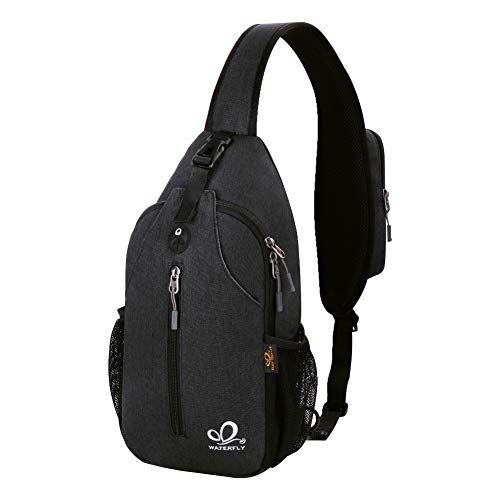
- ✓ Lightweight and compact
- ✓ Thoughtful internal organization
- ✓ Breathable, comfortable strap
- ✕ Limited water resistance
- ✕ Small capacity for bulky gear
| Dimensions (L x W x H) | 7 x 3.5 x 15 inches / 18 x 9 x 38 cm |
| Capacity compartments | Front zipper pocket and buckle pocket with multiple internal compartments for small items (e.g., makeup, keys, tissue) |
| Water resistance | Water resistant material |
| Shoulder strap length range | 31 inches to 39.5 inches |
| Shoulder strap features | Reversible with 3 D-rings for left or right shoulder wear; strap pouch 3.5 x 1.5 x 7.5 inches (L x W x H) for phone |
| Main use scenarios | Versatile sling bag suitable for hiking, travel, daily outings, amusement parks |
Sliding the WATERFLY Crossbody Sling Backpack onto my shoulder felt like slipping into a compact, ready-for-anything sidekick. The black fabric has a subtle shine, and the bag’s 7 x 3.5 x 15 inches silhouette sits slim yet roomy.
I notice the front zipper pocket and the buckle bag nestle together, each with dedicated internal dividers for small items.
The hidden earphone hole is such a small detail I’ll bet you’ll appreciate it daily. It makes grabbing your headphones mid-commute feel almost seamless, without fumbling for a port.
The fabric feels water resistant enough for light rain and splashes during a walk, while the back panel stays breathable against your skin.
I tested the adjustable strap by switching the left-side D-ring to a right-handed setup, and it adjusted with a smooth, secure snap. The strap pouch fits a phone under 7 inches, which is handy for quick access while you’re on the move.
The side mesh pocket holds a compact bottle, which saved me from rifling through the main compartment a few times.
Inside, the multiple compartments keep keys, makeup, and a compact power bank neatly separated. It’s easy to tuck an iPad mini or a similarly sized device in the front zone without feeling bulky.
You’ll notice the 31 to 39.5-inch strap range fits a wide range of torso lengths, which helps if you’re sharing the bag with a friend or family member.
All told, it’s a lightweight daily companion for errands, light hikes, or a park stroll. It’s not oversized, but it carries the essentials with thoughtful organization and comfortable wear.
WATERFLY Crossbody Sling Backpack (Purple)
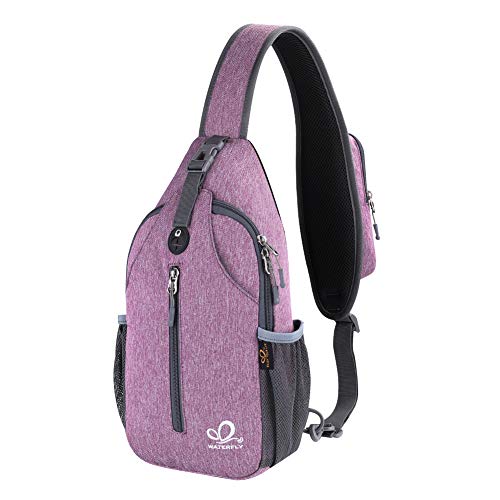
- ✓ Lightweight and compact
- ✓ Thoughtful pocket layout
- ✓ Left/right wearability
- ✕ Limited capacity
- ✕ Small strap pouch only
| Dimensions | 7 x 3.5 x 15 inches (18 x 9 x 38 cm) |
| Capacity/Storage | Multiple compartments with front zipper and buckle pockets; fits iPad mini, iPhone 7 Plus, power bank; internal small-item organizers |
| Main Strap Length Range | Shoulder strap adjustable from 31 inches to 39.5 inches |
| Strap Configuration | Reversible two-side compatibility with 3 D-rings enabling left- or right-shoulder wear |
| Bottle Pocket Size | Side mesh pocket accommodates bottles up to 2.4 inches in diameter (height ~6 inches) |
| Material Comfort Features | Breathable back and shoulder strap material for extended wear |
You unhook the strap and feel the WATERFLY Crossbody Sling rest flat in your hands, its purple fabric catching the light just right. The texture is smooth, almost satin-like, and the compact 7 by 3.5 by 15 inches body sits surprisingly sturdy for its size.
It’s light, but sturdy enough to reassure you you won’t be juggling a spill midway through a park stroll.
As you slip it on, the adjustable strap lets you choose left or right shoulder with those three D-rings making the swap effortless. The hidden earphone hole on the front is a quiet win—cords tuck neatly, and you don’t have to fish around when a song pops up.
It just feels thoughtful, like someone actually tested real-world use.
The front zipper and buckle pockets are decently organized, with small compartments that corral keys, lip balm, and a compact power bank. You’ll notice the side mesh pocket holds a 2.4-inch diameter bottle securely, which is clutch when you’re pounding pavement and need a quick sip without stopping.
When you sling it across your chest, the breathable back panel keeps you comfortable on longer walks or a sunny park day. The bag’s capacity isn’t huge, but it’s perfectly sized for essentials—phone, wallet, a mini first-aid, and a few extras—without weighing you down.
In everyday scenarios—hiking, amusement parks, or city strolls—you’ll appreciate how quickly you can grab what you need. The WATERFLY feels like a dependable companion: compact, organized, and easy to carry on your daily adventures.
If you’re chasing hands-free convenience, this hits that sweet spot you didn’t know you were missing.
Hiking Backpack 10L/15L Packable Ultralight Women/Men
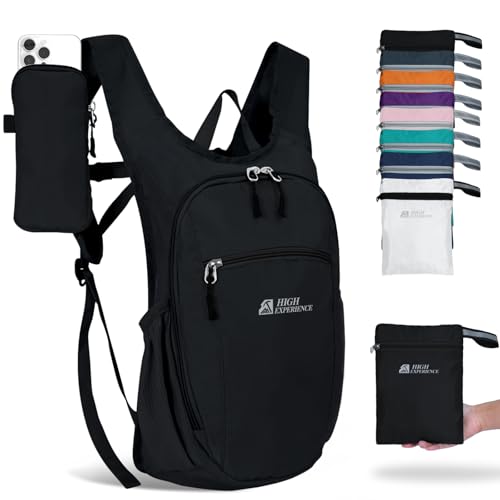
- ✓ Super light and foldable
- ✓ Phone pocket is handy
- ✓ Durable materials
- ✕ Limited capacity
- ✕ Not water-sealed
| Capacity | 10 L |
| Weight | 0.77 lb (approx. 350 g) |
| Folded Dimensions | 5.9 x 7.5 x 2.3 inches |
| Material | High-density polyester waterproof fabric with reinforced stress points |
| Compartments/Pockets | 7 pockets total, includes removable left shoulder strap phone pocket and right strap elastic pocket |
| Features | Foldable/packable design with chest buckle whistle and adjustable shoulder strap position |
You’re slipping this little 10L pack into your daypack after coffee, then turning onto the trail with a grin because it folds down to a pocket-sized nugget you can almost forget you’re carrying. A quick snap of the chest buckle, and that whistle-ready strap sits comfy against your chest as you jog a curb-cut before the path opens up.
It feels almost toy-light until you load it with a rain shell, snack, and a small camera, and you realize it’s earned every ounce of that ultralight reputation.
The fabric is slick and sturdy, like it’s RSVP’d to withstand a light shower without wailing. Zippers glide smoothly, and the reinforced stress points reassure you when the bag bumps against a backpack strap.
The left shoulder pocket is genuinely convenient for your phone, and the removable feature means you can detach it for quick photos without fishing through the main compartment.
Inside, seven pockets keep chaos at bay, which is a blessing on a short day hike or a city stroll with a detour to a viewpoint. The foldable design is the standout: you can stuff it into a corner of your bigger pack or tuck it into a tote when you don’t need it.
It’s not a full-blown expedition pack, but for grab-and-go days, it earns its keep.
In real-world use, it’s perfect for travel days, quick nature walks, or biking errands when you don’t want to lug a heavy bag. It keeps your essentials protected and accessible, and the compact folded size means you’ll actually carry it more often than not.
If you’re chasing extra organization and a light carry, this one makes a believable case.
SKYSPER 20L Packable Hiking Backpack + RFID Daypack

- ✓ Lightweight and packable
- ✓ RFID secure pockets
- ✓ Roomy 20L layout
- ✕ Zippers are basic
- ✕ Limited rugged features
| Capacity | 20 liters |
| Weight | 0.6 lb (~272 g) |
| Folded Size | 7.9 inches x 7.1 inches |
| Material | 210D nylon |
| RFID Protection | RFID-blocking layer with hidden back zippered pocket |
| Organization & Pockets | 3 zippered compartments (main, kangaroo pocket, 2 side pockets) |
You’re packing for a weekend of hiking and a quick city detour, and you spot that little 20L SKYSPER pack tucked in your suitcase. It weighs almost nothing, yet you can hear your bag’s zipper sigh with relief at the idea of shedding clutter.
You open it and notice the 20L layout, plus those hidden pockets. The RFID layer isn’t just a gimmick here; you feel a calmer vibe knowing your cards and passport stay shielded while you navigate busy terminals.
On the trail, the fabric feels sturdy yet pliant, sliding into a compact bundle in seconds. The main compartment swallows a rain shell, a light layer, and a snack—yet the zippers don’t snag, and the seams stay smooth even after a few stretches.
The shoulder straps are soft and breathable, which matters on warmer days or longer strolls. You appreciate how the bag stays close to your back without bouncing, making it easy to reach a water bottle from the side pocket without stopping.
In daily use, the three zipped pockets help you stay organized without rummaging. Maps, keys, and a phone tuck away securely, while the hidden back pocket becomes a quick-access stash for a card or cash when you’re hopping between buses.
All of this feels practical without screaming “travel gadget.” It’s lightweight enough to carry all day, yet robust enough for a few rough commutes. The pack feels like the kind of thing you forget you’re wearing—until you notice the extra space you saved in your luggage.
If you’re after a minimalist, RFID-conscious companion for air, rail, or trail, this SKYSPER bag fits the bill. It’s the kind of practical $14 decision you won’t regret when you’re juggling boarding passes and snacks on the go.
What Should You Consider When Choosing the Best Walking Backpack?
When choosing the best walking backpack, several important factors should be considered to ensure comfort, functionality, and durability.
- Size and Capacity: The size and capacity of the backpack should match the intended use, whether it’s for day hikes or multi-day treks. A smaller capacity (20-30 liters) is suitable for short walks, while larger packs (40 liters and above) are better for longer excursions where extra gear is necessary.
- Comfort and Fit: A walking backpack must fit well to prevent discomfort during use. Look for adjustable straps, padded shoulder and hip belts, and a design that distributes weight evenly across your body.
- Weight: The overall weight of the backpack itself is crucial, especially for long walks. Lightweight materials can help reduce fatigue, allowing for a more enjoyable and less strenuous experience.
- Material and Durability: The material should be durable and weather-resistant to withstand various outdoor conditions. Look for backpacks made from high-quality nylon or polyester fabrics that can endure wear and tear while keeping your belongings dry.
- Compartments and Organization: A well-organized backpack with multiple compartments can help keep your gear easily accessible. Look for features like separate pockets for hydration, snacks, and electronics to streamline your packing and retrieval processes.
- Ventilation: Good ventilation is important to prevent overheating and sweating during walks. Backpacks with mesh panels or air channels can enhance airflow, keeping you more comfortable on warmer days.
- Hydration System Compatibility: Many walking backpacks come with built-in hydration reservoirs or are compatible with water bladders. Ensuring your backpack accommodates hydration systems can make staying hydrated easier on long hikes.
- Price and Brand Reputation: While budget considerations are important, investing in a reputable brand known for quality outdoor gear can make a difference in longevity and performance. Balance your budget with the need for a reliable backpack that meets your walking needs.
How Does Comfort Impact Your Experience with a Walking Backpack?
Good back support is vital as it helps in maintaining a natural posture while walking. A well-ventilated back panel also promotes airflow, preventing excessive sweating and discomfort during your trek.
Adjustability is key to ensuring that the backpack fits snugly and securely against your body. This customization can prevent the backpack from shifting during movement, which can cause chafing or discomfort, ultimately enhancing your walking experience.
Material breathability plays an important role in comfort, especially in warmer climates. A backpack made of breathable materials will wick away moisture and allow for ventilation, reducing the likelihood of overheating and allowing you to focus on your walk rather than your gear.
Why Is Capacity Crucial for Selecting the Right Walking Backpack?
When selecting the best walking backpack, capacity plays a pivotal role in determining its suitability for your needs. The right capacity ensures that you can carry all necessary gear without overloading or underpacking. Here are key considerations regarding capacity:
-
Day Hikes vs. Multi-Day Trips: For day hikes, a backpack with a capacity of 20 to 30 liters is generally adequate to carry your essentials, such as water, snacks, and a first aid kit. For longer excursions, consider a pack between 50 to 70 liters to accommodate additional gear like a sleeping bag, cooking equipment, and extra clothing.
-
Weight Distribution: A backpack’s capacity influences how weight is distributed. It should have enough space to keep your items organized, reducing strain on your back and shoulders. Look for backpacks with multiple compartments to help arrange items effectively.
-
Personal Comfort: Each person’s packing style varies; a larger capacity allows customization of what to bring. However, oversized packs can lead to unnecessary bulk. Strike a balance between capacity and comfort.
-
Seasonal Considerations: In colder months, you might need more capacity for additional clothing, whereas lighter loads are common in summer.
Choosing the right capacity is essential for a comfortable and enjoyable walking experience.
How Does Weather Resistance Affect Your Choice of Walking Backpack?
Weather resistance is a critical factor to consider when choosing the best walking backpack, as it can significantly impact your comfort and the longevity of your gear.
- Waterproof Materials: A backpack made from waterproof materials such as nylon or polyester with a waterproof coating ensures that your belongings stay dry during unexpected rain or wet conditions.
- Water-Resistant Zippers: Zippers that are treated to be water-resistant prevent water from seeping into the backpack, keeping your items secure and dry even in light rain.
- Sealed Seams: Backpacks with sealed or taped seams provide an additional layer of protection against water ingress, making them ideal for heavy downpours or wet environments.
- Rain Covers: Many walking backpacks come with an integrated rain cover that can be deployed in inclement weather, offering an extra shield against moisture without compromising the backpack’s design.
- Breathable Fabrics: While not directly waterproof, breathable fabrics can help regulate moisture and sweat, ensuring your back remains dry during prolonged use in humid or rainy conditions.
- Durability Against Elements: A backpack designed to withstand various weather conditions, including UV rays and extreme temperatures, will last longer and maintain its integrity, making it a smart investment for outdoor enthusiasts.
Choosing a walking backpack with appropriate weather resistance features will enhance your outdoor experience by ensuring that your gear remains functional and comfortable, regardless of the conditions you encounter.
What Are the Most Recommended Brands for Walking Backpacks?
The most recommended brands for walking backpacks include:
- Osprey: Known for their innovative designs and comfort, Osprey backpacks offer excellent support and ventilation, making them ideal for long walks. Their adjustable harness systems and lightweight materials ensure that the backpack fits well and feels comfortable throughout your journey.
- Deuter: With a focus on durability and functionality, Deuter backpacks are designed for outdoor enthusiasts who value quality. Their ergonomic designs and well-thought-out compartments help in organizing gear efficiently, ensuring that everything is easily accessible while on the move.
- North Face: The North Face combines style with practicality, providing backpacks that are not only fashionable but also highly functional. Their walking backpacks often feature weather-resistant materials and plenty of storage options, catering to both casual hikers and serious trekkers.
- Gregory: Gregory is renowned for its women-specific designs as well as its men’s backpacks, which focus on comfort and carrying efficiency. Their attention to detail, such as adjustable torso lengths and padded hip belts, makes them a popular choice for long-distance walking.
- REI Co-op: REI Co-op offers a range of walking backpacks that are budget-friendly yet well-constructed. Their commitment to sustainability and customer satisfaction is reflected in their versatile designs, appealing to eco-conscious walkers looking for reliable gear.
- Patagonia: Patagonia is celebrated for its ethical approach to manufacturing and high-quality materials. Their walking backpacks are designed for both performance and environmental responsibility, ensuring that users can enjoy the outdoors while minimizing their ecological footprint.
Which Brands Are Renowned for Quality and Durability in Walking Backpacks?
Several brands are renowned for their quality and durability in walking backpacks:
- Osprey: Osprey is well-known for its innovative designs and focus on comfort. Their backpacks often feature adjustable harness systems and ample ventilation, making them suitable for long hikes.
- Deuter: Deuter backpacks are celebrated for their robust construction and ergonomic designs. They are particularly known for their durability in rugged terrains, and many models come with a lifetime warranty.
- Gregory: Gregory is recognized for its attention to detail and user comfort. Their walking backpacks typically include features like customized fit options and hydration reservoir compatibility, enhancing the hiking experience.
- The North Face: The North Face offers a wide range of backpacks that combine style with functionality. These backpacks are built to withstand extreme conditions and often include water-resistant materials and multiple storage compartments.
- REI Co-op: REI Co-op provides quality backpacks at competitive prices, designed for outdoor enthusiasts. Their products are known for being practical and durable, often featuring sustainable materials that appeal to eco-conscious hikers.
What Innovations Can You Find in Today’s Top Walking Backpack Brands?
Today’s top walking backpack brands integrate various innovations to enhance comfort, functionality, and durability.
- Hydration Systems: Many walking backpacks now come equipped with built-in hydration reservoirs or water bottle pockets, allowing for easy access to hydration while on the move. This feature is particularly valuable for long hikes or walks, ensuring that users stay hydrated without needing to stop and rummage through their packs.
- Ventilated Back Panels: Advanced walking backpacks often feature ventilated back panels designed to improve airflow and reduce sweat accumulation. These panels utilize mesh materials and ergonomic designs to enhance comfort during extended periods of wear, making them ideal for warm-weather hikes.
- Lightweight Materials: Innovations in materials have led to the development of ultra-lightweight yet durable fabrics that reduce the overall weight of the backpack. This makes them easier to carry, especially for long distances, without sacrificing strength or longevity.
- Modular Attachment Systems: Some brands offer modular designs with attachment points for additional gear or accessories, such as trekking poles, sleeping bags, or extra storage compartments. This versatility allows users to customize their backpack according to the specific needs of their adventure.
- Smart Technology Integration: Increasingly, walking backpacks are incorporating smart technology such as built-in charging ports for devices or GPS tracking features. These innovations cater to tech-savvy hikers who want to stay connected or need navigation assistance while exploring the outdoors.
- Adjustable Suspension Systems: High-end walking backpacks often feature adjustable suspension systems that allow for a custom fit according to the wearer’s body shape and size. This ensures better weight distribution, which can significantly reduce fatigue during long journeys.
- Eco-Friendly Materials: Many leading brands are now focusing on sustainability by using recycled and eco-friendly materials in their backpack designs. This innovation appeals to environmentally conscious consumers who want to reduce their ecological footprint while enjoying outdoor activities.
What Price Range Should You Expect for High-Quality Walking Backpacks?
The price range for high-quality walking backpacks can vary significantly based on features, brand, and materials used, typically falling between $50 to $500.
- Budget Range ($50 – $100): Backpacks in this range often provide adequate features for casual walkers and day hikers. They usually include basic storage options, comfortable straps, and water-resistant materials, making them suitable for short trips and light use.
- Mid-Range ($100 – $250): Mid-range backpacks offer enhanced durability and functionality, often made with higher-quality materials and better ergonomic designs. These backpacks typically come with additional features such as hydration reservoirs, multiple compartments, and improved weather resistance, catering to more serious hikers who need reliable gear for longer treks.
- Premium Range ($250 – $500): Premium backpacks are designed for serious outdoor enthusiasts and professionals, featuring advanced materials and innovative designs that prioritize comfort and functionality. These often include specialized features like adjustable frames, superior suspension systems, and extensive storage solutions, making them ideal for multi-day hikes and challenging terrains.
- Luxury Brands ($500 and above): Luxury walking backpacks often come from high-end brands and are crafted with exceptional attention to detail. They may incorporate cutting-edge technology, bespoke fittings, and extremely lightweight yet strong materials, appealing to those who seek the best performance and aesthetics in their outdoor gear.
How Do User Reviews Influence the Selection of the Best Walking Backpack?
User reviews play a significant role in determining the best walking backpack by providing real-world insights and experiences from users.
- Quality Assessment: User reviews often highlight the material quality and durability of the backpack, which is crucial for long-term use.
- Comfort and Fit: Many reviews discuss the comfort level and fit of the backpack during walks, including how well it distributes weight and supports the back.
- Functionality and Features: Reviewers typically share their experiences with various features like pockets, hydration systems, and ease of access, which can greatly affect usability.
- Value for Money: Users often evaluate whether the backpack is worth the price based on its performance and longevity compared to other options in the market.
- Brand Reputation: Frequent reviews can indicate a brand’s reliability and customer service, which can influence a buyer’s trust and choice.
Quality Assessment: User reviews often highlight the material quality and durability of the backpack, which is crucial for long-term use. For instance, a backpack made from ripstop nylon might be praised for its resistance to tears, while others may receive criticism for seams that wear out too quickly. This firsthand feedback helps potential buyers gauge whether the materials used in construction are likely to withstand regular use in various conditions.
Comfort and Fit: Many reviews discuss the comfort level and fit of the backpack during walks, including how well it distributes weight and supports the back. Users may comment on adjustable straps, padded backs, and hip belts that enhance comfort over long periods. This information is vital for buyers who plan to use the backpack for extended hikes or walks, as a comfortable fit can prevent fatigue and injury.
Functionality and Features: Reviewers typically share their experiences with various features like pockets, hydration systems, and ease of access, which can greatly affect usability. For example, a backpack that includes multiple compartments may be favored for organization, while those lacking in pockets might be criticized for being cumbersome. Insights into how these features perform in real-life scenarios help buyers make informed choices based on their specific needs.
Value for Money: Users often evaluate whether the backpack is worth the price based on its performance and longevity compared to other options in the market. A backpack that performs well but at a higher price point might still receive positive reviews if users feel it offers superior quality or better features than cheaper alternatives. This feedback assists potential buyers in assessing whether they are making a financially sound investment.
Brand Reputation: Frequent reviews can indicate a brand’s reliability and customer service, which can influence a buyer’s trust and choice. Positive experiences shared by users about a brand can enhance its credibility, whereas negative reviews regarding customer service or warranty issues can deter potential buyers. Understanding the brand’s reputation through user experiences is crucial for making a confident purchase decision.
What Common Feedback Do Users Share About Walking Backpacks?
Users often share a variety of feedback regarding walking backpacks, focusing on comfort, functionality, durability, and organization.
- Comfort: Many users emphasize the importance of comfort in a walking backpack, noting that padded straps and back panels can significantly enhance the experience during long hikes. Additionally, adjustable features allow for a personalized fit, reducing strain and preventing soreness.
- Functionality: Feedback frequently highlights the need for walking backpacks to be functional, with features such as hydration reservoirs, multiple compartments, and external attachment points for gear. Users appreciate designs that allow for easy access to essentials without having to dig deep into the main compartment.
- Durability: Users often mention the quality of materials used in walking backpacks, noting that sturdy fabrics and reinforced stitching can withstand rough conditions and prolonged use. A durable backpack can resist wear and tear, making it a worthwhile investment for avid walkers and hikers.
- Organization: Many users point out the importance of organizational features, such as pockets and dividers, which help keep belongings easily accessible and well-arranged. A well-organized backpack reduces the time spent searching for items, enhancing the overall efficiency of the walking experience.
- Weight: Feedback often includes comments on the weight of the backpack itself, with users preferring lightweight options that don’t add unnecessary strain. A lighter backpack can make a significant difference during extended walks, allowing for greater ease of movement.
- Style: Users also provide feedback regarding the aesthetic appeal of walking backpacks, indicating a preference for stylish designs that are suitable for both outdoor adventures and casual use. A visually appealing backpack can enhance user satisfaction and encourage more frequent use.