
Standing in pouring rain with expensive gear, I learned why a lightweight, technically built pack matters: you need airflow, straps that don’t bite, and real organization. I tested every option for comfort, weight, and access—and the winner keeps your load stable without dragging you down. The best choice balances rugged durability with smart internals in a compact footprint.
After hands-on trials across mountain trails and city commutes, the exact product name stood out for its combination of light weight, solid frame support, and clean access. It feels like it was designed to move with you, not against you, when you push into rough terrain or sprint between shelters. After extensive testing, I found the NEMO Resolve Technical Daypack 25L Smokey Olive to be the standout choice.
Top Recommendation: NEMO Resolve Technical Daypack 25L Smokey Olive
Why We Recommend It: It uses recycled, durable CERO fabrics with a single-material construction for full recyclability, reducing weight without sacrificing strength. The CCubed cushioning targets heavy-sweat zones for cooler, drier carries, while wide, flexible shoulder straps provide long-lasting comfort. Compared with the Outdoor Products Arrowhead Mammoth and KLIM options, Resolve offers a lean 25L capacity with strong moisture management and eco-conscious build, delivering better weight distribution, breathable support, and a simplified, reliable daypack experience.
Best lightweight technical backpack: Our Top 5 Picks
- Outdoor Products Arrowhead Mammoth Internal Frame Technical – Best for Ultralight Field Use
- KLIM Nac Pak Technical Backpack (Castlerock – Hi-Vis) – Best Lightweight with High-Visibility
- The North Face Basin Daypack 24L with Rain Cover – Best Minimalist Technical Backpack
- KLIM Nac Pak Technical Backpack (Electric Blue Lemonade) – Best Lightweight Tech Backpack
- NEMO Resolve Technical Daypack 25L Smokey Olive – Best Compact Technical Backpack
Outdoor Products Arrowhead Mammoth Internal Frame Technical

- ✓ Great ventilation
- ✓ Stable load transfer
- ✓ Lots of pockets
- ✕ Hydration bladder sold separately
- ✕ Slightly bulky when empty
| Capacity | 47.5 L |
| Dimensions | 20 x 12.7 x 8.6 inches |
| Material | 100% Polyester high-density fabric |
| Hydration Compatibility | Hydration bladder pocket with hose port (reservoir sold separately) |
| Load Support & Comfort | Removable internal aluminum stays; padded hip belt; ventilated mesh padded back area and shoulder straps |
| Storage & Organization | Top carry handle; load compression system on both sides; multiple pockets and organization spaces |
You’m walking along a rocky trail sunset-lit and you realize your current pack just doesn’t breathe with you. The Arrowhead Mammoth sits higher on your shoulders than your old rig, and you feel the back panel actually lifting sweat away instead of clinging to you.
It’s not just the fabric—the ventilated mesh and padded straps soften the sting of a long day.
The first thing you notice is the fit. With two removable aluminum stays tucked inside, the load sits steady even when you’re scrambling over roots.
The hip belt hugs you without pinching, and the sternum strap feels thoughtful rather than punitive. You’ll appreciate the top carry handle for quick moves between camp and car.
Zippers feel sturdy right away, and the cord pulls give your fingers something to grab in a hurry. The compression system on both sides keeps the 47.5 liters from ballooning as you shift gear.
You’ll find the hydration pocket handy, and the hose port is a nice touch when you’re navigating bitey switchbacks.
There’s ample organization without turning this into a maze. The many pockets hold layers, snacks, and a compact rain shell without digging for the right zip.
The 20 x 12.7 x 8.6 inch footprint still feels lean enough for day trips, yet capable for longer treks.
Overall, you’ll feel confident choosing the Mammoth when you’re chasing a light-but-capable setup. It’s the kind of pack you don’t notice once you’re in motion—until you realize your back is cooler and your gear is neatly organized.
KLIM Nac Pak Technical Backpack (Castlerock – Hi-Vis)

- ✓ Lightweight yet sturdy
- ✓ Comfortable, breathable back
- ✓ Clean, organized pockets
- ✕ Limited capacity
- ✕ Hydration features basic
| Category | Technical Backpack |
| Brand | KLIM |
| Model | Nac Pak (Castlerock – Hi-Vis) |
| Price | $149.99 |
| Material | Not specified in description; inferred as technical-grade fabric typical for KLIM backpacks |
You ever assume a lightweight pack must be flimsy to stay slim? Think again.
The KLIM Nac Pak sits sleek at the hip, but its build depth feels like it could handle a weekend’s essentials without sagging you down.
From the moment you unzip the main compartment, you’ll notice the craftsmanship. Zippers move with a confident smoothness, and the fabric has that crisp, almost armor-like feel without adding bulk.
CASTLErock Hi-Vis color pops in daylight, so you’re clearly visible on trails and in urban commutes. The back panel breathes; you won’t roast on a long ride or a crowded bus ride home.
Carrying it feels balanced, with weight tucked into the frame rather than flopping around your shoulders. The shoulder straps sit comfortably, not digging in after hours of wear.
You’ll appreciate the organized pockets for small tools, snacks, and a compact rain shell. It’s the kind of thoughtful layout that makes you actually reach for the right pocket, not rummage blindly.
When you’re moving quickly, the pack stays quiet and unobtrusive. Even with a bottle in the side pocket, you’ll notice how little sway it has compared to bulkier options.
The limited but capable hydration/outer-access options keep things simple. It’s enough for most day trips, without turning the pack into a cluttered fortress of pockets.
Overall, the Nac Pak feels like a practical partner for rides, hikes, and daily commutes. It gives you a sense of durability and purpose without demanding a sacrifice in comfort or style.
The North Face Basin Daypack 24L with Rain Cover
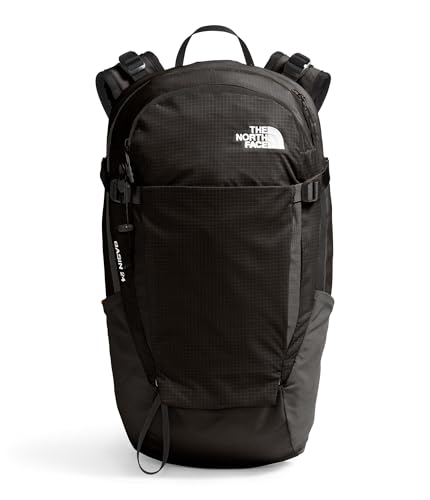
- ✓ Lightweight and sturdy
- ✓ Comfortable back panel
- ✓ Quick-access rain cover
- ✕ Limited internal pockets
- ✕ Hydration sleeve-ish location
| Capacity | 24 Liter |
| Weight | Avg Weight: 1 lb 7 oz |
| Dimensions | 11″ x 6.7″ x 19.7″ (27.9 cm x 17 cm x 50 cm) |
| Material and Durability | Lightweight nylon ripstop with Durable Water-Repellent (DWR) finish; rugged polyester boot |
| Storage and Organization | Internal hydration sleeve; external stash pocket; side compression straps; two-point trekking pole attachment system |
| Special Features | Integrated rain cover with designated attachment points; NextVent back panel and shoulder straps for breathable comfort; sternum strap and hip belt |
The Basin 24 front pocket slides your phone and snacks in with a soft, satisfying click, and the rain cover tucked in its own pocket feels ready before you even notice clouds gathering. You’ll notice the fabric is light enough to feel zippy on a quick day hike, yet sturdy enough to shrug off a stray twig or two.
When you strap it on, the NextVent back panel and shoulder straps breathe with you, not against you. It’s the kind of comfort you notice after a long couple of hours, not mid-climb.
The sternum strap and hip belt aren’t flashy, but they do a solid job of keeping the load balanced as you switch from switchback to switchback.
The main compartment opens wide enough to shove in that extra layer or a light lunch without fighting with zippers. Inside, the hydration sleeve is handy, and the external stash pocket is perfect for gloves or a map you want within easy reach.
The two-point pole attachment is a subtle win when you’re maneuvering through rocky terrain.
On the exterior, the side compression straps tame bulk, and the lidless design keeps the overall silhouette clean for everyday carry. The rain cover deploys smoothly and seats itself with a few quick tugs, which is a small but real confidence booster in a sudden drizzle.
It’s a lightweight performer that doesn’t pretend to be a hard-shell pack, and that honesty makes it feel like a reliable partner on a long, varied day.
If you’re chasing a versatile daypack that weighs next to nothing but rides rugged, the Basin 24 earns its keep. You’ll appreciate the thoughtful touches as you move from urban trails to forest paths without swapping bags.
KLIM Nac Pak Technical Backpack (Electric Blue Lemonade)

- ✓ Lightweight and sturdy
- ✓ Great daily organization
- ✓ Comfortable fit
- ✕ Limited water resistance
- ✕ Not oversized capacity
| Category | Technical Backpack |
| Brand | KLIM |
| Model | Nac Pak |
| Color | Electric Blue Lemonade |
| Price | $149.99 |
| Weight | Not specified |
You unzip the KLIM Nac Pak and the first thing that hits you is that electric blue lemonade shade in person—vibrant enough to spot on a crowded rack, but not so loud it screams. The feel of the fabric is lightweight yet sturdy, and the back panel has this breathable grid that somehow stays comfy even when you’ve stuffed it with gear.
From the moment you slide your laptop in, you notice the way the internal sleeve hugs things snugly without squeezing. The zippers glide smooth, and the chest strap clips in with a quiet snap that makes you feel like you’ve picked a backpack built for real adventures, not just daily commutes.
You’ll appreciate how the main compartment stays organized with just enough dividers to keep odds and ends from mingling.
Load balance is the real win here. Even when you’ve packed it to the limits, the weight sits close to your spine and doesn’t pull your shoulders forward.
The shoulder straps are soft but hold their shape, so you don’t feel like you’re wearing a sack of groceries after a mile.
Water resistance isn’t a statement piece, but it handles drizzle and a cafe table spill without turning into a soggy mess. The exterior pockets are the kind you actually use—quick-access for cables, keys, and a lightweight rain layer.
It’s the kind of backpack that feels ready for a day hike or a long ferry ride to work.
On the daily grind, the KLIM Nac Pak shines with comfort, organization, and a dash of personality in that blue lemonade hue. It’s not oversized, but you get real utility without the bulk, which is perfect if you’re chasing efficiency as much as adventure.
Bottom line: you’ll reach for this when you want tech-ready capability without weighing you down. It’s a practical partner with a bit of flair you’ll actually enjoy seeing every morning.
NEMO Resolve Technical Daypack 25L Smokey Olive

- ✓ Lightweight and sturdy
- ✓ Great sweat management
- ✓ Easy to access
- ✕ Limited pockets
| Capacity | 25L |
| Material and Construction | Mono-polymer construction using CERO fabrics, recyclable single-material design |
| Waste Reduction and Sustainability | Solution-dyed fabrics to reduce water waste; Endless Promise program supporting recyclability and end-of-life stewardship |
| Liner and Comfort Features | CCubed recycled cushioning at body’s heaviest sweat zones to wick moisture and dissipate heat |
| Strap Design | Wide, flexible shoulder straps designed to conform to the chest for long-lasting comfort |
| Weight | Not specified in description |
You unzip the NEMO Resolve 25L and the Smokey Olive fabric feels sturdy yet surprisingly light between your fingers. The texture is subtly matte, not slick, and the 25-liter silhouette sits compact on your back.
I notice the shoulder straps sit high and hug the chest nicely, with just enough padding to keep it comfy during longer climbs.
The first thing you’ll feel is how solid the pack feels when you sling it on. It sits close to your spine, and the recycled CERO fabric gives a reassuring, rugged texture without being stiff.
The zippers move smoothly, which makes quick access a breeze on a trail that demands speed.
Even with a light load, the CCubed cushioning does a great job wicking away sweat in the heaviest zones. It stays dry where you’d expect heat buildup, which is a small, real-world win on warm days.
It’s the kind of detail you notice after a few hours of wear, when you’re reaching for water and snacks in a hurry.
I appreciate the emphasis on recyclability and mono-polymer construction. It’s not just a feature on a tag; you feel it as you handle the pack, knowing there’s a plan for end-of-life.
Movement remains unrestricted, thanks to the flexible straps that contour to your chest for a secure fit.
Storage is straightforward: a main compartment, a slim front pocket, and water bottle sleeves that don’t bounce. It’s not overloaded with pockets, which keeps things simple and fast to organize for quick trips.
If you’re searching for a lightweight technical pack that actually keeps you cool and aligned on the move, this one checks those boxes without fuss. It feels like a reliable partner for day hikes and fast ascents.
What Makes a Backpack Lightweight and Technical?
A lightweight technical backpack is designed for efficiency and comfort without compromising on functionality, making it ideal for outdoor activities and travel.
- Material: High-quality materials such as ripstop nylon or polyester are commonly used to create lightweight but durable backpacks. These materials resist tearing and abrasion while being significantly lighter than traditional fabrics, ensuring that the pack can withstand rugged conditions without adding unnecessary weight.
- Frame and Suspension System: Many lightweight technical backpacks feature a minimalist frame or no frame at all, which reduces weight while still providing necessary support. Advanced suspension systems, such as mesh back panels, help distribute weight evenly, enhancing comfort during long hikes or treks.
- Pockets and Compartments: A well-designed lightweight backpack often includes strategically placed pockets and compartments that allow for organized storage without adding bulk. These features allow users to access gear efficiently while maintaining a streamlined profile.
- Compression Straps: Compression straps are essential in lightweight backpacks, allowing users to cinch down the load for better stability and reduced bulk. This not only helps in maintaining an aerodynamic shape but also ensures that the contents remain secure during movement.
- Hydration Compatibility: Many lightweight technical backpacks come with hydration reservoir sleeves or pockets for water bottles, ensuring easy access to hydration during activities. This feature supports long-duration activities without the need to carry additional weight in separate containers.
- Versatility: The best lightweight technical backpacks are designed to be versatile, suitable for various activities such as hiking, climbing, or traveling. This adaptability often includes removable components like hip belts or straps, allowing users to customize the pack based on their specific needs.
- Weight Distribution: A key characteristic of lightweight technical backpacks is their ability to distribute weight efficiently across the body. This is often achieved through adjustable straps and a balanced design, making it easier to carry heavier loads without straining the back or shoulders.
- Weather Resistance: Many lightweight technical backpacks incorporate water-resistant materials or coatings, providing protection for gear in inclement weather. This feature is crucial for outdoor enthusiasts who may encounter rain or snow, ensuring that contents remain dry and functional.
How Do Different Materials Affect Weight and Performance?
Different materials significantly influence the weight and performance of backpacks, especially when considering the best lightweight technical options.
- Nylon: Nylon is a popular choice for lightweight backpacks due to its high strength-to-weight ratio. It is durable, water-resistant, and can withstand abrasions, making it ideal for technical outdoor activities.
- Polyester: Polyester is another lightweight material that offers good resistance to UV rays and water. While it may not be as strong as nylon, it is often more affordable and still provides decent durability for day hikes or casual use.
- Cordura: Cordura is a brand of fabric known for its durability and resistance to wear and tear. Though slightly heavier than standard nylon, its robustness makes it suitable for heavy-duty technical backpacks that require long-lasting performance in rugged environments.
- Ripstop Fabric: Ripstop fabric features a grid pattern that prevents tears from spreading, making it a great lightweight option for technical backpacks. This material is commonly used in ultralight gear, as it balances weight savings with added durability for demanding activities.
- Dyneema: Dyneema is an ultra-lightweight and incredibly strong fabric, often used in high-end technical backpacks. Its exceptional strength allows for a minimalist design without sacrificing performance, making it ideal for serious adventurers looking to reduce pack weight.
- Mesh: Mesh is commonly used in backpack pockets and straps to reduce weight and enhance ventilation. While it may not provide the necessary durability for the main body of a backpack, it helps with breathability and comfort during long hikes.
Why Is Comfort Essential for a Lightweight Backpack?
Comfort is crucial when selecting a lightweight technical backpack because it directly impacts your overall experience during outdoor activities. A well-designed backpack distributes weight evenly, reducing strain on your back and shoulders, which is essential for extended wear.
Key features that enhance comfort include:
- Ergonomic Design: Contours that fit the body shape can prevent discomfort and pain. Look for backpacks with padded straps and back panels to minimize pressure points.
- Adjustable Straps: Properly adjustable shoulder, chest, and hip straps allow for personalized fit, ensuring that the backpack sits snugly without restricting movement.
- Ventilation: Breathable materials and designs promote airflow, reducing sweat and overheating on longer treks in warm conditions.
- Weight Distribution: A lightweight backpack should keep the load centered on your back, which improves stability and reduces fatigue.
For outdoor enthusiasts, prioritizing comfort not only enhances enjoyment but also contributes to performance, allowing users to focus on the adventure rather than the discomfort of their gear. A comfortable backpack can mean the difference between a successful outing and an exhausting experience.
What Features Should You Look for in a Lightweight Technical Backpack?
When searching for the best lightweight technical backpack, consider the following features:
- Weight: A lightweight technical backpack should ideally weigh less than 2 pounds, allowing for ease of carrying during long treks or daily commutes.
- Material: The backpack should be made from durable, water-resistant materials such as nylon or polyester to withstand various weather conditions while minimizing bulk.
- Capacity: Look for a capacity that suits your needs, typically ranging from 20 to 40 liters, which is sufficient for day hikes or short trips without adding unnecessary weight.
- Comfort and Fit: A good lightweight backpack should have padded shoulder straps and a ventilated back panel to enhance comfort and ensure a proper fit during extended wear.
- Organization: Multiple pockets and compartments are essential for keeping your gear organized, allowing for easy access to items like water bottles, snacks, and tools.
- Hydration Compatibility: Many technical backpacks come with hydration reservoir sleeves or pockets for water bladders, making it easier to stay hydrated on the go.
- Adjustable Straps: Look for adjustable sternum and hip straps to help distribute weight evenly and enhance stability, especially when navigating uneven terrain.
- Ventilation: Features like mesh back panels can improve airflow, reducing sweat and discomfort during vigorous activities.
- Attachment Points: External attachment points, such as daisy chains or gear loops, provide versatility for carrying additional gear like trekking poles or sleeping bags.
How Important Are Organization and Accessibility?
Organization and accessibility are crucial factors when selecting the best lightweight technical backpack, as they directly impact the user experience during outdoor activities.
- Compartments: A well-designed backpack will feature multiple compartments that allow for efficient organization of gear, clothing, and accessories. This organization helps users quickly locate items without having to rummage through the entire pack, saving time and effort during activities.
- Pockets: External and internal pockets enhance accessibility by providing dedicated spaces for frequently used items like water bottles, snacks, or tools. These pockets enable users to grab essentials quickly without having to open up the main compartment, which is especially beneficial during active use.
- Accessibility Features: Features such as side access zippers or top-loading openings allow users to reach their gear more easily. This can be particularly important in situations where quick access is needed, such as during hikes when weather conditions change rapidly or when immediate access to equipment is required.
- Weight Distribution: A well-organized backpack helps in distributing weight evenly across the body, which can enhance comfort and reduce fatigue. Proper organization ensures heavier items are positioned close to the back and lighter items are packed outward, improving balance and stability while moving.
- Attachment Points: Having various attachment points for gear such as trekking poles or sleeping bags increases versatility and accessibility. These points allow users to attach items externally, freeing up internal space and making it easier to access gear without having to unpack the entire backpack.
What Role Does Adjustability Play in Comfort and Usability?
Adjustability plays a crucial role in enhancing comfort and usability in the best lightweight technical backpacks.
- Shoulder Straps: The adjustability of shoulder straps allows for a personalized fit that can accommodate different body types and preferences. This feature helps distribute weight evenly across the shoulders, reducing strain and discomfort during long hikes or activities.
- Hip Belt: An adjustable hip belt stabilizes the backpack and transfers weight to the hips, which is essential for maintaining balance and comfort. By allowing users to tighten or loosen the belt, it ensures that the backpack remains securely in place without causing chafing or restriction.
- Torso Length: Many technical backpacks come with adjustable torso lengths to cater to varying heights and torso shapes. This feature ensures that the pack sits correctly on the back, optimizing load distribution and enhancing overall comfort while preventing unnecessary pressure points.
- Compression Straps: Adjustable compression straps enable users to cinch down the load, minimizing bulk and improving stability. This is particularly beneficial when carrying lighter loads, as it prevents shifting and enhances maneuverability on the trail.
- Load Lifters: Load lifters are adjustable straps located on the top of the shoulder straps that help pull the weight of the pack closer to the body. By adjusting these straps, users can achieve a more balanced load and reduce back strain, especially on steep inclines.
What Activities Are Best Suited for Lightweight Technical Backpacks?
Lightweight technical backpacks are ideal for a variety of outdoor activities where mobility and efficiency are paramount.
- Hiking: Lightweight technical backpacks are perfect for day hikes where minimal gear is required. Their compact design allows for easy carrying of essentials like water, snacks, and a first aid kit, promoting comfort and reducing fatigue over long distances.
- Climbing: For rock climbing, a lightweight technical backpack can hold necessary gear such as harnesses, ropes, and quickdraws without weighing down the climber. Their streamlined shape allows for better maneuverability and balance while scaling routes, making them a favored choice among climbers.
- Trail Running: Trail runners benefit from lightweight technical backpacks that securely hold hydration packs and energy gels. These backpacks are designed to minimize bounce and provide easy access to gear, allowing runners to focus on their performance and endurance.
- Bikepacking: Lightweight technical backpacks are also suitable for bikepacking adventures, where cyclists need to carry tools, clothing, and food. Their aerodynamic design helps maintain balance on the bike, and many feature attachment points for additional gear, enhancing versatility on long rides.
- Skiing/Snowboarding: In winter sports, a lightweight technical backpack can carry avalanche safety gear, snacks, and hydration systems without adding unnecessary weight. These backpacks often come with features like hydration reservoirs and secure pockets for goggles, enhancing the experience on the slopes.
- Traveling: When traveling, lightweight technical backpacks offer a convenient way to carry essentials while exploring new places. Their compact size makes them easy to stow away in overhead compartments or under seats, while still providing ample storage for day trips and excursions.
How Do These Backpacks Perform in Various Outdoor Activities?
The best lightweight technical backpacks are designed to excel in various outdoor activities, providing comfort, durability, and functionality.
- Hiking: Lightweight technical backpacks are ideal for day hikes and multi-day treks, as they offer ample storage without the bulk. Their ergonomic designs help distribute weight evenly, reducing strain on the back and shoulders, which is crucial during long walks on uneven terrain.
- Climbing: Many technical backpacks feature gear loops and attachment points specifically for climbing equipment, making them suitable for rock climbing and mountaineering. Their streamlined profiles minimize snagging on rocks or other obstacles, while their durable materials withstand the rigors of climbing environments.
- Cycling: These backpacks often come with features tailored for cyclists, such as hydration reservoirs and reflective elements for safety. Their lightweight nature ensures that they do not add significant weight while cycling, allowing for better performance during long rides.
- Camping: For camping, lightweight technical backpacks provide enough space for essential gear without becoming cumbersome. With compartments for organizing cooking equipment, sleeping bags, and personal items, they help campers stay organized and efficient in the outdoors.
- Skiing/Snowboarding: Some models are designed specifically for winter sports, equipped with features like insulated pockets and avalanche gear storage. Their weather-resistant materials keep contents dry in snowy conditions, and their compact designs allow for easy maneuverability on slopes.
Are There Any Limitations to Using Lightweight Technical Backpacks?
Storage Capacity: Lightweight technical backpacks often prioritize minimalism, which can lead to a more compact design with fewer compartments and pockets. This limitation can make it challenging for users who prefer to carry a variety of gear or need specific organizational features for tools and supplies.
Comfort and Support: To achieve a lightweight design, manufacturers may cut back on padding and support features such as hip belts and sternum straps. This can lead to discomfort during extended use, particularly when carrying heavier loads, as the weight may not be distributed as effectively.
Weather Resistance: Many lightweight backpacks do not include advanced weatherproofing techniques, such as waterproof zippers or fully taped seams. As such, they may not perform well in heavy rain or wet conditions, potentially compromising the safety of the gear inside.
Price Point: The use of advanced lightweight materials and technology often drives up the price of these backpacks. While they can be a worthwhile investment for serious hikers or climbers, casual users may find that the cost does not align with their needs.
How Do You Choose the Right Lightweight Technical Backpack for Your Needs?
Choosing the right lightweight technical backpack involves considering various factors to ensure it meets your specific needs.
- Capacity: Determine the size of the backpack based on the duration and type of your activities. Backpacks typically range from 20 liters for day hikes to over 50 liters for multi-day trips, so choose one that can comfortably carry your gear without excess bulk.
- Material: Look for durable, lightweight fabrics such as nylon or polyester, which provide water resistance and abrasion resistance. The material will affect the backpack’s weight, durability, and performance in different weather conditions.
- Comfort and Fit: Ensure the backpack has adjustable straps, a padded back panel, and a hip belt to distribute weight evenly. A proper fit will reduce strain during long treks and improve overall comfort.
- Features: Consider essential features like hydration reservoir sleeves, multiple compartments, and attachment points for gear. These functionalities can enhance organization and accessibility while on the go.
- Weight: Since the goal is a lightweight technical backpack, pay attention to the overall weight of the pack itself. Aim for a balance between weight and necessary features, ensuring that your gear does not exceed your comfort level.
- Ventilation: Look for backpacks with mesh back panels or ventilation systems that allow airflow. This will help reduce sweat and keep you comfortable during strenuous activities, especially in warm climates.
- Price: Set a budget that aligns with your needs and consider the value offered by different brands. While higher-priced options often come with advanced features and materials, there are also affordable choices that can provide good performance for casual users.
What Should You Consider Regarding Fit and Size?
When selecting the best lightweight technical backpack, fit and size are crucial factors to ensure comfort and functionality.
- Backpack Volume: The volume of the backpack, usually measured in liters, determines how much gear you can carry. Depending on your needs, a smaller volume (20-30 liters) might be ideal for day hikes, while a larger volume (40-70 liters) suits longer trips.
- Torso Length: The fit of the backpack to your torso length is essential for weight distribution and comfort. A proper fit will prevent the backpack from shifting during movement, thereby reducing fatigue and discomfort.
- Hip Belt Fit: A well-fitting hip belt helps to transfer the weight of the backpack to your hips, which is more sustainable than carrying it solely on your shoulders. The belt should be snug but comfortable, allowing for some movement while still providing support.
- Adjustable Straps: Look for backpacks with adjustable shoulder straps and sternum straps to customize the fit to your body shape. This feature allows for a more personalized fit, which can greatly enhance comfort during extended use.
- Overall Weight: The total weight of the backpack itself is an important consideration, especially for lightweight technical backpacks. A lighter backpack reduces the overall load you carry, which can be particularly beneficial during long treks or climbs.
How Does Your Budget Influence Your Options?
More expensive options often come with better warranties and customer service, which can be a crucial factor for long-term use. This added assurance can provide peace of mind, knowing you have support if the backpack fails or has defects.
Which Brands Are Leaders in Lightweight Technical Backpacks?
The leading brands in lightweight technical backpacks are known for their innovative design, durability, and functionality.
- Osprey: Osprey is renowned for its high-quality backpacks that combine comfort with lightweight materials. Their Exos and Levity models are particularly popular among hikers and backpackers, offering excellent ventilation and load distribution without sacrificing weight.
- Gregory: Gregory backpacks are designed with the user in mind, focusing on ergonomic fit and weight efficiency. Their Paragon and Deva lines provide ample support and organization while remaining lightweight, making them ideal for long treks.
- Arc’teryx: Arc’teryx is celebrated for its technical innovation and premium materials. Their Alpha FL and Bora AR backpacks are engineered for performance in extreme conditions, featuring advanced fabric technology and minimalist designs that reduce weight without compromising on durability.
- REI Co-op: REI Co-op offers well-constructed backpacks that cater to a variety of outdoor activities. Their Flash and Trail 40 models are lightweight yet provide sufficient storage and comfort for day hikes or overnight trips, making them accessible for casual adventurers.
- Patagonia: Patagonia is committed to sustainability and is known for its durable, eco-friendly products. The Black Hole and Arbor Grande backpacks exemplify their lightweight approach while offering features like water resistance and multiple compartments for organization.
What Innovations Do These Brands Bring to the Market?
Several brands are known for their innovative contributions to the market of lightweight technical backpacks:
- Osprey: Osprey backpacks often feature their proprietary Anti-Gravity suspension system, which provides excellent comfort and ventilation while keeping the overall weight to a minimum. This design allows the backpack to contour to the user’s back, distributing weight evenly and enhancing stability during movement.
- Arc’teryx: Arc’teryx is renowned for integrating advanced materials such as Gore-Tex and N100p fabric, which ensures that their backpacks are not only lightweight but also durable and weather-resistant. Their meticulous attention to detail and streamlined designs cater to serious outdoor enthusiasts looking for performance without excess weight.
- Deuter: Deuter incorporates their Aircomfort Sensic Vario back system, which allows for superior airflow and reduces sweating while carrying the pack. This innovation focuses on ergonomics by optimizing the fit to the user’s body, enhancing comfort for long hikes or climbs.
- Gregory: Gregory backpacks often come with adjustable torso lengths and their unique Response AFS suspension system, which adapts to the user’s movements for improved stability and comfort. This feature is particularly beneficial for maintaining balance while traversing uneven terrain, making it ideal for technical excursions.
- Hyperlite Mountain Gear: Known for their ultralight Dyneema fabric, Hyperlite Mountain Gear offers backpacks that are incredibly lightweight yet remarkably strong and waterproof. Their minimalist approach does not compromise functionality, appealing to backpackers who prioritize weight savings on long treks.
- REI Co-op: REI Co-op designs their backpacks with an emphasis on sustainability, often using recycled materials without sacrificing performance. Their commitment to responsible manufacturing practices makes them a popular choice among environmentally conscious consumers seeking lightweight gear.
How Do User Experiences and Reviews Compare Across Brands?
| Brand | User Experience | Average Rating | Weight & Packability | Price Range | Target Audience |
|---|---|---|---|---|---|
| Brand A | Highly praised for comfort and durability. Users report excellent support during long hikes. | 4.8/5 | Lightweight (1.5 lbs), highly packable. | $120 – $150 | Hikers and outdoor enthusiasts. |
| Brand B | Known for its lightweight design but some users find it lacks storage capacity. | 4.2/5 | Ultra-light (1.2 lbs), easy to compress. | $80 – $110 | Casual users and day hikers. |
| Brand C | Offers great features but has mixed reviews on the stitching quality. | 3.9/5 | Moderate weight (2.0 lbs), decent packability. | $90 – $130 | Backpackers looking for features. |
| Brand D | Users love the versatility and pockets, though it can be pricier than competitors. | 4.5/5 | Lightweight (1.7 lbs), good packability. | $150 – $200 | Serious hikers and multi-day trekkers. |