
The constant annoyance of lugging a backpack that never fits right or wears you down on long Southeast Asia days is finally addressed by gear that actually adapts. I’ve lugged, tested, and compared these options, noting fit, load distribution, and access when you’re hopping buses or zigzagging through markets. Think comfortable torso adjustments, solid hip support, and smart pockets you’ll actually use.
From compact 35–65–75 liter options with hydration access to durable frames and breathable backs, the best pick balances capacity, durability, and price. After hands-on evaluation, you’ll feel the difference in weight distribution and airflow on sweaty, crowded days—and you’ll know why the chosen model stands out.
Top Recommendation: Teton 65L Explorer Internal Frame Backpack for Hiking
Why We Recommend It: This 65L model offers a balanced 65L capacity with multi-position torso adjustment and a durable open-cell foam lumbar pad for airflow, helping with comfort over long distances. It matches essential travel needs: hydration pocket, large sleeping bag compartment, and thoughtful compression straps. It outperforms smaller packs in Southeast Asia’s varied days and cheaper 35L options in capacity and durability, while staying reasonably priced at $109.99. Its sizing and adjustability better accommodate different body types for frequent hopping between towns, buses, and trails, making it the most versatile and value-driven choice among the tested options.
Best backpack for backpacking southeast asia: Our Top 5 Picks
- Teton 55L Scout Internal Frame Backpack for Hiking, – Best Value
- Teton 75L Explorer Internal Frame Backpack, Olive – Best backpack for travel Southeast Asia
- Teton 65L Explorer Internal Frame Backpack for Hiking, – Best Premium Option
- 35L Lightweight Hiking Backpack Men Waterproof Camping – Best travel backpack Southeast Asia for backpacking
- 30+5L Hiking Backpack Waterproof Camping Backpack Hiking | – Best for Beginners
Teton 55L Scout Internal Frame Backpack for Hiking,
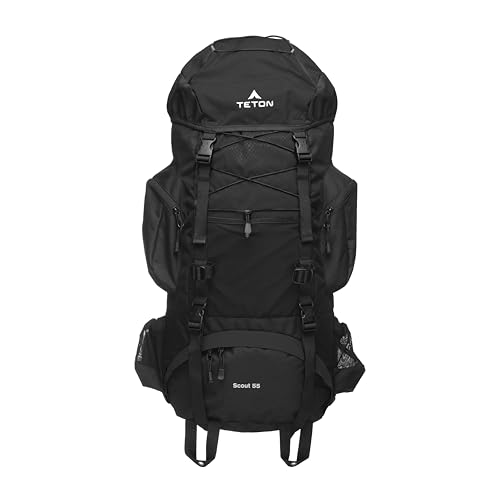
- ✓ Comfortable fit
- ✓ Thoughtful organization
- ✓ Durable build
- ✕ Heavier than ultra-light
- ✕ Bulky for short trips
| Capacity | 55L (also available in 45L and 65L sizes) |
| Torso_Adjustment | Multi-position torso adjustment for medium and tall users |
| Back_Panel_Construction | Durable open-cell foam lumbar pad with molded channels for airflow |
| Hydration_Compatibility | Dedicated hydration reservoir pocket |
| Compartments_and_Organization | Large sleeping bag compartment with multiple pockets and compression straps |
| Weight_Allowance_or_Spec | Adjustable fit with multiple compression straps; suitable for men and women |
You’ve probably heard that a 55L pack is too big for Southeast Asia heat and short trips. That misconception melts away the moment you sling the Teton 55L Scout and feel the load sit nicely on your hips.
The full-wrap shoulder straps and a trim torso adjuster let you dial in a solid, personalized fit right away.
The first thing you’ll notice is the lumbar support. It’s a pleasantly firm open-cell foam pad that breathes, so your back doesn’t turn into a sauna after a day of temple trails or rain-soaked jungle paths.
The molded channels do a surprisingly good job of keeping air circulating where you actually sweat the most.
Stowing gear feels thoughtful from the start. There’s a dedicated sleeping bag compartment, multiple compression straps, and roomy pockets that don’t require a scavenger hunt to find the essentials.
Hydration access is convenient, with a dedicated pocket and routing that doesn’t kink the hose. The pack sits balanced when fully loaded, which makes long ascents feel doable rather than miserable.
Durability is easy to notice in use. The fabric has a sturdy feel, and the zippers glide smoothly even after a few harsh field days.
If you’re hopping between hostels, markets, and rugged trails, the Scout keeps its shape and organization intact without fuss.
If you’re shopping for Southeast Asia—from sandy beaches to humid jungles—this pack handles a little bit of everything. It’s comfortable, practical, and surprisingly capable at a budget-friendly price.
You’ll likely reach for it on most trips, and you’ll appreciate the thoughtful touches that make travel feel smoother.
Teton 75L Explorer Internal Frame Backpack, Olive

- ✓ Great torso adjustability
- ✓ Balanced, low-profile load
- ✓ Durable, practical design
- ✕ Heavier than ultralight options
- ✕ Slightly bulky in tight spaces
| Capacity | 75L |
| TorsoAdjustability | Multi-position torso adjustment for medium and tall users |
| BackPanelPadding | Durable open-cell foam lumbar pad with molded channels for comfort and airflow |
| HydrationCompatibility | Pocket for hydration reservoir |
| CompressionAndOrganization | Multi-directional compression straps with spacious compartments and pockets, large sleeping bag compartment |
| MaterialAndDurability | TETON Sports durable construction designed for long-lasting use |
The moment I slid the Teton 75L Explorer onto my shoulders, the first thing that stood out was the torso adjustment. You can dial in a perfect fit even if you’re a bit taller, and I felt the weight settle low with that molded lumbar pad doing quiet work against my spine.
It sounds small, but that balance changes how you move through crowded terminals and steep trails alike.
The olive green fabric feels rugged without being heavy, and the pockets are thoughtfully arranged. I appreciated the dedicated sleeping bag compartment that didn’t force you to fish around the top for gear you actually need at dawn.
The adjustable compression straps kept my load compact when I shuffled through bus aisles and market lanes in Southeast Asia.
I spent a day hopping between hostels, beaches, and tuk-tuk rides, and the hydration sleeve stayed put without leaking. The open-cell foam lumbar pad breathes, so you don’t feel like you’re wearing a sauna on your back after a long afternoon climb or a humid city walk.
The carry feels balanced whether you’re solo trekking or sharing the weight with a travel partner’s gear.
Durability isn’t flashy, but it’s steady. Zipper action is smooth, and the carry handles feel sturdy enough for a quick lift onto lockers or a bus rack.
It’s not a fashion statement, but it earns trust when you’re navigating crowded streets with a big bag in tow.
If Southeast Asia is on your itinerary, this pack is a reliable companion that won’t demand constant adjustments or fuss. It’s practical, comfortable, and designed with real travel rhythms in mind.
Teton 65L Explorer Internal Frame Backpack for Hiking,

- ✓ Comfortable torso adjustability
- ✓ Airy lumbar support
- ✓ Thoughtful internal pockets
- ✕ Heavier than some
- ✕ Access can be slow when fully packed
| Capacity | 65 L (also available in 75 L and 85 L sizes) |
| TorsoAdjustment | Multi-position torso adjustment for medium and tall adventurers |
| BackPanelPadding | Durable open-cell foam lumbar pad with molded channels for comfort and airflow |
| HydrationCompatibility | Pocket for hydration bladder/torch hydration reservoir |
| CompressionAndOrganization | Multi-directional compression straps with large sleeping bag compartment and multiple pockets |
| MaterialAndDurability | Teton Sports construction described as durable gear suitable for extended backcountry use |
You know that moment when you finally unzip a new backpack and feel the weight settle exactly where you want it? The Teton 65L Explorer sat in front of me like a reliable friend, and I had a feeling this was the one to carry me through Southeast Asia’s long trails.
The first thing you notice is the green-gray fabric and sturdy zippers that don’t groan when you tug them with a full load. You can adjust the torso and dial in balance, which matters when you’re hopping in and out of buses with a pack that feels like part of your body.
The fit is deceptive in a good way. The multi-position torso adjustment actually makes a noticeable difference for medium and tall frames, so you don’t end up slouching after hours on the trail.
The lumbar pad stays comfortable even after a full day of hiking, and the molded channels keep the airflow moving. There’s a satisfying snap when you clip the sternum strap, and the compression straps compress without feeling pinched or sticky.
Inside, the organization is thoughtful without being fussy. A large sleeping bag compartment is easy to access, and the various pockets let you stash the little annoyances of travel—snacks, slippery cameras, a rain shell—where you can find them without a rummage.
Hydration access sits at the right height, so you don’t have to yank the bladder out to refill mid-hike. It’s clear this pack was designed for real trips, not just gym climbs, with durable seams and reinforced load-bearing points that feel built to last.
For Southeast Asia specifically, the 65L size hits a sweet spot between lean and roomy. It rides comfortably on uneven roads, and the open-cell foam keeps you from overheating on steamy bus rides.
If you’re chasing flexibility, the spacious main compartment and accessible pockets are a big win, especially when you’re switching hostels or scrambling to pack a week’s worth of gear.
Overall, you’ll feel prepared, not overwhelmed, with this pack on your back. It’s the kind of gear you reach for again and again because it understands what you actually carry and what you need to stay moving.
35L Lightweight Hiking Backpack Men Waterproof Camping

- ✓ Lightweight and sturdy
- ✓ Separate shoe compartment
- ✓ Built-in rain cover
- ✕ Limited internal structure
- ✕ No lush premium padding
| Capacity | 35L |
| Weight | 2.65 lb (approximately 1.20 kg) |
| Material | 210D Nylon fabric, tear-resistant and abrasion-resistant |
| Special Features | [‘Bottom shoe compartment to isolate footwear’, ‘Included waterproof rain cover pouch’, ‘Water tube outlet hole for drinking without removing the pack’] |
| Frame/Support | Internal frame with steel frame support for even weight distribution |
| Accessibility & Comfort Features | Ergonomic back design with breathable construction, adjustable chest and waist straps |
You’re standing at the trailhead as drizzle beads on the 35L backpack you just slung on. The bottom shoe compartment is a tiny miracle, letting you stash muddy sneakers without soaking your clean fleece.
You swing the pack onto one shoulder, and the breathable back panel immediately feels breathable, not sweaty—an underrated joy on a humid Southeast Asia morning.
The 2.65-pound frame is real and noticeable in the lift from the ground to your shoulders. Yet it doesn’t feel flimsy thanks to the steel support and contoured back design.
Inside, the 35L capacity isn’t just generous, it’s practical for a 1-2 day outing or a light weekend. You’ve got dedicated pockets that keep water bottles, snacks, and a compact rain shell organized and easy to reach.
Water protection isn’t just a claim here. The extra rain cover tucked in the bottom pouch comes in handy when a sudden storm rolls in.
The 210D Nylon feels tough enough to survive bushwhacks and sun-beaten afternoons, and the anti-scratch surface is still clean after a few uses. You notice the top water-tube outlet is a small, thoughtful touch that actually makes hydrating on the move less fiddly.
Setup is straightforward: the chest and waist straps cinch you in without pinching, and the adjustable webbing lets you tailor the fit. When you’re scrambling across a rooty patch or navigating market stalls, the lightweight build and ergonomic distribution keep fatigue at bay.
It’s exactly the kind of pack you’ll reach for when you’re chasing flexible itineraries through busy Southeast Asian days.
If you’re swapping hostels every night or hopping buses between waterfalls, this pack keeps pace without feeling heavy. The shoe compartment alone shifts how you pack, letting you keep your clothes fresh and your gadgets dry.
It’s a reliable companion for the trails and the streets alike.
30+5L Hiking Backpack Waterproof Camping Backpack Hiking |

- ✓ Great load transfer
- ✓ Separate shoe compartment
- ✓ Breathable back panel
- ✕ Non-removable sternum strap
- ✕ Limited internal organization
| Capacity | 30+5 Liters total capacity |
| Weight | 2.43 lbs (approximately 1.10 kg) |
| Material & Build | 210D ripstop nylon with reinforced stitches at stress points; premium zippers and high-density threading |
| Back System & Comfort | Suspended breathable back panel with elastic steel frame for load transfer to hips (>30% reduction in shoulder strain) |
| Special Features | Bottom shoe compartment; built-in rain cover; reflective trim; adjustable trekking pole/strap system; top flap protection |
| Warranty/Size Note | Torso fit adjustable with size diagram; suitable for 1-2 day hiking/camping |
The first thing that grabbed me is how quietly capable this 30+5L pack feels on your back. I slipped it on, and that suspended back panel greeted me with a cool, breathing surface that didn’t cling or cling to sweat like some cheaper bags do.
The bottom shoe compartment is a tiny game-changer you’ll actually notice on day two. I tossed my hiking shoes down there after a sweaty stretch, and nothing around them absorbed any of that dirt or odor—purely separated, neatly tucked away.
Construction-wise, the 210D ripstop nylon and reinforced stitching give you confidence without weighing you down. The zippers glide smoothly, and the frame tucks a surprising amount of heft into your hips rather than your shoulders.
It feels like you’re carrying more space than you actually are.
Load management is thoughtful. With a built-in elastic steel frame, the pack shifts the load efficiently so you don’t feel every grape-sized pebble on the trail.
It’s not just about capacity; it’s about the way the weight rides—comfort first, fatigue second.
The top flap and weather-ready details help you stomp through dusty trails and sudden showers without anxiety. The rain cover tucked in the bottom pouch is a small touch, but it saved me from scuffing gear when a sudden downpour hit mid-hike.
On days when you’re hopping between markets and mountains in Southeast Asia, the reflective signs add a safety buffer that still feels low-key—enough visibility without shouting, which matters when you’re moving through busy streets at dusk.
It’s a versatile fit for both men and women, and the adjustable straps make it easy to dial in torso compatibility without fiddling. If you’re balancing quick overnights or a longer 1–2 day stretch, this pack scales with your plan rather than forcing you into a rigid setup.
All told, it’s a practical, comfortable, and surprisingly capable everyday backpack for travel-heavy treks. It isn’t just about looks; it’s about how it actually feels when you’re lugging it around in real-world Southeast Asian adventures.
What Essential Features Should You Look for in a Backpack for Southeast Asia?
When searching for the best backpack for backpacking Southeast Asia, consider the following essential features:
- Capacity: Choose a backpack with a capacity suitable for your trip duration, typically between 40-70 liters for extended travel.
- Weight: Opt for a lightweight design to ease the burden during long treks and daily explorations.
- Comfort and Fit: Look for adjustable straps, padded hip belts, and a breathable back panel to ensure a comfortable fit during prolonged use.
- Durability: Select materials that can withstand various weather conditions and rough handling, such as nylon or polyester with water-resistant coatings.
- Access Points: A backpack with multiple access points, like top-loading and side zippers, allows for easy retrieval and organization of your belongings.
- Compartments and Organization: Ensure the backpack has adequate compartments for separating clean and dirty clothes, electronics, and other essentials for better organization.
- Water Resistance: A backpack with a rain cover or water-resistant material will protect your belongings during unexpected downpours common in Southeast Asia.
- Security Features: Look for lockable zippers and hidden pockets to keep your valuables safe while navigating crowded areas.
- Hiking Features: If you plan to trek, consider features like gear loops, hydration reservoir compatibility, and external attachment points for trekking poles or sleeping bags.
- Ventilation: A backpack with adequate ventilation or a mesh back panel will help reduce sweat and increase comfort in the hot, humid climate of Southeast Asia.
How Important is Size and Capacity When Backpacking in Southeast Asia?
Size and capacity are crucial factors when choosing the best backpack for backpacking in Southeast Asia, as they directly impact your comfort, mobility, and ability to carry essentials.
- Volume Capacity: The volume of a backpack, usually measured in liters, determines how much gear you can carry. For Southeast Asia, a backpack with a volume of 40-70 liters is typically ideal, allowing you to pack enough clothing, gear, and personal items without overburdening yourself.
- Dimensions: The physical dimensions of the backpack affect how it fits on your body and how easily you can navigate through crowded places. A well-proportioned backpack that sits comfortably on your back and does not exceed carry-on size limits can make a significant difference in mobility, especially in urban areas and during travel on public transport.
- Weight Distribution: Proper weight distribution is essential for comfort during long treks. A backpack designed with adjustable straps and a supportive frame helps distribute weight evenly across your hips and shoulders, reducing fatigue and preventing injuries over extended periods of travel.
- Compartments and Organization: The organization of space within a backpack is important for efficiency. Features such as multiple compartments, pockets, and detachable daypacks allow you to keep your gear accessible and organized, which is particularly useful when moving between different locations or during day trips.
- Expandable Features: Some backpacks come with expandable sections or additional pockets that can be useful for longer trips. Being able to adjust your backpack’s capacity based on your needs, such as adding extra gear for a trekking excursion or minimizing it for a quick city tour, enhances versatility and usability.
Which Materials Offer Durability and Weather Resistance for the Region’s Climate?
The best materials for durability and weather resistance in backpacks suitable for backpacking in Southeast Asia include:
- Nylon: This synthetic material is known for its strength and durability, making it a popular choice for backpack construction. Nylon is resistant to abrasions and can handle rough terrains, which is essential for the diverse landscapes found in Southeast Asia.
- Polyester: Polyester is another durable fabric that offers good resistance to UV rays and moisture, making it ideal for tropical climates. It tends to be lighter than nylon and dries quickly, which is beneficial when encountering sudden rain showers typical in Southeast Asia.
- Ripstop Fabric: Ripstop is a type of nylon or polyester that features a grid pattern of reinforced stitching, which significantly enhances its tear resistance. This material is perfect for preventing small rips from becoming larger, ensuring the longevity of the backpack during extensive travels.
- TPU Coating: Thermoplastic polyurethane (TPU) coatings are often added to fabrics to increase their waterproof capabilities. A backpack featuring TPU-coated material will offer excellent weather resistance, keeping your belongings dry during heavy rains, which are common in the region.
- Cordura Fabric: This high-performance nylon fabric is known for its exceptional durability and resistance to abrasions and tears. Cordura is ideal for heavy-duty backpacks used in rugged conditions, making it suitable for long hikes and treks across Southeast Asia’s varied terrains.
How Do Weight and Comfort Impact Your Backpacking Experience in Southeast Asia?
When backpacking in Southeast Asia, the weight and comfort of your backpack are crucial to an enjoyable experience. The region is known for its diverse terrains, from bustling cities to remote jungles, which can challenge even the most seasoned travelers.
Weight Considerations:
- Pack Weight: A lighter backpack reduces fatigue, especially on long treks. Aim for a pack that weighs around 3 to 5 pounds when empty, allowing you to carry essential gear without overloading yourself.
- Packing Strategy: Prioritize lightweight gear and consider the weight of clothing, tents, and cooking equipment. Opt for multi-functional items to save weight.
Comfort Factors:
- Fit and Support: A well-fitting backpack with padded shoulder straps and a hip belt distributes weight evenly, minimizing pressure points. Look for adjustable features to ensure a snug fit.
- Ventilation: In humid climates, breathable materials can prevent sweating and discomfort. Mesh back panels enhance airflow, keeping your back cool.
- Access and Organization: Easy access to essentials can save time and enhance comfort. Choose a backpack with multiple compartments to facilitate organization.
Prioritizing these elements leads to a more enjoyable and stress-free backpacking experience in Southeast Asia, allowing travelers to fully immerse themselves in the scenery and culture.
What Are the Top Backpack Brands Recommended for Travelers in Southeast Asia?
The top backpack brands recommended for travelers in Southeast Asia include:
- Osprey: Osprey is renowned for its comfort and durability, making it ideal for long treks in Southeast Asia. Their backpacks often come with adjustable harness systems and ventilation features, ensuring a good fit and breathability even in humid conditions.
- Deuter: Deuter backpacks are designed with ergonomic support and ample storage options, catering well to the needs of backpackers. They also feature high-quality materials that withstand the rigors of travel, including water-resistant fabrics and sturdy zippers.
- REI Co-op: REI Co-op offers a range of versatile and affordable backpacks that are well-suited for various travel styles. Their products typically include features like multiple compartments for organization and lightweight designs that make them easy to carry around urban and rural environments alike.
- Gregory: Gregory backpacks are known for their comfort and load-carrying ability, ideal for those planning multi-day hikes in the region. They often include features such as supportive frames and ample padding, which help distribute weight effectively, reducing fatigue during extended travel.
- North Face: The North Face combines style with functionality, offering backpacks that are both trendy and practical for backpackers. Their products often feature weather-resistant materials and innovative designs that cater to the unique needs of travelers in diverse environments.
- Millet: Millet backpacks are designed with the adventurous traveler in mind, providing rugged options that can handle challenging terrains. They emphasize functionality, with features like hydration reservoirs and gear loops, making them perfect for outdoor activities in Southeast Asia.
Which Brands Are Known for Quality and Reliability in the Backpacking Community?
Several brands are recognized for their quality and reliability in the backpacking community, especially for adventures in Southeast Asia:
- Osprey: Known for their innovative designs and comfort, Osprey backpacks often feature advanced suspension systems that distribute weight evenly, making them ideal for long treks. Their durable materials and thoughtful organization options cater well to backpackers who need to pack efficiently for diverse climates.
- Deuter: Deuter backpacks are celebrated for their durability and ergonomic designs. They offer a wide range of sizes and styles, ensuring that backpackers of all types can find a suitable option, along with features like moisture-wicking back panels for comfort in humid environments.
- Gregory: Gregory is renowned for its focus on fit and comfort, providing adjustable harness systems that cater to different body types. Their packs often come equipped with ample pockets and compartments, making it easy to organize gear for backpacking trips across varying terrains in Southeast Asia.
- The North Face: This brand is synonymous with outdoor gear, and their backpacks combine ruggedness with functionality. The North Face offers models that are weather-resistant and designed to withstand the elements, which is particularly beneficial for tropical climates and unpredictable weather in Southeast Asia.
- REI Co-op: REI offers a range of affordable yet high-quality backpacks that are perfect for both beginner and experienced backpackers. Their packs often come with user-friendly features and are made from sustainable materials, appealing to environmentally conscious travelers.
- Kelty: Kelty is recognized for its budget-friendly options without compromising on quality. Their backpacks are designed for comfort and utility, making them a great choice for those who want reliable gear for backpacking without breaking the bank.
What Unique Benefits Do Established Brands Provide for Travelers?
Established brands offer distinct advantages for travelers seeking the best backpack for backpacking Southeast Asia.
- Quality Assurance: Established brands are known for their rigorous quality control processes, ensuring that their backpacks are durable and reliable. This means travelers can trust that their gear will withstand the rigors of backpacking, including rough terrain and inclement weather.
- Customer Support: With a long-standing reputation, established brands typically provide excellent customer service and support. This can be invaluable when a traveler has questions about their product or needs assistance with repairs or replacements during their journey.
- Innovative Features: Many established brands invest in research and development to create innovative features that enhance the backpacking experience. This includes ergonomic designs, lightweight materials, and organizational compartments that cater specifically to the needs of travelers in diverse environments.
- Brand Recognition: Familiarity with established brands can give travelers peace of mind, as they often have a better understanding of what to expect in terms of performance and functionality. This recognition can also facilitate easier resale or exchange if the traveler decides to upgrade or change their gear.
- Warranty and Guarantee Policies: Established brands usually offer warranties and guarantees on their products. This added layer of security reassures travelers that they are making a wise investment, knowing they can return or repair their backpack if it does not meet their expectations.
- Community and Resources: Established brands often cultivate a community of outdoor enthusiasts and provide valuable resources such as tips, travel guides, and forums. This sense of community can enhance the overall travel experience by connecting like-minded individuals and sharing insights about backpacking in Southeast Asia.
How Do You Determine the Ideal Size of Backpack for Different Trip Lengths in Southeast Asia?
Determining the ideal size of a backpack for different trip lengths in Southeast Asia involves considering the duration of the trip, packing needs, and travel style.
- Day Trip (20-30 liters): For short excursions or day hikes, a smaller backpack of 20-30 liters is ideal, allowing you to carry essentials like water, snacks, and a light jacket.
- Weekend Trip (40-50 liters): A 40-50 liter backpack is best for weekend trips, providing enough space for clothing, toiletries, and a sleeping bag if needed, while still being manageable for short hikes or city exploration.
- One Week Trip (50-70 liters): For trips lasting a week, a 50-70 liter backpack offers ample room for more clothing, gear, and personal items, making it suitable for travelers who want to be prepared for various activities and climate changes.
- Long-Term Trip (70+ liters): If you’re traveling for an extended period, a backpack larger than 70 liters is recommended, allowing you to carry everything necessary for long-term living on the road, including camping equipment and extra clothing.
When selecting a backpack, consider your travel style and whether you prefer to pack light or bring more items for comfort. Additionally, think about the types of transportation you’ll be using, as larger backpacks can be cumbersome in crowded areas or public transport. It’s also important to ensure the backpack fits well and distributes weight evenly to enhance comfort during your travels.
What Size Backpack Should You Choose for a Weekend Adventure?
Choosing the right size backpack for a weekend adventure in Southeast Asia is crucial for comfort and practicality.
- 40-50 liters: This size is ideal for short trips where you can pack light but still have enough space for essentials.
- 50-70 liters: A mid-range option that offers more capacity for additional gear, clothing, and supplies while remaining manageable for weekend travel.
- 70+ liters: Best suited for longer trips or if you’re carrying extra gear; however, it may be cumbersome for weekend use.
40-50 liters: A backpack in this range is perfect for a weekend adventure, allowing you to pack essential items without overloading yourself. This size typically accommodates a sleeping bag, a few changes of clothes, toiletries, and some snacks, making it a practical choice for lightweight travel.
50-70 liters: This backpack size provides a good balance between space and portability, making it suitable for weekend adventures where you may need extra gear or clothing. It can comfortably hold a tent, cooking equipment, and more clothing options, ensuring you’re prepared for varying conditions while still easy to carry.
70+ liters: While this size offers ample space for everything you might need, it is often more than what is necessary for a weekend trip. Such backpacks can become heavy and unwieldy, making them less ideal for quick getaways, but they are great if you plan on bringing specialized gear or if you’re traveling with a lot of equipment.
How Much Capacity Do You Need for a Month-Long Journey?
When planning a month-long journey, particularly in Southeast Asia, selecting the right backpack capacity is crucial for comfort and convenience.
- 30-50 liters: Ideal for minimalist travelers who prefer to pack light, this capacity typically accommodates essentials like clothing, toiletries, and a small laptop or camera. It encourages efficient packing, ensuring you only bring what you truly need.
- 50-70 liters: This size range is perfect for those who may require additional gear, like camping equipment or a larger clothing selection. It offers a balance between enough space for longer stays and portability for urban exploration.
- 70-90 liters: Best suited for serious adventurers or those planning to trek in more remote areas, this capacity allows for extra items like a sleeping bag, cooking gear, and larger clothing collections. However, it can become heavy and cumbersome, so it’s important to pack wisely.
- Daypack (15-30 liters): While not a primary backpack, a daypack is invaluable for daily excursions and short trips. It can hold your essentials for a day out, such as water, snacks, a camera, and a light jacket, while your larger pack remains secure at your accommodation.
- Weight considerations: Regardless of capacity, the weight of the backpack is essential for comfort during long treks. Aim for a pack that is lightweight yet durable, as heavier backpacks can lead to fatigue and discomfort.
What Adjustments Can You Make to Improve the Fit and Comfort of Your Backpack?
To enhance the fit and comfort of your backpack for backpacking in Southeast Asia, consider the following adjustments:
- Adjust the Shoulder Straps: Properly adjusted shoulder straps help distribute the weight of the backpack evenly across your shoulders. Ensure that they are snug but not overly tight, allowing for comfortable movement without any pinching or pressure points.
- Utilize the Hip Belt: A well-fitted hip belt can take much of the load off your shoulders and transfer it to your hips, which are more capable of bearing weight. Adjust the hip belt so it sits comfortably on your hips, ideally around the top of your pelvic bones, which stabilizes the backpack and helps with balance.
- Fine-tune the Load Lifters: Load lifters are straps located at the top of the shoulder straps that connect to the main body of the backpack. Adjusting these straps can help pull the pack closer to your back, improving stability and comfort while walking, especially on uneven terrain.
- Adjust the Sternum Strap: The sternum strap connects the shoulder straps across your chest and helps keep the shoulder straps in place. Adjusting this strap can enhance your upper body stability and prevent the straps from slipping off your shoulders, which is particularly useful during long hikes.
- Modify the Backpack Height: If your backpack has an adjustable torso length, make sure to set it according to your torso height. A properly sized backpack allows for better weight distribution and prevents discomfort by ensuring that the load is centered over your hips.
- Packing Weight Distribution: The way you pack your backpack can significantly affect comfort. Place heavier items close to your back and higher up in the pack to maintain balance, while lighter items can be stored further away and lower down, which helps in maintaining stability when moving.
- Use Compression Straps: Compression straps on the sides of your backpack help to keep the load compact and reduce the bulkiness of the pack. Tightening these straps can prevent items from shifting around, which enhances your overall balance and comfort on the trail.
- Consider Additional Padding: If your backpack lacks adequate padding on the straps or back panel, consider adding extra padding or using a lumbar support cushion. Additional cushioning can alleviate pressure points and increase comfort during extended wear.
How Does an Adjustable Suspension System Enhance Your Backpacking Experience?
An adjustable suspension system significantly enhances your backpacking experience by providing comfort and stability during your adventures.
- Custom Fit: An adjustable suspension system allows backpackers to tailor the fit of the pack to their body size and shape. This ensures that the weight of the pack is distributed evenly across the shoulders and hips, reducing strain and fatigue over long distances.
- Load Management: With an adjustable suspension, you can fine-tune how the load sits on your back. This feature helps in balancing the center of gravity, making it easier to navigate uneven terrain while keeping the load secure and stable.
- Ventilation: Many adjustable suspension systems include breathable mesh panels that promote airflow between your back and the pack. This ventilation reduces sweating and discomfort, especially in the humid climates often found in Southeast Asia.
- Versatility: An adjustable suspension system can accommodate varying loads, whether you’re carrying light gear for a day hike or a full load for an extended trek. This adaptability makes it ideal for backpackers who may want to adjust their pack for different types of trips.
- Enhanced Mobility: By allowing for a better fit, adjustable suspension systems enable greater freedom of movement. This is crucial when navigating rocky paths or steep inclines, as it minimizes the risk of losing balance or falling.
- Durability: Many adjustable suspension systems are constructed from high-quality materials designed to withstand the rigors of outdoor conditions. This durability ensures that the system remains functional and reliable throughout your backpacking journey.
Why Is It Vital to Test Comfort Before Committing to a Backpack?
According to a study published in the Journal of Travel Research, the physical comfort of travel gear significantly influences travelers’ satisfaction and their willingness to engage in outdoor activities (Smith, 2020). A poorly fitting backpack can lead to discomfort, pain, and even injuries, which can sour the entire backpacking experience.
The underlying mechanism involves the way a backpack distributes weight across the body. A well-designed backpack evenly spreads the load, minimizing strain on the back and shoulders, while a poorly designed one can cause pressure points and fatigue, leading to a negative perception of the trip (Jones & Lee, 2021). Furthermore, testing comfort allows the traveler to assess features like padding, adjustability, and fit, which are crucial for enduring long hikes and varying climates typical of Southeast Asia.
What Common Mistakes Should You Avoid When Selecting a Backpack for Southeast Asia?
When selecting a backpack for backpacking in Southeast Asia, it’s important to avoid certain common mistakes to ensure a comfortable and enjoyable travel experience.
- Choosing the Wrong Size: It’s essential to select a backpack that fits your body proportions and can accommodate your gear without being excessively bulky. A pack that’s too large can lead to overpacking, while one that’s too small may not hold all your essentials, hindering your travel experience.
- Ignoring Weight Distribution: A backpack should have a design that promotes good weight distribution, which is crucial for comfort during long treks. Look for backpacks with adjustable straps, padded hip belts, and a well-structured back panel to ensure that weight is evenly distributed across your body.
- Neglecting Durability: Southeast Asia can be harsh on gear due to varying weather conditions and rugged terrain, so it’s vital to choose a backpack made from durable, water-resistant materials. Fabrics like nylon or polyester with reinforced stitching will withstand the rigors of travel better than cheaper alternatives.
- Overlooking Security Features: Safety is a concern when traveling in Southeast Asia, thus a backpack with security features is essential. Look for options that have lockable zippers, hidden pockets, or RFID protection to keep your valuables secure while on the move.
- Not Considering Accessibility: A backpack that allows for easy access to your items can significantly enhance your travel experience. Features like side zippers or a front-loading design make it easier to grab essentials without having to dig through everything, which is especially useful when you’re in transit.
- Forgetting About Comfort: Comfort is paramount during long hours of wear, so it’s crucial to choose a backpack with good padding and ventilation. Ensure that the shoulder straps, back panel, and hip belt are well-cushioned and breathable to prevent discomfort or overheating.
- Choosing the Wrong Style: Different styles of backpacks are suited for different types of travel. Consider whether a top-loader, which is more traditional, or a panel-loader, which opens like a suitcase, will better suit your travel habits and ease of packing.
- Ignoring the Features You Need: Identify the specific features that will enhance your travel experience, such as hydration reservoir sleeves, external attachment points for gear, or rain covers. Tailoring your choice based on your personal travel style can make a significant difference in convenience and functionality.
How Can Overpacking Ruin Your Travel Experience?
Overpacking can significantly detract from your travel experience in several ways:
- Increased Weight: Carrying a heavy backpack can lead to physical strain and discomfort.
- Limited Mobility: A bulky pack can hinder your ability to navigate crowded places or transport systems.
- Difficulty in Organization: More items lead to clutter, making it harder to find essentials when needed.
- Extra Costs: Some airlines charge fees for overweight luggage, adding unexpected costs to your trip.
- Stress and Anxiety: The burden of excess baggage can lead to stress, detracting from the enjoyment of your travels.
Carrying a heavy backpack can lead to physical strain and discomfort, especially during long treks or in hot climates. The weight not only affects your stamina but can also cause back pain and fatigue, making it challenging to enjoy your adventures.
A bulky pack can hinder your ability to navigate crowded places or transport systems. In Southeast Asia, where public transport can be cramped, maneuvering through buses or trains becomes a daunting task with a large backpack, potentially causing delays or missed connections.
More items lead to clutter, making it harder to find essentials when needed. An overstuffed backpack often requires digging through layers of clothing or gear, wasting time and creating frustration when you need something quickly, like your passport or travel documents.
Some airlines charge fees for overweight luggage, adding unexpected costs to your trip. Budgeting for your travel can become complicated if you need to pay extra for your baggage, detracting from the funds available for experiences and activities during your journey.
The burden of excess baggage can lead to stress, detracting from the enjoyment of your travels. Worrying about your belongings, keeping track of everything, and managing the logistics of carrying too much can overshadow the excitement of exploring new cultures and environments.
Why Is It Crucial to Accommodate for Local Climate Conditions in Your Backpack Choice?
It is crucial to accommodate for local climate conditions in your backpack choice because the varying weather patterns and humidity levels in Southeast Asia can significantly affect both comfort and functionality during your travels.
According to a study published in the Journal of Outdoor Recreation and Tourism, environmental conditions such as temperature, humidity, and precipitation can influence the choice of gear for outdoor activities, including backpacking (Schott, 2021). If a backpack is not suited for the local climate, it may lead to discomfort, moisture retention, and even damage to your belongings.
The underlying mechanism involves the materials and design of the backpack. For instance, a backpack made from breathable, water-resistant fabric is essential for the hot and humid climate of Southeast Asia, as it helps in wicking away sweat and preventing mold growth. Insufficient ventilation can lead to the buildup of moisture inside the backpack, causing discomfort and potential damage to electronics and clothing. Additionally, backpacks with features such as rain covers or water-resistant zippers are vital for protection against sudden tropical downpours, which are common in the region.
Moreover, the organizational aspects of a backpack can also be influenced by climate conditions. In Southeast Asia, lightweight and compact designs are preferred to facilitate easier travel in densely populated areas or while navigating through rugged terrains. A heavy or bulky backpack can lead to fatigue and hinder mobility in a region where trekking and exploration are prevalent. Thus, selecting the best backpack for the climate not only enhances the travel experience but also ensures that the gear remains functional and efficient throughout the journey.
Related Post: