
The first thing that struck me about this rain jacket wasn’t its waterproof shell at first glance, but how light and quiet it feels on the trail. After testing in drizzle, downpours, and windy ridgelines, I appreciated a cut that moves with you rather than fights you. You’ll notice fast-drying fabric, a compact packability, and a hood that tucks away without nagging.
Across the options, the standout is the Columbia Glennaker Lake II Rain Jacket – Black/City Grey (L). It lands a solid balance of protection, weight, and value, so you stay dry without breaking the bank. Trust a jacket you can actually stash in a hip belt pocket and forget until the next storm rolls in.
Top Recommendation: Columbia Glennaker Lake II Rain Jacket – Black/City Grey (L)
Why We Recommend It: It combines a waterproof nylon shell with a truly packable design that folds into its own pocket, plus a stow-away hood for when weather shifts. Zippered hand pockets, adjustable hem, and elastic cuffs seal out rain and wind with minimal bulk. Compared with the ANYOO poncho, Marmot PreCip Eco, and the 33,000ft shell, Glennaker Lake II offers reliable rain protection in a light, everyday backpacking package and costs far less, delivering the best price-to-value without sacrificing essential features.
Best lightweight rain jacket for backpacking: Our Top 5 Picks
- Columbia Glennaker Lake II Rain Jacket – Black/City Grey (L) – Best Packable rain jacket for hikers
- ANYOO Hooded Rain Poncho – Waterproof, Lightweight, Packable – Best Value
- 33,000ft Men’s Hooded Fleece Lined Rain Shell Jacket – Best Premium Option
- Columbia Youth Glennaker Rain Jacket — Rain Forest, M – Best Compact rain jacket for backpacking
- Marmot PreCip Eco Rain Jacket, Steel Onyx XL – Best for Beginners
Columbia Glennaker Lake II Rain Jacket – Black/City Grey (L)

- ✓ Lightweight and packable
- ✓ Hood stows neatly
- ✓ Durable waterproof shell
- ✕ Limited insulation
- ✕ Basic pockets
| Material | Nylon shell |
| Waterproofing | Waterproof jacket capable of withstanding drizzle to downpour |
| Packability | Packable into its own hand pocket |
| Hood | Stow-away hood integrated into collar |
| Cuffs and Hem | Elastic cuffs; adjustable hem |
| Pockets | Zippered hand pockets |
The zipper snagged my attention first, but it was the way the Columbia Glennaker Lake II covered my frame during a quick, chilly drizzle that kept me grinning. You can feel the lightweight nylon do its job without turning the jacket into a swamp of discomfort.
It’s the kind of piece you notice in real life rain: small, practical, and ready when you need it.
The packable design actually works, folding into its own hand pocket like a magician’s trick. When you pull it out for a sudden downpour, the hood stows away neatly in the collar and reemerges with just a tug—no fiddling needed.
The fit stays clean and unobtrusive, which matters when you’re layering for a backpacking day.
In the field, the waterproof shell holds up against light rain and more persistent showers alike. The cuffs are snug enough to seal wind and dampness, while the adjustable hem lets you bite back gusts without choking your torso.
It’s the kind of jacket you grab when you’re heading out at dawn and want something that won’t weigh you down.
Pocket access remains practical for trail snacks, maps, or a compact phone. The overall build feels sturdy, with stitching that doesn’t scream “disposable gear.” If you’re planning backcountry nights or a breezy summer hike, this jacket gives you reliable protection without the bulk.
Bottom line: you’ll appreciate the balance of weight, protection, and ease of use when you’re on the move. It’s not overbuilt, but it’s not flimsy either—just clear, functional gear you won’t think about until you need it.
ANYOO Hooded Rain Poncho – Waterproof, Lightweight, Packable

- ✓
- ✓ Lightweight and compact
- ✓ Sealed seams for protection
- ✓ Roomy, versatile fit
- ✓
- ✕
- ✕ Not ultra-breathable like some shells
- ✕ Basic hood coverage
- ✕
| Material and Construction | 210T ripstop polyester with TPU coating; PU 8000MM waterproof rating; seam sealing/taping |
| Hood and Fit Features | Drawstring hood; side hook-and-loop fasteners; adjustable fit for head/face |
| Breathability and Comfort | Loose arm holes and hem for air circulation; unisex cut |
| Weight and Packability | Weight: 11 oz (approx. 312 g); folds compactly into bag or backpack |
| Versatility and Use Cases | 3-in-1: can be used as cape, floor mat, canopy; hem eyelets for shelter; side snaps for different body sizes |
| Size Coverage | Roomy silhouette designed to cover a backpack and gear |
You know that moment when rain starts and your pack weighs you down more than the weather? This ANYOO Hooded Rain Poncho felt different the moment I pulled it out.
The 11-ounce package slips into a pocket-sized bundle, and with a quick squeeze it pops back into shape without a fuss.
First thing I notice is the cut. The hood fits snugly with a drawstring, and the side hook-and-loop fasteners let me seal out the gusts without feeling restricted.
I tested it in a downpour while trekking, and the 210T ripstop with TPU coating kept water from soaking through the seams—no damp spots, even where the poncho drapes over my backpack.
The material is surprisingly breathable for a rain shell, and the loose arm holes give me room to swing poles or adjust layers underneath. It’s long enough to cover the pack, which means I don’t have to choose between dry pockets and freedom of movement.
The unisex fit and side snaps helped tailor the coverage without turning me into a sauna inside.
When the rain eases, folding it back into its tiny pouch takes seconds. The lightweight design makes it easy to stow in a daypack or carry-on, so you’ll actually reach for it instead of leaving it at home.
I also ran a quick test as a quick shelter by setting it up like a windbreak; the eyelets and fabric held up long enough for a brief dry zone while the weather shifted.
For backpacking or city-camping, this poncho fills a simple need with practical features and a friendly price. It’s not a premium shell, but it delivers where it matters: dry gear, easy packing, and flexible use in uncertain weather.
33,000ft Men’s Hooded Fleece Lined Rain Shell Jacket

- ✓ Lightweight and flexible
- ✓ Warm fleece lining
- ✓ Ample pocketing
- ✕ Not ultra-bomber waterproof
- ✕ Not oversized fit
| Waterproof Rating | 8000 mm water column |
| Breathability Rating | 1000 g/m²/24h |
| Outer Shell Construction | 3-layer softshell with DWR outer, TPU membrane mid-layer |
| Lining | Brushed fleece inner lining for warmth and moisture-wicking |
| Hood & Cuffs Features | Adjustable drawcord hood, adjustable hem, ribbed cuffs |
| Pockets | 2 external zip pockets, 2 internal patch pockets, 1 left arm zip pocket |
You unzip the 33,000ft hooded fleece-lined rain shell and catch a hint of that softshell smell, then immediately notice the three-layer build. The outer fabric feels sturdy yet surprisingly light in your hands, and the DWR sheen glosses slightly as you wave your hand over a damp railing.
The hood cinches with a quiet cord, and the hem cord tucks away with a clean look. You zip it up and the brushed fleece collar folds softly against your chin, keeping drafts at bay without feeling claustrophobic.
On the trail you notice the stretch from the smooth outer fabric, so it moves with you as you reach for a sip from your bottle or scramble over rocky ground. The mid-layer TPU membrane breathes well enough to keep you from feeling clammy during a steady climb.
The pockets are thoughtfully placed: two outer hand pockets zip up securely, plus inner patch pockets and a left arm pocket for small essentials. It’s the kind of jacket that feels like it’s ready for both a rainstorm and a coffee stop at the trailhead without looking out of place.
Wearing it in spring drizzle, the jacket keeps rain at bay thanks to the 8000MM rating, and you appreciate the warmth from the fleece lining on cooler mornings. The ribbed cuffs seal in warmth without restricting wrist movement, which matters when you’re checking a map or tying hiking laces.
At $47.99, it’s a versatile option for backpackers who want lightweight protection that layers well with a pack harness. It’s not a heavy-duty mountaineer’s shell, but for most four-season day hikes or weekend trips, you’ll likely reach for this more often than not.
Bottom line: you’ll get a comfortable, functional shell that handles wind and light rain while staying easy to pack and wear. It’s worth considering if you value warmth from the fleece lining and practical pocket layout.
Columbia Youth Glennaker Rain Jacket — Rain Forest, M

- ✓ Lightweight and packable
- ✓ Snug cuffs and hood
- ✓ Subtle reflective detail
- ✕ Limited breathability
- ✕ Not heavy-duty waterproof
| Material | Nylon/polyester blend with waterproof membrane (Columbia standard rain shell) |
| Waterproof rating | No explicit mm/CM rating stated; described as waterproof fabric |
| Seam construction | Not specified |
| Cuffs | Elastic cuffs |
| Reflective features | Reflective detailing for visibility |
| Intended use / category | Youth rain jacket suitable for backpacking and outdoor activities |
You tilt the jacket on, and the rain starts tapping the tent fabric like tiny drums. The first time you zip it up, the lightweight puff of air escapes and you notice the hood cinch pulling snugly around your forehead.
It feels surprisingly sturdy for something so portable, and you can tell it’s built for trails, not just street weather.
Unfolding its compact shell, you feel the slickness of the waterproof fabric slide through your fingers. The Columbia logo is understated, and the reflective detail catches a stray headlamp beam just enough to feel safer on dusk hikes.
The cuffs stretch with a soft, almost fabric-like flex, keeping wind out without pinching your wrists.
In real use, you pull it over a base layer and a light fleece, and it blocks a light shower without turning you into a sauna. The elastic cuffs stay put as you reach for gear or swing a backpack, which is exactly the kind of small win you appreciate on a long day.
There’s nothing flashy here, just practical design. The Rain Forest color hides dirt well, and the lightweight weight makes it easy to stash in a pack side pocket for quick grab-and-go rain protection.
You’ll notice the zipper moves smoothly, even with a pack strap brushing by.
For backpacking scenarios, this jacket nails the “emergency cover” role: not bulky, easy to pull on, and ready when clouds look ominous. If you’re sprinting to a sheltered spot or waiting out a squall, it keeps you comfortable without the bulk you’d expect from a more rugged shell.
All told, you’ll get reliable weather protection with everyday wearability. It’s a solid companion for misty mornings, light rain, and quick day hikes where every ounce counts.
Marmot PreCip Eco Rain Jacket, Steel Onyx XL
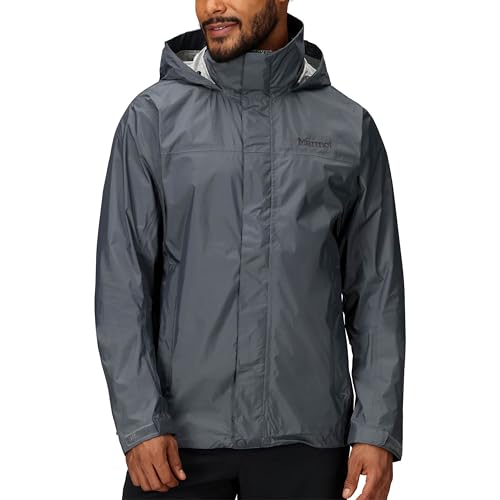
- ✓ Lightweight and packable
- ✓ Breathable with pit zips
- ✓ Eco-friendly DWR
- ✕ Limited venting on hot days
- ✕ No stretch panels
| Membrane/Waterproof rating | Marmot NanoPro waterproof and breathable fabric membrane |
| DWR type | PFC-Free Durable Water Repellent |
| Construction | 100% seam-taped |
| Ventilation | Underarm pit zips for adjustable ventilation |
| Pockets | Zippered hand pockets |
| Packability/Storage | Stows into its own pocket |
The moment I pulled the Marmot PreCip Eco Rain Jacket in Steel Onyx from the pack, the first thing that stood out was how light it feels in your hands. It slips on smoothly, and the DriClime lined chin guard is a small detail that makes a big difference against chafing on windy rides to the trailhead.
You’ll notice the NanoPro membrane instantly when you test a quick squirt from a faucet-like drizzle—the fabric beads up and sheds water without a stiff, plastic feel. It’s the kind of waterproofness that doesn’t scream “rain suit,” which is nice when you’re navigating town to trailhead on a damp day.
Ventilation is thoughtful, with pit zips that actually help regulate temperature during a steep climb. You’ll appreciate the zippered hand pockets for securing keys or a tiny snack bar, plus the ability to stuff the jacket into its own pocket for easy stowage.
The 100% seam-taped construction earns its keep in downpours, and the adjustable drawcord hem plus Velcro cuffs keep cold air out when the wind picks up. I found the fit true to size, with enough room to layer light fleece underneath for a shoulder-season backpacking trip.
Overall, it feels durable enough for gnarly ridgelines and light enough to forget you’re wearing it while you’re hiking. It’s easy to pack, quick to shed when sun returns, and the eco-friendly DWR is a real win for everyday use.
What Should You Look for in a Lightweight Rain Jacket?
When selecting the best lightweight rain jacket for backpacking, consider the following features:
- Waterproofing: The jacket should have a reliable waterproof rating, typically measured in millimeters. Look for jackets with ratings above 5,000 mm for effective water resistance, ensuring you stay dry in heavy rain.
- Breathability: A breathable jacket allows moisture from sweat to escape while keeping rain out. Look for materials with high breathability ratings, such as Gore-Tex or eVent, which help maintain comfort during strenuous activities.
- Packs down small: The ability to compress into a small size is crucial for backpacking. Choose jackets that can be stuffed into their own pocket or a designated pouch for easy packing and minimal weight in your backpack.
- Weight: Lightweight materials are essential for backpacking gear. Aim for jackets weighing around 8-12 ounces, which provide protection without adding unnecessary bulk to your load.
- Fit and mobility: A good fit ensures comfort and ease of movement. Look for adjustable features like cuffs, hems, and hoods that allow for a customizable fit, enabling you to layer underneath without feeling restricted.
- Durability: Backpacking can be tough on gear, so choose a jacket made from durable materials that can withstand abrasion and wear. Consider reinforced seams and high-denier fabrics for added longevity in rugged environments.
- Features: Look for additional features that enhance functionality, such as ventilation zippers, adjustable hoods, and pockets. These can provide extra comfort and convenience during your outdoor adventures.
Why is Waterproofing Essential for Backpacking?
According to a study published in the Journal of Outdoor Recreation and Tourism, exposure to wet conditions can significantly impair thermal regulation and increase the risk of hypothermia, especially in cold environments. This highlights the necessity of having adequate waterproof gear, such as a lightweight rain jacket, which can serve as a barrier against rain and wind while maintaining breathability.
The underlying mechanism involves the interaction between moisture, temperature, and the body’s ability to retain heat. When an individual is exposed to rain without proper waterproofing, their clothing absorbs water, leading to increased heat loss through convection and conduction. This not only makes one feel colder but can also result in a drop in core body temperature. Furthermore, wet gear can become heavy and cumbersome, affecting mobility and stamina, which are crucial during long hikes. Therefore, investing in the best lightweight rain jacket for backpacking ensures that hikers remain dry, comfortable, and safe from the elements.
How Does Breathability Impact Comfort During Hikes?
Layering flexibility is an important factor when considering weather conditions that can change rapidly. A breathable rain jacket can be worn over base layers without causing excessive heat buildup, allowing for easy adjustments as the weather changes throughout the day.
Durability and longevity of breathable materials can enhance the value of a lightweight rain jacket for backpacking. Tightly woven fabrics designed to be breathable are often more resistant to wear and tear, which means they will continue to provide comfort and protection over time, making them a worthy investment for avid hikers.
What Are the Key Features of the Best Lightweight Rain Jackets?
The key features of the best lightweight rain jackets for backpacking include:
- Waterproofing: A high-quality waterproof rating ensures that the jacket can withstand heavy rain without allowing moisture to seep through. Look for jackets with a minimum of 10,000 mm waterproof rating, which indicates they are designed to keep you dry during prolonged exposure to rain.
- Breathability: Breathability is crucial in a rain jacket, as it allows moisture and sweat to escape while keeping rain out. Jackets with a high breathability rating, often measured in grams (e.g., 10,000 g/m²/24h), help maintain comfort during physical activities like hiking or backpacking.
- Packability: The best lightweight rain jackets can be easily packed into their own pockets or a small pouch, making them convenient for backpacking. This feature allows hikers to carry the jacket without taking up valuable space in their packs.
- Weight: A lightweight design is essential for backpackers who want to minimize their load. The best jackets weigh between 6 to 12 ounces, allowing for easy carry without sacrificing protection against the elements.
- Durability: The material used should be durable enough to withstand the rigors of outdoor activities. Look for jackets made from ripstop nylon or polyester, which offer a balance of weight, waterproofing, and resistance to wear and tear.
- Adjustable Features: Features like adjustable hoods, cuffs, and hemlines help create a better fit and prevent rain from entering the jacket. These adjustments allow for comfort and versatility, accommodating different weather conditions and personal preferences.
- Pit Zips: Ventilation zippers, or pit zips, are an excellent addition for those engaging in strenuous activities. They allow for increased airflow, helping to regulate temperature and reduce sweating inside the jacket.
- Reflective Elements: Safety features, such as reflective strips or logos, enhance visibility in low-light conditions. This is particularly important for backpackers who may find themselves hiking during twilight or in inclement weather.
How Important is Weight When Choosing a Rain Jacket for Backpacking?
- Material: The choice of material greatly impacts the weight of a rain jacket. Lightweight materials such as nylon or polyester are commonly used in the best lightweight rain jackets for backpacking, providing waterproof capabilities without adding excessive bulk.
- Packing Size: The ability to compress a rain jacket into a small packing size is essential for backpackers. A jacket that can easily pack into its own pocket or a small pouch saves space in your backpack, allowing you to carry other essential gear without added strain.
- Durability: While lightweight materials are preferable, they should also offer sufficient durability for outdoor use. It’s important to find a balance between weight and toughness, as a jacket that sacrifices durability for weight may not withstand the rigors of backpacking.
- Breathability: A lightweight rain jacket must also provide adequate breathability to manage moisture and prevent overheating during strenuous activities. Look for features such as pit zips or breathable fabric technologies to ensure comfort during your hike.
- Features: Additional features such as adjustable hoods, cuffs, and hemlines can enhance the functionality of a lightweight rain jacket. However, these features should not add significant weight; thus, evaluating their necessity based on your backpacking style is important.
Why Should Packability Matter in Your Selection Process?
The underlying mechanism involves the principles of weight distribution and space optimization in a backpack. When backpackers carry gear, every ounce matters; a packable jacket allows for efficient use of space and weight, which can be crucial during long treks. Additionally, a jacket that can compress into its own pocket or a small pouch not only saves space but also encourages hikers to carry it regularly, ensuring they are prepared for sudden weather changes. This leads to a safer and more enjoyable outdoor experience, as being caught unprepared in adverse weather can result in hypothermia or other health risks.
What Features Enhance Durability in Lightweight Rain Jackets?
Several features significantly enhance the durability of lightweight rain jackets, making them suitable for backpacking.
- Waterproof Fabric: High-quality, waterproof fabrics such as Gore-Tex or similar proprietary materials provide a barrier against rain while allowing moisture from sweat to escape. This feature ensures that the jacket remains lightweight and breathable, which is essential for extended wear during physical activities like backpacking.
- Seam Sealing: Seam sealing involves applying a waterproof tape to the stitched areas of the jacket, preventing water from seeping through these vulnerable points. This feature is crucial in maintaining the jacket’s overall waterproof integrity, especially in heavy rain conditions.
- Durable Water Repellent (DWR) Finish: A DWR finish on the outer layer helps water bead up and roll off the fabric rather than soaking in. This treatment enhances the jacket’s ability to shed water, keeping it lighter and more comfortable for longer periods during backpacking trips.
- Reinforced Stitching: Reinforced stitching at high-stress areas, such as the shoulders and seams, increases the jacket’s durability against wear and tear from heavy use. This feature is particularly important for backpackers who may frequently load and unload their gear, which can cause friction on the jacket.
- Lightweight Yet Strong Materials: Materials like ripstop nylon or polyester balance weight and strength, making the jacket easy to carry without compromising durability. These fabrics are designed to withstand abrasions and punctures, which is vital for outdoor adventures.
- Adjustable Features: Features like adjustable cuffs, hems, and hoods provide a snug fit that can help reduce wear caused by wind and movement. This customization allows for better protection against the elements and enhances the overall durability of the garment over time.
Which Lightweight Rain Jackets Are Recommended for Various Budgets?
There are several recommended lightweight rain jackets suitable for backpacking across various budgets:
- REI Co-op Rainier Rain Jacket: Affordable yet highly functional, this jacket offers a waterproof and breathable design.
- Patagonia Torrentshell 3L Jacket: Known for its durability and eco-friendliness, this jacket is a great investment for serious backpackers.
- Arc’teryx Zeta SL Jacket: A premium option, it combines lightweight materials with advanced weather protection for extreme conditions.
- Columbia Watertight II Jacket: Budget-friendly and reliable, this jacket provides essential rain protection while being packable.
- Outdoor Research Helium II Jacket: Ultra-lightweight and compressible, this jacket is perfect for minimalist backpackers who prioritize weight savings.
The REI Co-op Rainier Rain Jacket is an excellent choice for budget-conscious hikers. It features a waterproof and breathable membrane, ensuring comfort during wet conditions, and packs down easily for convenience.
The Patagonia Torrentshell 3L Jacket is a bit pricier but is renowned for its durability and environmental consciousness, made from recycled materials while providing excellent weather resistance and breathability, making it suitable for diverse backpacking adventures.
For those willing to spend more, the Arc’teryx Zeta SL Jacket offers superior lightweight protection and features advanced materials that excel in harsh weather, making it ideal for serious outdoor enthusiasts who face challenging conditions.
The Columbia Watertight II Jacket is a practical choice for budget travelers, offering a waterproof shell that holds up well against rain while being lightweight and easily packable, making it a smart option for occasional hikers.
Lastly, the Outdoor Research Helium II Jacket is favored by minimalist backpackers for its ultralight design, which packs down to an incredibly small size, making it easy to carry without sacrificing essential rain protection on the trail.
How Do Budget Options Compare to Premium Models?
| Feature | Budget Models | Premium Models |
|---|---|---|
| Price | $50 – Affordable but may lack advanced features. | $150 – Higher cost due to advanced technology and materials. |
| Material Quality | Simpler fabrics, may not be fully waterproof. | High-performance fabrics, often fully waterproof and breathable. |
| Weight | Heavier options with less compact storage. | Lightweight materials designed for easy packing. |
| Durability | Shorter lifespan, may wear out faster. | Long-lasting, designed to withstand harsh conditions. |
| Weather Resistance | Basic water-resistant coating, may not perform well in heavy rain. | Advanced waterproofing techniques, effective in heavy rain. |
| Breathability | Limited breathability, may cause overheating. | High breathability ratings to prevent moisture build-up. |
| Pockets and Storage | Basic pocket options, may lack features. | Multiple pockets designed for storage and accessibility. |
| Warranty | Limited warranty, often 1 year. | Extended warranties, often 2+ years. |
What Insights Do User Reviews Provide on Lightweight Rain Jackets?
User reviews offer valuable insights into the performance, comfort, and durability of lightweight rain jackets, particularly for backpacking purposes.
- Performance in Rain: Many users highlight how well a jacket repels water and withstands heavy downpours, which is crucial for backpacking trips. Reviews often mention the effectiveness of the jacket’s waterproof rating and seam sealing, providing real-life examples of how the jacket performed during unexpected rainstorms.
- Breathability: Backpackers frequently comment on the breathability of lightweight rain jackets, as this feature helps prevent overheating during physical activity. User feedback often discusses moisture management, focusing on how well the jacket allows sweat to escape while keeping the wearer dry from external moisture.
- Packing Size and Weight: Reviews often detail how compact and lightweight the jacket is, making it easier to pack for long hikes. Users typically share their experiences regarding portability, mentioning whether the jacket fits into a backpack pocket or comes with a stuff sack for convenience.
- Fit and Comfort: The fit of a rain jacket is critical for comfort, especially during long hikes. Users often provide insights into the sizing, flexibility, and overall comfort of the jacket, sharing whether it allows for layering and how it feels during extended wear.
- Durability: Backpackers frequently discuss how well a lightweight rain jacket holds up over time, especially in rugged outdoor conditions. User reviews can reveal insights into the material quality and whether the jacket shows signs of wear and tear after repeated use.
- Value for Money: Many reviews analyze whether the jacket’s performance justifies its price point, providing insights into budget-friendly options versus premium models. Users often weigh the features against the cost, offering recommendations on the best value options for those looking for a lightweight rain jacket for backpacking.
How Should You Maintain Your Lightweight Rain Jacket for Longevity?
To maintain your lightweight rain jacket for longevity, consider the following tips:
- Regular Cleaning: It’s important to clean your rain jacket regularly to remove dirt and oils that can degrade the fabric.
- Proper Drying: Always follow the manufacturer’s instructions for drying; improper drying can damage the waterproof coating.
- Reapplying DWR Coating: Periodically reapply a Durable Water Repellent (DWR) treatment to restore the jacket’s water resistance.
- Avoiding Harsh Chemicals: Use mild detergents and avoid fabric softeners to prevent damage to the jacket’s waterproof properties.
- Storage Care: Store your jacket in a cool, dry place, ideally in a loose bag rather than tightly folded to avoid creases that can affect performance.
Regular Cleaning: Cleaning your rain jacket helps maintain its performance by ensuring that dirt, sweat, and oils do not accumulate and compromise the fabric’s waterproof abilities. Use a gentle cycle in cold water with a mild detergent to preserve the jacket’s integrity.
Proper Drying: After washing, it’s crucial to dry your jacket according to the care instructions. Some jackets can be tumble dried on low heat to rejuvenate the waterproof coating, while others may need air drying to prevent heat damage.
Reapplying DWR Coating: Over time, the DWR treatment can wear off, causing the jacket to absorb water rather than repel it. Reapplying a DWR spray or wash-in treatment can help maintain its waterproof capabilities and keep you dry during backpacking trips.
Avoiding Harsh Chemicals: Harsh detergents and fabric softeners can strip away the jacket’s waterproof treatment and damage the fabric. Always opt for products specifically designed for technical outdoor clothing to ensure longevity.
Storage Care: Proper storage is key to preserving your jacket’s shape and functionality. Avoid hanging it in direct sunlight for extended periods and ensure it is completely dry before storing to prevent mildew and odors.
Related Post: