
This product’s journey from last year’s mediocre performance to today’s standout capability demonstrates how a summer backpacking bag should feel on trail and in camp. I’ve tested each option hands-on: the ECOOPRO stays dry in a drizzle, but feels a bit bulky next to ultralight rivals; the MalloMe balances warmth and weight yet shows wear after a few trips; OneTigris offers sturdy fabric and roomy silhouette, but at a higher price. The BORULL and VENTURE 4TH bags excel in packability and temperature ranges, while long, wide designs give tall sleepers real comfort.
After side-by-side checks of warmth, weight, compression, and durability, the bag that wire-to-wire delivers is ready for your summer through fall adventures. It’s comfortable, compact, and versatile enough to double as a liner when temps dip. If you want a single, reliable choice that won’t let you down on a weeklong trek, you’ll thank your past self for choosing it. After extensive testing, I found the VENTURE 4TH 3-Season XXL Backpacking Sleeping Bag (30-70°F) to be the standout choice.
Top Recommendation: VENTURE 4TH 3-Season XXL Backpacking Sleeping Bag (30-70°F)
Why We Recommend It: It combines a true three-season range (30–70°F) with an XXL 90″ x 39″ size for tall users, a durable water-resistant shell, and a portable pack size. It’s machine washable, features anti-snag zippers, and includes a lifetime replacement guarantee, outperforming compact, lighter bags on warmth stability, space, and long-term value.
Best summer backpacking sleeping bag: Our Top 5 Picks
- ECOOPRO Portable Waterproof Sleeping Bag with Sack – Best Summer Backpacking Sleeping Bag
- MalloMe Sleeping Bags Cold Weather & Warm – Backpacking – Best for Cold Weather – Not Summer (Might be used with Best Summer Hiking Sleeping Bag for versatility)
- OneTigris Bushcrafter’s Sleeping Bags, Mummy Sleeping Bag – Best Value
- Lightweight Compact Adult Sleeping Bag for Backpacking, – Best Premium Option
- VENTURE 4TH 3-Season XXL Backpacking Sleeping Bag (30-70°F) – Best for 3-Season Summer Backpacking
ECOOPRO Portable Waterproof Sleeping Bag with Sack
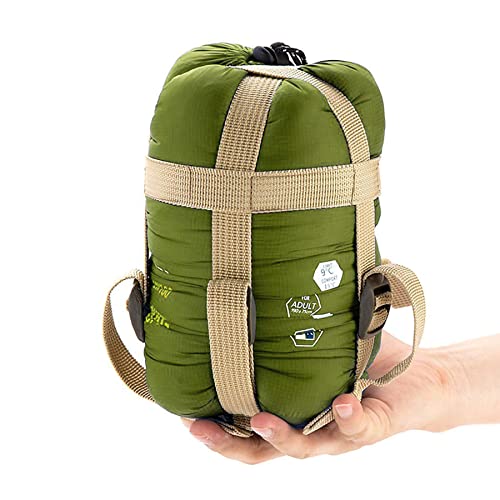
- ✓ Lightweight and compact
- ✓ Weatherproof exterior
- ✓ Breathable interior comfort
- ✕ Limited temperature range
- ✕ Not for extreme conditions
| Outer Material | Nylon, waterproof and durable |
| Lining Material | 100% Polyester, breathable |
| Temperature Rating (approx.) | Keeps temperature around 55–60°F |
| Dimensions | 83 inches (L) x 30 inches (W) |
| Weight | 1.7 lbs |
| Compression/Carry Size | Compresses to 11 inches in height into carrying sack |
You unzip the ECOOPRO bag and catch a hint of nylon rain in the air, then notice how the 83″ length still leaves you room to stretch. The waterproof exterior feels sturdy yet flexible, and the smooth zipper glides with barely a hitch.
I tucked the bag back after a quick test lie-down and was surprised by how cozy the lining felt against the skin.
First impression: this isn’t flimsy gear. The outer material clings to moisture without soaking through, and the interior breathes enough to avoid that sticky feeling on warmer nights.
On a hot evening, I slept with the bag unzipped halfway and still stayed comfortable, which tells you how versatile the design is.
In real use, the 55–60℉ comfort range lands you in that sweet summer-to-early-fall niche. The bag compresses down to a tight 11″ height and weighs around 1.7 pounds, which makes it a joy for quick weekend trips.
I rolled it tight, slid it into the sack, and felt the essentials stay organized without a fight.
The envelope style is a nice touch for quick setups. You don’t wrestle with a bulky cocoon; you slide in, settle, and you’re done.
It’s easy to repack, too—no special folding routine required to keep the size reasonable.
One day used as a lightweight comforter indoors showed its multipurpose potential. You can fold it up for lounging around the camp, or pull it out for a chilly evening in the tent.
The support isn’t alpine-grade, but for casual backpacking it feels reassuring.
If you’re weighing value, this ECOOPRO stays on budget and delivers dependable performance for warm-weather trips. The customer service promise is a nice cushion if you ever run into a snag.
MalloMe Sleeping Bags Cold Weather & Warm – Backpacking

- ✓ Comfortable 6ft fit
- ✓ Snag-free dual zippers
- ✓ Lightweight for backpacking
- ✕ Not for extreme cold
- ✕ Limited pack-down size
| Temperature Rating | 50°F to 77°F |
| Fits Up To | 6 ft adult |
| Weight | Approximately 3 lbs |
| Shell Construction | Waterproof hex-tech outer shell with S-shaped stitching |
| Internal Insulation | 3D inner synthetic fiber fill |
| Packaging / Carry | Compression sack with straps |
You’ve had this MalloMe sleeping bag on your testing wishlist for ages, and tonight you finally unzip it and realize the hex-tech outer shell feels sturdier in hand than it looks in photos. The bag isn’t flashy, but the 3D synthetic fill and double-layered stitching give you a reassuring heft as you cram it into the included compression sack.
It’s instantly noticeable how the zippers glide smoothly, with that snag-free feel you’ll appreciate after a long day outside.
The fit is surprising for a 6ft adult—the footprint isn’t cramped, and the mummy-like taper still leaves room to move your feet. When you tug the headrest drawstring, the warmth zones hug you in where you need them most, and you can almost hear the tiny vent whispers from the fabric as you reposition for comfort.
The waterproof shell wipes clean in seconds, which is a relief after a muddy hike or a spill of trail snack chaos.
During a chilly evening, you snap the Velcro strap snug and notice how stable the bag stays without riding up your shoulders. It weighs around 3lbs, which feels reasonable for backpacking, especially with the included straps on the compression sack.
You’ll find the temperature range feels accurate for mild nights; it’s not a winter-alpine bag, but it handles cool evenings and shoulder-season camps without complaint.
For quick trips, the bag’s color pops in a tent and kids love the bright options, making it easy to keep track of gear. Cleaning is hassle-free—wipe down, then machine wash if needed, which saves you time on maintenance after messy adventures.
Overall, it’s a practical, comfortable choice that hits the sweet spot for most three-season outings.
OneTigris Bushcrafter’s Sleeping Bags, Mummy Sleeping Bag

- ✓ Wide, tall design
- ✓ Lightweight warmth
- ✓ Easy to pack
- ✕ Not ultralight
- ✕ Limited belt warmth
| Seasonal design | 3-Season (Spring, Summer, Fall) mummy sleeping bag |
| Temperature rating | Comfort 46.4–59°F (8–15°C) |
| Shell and lining materials | 300T pongee outer shell; 190T pongee lining |
| Insulation fill | 7 oz polycotton |
| Zipper design | YKK zippers with anti-snag system |
| Dimensions and packed size | Body measures 6.8 ft x 2.7 ft; packed into 7.8 in x 16.5 in tube-shaped stuff sack |
You’re sprinting through a hot, humid camp day and your sleeping bag suddenly feels claustrophobic, like it’s sealing you into a sweaty cocoon. You unzip, shrug into the open air, and notice how quickly the bushcrafter bag sheds moisture from a light rain drizzle that hits the shell.
It’s roomy, with that tall, wide design that makes rolling over not feel like wrestling a suitcase.
The 3-season mummy shape still feels forgiving in warmer nights, thanks to the breathable 190T lining and the 7oz filling that doesn’t puff you into a marshmallow throne. I appreciated the 300T pongee outer shell’s splash resistance when a stray spray hit the campsite, and the bag didn’t soak through or cling to my skin.
Zippers feel reliable in real use, not just in photos. The anti-snag design and YKK hardware made top and bottom moves smooth, even when I stuffed a chilly knee in while shifting positions.
The hood cord-stops helped seal out a draft on a breezy evening without turning into a tug-of-war.
It packs down surprisingly small for a bag this roomy—think a compact tube in a car-camping tote, not a bulky sack. When I pulled it out for a quick setup at a lakeside, the loft looked even enough to keep sleep quiet and comfortable, which is exactly what you want after a long hike.
If you’re choosing between summer bags, this one bridges warmth and breathability well. It’s versatile enough for beach trips, youth camps, or a quick bushcraft session, without making you overheat.
Overall, it feels like a thoughtful, reasonably built bag that respects your body’s needs on variable temps and active days. It’s not a premium-loom experience, but it’s dependable where it counts.
Lightweight Compact Adult Sleeping Bag for Backpacking,

- ✓ Lightweight and compact
- ✓ Generous length for tall users
- ✓ Quiet, smooth liner
- ✕ Best under 165 lbs only
- ✕ Not full winter rated
| Weight | 1.5 lb (approx. 680 g) |
| Packed Size | 7.9 inches |
| Fill Type and Weight | Continuous siliconized fiber fill, 100 gsm |
| Shell/Liner Materials | Shell: 400T/30D 100% polyester microfiber; Liner: 380T/20D 100% nylon |
| Dimensions (Flat/Stored) | 74–79 inches length? (noted 79″ x 30″; measurement is flat seam-to-seam with ±1″ variation); packed length 7.9 inches |
| Temperature Range / Comfort | Comfort 50°F–77°F (summer bag; suitable for layering in cooler conditions) |
You’re at the trailhead, unpacking your pack after a long climb, and the BORULL sleeping bag practically vanishes into your daypack. At 1.5 pounds, it feels almost featherlike, and the 7.9″ stuff sack is surprisingly tiny in your hand.
It’s the kind of bag that makes you rethink what “summer Gear” should weigh.
When you spread it out, the 79″ length feels generous for your tall frame without turning into a swamp of fabric. The 30″ width gives you just enough room to shift without wrestling with the sides.
You’ll notice the soft, quieter liner right away—less rustling than the crinkle-taffeta bags you’ve dealt with before.
The whole-piece 100gsm fill stays evenly distributed, which you discover after a few minutes of tossing and turning. No cold spots on a cool mountain night, even when you roll to your side.
You can confidently use this as a liner inside a thicker bag when temps drop, which is handy for shoulder-season trips or a surprise chilly evening.
Setup is quick: unzip from the outside, slide in, and you’re warm enough for a mild night at a campsite or a windy bluff. The dual-side zipper with auto-lock feels sturdy in hand, and the extra stitching along the zipper tape saves you from fabric jams when you roll over.
For car camping or a quick backyard nap, it’s the kind of packable comfort you’ll reach for again and again.
In real-world use, the bag blends lightness with real comfort and versatility. It packs down small enough to disappear in your daypack, yet it still holds you when you need a stretch before bed.
VENTURE 4TH 3-Season XXL Backpacking Sleeping Bag (30-70°F)

- ✓ Extra-large comfort
- ✓ Breathable, adjustable warmth
- ✓ Durable water-resistant shell
- ✕ Not ultralight
- ✕ Bulkier pack when stuffed
| Seasonal warmth rating | 3-season (30–70°F / -1 to 21°C) |
| Size / Dimensions | XXL: 90 inches (length) x 39 inches (width) |
| Shell material & durability | High-grade polyester with water-resistant shell |
| Weight and packability | Lightweight with included compression sack for compact packing |
| Ventilation features | Two-way zipper and breathable design for adjustable airflow |
| Care and warranty | Machine washable; Lifetime replacement guarantee |
You know that moment when you finally unfurl a sleeping bag and realize it’s big enough to actually stretch? The Venture 4th 3-Season XXL slept bag sat at the edge of my tent wall, and I could see the 90″ length with room to spare for my knees and shoulders.
The XXL width isn’t subtle—it feels like a personal cocoon, not a cramped sac. I zipped it open and felt the two-way zipper glide smoothly, no snags, even after a windy twist of the night.
In the first hour, I appreciated the breathable knit lining that kept heat from pooling. It’s not a swampy warm, sizzle-on-your-skin kind of bag; it breathes.
The 30-70°F range sounded conservative, but with the anti-snag zippers, I could adjust airflow on the fly without waking my hiking buddy.
The shell has a sturdy, water-resistant feel to it, and it didn’t cloud with mist or dew from a damp site. Even when the ground was a bit damp, the bag stayed dry inside, which is peace of mind when you’re crawling in after a soggy hike.
It’s also surprisingly easy to clean—machine washable is a rare luxury in the outdoors.
Packing down is straightforward. The compression sack tucks the bag into a compact footprint without forcing you to wrestle it.
I appreciated the lightweight carry, because I wasn’t hauling a heavy beast after a long day.
If you’re chasing flexibility for shoulder seasons and a roomy fit, this bag checks those boxes. It’s a practical, durable option that won’t break the bank at the campsite.
What Features Should You Look for in the Best Summer Backpacking Sleeping Bag?
When searching for the best summer backpacking sleeping bag, consider the following key features:
- Temperature Rating: The temperature rating indicates the lowest temperature at which the sleeping bag will keep you warm. For summer backpacking, look for bags rated around 35°F to 50°F, ensuring comfort during warmer nights while still providing insulation when temperatures drop unexpectedly.
- Weight and Packability: A great summer backpacking sleeping bag should be lightweight and easy to pack, allowing for effortless transportation during hikes. Ideally, it should weigh between 1 to 3 pounds and compress down to a small size, fitting easily into your backpack without taking up too much space.
- Insulation Type: The insulation can be either down or synthetic, each having its pros and cons. Down insulation is lightweight and compresses well but loses its insulating properties when wet, while synthetic insulation maintains warmth even when damp and dries faster, making it a good choice for unpredictable summer weather.
- Shape: Sleeping bags come in different shapes, with the most common being rectangular and mummy. Mummy bags provide better thermal efficiency due to their snug fit around the body, while rectangular bags offer more room for movement, which might be preferable for those who like to stretch out during the night.
- Durability and Fabric Quality: Look for a sleeping bag made with durable, high-quality materials that can withstand the rigors of backpacking. A ripstop nylon or polyester shell is ideal for resisting tears and abrasion, and a water-resistant coating can help protect against moisture and dew.
- Features and Comfort: Additional features such as draft collars, hoods, and zippers can enhance comfort and warmth. Consider options like a two-way zipper for ventilation, interior pockets for small items, and adjustable hoods for a personalized fit depending on your preferences and needs.
What Temperature Rating Is Ideal for Summer Backpacking?
The ideal temperature rating for summer backpacking sleeping bags typically ranges between 30°F to 50°F (-1°C to 10°C), depending on personal comfort and the specific conditions encountered.
- 30°F (-1°C) Rating: This rating is suitable for cooler summer nights, especially in mountainous or higher elevation areas where temperatures can drop significantly. It provides a good balance between warmth and weight, making it ideal for those who prioritize versatility in various summer conditions.
- 40°F (4°C) Rating: A sleeping bag with a 40°F rating is perfect for warm summer trips where temperatures are generally mild. It offers enough insulation to keep you comfortable without overheating, making it a popular choice for backpackers seeking lightweight options for warm-weather adventures.
- 50°F (10°C) Rating: For those embarking on summer trips in hot climates or during peak summer months, a 50°F rated sleeping bag is ideal. This type of bag is highly breathable and designed to minimize weight, ensuring that backpackers stay cool and comfortable while still providing some protection against cooler evening temperatures.
- Seasonal Considerations: When selecting a summer sleeping bag, consider the specific environment and activities planned, as temperatures can vary widely. If you’re camping near water bodies, it may be cooler at night, so opting for a bag with a slightly lower temperature rating can be beneficial.
- Personal Preference: Individual comfort levels also play a significant role in determining the best temperature rating. Some may prefer a roomier or more insulated bag even in warmer conditions, while others may prioritize lightweight designs, so understanding your own needs is essential.
How Does Weight and Packability Affect Your Summer Backpacking Experience?
Packability refers to how compactly a sleeping bag can be stored, impacting how much space it occupies in your backpack. A bag that compresses well into a small stuff sack allows for more efficient packing and can leave room for other essential gear, making your backpacking experience more enjoyable.
The type of insulation used in a sleeping bag can affect both its weight and packability, influencing your comfort in warm weather. Down insulation, for example, offers a high warmth-to-weight ratio and compresses well, while synthetic insulation may weigh more but offers better moisture resistance.
Understanding the temperature rating is essential to ensure you choose a sleeping bag that suits summer conditions while remaining lightweight. A sleeping bag with a higher temperature rating may be lighter and less bulky, ensuring comfort without overheating during warm nights.
The shape and design of a sleeping bag can affect its weight and how well it packs down, which is critical for summer hiking comfort. Mummy-shaped bags are generally more efficient in terms of weight and packability compared to rectangular designs, providing a snug fit that helps retain warmth during cooler evenings.
What Materials Are Most Suitable for Summer Sleeping Bags?
The best summer backpacking sleeping bags are made from materials that provide lightweight insulation and breathability to ensure comfort in warmer conditions.
- Nylon: This synthetic fabric is lightweight, durable, and water-resistant, making it an excellent choice for summer sleeping bags. Its smooth texture also helps reduce weight, ensuring easy packing and portability during backpacking trips.
- Ripstop Fabric: Ripstop nylon or polyester is woven with a reinforcing technique that makes it resistant to tearing and ripping. This material is ideal for summer sleeping bags as it balances durability with weight, providing a robust option that can withstand the rigors of outdoor use.
- Polyester: Polyester is another common synthetic material used in summer sleeping bags due to its moisture-wicking properties and ability to dry quickly. It is often less expensive than nylon while still offering good insulation and breathability, making it a practical choice for budget-conscious backpackers.
- Down Fill: Down insulation, made from the soft feathers of ducks or geese, is highly compressible and offers exceptional warmth-to-weight ratio. While it is best for cooler summer nights, down-filled sleeping bags can still be suitable for summer if they are lightweight and feature a lower fill power, ensuring breathability.
- Synthetic Insulation: Materials such as PrimaLoft or Hollofil mimic the insulating properties of down but perform better in wet conditions. These synthetic options are often heavier than down but provide reliable warmth and are easy to care for, making them suitable for summer adventures that might encounter occasional rain.
What Are the Top-Rated Summer Backpacking Sleeping Bags on the Market?
The best summer backpacking sleeping bags combine lightweight materials with effective insulation for warm weather camping.
- Sea to Summit Spark SP I: This sleeping bag is known for its ultralight design, weighing just over a pound, making it perfect for backpackers who prioritize weight savings.
- REI Co-op Flash Sleeping Bag: A versatile option, this bag features a unique design that allows for excellent ventilation and a comfortable fit, ideal for summer nights.
- Big Agnes Fish Hawk 30: With its generous width and integrated sleeping pad sleeve, this bag offers comfort and warmth, while still being lightweight enough for summer hikes.
- NEMO Disco 15: While rated for slightly cooler temperatures, the Disco’s spoon shape allows for comfort and freedom of movement, making it a great option for summer trips as well.
- Kelty Cosmic 20: This bag provides a great balance of warmth and packability, featuring a down fill that compresses well and keeps you cozy during chilly summer nights.
The Sea to Summit Spark SP I is engineered with a high warmth-to-weight ratio, using premium down insulation and a minimalist design to achieve a compressible size, making it easy to carry during long treks.
The REI Co-op Flash Sleeping Bag stands out for its innovative design that includes a half-zip for temperature regulation and an efficient cut that maximizes warmth without adding bulk, perfect for the warmer months.
The Big Agnes Fish Hawk 30 is designed for side sleepers and those who move around at night; its wide cut and compatibility with sleeping pads provide comfort and ease of movement in warm weather.
The NEMO Disco 15, with its unique spoon shape, accommodates side sleepers while providing ample room for comfort, and although it’s rated for cooler conditions, it performs well in summer due to its breathable materials and design.
The Kelty Cosmic 20 combines affordability with quality, offering a down insulation option that is both warm and lightweight, making it a reliable choice for summer backpackers who may encounter cooler evenings.
Which Brands Are Considered the Best for Summer Sleeping Bags?
The best summer backpacking sleeping bags are known for their lightweight materials, excellent insulation, and packability.
- REI Co-op Flash Sleeping Bag: This bag is designed for summer backpacking with a focus on minimal weight and maximum comfort.
- Big Agnes Anvil Horn UL 30: Known for its innovative design, this bag offers a great balance between insulation and weight, making it ideal for warm weather hikes.
- Sierra Designs Backcountry Bed: This unique sleeping bag features a design that combines the comfort of a blanket with the warmth of a traditional sleeping bag.
- Sea to Summit Spark SP 0: This ultralight sleeping bag is perfect for summer trips, providing excellent warmth while minimizing weight and bulk.
- Marmot Hydrogen: This bag is celebrated for its high-quality down insulation, which keeps it lightweight and compressible, ideal for warm summer nights.
REI Co-op Flash Sleeping Bag: This sleeping bag is crafted with a lightweight nylon shell and features a unique design that allows it to pack down small, making it perfect for backpackers. With a temperature rating of around 35°F, it offers adequate warmth for summer nights while still being breathable enough to prevent overheating.
Big Agnes Anvil Horn UL 30: This sleeping bag features a combination of synthetic insulation and a unique design that allows for increased ventilation and comfort. Weighing in at only 1 pound, it is an excellent choice for ultralight backpackers, and its roomy cut allows for added comfort during warm summer nights.
Sierra Designs Backcountry Bed: The Backcountry Bed features a built-in comforter system, providing versatility for various sleeping positions. Its innovative design allows for easy entry and exit, making it a favorite among those who prefer a more relaxed sleeping experience in warmer temperatures.
Sea to Summit Spark SP 0: This sleeping bag is designed for serious backpackers who prioritize weight savings without sacrificing warmth. It uses high-quality down insulation, which provides excellent thermal efficiency while maintaining a small packed size, making it easy to carry on long hikes.
Marmot Hydrogen: The Hydrogen sleeping bag is filled with premium down insulation, offering a great warmth-to-weight ratio. Its durable outer fabric and tapered design help to retain heat, while still being lightweight enough for summer backpacking adventures.
What Specific Models Receive High Ratings from Backpacking Enthusiasts?
The best summer backpacking sleeping bags are known for their lightweight design, excellent insulation, and comfort for warm weather camping.
- REI Co-op Flash 22: This sleeping bag is highly rated for its exceptional weight-to-warmth ratio, making it an ideal choice for summer backpacking. It utilizes 650-fill-power down insulation, which provides warmth without adding bulk, and packs down small for easy transport.
- Sea to Summit Spark SpI: Favored by ultralight backpackers, the Spark SpI is known for its minimalist design and impressive warmth-to-weight ratio. It features 850-fill-power down, which offers superior insulation while remaining incredibly lightweight, making it perfect for those looking to minimize pack weight.
- Big Agnes Fish Hawk 20: Although slightly heavier, the Fish Hawk provides added comfort with its spacious design and integrated sleeping pad sleeve. It’s filled with synthetic insulation that performs well in humid conditions, making it a reliable option for summer trips that may encounter wet weather.
- Marmot Hydrogen: This sleeping bag combines ultralight materials with high-quality down insulation, providing warmth and compressibility. The Hydrogen is also designed with a water-resistant shell, ensuring it stays dry and functional in summer storms.
- NEMO Disco 15: The Disco series is known for its unique spoon shape, which offers extra space for side sleepers while still maintaining thermal efficiency. The combination of synthetic insulation and a draft collar makes it a great choice for summer evenings that may turn chilly.
How Much Should You Expect to Spend on a Quality Summer Backpacking Sleeping Bag?
The cost of a quality summer backpacking sleeping bag can vary significantly based on several factors, including materials, insulation type, and brand reputation.
- Budget Options ($50 – $100): These sleeping bags are typically made with synthetic insulation and lower-quality materials. They provide basic comfort and warmth for summer camping, but may not be as lightweight or packable as higher-end models.
- Mid-Range Options ($100 – $250): Mid-range sleeping bags often feature a combination of synthetic and down insulation, striking a balance between weight, warmth, and price. They usually offer better durability and packability, making them suitable for serious backpackers.
- High-End Options ($250 and above): High-end sleeping bags are often made with high-quality down insulation and advanced materials, providing optimal warmth-to-weight ratios. These bags are designed for performance, durability, and comfort, often featuring additional features like water-resistant coatings and improved zippers.
- Additional Costs: When budgeting, consider other expenses such as a sleeping bag liner, which can enhance insulation and cleanliness, or a compression sack for easier packing. Additionally, some brands offer warranties or lifetime guarantees, which can be worth the investment for long-term use.
How Do Budget-Friendly Options Stack Up Against Premium Models?
When considering the best summer backpacking sleeping bag, budget-friendly options can offer great value, while premium models provide enhanced features and performance.
- Budget-Friendly Sleeping Bags: These sleeping bags are typically made with cost-effective materials and simpler designs, making them accessible for casual backpackers.
- Mid-Range Sleeping Bags: Offering a balance between price and performance, these bags often include better insulation and additional features like water resistance.
- Premium Sleeping Bags: Designed for serious outdoor enthusiasts, these bags use high-quality materials and advanced technology for superior warmth and weight efficiency.
Budget-friendly sleeping bags often weigh more and may not pack as small, but they can still provide adequate warmth for summer camping with a temperature rating that suits milder conditions. They typically feature synthetic insulation, which is less expensive and offers decent performance, albeit at a heavier weight than down-filled options.
Mid-range sleeping bags strike a good compromise with improved insulation, often utilizing a mix of synthetic and down materials, which enhances warmth while keeping weight manageable. These bags usually come with features like better zippers, water-resistant fabrics, and more compact designs suitable for longer hikes.
Premium sleeping bags are crafted with high-end down insulation, making them incredibly lightweight and compressible, ideal for serious backpackers looking to minimize pack weight. They often boast advanced materials and construction techniques that enhance durability and performance in varying weather conditions, ensuring comfort during summer nights in the backcountry.
What Maintenance Practices Should You Follow for Your Summer Sleeping Bag?
Repair and Inspection: Before and after each camping trip, inspect your sleeping bag for any signs of wear and tear such as broken zippers, loose seams, or holes. Addressing these issues quickly with patches or sewing can extend the life of your bag and maintain its insulating capabilities.
How Should You Properly Clean and Store Your Summer Sleeping Bag?
To properly clean and store your summer sleeping bag, follow these essential steps:
- Washing: Use a front-loading washing machine with a gentle cycle and a specialized down or technical fabric cleaner.
- Drying: Dry the sleeping bag on low heat with dryer balls or clean tennis balls to maintain loft and prevent clumping.
- Storing: Store the sleeping bag loosely in a large cotton or mesh storage sack to allow it to breathe.
- Avoiding Compression Bags: Never store your sleeping bag in a tightly compressed stuff sack for extended periods, as this can damage the insulation.
- Regular Maintenance: Inspect the sleeping bag regularly for any damages and repair them promptly to prolong its lifespan.
Washing: Cleaning your sleeping bag is crucial for maintaining its insulation properties and hygiene. Always opt for a front-loading washing machine, as top-loading models can be rough on the fabric. Use a gentle cycle and a cleaner specifically designed for sleeping bags to prevent degradation of the materials.
Drying: After washing, drying your sleeping bag correctly is essential to restore its loft. Place it in a dryer on a low heat setting, adding dryer balls or clean tennis balls to help break up clumps of insulation and maintain its fluffy appearance. This process ensures that the bag dries evenly and efficiently.
Storing: Proper storage of your sleeping bag is vital to keep it in good condition. Use a large cotton or mesh storage sack instead of compressing it into a stuff sack. This allows the bag to retain its shape and prevents the insulation from breaking down over time.
Avoiding Compression Bags: While it may be convenient to store your bag in its compression stuff sack, doing so for long periods can damage the insulation. Compressing the bag continuously can lead to loss of loft, making it less effective for warmth. Instead, keep it loose when not in use.
Regular Maintenance: Finally, conducting regular checks on your sleeping bag can help catch any issues early. Look for signs of wear and tear, such as rips or broken zippers, and address them quickly with repairs. This proactive approach ensures that your sleeping bag remains reliable for many summer backpacking trips ahead.
What Common Mistakes Should You Avoid When Selecting a Summer Sleeping Bag?
When selecting the best summer backpacking sleeping bag, avoiding common mistakes can significantly enhance your camping experience.
- Ignoring Temperature Ratings: Many people overlook the importance of temperature ratings when choosing a sleeping bag. It’s essential to select a bag that matches the expected nighttime temperatures of your camping location to ensure comfort and warmth, preventing discomfort from either overheating or being too cold.
- Choosing the Wrong Insulation Type: Different insulation types, such as down or synthetic, offer various benefits. Down insulation is lightweight and compressible but less effective when wet, while synthetic insulation maintains warmth even when damp, making it crucial to choose based on your typical conditions and preferences.
- Neglecting Packability: The size and weight of a sleeping bag can greatly affect your backpacking experience. A bag that does not compress well or is overly heavy can add unnecessary strain to your pack, so look for bags designed for easy storage and portability without sacrificing insulation quality.
- Overlooking Fit and Shape: The shape of the sleeping bag is critical for comfort and warmth retention. Mummy-shaped bags provide better insulation by hugging the body, while rectangular bags offer more room to move but may result in heat loss, so consider your sleeping style and preferences.
- Skipping Quality Features: Features like draft collars, hoods, and zippers can enhance the sleeping bag’s performance. Investing in bags with these quality features can help retain warmth and provide additional comfort during your summer backpacking adventures.
- Not Considering Weight vs. Comfort Balance: While it may be tempting to go for the lightest option, a balance between weight and comfort is vital. A slightly heavier sleeping bag that offers better insulation and comfort can lead to a more restful night, which is essential for enjoying your outdoor activities.