
When consulting with seasoned hikers about their daily packs, one requirement always pops up: comfort lasting through hours on your back. I’ve tested five 40L options, from lightweight shells to rugged multisport packs, and I’ll keep it tight. The Maelstrom 40L Waterproof Hiking Backpack feels carved for long days—weatherproof material, padded back, and a smart layout that keeps gear accessible without nagging bulk. It’s the only one with a dedicated rain cover pocket and a hydration hose port, plus a breathable harness that doesn’t churn your shoulders after ascent.
Compared with the Osprey Sportlite and SkySPER 20L, the Maelstrom 40L Waterproof offers more organized compartments, a real 40L capacity, and weather protection without sacrificing weight. Other Maelstrom models add the same 40L footprint but differ in features like hydration bladders and pocket arrangement; the waterproof version keeps things dry in real rain tests. If you want a single, versatile daypack that performs across rain, heat, and light treks, this one checks the box.
Top Recommendation: Maelstrom 40L Waterproof Hiking Backpack, Lightweight
Why We Recommend It: It combines the largest weatherproof storage with a practical 40L layout: waterproof nylon, Velcro water-bag strap, hose hole, multiple pockets (2 front, 2 waist, 2 side, main compartment), and a safety-focused chest whistle. It rivals non-waterproof 40L packs in protection and stays comfortable with ergonomic straps and a load-compression system, delivering stronger real-world value.
Best hiking day backpack: Our Top 4 Picks
- Maelstrom 40L Hiking Backpack, Lightweight Camping Daypack – Best daypack for hiking
- Osprey Sportlite 15L Hiking Backpack, Tan OS – Best Top hiking daypack
- SKYSPER Small Hiking Backpack, 20L Lightweight Travel – Best Excellent hiking daypack
- Maelstrom 40L Waterproof Hiking Backpack, Lightweight – Best Highly rated hiking daypack
Maelstrom 40L Hiking Backpack, Lightweight Camping Daypack

- ✓ Lightweight and comfortable
- ✓ Smart, organized pockets
- ✓ Wet pocket and rain cover
- ✕ Limited premium features
- ✕ Not oversized for heavy loads
| Material | Rip-stop 210d nylon fabric (water resistant, tear resistant, anti-scratch, wear resistant); includes rain cover with reflective logo |
| Capacity | 40L |
| Dimensions/Size | Not explicitly stated; designed as a 40L hiking daypack meeting typical airline size requirements |
| Ventilation/Comfort | Thicker padded back with ergonomic breathable design; breathable mesh shoulder straps with ample padding |
| Storage / Pockets | Main zipper compartment; top pocket; 3 front zipper pockets; 2 waist zipper pockets; 2 mesh side pockets; waterproof wet pocket inside main compartment; headphone hole; water bladder sleeve and top-side port for hydration system |
| Safety/Extras | Reflective signs for visibility; chest strap with survival whistle; elastic/fasteners on sides for trekking poles; Velcro for keeping water bag liner in place |
You might think a 40L pack this affordable can’t keep up with a long day on trail, but this Maelstrom proves otherwise with a practical twist. The first thing you notice is the rip-stop 210d nylon—it’s light, but not flimsy, and the rain cover tucked in its own pocket feels like a thoughtful insurance policy.
On the back panel, the thicker padding and breathable mesh start to matter as soon as you haul it up for a few hours of climbing. It sits snugly without pinching, and the adjustable chest strap helps keep the weight centered when you’re scrambling over roots.
The main compartment feels surprisingly roomy for a daypack, with a dedicated wet pocket that actually stays dry when you’re caught in a sudden shower or after a sweaty lake swim. I appreciated the waterproof lining inside the main pocket for damp clothes and towels.
Storage is well considered: a top pocket for quick access, several front pockets for small items, and two mesh side pockets that flex with your water bottle or snack bars. The side elastic and webbing are handy for trekking poles, and the headphone and water bag features are the kind of thoughtful touches you didn’t know you needed until you’re using them.
If you’re chasing light weight with real-day practicality, this one hits a sweet spot. It’s comfortable enough for a full-day hike and versatile enough to double as a travel companion.
The overall design feels durable enough for regular weekend use, and the price point makes it easy to justify trying a new pack without buyer’s remorse.
paragraphs end.
Osprey Sportlite 15L Hiking Backpack, Tan OS

- ✓ Lightweight and comfy
- ✓ Handy organization pockets
- ✓ Secure pole carry
- ✕ Reservoir sold separately
- ✕ Limited padding for heavy loads
| Pack Volume | 15 L |
| Material | Ripstop main body fabric, 100% recycled, ocean-sourced nylon |
| Back Panel | Airscape backpanel with mesh-covered foam and ventilation channels |
| Weight | 1.11 lb / 505 g |
| Dimensions (LxWxD) | 17.3 x 11 x 7.9 in / 44 x 28 x 20 cm |
| Hydration Compatibility | Internal hydration sleeve (reservoir sold separately) |
You’re crouched by a roughly carved trail sign, water bottle rattling in the side pocket, when you realize the Osprey Sportlite 15L is sitting lighter than you expected on your shoulders. The tan ripstop fabric glints faintly in the sun, and the small, no-nonsense fit tells you this is a pack built for the kind of quick day trips you actually take.
It hugs your back with the Airscape foam, and you notice how the ventilation channels keep the heat from pooling as you climb a gentle ridge.
You’ll appreciate the one-size, unisex design the moment you tilt your hips and feel the padded hipwings settle in. There’s something satisfying about the sternum strap’s whistle quick-access—perfect for a quick callout on a windy pass.
The stretchy side pockets swallow a small water bottle and a compact rain shell without the bulk you fear in a lighter daypack.
The front zip pocket with a key clip is unexpectedly handy for car keys and snacks, and the internal hydration sleeve keeps the reservoir out of the main compartment so you don’t have to hunt for anything buried. Trekking poles feel secure with the upper side compression straps, and the front loops are a thoughtful touch when you’re swapping between a steady climb and a rocky descent.
If you’re chasing a minimalist pack that still handles a day’s essentials, this one checks the box. It weighs next to nothing, yet it doesn’t skimp on comfort or access.
For short hikes, it feels like a small-but-serious companion that won’t slow you down.
SKYSPER Small Hiking Backpack, 20L Lightweight Travel
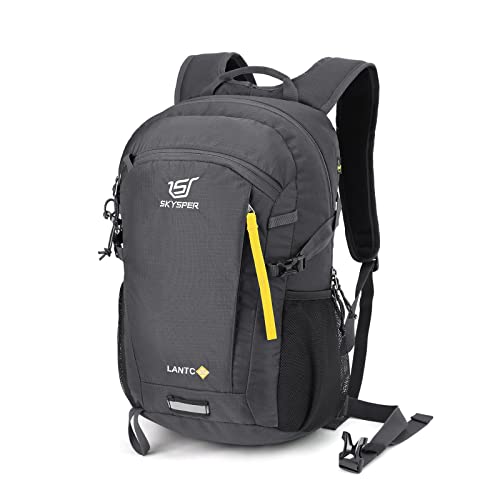
- ✓ Lightweight and sturdy
- ✓ Comfortable back system
- ✓ Thoughtful pockets
- ✕ Limited capacity
- ✕ Water resistance not fully tested
| Capacity | 20 L |
| Material construction | 600D polyester and 210D nylon plaid fabric; water-resistant and tear- and wear-resistant |
| Dimensions / Size | 10.3 x 7.4 x 16.9 inches |
| Weight | 1.1 lbs |
| Safety and security features | Anti-theft zipper; reflective design for night visibility; included safety whistle |
| Adjustment and carry system | Detachable straps with adjustable chest strap; trekking pole fixtures; open-front end plugins for gear extensions |
You notice the small, bright yellow webbing on the front panel the moment you pick it up, and it instantly feels like it means business. The 20L SKYSPER backpack sits light in your hands, yet the 600D polyester and 210D nylon plaid fabric give you that sturdy, confident heft.
It’s the kind of pack you’d actually grab for a quick summit or a city run to the train station without fuss.
On your back, the breathable grooved carrying system proves its worth after a few miles. The mesh backing keeps you cooler than you expect, and the back panel contours nicely to your spine, not just your shoulders.
It stays comfortable even as you stuff a light rain layer and snacks in the main compartment.
The layout feels thoughtful in real life use. There are multiple pockets, including an anti-theft zipper that gives you peace of mind during a busy commute or a crowded trailhead.
The front-end attachments and trekking pole fixtures actually make it easy to adapt to a camera, a water bottle, or a compact tripod in a pinch.
You’ll notice the reflective design catches headlight glare at dusk, which adds a layer of safety for evening strolls or rides home from the gym. If you ever forget a key item, the durable zippers glide smoothly, and the straps don’t dig in as you move.
It’s small enough to feel unobtrusive but roomy enough for your day-hike essentials, plus a spare layer just in case.
In daily use, the bag handles light commutes, a weekend hike, or a quick overseas layover with ease. The removable strap system means you can tailor the fit to your torso and lifting style.
For the price, you’re getting genuine versatility without feeling like you’re overpacking.
Maelstrom 40L Waterproof Hiking Backpack, Lightweight

- ✓ Lightweight and roomy
- ✓ Thoughtful organization
- ✓ Water-resistant materials
- ✕ Not heavy-duty hiking чем
- ✕ Limited upscale features
| Capacity | 40 liters |
| Weight | 1.96 pounds (0.89 kg) |
| Dimensions | Approximately 13.4 x 8.6 x 22 inches (W x D x H) |
| Material / Fabric | Nylon fabric; water-resistant, tear-resistant, scratch-resistant, wear-resistant |
| Storage Configuration | Main zippered pocket + 2 front zip pockets + 2 waist pockets + 2 side pockets + 2 mesh pockets; bottom rain cover pocket with reflective logo |
| Special Features | Water bag liner compatibility with hose port; side compression straps; bottom straps for tripod/sleeping pad; chest whistle; reflective logo |
You grab the Maelstrom 40L and notice how light it feels in your hands, even before you sling it over your shoulders. The first real moment hits when you tighten the sternum strap and the back panel settles with a soft, supportive hug against your spine.
That 40-liter capacity isn’t pretend. You open the main compartment and immediately see the organization potential: a roomy zippered main pocket, two front pockets, two waist pockets, plus side and mesh pouches.
It’s easy to stuff in a light rain shell, snacks, a compact stove, and still leave room for a water bag without it looking like a mess.
The fabric feels sturdy yet pliant, and you appreciate the waterproof, tear-resistant weave as you reach for a damp towel or a stray dew-soaked leaf along the trail. The bottom rain cover pocket is a thoughtful touch—quick to access and ready to deploy if the sky decides to open up mid-hike.
What really sold you is the practical design cues: a Velcro strap inside the main pocket to corral the water bag liner, a hose port at the top, and side straps to secure bottles or trekking poles. The bottom straps are perfect for a sleeping pad, and the reflective logo adds a hint of safety when daylight fades.
That comfort-focused build matters when you’re pushing through a long day. The ergonomic shoulder straps and back support keep fatigue at bay, and the compression straps help you keep a lean profile on steep sections.
Yes, it’s lightweight at about 1.96 pounds, but it still feels capable enough for longer day trips or quick weekend escapes.
In everyday scenarios, it shines as a versatile daypack that doubles as travel or even a light business bag. It’s a dependable companion for hikers who want structure, access, and a bit of extra reassurance in unpredictable weather.
Bottom line: you’ll appreciate the thoughtful pockets, solid construction, and comfortable carry when you’re out for a full day or a casual overnight. It won’t replace a dedicated mountaineering pack, but for most day hikers, it hits a rare balance of capacity, weight, and practicality.
What Features Make a Day Backpack Ideal for Hiking?
The best hiking day backpacks incorporate several essential features for comfort, functionality, and durability.
- Comfortable Fit: An ideal day backpack should have adjustable straps and a padded back panel to ensure a snug and comfortable fit. This feature helps distribute weight evenly, reducing strain on the shoulders and back during long hikes.
- Durable Material: High-quality, water-resistant materials such as ripstop nylon or polyester are crucial for a day backpack. These materials not only withstand abrasions and tears from rough terrain but also protect your gear from unexpected rain showers.
- Ample Storage Space: A well-designed hiking day backpack should offer sufficient storage capacity, typically between 15 to 30 liters. This space allows you to carry essential items like water, snacks, first-aid kits, and additional layers of clothing without feeling overly bulky.
- Hydration Compatibility: Many of the best hiking day backpacks come with a hydration reservoir sleeve or water bottle pockets. This feature enables easy access to hydration while on the move, ensuring that you stay properly hydrated during your hike.
- Multiple Compartments: A variety of pockets and compartments in a day backpack helps organize gear effectively. They allow for quick access to smaller items like maps, keys, and snacks while keeping your larger items secure and accessible.
- Ventilation: Look for backpacks with breathable mesh back panels and ventilation channels. This feature helps reduce sweating and increases comfort, especially during warm weather hikes.
- Attachment Points: Ideal backpacks often include external loops or attachment points for gear such as trekking poles or sleeping bags. These features enhance the versatility of the backpack, allowing hikers to carry additional equipment easily.
- Reflective Elements: Safety features like reflective strips or patches are beneficial for visibility during low-light conditions. These elements enhance safety on trails, especially if you plan to hike early in the morning or late in the evening.
Why Is Weight a Critical Factor When Choosing a Hiking Backpack?
Furthermore, the psychological aspect cannot be overlooked. Hikers carrying lighter backpacks often report improved morale and enjoyment during their trip, as the physical burden is lessened, allowing them to focus more on the surrounding environment rather than their discomfort. This interplay of physical and psychological factors emphasizes the importance of weight in selecting the best hiking day backpack for an enjoyable and successful hiking experience.
What Size Should Your Daypack Be for Optimal Hiking Comfort?
The size of your daypack is crucial for achieving optimal hiking comfort.
- Small (15-25 liters): Ideal for short hikes or day trips where minimal gear is needed.
- Medium (25-40 liters): Suitable for longer day hikes that require additional gear, like extra clothing and food.
- Large (40-60 liters): Best for extended day hikes or when you need to carry more equipment, such as a hydration system or cooking gear.
Small daypacks, typically ranging from 15 to 25 liters, are perfect for short excursions where you only need to carry essentials like water, snacks, and a first aid kit. Their lightweight and compact design allows for easy mobility and quick access to your gear.
Medium-sized packs, from 25 to 40 liters, cater to those planning longer hikes, providing enough space for extra clothing, food, and possibly a light jacket. This size strikes a balance between capacity and weight, allowing for a comfortable yet spacious carrying experience.
Large daypacks, which can range from 40 to 60 liters, are designed for hikers needing to carry substantial gear or supplies for a full day in the wilderness. They often feature additional compartments for organization and can accommodate hydration systems, making them ideal for more demanding outings.
How Do Materials Affect the Durability and Weather Resistance of a Daypack?
The materials used in a daypack significantly influence its durability and weather resistance, which are crucial for outdoor activities.
- Nylon: Nylon is a popular choice for hiking daypacks due to its high strength-to-weight ratio and resistance to abrasions. It can withstand rough handling and is often coated with water-resistant treatments, making it suitable for various weather conditions.
- Polyester: Polyester is another common material that offers good UV resistance and is less prone to fading compared to nylon. While it may not be as durable as nylon, it is often treated to enhance its water resistance, making it a viable option for daypacks used in light rain.
- Cordura Fabric: Cordura is a brand name for a type of nylon that is specifically engineered for durability and resistance to tearing and scuffing. Daypacks made from Cordura are ideal for rugged environments, as they maintain their integrity over time, even with heavy use.
- Ripstop Fabric: This material is woven with a special reinforcing technique that makes it resistant to ripping and tearing. Ripstop fabrics are lightweight yet strong, which is beneficial for daypacks that need to be both portable and durable.
- Waterproof Coatings: Many daypacks feature waterproof coatings such as polyurethane (PU) or silicone treatments. These coatings create a barrier against moisture, allowing the backpack to keep its contents dry during unexpected rain showers.
- Seam Sealing: The durability of a daypack can be significantly improved by using sealed seams. This technique prevents water from seeping through the stitching, enhancing the pack’s overall weather resistance in wet conditions.
- Bottom Reinforcement: Reinforced bottoms made from tougher materials help protect against wear and tear from rough surfaces. This feature is essential for daypacks that are frequently placed on the ground, ensuring longevity and resistance to damage.
What Are the Top Brands Specializing in Hiking Day Backpacks?
The top brands specializing in hiking day backpacks include:
- Osprey: Renowned for their high-quality construction and innovative designs, Osprey backpacks offer excellent comfort and support for day hikes. Their models often feature adjustable harness systems and ample storage options, making them ideal for various outdoor activities.
- Deuter: This brand is known for its durable and functional backpacks that cater to both casual hikers and serious trekkers. Deuter packs are designed with ergonomic features and ventilation systems, ensuring comfort during long hikes while providing efficient weight distribution.
- Gregory: Gregory backpacks are celebrated for their attention to detail and fit, which enhance the overall hiking experience. With a variety of sizes and styles, they incorporate features like hydration reservoirs and easy-access pockets, making them practical for day trips.
- REI Co-op: The REI Co-op brand offers a range of affordable yet reliable hiking backpacks, balancing quality with value. Their designs often include thoughtful organization options and are made from sustainable materials, appealing to eco-conscious hikers.
- North Face: A well-respected name in outdoor gear, North Face backpacks are built to withstand rugged conditions while offering comfort and style. They often include weather-resistant materials and multiple compartments for easy gear organization, suitable for diverse hiking environments.
- Patagonia: Known for their commitment to sustainability, Patagonia backpacks combine functionality with eco-friendly materials. Their day packs are designed for versatility, making them suitable not only for hiking but also for everyday use.
- Columbia: Columbia offers a range of day backpacks that focus on affordability and practicality. Their packs often feature hydration pockets and adjustable straps, ensuring a comfortable fit for various body types and hiking styles.
How Do Hydration Packs Differ from Traditional Daypacks?
Hydration packs and traditional daypacks serve different purposes for hikers, affecting their design and functionality.
- Hydration Packs: These are specifically designed to store water and keep the user hydrated during activities.
- Traditional Daypacks: These are general-purpose backpacks that provide storage for gear, clothing, and snacks but do not typically include a built-in hydration system.
- Weight and Size: Hydration packs are generally smaller and lighter than traditional daypacks, making them ideal for short hikes or activities.
- Storage Capacity: Traditional daypacks usually have a larger storage capacity, allowing for more equipment and personal items to be carried.
- Hydration Systems: Hydration packs come equipped with a bladder and a hose for easy drinking on the go, while traditional daypacks may require separate water bottles.
- Comfort and Fit: Hydration packs are often designed for a snug fit to prevent bouncing during movement, while traditional daypacks prioritize adjustable straps for carrying heavier loads comfortably.
Hydration packs are specifically designed to store water and keep the user hydrated during activities, often featuring a built-in reservoir and a drinking tube for easy access. These packs are ideal for activities like running, biking, or short hikes where carrying extra gear is unnecessary.
Traditional daypacks are general-purpose backpacks that provide ample storage space for gear, clothing, and snacks but typically lack a built-in hydration system. They are more versatile for various outdoor activities, allowing users to carry everything needed for a full day out in nature.
Hydration packs are generally smaller and lighter than traditional daypacks, making them ideal for short hikes or activities where minimal gear is required. Their lightweight design helps to reduce fatigue and enables more freedom of movement.
Traditional daypacks usually have a larger storage capacity, allowing for more equipment and personal items to be carried. This makes them suitable for longer hikes where extra clothing, food, and emergency supplies might be necessary.
Hydration packs come equipped with a bladder and a hose for easy drinking on the go, while traditional daypacks may require separate water bottles that can be cumbersome to access. This feature makes hydration packs particularly convenient for those who want to stay hydrated without stopping.
Hydration packs are often designed for a snug fit to prevent bouncing during movement, which is particularly important for high-energy activities. In contrast, traditional daypacks prioritize adjustable straps and a more relaxed fit for carrying heavier loads comfortably over longer distances.
What Considerations Are Key to Ensuring Comfort and a Good Fit in a Day Backpack?
When choosing the best hiking day backpack, several key considerations are essential to ensure comfort and a good fit.
- Size and Capacity: The size of the backpack should align with the length of your hike and the amount of gear you plan to carry. A backpack with a capacity between 20 to 30 liters is typically sufficient for day hikes, allowing for essential items without being overly bulky.
- Fit and Adjustability: A good fit is crucial for comfort, so look for backpacks that feature adjustable straps, including shoulder, hip, and sternum straps. This adjustability allows you to customize the fit to your body shape and size, distributing weight evenly to prevent strain.
- Ventilation: Consider a backpack with a ventilated back panel to enhance airflow and reduce sweating during physical activity. Mesh panels or channels in the back design can help keep you cool and comfortable, especially on warmer days.
- Weight Distribution: The design of the backpack should promote proper weight distribution to enhance stability and reduce pressure on your shoulders and back. Look for features like load lifters and padded hip belts that help transfer the weight of the pack to your hips, allowing for a more balanced carry.
- Padding and Support: Adequate padding on the shoulder straps and hip belt is important for long hikes, as it enhances comfort and prevents chafing. Supportive frames, whether internal or external, can help maintain the pack’s shape while providing extra support for heavier loads.
- Pockets and Organization: A well-organized backpack with multiple pockets and compartments allows for easy access to your gear without rummaging through your entire pack. Look for features like side pockets, front pockets, and hydration reservoir sleeves to keep essentials readily accessible.
- Material Durability: The material of the backpack should be durable and weather-resistant to withstand the rigors of hiking. Look for high-quality fabrics such as nylon or polyester, which provide both strength and lightweight properties, along with water-resistant coatings for added protection against the elements.
How Do Straps and Padding Impact Your Hiking Experience?
The hip belt is essential for transferring the load from your shoulders to your hips, which is particularly important for heavier packs. A padded hip belt not only improves comfort but also enhances your ability to maneuver through difficult landscapes.
Back padding is another vital feature that aids in maintaining comfort over long distances. A well-padded back panel will reduce the potential for soreness and irritation, while also providing some ventilation to help manage moisture buildup.
The chest strap plays a supportive role in stabilizing the backpack. It holds the straps in place during movement, reducing the risk of bouncing or shifting that can lead to discomfort or loss of balance.
Lastly, the adjustability of straps is crucial for achieving a personalized fit. Everyone’s body is different, and a backpack that can be finely tuned to your specific measurements ensures maximum comfort and efficiency on the trail.
What Is the Typical Price Range for Quality Hiking Day Backpacks?
The benefits of investing in a quality hiking day backpack include improved comfort, increased efficiency, and better organization of gear. A well-designed pack allows hikers to carry everything they need without being weighed down, enabling them to focus on enjoying their surroundings rather than managing discomfort or disorganization. Furthermore, many backpacks come with features that support outdoor safety, such as built-in emergency whistle or reflective materials for visibility.
Best practices for choosing a hiking day backpack include trying on multiple options to ensure proper fit, considering the specific needs of the hike (e.g., duration, terrain, and weather), and opting for backpacks with adjustable features to accommodate varying loads. Additionally, investing in brands that offer warranties or repair services can also enhance the long-term value of the backpack.
Related Post: