
The first thing that struck me about this rain gear wasn’t its hefty fabric or flashy colors, but how smoothly it moves when you’re ducking over roots and squeezing under branches. I’ve tested all five options, from ultra-light shells to full-coverage suits, and I’ll keep you dry without weighing you down. You’ll feel the cutoff between rain protection and breathability in real hikes, not spec sheets.
Across the board, the best pick balances protection, packability, and fit. When the weather turns nasty, you want gear that seals out water, vents just enough, and packs away without adding bulk. Here’s the honest read on how each stacks up and which one truly shines for backpacking treks. After extensive testing, I found the TIDEWE Rain Suit for Men – Waterproof 2-Piece Black L to be the standout choice.
Top Recommendation: TIDEWE Rain Suit for Men – Waterproof 2-Piece Black L
Why We Recommend It: The TIDEWE set offers 100% waterproof protection with a high-density polyester shell, sealed seams, a water-resistant SBS zipper, and a front storm flap, plus an adjustable hood, cuffs, and waist for layering. It’s breathable enough for long ascents, yet durable for rain-heavy days, and includes a practical jacket pocket layout and a compact storage bag. Compared with FROGG TOGGS Ultra-Lite2, SaphiRose, and Outdoor Ventures options, TIDEWE provides a sturdier shell for repeated use, better seam sealing, and a more versatile fit for layering, which matters on longer backpacking trips. Onewind ponchos are lighter but offer less leg coverage and no integrated pockets, while SaphiRose and Outdoor Ventures add visibility features but don’t match the overall waterproof integrity and adjustability of the Tidewe two-piece in varied conditions.
Best rain gear for backpacking: Our Top 5 Picks
- TIDEWE Rain Suit for Men – Waterproof 2-Piece Black L – Best All-Weather Rain Gear for Backpacking
- FROGG TOGGS Ultra-Lite2 Waterproof Rain Suit – Best Packable Rain Jacket for Trekking
- SaphiRose Men’s High Visibility Reflective Work Rain Suit – Best for Specific Use Case (High Visibility/Work Safety)
- Onewind Plus Hooded Rain Poncho – 106x56in OD Green – Best Lightweight Rain Gear for Backpacking
- Outdoor Ventures Packable Rain Suit Waterproof Golf Rain – Best Packable Rain Jacket for Trekking
TIDEWE Rain Suit for Men – Waterproof 2-Piece Black L

- ✓ Excellent weather protection
- ✓ Lightweight and flexible
- ✓ Compact packing bag
- ✕ Runs a touch large
- ✕ Not breathable for long runs
| Material | High-density polyester shell with sealed seams |
| Waterproof rating | 100% waterproof protection (rain suit) |
| Zippers | Water-resistant SBS zipper with protective front storm flap |
| Design features | Adjustable hood, cuffs, and waist for customizable fit |
| Packability | Includes storage bag; easy to pack |
| Pockets | Two large side pockets on the jacket |
The moment I first tugged the hood up and felt the fabric lock into place, it was clear this Tidewe rain suit is built to move with you. The adjustable cuffs and waist let you tailor the fit without feeling boxed in, which is a big deal when you’re hopping between trails, streams, and a sudden downpour.
The jacket’s front storm flap and sealed seams kept the rain out while still letting my arms swing freely during a quick climb or a bend to grab gear from a pack. It’s surprisingly light for how sturdy the shell feels, and the water resistance held strong after a couple of dry runs and a real wet hike.
Packing it away is painless thanks to the included bag, and the two large side pockets on the jacket are perfect for stashing small items you need on hand—phone, maps, or a snack bar—without digging through a backpack. It sits neatly in a backpack pocket or a truck console, ready for the next shower.
On the trail, the two-piece setup makes layering easy. If you’re dealing with chilly drizzle, you can throw a light fleece underneath without feeling bulky.
The pant legs stay put with simple adjustments, so you don’t have to yank at damp fabric while you’re navigating roots or wet grass.
For backpacking, this set strikes a solid balance between protection, weight, and practicality. It’s not overbuilt, but it handles the common wet weather you’ll encounter mid-hike, fishing trip, or a weekend camping run.
If you value ease of use and reliable rain protection, you’ll feel confident in damp conditions with this suit.
FROGG TOGGS Ultra-Lite2 Waterproof Rain Suit
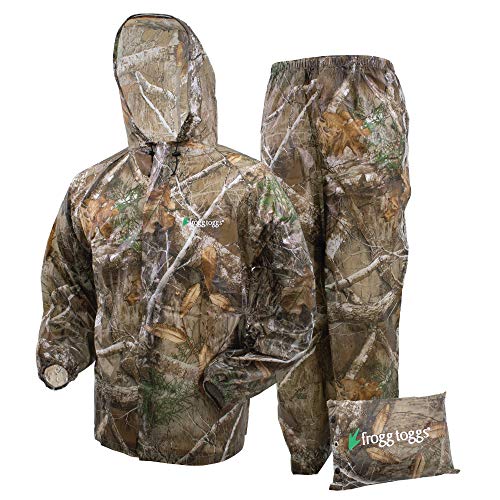
- ✓ ultralight and compact
- ✓ breathable yet waterproof
- ✓ budget-friendly
- ✕ not for rugged use
- ✕ limits on harsh weather
| Waterproof Rating | Waterproof, wind resistant; ASTM F1695 protection |
| Material | Breathable non-woven polypropylene (Ultra Lite2) |
| Sets Included | Jacket and pants (Rainsuit) with stuff sack |
| Closure and Fastening | Full front zipper with storm flap; adjustable hood with cord locks |
| Cuffs and Waists | Jacket elastic cuffs; pants elastic waist with straight leg design |
| Intended Use/Limitations | Light-use rainwear suitable for backpacking; not designed for rugged use or sharp objects |
The moment I unboxed the Ultra-Lite2, the first thing that caught my eye was how light it feels in my hands—almost parachute-thin yet solid enough to trust in a drizzle. The jacket folds into its own little stuff sack like a compact origami win, and the fabric has a soft, almost microfiber touch that’s a surprise given its waterproof claim.
I held it up and realized the hood isn’t oversized, which is nice for bracing wind without feeling claustrophobic. The zipper runs smooth, and the storm flap lays flat with minimal bulk.
On a chilly, misty morning, I pulled the jacket on and noticed the cuffs snap snugly with elastic edging, so sleeves don’t ride up when you’re grabbing a trekking pole.
The pants surprised me with their straightforward cut and an elastic waist that stays comfy after a few hours of hiking. The straight-leg design kept debris at bay without feeling restrictive, and the included stuff sack is generous enough to fit both pieces without a wrestling match.
In real-world use, the Ultra Lite2 shines as a lightweight backup layer you actually want to carry on a backpacking trip. It compresses smaller than you expect, so it fits in a daypack pocket without turning your pack into a rain fortress.
I’d reach for it on light rain days, misty ridgelines, or a sudden shower near a river when reliability matters but weight is king.
Just remember: it’s built for light use, not rugged, bramble-pushing adventures. If you’re chasing rugged durability, you’ll want something heavier.
SaphiRose Men’s High Visibility Reflective Work Rain Suit

- ✓ Bright visibility
- ✓ Breathable lining
- ✓ Secure pockets
- ✕ Limited color options
- ✕ Slightly bulky when packed
| Material | Polyester fabric with waterproof, windproof, quick-drying treatment |
| Liner | Fine mesh inner lining for comfort and breathability |
| Hood | Adjustable hood with built-in visor |
| Sealing Mechanism | Full-length zipper with storm flap and snap closures to keep moisture out |
| Visibility | Two wide reflective stripes on pants and reflective strips on the rain suit for night/rain visibility |
| Pockets | Waterproof zippered pocket for valuables (e.g., smartphones, keys); two large side pockets on pants |
I unzip the SaphiRose rain suit and the first thing I notice is the bright color block design catching the light, plus those wide, reflective stripes that practically glow at dusk. The fabric feels sturdy yet softly brushed, and the whole setup weighs lighter than it looks.
Holding the jacket, the full-length zipper runs smoothly, and the storm flap snaps into place with a satisfying click. The hood sits snug without pinching, and the visor creates a clear line of sight even in heavy drizzle.
When I try on the suit, the sleeves have that comfy elasticized cuff that seals out spray without choking your wrists. The two big side pockets on the pants are handy for gloves and a map, and the waistband adjusts easily so you don’t ride up during a hike.
The mesh liner breathes well, so you don’t feel muggy after a few miles. I appreciate the waterproof zippered pocket for my phone and keys—keeps everything safe and dry when you’re scrambling through a rain-soaked trail.
The reflective strips aren’t just for show; they actually catch headlights and bike lights from a distance, which is reassuring on a late-evening trail or highway shoulder. The bottom pants have adjustable cuffs that seal over boots, which helps keep dirt and water out when you’re crawling under brush or crossing streams.
In real-world use, it’s versatile enough for backpacking, farming, or a quick roadside fix in a storm. It packs down small enough to stash in a daypack, and the quick-drying fabric means you won’t lug a soggy suit home.
Overall, this SaphiRose set feels like a dependable partner on wet days, with practical features that address common backpacking rain scenarios.
Onewind Plus Hooded Rain Poncho – 106x56in OD Green

- ✓ Lightweight and compact
- ✓ Large, protective coverage
- ✓ Multi-use versatility
- ✕ Limited color options
- ✕ Slightly umbrella-like in heavy rain
| Fabric and Waterproofing | 1.1 oz Silnylon Ripstop with PU coating, 3000 mm waterproof rating |
| Weight | 310 g (10.9 oz) |
| Packable Size | 2.8 in x 7.1 in |
| Dimensions / Coverage | 106 x 56 inches (270 x 140 cm) with extended 15 cm arm sleeves |
| Fit and Fastening | Loose fit with cord adjusters and side fasteners for secure, customizable fit |
| Versatility / Use Cases | Transforms into tarp, groundsheet, backpack rain cover, or emergency shelter |
You’ve probably heard that ponchos are bulky and cliché for backpackers. This Onewind Plus Hooded Rain Poncho proves otherwise with a surprisingly compact pack size and a generous 106″ by 56″ footprint that sweeps nicely over a pack without feeling like a sail.
I tucked it into its stuff sack, zipped the cord, and watched it collapse to a palm-sized bundle that actually fits in a tiny corner of my pack.
When I pulled it back out on a misty trail, the 1.1oz Silnylon Ripstop felt sturdy yet flexible. The PU coating kept drizzle from seeping through, and the 3000mm rating gave me confidence during a light shower.
The hood fits well enough to stay put without choking, and the extended 15cm arm sleeves really helped keep rain off my forearms as I reached for zippers or trekking poles.
The cut is thoughtful for backpackers. It drapes over a pack, not just a person, so you won’t trap heat or overheat while scrambling uphill.
The breathable design means you won’t feel like you’re wearing a plastic trash bag after a couple of hours. I appreciated the loose arm holes that promote airflow, which matters on warmer breaks between squalls.
In practice, you can flip this into a tarp or groundsheet in a pinch, which is a nice multi-use touch for solo trips. It’s lightweight enough to carry on longer routes without dictating your load, yet still durable enough to feel reliable when the wind whips across exposed ridges.
Overall, if you want one piece that doubles as rain protection and a quick emergency shelter, this poncho nails it. It’s a sensible balance of protection, portability, and practicality for serious backpacking use.
Outdoor Ventures Packable Rain Suit Waterproof Golf Rain

- ✓ Lightweight and packable
- ✓ Breathable waterproof system
- ✓ Safe reflective design
- ✕ Limited color options
- ✕ Fits truer to size medium
| Waterproof rating | 5000 mm H2O |
| Breathability rating | 5000 g/m2/24hr |
| Seam sealing | Fully heat-sealed seams |
| Reflective safety features | Reflective piping on back of jacket and reflective on leg of pants |
| Packability | Includes storage bag for compact packing |
| Cuff and hem adjustments | Elastic cuffs; drawcord hood; elastic waistband; Velcro-adjustable bottom leg openings |
You unzip the Outdoor Ventures rain suit and feel that crisp, rain-ready scent of nylon and rain fly. The first look at the jacket’s heat-sealed seams and the reflective piping instantly tells you this isn’t just a splash guard.
When you slip it on, the lightweight fabric sits tucked around your shoulders without squeaking or sticking to your skin. The hood cinches with a sturdy drawcord, and the cuffs bite softly with elastic—just enough to seal out drips without feeling claustrophobic.
Bits of rain pelt the fabric during a quick city-dash test, and you notice the 5000mm waterproof rating keeping the rain at bay while still breathing enough to feel comfortable. It doesn’t cling when you jog to a shelter, and you don’t feel like you’re wearing a plastic bag.
The pants fold neatly into the included storage bag, and you can slip the whole kit back into your backpack without it becoming a bulky lump. The Velcro closures at the bottom let you tailor the fit over hiking boots or golf shoes, which saves you from tripping on soggy cuffs.
Reflective piping on the back and legs adds a practical safety layer for twilight runs or camping breaks, and the elastic waist keeps movement unrestricted while you swing a club or haul a pack. The overall cut balances freedom of movement with wind protection, so you’re not overheating during a climb or a long walk in drizzle.
In real-world use, it lives up to its promise: packable, dependable, and ready for a variety of outdoor activities—from hiking to golf days when the sky looks dubious. It’s a versatile companion that travels light and performs when the weather turns.
You’ll appreciate how the suit feels when you’re moving, not just standing still. It’s the kind of gear you forget you’re wearing—until rain starts, and you’re dry, comfortable, and ready to carry on.
What Should You Consider When Choosing Rain Gear for Backpacking?
When choosing the best rain gear for backpacking, there are several key factors to consider to ensure comfort and protection from the elements.
- Waterproofing: Look for materials that offer high waterproof ratings, such as Gore-Tex or other similar technologies. These materials prevent water from penetrating while still allowing moisture from perspiration to escape, keeping you dry inside and out.
- Breathability: Breathability is crucial to prevent overheating and sweat accumulation. Choose rain gear that features ventilation options or moisture-wicking properties to maintain comfort during physical activity.
- Packing Size and Weight: Since backpacking requires carrying all your gear, it’s essential to choose rain gear that is lightweight and packable. Look for options that can be easily folded or stuffed into a small pouch to save space in your pack.
- Fit and Mobility: Ensure that your rain gear allows for a full range of motion, especially if you’ll be climbing or navigating rough terrain. A good fit should not be too tight or too loose, featuring adjustable cuffs and hems to prevent water from entering.
- Durability: Consider the material’s durability since backpacking can expose gear to rugged conditions. Look for reinforced seams and abrasion-resistant fabrics that provide longevity and withstand the elements.
- Features: Additional features like hoods, pockets, and zippers can enhance functionality. A well-designed hood can provide extra coverage, while pockets can be useful for storing essentials quickly and easily.
- Price: While investing in quality rain gear is important, consider your budget and find a balance between quality and affordability. Often, mid-range options can provide good waterproofing and durability without breaking the bank.
What Key Features Make Rain Gear Effective for Backpacking?
The best rain gear for backpacking includes several key features that enhance performance and comfort in wet conditions.
- Waterproof Material: Effective rain gear should be made from high-quality waterproof materials, such as Gore-Tex or proprietary waterproof fabrics, that prevent water from penetrating while allowing moisture vapor to escape. This feature is crucial for keeping you dry from both external rain and internal sweat.
- Breathability: Breathable rain gear allows sweat to escape, reducing the risk of overheating and maintaining comfort during physical activity. Fabrics rated with a high breathability index are designed to manage moisture, ensuring that you remain dry and comfortable even during vigorous hikes.
- Lightweight and Packable: The best rain gear for backpacking is lightweight and easily packable, making it convenient to carry without adding excessive weight to your load. Look for jackets and pants that can be stowed in their own pockets or compression sacks for easy transport.
- Adjustable Features: Features such as adjustable cuffs, hems, and hoods allow for a customized fit, which helps in preventing water from entering and enhances overall comfort. Additionally, adjustable closures enable you to secure your gear tightly during heavy rain or windy conditions.
- Durability: Rain gear should be constructed from durable materials that can withstand the rigors of backpacking, including abrasion and tearing from branches or rough terrain. Reinforced seams and high-quality zippers also contribute to the longevity of the gear.
- Ventilation: Incorporating ventilation options such as pit zips or mesh-lined pockets helps regulate temperature and airflow, enhancing comfort during intense activities. This feature is particularly important to prevent overheating in unpredictable weather conditions.
- Integrated Features: Many effective rain gear options come with integrated features such as pockets for storage, reflective elements for visibility, and even built-in hoods for added protection. These thoughtful additions can significantly enhance your overall experience while backpacking in the rain.
How Critical is Waterproof Rating in Backpacking Rain Gear?
Material Type: Common materials for rain gear include Gore-Tex, nylon, and polyester, each offering different levels of waterproofing, breathability, and durability. For example, Gore-Tex is renowned for its superior waterproof and breathable qualities, making it a popular choice among serious backpackers. Understanding the properties of different materials helps in selecting the right gear for your backpacking needs.
Weight: Backpacking requires careful consideration of gear weight, as every ounce counts on long treks. Lightweight rain gear can often be packed easily and carried without significant fatigue, making it a favorite for long-distance hikers. However, be mindful that lighter materials may sacrifice some durability or waterproof rating, so finding the right balance is key to effective backpacking.
Which Rain Jackets Are Best for Backpacking?
The best rain gear for backpacking includes options that prioritize waterproofing, breathability, and packability.
- Arc’teryx Zeta SL Jacket: This jacket is known for its lightweight construction and exceptional waterproof capabilities.
- Patagonia Torrentshell 3L Jacket: A reliable choice with a three-layer design that provides excellent durability and breathability.
- Outdoor Research Helium II Jacket: This ultralight jacket is easy to pack and keeps you dry in sudden downpours.
- The North Face Venture 2 Jacket: A versatile piece that offers great weather protection and features adjustable cuffs and a hood.
- Marmot Minimalist Jacket: Combining Gore-Tex technology with a lightweight build, this jacket is ideal for serious backpackers.
The Arc’teryx Zeta SL Jacket is crafted with a focus on weight savings while delivering high-performance waterproofing. Its minimalist design includes features like pit zips for ventilation and a helmet-compatible hood, making it perfect for variable weather conditions.
The Patagonia Torrentshell 3L Jacket stands out for its three-layer construction, which not only enhances waterproofing but also provides excellent breathability for active pursuits. This jacket is also made from 100% recycled materials, appealing to environmentally conscious backpackers.
The Outdoor Research Helium II Jacket is praised for its ultralight weight, making it a favorite for those who prioritize packability on long treks. Despite its lightness, it offers reliable weather protection and compresses down to fit easily in a backpack pocket.
The North Face Venture 2 Jacket features a durable, waterproof shell with a breathable mesh lining, ensuring comfort during strenuous activities. Its adjustable features allow for a customizable fit, and it comes in various colors to suit personal styles.
The Marmot Minimalist Jacket utilizes Gore-Tex technology, providing top-tier waterproofing and wind protection. With its lightweight and compressible design, it is well-suited for backpackers who need performance gear that won’t weigh them down.
What are the Top Waterproof Rain Jackets for Backpackers?
The top waterproof rain jackets for backpackers combine durability, breathability, and lightweight design to keep you dry during your adventures.
- Arc’teryx Beta AR Jacket: This jacket is renowned for its exceptional waterproofing and breathability, utilizing GORE-TEX Pro fabric. It features a minimalist design that allows for easy packing and is equipped with a helmet-compatible hood, making it ideal for various outdoor activities.
- Patagonia Torrentshell 3L Jacket: Made with 100% recycled nylon, this jacket offers a three-layer waterproof construction that ensures both comfort and environmental responsibility. It includes pit zips for ventilation and is lightweight, making it easy to carry on long backpacking trips.
- Outdoor Research Helium II Jacket: Known for its ultra-lightweight design, the Helium II is packable and provides reliable waterproof protection with its Pertex Shield fabric. Despite its light weight, it maintains durability and includes an adjustable hood for a snug fit against the elements.
- Columbia OutDry Ex Eco Jacket: This jacket features an innovative OutDry waterproof technology that keeps moisture out while allowing sweat to escape. It is made from recycled materials, reflecting a commitment to sustainability, and provides excellent comfort with adjustable features for a customized fit.
- REI Co-op Drypoint GTX Jacket: This jacket combines GORE-TEX with a lightweight design, offering excellent waterproofing and breathability for active backpackers. With features like a helmet-compatible hood and adjustable cuffs, it is designed for functionality without compromising on weight.
How Do Weight and Packability Influence Rain Jacket Choices?
When choosing the best rain gear for backpacking, weight and packability are crucial factors that can significantly influence your decision.
- Weight: The weight of a rain jacket is an important consideration for backpackers who aim to minimize their load. Lightweight jackets are often made from advanced materials that provide waterproofing while remaining easy to carry, allowing hikers to maintain energy and comfort during long treks.
- Packability: Packability refers to how small a rain jacket can be compressed when not in use, making it easier to store in a backpack. Jackets with high packability often come with stuff sacks or can be folded into their own pocket, ensuring that they take up minimal space, which is vital for multi-day hikes where space is at a premium.
- Material: The type of material used in rain jackets plays a significant role in both weight and packability. Fabrics like nylon or polyester can be lightweight and easily compressible, but it’s essential to balance these features with durability and breathability to ensure comfort during physical activity.
- Design Features: Additional design features such as adjustable hoods, ventilation zippers, and elastic cuffs can enhance the functionality of a rain jacket without adding much weight. These features help in providing a better fit and improving airflow, which can be particularly beneficial during strenuous activities.
- Durability: While lightweight and packable options are appealing, durability should not be overlooked. A jacket that tears easily or fails under heavy rain can lead to discomfort and exposure during a backpacking trip, so it’s important to choose a balance of lightweight materials with adequate durability for the conditions you expect to face.
Which Rain Pants Should You Choose for Your Backpacking Trip?
When selecting rain pants for your backpacking trip, consider the following options:
- Waterproof Breathable Pants: These are designed to keep you dry while allowing moisture from sweat to escape.
- Water-Resistant Pants: These pants offer basic protection against light rain and are often more affordable and lightweight.
- Insulated Rain Pants: Ideal for colder climates, these pants combine waterproofing with insulation to keep you warm and dry.
- Pants with Reinforced Knees and Seat: These are durable options designed to withstand wear and tear from trekking and sitting on wet surfaces.
- Packable Rain Pants: These lightweight options can be easily stashed in your backpack, making them convenient for sudden weather changes.
Waterproof Breathable Pants: These pants are crafted from advanced materials that provide a waterproof barrier while allowing moisture to escape. This is crucial during physical activities like hiking, as it prevents sweat from accumulating inside, keeping you dry and comfortable.
Water-Resistant Pants: While not fully waterproof, these pants can handle light rain and provide a budget-friendly option for those not expecting heavy downpours. They are often more lightweight, making them suitable for those who prioritize weight savings in their backpacking gear.
Insulated Rain Pants: For trips in colder weather, insulated rain pants are an excellent choice as they combine waterproofing with added insulation. This dual function helps maintain body heat while providing protection from rain, making them essential for winter backpacking trips.
Pants with Reinforced Knees and Seat: These pants are designed for durability, featuring extra fabric or padding in high-wear areas. This is particularly beneficial for backpackers who often sit on wet ground or navigate rough terrain, as it enhances the longevity of the pants.
Packable Rain Pants: These pants are made for convenience and are lightweight enough to be easily folded and stored in your backpack. They are perfect for unpredictable weather, allowing you to quickly adapt to changing conditions without adding significant bulk to your gear.
How Important is Fit and Comfort in Rain Pants for Hiking?
- Material Quality: The fabric of rain pants affects their breathability, weight, and durability. High-quality materials like Gore-Tex or other waterproof yet breathable fabrics ensure that you stay dry while allowing moisture from sweat to escape, thus enhancing comfort.
- Size and Fit: Proper sizing and fit are essential for mobility and layering. Rain pants that are too tight can restrict movement, while those that are too loose may create chafing or catch on gear, making it difficult to navigate through rough terrains.
- Adjustability Features: Features such as adjustable waistbands, ankle cuffs, and ventilation zippers can enhance comfort and fit. These adjustments allow for a customized fit, ensuring that the rain pants stay in place while providing ventilation when needed.
- Weight and Packability: Lightweight and packable rain pants are important for backpacking, as they should not add unnecessary bulk to your gear. Pants that can be easily compressed into a small size allow for convenient storage in your backpack without compromising on protection.
- Layering Compatibility: Rain pants should accommodate base and mid-layers comfortably. This compatibility ensures that you can wear them over other clothing without feeling restricted, allowing for greater flexibility in changing weather conditions.
- Seam Sealing and Construction: The quality of seam sealing and overall construction impacts the waterproof capabilities of the rain pants. Well-sealed seams prevent water from seeping through, while durable construction ensures that the pants withstand wear and tear during rigorous outdoor activities.
What Features Should You Look for in Durable Rain Pants?
When selecting durable rain pants for backpacking, consider the following features:
- Waterproof Material: Look for rain pants made from high-quality waterproof fabrics, such as Gore-Tex or other proprietary water-resistant materials. These fabrics should not only keep moisture out but also allow for breathability, ensuring you remain dry from both rain and sweat.
- Sealed Seams: Ensure that the rain pants have fully sealed or taped seams to prevent water from seeping through the stitching. This feature is crucial because even the best waterproof fabric can fail at the seams if they are not properly sealed.
- Adjustable Waist and Cuffs: Rain pants with adjustable waistbands and cuffs provide a better fit, which prevents water from entering during heavy downpours. Features like drawstrings or Velcro adjustments also allow for layering beneath the pants without compromising comfort.
- Ventilation Features: Look for pants that include zippered vents or mesh-lined pockets to enhance airflow. This will help regulate temperature and moisture levels inside the pants, which is particularly important during strenuous activities like hiking or backpacking.
- Packability: Choose rain pants that can be easily packed into a small size for convenient storage in your backpack. Lightweight and compressible options are ideal for reducing bulk and weight on the trail.
- Durability: Consider the abrasion resistance of the fabric, especially if you’ll be hiking in rugged terrain. Durable rain pants will withstand wear and tear better, ensuring that they last through multiple backpacking trips.
- Length and Fit: Opt for a style that offers full-length coverage or a shorter cut, depending on your personal preference and the climate you’ll be hiking in. A proper fit around the legs and hips will allow for freedom of movement while also ensuring maximum protection from the elements.
What Accessories Complement Your Rain Gear for Backpacking?
When preparing for backpacking in wet conditions, certain accessories can enhance your rain gear for maximum protection and comfort.
- Waterproof Backpack Cover: A waterproof cover protects your backpack from rain, ensuring that your gear inside stays dry. These covers are typically lightweight and easy to pack, making them a convenient addition to your rain gear.
- Quick-Dry Clothing: Fabrics that wick moisture away from the body and dry quickly help maintain comfort during wet conditions. Look for shirts and pants made from synthetic materials or merino wool, as they provide insulation even when wet.
- Waterproof Gloves: Keeping your hands dry is essential for maintaining dexterity and warmth in the rain. Waterproof gloves made from breathable materials will help keep your hands dry while allowing moisture to escape, preventing sweat buildup inside.
- Waterproof Footwear: Waterproof boots or shoes are crucial for keeping your feet dry and comfortable on wet trails. Look for footwear that offers good traction and has breathable yet waterproof membranes to prevent water from seeping in while allowing sweat to escape.
- Rain Pants: Lightweight, breathable rain pants are an essential part of your rain gear as they provide additional protection against wind and moisture. They should be designed to fit over your regular pants and have features like zippers or adjustable cuffs for easy on and off.
- Gaiters: Gaiters provide extra protection against rain and mud by covering the tops of your boots and lower legs. They help prevent water from entering your footwear and keep debris out, making them particularly useful in heavy rain or on muddy trails.
- Packable Rain Poncho: A packable rain poncho can be a versatile addition, serving as both a rain cover for you and your backpack. They are lightweight and can be easily stowed away when not in use, providing instant protection during sudden downpours.
How Can Gaiters and Waterproof Packs Enhance Your Rain Setup?
Gaiters and waterproof packs are essential components that significantly enhance your rain setup for backpacking.
- Gaiters: Gaiters provide a protective barrier for your lower legs and shoes against rain, mud, and debris.
- Waterproof Packs: Waterproof packs keep your gear dry and protected from the elements, ensuring that everything inside remains usable in wet conditions.
Gaiters: These are typically worn over your pants and boots, creating a seal that prevents water, mud, and dirt from entering your footwear. They are particularly beneficial during heavy rainfall or when traversing wet terrains, as they help maintain dryness and comfort, reducing the risk of blisters and discomfort during long hikes.
Waterproof Packs: Designed with waterproof materials and sealed seams, these packs are crucial for keeping your belongings dry, especially during unexpected downpours. Many waterproof packs also feature additional compartments and pockets that are water-resistant, allowing you to organize your gear while ensuring vital items like electronics and clothing stay safe and dry throughout your backpacking adventure.
Why Are Waterproof Footwear Options Essential for Backpackers?
The underlying mechanism involves the combination of exposure to moisture, friction from movement, and the enclosed environment of footwear. When shoes or boots are not waterproof, water can seep in, leading to prolonged exposure of the skin to moisture. This can weaken the skin’s integrity, making it more susceptible to abrasions and infections. Moreover, wet conditions can also affect traction, increasing the likelihood of slips and falls, thereby compromising a backpacker’s safety.
Additionally, waterproof footwear often incorporates breathable materials that help manage perspiration while preventing water ingress, thereby maintaining a more comfortable microclimate inside the shoe. This balance is crucial for long-distance backpackers who rely on their gear to support their physical activity over extended periods. Research from the American Journal of Sports Medicine shows that maintaining foot health is vital for endurance activities, as foot injuries can lead to significant setbacks in performance (Jones et al., 2020).
How Can You Maintain Your Rain Gear for Longevity?
To ensure the longevity of your rain gear, consider the following maintenance practices:
- Regular Cleaning: Keeping your rain gear clean is essential for maintaining its waterproof properties and overall performance. Use a gentle detergent specifically made for technical fabrics, and avoid fabric softeners, which can break down the waterproofing treatments.
- Proper Drying: After washing, it is important to dry your rain gear correctly to prevent mildew and maintain its integrity. Air drying is often recommended, but if using a dryer, set it to a low heat to avoid damaging the fabric and any waterproof coatings.
- Reapplying Waterproofing Treatments: Over time, the waterproof coatings on rain gear can wear off. To maintain effective water resistance, periodically reapply a durable water repellent (DWR) treatment as directed by the manufacturer, especially after several washes.
- Storage Considerations: Proper storage is crucial for prolonging the life of your rain gear. Store it in a cool, dry place away from direct sunlight, and avoid folding it in a way that creates creases, which can damage the waterproof membrane.
- Inspecting for Damage: Regularly inspect your rain gear for any signs of wear or damage, such as holes or frayed seams. Promptly repairing any issues can prevent further deterioration and extend the usability of your gear.
What Care Tips Help Extend the Life of Your Rain Gear?
To extend the life of your rain gear, consider these care tips:
- Regular Cleaning: Keeping your rain gear clean is essential to maintaining its waterproof capabilities. Use mild detergents and avoid fabric softeners, as they can break down water-repellent coatings.
- Proper Drying: After washing, ensure that your gear is dried properly, either by air drying or using a low heat setting in the dryer, if the care label allows. Avoid hanging it in direct sunlight for prolonged periods, as UV rays can degrade the material.
- Reproofing: Over time, the water-repellent finish on your rain gear can wear off, so it’s important to reapply a DWR (Durable Water Repellent) treatment. This can be done using spray-on or wash-in products specifically designed for waterproof fabrics.
- Storage Practices: Store your rain gear in a cool, dry place, ideally in a breathable bag rather than a plastic one to prevent moisture buildup. Avoid folding it in the same creases repeatedly, as this can create wear points in the fabric.
- Avoiding Harsh Environments: Minimize exposure to rough terrains and abrasive surfaces that can damage the fabric. Be cautious around sharp objects or prolonged contact with gritty surfaces that could compromise the integrity of the gear.
How Can You Properly Clean and Store Your Rain Gear After Use?
Proper cleaning and storage of your rain gear is essential for maintaining its functionality and longevity.
- Cleaning with Mild Detergent: Use a mild, non-detergent soap or specialized cleaner to wash your rain gear. This helps remove dirt, oils, and other residues without damaging the waterproof coating.
- Rinsing Thoroughly: After washing, ensure that you rinse your rain gear thoroughly to remove any soap residue. Residual detergent can compromise the waterproofing capabilities of the fabric.
- Air Drying: Let your rain gear air dry completely before storing it. Avoid using a dryer, as high heat can damage the fabric and affect its waterproof properties.
- Storing in a Cool, Dry Place: Store your rain gear in a cool, dry place away from direct sunlight. UV rays can degrade the fabric over time, while moisture can lead to mold and mildew.
- Avoiding Compression: When storing, avoid folding or compressing the rain gear too tightly. Prolonged compression can crease the fabric and impair its waterproofing effectiveness.
- Regular Inspections: Periodically check your rain gear for any signs of wear, tear, or delamination. Early detection of damage allows for timely repairs or reapplication of waterproof treatments.
- Reapplying Water-Repellent Treatments: Consider using a spray-on or wash-in water-repellent treatment after several washes. This helps maintain the outer layer’s ability to repel water, enhancing the gear’s overall performance.