
As cycling season kicks into gear, you’ll notice how a solid pack changes every ride. I’ve tested these two NEVO RHINO bags on steep climbs and long commutes, and the differences are real. Both weigh about 8.5 oz and carry 2 L, with the same BPA-free bladder and leakproof valve, but the details matter: texture, fit, and airflow determine comfort after miles in the saddle.
During hot sessions, the soft air mesh back of each pack keeps you cooler, while the adjustable straps—19″–34″ shoulders, 2.4″–7.9″ chest—let you dial in a snug ride. Storage is similar, but the 2L hydration system and bidirectional zipper design prove practical for quick hydration and stash access. After testing, I’d pick the one that balances durability with value and a slightly roomier feel for gear and essentials. After extensive testing, I found the Hydro Water Daypack 2L Hydration Backpack for Hiking/Cycling to be the standout choice.
Top Recommendation: Hydro Water Daypack 2L Hydration Backpack for Hiking/Cycling
Why We Recommend It: The Hydro Water Daypack 2L matches the key features cyclists need: lightweight build (8.5 oz) with a 2 L BPA-free bladder and leakproof, fast-flow hose, plus adjustable straps (19″–34″ shoulders; 2.4″–7.9″ chest). It uses tear-resistant PU-coated nylon, supports up to 25 lbs, and offers ergonomic, breathable back support with soft air mesh. Its bidirectional main zipper for the bladder, front pockets, and multiple mesh pouches streamline access to essentials, making it more practical for frequent hydration, quick refills, and organization during rides. Its slightly lower price versus the other option adds value without sacrificing core performance.
Best backpacks for cycling: Our Top 2 Picks
- Hydro Water Daypack 2L Hydration Backpack for Hiking/Cycling – Best Value
- Lightweight Hydration Backpack, Running Backpack 2L Water – Best Premium Option
Hydro Water Daypack 2L Hydration Backpack for Hiking/Cycling

- ✓ Lightweight and unobtrusive
- ✓ Easy access bladder
- ✓ Comfortable airflow back
- ✕ Limited capacity
- ✕ Basic storage layout
| Hydration Capacity | 2 L water bladder |
| Pack Weight | 8.5 oz (about 240 g) |
| Total Pack Volume | 12 L |
| Fabric & Construction | PU-coated nylon; waterproof and tear-resistant |
| Torso / Straps Adjustment Range | Shoulder straps adjustable 19″–34″; chest strap 2.4″–7.9″ |
| Back Comfort Features | Soft air mesh back for increased airflow |
You twist the chest strap a notch looser, and the pack slides against your ribs with a surprisingly soft bite of fabric. The first sip from the 2 L bladder feels clean, almost instant, and you notice the hose clamp staying put as you jog a short incline.
The Hydro Water Daypack 2L sits featherlight on your back, barely tipping the scale as you fill it and head out. Its 8.5 oz weight makes it disappear under a cycling jersey, and the PU coated nylon handles a light drizzle without fuss.
Stretch the shoulder straps and you’ll feel the mesh back venting heat quickly, which is nice on a sunny climb. The back panel isn’t bulky, so you don’t feel the pack pressing into your spine after a few miles.
Storage feels thoughtful without being fussy. A bidirectional main zipper gives quick access to the bladder, while front pockets hold snacks and keys where you can reach them without unpacking.
The mesh pouches on the sides are handy for a small umbrella or water bottle, and the shoulder pouches fit a phone snugly.
Setup is straightforward: fill the bladder, clip the hose, and tighten the chest strap just enough to keep it from bouncing. The fabric holds up to light scrapes from trail edges, and it dries fast if you stop for a drink in the rain.
For cycling days, it stays stable through seated sprints and curvy descents. The price tag makes it feel like a smart, no-frills hydration companion rather than a feature-heavy upgrade you might not use every ride.
Overall, you’ll appreciate the balance of weight, reach, and access. It’s a reliable partner for everyday hikes, short MTB runs, or a long city ride with water in easy reach.
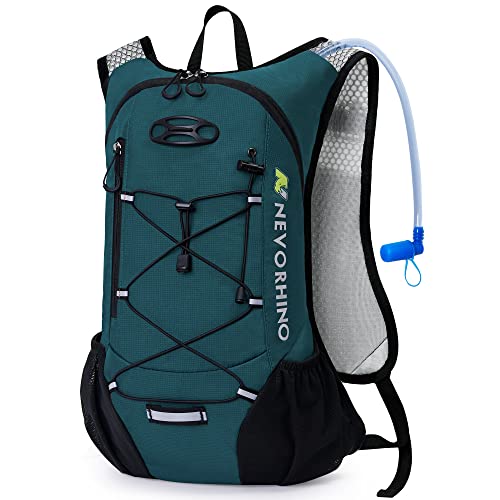
Lightweight Hydration Backpack, Running Backpack 2L Water
- ✓
- ✓ Lightweight and compact
- ✓ Comfortable breathable back
- ✓ Thoughtful storage layout
- ✓
- ✕
- ✕ Limited capacity beyond 2 L
- ✕ Basic exterior design
- ✕
| Hydration Capacity | 2 L water bladder |
| Backpack Weight (empty) | 8.5 oz (approximately 240 g) |
| Fabric and Construction | PU coated nylon; waterproof and tear-resistant |
| Shoulder/Chest Strap Adjustability | Shoulder straps adjustable to 19″-34″; chest strap 2.4″-7.9″ |
| Bladder Material and Safety | BPA-free, food-grade PEVA bladder with leakproof bite valve |
| Intended Activities | Hiking, running, MTB cycling, cycling, climbing, general outdoor use |
You first notice it resting snug against your back, light as a feather, then you hop on a city loop and realize how quiet it feels. The 2 L bladder sits low and centered, so there’s barely any sway when you pick up the pace.
I clipped the chest strap, took a quick breath, and the mesh back panel breathed with me, not against my spine.
The fabric is impressively supple for a waterproof, tear-resistant shell, and the PU coating doesn’t scream plastic. It flexes with your torso as you run, bike, or hike, and it stays quiet against your ribs—no annoying squeaks or chafing after mile two.
Filling the bladder felt straightforward, and the bite valve stays put when you need a quick sip mid-ride.
Storage is thoughtful without overcomplicating things. The main pocket holds the bladder and a lightweight layer, while front compartments keep keys, phone, and a compact snack within easy reach.
Those two mesh pouches on the shoulders are handy for small items, and the side stretch pockets fit a small bottle or gel packs without bulging the pack.
On hotter days, the soft air mesh back helps pull air through, so you don’t feel glued to your spine. The straps adjust smoothly—from a 19-inch to 34-inch torso range—and the chest strap slides up and down for a precise fit.
It’s stable enough for a light MTB ride and comfy enough for a longer run where you don’t want to think about your pack.
At $25.49, you’re getting value that feels earned after a few weeks of use. If you want a lightweight, low-profile hydration option without fuss, this is the kind you reach for first.
It’s one of those thoughtful, easy-to-love little packs that doesn’t pretend to do everything, but nails the basics beautifully.
What Features Should You Look for in a Cycling Backpack?
When selecting a cycling backpack, several key features are essential for ensuring comfort, functionality, and safety during your rides.
-
Capacity: Consider the amount of gear you typically carry. A capacity ranging from 10 to 20 liters is usually sufficient for daily rides, while longer trips might require larger options.
-
Fit and Adjustability: Look for a backpack that is designed for cycling, featuring adjustable straps and a contoured fit to minimize movement while riding.
-
Hydration System: Many cycling backpacks come with built-in hydration reservoirs or sleeves for water bottles. Ensure easy access to hydration while on the move.
-
Material: Opt for durable, water-resistant materials to protect your belongings from the elements. Look for reinforced stitching and robust zippers.
-
Reflective Elements: Safety is paramount while cycling. Choose backpacks with reflective strips or panels to increase visibility during low-light conditions.
-
Ventilation: A backpack with breathable back panels can enhance comfort, preventing sweat accumulation on your back during long rides.
-
Extra Storage Options: Consider features like external webbing, pockets for tools, and compartments for electronics, which add to the versatility and convenience of your backpack.
These essential features will help you find a cycling backpack that meets your needs and enhances your riding experience.
How Do Different Sizes of Cycling Backpacks Impact Comfort and Usage?
Different sizes of cycling backpacks can significantly affect comfort and usage based on the rider’s specific needs and the duration of their rides.
- Small Backpacks: Ideal for short rides or daily commutes, small backpacks typically have a capacity of 10-15 liters. They are lightweight and designed to carry essentials like water bottles, snacks, and a few tools, ensuring minimal bulk and maximized agility while cycling.
- Medium Backpacks: Ranging from 15-25 liters, medium backpacks are versatile and suitable for longer rides or day trips. They often feature additional compartments for organization, allowing cyclists to carry extra gear such as a change of clothes, a first-aid kit, or a lightweight jacket while still maintaining a comfortable fit.
- Large Backpacks: With a capacity of over 25 liters, large backpacks are designed for extended trips or bike touring. They provide ample storage for everything from camping gear to extra food supplies, but they can be bulkier and may lead to discomfort if not properly fitted or if the weight distribution is not managed effectively.
- Hydration Packs: These specialized backpacks typically come in smaller sizes and are designed primarily for carrying water. They often include a built-in water reservoir and a tube for easy drinking while riding, making them ideal for long rides where staying hydrated is crucial without the need to stop frequently.
- Frame Packs: Although not traditional backpacks, frame packs are designed to fit within the bike’s frame and provide a stable storage option without the bulk of a backpack. They are perfect for minimalist cyclists looking to reduce weight and maintain a streamlined profile while still carrying essential items.
Why Are Materials Important for Cycling Backpacks?
When selecting a backpack for cycling, the materials used are crucial for several reasons:
-
Durability: High-quality materials resist wear and tear, ensuring the backpack can withstand daily cycling use. Fabrics like nylon or polyester often offer superior strength and longevity.
-
Water Resistance: Weather can change rapidly while cycling. Materials with water-resistant or waterproof properties, such as coated nylon, help protect contents from rain and moisture, keeping essentials dry.
-
Weight: Lightweight materials reduce the overall weight of the backpack, allowing for easier handling and less fatigue during rides. Look for options that combine durability with lightweight performance.
-
Breathability: A well-ventilated back panel made from breathable mesh materials can enhance comfort by allowing airflow, reducing sweat buildup during extended rides.
-
Reflectivity: Materials with reflective components increase visibility in low-light conditions, enhancing safety during early morning or late evening cycles.
Prioritizing these material characteristics ensures that your cycling backpack not only meets your practical needs but also enhances your overall riding experience.
What Are the Most Recommended Cycling Backpacks for Commuting?
The most recommended cycling backpacks for commuting include features such as durability, comfort, and storage capacity.
- Osprey Radial 26: This backpack is designed specifically for urban cyclists, featuring a ventilated back panel and adjustable harness for comfort during long rides. It includes a large main compartment and a front pocket for quick access to essentials, plus reflective strips for safety in low light conditions.
- Deuter Giga Bike: The Giga Bike combines functionality with a sleek design, offering a padded laptop compartment and ample space for other commuting essentials. Its Airstripes back system ensures good ventilation, while the integrated rain cover provides protection against unpredictable weather.
- Thule Pack ‘n Pedal Commuter Backpack: This versatile backpack is equipped with a removable rain cover and a unique attachment system that allows for easy connection to a bike rack. It features a padded laptop sleeve, multiple pockets for organization, and reflective elements to enhance visibility on the road.
- CamelBak Urban Assault: Known for its hydration capabilities, the Urban Assault also offers a spacious main compartment and a laptop sleeve. Its comfortable shoulder straps and back panel ensure a snug fit while riding, and it includes several pockets for organizing gear and small items.
- Specialized Burra Burra 15: This compact yet spacious backpack is ideal for short commutes, featuring a roll-top closure for easy access and adjustable fit. It is made from durable materials, ensuring it can withstand daily wear and tear, and has reflective details for added visibility.
How Do Budget Options Compare to Premium Cycling Backpacks?
| Feature | Budget Cycling Backpacks | Premium Cycling Backpacks |
|---|---|---|
| Price | Typically ranges from $30 to $70 – Affordable for casual riders. | Ranges from $100 to $300 – Cost reflects advanced materials and technology. |
| Durability | Made from basic materials, may not withstand heavy use. | Constructed with high-quality materials, often comes with warranties. |
| Features | Basic storage and water resistance, minimal extra functionalities. | Advanced features like hydration reservoirs, multiple compartments, and reflective materials. |
| Comfort | Standard padding and support, may lack ergonomic design. | Ergonomically designed with superior padding for long rides. |
| Weight | Generally lighter, around 1-2 lbs. | Heavier due to advanced materials, typically 2-4 lbs. |
| Storage Capacity | Usually around 15-20 liters, suitable for basic needs. | Ranges from 20-40 liters, designed for extensive gear. |
| Weather Resistance | Basic water resistance, may not perform in heavy rain. | Often waterproof or includes rain covers for all conditions. |
What Do Cyclists Say About Their Favorite Backpacks?
Cyclists often share their insights on the best backpacks for cycling, focusing on comfort, functionality, and style.
- Hydration Packs: These are specially designed backpacks that come with a built-in water reservoir and a tube for easy sipping while riding. Cyclists appreciate these packs for their convenience and ability to keep them hydrated without needing to stop.
- Lightweight Daypacks: Ideal for short rides or commutes, these packs are praised for their minimal weight and streamlined design. Many cyclists prefer daypacks that have enough space for essentials like snacks, tools, and a light jacket without feeling bulky.
- Weather-Resistant Backpacks: Cyclists often encounter various weather conditions, so waterproof or water-resistant backpacks are highly valued. These packs help protect belongings from rain and splashes, ensuring that important items like electronics remain dry and safe.
- Bike-Specific Backpacks: Designed with features tailored for cyclists, these backpacks often include reflective materials, attachment points for lights, and ergonomic shapes that fit well while riding. Cyclists appreciate how these designs enhance safety and comfort on the road.
- Storage and Organization Features: Many cyclists look for backpacks with multiple compartments and pockets to keep their gear organized. The ability to easily access tools, snacks, and other essentials without rummaging through the bag is a key factor in their favorite choices.
- Adjustable Straps and Fit: Comfort is paramount, and cyclists often prefer backpacks with adjustable straps that allow for a customized fit. A well-fitted backpack prevents chafing and movement while riding, making the overall cycling experience more enjoyable.
- Stylish Designs: While functionality is critical, many cyclists also seek backpacks that reflect their personal style. Designs that are aesthetically pleasing while still being practical are often highlighted as favorites among cycling enthusiasts.