
The constant annoyance of hunting for a satisfying vegetarian meal on trail ends here. I’ve tried every option, weighing texture, protein, and prep time, so you don’t have to guess. A true test: meals that rehydrate quickly, taste like real food, and stay light enough for a long day.
From the lineup, one stands out for consistent flavor, solid protein, and portability. It’s ready-to-eat, lightweight, and packs enough heft to keep you sturdy between climbs. Trust the hands-on wear-tested choice you can grab mid-hike and know you’re not sacrificing taste for convenience. After extensive testing, I found the Backpacker’s Pantry Kathmandu Curry | 1-Pack | 22g Protein to be the standout choice.
Top Recommendation: Backpacker’s Pantry Kathmandu Curry | 1-Pack | 22g Protein
Why We Recommend It: It balances weight, protein (22g), and ease of preparation with a compact, dehydrated format. Unlike Lasagna and Pad Thai variants, Kathmandu Curry delivers reliable flavor after rehydration with minimal bulk, making it ideal for longer trips. Its simple water-adding method reduces setup time, and the 22g protein supports sustained energy without extra packing. This combination—lightweight, decent protein, straightforward prep—outperforms other vegetarian options in real-world backpacking use.
Best vegetarian backpacking meal: Our Top 5 Picks
- Backpacker’s Pantry Lasagna | 1-Pack | 29g Protein | 620 – Best Vegetarian Backpacking Meals for Hiking
- Backpacker’s Pantry Pad Thai | 1-Pack | 24g Protein | 760 – Best Vegetarian Backpacking Meals for Camping
- Backpacker’s Pantry Lasagna 6-Pack | 29g Protein | 620 Cal – Best Vegetarian Dehydrated Backpacking Meals
- Backpacker’s Pantry Kathmandu Curry | 1-Pack | 22g Protein – Best Vegetarian Backpacking Meals for Hikers
- Backpacker’s Pantry Creme Brulee | 1-Pack | 12g Protein | – Best Value
Backpacker’s Pantry Lasagna | 1-Pack | 29g Protein | 620

- ✓ Rich flavor, homestyle
- ✓ High protein for energy
- ✓ Easy, quick prep
- ✕ Slightly pricey
- ✕ Some may find the texture a touch compact
| Serving Size | 1 pack |
| Protein Content | 29 g |
| Package Weight | approx. 620 g per pack |
| Dietary Category | Vegetarian |
| Cuisine Style | Lasagna |
| Presentation | Single-serve pouch/pack |
You wake up to the aroma of familiar Italian comfort, carried in a lightweight pouch you can toss into a daypack. The first bite of Backpacker’s Pantry Lasagna hits with a surprisingly homey richness, not the chalky reheat you fear from trail food.
The texture sits closer to a hearty pasta bake than a powdery mash, and the sauce clings nicely to every noodle. You’ll notice real bits of tomato and a subtle herb lift that makes it feel more like a proper meal than a standard backpacking option.
Pour, wait, and you’re rewarded with a filling profile that keeps you going through a long hike or an afternoon on the lake. On the nutrition side, that 29g of protein actually makes a noticeable difference when you’re burning calories all day.
The packaging is straightforward—easy tear, compact shape, and the outer label that reassures you you’re getting a vegetarian option without surprises. It reheats quickly in a mug or a small pot, which is a win when you’re chasing a quick, hot plate of comfort.
Where this stands out is the “stay-in-your-campsite-not-in-the-cold-wallet” convenience. You won’t need fancy gear or extra utensils—just hot water, a spoon, and a few minutes, and you’ve got a meal that tastes like you cooked it at home, minus the cleanup.
It’s a solid choice for vegetarians who want reliable energy without sacrificing flavor. If you’ve ever craved a comforting lasagna after a long day outdoors, you’ll appreciate how close this gets to that homemade feel.
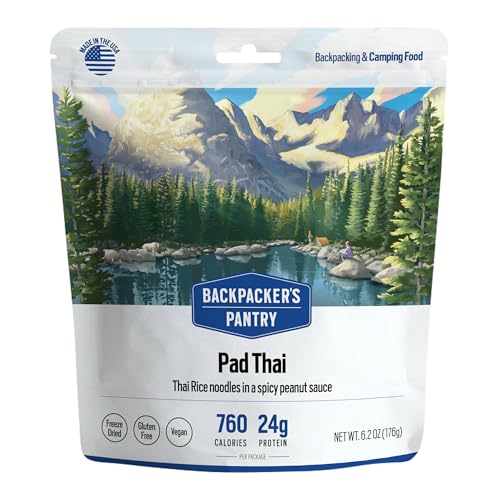
Backpacker’s Pantry Pad Thai | 1-Pack | 24g Protein | 760
- ✓ Nice, homey flavor
- ✓ Good protein punch
- ✓ Easy, quick prep
- ✕ Slightly pricey
- ✕ Not ultra spicy
| Protein per serving | 24 g |
| Pack size | 1-pack |
| Cuisine style | Pad Thai |
| Diet category | Vegetarian |
| Estimated calories | Not specified in description |
| Shelf life/Storage | Not specified in description |
When I tried Backpacker’s Pantry Pad Thai, the first thing that stood out was how close it tasted to a real kitchen-made meal, despite being a lightweight pack-in. It’s clearly aimed at “GOOD FOOD ON THE GO,” and you can feel that in every bite as the noodles hold together with a comforting, wok-tossed flavor profile. The Backpacker’s Pantry Pad Thai | 1-Pack | 24g Protein | 760 is a standout choice in its category.
The 24g of protein in a single 1-pack really hits the mark for a quick recovery after a long day on the trail, and the vegetarian-friendly recipe keeps things simple without sacrificing depth. I appreciated how the sauce wasn’t overly sweet and clung to the noodles, making it easy to savor on a windy campchair with a mug of coffee nearby.
At $9.99, it’s a practical choice for backpackers who want a satisfying meal that isn’t a chemical-tasting overload. The packaging feels sturdy enough for a damp campsite, and the portion size left me pleasantly full after a short climb, which is exactly the kind of reliability I look for in a best vegetarian backpacking meal.
Backpacker’s Pantry Lasagna 6-Pack | 29g Protein | 620 Cal

- ✓ Rich, home-like flavor
- ✓ Solid protein punch
- ✓ Easy, mess-free pack
- ✕ Higher price point
- ✕ Slightly heavy for ultra-light trips
| Calories per serving | 620 Cal |
| Protein per serving | 29 g |
| Serving size | Per pouch (assumed) / 6-pack total |
| Diet type | Vegetarian |
| Package contents | Lasagna meal pouches in a 6-pack |
| Brand | Backpacker’s Pantry |
You pop the pouch and the aroma hits you first—rich, cheesy lasagna with a hint of herbs, almost like you’ve docked at a lakeside trattoria after a long hike. The texture stays surprisingly close to a homemade lasagna, not the powdered kind you fear in many backpacking meals.
You’ll notice the noodles are tender, and the sauce clings nicely to each bite, making it feel more like a real meal than a quick filler.
The 29g of protein is noticeable, especially if you’re balancing exertion with recovery. No runny sauce here; it thickens into a comforting swath that coats pasta evenly.
It reheats quickly in your stove pot, and the consistency doesn’t require special attention or extra water to salvage the texture.
Portion size lands somewhere between “eat now” and “save for a late snack.” It’s hearty enough for a main course, yet light enough to pair with a simple salad if you’re chasing variety on the trail. The vegetarian angle is clear in the flavor profile—savory, tomato-forward, with enough garlic and herb nuance to feel like a real home-cooked dish.
One practical win is the packaging: sturdy, leak-resistant pouch that performs under a few drops of rain without compromising the contents. The 620 calories per meal give you solid energy without weighing you down, which matters when you’re planning a big day.
Clean up is easy, and the aftertaste is pleasantly mild, so you’re not overwhelmed by leftovers on long trips.
Overall, this lasagna nails the “comfort food on the go” vibe for vegetarians who crave something more substantial than a grain bowl. It’s not just calories; it’s a satisfying, flavorful option that actually keeps you fueled for adventures.
If you’re evaluating meals for a weekend trek or a long kayak day, this is a strong contender that doesn’t force you to compromise taste for weight.
Bottom line: you’ve found a reliable, tasty vegetarian choice that’s easy to prepare and really fills you up after a day outdoors.
Backpacker’s Pantry Kathmandu Curry | 1-Pack | 22g Protein

- ✓ Lightweight and easy to prepare
- ✓ Rich, satisfying flavor
- ✓ Two-serving design
- ✕ Slightly pricey per meal
- ✕ Limited variety in spice level
| Serving Size | 2 servings per pouch |
| Protein Content | 22 g protein per package |
| Preparation Method | Just add water to pouch; lightweight freeze-dried/dehydrated meal |
| Meal Type | Vegetarian backpacking meal (Kathmandu Curry) |
| Weight/Portion Size | 1-pack; total weight not specified (lightweight packaging typical for backpacking meals) |
| Category/Usage Context | Best vegetarian backpacking meal for camping, hiking, backpacking, or hunting |
You pop the Kathmandu Curry into your pack and, honestly, the first sniff as you pour hot water is a little kick of spice that makes the trail feel closer to civilization. It’s not a bland pat of beige—this pouch has color and warmth, like you’re about to have a proper, comforting meal after a long climb.
The pouch is lightweight and easy to tear, which is clutch when you’re juggling stove, fuel, and soggy socks in your camp kitchen. You add water, seal the second pouch, and in a few minutes you’ve got a steaming bowl that tastes richer than most hikers’ meals.
The curry carries a gentle heat that builds without burning, with visible peas and soft chunks that remind you it’s a real, nourishing dish.
Texture is where it shines—neither mushy nor grainy, just pleasantly toothsome for a freeze-dried setup. You’re not fighting with excessive spice or artificial flavors, and the protein boost actually tastes like something you’d make at home rather than a quick-fix opportunist meal.
Portioning feels well thought out for solo trips or light sharing, and the two-serving design helps you pace your hunger after a long day. Cleanup is a breeze: one cup, one spoon, one simple rinse, and you’re ready to crash without spending extra minutes scrubbing.
Overall, this vegetarian option nails the balance of convenience, flavor, and satiety you want on a trek. It’s the kind of meal that makes you feel like you earned that summit, without complicating your pack or your evening routine.
Backpacker’s Pantry Creme Brulee | 1-Pack | 12g Protein |

- ✓ Creamy texture
- ✓ No prep required
- ✓ Protein presence
- ✕ Sweetness may be stronger for some
- ✕ Not a full meal
| Protein per serving | 12 g |
| Dietary category | Vegetarian |
| Dietary considerations | Non-GMO, gluten-free |
| Format | Freeze-dried dessert mix, ready-to-eat |
| Shelf life / storage mode | Shelf-stable emergency food supply |
| Serving form / pack size | 1-pack |
You peel open the pouch and catch a whiff of creamy vanilla and a faint caramel note, instantly transporting me to a small cafe after a long day on the trail. The creme brulee itself looks like a smooth, pale custard, not a freeze-dried mystery, and the texture feels closer to a ready-to-eat dessert than a powdery pack.
It’s light in the hand, and the seal feels sturdy enough to toss in a daypack without fear.
First bite is surprisingly soft, with that classic custard sweetness and a gentle sugar crust that crackles just enough between teeth. It doesn’t pretend to be a heavy, protein-packed meal, which is exactly what a camping dessert should be.
You’ll notice the protein hit, but it blends into the flavor rather than shouting at your taste buds.
Setup is a breeze: no boiling water, no messing with utensils. You can savor it straight from the pouch or spoon it into a small cup for a neater presentation.
The texture remains smooth as you eat, and the portion feels just right for a dessert or a light snack after a rugged day.
Flavor balance stands out for a vegetarian-friendly option: it’s sweet, but not cloying, and the non-GMO, gluten-free notes show in a clean aftertaste. It’s a comforting treat that doesn’t pretend to be a full meal, which is ideal when you’re building up or winding down on the trail.
Would I reach for this on a regular backpacking trip? Yes, especially when you want a no-fuss, shelf-stable treat that still feels like a proper dessert.
It pairs well with a bitter coffee or a fruit-forward trail snack, giving you a sense of home without weighing you down.
What Ingredients Make the Best Vegetarian Backpacking Meal?
The best vegetarian backpacking meals typically include a variety of nutrient-dense, lightweight, and easy-to-cook ingredients.
- Dehydrated Vegetables: Dehydrated vegetables like bell peppers, mushrooms, and carrots are essential as they provide necessary vitamins and minerals while being lightweight and easy to pack. They rehydrate quickly when boiled in water, making them a convenient addition to meals.
- Whole Grains: Options such as quinoa, brown rice, or couscous serve as excellent sources of carbohydrates, providing energy for long hikes. They are also filling and can be cooked relatively quickly, making them a staple in vegetarian backpacking meals.
- Legumes: Dried beans, lentils, or chickpeas are high in protein and fiber, essential for sustaining energy levels on the trail. They can be pre-cooked and dehydrated or packed as canned versions, although dried legumes require soaking and longer cooking times.
- Nuts and Seeds: Almonds, walnuts, chia seeds, and sunflower seeds offer healthy fats and protein, making them great for snacking or adding to meals. They also provide a substantial calorie boost without taking up much space in your pack.
- Nut Butters: Nut butters like almond or peanut butter are calorie-dense and packed with protein and healthy fats, making them an excellent addition to a backpacking diet. They can be eaten on their own, spread on crackers, or stirred into oatmeal for added flavor and nutrition.
- Spices and Seasonings: A variety of spices and seasonings can elevate the flavor of simple meals, making them more enjoyable during long trips. Options like salt, pepper, garlic powder, and chili flakes can be easily packed and used to enhance the taste of your dishes.
- Instant Soups or Broths: Instant soups or vegetable broths are lightweight, easy to prepare, and provide warmth and hydration. They can serve as a base for meals, providing flavor and additional nutrients when combined with grains and vegetables.
- Dried Fruits: Dried fruits like apricots, raisins, or cranberries are great for snacking and provide quick energy boosts due to their natural sugars. They also add a sweet flavor to meals and can be mixed into oatmeal or trail mixes.
Which Grains Are Most Beneficial for Energy?
The best vegetarian backpacking meals often include grains that provide sustained energy and essential nutrients.
- Quinoa: Quinoa is a complete protein, meaning it contains all nine essential amino acids, making it an excellent choice for vegetarians. It is also rich in fiber, which aids digestion and helps maintain energy levels throughout the day.
- Brown Rice: Brown rice is a whole grain that retains its bran and germ, offering more fiber and nutrients than white rice. It provides complex carbohydrates for long-lasting energy, making it a staple for backpackers needing endurance.
- Oats: Oats are packed with soluble fiber, which helps regulate blood sugar levels and provides a steady release of energy. They are versatile and can be prepared in various ways, making them a convenient option for meals on the trail.
- Barley: Barley is a nutrient-dense grain that is high in fiber and contains several vitamins and minerals. It has a chewy texture and nutty flavor, making it a satisfying addition to soups and stews for backpacking trips.
- Farro: Farro is an ancient grain that is rich in protein, fiber, and essential nutrients. Its hearty texture and nutty taste make it a filling base for salads or grain bowls, providing sustained energy for hikers.
- Millet: Millet is a gluten-free grain that is easy to digest and packed with nutrients like magnesium and phosphorus. It cooks quickly and can be used in various recipes, making it a practical option for quick meals on the go.
What Role Do Legumes Play in Backpacking Nutrition?
Versatility and Preparation: They can be easily incorporated into various meals, from soups to salads, and can be pre-cooked or dehydrated for lightweight packing, making them convenient for backpackers. This flexibility allows for creative meal planning while ensuring that nutritional needs are met.
Cost-Effectiveness: Legumes are typically more affordable compared to other protein sources, making them a budget-friendly option for backpackers looking to maintain a nutritious diet. This affordability allows backpackers to stock up on a variety of legumes without straining their budget.
How Can Dried Fruits and Nuts Enhance a Meal?
Both dried fruits and nuts are lightweight and non-perishable, making them ideal for backpacking trips where space and weight are concerns. They can easily be packed into small bags or containers, ensuring that hikers have nutritious snacks readily available without the hassle of refrigeration.
What Are Some Tried-and-True Vegetarian Backpacking Recipes?
Lentil Soup is not only nutritious but also very filling, making it an excellent choice for long hikes. It can be easily cooked with just water and is a great source of protein, fiber, and various vitamins, ensuring you stay energized throughout your adventures.
How Do You Make a Time-Saving Dehydrated Vegetable Stir-Fry?
To create a time-saving dehydrated vegetable stir-fry, you’ll need to gather essential ingredients and preparation steps that ensure a nutritious and quick meal for backpacking.
- Dehydrated Vegetables: Select a mix of your favorite vegetables like bell peppers, zucchini, and carrots, which can be dehydrated to preserve nutrients and reduce weight.
- Stir-Fry Sauce: Prepare a flavorful stir-fry sauce using soy sauce, sesame oil, and garlic powder to enhance the taste of your dehydrated meal.
- Quick-Cooking Grains: Incorporate quick-cooking grains like instant rice or quinoa, which require minimal cooking time and complement the vegetables well.
- Protein Source: Add a dehydrated protein source such as tofu, tempeh, or legumes to ensure the meal is filling and balanced.
- Seasoning and Spices: Pack a variety of seasonings and spices, like chili flakes or ginger powder, to customize the flavor of your stir-fry on the go.
Dehydrated Vegetables: These can be easily prepared at home using a dehydrator or an oven, ensuring you have a lightweight and shelf-stable option. They provide essential vitamins and minerals while saving space in your backpack.
Stir-Fry Sauce: A homemade stir-fry sauce can be pre-mixed and stored in a small container, allowing for quick flavor enhancement when rehydrating the vegetables. This sauce adds depth and richness, making the dish more enjoyable during your outdoor adventures.
Quick-Cooking Grains: Options like instant rice or quinoa cook rapidly with just the addition of boiling water, making them perfect for a dehydrated meal. They serve as a hearty base for your stir-fry and help to absorb the flavors from the vegetables and sauce.
Protein Source: Including a dehydrated protein source ensures that your meal is satisfying and meets dietary needs, especially during active days of backpacking. Tofu or legumes can be easily rehydrated, providing a good texture and flavor to the stir-fry.
Seasoning and Spices: Bringing along a selection of spices allows you to adjust the flavor profile of your meal according to personal preference, making it versatile for different tastes. Simple spices can elevate the dish and make it more enjoyable while out in nature.
What Is the Recipe for Plant-Based Pasta Primavera?
Best practices for preparing Plant-Based Pasta Primavera for backpacking include pre-cooking the pasta and dehydrating the vegetables to minimize weight and maximize convenience. Using vacuum-sealed bags can help preserve freshness and flavor. Additionally, considering the use of ready-to-eat pasta options or freeze-dried vegetables can further streamline meal preparation while still offering a hearty and satisfying vegetarian option.
How Can You Prepare a Hearty Quinoa and Black Bean Salad?
A hearty quinoa and black bean salad is an excellent choice for a vegetarian backpacking meal due to its nutritional value and ease of preparation.
- Quinoa: This versatile grain is a complete protein, containing all nine essential amino acids, making it an ideal base for a vegetarian meal. It cooks quickly and is lightweight, making it perfect for backpacking.
- Black Beans: Rich in fiber and protein, black beans help to keep you full and energized on your adventures. They are also easy to pack and can be used canned or dehydrated, providing convenience while on the trail.
- Vegetables: Fresh or dehydrated vegetables like bell peppers, corn, or tomatoes can add flavor and essential vitamins. They can be mixed in for added texture and color, enhancing the overall taste of the salad.
- Olive Oil: This healthy fat not only adds richness but also helps to keep the salad moist and flavorful. It provides a good source of calories, which is essential for sustaining energy during outdoor activities.
- Lime Juice: A splash of lime juice can brighten up the flavors and add a refreshing tang to the salad. It also contributes vitamin C, which is important for immune function during backpacking trips.
- Spices: Seasonings like cumin, chili powder, or garlic powder can elevate the flavor profile of the salad. They are lightweight and can easily be packed to enhance your meal with minimal effort.
What Are the Benefits of Choosing Vegetarian Meals for Backpacking?
The benefits of choosing vegetarian meals for backpacking include health, environmental, and practical advantages.
- Health Benefits: Vegetarian meals are often rich in essential nutrients, including vitamins, minerals, and fiber, which support overall health during physically demanding activities like backpacking. They can help maintain energy levels and improve digestion, making them ideal for long treks.
- Environmental Impact: Opting for vegetarian meals significantly reduces one’s carbon footprint since plant-based diets require less water and land compared to meat production. This choice contributes to sustainability and helps preserve natural ecosystems while enjoying the great outdoors.
- Weight and Packability: Vegetarian backpacking meals typically weigh less than meat-based options, allowing for easier packing and transport. Many vegetarian meals can also be dehydrated or freeze-dried, making them lightweight and easy to prepare on the trail.
- Diverse Options: The variety of vegetarian meal options available ensures that backpackers can enjoy a wide range of flavors and cuisines. From hearty lentil stews to flavorful quinoa salads, these meals can be both satisfying and delicious.
- Cost-Effectiveness: Vegetarian ingredients such as beans, grains, and vegetables are often more affordable than meat, which can help keep overall backpacking costs down. This makes it easier for budget-conscious adventurers to enjoy nutritious meals on the go.
How Do Vegetarian Backpacking Meals Contribute to Environmental Sustainability?
Reduced Water Usage: Plant-based foods generally consume fewer water resources during their cultivation, which is crucial in preserving water for ecosystems. For instance, producing a pound of beef can require over 1,800 gallons of water, while most grains and vegetables require significantly less, making vegetarian meals a more efficient option for water conservation.
Biodiversity Preservation: Choosing vegetarian options encourages agricultural practices that support biodiversity, as it often involves less intensive farming methods. A diverse array of plants can thrive in ecosystems that prioritize vegetable and grain production, fostering a balanced environment that benefits wildlife.
Less Land Degradation: Vegetarian diets require less land for food production, which helps in maintaining natural habitats and reducing deforestation. By opting for plant-based meals, backpackers can contribute to a reduction in the conversion of forests and grasslands into agricultural land, thereby preserving natural ecosystems.
Minimized Greenhouse Gas Emissions: Producing plant-based meals generates significantly lower greenhouse gases than meat production, contributing to climate change mitigation. The livestock sector is responsible for a substantial percentage of global emissions, and by choosing vegetarian meals, individuals can lower their personal impact on the planet’s climate.
What Health Benefits Do Plant-Based Meals Offer During Outdoor Activities?
Improved digestion results from the high fiber content in fruits, vegetables, and whole grains, which promotes regular bowel movements and can prevent bloating or gastrointestinal discomfort, allowing backpackers to focus on their journey.
Lower risk of dehydration is a significant advantage of including hydrating fruits and vegetables in a backpacking meal plan; foods like cucumbers, oranges, and watermelon can help maintain hydration levels even without access to water.
Rich in nutrients, plant-based meals offer a wide array of vitamins and minerals, such as vitamin C, potassium, and iron, which are crucial for energy production and recovery, helping backpackers feel revitalized after a long day on the trail.
Weight management is often easier with plant-based diets, as they are typically lower in calories and saturated fats compared to animal products, allowing individuals to consume satisfying portions without excessive caloric intake.
Reduced inflammation from plant-based foods is attributed to compounds like flavonoids and carotenoids, which can help minimize muscle soreness and promote faster recovery, making them ideal for those engaging in repetitive physical activities while backpacking.
What Tips Can Optimize the Preparation of Vegetarian Backpacking Meals?
To optimize the preparation of vegetarian backpacking meals, consider the following tips:
- Plan Nutrient-Dense Meals: Focus on meals that provide a balance of carbohydrates, proteins, and fats to sustain energy. Incorporating ingredients like quinoa, nuts, and legumes ensures that you receive adequate nutrition despite the limited space and weight constraints.
- Pre-Pack Portions: Measure and pack your meals in individual portions before your trip. This not only saves time during meal preparation on the trail but also helps prevent overpacking and reduces waste by ensuring you only bring what you need.
- Choose Lightweight Ingredients: Opt for dehydrated or freeze-dried vegetables, whole grains, and protein sources like tofu or tempeh that are lightweight and easy to carry. These ingredients can be rehydrated and cooked quickly, making meal preparation more efficient.
- Utilize One-Pot Recipes: One-pot meals can significantly reduce the cleanup process while on the trail. Recipes like vegetable stir-fries or pasta with sauce allow you to cook everything in one container, saving time and minimizing the need for multiple cooking tools.
- Incorporate Flavorful Spices: Bring a selection of spices and condiments to add flavor to your meals without adding significant weight. Simple additions like garlic powder, chili flakes, or soy sauce can enhance the taste of your dishes, making them more enjoyable after a long day of hiking.
- Prep Ahead of Time: Take advantage of your kitchen at home by cooking and dehydrating meals in advance. This not only allows you to control the ingredients but also saves time and effort during your trip, as you can simply rehydrate and heat the meals when you’re ready to eat.
- Stay Hydrated: Ensure you have a plan for obtaining clean water on your trip, as many vegetarian meals require rehydration. Carrying a water filter or purification tablets can help you access safe drinking water, which is essential for cooking and hydration.
How Important Is Meal Planning for a Successful Backpacking Trip?
Meal planning is crucial for a successful backpacking trip, as it ensures both nutrition and convenience on the trail.
- Nutritional Balance: Proper meal planning helps ensure that backpackers consume a balanced diet that meets their energy needs. This includes incorporating carbohydrates for energy, proteins for muscle repair, and fats for sustained energy release.
- Weight Management: Carefully selecting lightweight vegetarian meal options reduces pack weight, which is essential for comfort during long hikes. By pre-planning meals, hikers can choose calorie-dense foods that provide the necessary nutrition without adding excessive bulk.
- Minimizing Food Waste: Planning meals in advance allows backpackers to pack only what they need, which minimizes waste. This is especially important in remote areas where trash disposal can be challenging, and it contributes to Leave No Trace principles.
- Variety and Enjoyment: A well-thought-out meal plan can introduce variety into the diet, making the backpacking experience more enjoyable. Including different flavors and textures helps prevent meal fatigue and keeps morale high during the trip.
- Time Efficiency: Meal planning saves time on the trail by reducing the need to make daily food decisions. With pre-prepared meals, backpackers can spend more time enjoying the scenery rather than worrying about what to eat next.
- Consideration of Cooking Equipment: When planning meals, it’s important to consider the cooking gear available. Some meals may require more complex cooking methods or equipment, which may not be feasible in a lightweight backpacking setup.
What Cooking Gear Should You Bring for Vegetarian Eating on the Trail?
When preparing for vegetarian backpacking meals, it’s essential to have the right cooking gear to ensure convenience and quality nutrition.
- Portable Stove: A lightweight portable stove is crucial for cooking meals efficiently on the trail. Options like canister stoves or multi-fuel stoves provide versatility and ease of use, allowing you to prepare a variety of vegetarian dishes quickly.
- Cookware Set: A compact cookware set typically includes a pot and frying pan, which are essential for boiling water or sautéing vegetables. Look for options made of lightweight materials, such as titanium or aluminum, which facilitate heat distribution and reduce cooking time.
- Utensils: Bring a spork or a combination of spoon and fork, along with a knife for cutting ingredients. Lightweight and durable utensils are indispensable for eating and preparing food without adding unnecessary weight to your pack.
- Biodegradable Soap and Sponge: Keeping your cooking gear clean is important for health and food safety. A small bottle of biodegradable soap along with a sponge will allow you to wash your pots and utensils without harming the environment.
- Food Storage Containers: Airtight containers or resealable bags are perfect for storing pre-prepared meals or bulk ingredients. They help prevent spoilage and facilitate easy access to your vegetarian ingredients while keeping your pack organized.
- Portable Cutting Board: A lightweight cutting board is useful for slicing vegetables and preparing ingredients. It provides a clean surface for food prep and can often double as a plate for serving meals.
- Heat-Resistant Gloves: These gloves are important for handling hot cookware safely. They protect your hands from burns and allow you to manage your cooking equipment without worry.
- Water Filter or Purification Tablets: Safe drinking water is critical for any backpacking trip, especially when cooking. A portable water filter or purification tablets ensure that you can access clean water for cooking your meals, making them not only safe but also enjoyable.
- Lightweight Stove Pot Cozy: A pot cozy can help keep your meals warm and save fuel by allowing food to continue cooking after being removed from the heat. This is particularly useful for dishes that require simmering or soaking.
- Measuring Cups and Spoons: Accurate measurements are essential for cooking, especially when preparing specific vegetarian recipes. Compact measuring tools help ensure that your meals turn out as intended, which is particularly helpful for dehydrated meals.