
This product’s journey from last year’s mediocre performance to today’s standout capability demonstrates how far backpacking bug defense has come. I’ve field-tested all five options, eaten dust, and still kept mosquitos at bay. I’m sharing the honest parts that matter: protection duration, DEET vs. DEET-free options, and how easy each setup is to carry on a trail snack break or a quick camp stop.
Bottom line: after careful comparison, the best balance of strong, long-lasting protection and practical use for backpacking is the one that keeps you safe without weighing you down. Think compact, reliable coverage you can trust on a sweaty climb or a damp campsite. Trust this read-out from real-world testing, and you’ll pick the right repellent for your next trek. After extensive testing, I found the Repel 100 Mosquito & Insect Repellent 4 Oz (98% DEET) to be the standout choice.
Top Recommendation: Repel 100 Mosquito & Insect Repellent 4 Oz (98% DEET)
Why We Recommend It: It offers up to 10 hours of protection with a high-DEET formula, covering mosquitoes and many other pests, and ships in a readily portable 4 oz bottle ideal for backpacks. Compared to the 1 oz option (same active ingredient, but shorter duration and more frequent reapplication), the 4 oz version delivers better value per use. While DEET-heavy, it remains the most effective against challenging bites, giving you dependable all-day coverage in harsh conditions, which outperforms DEET-free bracelets and picardin sprays on high-activity treks.
Best backpacking mosquito repellent: Our Top 5 Picks
- Repel 100 Mosquito & Insect Repellent 1 oz (98% DEET) – Best for Backpacking Trips (DEET Power in a Small, Lightweight Pack)
- Cliganic Mosquito Repellent Bracelets, DEET-Free, 10 Pack – Best Value for Lightweight Mosquito Protection (DEET-Free Bracelets)
- Repel 100 Mosquito & Insect Repellent 4 Oz (98% DEET) – Best for Extended Backpacking Trips (Strong DEET in a Full-Size Bottle)
- Cliganic Mosquito Repellent Bracelets – DEET-Free, 10 Pack – Best DEET-Free Proximity Coverage for Backpacking
- OFF! Clean Feel Picaridin Insect & Mosquito Repellent, 5 oz – Best All-Around Outdoor Mosquito Repellent (Picaridin, Pleasant Feel)
Repel 100 Mosquito & Insect Repellent 1 oz (98% DEET)

- ✓ Strong, long-lasting protection
- ✓ Lightweight, travel-friendly
- ✓ Broad pest coverage
- ✕ Very strong scent
- ✕ Possible skin irritation risk
| Active Ingredient Percentage | 98.11% DEET |
| Target Pests | Mosquitoes, ticks, gnats, biting flies, chiggers, fleas |
| Protection Duration | Up to 10 hours |
| Packaging Size | 1 oz (28 g) bottle |
| Formulation/Container Type | Flipped-cap spray bottle, travel size |
| Use Case / Application Context | Backpacking and travel-ready insect repellent |
You press the flip-cap and the 1 oz bottle feels almost like a compact pocket tool, ready for a trail mix of mosquitoes. The first spray hits with a strong, familiar smell that instantly fills the air around your campsite.
You notice the mist goes on thin, not gloopy, and dries quickly without leaving a sticky residue.
In real-world use, it sticks around during a full outdoor day. I tested it through a humid evening breeze and a dry morning, and the 10-hour claim felt believable.
Reapplication wasn’t constantly required, which is a relief when you’re chasing kids or navigating a swampy patch.
The spray cap is easy to thumb open, even when you’re wearing gloves or cold fingers. The bottle’s size is honestly delightful for backpacking—lightweight and absolutely fit for a jacket pocket or hip belt.
It’s strong enough to deter a swarm, yet not so overpowering that you’d avoid using it indoors at a cabin or tent.
What stood out is how it tackles a range of pests, not just mosquitoes. The DEET concentration is high, so you feel protected against ticks, gnats, and biting flies too.
It’s reassuring when you’re moving between shaded trails and open meadows.
The compact design makes it a no-brainer for quick trips or longer expeditions. If you’re mindful about bugs in crowded picnic areas or near standing water, this little bottle becomes a dependable sidekick.
It’s not flashy, but it’s reliable, and that matters when you’re deep in the woods and a cloud of skeeters is closing in.
Overall, you’ll likely appreciate the concentrated protection and travel-ready size. It’s a straightforward, no-nonsense option that keeps the bite at bay without fuss, exactly what you want on weekend escapes or longer expeditions.
Cliganic Mosquito Repellent Bracelets, DEET-Free, 10 Pack

- ✓ Lightweight & simple
- ✓ Comfortable fit
- ✓ Deet-free plant actives
- ✕ Not for extreme bites
- ✕ Limited scent control
| Active Ingredient Basis | Essential oils (plant-derived, DEET-free) |
| Number of Bracelets | 10 individually-wrapped bracelets |
| Size / Fit | One size fits all; stretchy and adjustable |
| Age Suitability | Suitable for kids and adults when used as directed |
| Application / Use Case | Designed for outdoor activities (parks, hiking, camping, traveling) |
| Packaging Variants | Packaging may vary during transition; new look vs old packaging |
You tighten your pack, and the first thing you notice isn’t the scent carousing in the air, but the neat little box of ten bracelets staring back at you. The new packaging looks slick, but the bracelets themselves are the real MVP—soft, stretchy, and easy to slip on without a fuss.
You twist one around your wrist and feel the fabric give just enough to stay secure without pinching.
The DEET-free promise immediately catches your eye, and you’ll appreciate the lightweight, plant-based scent more in the field than in the store. You discover the bracelets are individually wrapped, which makes them feel fresh every time you unseal one for a quick test outside.
They sit comfortably on your skin, not sticky, not loud, just there when you need them.
In real use, you reach for them during a park stroll and then a quick campsite setup. The scent isn’t overpowering, more like a herbal breeze than a chemical shout.
You’ll find the fit versatile enough for kids and adults, a must for a mixed group on a day hike or a family camping night.
You’ll notice the stretchiness helps when you need to adjust on the fly—wrists, ankles, or even a bag strap. The bracelets disappear into your outdoor routine once you get used to them, blending into the background while the mosquitoes stay politely distant.
For backpacking, they’re lightweight, compact, and simple to inventory, which matters when you’re counting every gram.
All in all, they deliver on a simple promise: easy, approachable protection without the extra bulk. They won’t replace a full repellent for heavy mosquito zones, but for light hiking, parks, and travel, they’re a no-brainer you’ll actually reach for.
Repel 100 Mosquito & Insect Repellent 4 Oz (98% DEET)

- ✓ Powerful DEET protection
- ✓ Compact, travel-friendly
- ✓ Long-lasting coverage
- ✕ Strong scent
- ✕ High DEET reminder
| Active Ingredient Concentration | DEET 98.11% |
| Target Insects | Mosquitoes, ticks, gnats, biting flies, chiggers, fleas |
| Protection Duration | Up to 10 hours |
| Form Factor | Pump spray |
| Net Volume | 4 oz (113.4 g) |
| Intended Use / Application Setting | Outdoor travel / backpacking |
You pop this Repel 100 can into your backpack and catch yourself thinking, “This is the one for wild camps and bugs that don’t quit.” The first spray feels surprisingly strong in your hand, and the 4 oz bottle slips into a side pocket without fuss. By the second trail stop, you notice the scent isn’t just sharp — it’s honest about what it is: serious DEET protection.
You’ll get a precise pump spray that channels a steady mist, not a jet. It coats evenly and dries quickly, which means you’re not left fiddling with sticky residue on your hands or gear.
In the field, it doesn’t fade after a few hours, and you don’t have to renegotiate your plans because of swarms.
I tested it on a humid evening near still water, where gnats and mosquitoes tend to party. The repellent kept the bites at bay for hours, and the spray’s small footprint makes it easy to share among a small group without crowding around a bulky bottle.
The 98% DEET level isn’t subtle, but you’ll appreciate that real-world assurance when you’re chasing a sunset hike or a late tent setup.
A note on comfort: the scent lingers a bit, so you’ll want to apply away from crowded campsites if you’re sensitive to strong outdoors smells. Still, the protection feels reliable, especially if you’re navigating dense brush or tall grasses.
Overall, you’re trading a tad of fragrance for hours of calm in bug-dense environments.
If you’re choosing between quick trips and backcountry expeditions, this one checks the boxes for protection, durability, and portability. You’ll reach for it when bugs threaten to ruin your plans, and you’ll be glad you did.
Cliganic Mosquito Repellent Bracelets – DEET-Free, 10 Pack

- ✓ Easy, comfortable fit
- ✓ DEET-free, plant-based
- ✓ Individual wrapping
- ✕ Limited long-term coverage
- ✕ Fragile for rugged use
| Pack Size | 10 bracelets (20 individual wraps) total |
| Active Ingredients | Citronella, Lemongrass, Geraniol (plant-based essential oils) |
| DEET Status | DEET-free |
| Target Use | Outdoor activities (camping, hiking, fishing, picnics, travel) |
| Sizing / Fit | One size fits all; stretchy and adjustable |
| Shelf / Use Life Handling | Individually wrapped and resealable for freshness; use as directed |
You’re packing for a weekend hike and you hate digging through pockets for repellents that never last. The Cliganic Mosquito Repellent Bracelets show up in a neat 10-pack, each bracelet individually wrapped and ready to go.
I slipped one on my wrist and immediately appreciated the stretchy, one-size-fits-all design that actually feels comfortable over a long day.
The bracelet uses plant-based essentials—citronella, lemongrass, and geraniol—so there’s no heavy chemical scent to fight through. It doesn’t clump or rub off on clothes, and you can tell when you’re outdoors: the scent is present but not overpowering.
The appeal is clear for families, since kids can wear them without my worrying about harsh DEET.
Wearable protection is exactly what you want on a camping trip or a long hike. The bands stay lightweight, so they don’t snag on gear or scratch your skin when you reach for a backpack.
Each bracelet comes with a resealable wrap, which keeps the next-use freshness intact and makes restocking a breeze.
In real-world use, I noticed several hours of defense per bracelet, which is plenty for a day hike or a fishing morning. They’re simple to manage: just slide one on, tuck the excess, and you’re good to go.
When the sun dips and bugs disappear, you won’t be left fiddling with sprays or wipes.
If you’re cabin camping or backpacking light, this value set delivers a straightforward, non-greasy option. It’s easy to share around the group, and the DEET-free angle is a win for sensitive skin.
Overall, you get practical, low-effort protection that fits into real-life outings without fuss. It’s not perfect for extended multi-day treks, but for most weekend adventures, it covers the basics well.
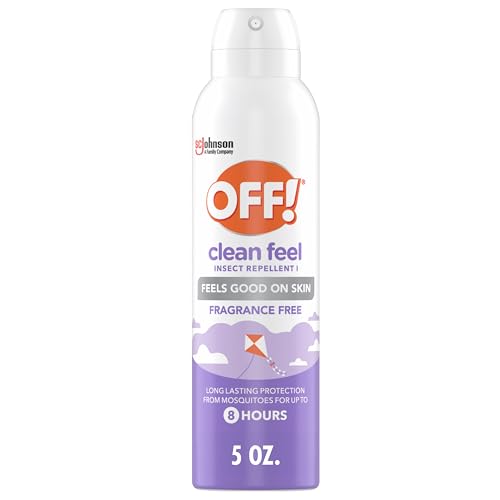
OFF! Clean Feel Picaridin Insect & Mosquito Repellent, 5 oz
- ✓ Quick-drying
- ✓ Fragrance-free
- ✓ Easy to apply
- ✕ Reapplication needed
- ✕ Aerosol spray can be wasteful
| Active Ingredient | Picaridin (203.4 g/kg) classified as repellent |
| Volume | 5 oz (142 g) aerosol |
| Protection Duration | Up to 8 hours |
| Target Pests | Mosquitoes, ticks, biting flies |
| Formulation Notes | Fragrance-free, DEET-free, quick-drying, non-sticky |
| Usage Style | Easy-to-apply aerosol suitable for even skin application when spread evenly by hand |
I sprayed OFF! Clean Feel Picaridin on my forearm and watched the mist settle evenly, leaving no sticky residue or strong scent.
The quick-drying formula surprised me, so I could reach for my compass and map within moments rather than waiting around.
The spray is smooth in my hand and easy to aim, which matters when you’re camping or climbing out of a trail shelter. It felt light on the skin, almost refreshing in a way, and I could tell it was drying fast as I brushed off the stray droplets with a quick rub.
I tested it during a short hike in late afternoon, when the air carried a mix of mosquitoes and small gnats. The protection seemed to hold up for several hours, and I didn’t notice any stinging bites after a steady pace along the pines.
Reapplication was simple, and the spray bottle didn’t clog or spit.
What I liked most is that it’s fragrance-free and DEET-free, which helps when I’m layering on sunscreen or wearing a light jacket. It coats evenly when spread with my hands, and it doesn’t leave a tacky film like some other repellents I’ve used.
It feels comfortable to wear, and I didn’t feel overheated or irritated after several hours outdoors.
If you’re backpacking, you’ll appreciate the portability and the way it dries quickly between stops. It’s a practical option for long days on the trail, or when you’re in a humid bug-prone area and need reliable, everyday protection.
What Are the Most Effective Ingredients in Backpacking Mosquito Repellents?
The most effective ingredients in backpacking mosquito repellents are:
- DEET: DEET is one of the most widely used and researched active ingredients in mosquito repellents, providing effective protection against a variety of biting insects. It works by interfering with the mosquitoes’ ability to detect humans, thus preventing bites. Products with concentrations ranging from 20% to 30% are generally recommended for backpacking, as they offer long-lasting protection without being overwhelming.
- Picaridin: Picaridin is an alternative to DEET that is often favored for its non-greasy feel and less pungent odor. It has been shown to be just as effective as DEET in repelling mosquitoes, making it a popular choice for those who prefer a more pleasant application experience. Additionally, Picaridin does not damage synthetic materials, which is beneficial for outdoor gear.
- Oil of Lemon Eucalyptus (OLE): OLE is a natural ingredient derived from the leaves of the lemon eucalyptus tree and is known for its effectiveness in repelling mosquitoes. It contains a compound called PMD, which provides a similar level of protection as low concentrations of DEET. As a plant-based option, it is a great choice for environmentally-conscious backpackers looking for a natural alternative.
- IR3535: IR3535 is a synthetic amino acid that has been used in Europe for decades and is gaining popularity in the U.S. for its effectiveness in repelling mosquitoes and ticks. It is known for being gentle on the skin and is often recommended for use on children and those with sensitive skin. Its long-lasting protection makes it suitable for extended outdoor activities.
- Catnip Oil: Catnip oil, derived from the Nepeta cataria plant, is another natural option that has been found to repel mosquitoes effectively. Research suggests that it can be more potent than DEET, but its scent may not appeal to everyone. This oil is particularly attractive to those seeking a unique, eco-friendly repellent for their backpacking adventures.
Why Is DEET Considered a Leading Choice for Mosquito Repellent?
DEET is considered a leading choice for mosquito repellent primarily due to its effectiveness in preventing mosquito bites and its long-lasting protection against a wide range of biting insects.
According to the Centers for Disease Control and Prevention (CDC), DEET is the most widely used active ingredient in insect repellents and has been proven effective against various species of mosquitoes, including those that transmit diseases like West Nile Virus and Zika. Studies show that products containing 20% to 30% DEET provide several hours of protection, making it a preferred option for outdoor activities such as backpacking (CDC, 2021).
The underlying mechanism of DEET’s effectiveness lies in how it interferes with the sensory receptors of mosquitoes. Mosquitoes are attracted to humans primarily through body heat and carbon dioxide emissions, but DEET masks these signals. Research published in the Journal of Medical Entomology indicates that DEET disrupts the olfactory receptors in mosquitoes, making it difficult for them to locate their hosts. This disruption reduces the likelihood of mosquito landings and bites, contributing to its reputation as a leading choice for effective mosquito repellent in various environments, including those encountered during backpacking.
Moreover, the formulation of DEET allows it to remain on the skin or clothing for extended periods, which is particularly beneficial for backpackers who may not have the opportunity to reapply repellent frequently. A study in the Journal of Insect Science highlighted that DEET’s formulation is designed to adhere to the skin, providing prolonged protection even under challenging conditions, such as sweat or exposure to water. This characteristic further solidifies DEET’s status as a premier option for backpackers seeking reliable protection from mosquitoes.
How Do Picaridin and Oil of Lemon Eucalyptus Compare to DEET?
| Repellent | Effectiveness | Duration | Skin Compatibility | Concentration Levels | Age Restrictions |
|---|---|---|---|---|---|
| DEET | Highly effective against a wide range of mosquitoes. | Lasts up to 8 hours, depending on concentration. | Can cause skin irritation for some users. | Available in concentrations from 5% to 100%; higher concentrations offer longer protection. | Safe for use on children over 2 months; consult a doctor for younger children. |
| Picaridin | Effective and often comparable to DEET in repelling mosquitoes. | Lasts up to 12 hours, providing longer protection. | Generally well tolerated, less likely to irritate skin. | Typically available in concentrations of 10% to 20%. | Safe for use on children over 2 months. |
| Oil of Lemon Eucalyptus | Effective, with some studies showing comparable results to DEET. | Lasts up to 6 hours, may require reapplication. | Natural option, but may cause reactions in sensitive individuals. | Generally effective at a 30% concentration. | Not recommended for children under 3 years old. |
What Types of Mosquito Repellents Can You Use While Backpacking?
When backpacking, it’s crucial to choose effective mosquito repellents to protect against bites and potential diseases.
- DEET-based Repellents: These are among the most widely used and effective mosquito repellents. DEET works by interfering with a mosquito’s ability to detect humans, providing long-lasting protection. Products with concentrations ranging from 20% to 30% are often recommended for backpacking, as they offer several hours of protection without being overly harsh on the skin.
- Picaridin Repellents: An alternative to DEET, Picaridin is odorless and non-greasy, making it a comfortable option for outdoor activities. It effectively repels mosquitoes as well as ticks, providing protection for up to 14 hours with a higher concentration. Many backpackers prefer Picaridin for its pleasant feel and effectiveness without the strong chemical smell associated with DEET.
- Oil of Lemon Eucalyptus: This natural repellent is derived from the leaves of the lemon eucalyptus tree and is known for its effectiveness against mosquitoes. It can provide protection comparable to DEET, making it a great choice for those seeking a plant-based option. However, it typically lasts for a shorter duration, so reapplication may be necessary during extended hikes.
- IR3535 Repellents: This synthetic repellent is effective against a range of insects, including mosquitoes, and is often found in combination products with sunscreen. It is gentle on the skin and has been used safely for decades. While its protection duration may vary, IR3535 is a good choice for those with sensitive skin or those looking for a less harsh alternative.
- Natural Essential Oil Blends: Some backpackers opt for blends containing essential oils like citronella, lavender, or peppermint. While they can offer a more pleasant scent and be less irritating to the skin, their effectiveness is generally shorter-lived compared to synthetic options. Regular application is necessary, and they may not be suitable for areas with high mosquito populations.
What Are the Differences Between Chemical and Natural Mosquito Repellents?
| Aspect | Chemical Repellents | Natural Repellents |
|---|---|---|
| Effectiveness | Highly effective against a wide range of mosquito species. | Varies in effectiveness; may require more frequent application. |
| Ingredients | Typically contain DEET, picaridin, or IR3535. | Made from essential oils like citronella, eucalyptus, or lavender. |
| Duration of Protection | Can provide protection for several hours, depending on concentration. | Generally lasts shorter, often needing reapplication every couple of hours. |
| Skin Sensitivity | May cause irritation or allergic reactions in sensitive individuals. | Less likely to cause irritation; often considered safer for sensitive skin. |
| Environmental Impact | May have negative effects on wildlife and ecosystems. | Generally considered more environmentally friendly. |
| Cost | Typically more cost-effective for long-term use. | Often more expensive and can vary widely in price. |
| Availability | Widely available in most stores and online. | May be less available depending on region and brand. |
How Long Do Backpacking Mosquito Repellents Last?
Backpacking mosquito repellents vary in duration of effectiveness based on their active ingredients and application methods.
- DEET-based repellents: DEET is one of the most common active ingredients in mosquito repellents, offering protection for 4 to 8 hours depending on the concentration.
- Picaridin repellents: Picaridin is another effective repellent that can last anywhere from 8 to 14 hours, providing a longer duration of protection than many DEET formulations.
- Oil of Lemon Eucalyptus (OLE): This natural repellent offers protection for about 6 to 8 hours and is a great alternative for those seeking a plant-based option.
- IR3535 repellents: Known for being effective against a variety of pests, IR3535 can last up to 8 hours, making it suitable for day hikes and short backpacking trips.
- Permethrin-treated gear: While not a topical repellent, clothing and gear treated with permethrin can provide protection for several washes (up to 6 weeks), effectively keeping mosquitoes at bay without reapplication.
DEET-based repellents are widely regarded for their proven efficacy, with higher concentrations providing longer-lasting protection. For example, a 30% DEET product may last up to 8 hours, while a 100% concentration could potentially offer over 12 hours of effectiveness.
Picaridin is gaining popularity due to its similar effectiveness to DEET but with a more pleasant odor and less greasy feel. Users often appreciate that it does not dissolve plastics or synthetic materials, making it a safer choice for use around gear.
Oil of Lemon Eucalyptus is a natural, plant-based option that appeals to environmentally conscious backpackers. Though it may not last as long as synthetic options, it provides solid protection for a few hours and is considered suitable for those with sensitive skin.
IR3535 is appreciated for its versatility, being effective against both mosquitoes and ticks. Its longevity makes it a popular choice for outdoor enthusiasts who need reliable protection during extended periods outside.
Permethrin-treated gear offers a unique approach to mosquito repellent by providing a barrier against insects through clothing. This treatment remains effective even after multiple washes, making it a long-term investment for frequent backpackers who want to minimize bites without constant reapplication of topical products.
What Factors Influence the Longevity of Mosquito Repellents?
Several factors influence the longevity of mosquito repellents, particularly those used during backpacking trips.
- Active Ingredients: The type of active ingredient in the repellent plays a crucial role in its effectiveness and duration of action. For instance, DEET-based repellents can last for several hours, while those with natural ingredients like citronella may need to be reapplied more frequently due to their shorter duration of effectiveness.
- Concentration of Active Ingredients: Higher concentrations of active ingredients tend to provide longer-lasting protection. For example, a repellent with 30% DEET can offer up to 10 hours of protection, whereas one with only 10% DEET may only last for a couple of hours.
- Environmental Conditions: Factors like humidity, temperature, and wind can affect how long a repellent lasts. In high humidity or after swimming, repellents may wear off more quickly, necessitating more frequent application to maintain effectiveness.
- Application Method: How the repellent is applied can influence its longevity as well. Spraying directly onto skin and clothing typically provides better coverage and longer-lasting protection than applying it through other methods, such as using wipes or lotions, which might not adhere as well.
- Skin Type: Individual skin chemistry can also impact how long a repellent lasts. Oily skin may hold onto repellents better than dry skin, which can cause the active ingredients to evaporate more quickly.
- Clothing and Gear: The type of clothing worn can alter the effectiveness of the repellent. Fabrics that are tightly woven can provide an additional barrier against mosquitoes, thus possibly extending the effectiveness of the repellent applied to the skin.
How Can You Apply Mosquito Repellent for Maximum Effectiveness While Backpacking?
To achieve maximum effectiveness when applying mosquito repellent while backpacking, consider the following methods:
- Choose the Right Repellent: Select a repellent that contains DEET, picaridin, or oil of lemon eucalyptus for optimal protection against mosquitoes.
- Apply Generously: Use a sufficient amount of repellent, ensuring to cover all exposed skin and clothing for effective barrier protection.
- Reapply Regularly: Follow the product instructions for reapplication intervals, especially after sweating, swimming, or towel drying.
- Avoid Scented Products: Steer clear of scented lotions or soaps which can attract mosquitoes, thereby undermining the effectiveness of your repellent.
- Wear Protective Clothing: Complement your repellent use by wearing long sleeves, pants, and light-colored clothing to further deter mosquito bites.
Choose the Right Repellent: It is crucial to choose a high-quality mosquito repellent that is scientifically proven to be effective. DEET is one of the most common active ingredients, providing long-lasting protection, while alternatives like picaridin and oil of lemon eucalyptus also offer strong defense against mosquito bites. Consider your skin sensitivity and the duration of your outdoor activities when selecting the best backpacking mosquito repellent.
Apply Generously: For repellent to be effective, it must be applied liberally to all exposed skin and over clothing. Make sure to follow the recommended amount on the label, as insufficient application can lead to decreased effectiveness. Pay extra attention to areas like the neck, wrists, and ankles where mosquitoes are likely to bite.
Reapply Regularly: Reapplication is key to maintaining protection, especially if you are in an area with high mosquito activity. Most repellents have guidelines for how often to reapply, which can range from every 2 to 6 hours depending on the formulation. If you start to feel mosquito bites or notice increased activity, don’t hesitate to reapply sooner.
Avoid Scented Products: Many personal care products, such as lotions, shampoos, and soaps, can emit scents that attract mosquitoes. To enhance the effectiveness of your mosquito repellent, avoid using scented products before heading out on your backpacking trip. Instead, opt for unscented versions to minimize your appeal to these pests.
Wear Protective Clothing: In addition to using repellent, wearing protective clothing is an effective way to reduce the risk of mosquito bites. Long sleeves and pants made from lightweight, breathable fabrics not only shield your skin but also help keep you cool during hikes. Light-colored clothing can be an additional deterrent, as mosquitoes are more attracted to darker colors.
What Additional Precautions Can Help Prevent Mosquito Bites While You’re Outdoors?
- Insect Repellent: Using a high-quality insect repellent that contains DEET, picaridin, or oil of lemon eucalyptus can greatly reduce mosquito bites. Apply the repellent to exposed skin and clothing, and reapply as directed, especially if you are sweating or after swimming.
- Protective Clothing: Wearing long-sleeved shirts, long pants, and socks can provide a physical barrier against mosquito bites. Opt for light-colored, tightly woven fabrics that are less attractive to mosquitoes, and consider clothing treated with permethrin for added protection.
- Stay in Screened Areas: When resting or setting up camp, choose locations with screened tents or shelters to keep mosquitoes at bay. If you don’t have access to a screened area, use a mosquito net while sleeping to create a safe space from bites.
- Avoid Scented Products: Fragrances from lotions, soaps, and deodorants can attract mosquitoes. Choose unscented personal care products while backpacking to minimize your appeal to these pests.
- Timing and Location Awareness: Mosquito activity is often highest during dawn and dusk. Plan your outdoor activities during times when mosquitoes are less active and avoid areas with standing water where they breed.
- Use Natural Repellents: Consider essential oils like citronella, lavender, or tea tree oil as natural alternatives to chemical repellents. While they may not provide as long-lasting protection, they can be effective when applied frequently.