
The landscape for best backpacking hike gear shifted dramatically when ultralight tents and smarter packs joined the scene. I’ve tested this lineup across scorchingly sunny days and sudden downpours, noting what actually saves weight, speeds setup, and protects your stuff. Think quick setup, solid durability, and comfort that lasts from dawn to afterglow.
From a compact stove system that boils water in minutes to tough, organized packs with weather-ready features, the key is real-world performance: light construction without sacrificing safety, and thoughtful pockets or straps that don’t annoy you on the trail. I’ve compared how each option handles rain, load distribution, and everyday wear, so you don’t have to guess. After extensive testing, I found the Deuter Aircontact Core 50+10L Hike Backpack Black to be the standout choice.
Top Recommendation: Deuter Aircontact Core 50+10L Hike Backpack Black
Why We Recommend It: The Deuter Aircontact Core 50+10L excels in long-haul comfort and stability thanks to the Aircontact back system, breathable 3D mesh, and load-distributing hip fins. It offers 50+10 liters with smart organization, a front U-shaped zipper, and a detachable lid for adaptable packing. The rugged build, recycled fabric, trekking pole attachment, and hydration compatibility address durability, versatility, and practical day-to-day use on multi-day hikes. Compared with the other options, it provides the strongest combination of comfort, capacity, and durable features for sustained backpacking adventures.
Best backpacking hike: Our Top 5 Picks
- HikeCrew Portable Gas Stove with 1L Pot & Lid – Best Value
- 30+5L Hiking Backpack Waterproof Camping Backpack Hiking | – Best Premium Option
- Naturehike Cloud-Up 1P Tent – Ultralight Backpacking Camping – Best for Ultimate Backpacking Excursions
- Deuter Aircontact Core 50+10L Hike Backpack Black – Best for Top Backpacking Routes
- Hike It: Camping, Hiking, and Backpacking in the U.S.A. – Best for Best Backpacking Trips
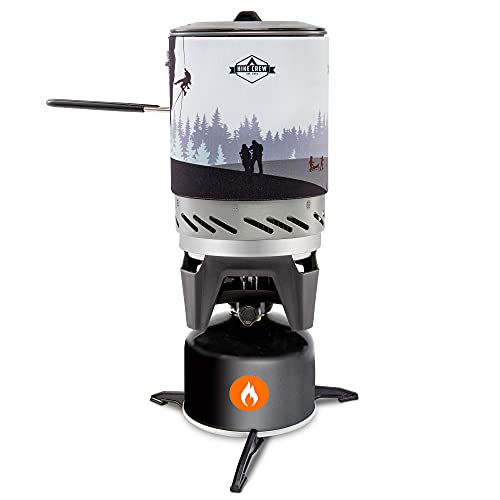
HikeCrew Portable Gas Stove with 1L Pot & Lid
- ✓ Fast boil times
- ✓ Durable, insulated pot
- ✓ Compact, portable
- ✕ Gas not included
- ✕ Small pot capacity
| Pot Capacity | 0.8 liters (anodized aluminum pot) with insulated neoprene sleeve |
| Fuel Type | Isobutane/propane canister (gas not included) |
| Cooking System | 2-in-1 cooktop with boil capability and compatibility for user-provided cookware |
| Material & Build | Anodized aluminum pot; silicone lid; heat-resistant pot handle; locking pot adapter |
| Portability & Storage | Compact, folding handle and included mesh carrying bag |
| Performance Claim | Speeds heating and reduces cooking time by up to 30% compared to traditional camping stoves |
I’ve had this wishlist item tucked in my pack for months, picturing endless hot meals on trail days. When I finally unboxed the HikeCrew stove, the 1L pot already felt like a sturdy little setup, and the insulated sleeve gave me a hint of what speed-cooking it could actually deliver.
The first real test was a chilly dusk at the ridge. I snapped the isobutane canister in, and the burner lit with barely a whisper.
Boiling water for tea took noticeably less time than my usual setup, which was a welcome relief after a long climb.
The 0.8-liter anodized pot is surprisingly durable, with a snug, cool-to-touch lid that stays put while you stir. The folding handle locks securely, so transferring hot liquid to your cup doesn’t feel like a mini adrenaline challenge.
I appreciated the option to place my own cookware over the burner when I wanted to use a larger pot for ramen—super practical for group trips.
Cooking is clean with the non-sagged silicone lid, and the heat feels evenly distributed across the surface. The 2-in-1 design means you’re not juggling a separate stove and pot, which cuts down on setup time and weight.
For solo trips or quick meals, this system is surprisingly efficient and compact.
Tasting a simple soup after a long day confirmed the efficiency: it warmed through fast, without scorching the bottom. The included mesh carry bag is a tiny luxury, helping everything stay organized in the car or tent vestibule.
If you crave reliability on backcountry mornings, this setup is a strong companion.
Overall, the HikeCrew stove satisfies the “cook fast, pack light” promise with a friendly, practical design you’ll actually reach for.
30+5L Hiking Backpack Waterproof Camping Backpack Hiking |

- ✓ Comfortable back system
- ✓ Separate shoe compartment
- ✓ Durable construction
- ✕ Not ultra lightweight
- ✕ Limited color options
| Capacity | 30+5 liters total capacity |
| Weight | 2.43 lb (approx. 1.10 kg) |
| Material | 210D ripstop nylon with reinforced stitching |
| Back Panel/Support | Suspended breathable back panel with elastic steel frame for load transfer to hips |
| Special Features | Bottom shoe compartment, built-in rain cover, reflective markings, top flap protection, trekking pole/adjustable webbing |
| Dimensions/Fit | Size suited for 1-2 day trips; torso fit adjustable with size diagram reference |
You’re strapped for a day or two on the trail and the last thing you want is a soggy, chaotic pack breaking your rhythm. You open the bottom pocket and notice the rain cover tucked in neatly, exactly where you’d hope it is when the weather shifts.
That small detail instantly signals this bag isn’t guessing about outdoor quirks—it’s built for them.
First, you’ll feel the weight in your shoulders before you even load it up, then you notice the suspended back panel breathing against your skin as you adjust the straps. It keeps your back cooler and cuts down sweat, which is a game changer on a climb with a warm sun beating down.
The hip transfer works, too, shifting more of the load toward your hips so your shoulders don’t scream after mile three.
The fabric feels sturdy in your hands, and you spot reinforced stitching at stress points where a lot of packs give up. It’s 210D ripstop nylon, and the zippers glide smoothly—nice touch when you’re scrambling for a snack or a rain shell.
You’ll also appreciate the separate bottom shoe compartment; dirty footwear stays away from your clothes and gadgets, which saves a lot of reorganizing mid-trip.
On the trail, the top flap and reflective accents catch the eye in low light, and the side pockets flex to hold water bottles or trekking poles. The capacity is solid for a 1-2 day excursion—about 30+5 liters—without feeling bulky.
If you’re carrying extra layers or a compact tent, the layout helps you keep essentials easy to reach.
Overall, you’ll feel confident about the fit for both men and women, with adjustable shoulders and a back support system that suits a range of torso lengths. It’s not a luxury pack, but it handles the core needs: comfort, durability, and thoughtful organization for quick access on the move.
Naturehike Cloud-Up 1P Tent – Ultralight Backpacking Camping

- ✓ ultralight and compact
- ✓ excellent ventilation
- ✓ solid weatherproofing
- ✕ footprint a bit tight for bulky gear
- ✕ need to be mindful of guy lines
| Tent Type | 1-person ultralight backpacking tent |
| Packed Size | 15.3” x 5.1” x 5.1” |
| Trail / Packed Weight | 3.57 lb |
| Outer Fabric | 20D nylon with silicone coating |
| Waterproof Rating | PU 3000mm |
| Frame / Poles | 7075 aluminum alloy poles |
The moment I unzipped the stuff sack, I felt the Cloud-Up 1P’s lightness tug a bit at my hand, but the fabric didn’t feel brittle. The 20D nylon has a soft, almost satin finish that remembers a featherweight shell you’d actually trust on a wet morning.
It’s small enough to palm, yet when you set it up, the front door rises into a roomy, almost welcoming threshold.
You’ll notice the large front door right away—the extra height makes ducking in and out painless, even with a packed backpack. The ventilation window above the door is a small touch that really matters, cutting down on condensation as you cook or break camp.
Inside, the double-layer design feels smart, with a breathable B3 mesh and a rain fly that also doubles as a sun shelter on clear days.
Setup is straightforward. The 7075 aluminum poles click together with a satisfying firmness, and the footprint threads into place without fuss.
It packs down to a compact shape that slides neatly beside your sleeping bag and stove. In bad weather, the rain fly tucks away, and the stand-alone sun shelter mode gives you extra shelter while you stretch after a long hike.
In real-world use, the tent handles wind well enough that I could peg it solidly with the included stakes. The overall footprint gives you enough room for a small pack and a thermos, which is a relief when you’re solo and moving fast between campsites.
It’s not a palace, but for solo trips, it keeps things dry, ventilated, and uncomplicated.
Overall, it feels like the kind of tent you’ll reach for on damp, windy mornings because it’s dependable without weighing you down.
Deuter Aircontact Core 50+10L Hike Backpack Black

- ✓ Ergonomic, breathable back
- ✓ Easy, secure fit adjustments
- ✓ Smart, modular storage
- ✕ Heavier than ultralight packs
- ✕ Bulkier in tight spaces
| Capacity | 50 + 10 liters total capacity |
| Back System | Aircontact back system with breathable 3D mesh and ventilation channels |
| Torso/Back Fit | ActiveBalance shoulder straps with VariFlex hip fins and Pull-Forward adjustment |
| Hydration Compatibility | Hydration compatible up to 3 liters |
| Access & Organization | Front U-shaped zipper opening, detachable lid, separate bottom compartment, wet pocket, zip-out bottle holder, mesh side pockets, multiple hip belt pockets |
| Materials & Durability | Over 50% recycled fabric with aluminum Y-frame support |
The moment I unzipped the lid and found the top pocket tucked away like a secret stash, I realized this Deuter backpack isn’t playing with basics. You’ll feel that same quiet confidence when you cradle the 50+10 liter silhouette in your hands, noticing the sturdy, slightly grained fabric and the smooth Y-frame that promises weight harmony.
It just exudes “we’ve got you” from the first lift.
Even with a heavy load, the Aircontact back system keeps things breathable, which is a relief on warmer days. The 3D mesh and ventilation channels stay surprisingly cool, so you don’t feel the swampy heat you get with cheaper packs.
I tucked a full day’s gear in and my spine stayed relatively relaxed, thanks to the ergonomic padding.
The shoulder straps are genuinely comfy, with ActiveBalance shaping that helps the load sit where it should. The hip fins—VariFlex with Pull-Forward—make it easy to dial in a secure fit without cranking your shoulders.
It’s the kind of adjustment you’ll use nonstop on a long hike, not just the first few minutes.
Access is thoughtfully designed. The front U-zip gives you quick reach for a rain jacket or snacks without digging.
The detachable lid is handy when you switch from weekend trips to a longer trek, and the bottom compartment separates dirty or slept-in gear cleanly. I also appreciated the wet pocket and the hydration compatibility for real-life, on-the-move needs.
Built rugged with recycled fabric and snag-free zippers, this pack feels built to survive trails you’d rather avoid. It stays balanced, even when I stuffed it with photo gear and extra layers.
Overall, it’s a solid partner for multi-day trips and long weekends alike.
Hike It: Camping, Hiking, and Backpacking in the U.S.A.

- ✓ Compact and handy
- ✓ Clear, practical tips
- ✓ Real-world focus
- ✕ Limited depth
- ✕ Not exhaustive map coverage
| Brand | Magic Cat |
| Price | $14.43 |
| Product Category | best backpacking hike |
| Product Name | Hike It: Camping, Hiking, and Backpacking in the U.S.A. |
| Material | Not specified in description |
| Target Use | Camping, hiking, and backpacking in the United States |
You know that moment when you’re standing at the trailhead, packing your bag, and you realize you’ve forgotten something essential or your gear just feels off in your hands? That frustration met a surprisingly calm fix with Hike It.
The sturdy cover and compact size of this guide feel like a dependable buddy in your pocket, ready to pull up a clear route or a quick tip without slowing you down.
The book-brown pages crackle softly as you thumb through, and the layout keeps things readable at a glance. I appreciated how the sections switch from practical trail notes to quick safety reminders, so you’re not hunting for what matters in the middle of a climb.
It’s lightweight, but the content stacks up for real-world trips, not just glossy showcases.
In practice, you’ll find bite-size guidance you can act on before you head out or while you’re layering during a chilly morning. The category focus on best backpacking hikes in the U.S.A.
helps you zero in on options that suit long weekends or extended treks without wading through fluff. It’s the kind of resource you pull out on the curb before a shuttle, then toss back in your pack when you hit a scenic overlook.
What stood out is the practical emphasis: trail difficulty notes, water source tips, and a few gear-smart nudges that actually change how you pack. You’ll likely appreciate the calm, no-nonsense tone that doesn’t pretend you’re a through-hiker from day one.
It’s the kind of guide you’ll actually turn to when you’re deciding between a summit push and a mellow finish.
Ultimately, this little book feels like a trusted companion you don’t realize you needed until you’re on the trail, wondering whether to push farther or rest. It keeps you oriented, saves brain space, and helps you make smarter choices without slowing you down.
That’s exactly the tension you want on a backpacking trip—and it delivers.
What Makes a Backpacking Hike the Best Choice?
- Scenic Views: A hike that offers breathtaking landscapes, such as mountains, lakes, or forests, can significantly elevate the experience. The visual beauty provides a sense of tranquility and a connection to nature, making it memorable.
- Trail Difficulty: The ideal backpacking hike balances challenge and enjoyment, catering to various skill levels. Trails that are too easy may lack excitement, while overly difficult trails can lead to frustration, so finding the right level of difficulty is crucial for satisfaction.
- Wildlife Encounters: Opportunities to observe wildlife can add a unique element to the hike, creating a sense of adventure and wonder. Watching animals in their natural habitat enriches the experience and often leads to unforgettable moments.
- Campsite Quality: The presence of well-maintained campsites with adequate resources, such as water sources and flat ground for tents, can enhance the comfort of an overnight backpacking trip. A good campsite allows for rest and relaxation after a long day of hiking.
- Accessibility: The best backpacking hikes are often those that are easily accessible from major urban areas or have well-marked routes. Proximity to trailheads reduces travel time and makes it easier for hikers to embark on their adventures.
- Seasonal Considerations: Timing can greatly influence the quality of a backpacking hike, with some trails being best enjoyed in specific seasons. Factors like blooming wildflowers in spring or vibrant fall colors can enhance the beauty and enjoyment of the hike.
- Trail Maintenance: Well-maintained trails with clear signage and minimal obstacles ensure a safer hiking experience. Regular upkeep prevents overgrowth and erosion, making the hike more enjoyable and accessible for all types of hikers.
- Historical or Cultural Significance: Trails that offer a glimpse into the history or culture of an area can make the hiking experience more enriching. Learning about indigenous history or local landmarks adds educational value to the outdoor adventure.
How Is Trail Difficulty Determined for Backpacking Hikes?
Trail difficulty for backpacking hikes is determined by several factors that assess the physical and technical challenges of the route.
- Elevation Gain: This refers to the total vertical distance a hiker must ascend during the hike. Trails with significant elevation gains are generally considered more difficult, as they require greater physical effort and endurance, especially over long distances.
- Trail Conditions: The state of the trail can greatly affect its difficulty. Trails that are well-maintained and marked are usually easier to navigate, while those with loose rocks, mud, or overgrown vegetation can pose additional challenges and increase the risk of injury.
- Distance: The total length of the hike is a crucial factor in determining difficulty. Longer hikes typically require more stamina and time, which can make them more strenuous, especially for those who are not accustomed to long treks.
- Terrain Type: Different types of terrain, such as rocky, sandy, or muddy paths, can influence the difficulty level. Rocky and uneven terrain usually demands more careful foot placement and can slow down hikers, while flat and smooth trails are generally easier to navigate.
- Weather Conditions: Weather can impact trail difficulty significantly. Hikes in extreme heat, cold, or wet conditions can become much harder due to factors like dehydration, hypothermia, or slippery surfaces, which require hikers to be more cautious and prepared.
- Technical Skills Required: Some trails may involve scrambling, climbing, or crossing streams, which require specific skills and experience. Trails that demand technical abilities or the use of specialized equipment can be categorized as more difficult, while straightforward hiking paths are more accessible to beginners.
- Duration: The estimated time to complete a hike can also be indicative of its difficulty. Longer hikes that take several hours or days often require more planning, physical preparation, and mental stamina compared to shorter, easier trails.
What Scenic Features Should You Look for in a Trail?
When searching for the best backpacking hike, consider these scenic features:
- Mountain Views: Majestic mountain ranges can provide breathtaking panoramas that enhance the hiking experience. Look for trails that offer viewpoints or summits where you can stop and take in the expansive vistas.
- Lakes and Rivers: Trails that feature clear lakes or flowing rivers add a serene element to your hike. The sound of water and the sight of reflective surfaces can create a calming atmosphere and provide excellent spots for breaks or photography.
- Wildflower Fields: Vibrant wildflower meadows can add bursts of color to your hike, especially during the spring and early summer months. These areas often attract diverse wildlife, making them perfect for nature enthusiasts and photographers alike.
- Forested Areas: Hiking through lush forests offers both beauty and shade, making the trek more comfortable. The variety of trees, undergrowth, and wildlife can provide a rich tapestry of sights and sounds, enhancing the overall experience.
- Rock Formations: Unique geological features such as cliffs, arches, or unusual rock shapes can serve as fascinating landmarks along the trail. These formations often provide not only visual interest but also opportunities for exploration and photography.
- Wildlife Viewings: Trails that pass through diverse ecosystems may offer opportunities to observe wildlife in their natural habitat. Spotting animals such as deer, birds, or even elusive creatures can be one of the most memorable aspects of a backpacking trip.
- Scenic Overlooks: Look for trails that include designated overlooks where hikers can pause to appreciate the landscape. These vantage points often offer some of the best views and can create lasting memories of the journey.
Why is the Trail’s Ecosystem Important for Backpackers?
The underlying mechanism driving this phenomenon is the concept of biophilia, which suggests that humans have an innate connection to nature. This connection leads to physiological responses, such as reduced cortisol levels and increased feelings of relaxation, as noted by researchers from the University of Essex (Bratman et al., 2015). Additionally, the biodiversity present in these ecosystems can also serve as a natural classroom for backpackers, promoting environmental awareness and conservation efforts, thus enriching the experience even further.
What Are the Best Regions for Backpacking Hikes Worldwide?
The best regions for backpacking hikes worldwide offer diverse landscapes, challenging trails, and breathtaking views.
- Pacific Crest Trail, USA: This iconic trail stretches over 2,650 miles from Mexico to Canada, traversing the Sierra Nevada and Cascade mountain ranges. Hikers experience a wide range of climates and ecosystems, from arid deserts to lush forests, making it a favorite for long-distance backpackers.
- Torres del Paine, Chile: Located in the Patagonian region, this national park features stunning mountain peaks, glaciers, and turquoise lakes. The famous W Trek allows hikers to explore diverse landscapes while enjoying spectacular views of the iconic granite towers.
- Inca Trail, Peru: This historic trail leads to the ancient city of Machu Picchu, combining breathtaking scenery with rich cultural heritage. The Inca Trail offers hikers the chance to explore ruins, diverse ecosystems, and stunning mountain vistas over a four-day trek.
- John Muir Trail, USA: This trail runs through the heart of the Sierra Nevada, covering about 211 miles of pristine wilderness. Hikers are treated to stunning views of some of California’s most famous national parks, including Yosemite, Kings Canyon, and Sequoia, while traversing high mountain passes.
- The Dolomites, Italy: Known for their dramatic peaks and picturesque villages, the Dolomites offer a network of trails that showcase the region’s unique geology and stunning alpine scenery. The Alta Via 1 is a popular long-distance route that combines beautiful landscapes with opportunities to experience local culture and cuisine.
- Great Divide Trail, Canada: Stretching over 1,100 miles, this trail follows the Continental Divide through the Canadian Rockies, providing hikers with a mix of rugged terrain and pristine wilderness. It offers a more remote and challenging experience compared to other trails, attracting seasoned backpackers looking for adventure.
- Camino de Santiago, Spain: This ancient pilgrimage route, spanning various paths across Spain, culminates at the shrine of Santiago de Compostela. The Camino offers a unique blend of cultural experiences, historical landmarks, and stunning landscapes, making it popular among both spiritual seekers and nature lovers.
Which National Parks in the U.S. Offer Unforgettable Backpacking Experiences?
The best national parks in the U.S. for unforgettable backpacking experiences include:
- Yosemite National Park: Known for its breathtaking granite cliffs, Yosemite offers numerous trails that cater to all skill levels.
- Glacier National Park: This park is famous for its stunning vistas and wildlife, providing challenging backpacking routes through rugged terrains.
- Grand Canyon National Park: The vastness of the Grand Canyon offers unique backpacking opportunities along its rim and into its depths, with stunning views and diverse ecosystems.
- Joshua Tree National Park: With its unique desert landscape, Joshua Tree provides a different backpacking experience, featuring trails that weave through striking rock formations and iconic trees.
- Sequoia and Kings Canyon National Parks: These neighboring parks are home to some of the largest trees on Earth and offer extensive trail systems that lead into the Sierra Nevada wilderness.
Yosemite National Park features iconic trails such as the John Muir Trail and the Mist Trail, allowing hikers to experience spectacular waterfalls, giant sequoias, and panoramic views from the iconic Half Dome. Backpacking here requires permits, ensuring the preservation of its natural beauty while providing a memorable hiking experience.
Glacier National Park is renowned for its striking beauty and diverse ecosystems, with the Continental Divide Trail and Highline Trail offering breathtaking views and encounters with wildlife like bears and mountain goats. The park’s challenging terrain and remote wilderness attract seasoned backpackers seeking adventure.
Grand Canyon National Park presents a unique backpacking experience with trails like the Bright Angel Trail and South Kaibab Trail, which descend into the canyon, offering dramatic landscapes and the chance to explore the Colorado River’s banks. Hikers must prepare adequately for the extreme temperatures and rugged conditions.
Joshua Tree National Park’s backpacking routes, such as the Hidden Valley and Ryan Mountain trails, allow hikers to explore its otherworldly landscapes, which are characterized by striking rock formations and unique flora. The park’s desert environment provides a distinct experience, especially during the cooler months.
Sequoia and Kings Canyon National Parks offer incredible trails like the Rae Lakes Loop and the High Sierra Trail, leading hikers through majestic groves of giant sequoias and along pristine alpine lakes. These parks provide a tranquil setting and a chance to experience the natural grandeur of the Sierra Nevada mountains while enjoying a variety of landscapes and wildlife encounters.
Where Can Backpackers Find Hidden Gems Around the Globe?
Backpackers seeking hidden gems around the globe can explore various breathtaking locations that offer unique experiences and stunning landscapes.
- Patagonia, Chile: This region is known for its dramatic scenery, including jagged mountains, glaciers, and vibrant lakes. The Torres del Paine National Park features some of the best backpacking hikes, such as the famous W Trek, which showcases the area’s diverse ecosystems and wildlife.
- Torres del Paine Circuit, Chile: A longer alternative to the W Trek, this circuit offers a thorough exploration of the park’s natural beauty. Hikers can experience remote valleys, towering peaks, and a variety of flora and fauna, making it a rewarding challenge for those seeking adventure.
- Dolomites, Italy: Renowned for their stunning limestone peaks, the Dolomites provide numerous trails that showcase the region’s unique geology and breathtaking vistas. The Alta Via 1 is a popular route that takes hikers through picturesque alpine meadows and charming mountain huts.
- John Muir Trail, California, USA: This iconic trail traverses the Sierra Nevada mountains, connecting Yosemite, Kings Canyon, and Sequoia National Parks. Hikers are treated to spectacular views of granite cliffs, pristine lakes, and ancient groves of giant sequoias, making it a must-visit for nature lovers.
- Inca Trail, Peru: This historic trail leads backpackers through the Andes to the ancient ruins of Machu Picchu. Along the way, hikers will encounter diverse ecosystems, stunning mountain scenery, and rich cultural history, all culminating in the breathtaking view of the Incan citadel.
- Tongariro Alpine Crossing, New Zealand: Often deemed one of the best one-day hikes in the world, this trail takes hikers through volcanic landscapes and emerald lakes. The diverse terrain and unique geological features make it an unforgettable experience for backpackers seeking adventure.
- Camino de Santiago, Spain: This pilgrimage route offers various paths leading to Santiago de Compostela, each with its own charm and challenges. Backpackers can experience a blend of natural beauty, historical landmarks, and vibrant local culture along the way.
- Zion National Park, Utah, USA: Home to stunning canyons and towering cliffs, Zion has a variety of backpacking routes, including the challenging Angel’s Landing. Hikers can explore the park’s diverse ecosystems and breathtaking views, making it a favorite among outdoor enthusiasts.
What Essential Gear Should Every Backpacker Consider?
Essential gear for every backpacker includes:
- Backpack: A well-fitted backpack is crucial for comfort and efficiency during hikes. Look for one that has adjustable straps, a padded hip belt, and adequate storage compartments to keep your gear organized.
- Sleeping Bag: A lightweight sleeping bag tailored to the climate of your hiking area is important for warmth and comfort at night. Consider the temperature rating, insulation type, and packability for easy transport.
- Tent: A reliable tent provides shelter from the elements and enhances your overall camping experience. Choose a tent that is suitable for the number of occupants, weather conditions, and ease of setup.
- Cooking Gear: Portable cooking gear, including a stove, cookware, and utensils, allows you to prepare meals on the trail. Opt for lightweight and compact options that are easy to clean and store.
- Water Filtration System: Access to clean water is vital for hydration and health while backpacking. A water filtration system or purifying tablets ensures that you can safely drink from natural water sources.
- Navigation Tools: Maps, compasses, or GPS devices are essential for finding your way in the wilderness. Familiarize yourself with these tools before your trip to avoid getting lost.
- Clothing Layers: Dressing in layers allows you to adapt to changing weather conditions while keeping you comfortable. Choose moisture-wicking base layers, insulating mid-layers, and a waterproof outer layer for optimal protection.
- First Aid Kit: A comprehensive first aid kit is crucial for addressing any injuries or illnesses that may arise on your hike. Ensure it includes bandages, antiseptics, pain relievers, and any personal medications.
- Headlamp or Flashlight: A reliable light source is necessary for navigating during low-light conditions. Choose a lightweight, durable headlamp or flashlight with long battery life to keep your hands free while moving.
- Food Supplies: Nutritious and lightweight food options provide the energy needed for long hikes. Consider dehydrated meals, energy bars, and trail mix for easy packing and preparation.
How Can Proper Packing Enhance Your Hiking Experience?
Proper packing is crucial for an enjoyable and successful hiking experience, especially on the best backpacking hike.
- Lightweight Gear: Packing lightweight equipment reduces the overall load, making it easier to traverse long distances and steep terrains. This allows hikers to conserve energy and enjoy the scenery without being bogged down by heavy gear.
- Essential Items Only: Bringing only necessary items ensures that your backpack remains manageable and organized. It also minimizes the chances of forgetting important gear, such as water filters, first aid kits, or navigation tools, which can be critical during a hike.
- Proper Weight Distribution: Organizing the pack with heavier items close to the back and lighter items towards the top improves stability and comfort. This helps maintain balance on uneven terrain and reduces strain on the back, allowing for a more pleasant hiking experience.
- Weather Preparedness: Packing for various weather conditions, including rain gear, extra layers, and sun protection, ensures that hikers remain comfortable and safe. Being prepared for unexpected weather changes can prevent hypothermia or heat exhaustion, enhancing overall enjoyment.
- Food and Hydration: Carrying sufficient food and water is vital for maintaining energy levels and hydration throughout the hike. Choosing lightweight, high-calorie snacks can sustain energy while minimizing pack weight, allowing hikers to focus on the trail rather than their hunger.
- Navigation Tools: Including maps, compasses, or GPS devices aids in staying on course during the hike. Having reliable navigation tools can prevent getting lost, allowing hikers to explore confidently and fully appreciate their surroundings.
- Emergency Supplies: Packing items like a first aid kit, whistle, and multi-tool can be lifesavers in case of accidents or emergencies. Being prepared for unforeseen circumstances ensures hikers can respond effectively, contributing to a more secure and enjoyable hike.
What Must-Have Items Ensure Safety and Comfort on the Trail?
Essentials for safety and comfort on the trail include:
- Backpack: A sturdy and comfortable backpack is crucial for carrying all your gear efficiently. Look for features like adjustable straps, a padded hip belt, and a rain cover to protect your belongings from the elements.
- First Aid Kit: A well-stocked first aid kit is vital for addressing minor injuries and emergencies. It should include items like adhesive bandages, antiseptic wipes, gauze, and any personal medications you might need while on the trail.
- Water Filtration System: Staying hydrated is essential during hikes, and a reliable water filtration system allows you to safely drink from natural water sources. Options range from portable filters to purification tablets, ensuring you can access clean water wherever you are.
- Navigation Tools: Having a map and compass, or a GPS device, helps you stay oriented and prevents getting lost. Familiarity with these tools is important, as technology can fail; knowing how to navigate with traditional methods is a valuable skill.
- Multi-tool or Knife: A multi-tool or a good-quality knife can be incredibly useful for a variety of tasks on the trail, from food preparation to gear repairs. Choose a compact model that includes essential tools like a screwdriver, scissors, and pliers.
- Appropriate Clothing: Wearing the right clothing helps regulate body temperature and protect against the elements. Opt for moisture-wicking layers, a waterproof jacket, and sturdy footwear to ensure comfort and safety throughout your hike.
- Headlamp or Flashlight: A reliable light source is essential for navigating in dark conditions or emergencies. A headlamp allows for hands-free use, making it easier to set up camp or tend to injuries at night.
- Emergency Whistle: An emergency whistle can be a lifesaver in case you become lost or need to signal for help. It is lightweight, easy to carry, and can be heard from much further away than your voice.
- Fire-starting Kit: Being able to start a fire is critical for warmth, cooking, and signaling for help. Carry waterproof matches, a lighter, or fire starters to ensure you can ignite a fire in various conditions.
- Food and Snacks: High-energy snacks and meals are necessary to keep your energy levels up during a hike. Opt for lightweight, non-perishable items like trail mix, energy bars, and dehydrated meals that are easy to pack and prepare.
What Precautions Should You Take While Backpacking?
When embarking on a backpacking hike, it’s essential to take certain precautions to ensure safety and enjoyment.
- Plan Your Route: Before heading out, research your hiking route thoroughly, including trail conditions, elevation changes, and estimated hiking times. This helps you prepare for the physical demands of the hike and allows you to estimate when you’ll need to set up camp for the night.
- Check Weather Conditions: Always check the weather forecast for your hiking area prior to departure. Sudden weather changes can impact trail conditions and your overall safety, so be prepared with appropriate gear for rain, wind, or temperature drops.
- Inform Someone of Your Plans: Let a friend or family member know your itinerary, including which trails you will be hiking and when you expect to return. This ensures that someone is aware of your whereabouts in case of an emergency.
- Pack Essential Gear: Bring the necessary equipment such as a map, compass, first aid kit, sufficient food, water purification methods, and a multi-tool. Having the right gear can prevent emergencies and help you deal with unexpected situations effectively.
- Stay Hydrated: Drink plenty of water before and during your hike to avoid dehydration. Plan your water sources along the trail and consider carrying a portable water filter or purification tablets to ensure you have clean drinking water.
- Know Your Limits: Be honest about your physical capabilities and choose hikes that match your skill level. Pushing beyond your limits can lead to exhaustion or injury, so it’s better to select a trail that you can comfortably complete.
- Wildlife Awareness: Be aware of the wildlife in the area and know how to behave in their presence. Keeping your food secured and understanding how to react to encounters can help prevent dangerous situations.
- Navigation Skills: Familiarize yourself with basic navigation skills, including reading maps and using a compass. This knowledge is crucial, especially in areas where trail markers may be sparse or unclear.
How Can You Prepare for Weather Changes on the Trail?
Preparing for weather changes on the trail is essential for a safe and enjoyable backpacking hike.
- Layered Clothing: Wearing layers allows you to adapt to changing temperatures by adding or removing clothing as needed.
- Weather-Resistant Gear: Invest in high-quality, weather-resistant gear such as jackets and tents to protect against rain, wind, and snow.
- Emergency Supplies: Carry a well-stocked emergency kit including items like a first-aid kit, extra food, and a flashlight to handle unexpected weather conditions.
- Weather Forecasting Tools: Use apps or portable weather radios to stay updated on forecasts and severe weather alerts while on the trail.
- Navigation Skills: Develop your navigation skills to help you find safe routes or shelters should weather conditions worsen unexpectedly.
Layered clothing is crucial as it enables hikers to manage their body temperature effectively; for instance, a moisture-wicking base layer can keep you dry, while insulating layers can retain heat during colder conditions.
Weather-resistant gear not only ensures comfort but also enhances safety by keeping you dry and warm during adverse weather; items like waterproof jackets and durable tents are vital investments for your backpacking kit.
Having emergency supplies on hand can be a lifesaver if conditions deteriorate suddenly; a first-aid kit can address injuries, while extra food and a flashlight can help maintain safety and morale until conditions improve.
Weather forecasting tools are invaluable on the trail, as they provide real-time updates and help you make informed decisions about your hike; having access to reliable information can prevent you from being caught off guard by sudden storms or temperature drops.
Finally, honing your navigation skills is essential for safety during unpredictable weather, as knowing how to read maps and use a compass can guide you to safer areas or shelters if the weather worsens.
What Are the Best Practices for Wildlife Safety During Your Hike?
When hiking, especially on the best backpacking hikes, it’s crucial to prioritize wildlife safety to ensure both your protection and the well-being of the animals.
- Stay on Designated Trails: Keeping to marked paths reduces the chance of disturbing wildlife habitats and minimizes your chances of encountering animals unexpectedly.
- Make Noise: Making noise while hiking can alert wildlife to your presence, encouraging them to move away and reducing the likelihood of surprise encounters.
- Store Food Properly: Use bear-proof containers or hang food away from your campsite to avoid attracting animals, as food odors can draw wildlife close to human activity.
- Keep a Safe Distance: If you encounter wildlife, maintain a respectful distance to avoid stressing the animals and to protect yourself from potential aggression.
- Travel in Groups: Hiking with a group can deter some wildlife from approaching and provides additional safety in case of an emergency.
- Know the Local Wildlife: Familiarize yourself with the animals you might encounter on your hike, including their behavior and how to react in different situations.
- Carry Bear Spray: In areas known for bear activity, carrying bear spray can be an effective deterrent if you find yourself too close to a bear.
- Leave No Trace: Adhering to Leave No Trace principles helps preserve natural habitats and reduces the chances of wildlife becoming accustomed to human presence.
Staying on designated trails is essential as it helps protect sensitive ecosystems and reduces your chances of an unexpected encounter with wildlife. Marked paths are generally chosen to minimize disturbances to animal habitats.
Making noise while hiking serves as a simple yet effective strategy to alert wildlife of your presence. This can include talking, clapping, or using bells, which encourages animals to move away rather than engage with hikers.
Proper food storage is critical in wilderness areas. Using bear-proof containers or hanging food high in trees keeps it out of reach of animals, significantly reducing the risk of attracting wildlife to campsites.
Maintaining a safe distance from wildlife is paramount for both safety and ethical reasons. Approaching animals can lead to defensive behavior and can stress the animals, disrupting their natural behaviors.
Traveling in groups acts as a natural deterrent to wildlife and ensures that help is available in case someone in the group encounters a problem. Groups are generally noisier and can be perceived as less vulnerable by animals.
Understanding local wildlife behaviors can prepare hikers for potential encounters and guide their reactions. Knowing whether an animal is likely to be aggressive or fearful can help hikers make informed choices during their hike.
Carrying bear spray is especially important in regions known for bear populations. It provides a sense of security and can be a lifesaving tool if an aggressive bear approaches.
Adhering to Leave No Trace principles is vital for preserving nature and ensuring that wildlife remains undisturbed. This includes cleaning up after yourself, disposing of waste properly, and not feeding animals, which can lead to problematic interactions.
Related Post: