
For years, backpackers lacked a reliable, compact first aid fix that actually fits in a pocket and survives rain. After hands-on testing, I know which kit you’ll reach for when a blister hits or a splash takes you by surprise. I’ve weighed size, contents, and durability, then tuned my pick to real outdoor use—fast access, smart packing, and solid coverage.
With this guide, you’ll spot the balanced blend of compact weight, waterproofing, and essential supplies. Trust the kit that stays organized under pressure and doesn’t force you to decide between bandages and room in your pack. Your next trail injury—or simple cut from a camp tool—deserves a kit that works as hard as you do. After extensive testing, I found the RHINO RESCUE Waterproof 114pc First Aid Kit for Travel to be the standout choice.
Top Recommendation: RHINO RESCUE Waterproof 114pc First Aid Kit for Travel
Why We Recommend It: This kit combines comprehensive 114-item contents with a true ultralight, waterproof design. It weighs around 2/3 pounds when stocked, includes a whistle and multitool for emergencies, and uses premium waterproof fabric and zippers to prevent moisture loss. Its organized interior and durable EVA-style outer shell offer quick access in rain or splashes, outperforming bulkier or less water-resistant options and delivering real value for backpacking trips.
Best first aid kit backpacking: Our Top 5 Picks
- Adventure Medical Ultralight/Watertight Kit .5 (2 Person) – Best for Backpacking Lightweight Backup
- RHINO RESCUE EVA First Aid Kit Small Waterproof Travel – Best Top First Aid Kit for Backpacking
- RHINO RESCUE Small Ultralight First Aid Kit, – Best Value
- 211 PCS Waterproof First Aid Kit, Emergency Supplies for – Best Value Backpacking First Aid Kit
- RHINO RESCUE Waterproof 114pc First Aid Kit for Travel – Best Premium First Aid Kit for Backpacking
Adventure Medical Ultralight/Watertight Kit .5 (2 Person)

- ✓ Ultra-compact design
- ✓ DryFlex integrity
- ✓ Quick-access layout
- ✕ Limited medications space
- ✕ Basic wound care scope
| Form Factor | Lightweight compact first aid kit with DryFlex inner bag and water-resistant outer bag |
| Capacity/Contents Type | Ultralight wound care and blister care kit designed for 2 people |
| Bag Construction | Reusable DryFlex inner bag with water-repellent outer bag |
| Water/Moisture Protection | Waterproof inner bag with durable water repellent outer finish |
| Key Medical Supplies Included | Bandages, gauze, antiseptic wipes, antibiotic ointment, alcohol swabs, splinter picker, safety pin, insect sting relief, moleskin (die-cut) for blisters |
| Intended Use/Application | Emergency/first aid for backpacking and outdoor activities with compact access in a pack |
You unzip the DryFlex bag, expecting a basic bandage kit, and spot how compact it is—the kind of size you miss until you actually need it on a trail. A tiny scratch test on my finger reminded me quickly: this isn’t a bulky emergency setup, it’s a grab-and-go lifeline you can slip into a side pocket without thinking twice.
What surprised me is how purpose-built the layout feels. The inner DryFlex bag keeps everything dry when a misty morning turns into a drizzle, and the outer bag’s water-repellent finish holds up under brushes with brushy trails.
It’s clear they designed this for real backpackers, not just hikers who like neat boxes.
In use, the kit opens with a straightforward pull and a neat, organized spread of basics: bandages, gauze, alcohol swabs, antibiotic ointment, and the tiny but mighty moleskins for blisters. The inclusion of a splinter picker and a safety pin is a small touch that pays off when you’re navigating rocky terrain or a palm-full of pine needle scrapes.
Fitting this in a backpack is effortless. You’ll slide it into a side pocket or top lid and forget it’s there until you need it.
When you do reach for it, you’ll appreciate the quick-access design and the way the contents stay dry, even if your pack rides through a damp meadow or a hurried rain dash.
For everyday outdoor mishaps—tiny cuts, stings, smoothed blisters—you’ve got a compact, reliable collection. It’s not a medical facility, but it’s a capable, thoughtful kit that respects the moments you actually encounter on a trail.
If you’re after a lightweight, affordable option that won’t weigh you down, this kit earns its keep in the pack you rely on for longer trips or weekend adventures. It’s simple, practical, and ready when you are.
RHINO RESCUE EVA First Aid Kit Small Waterproof Travel

- ✓
- ✓ Compact and organized
- ✓ Water-resistant EVA shell
- ✓ Fast access layout
- ✓
- ✕
- ✕ Limited scope for major injuries
- ✕ Extras could be expanded
- ✕
| Total contents | 130 pieces of emergency essentials and first aid supplies |
| Water resistance / exterior material | Water-resistant EVA surface with water-resistant outer zipper |
| Portability / size | Small portable first aid kit suitable for backpacks, bags, luggage; includes upgraded carabiner |
| Organizational design | Easy-open double-way zippers with logically organized interior; curved zipper design for wider opening and flat lay |
| Intended use / scope | Outdoor, backpacking, hiking, camping, travel and wilderness adventure; CPR and First Aid guide included |
| Brand / product line | RHINO RESCUE |
The first time I opened the RHINO RESCUE EVA Small Waterproof Travel First Aid Kit, I pulled back the wide curved zipper and saw the interior lay flat like a small treasure chest. A quick sweep revealed the 130-piece lineup tucked into clearly labeled pockets, and I realized I could grab a bandage without digging—no rummaging involved.
A damp campsite bench test showed the EVA cover shrugging off a light mist, keeping the essentials dry and ready.
What stood out in real life is how compact it feels in your hand, yet how smartly organized it stays. The double-way zippers glide smoothly, and the upgraded carabiner clips onto my pack without snagging.
I used the CPR and First Aid Guide on the fly, and it answered questions fast enough to keep the moment calm and controlled.
During a quick trail stop, I opened the main compartment and found a clean, logical layout that made the contents immediately identifiable. The water-resistant outer zipper kept moisture out from a sudden rain shower, and the interior dividers stayed put, so nothing slid around as I moved.
The bag’s outer EVA surface gives that rugged backpacking vibe, without adding bulk to the kit’s footprint.
For everyday use, it’s genuinely travel-friendly. It slots into a backpack pocket or a small daypack without feeling like a load-bearing gadget.
The small size doesn’t pretend to cover every scenario, but for minor injuries, you’ll reach for it instinctively and feel confident you’ve got what you need.
All told, this kit feels like a dependable, neatly organized backup on the trail or at the campsite. It handles rain, rough handling, and quick access with ease, which is exactly what you want when seconds count.
Bottom line: you get a compact, durable, well-organized kit that travels as well as you do—and for a fair price.
RHINO RESCUE Small Ultralight First Aid Kit,

- ✓ Ultralight and compact
- ✓ Smart, outdoor-focused contents
- ✓ Durable, easy access
- ✕ Limited space for extra items
- ✕ Version transition notice
| Weight (full kit) | 0.45 lb (approximately 204 g) |
| Dimensions | 180 × 100 × 30 mm |
| Materials | Nylon fabric (premium, lightweight and durable) |
| Contents | 79 high-quality emergency essentials and supplies |
| Intended use environments | Backpacking, hiking, climbing, camping, kayaking; suitable for car, vehicle, and bicycle emergency use |
| Version | V2.0 (upgrade in progress; V1.0 still in limited supply) |
You’re juggling a chilly evening at the trailhead, a stubborn wind tugging at your jacket, and you reach for the RHINO RESCUE Ultralight First Aid Kit dangling at the side of your pack. You unzip the small pouch and notice the fabric feels sturdy yet feather-light, barely a skin of weight on your finger.
The 180×100×30mm silhouette sits almost invisibly against your hip, but you can feel the thoughtful layout right away.
Opening the lid, you’re greeted by 79 carefully chosen supplies that feel exactly right for backpacking days. It weighs about 0.45 pounds fully stocked, which is nearly nothing when you’re already lugging water and snacks.
The zipper glides smoothly, and the internal pockets keep bandages and wipes from turning into a jumbled mess.
During a muddy, rain-soaked afternoon, you appreciate the compact organization: a few KT tape strips, antiseptic wipes, and blister plugs all accessible without rummaging. The mini kit doesn’t ask you to sacrifice space for function; it simply fits in a side pocket of your backpack or strapped to your strap without bulging.
Another practical note: the 20-gram premium nylon shell feels durable enough to survive a few brushes with branches on a wet trail. It’s designed to transition from hiking to kayaking or camping, so you don’t need multiple kits for different activities.
When you’re mid-trip and your buddy twists an ankle, you’re glad the kit includes essentials you actually use outdoors.
In real-world use, the upgrade to V2.0 is a reassuring touch, signaling ongoing quality. You’ll notice the updated contents while still appreciating how light and accessible the kit remains.
It’s a small, dependable companion you’ll forget you’re carrying until you need it.
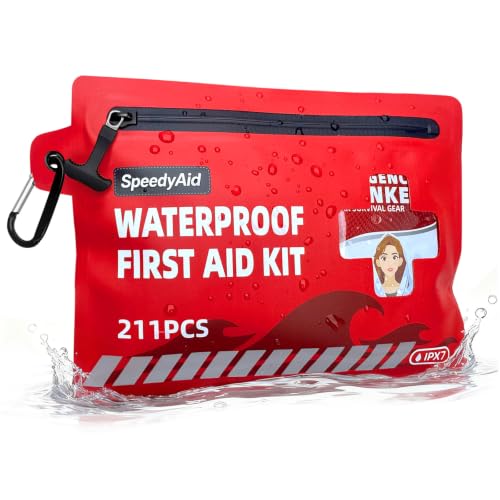
211 PCS Waterproof First Aid Kit, Emergency Supplies for
- ✓ Waterproof build works
- ✓ Compact and light
- ✓ Clear quick-reference guide
- ✕ Limited pocketing
- ✕ Zip might catch
| Waterproof rating | IPX7 |
| Material construction | 3-layer waterproof material with airtight zipper |
| Intended use environment | Outdoor water activities (boating, kayaking, fishing, camping, hiking) |
| Contents quantity | 211 essential supplies included |
| Carrying/attachment | Compact kit with reinforced carabiner for attachment to backpacks, belts, kayaks, or life vests |
| Visibility and navigation aid | High-visibility red color with reflective strip and quick-reference item list on back |
You rigged the SPEEDYAID 211 PCS Waterproof First Aid Kit onto my backpack before a weekend kayak trip, and I already loved the splash of bright red against the gray hiking gear. The moment I opened it, I felt the promise: 3-layer waterproof material and an airtight zipper that could survive a rainstorm or a near-dump into the lake.
It’s the kind of kit you notice in a crowd, not just because of the reflective strip, but because it feels built to actually stay dry.
Carabiner-ready design is exactly what I look for in a backpacking kit. It clips onto a belt loop or life vest without fuss, and the slim profile doesn’t swing around while you’re paddling.
The interior organization is smart, with a neat back-panel guide that makes finding bandages or gloves feel almost instinctive in a pinch. I tested the waterproof claim by splashing it and submerging the edge briefly—everything stayed dry, which takes away that nagging worry about soggy bandages.
Inside, you get 211 essentials, and that variety is noticeable in real use. The scissors cut cleanly, the iodine pads stay ready, and the emergency blanket is a lifesaver when the sun drops and the wind picks up.
It’s a practical balance between breadth of contents and a compact footprint, which matters when space is at a premium on a raft or a muddy trail.
The bright red color and reflective strip aren’t just for looks—they help you spot the kit in low light or among gear at a campsite. With a clear item list on the back, you won’t waste time rummaging when seconds count.
Overall, this kit proves you can pack substantial supplies without lugging a bulky box.
If you’re planning water-adjacent adventures or a busy camping trip, this kit feels like a trustworthy companion that actually improves your odds without slowing you down.
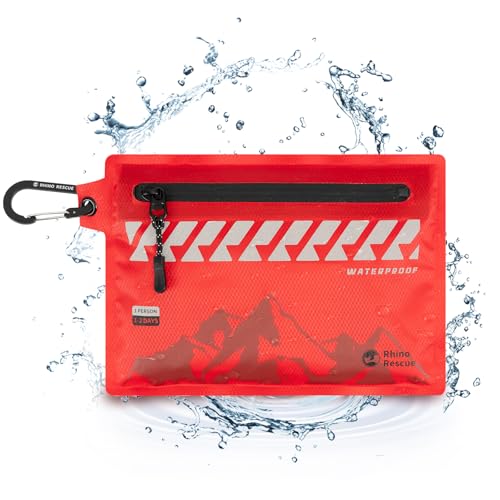
RHINO RESCUE Waterproof 114pc First Aid Kit for Travel
- ✓ Ultra-lightweight
- ✓ Waterproof and rugged
- ✓ 114 essentials
- ✕ Small zip compartment limits some items
- ✕ Packaging may vary
| Weight (Empty) | Approximately 30 g |
| Weight (Includes Supplies) | Approximately 0.67 lb (~303 g) |
| Material / Waterproofing | Premium waterproof fabric with seam sealing and waterproof zippers |
| Contents Count | 114 emergency essentials and supplies |
| Additional Gear Included | Whistle and multitool |
| Intended Use / Suitability | Compact first aid kit suitable for backpacking, camping, hiking, kayaking, and travel |
You felt the first gleam of relief when you pulled the RHINO RESCUE Ultralight Waterproof First Aid Kit from your pack and realized the fabric felt practically indestructible. The waterproof material and seam sealing are obvious the moment you touch it, with zippers that glide smoothly without snagging on any rough edge.
It’s the kind of bag you can trust not to flood your supplies during a sudden rain shower or a splashy river crossing.
At about 2/3 of a pound full, this kit stays out of your way, so you don’t notice it until you need it. The empty bag is around 30 grams, which means it disappears in your pocket or hangs quietly on your backpack until the moment of need.
You’ll appreciate how compact and light it is when you’re stacking gear for a long weekend.
Open it and you’re greeted with a surprisingly comprehensive 114 essentials tucked neatly inside. You don’t have to rummage for basic items like bandages or antiseptic; they’re all there, ready for minor cuts, burns, and blisters.
A lightweight whistle and multitool feel like thoughtful extras that might actually come in handy in an emergency, not just clutter.
Using it during a casual hike, you notice how easy it is to grab what you need without exposing everything to the elements. The pouch layout feels intuitive, so you’re not wrestling with the contents while trying to manage a small scrape.
It’s designed for quick access, which matters when you’re trying to keep moving and stay safe.
For backpacking, camping, or even a road trip, this kit slots into your routine without adding anxiety. It’s the kind of product you buy for peace of mind and end up using more than you expected, especially when you’re out where a simple scrape can slow you down.
Overall, it feels like a practical, ready-to-go solution that respects both your time and your gear investments.
What Features Should You Consider in the Best First Aid Kit for Backpacking?
When selecting the best first aid kit for backpacking, consider the following essential features:
- Size and Weight: The first aid kit should be compact and lightweight to ensure it doesn’t add unnecessary bulk to your backpack.
- Comprehensive Supplies: A good kit should include a variety of medical supplies such as bandages, antiseptics, and pain relief medication to address common injuries and ailments.
- Durability and Waterproofing: The materials used for the kit should be sturdy and ideally waterproof to protect contents from damage in wet conditions.
- Easy Organization: Items should be well-organized within the kit, with labeled compartments or pockets for quick access during emergencies.
- First Aid Manual or Instructions: Including a basic first aid manual can be invaluable, especially for those who may not be familiar with treating injuries.
- Personalized Additions: Consider adding personal medications or specialized items based on individual health needs or the specific environment you’ll be in.
The size and weight of the first aid kit are crucial, as backpacking often involves carrying everything on your back for extended periods. A compact kit ensures you have essential supplies without sacrificing too much space or adding excessive weight to your load.
Having comprehensive supplies is vital for addressing a range of emergencies from minor cuts and scrapes to more serious injuries. A well-stocked kit should include adhesive bandages, gauze, antiseptic wipes, antibiotic ointment, and over-the-counter medications like pain relievers or antihistamines.
Durability and waterproofing are important features that protect your first aid kit from the elements. Kits made from robust materials can endure rough handling, while waterproofing ensures that the contents remain dry and usable even in rainy conditions.
Easy organization facilitates quick access to supplies when time is critical. Look for kits that have compartments or color-coded sections, allowing you to swiftly locate items like splints, dressings, or emergency information when needed.
A first aid manual or instructions can provide guidance during stressful situations, especially for individuals who may not have extensive first aid training. It can offer step-by-step procedures for common injuries, helping you act effectively in emergencies.
Finally, personalizing your first aid kit by including specific medications or items can make it more effective. Consider any allergies or chronic conditions, and tailor your kit to meet your needs, ensuring you are prepared for any situation that may arise on your backpacking journey.
What Essential Items Must Be Included in a Backpacking First Aid Kit?
When preparing for a backpacking trip, having a well-stocked first aid kit is crucial for safety and preparedness.
- Adhesive Bandages: These are essential for covering minor cuts, scrapes, and blisters that can occur during hikes. They come in various sizes and can protect wounds from dirt and bacteria while aiding in the healing process.
- Antiseptic Wipes: Used to clean wounds before applying a bandage, antiseptic wipes help prevent infections. They are portable and can easily be used to sanitize hands or surfaces when necessary.
- Gauze Pads and Tape: For larger wounds, sterile gauze pads are necessary to absorb blood and protect the area. Medical tape is used to secure the gauze in place, ensuring that it stays on during activities.
- Pain Relievers: Over-the-counter pain relievers like ibuprofen or acetaminophen are important for managing pain and reducing inflammation. They can be helpful for headaches, muscle aches, or any discomfort experienced while hiking.
- Elastic Bandage: These are useful for wrapping sprains, strains, or injuries to joints. They provide compression and support, helping to reduce swelling and promote healing during your trip.
- Antihistamines: For those prone to allergies or insect bites, antihistamines can relieve symptoms such as itching, swelling, and rashes. Carrying a non-drowsy option is particularly important if you plan to remain active.
- Tweezers: A pair of tweezers is vital for removing splinters, ticks, or debris from wounds. They allow for precise removal, helping to prevent infection by ensuring that all foreign materials are cleared from the injury site.
- Scissors: Scissors can be used to cut tape, gauze, or clothing in emergencies. They are also handy for trimming any items that need to be adjusted for first aid purposes.
- Safety Pins: These can be used to secure bandages or to fasten clothing in case of an injury. They are lightweight and easy to pack, making them a practical addition to any first aid kit.
- CPR Face Shield: For emergencies requiring CPR, a face shield provides a barrier that protects both the rescuer and the victim. It is a crucial item for ensuring safety during resuscitation efforts.
- Burn Cream or Gel: In the event of a burn from campfires or cooking, burn cream or gel can soothe pain and promote healing. It is important to have this on hand, especially when cooking or using hot equipment while backpacking.
- Emergency Blanket: An emergency blanket can provide warmth in case of cold weather or shock. It is lightweight and compact, making it easy to carry while also serving multiple purposes in survival situations.
- First Aid Manual: Including a small manual or guide can be beneficial for those unfamiliar with first aid procedures. It can provide step-by-step instructions and ensure that you know how to handle various medical situations effectively.
How Can You Identify the Most Common Backpacking Injuries?
Identifying the most common backpacking injuries is crucial for ensuring safety and preparedness while exploring the outdoors.
- Blisters: Blisters are fluid-filled pockets that form on the skin due to friction, often caused by improper footwear or moisture. They can be painful and may hinder mobility, making it essential to have blister treatment supplies in your first aid kit.
- Sprains and Strains: Sprains occur when ligaments are stretched or torn, while strains involve muscles or tendons. These injuries can result from slips and falls or overexertion, necessitating rest, ice, compression, and elevation (RICE) as part of the first aid response.
- Cuts and Scrapes: Cuts and scrapes are common in outdoor activities, often resulting from contact with sharp objects or rough terrain. Proper cleaning and dressing of these wounds are vital to prevent infection, making antiseptic wipes and bandages essential in a first aid kit.
- Sunburn: Prolonged exposure to the sun without adequate protection can lead to painful sunburns. Using sunscreen and protective clothing is key to prevention, but having soothing ointments or gels in your first aid kit can help alleviate discomfort if sunburn occurs.
- Dehydration: Dehydration can happen when backpackers fail to drink enough fluids, especially in hot weather or during strenuous activity. Recognizing signs such as dizziness or dry mouth is crucial, and having electrolyte solutions in your first aid kit can help rehydrate an affected individual.
- Insect Bites and Stings: Insects can pose risks through bites and stings, potentially leading to allergic reactions or infections. It’s important to have antihistamines and topical creams in your first aid kit to address symptoms and reduce discomfort from these encounters.
- Heat Exhaustion: This occurs when the body overheats, often due to high temperatures and physical exertion, leading to symptoms like heavy sweating, weakness, and nausea. It’s essential to have cooling measures and rehydration solutions in your first aid kit to treat this condition promptly.
- Hypothermia: Hypothermia can develop in cold conditions when the body loses heat faster than it can produce it. Recognizing early signs such as shivering and confusion is crucial, and having thermal blankets and insulation gear in your first aid kit can be lifesaving.
What Are the Best Practices for Customizing Your First Aid Kit?
Customizing your first aid kit for backpacking ensures that it meets your specific needs while minimizing weight and bulk. Here are some best practices for tailoring your kit effectively:
-
Assess Personal Needs: Consider any medical conditions, allergies, or medications that you or your group may have. Include specific items like an EpiPen for severe allergies or extra supplies for chronic conditions.
-
Evaluate Trip Conditions: Different terrains pose unique risks. If hiking in remote mountain areas, add a splint or a pressure bandage for potential injuries. For hot climates, include items to treat heat exhaustion and insect bites.
-
Prioritize Common Injuries: Stock your kit with supplies to treat common issues like cuts, scrapes, and blisters. Include antiseptic wipes, adhesive bandages in various sizes, and blister pads.
-
Add Prescription Medications: Ensure any necessary prescription medications are packed, along with extras to cover unexpected situations.
-
Include a First Aid Manual: A small manual or reference card can provide quick instructions on handling various emergencies, making the kit more useful.
Regularly review and update your kit based on past experiences and changes in personal health. This personalized approach enhances safety and preparedness while backpacking.
How Do Size and Weight Influence Your First Aid Kit Choice When Backpacking?
When selecting the best first aid kit for backpacking, size and weight play critical roles to ensure convenience and preparedness without adding unnecessary bulk to your pack.
- Compact Size: A compact first aid kit is essential for backpacking as it allows easy storage and access within limited space. It should fit comfortably in your backpack without taking up too much room that could be used for other gear.
- Lightweight Materials: The materials used in the first aid kit contribute significantly to its overall weight. Opting for lightweight yet durable materials ensures that the kit remains portable and does not add excessive weight to your load, making it easier to carry over long distances.
- Essential Contents: The contents of the kit should be tailored for backpacking needs, focusing on high-priority items such as bandages, antiseptics, and pain relievers. This selection helps to keep the kit lightweight while still providing adequate care for common injuries encountered on the trail.
- Modular Design: A modular first aid kit allows you to customize the contents based on your specific trip requirements and group size. This flexibility helps in maintaining a manageable size and weight while ensuring that you are fully prepared for various scenarios.
- Water Resistance: A water-resistant first aid kit is important for backpacking, as it protects the contents from moisture and environmental elements. This feature ensures that medical supplies remain effective and usable, even in adverse weather conditions.