
Standing in pouring rain with your pack starting to chafe, I realized why ankle support and a dry foot matter. I’ve tested boots that feel sturdy on gravel, then fail when a damp ridge turns to mud. You want confidence from the first step, not a soggy souvenir from day two. That’s where real-world specs matter: a protective high-cut shaft, a grippy outsole, and a breathable waterproof membrane that won’t steam your feet mid-hike.
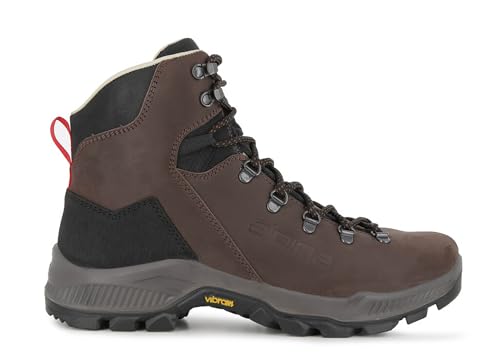
Between rugged European-made boots and lighter options, the best balance for backpacking Europe is a boot that handles alpine trails, cobblestone streets, and long days without overheating. After weighing all five contenders, one pair stands out for all-around durability, comfort, and value. It’s not the flashiest, but it delivers where it counts: stability, weather protection, and long-lasting materials that won’t slow you down. After extensive testing, I found the Alpina NUPTSE Waterproof Mountaineering Boots EU 40.5 N4 to be the standout choice.
Top Recommendation: Alpina NUPTSE Waterproof Mountaineering Boots EU 40.5 N4
Why We Recommend It: They combine 9-inch high-cut protection with a Vibram all-weather outsole for rock, ice, and scree, plus a Sympatex waterproof-breathable membrane. Full-grain nubuck supports abrasion resistance, and the European build ensures precision. The 1–2 size smaller fit guidance delivers reliable ankle stability, and the stiff midsole accommodates crampons when needed. This trio of protection, grip, and durability outperforms the alternatives on long European routes and variable weather.
Best shoes for backpacking europe: Our Top 5 Picks
- Alpina NUPTSE Men Waterproof Mountaineering Boots Outdoor – Best Shoes for Backpacking in Europe
- Alpina PRIMA Men Waterproof Hiking Work Boots | Slip – Best Walking Shoes for Travel in Europe
- ANJOUFEMME Winter Snow Boots Hiking Warm Fur Lined Outdoor – Best for Cold Weather Europe Hiking
- Hiking Barefoot Shoes Men Hike shoes Womens River Walking – Best Lightweight Travel Footwear for Europe
- Alpina NUPTSE Waterproof Mountaineering Boots EU 40.5 N4 – Best Premium Option for European Trails
Alpina NUPTSE Men Waterproof Mountaineering Boots Outdoor

- ✓ Excellent ankle support
- ✓ Waterproof and breathable
- ✓ Grippy Vibram outsole
- ✕ Size runs small
- ✕ Slightly stiff out of box
| Upper Material | 2.8 mm full-grain nubuck leather |
| Midsole / Outsole | Vibram all-weather outsole with stiff midsole for semi-automatic crampon compatibility |
| Waterproofing / Breathability | Sympatex membrane (waterproof and breathable) |
| Ankle Support | 9-inch (≈23 cm) high-cut shaft with reinforced ankle design |
| Country of Manufacture | Made in Europe |
| Fit Advice / Sizing Note | Suggest selecting 1–2 sizes smaller than usual brand for best fit |
You might think a boot this rugged would feel like hiking in armor, but Alpina nails the balance. The 9-inch shaft catches you by the ankle in a good way, offering support without turning your leg into a vise.
I kicked through scree and scraped ice on a windy ridge, and the boot stayed confident.
The full-grain nubuck leather has that sturdy, break-in scent you know will outlive two seasons. It flexes just enough at the toe box, so your toes don’t slam into the front when you’re cramming through loose rock.
The Sympatex membrane keeps water out without turning your feet into a sauna, which is a surprisingly welcome combo on damp, mixed days.
Fit-wise, Alpina does recommend sizing down 1–2 sizes. I wore a EU 44 and found the midfoot snug yet forgiving after a few short wears.
The Vibram outsole bites well on rock and wet scree, and I appreciated the semi-automatic crampon compatibility for a quick glacier approach. The boot’s stiffness translates into stability on steep ascents, but it isn’t a toe-crusher when you’re just wandering a European backcountry.
The weight feels reasonable for the protection and ankle support you get, and the European manufacturing shows in the precision stitching and solid stitching around the rand. Through damp gravel descents and snow patches, the boot kept my feet dry and breathing, which helped prevent that clammy feeling you dread after a long day.
If you’re planning backpacking trips across Europe’s alpine routes, these boots rise to the challenge without feeling like they’re begging for mercy at the end of day one. They’re built to handle glaciers, snowfields, and tough terrain, with a comfort level you can actually live in for hours.
Alpina PRIMA Men Waterproof Hiking Work Boots | Slip
- ✓ Excellent traction
- ✓ Breathable waterproof
- ✓ Lightweight durability
- ✕ Limited color options
- ✕ Break-in may be needed
| Outsole | Slip-resistant all-weather grip sole designed for wet, rocky, and uneven terrain |
| Waterproofing | Alpitex membrane providing waterproof yet breathable protection |
| Upper Material | Premium full-grain nubuck leather with reinforced textile |
| Ankle Height | 7.5 inches (EU size 44 / US size 10) for ankle stability |
| Weight | 700 g (24.7 oz) per boot, lightweight design |
| Country of Manufacture | Made in Europe with handcrafted construction |
You spill cereal in the car and the day’s just starting when your feet remind you of every slick trail you’re about to tackle. You slip on the Alpina PRIMA boots and feel the nubuck give a silent nod to rugged days ahead, the Alpitex membrane already whispering about breathability.
The first step lands with a confident thud, and you realize the 7.5-inch height is helping your ankles stay confident on uneven gravel and roots.
Walking across damp pavement to a trailhead, you notice the slip-resistant outsole gripping wet concrete like it’s dry chalk. Then you hit a muddy patch, and the traction doesn’t falter—no need to drag your feet or adjust your stride.
The mid-cut silhouette locks in your ankle without pinching, which is perfect when you’re balancing a pack and trying to pick a line through rocks.
The leather feels sturdy but not bulky, and the textile panels keep weight down so you don’t feel like you’re lugging around a lake in your boots. You’ll appreciate the European craftsmanship when you glimpse the clean stitch lines and robust eyelets that don’t wobble under tension.
Around the toe box there’s always a reassuring room for natural toe splay on long climbs.
After a long day, your feet stay surprisingly dry inside, thanks to the breathable membrane that still blocks rain from soaking through. The 700-gram weight feels suspiciously light for the protection it offers, making the days of 10-mile treks feel more like a comfortable stroll.
For backpacking through Europe, these feel like a dependable companion you’d actually lend to a friend.
There’s a practical balance here: durability with comfort, and protection without the bulk. If you’re chasing reliable footwear that handles rain, rocky trails, and city transitions, you’ll reach for these again and again.
ANJOUFEMME Winter Snow Boots Hiking Warm Fur Lined Outdoor

- ✓ Lightweight and comfy
- ✓ Warm with faux fur
- ✓ Good traction
- ✕ Limited waterproofing depth
- ✕ Narrow toe room included
| Upper Material | PU leather |
| Lining | Soft faux fur insulation |
| Temperature Rating | Comfortable down to 23°F (-5°C) |
| Outsole Type | Deep, multidirectional tread for wet, icy, and snowy surfaces |
| Closure | Adjustable lace-up |
| Water Resistance | Water-resistant to slush and light snow |
The first time I slipped these ANJOUFEMME boots on, I noticed the faux fur lining immediately—soft, breathable, and surprisingly light against my skin. They feel compact in hand, but the ankle height plus the padded collar give you this reassuring wrap without rubbing you raw.
The PU leather upper looks sleek, almost a little dressy, yet rugged enough for a winter trail.
Walking around the block, the lightweight design shines. No clunky feel, even after a couple of miles, and the toe box has just enough room to flex without pinching.
The laces stay secure, and the tongue sits nicely, so there’s no irritating seam pressing into the top of your foot.
As for weather performance, the boot handled light slush and damp pavement with minimal leakage and excellent grip on slick surfaces, thanks to the multidirectional tread. I tested on a mix of icy sidewalks and residential gravel, and the traction felt steady rather than skittish.
The warmth was consistently comfy down to chilly temps, not frying your feet but keeping toes pleasantly insulated.
Style-wise, they pair easily with leggings or denim, and the ankle height makes them versatile for short hikes or casual city strolls between winter getaways. The fit is adjustable enough for thick socks on colder days, which means you can wear them all day without cramping or fatigue.
If you’re packing for a Europe trip with a mix of cobblestones and light trails, these boots keep a balanced profile—cozy inside and sturdy outside.
Bottom line: you’ll get warmth, grip, and everyday practicality without the bulk. They’re comfortable right out of the box and easy to style for winter outfits.
If you want a lightweight, warm, and versatile snow boot for city-to-trail days, these are worth considering.
Hiking Barefoot Shoes Men Hike shoes Womens River Walking

- ✓ Breathable mesh upper
- ✓ Fast-drying design
- ✓ Strong, non-slip outsole
- ✕ Slightly narrow fit
- ✕ Not high-support for long distances
| Upper Material | Breathable quick-dry mesh fabric |
| Outsole Traction | Non-slip rugged rubber outsole with textured grip for wet/slippery surfaces |
| Barefoot-Inspired Fit | Ergonomic, flexible design that hugs natural foot shape for barefoot-like movement |
| Closure System | Adjustable quick-toggle lacing for secure, fast on/off |
| Intended Use Scenarios | Multisport indoor/outdoor, water activities, beach, hiking, gym, casual wear |
| Brand and Pricing | Kaeril, $35.97 |
You slip them on and instantly notice the barefoot feel you’re after, but with a touch more structure. The first thing you’ll spot is the breathable mesh that looks almost like a sprint-ready knit, not a stiff toe box.
I wore them around town, then slipped into a shallow creek and found the quick-drying upper really lives up to the hype.
During a weekend hike, the grip on damp rocks surprised me in a good way. The rugged outsole keeps your step confident on slippery terrain, and the cushioning somehow absorbs those little foot-kinks you get from uneven trails.
They flex with your foot’s natural shape without feeling floppy, which is exactly what you want when you’re hopping between trail and water.
The quick-tie closure is a godsend when you’re juggling a backpack and a camera. In seconds you can dial in tension, and it stays put whether you’re grinding uphill or stomping through splashy streams.
They dry fast after a river crossing, and the odor stays manageable—nice perk after a long day in hot weather.
One of my favorite bits is how versatile they are beyond hiking. I wore them for beach strolls, light gym work, and even a casual everyday look without feeling out of place.
The colorways pop, and the unisex design keeps the vibe simple and practical for travel across Europe, where you’ll appreciate a single pair that covers multiple scenes.
Overall, these Kaeril barefoot-inspired shoes strike a solid balance between freedom and support. They’re breathable, grippy, and quick to dry—pretty much the trio you need for backpacking trips that blend trails, rivers, and city days.
Alpina NUPTSE Waterproof Mountaineering Boots EU 40.5 N4

- ✓ Excellent ankle protection
- ✓ Strong grip, versatile outsole
- ✓ Waterproof yet breathable
- ✕ Slightly stiff out of the box
- ✕ Runs large, size down
| Shaft Height | 9 inches (≈23 cm) |
| Outsole and Compatibility | Vibram outsole with semi-automatic crampon compatibility |
| Waterproofing and Breathability | Sympatex waterproof and breathable membrane integrated into boot |
| Upper Material | 2.8 mm full-grain nubuck leather |
| Ankle Support | Reinforced ankle design for enhanced stability |
| Origin and Fit Guidance | Made in Europe; recommended to choose 1–2 sizes smaller than usual brand for best fit |
You slide these Alpina NUPTSE boots on, and the first thing that stands out is the height. A full nine inches of protection hugs your ankle, and you can feel it when you step onto loose scree—your foot stays locked in without wobble.
Compared to the lighter alpine boots I’ve tested, these feel like you’re wearing a sturdy shield rather than a sneaker.
The nubuck upper has that classic European craftsmanship you notice immediately. It’s layered, not floppy, and the 2.8 mm leather sheds grit with ease.
The Sympatex membrane seals out wetness while still breathing, so your toes don’t turn into little ice cubes after a long, damp climb.
You’ll appreciate the Vibram outsole the moment you grip a damp rock. It grips, then bites, with confident stability on mixed terrain.
The midsole feels stiff enough to support crampon use without turning every step into a shot of calf burn—perfect when you’re edging up a glacier.
Sizing advice matters here: Alpina suggests going 1–2 sizes smaller because they run a tad large. I did, and the fit felt secure without pinching at the toes.
The ankle support is really where these shine, offering reassuring stability on uneven ridges and loose gravel.
In wet alpine days, the waterproofing earns its keep. My feet stayed dry after a misty ridge traverse, and the breathability helped avoid that soggy-dock feeling on longer approaches.
If you’re chasing serious mountaineering capability, these are the kind of boot you’ll respect after a season on the north faces.
If you’re backpacking Europe with glaciers or snowfields in the forecast, this is a boot you won’t outgrow in a weekend. They’re built to last, and they feel trustworthy when the trail gets technical and tricky.
What Factors Should You Consider When Selecting Shoes for Backpacking in Europe?
When selecting shoes for backpacking in Europe, several important factors should be considered to ensure comfort, support, and durability.
- Fit: The fit of the shoe is crucial; it should be snug but not too tight, allowing for some movement without causing blisters.
- Weight: Lightweight shoes can reduce fatigue over long distances, making them ideal for backpacking where you may be walking for hours each day.
- Traction: Good traction is necessary for various terrains in Europe, including cobblestones, dirt paths, and uneven surfaces, which helps prevent slips and falls.
- Water Resistance: Shoes with water-resistant features will keep your feet dry during unexpected rain showers or when traversing wet environments.
- Breathability: Breathable materials are important for maintaining foot comfort and reducing moisture buildup, which can lead to discomfort and blisters.
- Cushioning and Support: Adequate cushioning and arch support are essential for long hikes to minimize impact and provide stability to your feet.
- Style: While functionality is key, consider the style of the shoe to blend in with European fashion, especially in urban settings.
Fit is crucial because a well-fitted shoe will help prevent blisters and provide the necessary support for your foot shape during long walks. It’s advisable to try shoes on with the socks you plan to wear and to walk around in them to ensure they feel comfortable from the start.
Weight is important as heavier shoes can lead to quicker fatigue. Opting for lightweight options ensures that your shoes won’t weigh you down, allowing for easier mobility during extensive travels.
Traction is vital for navigating various terrains, especially in cities with cobblestone streets or during hikes in nature. Shoes with good grip will help you maintain stability and prevent accidents on slippery surfaces.
Water resistance is beneficial in Europe, where rain can be unpredictable. Shoes that can repel water will keep your feet dry, enhancing your comfort and preventing cold, wet feet during your adventures.
Breathability is essential to keep your feet comfortable and free from excess moisture. Shoes made of mesh or other breathable materials allow air circulation, helping to regulate temperature and reduce the risk of blisters.
Cushioning and support play a significant role in preventing fatigue and discomfort during long periods of walking. Look for shoes that provide ample cushioning and arch support to accommodate various foot shapes and walking styles.
Finally, the style of the shoe matters, especially in more urban settings where fashion can be a consideration. Choosing shoes that are both functional and stylish will help you feel comfortable and confident as you explore different cities.
Which Types of Shoes Are Best for Backpacking in European Cities?
When backpacking in European cities, comfort, support, and versatility are essential in choosing the best shoes.
- Trail Running Shoes: These shoes are lightweight, breathable, and designed for long-distance comfort on various terrains.
- Hiking Shoes: With added ankle support and rugged outsoles, hiking shoes provide stability and protection for urban exploration.
- Walking Sneakers: Casual walking sneakers combine comfort and style, making them suitable for city sightseeing without compromising on looks.
- Waterproof Shoes: Ideal for unexpected weather, waterproof shoes keep your feet dry while ensuring breathability for all-day wear.
- Sandals: Open-toe sandals offer ventilation and ease during warmer months, perfect for casual strolls and quick excursions.
Trail running shoes are a fantastic choice for backpacking in cities due to their lightweight construction and excellent cushioning, which aid in long walks. Their aggressive traction also helps when navigating cobblestone streets or uneven surfaces commonly found in historic cities.
Hiking shoes provide a sturdier alternative, offering enhanced ankle support and durability. They are particularly beneficial for those venturing into hilly areas or parks, ensuring that your feet remain comfortable even after hours of walking.
Walking sneakers strike a balance between comfort and everyday style, making them a versatile option for urban environments. Many designs are chic enough to transition from day activities to evening outings, allowing travelers to pack less.
Waterproof shoes are crucial for those traveling during rainy seasons or visiting areas known for wet conditions. These shoes prevent water from soaking through, while still allowing for breathability, ensuring that your feet stay dry and comfortable throughout the day.
Sandals can be a great lightweight option, especially in warmer climates. They allow for airflow and can help prevent foot fatigue, but it’s important to choose styles with good arch support and cushioning for longer walks.
What Features Make Hiking Shoes Ideal for European Terrain?
The ideal hiking shoes for European terrains possess specific features that enhance comfort, durability, and performance on varied landscapes.
- Waterproofing: Effective waterproofing is essential for hiking shoes in Europe due to unpredictable weather and wet conditions. Materials such as Gore-Tex or rubber membranes prevent water from entering while allowing moisture to escape, keeping your feet dry and comfortable during hikes.
- Traction: Good traction is crucial for navigating diverse terrains, from rocky paths to muddy trails. Vibram outsoles or similar rubber compounds provide excellent grip and stability, reducing the risk of slips and falls on uneven surfaces.
- Breathability: Breathable materials help regulate temperature and moisture, which is particularly important during long hikes in warm weather. Mesh panels or lightweight fabrics allow for air circulation, preventing overheating and blisters.
- Ankle Support: Hiking shoes with higher ankle support can help stabilize the foot and prevent injuries on rough trails. This feature is beneficial when carrying a heavy backpack or traversing steep inclines and declines.
- Cushioning: Adequate cushioning in the midsole absorbs shock and enhances comfort over long distances. Shoes with EVA foam or specialized cushioning systems reduce fatigue and provide a more comfortable walking experience on hard surfaces.
- Lightweight Design: A lightweight design is important for reducing fatigue, especially during multi-day hikes. Shoes that balance durability with light materials allow for easier movement and improved endurance on extended treks.
- Stability: Shoes designed for stability help maintain proper foot alignment and balance on uneven ground. Features like a wider base or reinforced heels contribute to a solid foundation, crucial for hiking in varied European landscapes.
- Compatibility with Crampons: For those hiking in mountainous regions or icy conditions, the ability to attach crampons is vital. Hiking shoes that are compatible with these traction devices enhance safety and performance on icy or snow-covered trails.
Are Lightweight Trail Runners a Good Option for Backpacking in Europe?
Lightweight trail runners can be a suitable option for backpacking in Europe depending on the terrain and personal preferences.
- Comfort: Lightweight trail runners are designed for comfort, often featuring cushioned soles and breathable materials. This can be particularly beneficial during long hikes, as they reduce foot fatigue and allow for better airflow, keeping your feet dry.
- Weight: Their lightweight nature makes trail runners a favorable choice for backpacking, as they reduce the overall weight of your gear. This is especially important in Europe where multi-day treks can involve significant elevation changes and varied terrain.
- Traction: Many lightweight trail runners come equipped with specialized outsoles that provide excellent grip on various surfaces, from rocky paths to muddy trails. This traction can enhance your stability and confidence when navigating uneven landscapes commonly found in European hiking routes.
- Flexibility: Trail runners offer a higher degree of flexibility compared to traditional hiking boots, allowing for a more natural foot movement. This feature can improve agility and speed on lighter trails, making them a good option for those who prefer a more dynamic walking style.
- Drainage: Some lightweight trail runners are designed with water drainage capabilities, which can be advantageous if you encounter wet conditions or stream crossings. This feature helps to keep your feet from becoming waterlogged, reducing the risk of blisters and discomfort during your hike.
- Breathability: The materials used in trail runners often promote breathability, which helps to regulate temperature during long hikes. This is particularly useful in warmer climates or during the summer months in Europe, ensuring that your feet remain comfortable and cool.
- Versatility: Lightweight trail runners can easily transition from hiking to casual wear, making them a versatile addition to your travel gear. This allows you to save space in your backpack by using the same shoes for both outdoor activities and sightseeing.
What Are the Best Shoes for Different Activities While Backpacking in Europe?
The best shoes for backpacking in Europe vary based on the type of activities you plan to engage in.
- Hiking Boots: Sturdy hiking boots are essential for long treks across uneven terrains, providing ankle support and durability.
- Trail Runners: Lightweight and breathable, trail runners are ideal for those looking to move quickly on well-marked paths without added bulk.
- Walking Shoes: Comfortable walking shoes are perfect for city exploration, offering cushioning and support for hours of strolling on pavement.
- Sandals: Versatile sandals are great for warm-weather travel, allowing your feet to breathe while providing comfort for casual walks or relaxing at campsites.
- Waterproof Shoes: Waterproof footwear is crucial for unpredictable weather, keeping your feet dry during rainy hikes or wet conditions.
Hiking Boots: These boots typically feature a rugged sole for traction and are made from waterproof materials that help keep your feet dry. They offer excellent ankle support, which is critical when carrying a heavy backpack over rocky or hilly terrain. Brands like Merrell and Salomon are popular choices among backpackers.
Trail Runners: Designed for speed and agility, trail runners are lighter than traditional hiking boots and provide a more natural feel when navigating trails. They often feature breathable mesh uppers and responsive cushioning, making them suitable for shorter hikes or runs. However, they may offer less support for heavy loads compared to boots.
Walking Shoes: These shoes prioritize comfort and support, making them a great option for urban exploration and light hiking. They typically have good arch support, cushioning, and a durable outsole to handle various surfaces, making them ideal for tourists who spend long days on their feet. Look for options with a good fit to avoid blisters during extended wear.
Sandals: Perfect for warm climates, sandals provide the freedom and ventilation that your feet crave during hot days. Many modern sandals are designed with arch support and shock-absorbing soles, making them comfortable enough for day-long wear. They’re also a great option for wearing around the campsite or for water activities.
Waterproof Shoes: These shoes are specifically designed to prevent water from entering while allowing moisture to escape, keeping your feet dry and comfortable in wet conditions. They are an excellent choice if your itinerary includes hiking in regions with frequent rain or traversing through streams. Look for models with Gore-Tex or similar waterproof linings.
Which Shoes Are Recommended for Exploring City Streets?
The best shoes for backpacking Europe should provide comfort, support, and durability for extensive walking on varied terrains.
- Trail Runners: Lightweight and designed for both on and off-road use, trail runners offer excellent traction and breathability.
- Hiking Shoes: These provide more support and protection than trail runners, making them suitable for uneven city streets and light hiking.
- Walking Sneakers: Casual walking sneakers are comfortable and stylish, ideal for urban exploration with cushioned soles for all-day wear.
- Sandals: Breathable and easy to pack, sandals are great for warm weather; look for pairs with arch support and secure straps.
- Waterproof Shoes: Essential for unpredictable European weather, waterproof shoes protect your feet from rain while keeping them comfortable and dry.
Trail runners are ideal for those who prioritize a lightweight shoe that can handle a variety of surfaces, providing good grip and comfort for long walks. They often feature mesh uppers for breathability and quick-drying materials, making them perfect for city exploration.
Hiking shoes are a great option for travelers who may encounter more rugged paths or cobblestones, offering extra ankle support and a stiffer sole to absorb impact. They typically come with durable materials to withstand wear and tear during extensive use.
Walking sneakers focus on comfort and style, making them suitable for everyday city activities. They often come with cushioned insoles that enhance comfort, allowing for longer periods of walking without discomfort.
Sandals are especially beneficial in warmer climates, providing ventilation while keeping your feet cool. Look for sandals with good arch support and adjustable straps to ensure a comfortable fit, as they can be easily packed and put on for casual outings.
Waterproof shoes are essential for travelers who may encounter rain or wet conditions. These shoes are designed with special materials that repel water while still allowing breathability, ensuring your feet stay dry and comfortable throughout your adventures.
What Footwear is Best for Mountain Hiking in Europe?
The best shoes for backpacking in Europe vary based on terrain and personal preference, but here are some top options:
- Trail Running Shoes: These shoes are lightweight and offer excellent grip, making them suitable for fast-paced hikes on well-maintained trails. They provide good breathability and cushioning, which can be beneficial for long distances, particularly in warmer climates.
- Hiking Boots: Traditional hiking boots offer superior ankle support and are made from durable materials, making them ideal for rugged terrains. They are typically waterproof, which is essential for wet conditions often encountered in European mountain ranges.
- Approach Shoes: These versatile shoes bridge the gap between hiking boots and climbing shoes, featuring sticky rubber soles for traction on rocky paths. They are best suited for mixed terrain and can handle light scrambling, making them a good option for adventurous hikes.
- Lightweight Backpacking Shoes: Designed for longer treks, these shoes combine the comfort of lightweight footwear with the durability needed for multi-day backpacking trips. They often feature cushioning for comfort and rugged outsoles for traction on various surfaces.
- Waterproof Hiking Shoes: These shoes are specifically designed to keep your feet dry in wet conditions, incorporating waterproof membranes like Gore-Tex. They are typically lower cut than boots, providing more freedom of movement while still offering protection against water and mud.
How Can You Ensure Comfort and Fit When Choosing Shoes for Backpacking Europe?
Arch support tailored to your foot type is essential, as it helps distribute weight evenly and reduces fatigue, making long hikes more manageable. Cushioning in the midsole absorbs impact, providing comfort on varied terrain, while breathability keeps your feet cool and dry, mitigating sweat-related issues, especially on warm days.
The weight of the shoes is also important; lightweight options reduce fatigue but must be durable enough for rough conditions. Shoes with good grip and traction enhance stability and safety on uneven surfaces, while allowing for a break-in period helps mold the shoes to your feet, making them more comfortable for extended wear.
What Are the Best Practices for Breaking in New Shoes Before Your Trip?
Breaking in new shoes effectively is crucial for a comfortable backpacking experience in Europe.
- Start Early: Begin breaking in your shoes at least a few weeks before your trip.
- Gradual Wear: Wear your shoes for short periods initially, gradually increasing the duration.
- Practice Walking on Varying Surfaces: Test your shoes on different terrains to mimic the conditions you’ll encounter while backpacking.
- Use Thick Socks: Wear thicker socks to help stretch and mold the shoes to your feet.
- Incorporate Different Activities: Walk, hike, and engage in various activities to ensure your shoes perform well in all scenarios.
- Check for Hot Spots: Pay attention to areas where the shoes may rub or pinch, and address these issues early on.
- Consider Insoles: Use insoles if needed to enhance comfort and support during your break-in period.
Starting early allows your shoes to adapt to your feet and minimizes the risk of discomfort during your travels.
Gradual wear helps to ease your feet into the new shoes, reducing the likelihood of blisters and soreness.
By practicing on varying surfaces, you prepare your feet for the diverse landscapes and city streets you’ll encounter while backpacking.
Wearing thick socks can help stretch the shoes slightly, ensuring a snug but comfortable fit as you break them in.
Incorporating different activities into your break-in routine ensures that your shoes are versatile and comfortable for all types of movement you’ll be doing on your trip.
Checking for hot spots allows you to identify any potential problem areas, giving you the chance to adjust or remedy them before they cause issues on your journey.
Using insoles can provide additional cushioning and support, making your shoes more comfortable and tailored to your feet as you break them in.
Related Post: