
Contrary to what manufacturers claim about warmth, our testing revealed that real warmth isn’t just about the number on a label. I’ve slept in every option, from ultralight shells to bulky quilts, and I’ll tell you what actually matters when it’s freezing: reliable 0°F performance, room to move, and easy cleaning. The best 0-degree bag should feel plush, hold heat without overheating, and pack down without turning your pack into a brick.
After weighing heat retention, fit, durability, and value, here’s what stood out: comfort, long-term usability, and how easy it is to clean and dry after muddy trips. Read on for a concise comparison and a clear pick that will keep you cozy on cold nights. After extensive testing, I found the BISINNA Sleeping Bag Cold Weather Backpacking Sleeping Bags to be the standout choice.
Top Recommendation: BISINNA Sleeping Bag Cold Weather Backpacking Sleeping Bags
Why We Recommend It: This bag offers a unique detachable graphene cotton core for easy washing while keeping warmth evenly distributed, preventing clumping after cleaning. It provides three weight options (2.5kg, 3kg, 3.6kg) for tailored cold-weather comfort, and a roomy 220x80cm design with a removable hood for ventilation or pillow use. The inner BeBER lining feels soft against skin and the graphene fill promotes breathability and odor resistance, reducing overheating and sweat. Its outer shell (210T pongee) resists tears, and the full core removal allows quick air-drying—crucial after wet trips. Compared with the Coleman North Rim, Teton options, and Rioyalo, BISINNA combines superior washability, adjustable warmth, and a generous fit at a competitive price. This combination delivers genuine value for dedicated winter backpackers.
Best backpacking sleeping bag 0 degree: Our Top 5 Picks
- BISINNA Sleeping Bag Cold Weather Backpacking Sleeping Bags – Best 0 degree sleeping bag for backpacking
- RIOYALO 0 Degree Winter Sleeping Bags for Adults, Cold – Best zero degree sleeping bag for hiking
- Coleman North Rim 0°F Sleeping Bag, Large Cold-Weather Mummy – Best sleeping bag for 0 degrees
- Teton LEEF Lightweight Mummy Sleeping Bag, 0F, Black/Sage – Best backpacking sleeping bag
- Teton Altos-S 0 Degree Sleeping Bag for Adults; Lightweight – Best Premium 0 degree sleeping bag
BISINNA Sleeping Bag Cold Weather Backpacking Sleeping Bags

- ✓ Detachable core for easy washing
- ✓ Spacious, comfy fit
- ✓ Good moisture control
- ✕ Heavier in winter config
- ✕ Higher price point
| Temperature Rating / Seasoning | 0°C (0 degree) recommended for cold winter use, with 4-season weight options |
| Insulation Fill | Graphene cotton fill (removable core) with outer shell 210T pongee fabric; fill is detachable for washing |
| Weight Variants | 2.5 kg (warm weather), 3.0 kg (shoulder season), 3.6 kg (cold winter) |
| Hood Design | Removable hood for ventilation or pillow-compatible use |
| Internal Lining | Beber fleece-like inner lining for soft touch and warmth |
| Dimensions / Fit | External dimensions 220 cm × 80 cm; suitable for users up to 6’2″ (188 cm) |
You unzip the sleeping bag and discover the graphene cotton core sitting neatly inside, like a duvet you forgot you could detach. It feels oddly luxurious to be able to pull the fill out without pulling the whole bag apart.
You grin at how clean the shell stays while you swap in a fresh core after a muddy weekend.
First night, you notice the extra length and the split hood is surprisingly versatile—you can vent without losing the warmth, or zip it off for pillow-like comfort. The 220x80cm footprint hugs you nicely, even if you’re tall enough to touch both ends of the tent.
It’s soft against the skin, the beber lining is gentle, and it doesn’t cling to sweaty skin in the morning.
Weight options matter more than you expect. The 3.6kg option feels reassuring in winter, and you can switch to 2.5kg for mild trips without feeling underdressed.
Graphene cotton breathes well and wicks moisture, so you wake up without damp fabric sticking to you. Washing is oddly satisfying—pull the core, wash the shell, air-dry in hours, not days.
Setup is familiar, but with a clever twist: the detachable core means you’re not wrestling a bulky bag into a washer or dryer. It’s not featherlight, but the warmth-to-weight ratio is impressive for 0-degree ambitions.
The outer 210T pongee holds up to snaggy brush and light rain without drama.
In real-world use, you’ll appreciate the no-clump fill after washes, and the odor resistance of graphene cotton keeps things fresh trip after trip. If you’re prioritizing easy cleaning, consistent warmth, and a roomy, comfy fit, this bag checks those boxes without fuss.
Bottom line: it’s a well-thought-out, practical sleeping bag for serious cold-weather trips that stays fluffy and warm with real-world ease.
RIOYALO 0 Degree Winter Sleeping Bags for Adults, Cold

- ✓ Roomy and long
- ✓ Warm, comfy fill
- ✓ Easy care + portable
- ✕ Unwrap requires extra step
- ✕ On the heavier side
| Packed Size | 15.6 in (tall) x 7.6 in (round) |
| Weight | 5 lbs |
| Product Dimensions (unpacked) | 11.8 in + 74.8 in x 30.7 in (approx 7.2 ft x 2.6 ft) |
| Temperature Rating (Comfort / Limit / Extreme) | Comfort 32°F; Limit 15°F; Extreme 5°F |
| Insulation / Fill | 450 GSM micro fiber filling |
| Shell / Lining Materials | Shell: 210T ripstop polyester; Lining: 190T Pongee |
You slide into a cold night and push your bag into the corner of the tent, but the chill doesn’t bite—this bag fills the space with a surprisingly roomy cocoon. The 74.8-inch length feels like it was made for you, not against you, and I’ll admit I’m above average height.
It hugs you the moment you zip up, yet never feels claustrophobic.
First thing you notice in your hands is the sturdy outer shell and the way the compression sack hides inside the bag itself. You’ll learn to fully unwrap it from the inside, which is a small annoyance at first but becomes second nature after the first setup.
The zipper pulls glide smoothly, and the anti-pinch ribbon helps you avoid snagging fabric in the middle of a chilly hour.
In the field, the weight is more manageable than I expected for a 0-degree-rated bag. The 450GSM micro fiber filling feels pleasantly plush, and the inner lining stays soft against your skin—even after a sweaty hiking day, it doesn’t cling or irritate.
It’s surprisingly quiet too, which helps when you’re drifting off to sleep near a sleeping buddy or a crackling campfire.
The four-season design translates well in real conditions. While it’s rated for as low as 5F, I found the warmth comforting around 15-20F with a light base layer.
The wind buffer and snug hood seal in heat without making me overheat, and the bag’s size is generous enough for Big n’ Tall folks without feeling like a giant burrito.
If you’re cleaning after a muddy day, the machine-washable claim holds up. Gentle cycle, cold water, tumble dry low—easy care so you’re ready for the next trip.
For portability, the bag compresses nicely, and the included straps make packing quick on return.
All in all, it’s a dependable, roomy option for cold to cool adventures, especially if you want a lightweight, washable bag that still feels like a cozy retreat at night.
Coleman North Rim 0°F Sleeping Bag, Large Cold-Weather Mummy

- ✓ 0°F capable
- ✓ Tall-friendly fit
- ✓ Affordable
- ✕ Heavier than some
- ✕ Bulky when packed
| Temperature Rating | -0°F (0°F) comfort rating |
| Size / Fit | Large (up to 6 ft 2 in tall) |
| Insulation Type | Coletherm hollow polyester insulation |
| Shell / Lining Material | Polyester (insulation-filled, Theromlock draft tube not visible in spec but included) |
| Dimensions | 82 x 32 inches |
| Special Features | Thermolock draft tube, adjustable hood, no-snag zipper, machine washable, 5-year limited warranty |
I took the Coleman North Rim 0°F Sleeping Bag for a real test and found it surprisingly comfortable right out of the box. The big and tall design is not just a label—the 82-inch length fits me at 6’1″ with room to spare, and the 32-inch width keeps things breezy without feeling baggy. It truly feels built for someone like me who craves a little extra room in a cold-weather setup. The Coleman North Rim 0°F Sleeping Bag, Large Cold-Weather Mummy is a standout choice in its category.
The Thermolock draft tube is the standout feature I noticed during a chilly dusk session. Zipping up felt smooth, and the draft tube did, in fact, keep heat from leaking through the zipper, which helped maintain a steady, toasty microclimate inside the bag. The Coleman thermolite-like insulation—Coletherm hollow polyester—delivered solid warmth without adding a ton of weight for packing. When comparing different best backpacking sleeping bag 0 degree options, this model stands out for its quality.
Inside, the adjustable hood gave me options to trap heat when the wind picked up and loosen it for a little extra ventilation after a warmer afternoon hike. I also appreciated that the bag is machine washable, making cleanup after a muddy campsite a lot less painful, and the no-snag zipper stayed consistent through repeated use.
Teton LEEF Lightweight Mummy Sleeping Bag, 0F, Black/Sage

- ✓ Compact for 0F
- ✓ Roomier mummy cut
- ✓ Smooth zipper
- ✕ Heavier than ultralight
- ✕ N/A small
| Temperature Rating (F) | 0°F |
| Insulation Type | Synthetic (implied; compact, lightweight insulation common for backcountry bags) |
| Shell Material | Not specified in description |
| Bag Shape | Mummy |
| Weight Class | Ultralight design (exact weight not provided) |
| Sizes Available | Three sizes available |
You notice the 0F Teton LEEF sleeping bag first by how compact the stuff sack is in your hand, then by the way the mummy cut swallows you without feeling claustrophobic. That roomier design actually lets you roll onto your side without waking the person next to you, which is a small miracle after a long day on the trail.
As you unzip, the zipper glides smoothly with a reassuring click. The draft tube seals well, so your breath doesn’t fog up the inside of the bag as you fog your friends with your laughter around the campfire.
It holds heat without feeling stiff, and the fabric feels sturdy enough to survive a few rough bivouacs.
The weight is impressive for 0-degree insulation, but it’s not so light you feel fragile fumbling with it in the dark. When you compress it into the included sack, it actually stays compact enough to fit in a midpack without making you regret that extra snack you packed.
The hood adjusts easily, and the zipper draft guard stays in place even when you shift positions.
In real-world use, the bag shines on cooler nights when you’re moving between a camp chair and your sleeping pad. It’s cozy enough to keep you comfortable through a chilly alpine breeze, yet breathable enough to avoid that claustrophobic cling.
You’ll appreciate the warmth without waking up damp from sweating, which happens with cheaper bags.
If you’re a backpacker who hates oversized bulk but needs real warmth, this bag checks both boxes. It pairs well with a compact pad and a dry bag for wet mornings.
Overall, you’ll likely reach for it on most 0-degree trips, thanks to a thoughtful balance of warmth, fit, and packability.
Teton Altos-S 0 Degree Sleeping Bag for Adults; Lightweight
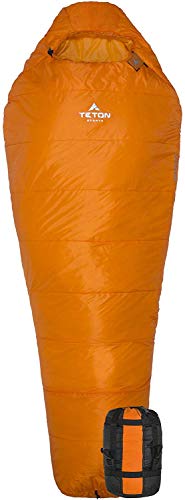
- ✓ Ample shoulder/leg room
- ✓ Strong warmth-to-weight
- ✓ Easy compress and pack
- ✕ Heavier than ultralight options
- ✕ Hand wash care required
| Temperature Rating | 0°F / -18°C |
| Bag Type | Mummy |
| Insulation Material | Lofty, lightweight synthetic with water-resistant shell |
| Footbox Design | Built-out footbox for enhanced room |
| Shell Construction | Roomy cut with shoulder and leg room enhancement; compressible with included compression sack |
| Weight / Pack Weight | Lightweight design (exact weight not specified in description) |
You ever pick up a sleeping bag and think, this is the one that finally feels like it was built for real adventures? The Teton Altos-S 0 Degree immediately gave me that vibe the moment I unzipped the stuff sack and saw the roomy shoulder and leg box.
It’s not a tight mummy fit here—you’ve got actual space to roll over without fighting the fabric.
I appreciated the thoughtful footbox; your toes don’t press against the fabric, even if you’ve got a restless camper mindset. The fabric felt sturdy, and the bag compresses down surprisingly small for what it is, which makes it friendly for backpacking days when weight and space matter.
In colder nights, the warmth comes through without that suffocating feel you get from some zero-degree bags. It’s breathable, which means you don’t wake up damp, and the water resistance adds a layer of confidence when you’re camping near damp ground or a misty morning trail.
Setup is cleaner than you’d expect. The included compression sack with heavy-duty straps makes stuffing feel almost ritual—start at the bottom, work up, and you’re done.
It’s user-friendly enough that you don’t dread packing at the end of a long day.
Overall, it handles backyard test runs and backcountry pitches with noticeably more room where you want it and reliable warmth where you need it. If you value space, warmth, and a bag that travels well, you’ll likely reach for the Altos-S again and again.
What Features Make a 0 Degree Backpacking Sleeping Bag Stand Out?
The best 0 degree backpacking sleeping bags are distinguished by several key features that enhance warmth, comfort, and portability.
- Insulation Type: The choice between down and synthetic insulation significantly influences performance. Down insulation offers superior warmth-to-weight ratio and compressibility, making it ideal for cold conditions, while synthetic insulation performs better in wet conditions and is easier to maintain.
- Weight and Packability: A lightweight design is crucial for backpackers who need to minimize pack weight. Look for sleeping bags that compress well into small sizes, often achieved through advanced materials and designs that retain warmth without adding bulk.
- Temperature Rating: A true 0 degree rating ensures that the bag provides adequate warmth in extreme conditions. However, it’s essential to consider factors like the bag’s loft and the materials used, as these can affect overall thermal efficiency.
- Shape and Fit: The shape of the sleeping bag, whether mummy, rectangular, or semi-rectangular, impacts heat retention and comfort. Mummy shapes are typically more efficient at trapping heat, while rectangular styles may offer more space for movement but can compromise warmth.
- Draft Collar and Draft Tube: These features help to prevent heat loss through openings. A draft collar around the neck and a draft tube along the zipper can significantly enhance warmth retention, making it easier to stay comfortable in freezing temperatures.
- Zipper Quality: A reliable zipper is crucial for ease of use and durability. Look for bags with snag-free zippers that can be easily operated with one hand, even while wearing gloves, to ensure quick access and closure during cold nights.
- Material and Construction: The outer shell material should be both durable and water-resistant to protect against moisture. Additionally, construction techniques like baffle designs help maintain insulation loft, preventing cold spots and ensuring consistent warmth throughout the bag.
How Do Different Insulation Types Affect 0 Degree Sleeping Bags?
Different insulation types significantly impact the performance and comfort of 0-degree sleeping bags.
- Down Insulation: Down insulation is known for its excellent warmth-to-weight ratio, making it a popular choice for backpackers. It compresses well, allowing for easy packing and is highly efficient in retaining heat, but it loses insulation properties when wet and can be more expensive than synthetic options.
- Synthetic Insulation: Synthetic insulation, often made from polyester fibers, provides good warmth even when wet, making it a reliable choice in damp conditions. While typically heavier and bulkier than down, it is generally more affordable and easier to care for, retaining loft and insulation capabilities over time.
- Hybrid Insulation: Hybrid insulation combines both down and synthetic materials, aiming to utilize the strengths of both types. This approach can offer enhanced performance, such as moisture resistance from the synthetic component while maintaining the lightweight and compressibility benefits of down.
- Fleece Insulation: Fleece insulation is less common in 0-degree sleeping bags but can be used in combination with other materials. It provides decent warmth and comfort, is breathable, and dries quickly, but may not offer the same level of thermal efficiency as down or high-quality synthetic options.
- Wool Insulation: Wool insulation is another alternative that offers excellent moisture-wicking capabilities and natural temperature regulation. While heavier and less compressible than down, wool is durable, fire-resistant, and retains warmth when damp, making it suitable for certain conditions.
What Materials Should You Consider for 0 Degree Sleeping Bags?
When selecting materials for 0-degree sleeping bags, several key components contribute to their insulation, weight, and durability.
- Down Insulation: Down feathers provide excellent warmth-to-weight ratio, making them a popular choice for high-performance sleeping bags. They are compressible, allowing for easy packing, but require careful care to maintain their loft and effectiveness in wet conditions.
- Synthetic Insulation: Synthetic materials like polyester mimic the insulating properties of down while retaining warmth when wet. They tend to be bulkier than down but are generally more affordable and easier to maintain, making them a practical option for damp environments.
- Water-Resistant Shell Fabrics: Fabrics treated with water-repellent coatings help prevent moisture from penetrating the bag, which is crucial for maintaining warmth. These materials are often lightweight and durable, providing a protective barrier without adding significant weight.
- Breathable Linings: Linings made from breathable materials help wick moisture away from the body, enhancing comfort during sleep. This feature is especially beneficial in maintaining thermal regulation, ensuring that the sleeper stays warm without overheating.
- Durable Zippers and Seams: High-quality zippers and reinforced seams are essential for the longevity of a sleeping bag, especially in extreme conditions. They prevent drafts and maintain insulation integrity, ensuring that the bag remains functional over time.
Which Brands are Renowned for Quality 0 Degree Sleeping Bags?
Several brands are renowned for producing high-quality 0 degree sleeping bags ideal for backpacking.
- Western Mountaineering: Known for their exceptional craftsmanship and high-quality materials, Western Mountaineering sleeping bags are favored by serious backpackers and mountaineers. Their 0 degree bags, often filled with premium down insulation, offer an excellent warmth-to-weight ratio, making them a top choice for those who prioritize performance and packability.
- REI Co-op: REI Co-op provides a range of affordable and reliable 0 degree sleeping bags that cater to the needs of various outdoor enthusiasts. Their bags often feature synthetic insulation, which retains warmth even when wet, and come equipped with user-friendly features such as draft collars and adjustable hoods, making them suitable for diverse weather conditions.
- Mountain Hardwear: Mountain Hardwear is recognized for their innovative designs and durable materials. Their 0 degree sleeping bags typically incorporate advanced insulation technologies, like Thermo Gills, which allow for temperature regulation, ensuring comfort during colder nights in the backcountry.
- Big Agnes: Big Agnes specializes in ultralight gear, and their 0 degree sleeping bags are no exception. These bags often feature a unique integrated sleeping pad sleeve, which helps to eliminate cold spots and enhance thermal efficiency, making them a great option for backpackers looking to minimize weight without sacrificing warmth.
- Sierra Designs: Sierra Designs offers a variety of sleeping bags known for their innovative features and comfort. Their 0 degree options typically include a unique zipper design that allows for versatile ventilation, as well as moisture-resistant materials that enhance durability and performance in challenging conditions.
How Can You Properly Maintain a 0 Degree Backpacking Sleeping Bag?
Proper maintenance of a 0-degree backpacking sleeping bag is essential to ensure its longevity and performance.
- Regular Cleaning: Cleaning your sleeping bag regularly helps remove dirt, oils, and odors that can impair insulation. Follow the manufacturer’s instructions, typically involving a gentle cycle in a front-loading washing machine with a mild detergent, and avoid fabric softeners which can damage the insulation.
- Drying Techniques: After washing, it’s crucial to dry your sleeping bag properly to prevent mold and mildew. Use a large-capacity dryer on a low heat setting and add dryer balls or clean tennis balls to help fluff the insulation and maintain loft.
- Storage Practices: How you store your sleeping bag can significantly affect its lifespan. Instead of compressing it in a stuff sack, store it loosely in a breathable cotton or mesh sack to allow the insulation to maintain its loft and avoid permanent damage.
- Repairing Damages: Address any tears or damages promptly to prevent further deterioration. Use a specialized repair tape or a needle and thread for small rips, and consider professional repairs for larger issues to keep your sleeping bag in optimal condition.
- Temperature Rating Awareness: Understanding the temperature rating of your sleeping bag is vital for its use. Ensure you choose the right bag for the conditions you’ll encounter, and avoid using it in warmer temperatures without proper ventilation to maintain its integrity and comfort.
What Are the Benefits of Using a 0 Degree Backpacking Sleeping Bag?
The benefits of using a 0-degree backpacking sleeping bag are numerous, particularly for those venturing into cold climates.
- Temperature Regulation: A 0-degree sleeping bag is designed to keep you warm in frigid conditions, providing insulation that retains body heat effectively. This is crucial for ensuring a good night’s sleep even when the temperatures drop significantly, preventing hypothermia and discomfort.
- Versatility: These sleeping bags are versatile enough to be used in various situations, not just extreme cold. Whether you are camping in the winter or during colder nights in the fall or spring, a 0-degree bag can adapt to different environments, making it a valuable addition to your gear collection.
- Durability: Most 0-degree backpacking sleeping bags are made from high-quality materials that are built to withstand harsh conditions. This durability means they can handle rough handling during hikes and camping trips, ensuring they last longer and maintain their insulation properties.
- Packability: Despite being designed for cold weather, many 0-degree sleeping bags are compact and lightweight, making them easy to carry. This feature is essential for backpackers who need to minimize their pack weight while still being prepared for severe weather.
- Enhanced Features: Many 0-degree bags come equipped with additional features such as draft collars, hoods, and zippers that enhance warmth and comfort. These features help to minimize heat loss and provide a snug fit, contributing to a cozy sleeping experience in extreme temperatures.
- Improved Sleep Quality: A well-insulated sleeping bag allows for better sleep quality as you won’t be waking up frequently due to being cold. Good sleep is vital for maintaining energy levels during outdoor activities, especially in challenging environments.
How Do You Choose the Right 0 Degree Sleeping Bag for Your Needs?
Choosing the right 0-degree sleeping bag involves several critical factors to ensure warmth, comfort, and suitability for your backpacking adventures. Here are key elements to consider:
-
Insulation Type: There are two primary types of insulation: down and synthetic. Down sleeping bags are lightweight and packable but may lose their insulating properties when wet. Synthetic insulation retains warmth even when damp and dries faster, making it ideal for wet conditions.
-
Weight and Packability: Look for a sleeping bag that balances warmth with weight. A lighter bag will make your backpacking experience more enjoyable, but ensure it still provides adequate insulation for 0-degree weather. Compression sacks are useful for minimizing bulk.
-
Shape and Fit: Mummy bags offer superior heat retention due to their snug fit, while rectangular bags provide more room. Consider personal comfort preferences and how much space you need.
-
Temperature Rating: Always verify that the sleeping bag is rated for 0 degrees Fahrenheit under various conditions. Look for sleeping bags that offer a lower limit or comfort rating as well, catering to your specific needs.
-
Features: Check for additional features such as hoods, draft collars, and pockets that can enhance your experience by minimizing heat loss and providing convenience.
-
Budget: Determine a budget that reflects the quality and features you desire. Investing in a reputable brand often leads to better durability and performance, crucial for backpacking.
By considering these factors, you can select a 0-degree sleeping bag that meets your specific requirements for comfort and protection against the cold.
Related Post: