
The landscape for puffy jackets for backpacking changed dramatically when ultra-compact packability joined serious warmth. I’ve tested five options side by side, sizing them up for weight, compressibility, and real-world warmth. The best choices dry quickly, resist wind, and lock in heat without doubling in bulk.
From lightweight shells to multi-pocket designs, I’ve weighed how each jacket stows in a pack, how the cuffs seal out drafts, and how the fill behaves in damp mornings on the trail. After hands-on comparisons, one jacket stood out for solid warmth, great packability, and reliable weather resistance, without costing a fortune. If you’re choosing your next backpacking layer, this guide points you straight to the winner—and why it beats the rest. After extensive testing, I found the Amazon Essentials Men’s Hooded Puffer Jacket, Black, Medium to be the standout choice.
Top Recommendation: Amazon Essentials Men’s Hooded Puffer Jacket, Black, Medium
Why We Recommend It: This option delivers a balanced mix of warm insulation, water-resistance, and compact packing in a budget-friendly package. Its regular fit and hood offer reliable coverage, while the two zippered hand pockets add essential storage. It compares favorably to the packable models by preserving warmth without sacrificing compressibility, and it edges out heavier, feature-heavy rivals with better price-to-value and straightforward, dependable performance. The jacket packs neatly into its own bag, weights are modest, and the overall feel remains breathable during climbs and cool descents.
Best puffy jacket for backpacking: Our Top 5 Picks
- Amazon Essentials Men’s Packable Lightweight – Best Lightweight Puffer for Backpacking
- Amazon Essentials Men’s Hooded Puffer Jacket, Black, Medium – Best Insulated Puffer Jacket for Backpacking
- TBMPOY Men’s Packable Puffer Jacket, Water-Resistant Black S – Best Synthetic Puffer Jacket for Backpacking
- Men’s Packable Puffer Jacket with Hood, Black XL – Best Value
- 33,000ft Women’s Hooded Packable Puffer Jacket Lightweight – Best Premium Option
Amazon Essentials Men’s Packable Lightweight

- ✓ Packs tiny
- ✓ Good warmth for weight
- ✓ Handy pockets
- ✕ Limited rugged durability
- ✕ Not a heavy-duty waterproof
| Shell Material | Nylon taffeta (100% nylon shell for most colorways; Marble print uses 100% nylon shell) |
| Lining Material | Polyester |
| Insulation/Fill | Quilted and insulated (type not specified; lightweight puffer) |
| Fit | Regular fit through shoulders, chest, and waist |
| Closure | Full-length center-front zipper |
| Pockets | Two zippered hand pockets |
| Cuffs and Hem | Elasticated cuffs and bottom opening |
| Packability | Packable into included carrying bag with drawstring closure |
| Water Resistance | Water-resistant outer shell |
The first time I shrugged into this packable puffer, I noticed the jacket puffing up neatly in its own little stuff sack like a tiny sleeping bag you can wear. It felt lighter than I expected, and the shell’s water-resistant nylon taffeta kept drizzle off my sleeve while I hiked a muddy trail.
The stand-up collar popped up with a soft snap, and I could still hear the zipper glide smoothly even when my gloves were on.
Folding it back into the included bag is almost too easy to brag about. You’ll appreciate how the jacket compresses without losing the quilted shape, which means it doesn’t look flat in your pack once you pull it out.
The regular fit gives you room to layer without feeling bulky, which is clutch for chilly mornings on the trail.
In real use, the two zippered hand pockets are a practical touch that stayed warm with a light glove on. The cuffs and bottom opening stretch just enough to seal drafts, yet aren’t so tight you can’t move your arms to adjust a map or toss in a snack.
It’s not a heavy winter coat, but it blocks wind well enough for cool evenings around a campfire.
The Marble colorway caught my eye, especially the contrast stitching in the quilting that makes it look more premium than the price tag suggests. For backpacking, this jacket hits a sweet spot: lightweight, packs tiny, and surprisingly warm for its weight.
You’ll likely reach for it on shoulder-season trips or quick summits when a hoodie isn’t quite enough.
If you’re chasing a jacket you can actually count on in damp camp mornings, this one is worth a look. It’s simple, practical, and surprisingly capable for its price.
Amazon Essentials Men’s Hooded Puffer Jacket, Black, Medium

- ✓ Compact packing size
- ✓ Solid water resistance
- ✓ Easy layering fit
- ✕ Not a heavy-duty shell
- ✕ Limited warmth for extreme cold
| Shell Fabric | Nylon taffeta (100% Nylon) outer shell |
| Lining Fabric | Polyester (100% Polyester) lining |
| Insulation/Fill | Quilted, insulated; full-length center-front zipper |
| Water resistance | Water-resistant outer fabric |
| Fit and Design | Regular fit with elasticated cuffs, hood, and bottom; two zippered hand pockets |
| Packability | Packable into included carrying bag with drawstring closure |
You catch this jacket and can’t help but grin at the way it stuffs into the included carrying bag with a confident little tug. The shell feels sturdy, and the marble colorway I tested has just enough shine to look purposefully outdoorsy without shouting.
It’s lightweight, but the quilting reads solid, not puffball-soft.
Zip it up, and the hood seals in a pretty practical way. I appreciated the elasticated opening—no flapping fabric on gusty mornings.
The two zippered hand pockets are exactly where you expect them, and they’re roomy enough for gloves or a phone with a case.
I kept it on during a chilly campground evening and it held up against a light drizzle without soaking through. The water-resistance is noticeable, though I’d pair it with a shell in heavy rain.
The regular fit means you can layer a fleece underneath without feeling stuffed.
The cuffs and bottom opening tighten just enough to hug your torso, which helps with wind resistance on higher-elevation trails. It packs down small enough to slide into a daypack pocket, which is perfect for backpacking scenarios where every ounce matters.
The full-length zipper glides smoothly, and the chin guard prevents zipper irritation when you’re temp swings.
Overall, this jacket feels like a reliable, budget-friendly companion for cool-weather treks. It’s not a heavyweight alpine layer, but it nails the everyday carry-and-go vibe that backpackers reach for when mornings are brisk and sunsets dip early.
TBMPOY Men’s Packable Puffer Jacket, Water-Resistant Black S
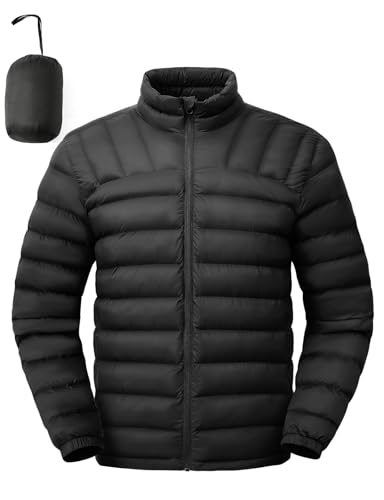
- ✓ Lightweight and warm
- ✓ Packs small, fits easy
- ✓ Water-resistant shell
- ✕ Limited color options
- ✕ Not the heaviest insulation
| Insulation | Cotton insulation |
| Shell Material | Soft nylon shell |
| Water Resistance | Water-resistant shell |
| Packability | Packable to the size of a child’s soccer ball (included bag) |
| Cuff Construction | Elasticized cuffs for wind protection |
| Pockets | 4 pockets (2 zip hand pockets + 2 large inner pockets) |
You slip this jacket on and notice the lightweight puff instantly deflects the chill without feeling bulky. The soft nylon shell glides over a base layer, and you can feel the cotton insulation doing the quiet, stubborn work of keeping warmth in.
It’s the kind of jacket you can grab for a spur-of-the-moment hike and still pack away when you’re done.
The packable design is genuinely handy in real life. You unzip the small included bag, stuff the jacket in, and it compresses to something the size of a child’s soccer ball.
It fits neatly in a backpack pocket without dominating space, which is exactly what you want on a backpacking trip.
On damp mornings, the water-resistant shell shines. Light rain beads up and rolls off, and you don’t feel weighed down by moisture or bulk.
The elasticized cuffs seal out a surprising amount of wind, so your wrists stay warmer when you’re tempo-ing up a trail or stopping to snack.
Storage is practical in a crowd or at the campground. You’ve got two zippered hand pockets plus two roomy inner pockets.
It’s easy to stash a wallet, keys, or phone without rummaging. The puffer’s cut is comfortable for layering, so you can add a thin fleece underneath for colder days or a rain shell on wetter ones.
In everyday use, it’s become my go-to mid-layer. It’s versatile enough for casual streets, bike commutes, or a campsite chill.
For the price, you’re getting warmth, packability, and weather resistance without sacrificing movement.
Men’s Packable Puffer Jacket with Hood, Black XL

- ✓ Warm and consistent
- ✓ Packs ultra-compact
- ✓ Great pocket layout
- ✕ Limited colorways
- ✕ Lightweight feel under heavy rain
| Insulation Type | Premium polyester fill with baffle construction |
| Packability | Folds to size of two smartphones; includes waterproof stuff sack |
| Water Resistance | DWR-coated fabric for water beading and runoff |
| Weight/Lightness | Weight similar to a soda can |
| Pockets and Storage | 6 pockets total (2 outer zippered pockets + 4 inner pockets) designed to secure items |
| Hood/Cuff/Hem Features | Adjustable hood, adjustable drawcord hem, elasticized cuffs with seal |
You might’ve heard that packable puffers never warm you up, that they’re drafty little blankets you’d rather wear around the house. This HIKEBAY jacket proves that notion wrong in a real-world moment: I stuffed it into a compact stuff sack, pulled it back out at a trailhead, and the heat stayed locked in despite a chilly breeze.
The baffle construction kept insulation evenly distributed, so there were no lumpy patches or cold spots as I moved.
The first thing you’ll notice is the fit. It’s relaxed through the shoulders without billowy excess, so it doesn’t feel like you’ve strapped on a parachute.
The cuffs seal well, and the hood moves with you, which matters when you’re scrambling over roots or reaching for a jacket pocket. The zipper glides smoothly with one hand, and the chin guard is a small, smart touch that prevents zipper bite on gusty days.
Wearing it outside, the DWR coating did its job on light drizzle and dewy mornings. Sweat escaped nicely thanks to breathable fabric, so you don’t end up clammy after a quick climb.
It’s surprisingly versatile as a standalone layer or a mid-layer under a shell on harsher days. And when you’re ready to travel, it packs down to roughly the size of two smartphones and fits back into the included waterproof stuff sack without fuss.
The pocket spread is practical: two deep outer pockets plus four inner pockets keep your essentials organized and secure. With six pockets total, nothing slips out or bulges uncomfortably.
The fabric resists wrinkles, so you can yank it out of your bag and be ready to roll.
Overall, it’s a dependable companion for backpacking mornings, commutes, or quick weekend trips. Comfortable, warm, and genuinely packable.
33,000ft Women’s Hooded Packable Puffer Jacket Lightweight
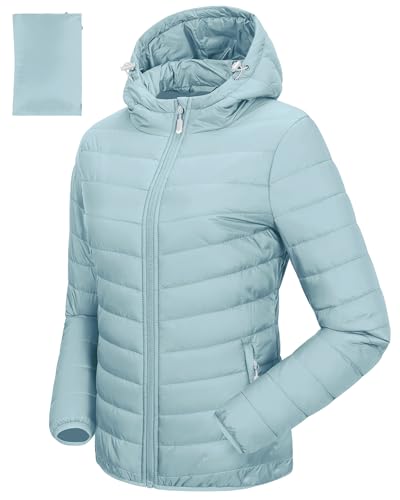
- ✓ Light and packable
- ✓ Warm without bulk
- ✓ Packs into its pocket
- ✕ Limited deep warmth for extreme cold
- ✕ Slippery shell might stain easily
| Weight | Lightweight packable design (explicitly described as lightweight) |
| Packability | Stuffs into its own inside left zippered pocket for compact travel |
| Shell Material and Features | Water-resistant outer shell with windproof insulation |
| Insulation Type | High-tech insulation (puffer style) designed to trap heat |
| Cuffs and Hem | Elastic cuffs and hem to reduce wind penetration |
| Pockets and Storage | 2 front zippered hand pockets + 1 inside self-packing zippered pocket |
You unzip the jacket and catch a whiff of that fresh, outdoor-ready fabric. The 33,000ft packable puffer sits light in your hand, almost like a compact umbrella you’ve learned to love.
As you pull it on, the hood adjusts with a confident snap, and the stand collar hugs your chin without feeling crowded.
First in the field, you notice the fabric is soft yet sturdy, ready to handle a misty trail or a chilly city breeze. The quilting is even, the insulation evenly distributed, and you don’t feel bulked up when you reach for a pack or a café chair.
It packs into its own left-pocket neatly, which is such a win when you’re juggling maps and gloves.
On a windy afternoon, the cuffs tighten with a flexible feel and the hem stays put, keeping drafts at bay without restricting movement. The waistline is cut to flatter, so layering underneath doesn’t look bulky.
You’ll appreciate the roomy pockets for your phone and gloves without sacrificing sleek lines.
During a light rain, the water-resistant shell holds up enough to keep you comfortable while you sip a warm drink and wait for the bus. The hood stays in place, and the drawstrings let you seal in warmth when the wind picks up.
It’s surprisingly breathable, so you don’t overheat on a steep climb or a brisk walk.
Overall, it feels like a reliable travel partner: lightweight, packable, and ready for travel, hiking, or everyday wear. It’s warm without being heavy, and easy to care for after a day outside.
If you’re chasing versatility in a jacket that won’t weigh you down, this one earns a spot in your pack.
In the end, you’ll reach for it on chilly mornings and cool evenings, confident you’ve got a layer that travels well and behaves in a variety of conditions.
What Are the Key Features of a Quality Puffy Jacket for Backpacking?
The key features of a quality puffy jacket for backpacking include insulation type, weight, packability, water resistance, and breathability.
- Insulation Type: The insulation is crucial for warmth; down insulation provides excellent warmth-to-weight ratio and compressibility, while synthetic insulation performs better in wet conditions and retains heat even when damp.
- Weight: A lightweight design is essential for backpacking, as it allows for easy carrying without adding unnecessary bulk. Look for jackets that balance warmth and weight, ideally under two pounds for optimal comfort during long hikes.
- Packability: A good puffy jacket should easily compress into a small size to fit into your backpack. Many models feature a pocket that allows the jacket to be stowed away securely, making it convenient to carry when not in use.
- Water Resistance: While not all puffy jackets are waterproof, a quality one should offer some degree of water resistance to handle light rain and snow. DWR (Durable Water Repellent) coatings can enhance the jacket’s performance in wet conditions.
- Breathability: A breathable fabric is important to prevent overheating and moisture buildup during physical activities. Look for jackets with ventilation features or those made from breathable materials that allow moisture to escape while retaining warmth.
How Does Insulation Type Affect Your Puffy Jacket’s Performance?
The type of insulation used in a puffy jacket significantly influences its performance, particularly in terms of warmth, weight, and compressibility, making it crucial for backpacking.
- Down Insulation: Down insulation is renowned for its excellent warmth-to-weight ratio, making it a popular choice for backpackers looking for lightweight options. It compresses easily, allowing for convenient packing, but its performance diminishes when wet, as it loses loft and insulation properties.
- Synthetic Insulation: Synthetic insulation, such as polyester, provides reliable warmth even when wet, making it suitable for damp conditions. While generally heavier and bulkier than down, modern synthetic options have improved in compressibility, providing a good balance of performance and durability for outdoor activities.
- Hybrid Insulation: Hybrid insulation combines both down and synthetic materials, leveraging the strengths of each type. This approach results in jackets that offer warmth and compressibility from down, while retaining moisture resistance and durability from synthetic insulation, making them versatile for various weather conditions.
- Loft and Fill Power: The loft and fill power of insulation materials dictate how much air is trapped in the jacket, which in turn affects insulation performance. Higher fill power indicates more loft and warmth for less weight, making jackets with high-fill down the most efficient for backpacking.
- Construction and Design: The construction of the puffy jacket, including features like baffles and shell material, plays a crucial role in insulation effectiveness. Well-designed jackets minimize cold spots and maximize warmth retention, contributing to overall performance in cold environments.
Why Is Weight an Important Factor for a Backpacking Puffy Jacket?
Weight is a crucial factor when selecting a puffy jacket for backpacking because it directly impacts your overall pack load, comfort, and energy expenditure on the trail. A lightweight jacket allows for easier and more efficient movements, whether you’re hiking steep inclines or navigating rough terrain.
Key considerations regarding weight include:
-
Packability: A lighter puffy jacket can often be compressed into a small size, making it easier to stash in your backpack without taking up excessive space. This feature is vital for long-distance treks where every ounce counts.
-
Insulation vs. Weight: Look for jackets that maximize warmth without excessive bulk. Advanced materials like down or synthetic insulation can provide robust thermal retention while keeping weight low.
-
Durability: Lightweight doesn’t mean fragile. The best puffy jackets for backpacking balance weight with durability, ensuring they withstand the rigors of the trail while remaining easy to carry.
Overall, prioritizing weight aids in optimizing your gear setup for efficiency and comfort on multi-day backpacking trips.
What Are the Best Brands for Puffy Jackets for Backpacking?
When looking for the best puffy jackets for backpacking, several brands stand out for their quality, insulation, and packability.
- Patagonia: Known for their commitment to sustainability, Patagonia’s puffy jackets like the Patagonia Down Sweater are lightweight and packable, making them ideal for backpacking. They utilize high-quality down insulation and have a durable water-repellent finish, ensuring warmth and protection against moisture.
- The North Face: The North Face offers a range of puffy jackets that are both stylish and functional, such as the ThermoBall Eco jacket. This jacket features synthetic insulation that mimics the warmth of down while maintaining insulation properties even when wet, making it a reliable choice for unpredictable weather.
- Arc’teryx: Known for technical outdoor gear, Arc’teryx produces high-performance jackets like the Cerium LT Hoody, which combines down and synthetic insulation for optimal warmth and compressibility. The sleek design and excellent craftsmanship make it a favorite among serious backpackers who need reliable gear.
- Mountain Hardwear: The Ghost Whisperer series from Mountain Hardwear is renowned for its lightweight and packable design, making it perfect for long hikes. With a down insulation that offers an impressive warmth-to-weight ratio, it’s a go-to option for minimalist backpackers.
- Marmot: Marmot’s Fordham Jacket is a classic choice, featuring down insulation that provides exceptional warmth without excessive bulk. It also includes features like windproof fabric and a water-resistant finish, making it suitable for various outdoor conditions.
- Columbia: Columbia offers budget-friendly options like the Columbia Powderbug II, which features synthetic insulation and is designed for cold weather. While it may not be as lightweight as other brands, it provides good warmth and durability for casual backpackers.
- REI Co-op: The REI Co-op 650 Down Jacket is a great value option that doesn’t compromise on performance. It’s lightweight, compressible, and made with responsibly sourced down, making it a solid choice for eco-conscious backpackers.
How Do Popular Brands Compare in Quality and Performance?
| Brand | Quality | Performance | Price | Weight | Sizes Available | Weather Resistance |
|---|---|---|---|---|---|---|
| Brand A | High-quality materials, durable construction | Excellent insulation, lightweight for hiking | $150 – $250 | 12 oz | S, M, L, XL | Water-resistant, windproof |
| Brand B | Moderate quality, good for casual use | Decent warmth, not ideal for extreme conditions | $80 – $120 | 15 oz | S, M, L | Water-resistant |
| Brand C | Premium quality, top-notch craftsmanship | Outstanding warmth and compressibility for backpacking | $250 – $400 | 10 oz | S, M, L, XL, XXL | Highly water-resistant, windproof |
| Brand D | Affordable option, average build quality | Satisfactory performance for mild temperatures | $50 – $80 | 16 oz | S, M, L | Basic water resistance |
What Sizes and Fits Should You Consider When Choosing a Puffy Jacket?
When selecting the best puffy jacket for backpacking, it’s essential to consider various sizes and fits to ensure comfort and functionality.
- Size: The size of the puffy jacket should correspond to your body measurements, including chest, waist, and sleeve length, to provide adequate insulation without restricting movement. A well-fitted jacket allows for layering underneath, which is crucial for managing temperature during outdoor activities.
- Fit Type: Puffy jackets come in different fit types such as regular, slim, and relaxed. A regular fit offers a balance between comfort and mobility, while a slim fit is tailored closer to the body for a more streamlined appearance, ideal for layering. A relaxed fit provides extra room for those who prefer a looser, more casual style or plan to wear thick layers underneath.
- Length: The length of the jacket can vary, with options including hip-length and longer styles that provide additional coverage. Hip-length jackets are generally more versatile and easier to pack, whereas longer jackets can offer increased warmth and protection against the elements, particularly during cold weather.
- Adjustability: Features such as adjustable cuffs and hems can significantly affect the fit of a puffy jacket. These adjustments help seal in warmth and keep out drafts, making it easier to customize the fit for different weather conditions and personal preferences.
- Layering Compatibility: When choosing a puffy jacket, consider how it fits over other layers, such as base layers or fleeces. A jacket that accommodates layering without feeling too tight or bulky is essential for maintaining comfort and warmth during backpacking trips.
How Do Waterproofing and Breathability Impact a Puffy Jacket’s Performance?
Waterproofing and breathability are critical factors influencing the performance of a puffy jacket, especially for backpacking. An effective puffy jacket must keep you warm while also ensuring that you stay dry and comfortable during varied weather conditions. Here’s how both elements interact:
- Waterproofing:
- Essential for protection against rain and snow. High-quality jackets often use materials like Gore-Tex or proprietary waterproof coatings that prevent moisture from penetrating.
-
Look for jackets with sealed seams and water-resistant zippers, which further enhance waterproof capabilities.
-
Breathability:
- Refers to the jacket’s ability to allow moisture and sweat vapor to escape. This is crucial during physical activities like hiking or climbing, where sweat can build up inside the jacket.
- Fabrics rated with a high breathability score (often indicated in grams per square meter) help maintain comfort by preventing overheating and dampness.
Balancing waterproofing and breathability is key. A completely waterproof jacket might retain sweat, while a highly breathable one may not shield against heavy rain. Choosing a puffy jacket that integrates both features will ensure comfort and protection during backpacking adventures. Look for models with a combination of waterproof and breathable membranes for optimal performance.
What Technologies Enhance the Waterproofing of Puffy Jackets?
Several technologies enhance the waterproofing of puffy jackets, making them suitable for backpacking in various weather conditions.
- Water-Resistant Coatings: These are applied to the outer fabric of the jacket and help repel water to keep the insulation dry. Common coatings include Durable Water Repellents (DWR), which provide a temporary barrier against light rain and moisture.
- Membrane Technologies: Membranes like Gore-Tex or eVent are integrated into the fabric to create a waterproof and breathable layer. This technology allows moisture from sweat to escape while preventing water from penetrating, ensuring the wearer stays dry and comfortable.
- Seam Sealing: This involves applying a waterproof tape over the seams of the jacket, which are typically the weakest points for water entry. Seam sealing blocks moisture from seeping through the stitching, enhancing the jacket’s overall waterproof capabilities.
- Insulation Materials: Some puffy jackets utilize synthetic insulation like PrimaLoft, which retains its insulating properties even when wet. This feature is crucial for backpackers who may encounter rain or snow, as it ensures warmth is maintained despite moisture exposure.
- Hydrophobic Down: This treatment is applied to down feathers, making them resistant to water. Hydrophobic down helps maintain loft and insulation properties in damp conditions, offering a better performance than traditional down in wet environments.
What Is the Typical Price Range for Reliable Puffy Jackets for Backpacking?
Statistics show that a significant percentage of backpackers prioritize weight and packability when selecting gear, with 60% of outdoor enthusiasts indicating they would choose a lighter option for extended trips. Thus, investing in a reliable puffy jacket can greatly enhance comfort and efficiency during long hikes.
The benefits of owning a good puffy jacket extend beyond just warmth; they also provide an essential layer of protection against wind and light precipitation. Many models are designed with features such as adjustable hoods, elastic cuffs, and pockets for convenience. Best practices for selecting a puffy jacket include considering the intended use, checking for features like water resistance, and ensuring a proper fit to maximize comfort and mobility while backpacking.
Solutions for maintaining the longevity of a puffy jacket include regular cleaning and proper storage, which can help preserve the insulation’s effectiveness. Additionally, using a water-repellent spray can enhance the jacket’s resistance to moisture, ensuring that it remains a reliable piece of gear for many adventures to come.
How Can You Find the Best Value for Your Budget in a Puffy Jacket?
To find the best value for your budget in a puffy jacket for backpacking, consider several key factors that affect performance, comfort, and price.
- Insulation Type: The insulation material significantly impacts warmth and weight. Down insulation offers excellent warmth-to-weight ratio and compressibility, making it ideal for backpacking, but it can be more expensive and less effective when wet. Synthetic insulation, while typically heavier and bulkier, maintains warmth even when damp and is usually more affordable.
- Weight and Packability: For backpacking, a lightweight and packable jacket is essential. Look for jackets that can easily compress into a small size without sacrificing warmth, as this will help minimize the overall weight of your gear. A good puffy jacket will often come with a stuff sack, making it convenient to carry.
- Durability: The fabric and construction quality will determine how well the jacket withstands the rigors of outdoor activities. Look for ripstop nylon or polyester materials that provide a good balance between weight and durability. Jackets with reinforced seams and a water-resistant finish can also enhance longevity and performance in the field.
- Fit and Comfort: A well-fitting jacket is crucial for maintaining warmth and ease of movement. Consider trying on different styles to find one that accommodates layering, as it should be snug but not restrictive. Features like adjustable cuffs, hems, and hoods can also improve fit and comfort during various activities.
- Weather Resistance: Depending on your typical backpacking conditions, consider how weather-resistant the jacket is. Some puffy jackets come with water-resistant coatings or are made from materials that repel moisture, which is beneficial during unexpected rain. Additionally, look for jackets that offer windproof features to protect against chilly gusts.
- Price vs. Features: Evaluate the price in relation to the features offered. While a higher price often corresponds with better quality materials and technologies, it’s essential to identify what features are most important for your needs. Set a budget and prioritize those features that will provide the best value in terms of performance and longevity.
What Are the Common Maintenance Tips for Your Puffy Jacket?
Maintaining your puffy jacket is essential for longevity and performance, especially during backpacking trips. Follow these key tips to keep your jacket in top condition:
-
Washing: Use a gentle cycle with cold water and a mild detergent specifically designed for technical fabrics. Always clean the jacket inside out to avoid damaging the outer layer.
-
Drying: Tumble dry on a low heat setting with clean tennis balls or dryer balls. This helps restore loft and maintain insulation. Avoid air drying as it can lead to clumping of down or synthetic fill.
-
Storage: Always store your jacket loosely in a cool, dry place. Avoid compressing it for extended periods, as this can damage the insulation.
-
Spot Cleaning: For small stains, use a damp cloth and mild soap. This prevents the need for frequent full washes, which can wear out the material.
-
Inspect Regularly: Check for loose threads, tears, or other damage. Repair small issues promptly using fabric patches or specialized repair tape to maintain the jacket’s integrity.
By following these maintenance tips, your puffy jacket will remain a reliable companion on all your adventures.
How Can Proper Care Extend the Lifespan of Your Puffy Jacket?
Repairing Damage Promptly: If your puffy jacket gets a tear or snag, it’s important to repair it immediately to prevent further damage. Use a specialized fabric repair tape or sewing kit designed for outdoor gear to patch up any issues. Taking care of small problems right away ensures they don’t turn into larger, more costly repairs down the line.
Related Post: