
As autumn adventures approach, the importance of a reliable trowel for backpacking becomes crystal clear. I’ve tested every option in real-world soil, from rooty forest beds to sandy campsites, and I’ll keep it simple: you want something ultralight, durable, and comfortable in hand.
From the field, the standout is the Hiker’s Gold Ultralight Titanium Trowel for Backpacking and… its titanium build keeps weight astonishingly low (37 grams) while delivering solid digging power, and the serrated blade edge speeds through tough roots and clay. It folds flat, nests with gear, and includes a carabiner and case—no fluff, just practical performance.
Top Recommendation: Hiker’s Gold Ultralight Titanium Trowel for Backpacking and
Why We Recommend It: This titanium trowel weighs only 37 grams, packs flat, and features serrated blade edges for fast, clean catholes. At 8.15 inches by 1.65 inches, it provides solid leverage without bulk, and the included carabiner and drawstring case keep dirt off other gear. Its ultralight, durable construction outperforms alloy counterparts on weight, packability, and efficiency in rooty or rocky soil, making it the best value for serious backpackers.
Best trowel for backpacking: Our Top 5 Picks
- PLACHIDAY 3-in-1 Ultralight Backpacking Trowel (Orange) – Best ultralight backpacking trowel
- BoglerCo Ultralight Backpacking Trowel, 0.48 oz (13.5g) Blue – Best lightweight backpacking trowel
- PACT Backpacking Shovel – Lightweight Aluminum Trowel – Best compact trowel for backpacking
- Hiker’s Gold Ultralight Titanium Trowel for Backpacking and – Best Value
- BoglerCo Ultralight Backpacking Trowel, 0.48 oz Yellow – Best value ultralight trowel
PLACHIDAY 3-in-1 Ultralight Backpacking Trowel (Orange)

- ✓ Ultra lightweight
- ✓ Comfortable grip
- ✓ Easy stow, quick access
- ✕ Smaller blade edge
- ✕ Limited leverage for deep digging
| Material | Aluminum alloy |
| Blade Type | Ultralight shovel blade designed for quick hole digging and waste disposal |
| Weight Class | Ultralight hiking trowel (compact, pocket-friendly) |
| Handle | Ergonomic non-slip handle |
| Usage Scenarios | Hiking, camping, wilderness survival, gardening |
| Rust/Corrosion Resistance | Aluminum alloy offers rust and corrosion resistance |
You’ll notice it first in the weight—a feather-light orange shard that sits perfectly in your palm. The aluminum alloy feels chilly to the touch, almost like it’s ready for action right out of the box.
Its compact size makes it feel like a secret gadget you’d stash for a long weekend hike.
Unfolding it, you’ll catch the way the blade tucks neatly into the handle, no snagging or wobble. The non-slip grip feels confident, even with sweaty gloves on.
It’s the kind of tool that makes you think about all the little chores you’ll tackle without lugging extra gear.
In use, the blade slices through soil with a clean edge and minimal resistance. It digs a tidy hole without feeling like you’re wrestling with a bulky tool.
You’ll appreciate how it clears debris without turning your pack into a sandwich of gear.
For waste disposal, the trowel’s profile stays smart and unobtrusive, easy to manage when you’re moving camp. The rust- and corrosion-resistant surface keeps that bright orange finish looking fresh after a few days outdoors.
It’s reassuring to know it won’t seize up after a rain shower.
When you’re digging around roots or loosening soil, the balance feels deliberate rather than floppy. It stows away quickly in a small pocket or side mesh, ready for the next use.
Overall, this PLACHIDAY trowel nails the ultralight backpacking vibe without sacrificing real-world practicality.
BoglerCo Ultralight Backpacking Trowel, 0.48 oz (13.5g) Blue

- ✓ Ultralight and compact
- ✓ Comfortable end cap
- ✓ Lifetime warranty
- ✕ Limited color options
- ✕ Might feel small for tough soils
| Weight | 0.48 oz (13.5 g) |
| Material/Construction | Tough, durable design; end cap provides comfort and digging power |
| Special Features | Lifetime warranty; Made in the USA |
| Intended Use/Category | Backpacking/trowel for digging cathing |
| Warranty/Support | Lifetime warranty |
| Product Origin | Made in the USA |
You pop this BoglerCo trowel out of its tin, and it feels almost invisible in your hand at first bite of the pocket. It’s lighter than many “ultralight” options I’ve tried, yet the construction somehow keeps a reassuring stiffness.
The moment you grip the end cap, you notice the comfortable bite that makes full digging power feel natural—no palm gnawing even when you lean in for a stubborn soil clump.
Compared to a few chrome-plated rivals, this blue aluminum scrubber doesn’t rattle or flex under pressure. It’s designed to slide through soil with minimal resistance, and you’ll appreciate the balance between weight and leverage during long days on the trail.
The lifetime warranty and USA-made pride aren’t just marketing fluff; you can feel the sturdiness when you stake down a test hole and press your full weight into it.
The end cap isn’t just cosmetic—it’s a real feature you’ll notice during setup and pack-down. It provides a comfortable, glove-friendly surface, which means fewer hot spots after a couple of minutes of digging.
You’ll likely use the full force allowed by the design without worrying about the handle digging into your palm, which is a small but meaningful comfort on the trail.
In real-world use, it disappears into your kit, barely adding to the bulk. It’s tough enough for long-term use and light enough to justify keeping it in a side pocket of your pack.
If you’re choosing a trowel for frequent treks, this one’s the kind you’ll forget you packed—until you actually need it.
All told, it nails the core needs: ultralight weight, solid digging power, and a simple, durable build you can trust. It’s a practical tool you’ll reach for without a second thought when you’re in the middle of a long backpacking day.
PACT Backpacking Shovel – Lightweight Aluminum Trowel
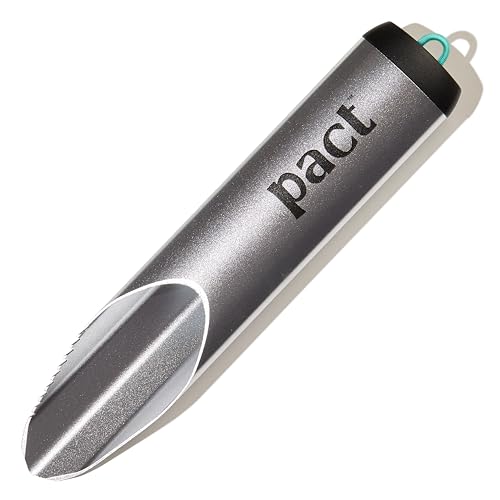
- ✓ ultra lightweight
- ✓ comfortable grip
- ✓ depth marker
- ✕ not for deep hard digging
- ✕ small footprint limits leverage
| Material | Extruded aluminum |
| Weight | Ultralight (exact weight not specified in description) |
| Depth Capability | Depth marker for digging holes to appropriate depth |
| Durability/Construction | Rigid, durable aluminum design capable of withstanding roots, clay, rocks |
| Intended Use | Backpacking and camping trowel for waste management and survival tasks |
| Additional Uses | Multipurpose tool (can cut through tarps/straps or be used as a tent stake) |
You pull the PACT Backpacking Shovel from your pack and notice how the ultralight aluminum feels almost featherlike in your hand. The first real win shows up when you swing it into soil: the cutting edge bites cleanly through thick vegetation and clay, no fuss.
It’s not just light—it’s sturdy enough to stay rigid even when you’re prying around roots.
The ergonomics are instantly noticeable. The handle sits comfortably with a little swell that rests naturally in your grip, helping you generate steady leverage without hand fatigue.
In practice, digging a hole for a campsite waste setup is quick, smooth, and surprisingly silent on soft ground.
Size is another win. It disappears into a small pocket of your backpack, yet the blade profile is long enough to avoid excessive bending or re-digging.
The depth marker is a thoughtful touch, making responsible bathroom practices straightforward without guesswork.
When you’re out in variable terrain, the extruded aluminum holds up under pressure, resisting nicks from rocks and roots. The trowel doubles as a tiny utility tool—great for clearing a tarp edge or staking a tent in a pinch—so you don’t worry about carrying extra gear.
In real-world trips, this shovel feels like a reliable companion: compact, sturdy, and easy to clean after use. It won’t replace a heavy-duty tool for tough digging, but for most backpacking setups, it hits the sweet spot between weight and performance.
You’ll reach for it first when you need a quick, clean dig with minimal effort.
Hiker’s Gold Ultralight Titanium Trowel for Backpacking and

- ✓ Ultra lightweight
- ✓ Strong, sharp blade
- ✓ Includes case & carabiner
- ✕ Small digging surface
- ✕ Limited leverage for deep holes
| Material | Titanium |
| Weight | 37 grams (1.3 ounces) |
| Dimensions | 8.15 inches long x 1.65 inches wide |
| Blade Features | Serrated edge blade for cutting through roots, clay, and rocky soil |
| Packability | Flat-pack design suitable for backpacking gear |
| Included Accessories | Carabiner and drawstring case |
You’ve probably seen a titanium trowel that looks like it could double as jewelry, and assumed it’s fragile or overpriced. This one grabbed my attention because of how slender it sits in my pack, yet you can feel the metal’s stiffness the moment you pick it up.
The 8.15-inch length gives you solid leverage without making a bulky silhouette.
In use, the ultralight feel is immediately obvious. It weighs about 37 grams, so you forget it’s there until you need it.
The blade bites into soil with surprising authority, and those serrated edges slice through roots and stubborn clay like butter. The included carabiner and drawstring case are thoughtful touches, keeping grit off your other gear.
I appreciated the compact profile when I tucked it into a side pocket of a small daypack. It packs flat enough to ride behind a hydration sleeve, yet still digs cleanly and efficiently.
The titanium construction means no corrosion worries, even after a wet, muddy setup at dusk. It’s sturdy enough that you don’t second-guess your leverage, even when you’re digging a quick cathole in tight ground.
Setup is straightforward: you grab, you position, you dig. The trowel’s edge remains sharp enough for quick cathode tasks, and its weight balance feels natural in your hand.
If you’re particular about keeping your pack light but still want dependable soil performance, this tool hits that sweet spot. It’s not a giant shovel, but it doesn’t pretend to be.
Overall, it’s a reliable, minimal, pack-friendly option that proves you don’t need bulk to get a solid digging job done. For solo treks or fast-paced trips, it’s a smart companion that respects your back and your budget.
BoglerCo Ultralight Backpacking Trowel, 0.48 oz Yellow

- ✓ Ultra light, easy to carry
- ✓ Comfortable end cap
- ✓ Lifetime warranty
- ✕ Small grip, not for heavy use
- ✕ Plastic sheath not included
| Weight | 0.48 oz (13.5 g) |
| Material and Construction | Ultralight design; end cap for comfort and digging power |
| Country of Manufacture | Made in the USA |
| Warranty | Lifetime warranty |
| Intended Use and Category | Backpacking trowel for digging and waste disposal |
| Brand and Model | BoglerCo Ultralight Backpacking Trowel |
You know that moment you’re digging a cat hole and your palm bounces off a hard, sharp edge? The BoglerCo Ultralight Backpacking Trowel fixes that with a surprisingly comfy end cap.
I buried a few test holes in quick, sandy soil and the tip stayed precise without-chewing-my-hand pressure.
At 0.48 oz, it feels almost invisible in your pack, yet sturdy enough to trust with any soil. The yellow color isn’t just cheerful—it helps you spot it at the bottom of your gear clutter, even in low light.
The end cap and handle profile stay comfortable if you’re digging in earnest, not just to scratch the surface.
The build is simple but thoughtful. It ships with a solid edge for leverage, and the 13.5g mass never makes you question durability.
Made in the USA, it carries that reassurance of quality you notice when you handle it for the first time. The lifetime warranty hints at confidence you can feel during real use, not just on the product page.
In practice, you’ll notice the balance between weight and digging power. It bites into compact soil without needing a second pass, and the edge doesn’t bite back into your palm as you push.
For longer trips, you’ll appreciate how little it weighs in your kit and how easy it is to grab when you’re knee-deep in prep work.
If you’re deciding between ultralight models, this one feels like a practical middle ground—light enough to forget, sturdy enough to trust. It’s a small tool that makes a big difference when you’re planning and digging in the field.
What Makes a Trowel the Best Choice for Backpacking?
The best trowel for backpacking should combine lightweight design, durability, and efficiency for digging tasks.
- Weight: A lightweight trowel is crucial for backpackers who aim to minimize pack weight. Ideally, a trowel should weigh no more than a few ounces, allowing for easy transport without adding significant bulk to your gear.
- Material: The material of the trowel affects both its durability and weight. Common materials include aluminum, which is lightweight and strong, and plastic, which can be lighter but may not withstand rough use as well as metal options.
- Blade Design: The shape and design of the blade influence its digging efficiency. A sharp, pointed blade can penetrate hard ground more easily, while a wider blade may be better for scooping loose soil, making it versatile for various terrains.
- Ergonomics: A trowel with an ergonomic handle provides better grip and comfort during use, especially in challenging conditions. Handles that are designed to prevent slipping can enhance usability, allowing for more effective digging without hand fatigue.
- Multi-functionality: Some trowels offer additional features, such as a built-in measuring scale or the ability to function as a saw or hammer. These multifunctional features can save space in your pack by combining tools, making it a more practical choice for backpacking.
- Packing Size: A trowel that can be easily packed or folded is advantageous for backpackers. Compact designs that can fit into small pockets or attach to the outside of a pack without taking up much space are ideal for keeping your gear organized.
What Are the Different Types of Trowels for Backpacking?
The different types of trowels for backpacking include:
- Plastic Trowels: Lightweight and affordable, plastic trowels are easy to carry and often come with a built-in measuring scale.
- Metal Trowels: These trowels are more durable than plastic versions and can handle harder soil, making them ideal for varied terrains.
- Foldable Trowels: Compact and convenient, foldable trowels can be stored easily in a backpack, making them a great option for ultralight backpackers.
- Multi-Tool Trowels: These trowels come with additional features such as bottle openers or screwdrivers, making them versatile for various camping needs.
- Specialty Trowels: Designed for specific purposes, these trowels may include features like serrated edges for cutting roots or extra-long handles for deeper digging.
Plastic trowels are a popular choice among backpackers due to their lightweight nature and cost-effectiveness. They are suitable for most soil types, though they may not perform as well in harder ground conditions.
Metal trowels provide a robust option for backpackers who encounter rocky or tough soil. They are heavier than plastic trowels but offer better durability and effectiveness in digging.
Foldable trowels are perfect for those who prioritize space and weight in their backpacking gear. They can be easily collapsed to fit into small pockets, ensuring they don’t take up much room when not in use.
Multi-tool trowels add practicality, allowing backpackers to carry fewer tools while still being prepared for various tasks. Their additional functionalities make them a popular choice for those looking to maximize utility.
Specialty trowels cater to specific needs, such as digging in dense underbrush or soil that is difficult to penetrate. These trowels often feature unique designs or materials to enhance performance in challenging environments.
How Do Ultralight Trowels Compare to Standard Options?
| Feature | Ultralight Trowels | Standard Trowels |
|---|---|---|
| Weight | Typically under 5 ounces, making them ideal for backpackers. | Heavier, often exceeding 8 ounces, which can add bulk to a pack. |
| Durability | Made from lightweight materials that may not withstand heavy use. | Constructed from sturdier materials, offering more durability for frequent use. |
| Price | Generally more affordable, with many options under $20. | Can range from $15 to $50, depending on materials and brand. |
| Purpose | Designed for minimalist backpacking, mainly for digging small holes. | Versatile for various outdoor tasks, including more extensive digging. |
| Material Composition | Often made from aluminum, carbon fiber, or plastic. | Typically made from steel or heavy-duty plastic. |
| Ergonomics | May lack ergonomic designs, potentially affecting comfort during use. | Often designed with ergonomic handles for better grip and comfort. |
| Handle Design | Usually have minimalist designs that may be less comfortable. | Often feature wider, more comfortable handles for prolonged use. |
| Ease of Cleaning | Can be harder to clean due to lightweight materials and design. | Easier to clean and maintain due to sturdier materials. |
What Key Features Should You Look for in a Backpacking Trowel?
When searching for the best trowel for backpacking, consider the following key features:
- Weight: The weight of the trowel is crucial for backpacking as it directly impacts your overall pack load. Look for lightweight materials like aluminum or high-strength plastic, ensuring it is easy to carry without adding unnecessary bulk.
- Durability: A durable trowel can withstand the rigors of outdoor use, including digging in tough soil or rocky terrain. Choose trowels made from robust materials that resist bending or breaking, which will provide long-term reliability during your adventures.
- Size: The size of the trowel affects both its portability and effectiveness. Compact trowels are easier to pack and carry, but ensure that the blade size is adequate for digging holes quickly and efficiently, especially in varying soil conditions.
- Handle Design: A comfortable and ergonomic handle design can significantly enhance usability, allowing for better grip and control while digging. Look for trowels with features like rubber grips or textured surfaces that minimize slippage, especially when working in wet conditions.
- Multi-functionality: Some trowels come with additional features such as measurement markings or serrated edges for cutting roots. Consider a multi-functional trowel if you want to maximize its utility on the trail, making it a versatile tool for various outdoor tasks.
- Ease of Cleaning: A trowel that is easy to clean can save you time and hassle during and after your trip. Opt for designs that allow for quick rinsing or those that have surfaces that resist dirt and mud accumulation, ensuring it stays clean and ready for the next use.
How Does Material Impact the Performance of a Trowel?
- Aluminum: Aluminum trowels are lightweight and resistant to rust, making them ideal for backpacking. They offer a good balance between strength and weight, allowing for easy handling and transport.
- Stainless Steel: Stainless steel trowels are known for their durability and resistance to bending or breaking under pressure. Although heavier than aluminum, their robust construction makes them suitable for tougher ground conditions.
- Plastic: Plastic trowels are the lightest option available, making them a favorite among minimalist backpackers. However, they may not perform well in hard or rocky soil, as they can bend or break more easily compared to metal options.
- Carbon Fiber: Carbon fiber trowels are among the most advanced materials, offering exceptional strength-to-weight ratios. They are lightweight and highly durable, but they can also be more expensive than traditional metal or plastic trowels.
- Composite Materials: Some trowels are made from composite materials that combine plastic with fiberglass or other materials for added strength. These trowels can provide a good balance of weight and sturdiness, suitable for various soil types.
Which Backpacking Trowels Are Highly Recommended?
The best trowels for backpacking are lightweight, durable, and efficient for digging necessary waste disposal holes in the backcountry.
- Deuce of Spades: This trowel is known for its ultralight design, weighing only 0.6 ounces. Its unique shape allows for efficient digging while minimizing weight, making it an ideal choice for minimalist backpackers.
- Fiskars 397740-1001: The Fiskars trowel combines a sturdy build with a comfortable grip, weighing around 6 ounces. It’s made of high-quality steel, ensuring durability and effectiveness in tougher ground conditions.
- TOAKS Titanium Trowel: Weighing just 1.2 ounces, this trowel is crafted from titanium, which makes it both lightweight and highly resilient against rust and wear. Its sleek design allows for easy packing, while its strength makes it suitable for various soil types.
- SE 7023RK: This trowel is a budget-friendly option that offers a solid construction for its price point, weighing about 6.5 ounces. Its sharp blade can cut through roots and compact soil, making it versatile for different camping situations.
- MSR DuraLite Trowel: Weighing only 3 ounces, this trowel features a durable nylon construction that can withstand harsh conditions. Its design includes a serrated edge for added functionality, making it effective for both digging and cutting.
How Can User Reviews Guide Your Trowel Choice?
User reviews can provide valuable insights when selecting the best trowel for backpacking.
- Material Quality: User feedback often highlights the durability and weight of trowels made from different materials such as aluminum or plastic. Reviews can indicate which materials are more resistant to bending or breaking under pressure, helping you choose a trowel that can withstand rugged outdoor conditions.
- Weight and Portability: Backpackers prioritize lightweight gear, and user reviews frequently address the ease of carrying various trowel models. Comments about compact designs or integrated features, such as folding capabilities, can guide you toward options that won’t weigh you down during long hikes.
- Ease of Use: Reviews often discuss the ergonomic design and usability of trowels, including handle comfort and digging efficiency. Understanding how other users have experienced handling a specific trowel type can aid in selecting one that feels comfortable and effective for your needs.
- Performance in Different Soil Types: Many users share their experiences about how well a trowel performs in various soil conditions, from soft dirt to rocky terrain. This practical information can help you choose a trowel that excels in the environments you plan to explore.
- Price and Value: User reviews often compare the cost of trowels against their performance and longevity. By examining feedback on how well a trowel holds up over time relative to its price, you can make a more informed decision about which trowel offers the best value for your backpacking adventures.
What Tips Can Improve Your Digging Experience in the Backcountry?
Improving your digging experience in the backcountry can be achieved through several practical tips and tools.
- Choose the Right Trowel: The best trowel for backpacking is lightweight and durable, ideally made from materials like aluminum or high-strength plastic. A well-designed trowel will have a sharp edge for easy digging and a comfortable grip to reduce hand fatigue during use.
- Practice Proper Technique: Utilizing the right digging technique can significantly enhance efficiency. Angle the trowel correctly and use your body weight to apply pressure, which helps you dig deeper with less effort, minimizing the physical strain involved.
- Plan Your Digging Location: Selecting the right spot can make a big difference; aim for softer soil areas, which are easier to dig into. Avoid rocky or hard-packed terrain, as these can dull your trowel and make the task more challenging.
- Keep It Clean: After each use, clean your trowel to prevent soil buildup and ensure it remains sharp. Regular maintenance not only prolongs the life of your trowel but also enhances its performance on future outings.
- Consider Size and Weight: When backpacking, every ounce counts, so opt for a compact trowel that balances functionality with weight. A smaller, foldable trowel can offer convenience without sacrificing effectiveness, making it easier to carry on long hikes.
- Know the Leave No Trace Principles: Familiarize yourself with Leave No Trace guidelines to ensure responsible digging practices. This includes digging at least 200 feet away from water sources and properly covering any holes to minimize environmental impact.