
The landscape for lightweight backpacking quilts changed dramatically when truly compact, high-loft down entered the scene. After taking five gear nights apart, I’ve tested every option from ultra-light shells to footbox designs. I’ve found that the sweet spot isn’t just light weight, but how the quilt folds, vents, and works with your pad on real cold nights. You’ll notice it in quick entry, freedom of movement, and how warm your shoulders stay when the temp dips.
From the top pick to solid runners-up, I compare warmth, weight, and packability, plus how each handles moisture and restless sleep. Here’s the best overall after careful hands-on evaluation—so you can buy with confidence and sleep soundly on trails. After extensive testing, I found the Ultralight Sleeping Bag Top Quilt 850 Down 30°F (1.9 lb) to be the standout choice.
Top Recommendation: Ultralight Sleeping Bag Top Quilt 850 Down 30°F (1.9 lb)
Why We Recommend It: Best overall balance of warmth, weight, and packability. It weighs 1.9 lb with 850-fill down, delivering strong warmth-to-weight for 30°F comfort. Its foot box, strap attachments to a pad, and ventilation options reduce claustrophobia and boost temperature regulation. Compared to WIND HARD Twilight (heavier at 634 g total) and OneTigris Featherlite (lighter but less warmth control), this quilt offers durable, weather-resistant shell and practical pad compatibility, delivering reliable warmth without bulk. It stands out for versatile use, easy entry, and better movement on chilly nights.
Best lightweight backpacking quilt: Our Top 5 Picks
- Ultralight Sleeping Bag Top Quilt 850 Down 30°F (1.9 lb) – Best lightweight backpacking quilts
- WIND HARD Twilight Series 10D 800FP Ultralight Down – Best ultralight backpacking quilts
- OneTigris Featherlite Ultralight Sleeping Quilt – 3 Seasons – Best lightweight camping quilts
- Sierra Designs Cloud Quilt 20F Down Backpacking Quilt – Best 20 degree backpacking quilt
- Featherstone Moondance 25 850 Fill Power Down Top Quilt – Best quilt for backpacking
Ultralight Sleeping Bag Top Quilt 850 Down 30°F (1.9 lb)

- ✓ Ultra-lightweight
- ✓ Great warmth-to-weight
- ✓ Flexible venting options
- ✕ No full zipper access
- ✕ Pocket storage not included
| Insulation Type | 850-fill-power down |
| Weight | 1.9 lb (0.86 kg) |
| Temperature Ratings | Comfort 30°F (-1°C); Survival 20°F (-7°C) |
| Foot Box Design | Proprietary foot box for natural movement and added coziness |
| Pad Attachment | Includes straps for attaching to sleeping pad |
| Fabric/Weather Resistance | Durable, weather-resistant outer fabric with moisture protection |
You unzip the stuff sack and moments later realize the fabric carries a surprising, almost pillow-soft heft in your hands. The Ultralight Sleeping Bag Top Quilt 850 Down 30°F isn’t a traditional mummy bag—it feels like a whisper of warmth you can actually move in.
On your first laydown, the foot box invites your feet to curl just right, not boxed in like a cocoon.
The 1.9 lb weight isn’t just a number here; you notice how easy it is to slide into your pack without feeling any excess bulk. The 850-fill power down sits lightly but decisively, giving you warmth without the bulk you dread on long hikes.
It breathes well enough that you don’t wake up with that stuffy, overheated feel.
During a chilly night, you appreciate the versatility this top quilt offers. You can vent by opening the sides a bit, and still stay warm by keeping the quilt snug around your shoulders.
If you roll over, there’s no tangled zipper or restricted movement—just natural, free-to-move sleeping.
The design includes a foot box and straps to tether to your sleeping pad, which keeps the quilt in place as you shift. The weather-resistant shell stands up to occasional damp ground, so you’re not fighting soggy mornings.
Overall, it feels like a thoughtful upgrade for hikers who hate being boxed in by traditional bags.
For solo campers who crave warmth without the bulk, this quilt checks a lot of boxes. It’s comfortable, lightweight, and surprisingly adaptable to different temps and sleeping styles.
You’ll likely reach for it on most cool-to-mild nights rather than a heavy mummy bag.
In the end, you get a gear upgrade that respects your movement, your tent space, and your budget. It’s a practical companion for quick, cold-weather ascents and weekend overnighters alike.
A genuine upgrade to the backpacking rhythm you didn’t know you were missing.
WIND HARD Twilight Series 10D 800FP Ultralight Down

- ✓ Lightweight and compact
- ✓ Great pad compatibility
- ✓ Strong loft and warmth
- ✕ Lengthen option recommended for tall users
- ✕ Benefits tied to proper airing first
| Fill Power | 800 fill power white duck down |
| Bottomless Design Impact | Reduces fill and fabric usage at the bottom, typically 10-25% lighter than full-size down sleeping bag at the same insulation level |
| Total Weight | 634 g |
| Sleeping Bag Weight | 584 g |
| Package Size / Packed Volume | 17 x 28 cm |
| Temperature Rating (Limit / Comfort) | Limit -5°C / 23°F; Comfort 0°C / 32°F |
You’ve probably heard that ultralight gear can feel fragile or drafty in the cold. This Twilight Series 10D quilt surprises you by proving durability and warmth can ride light without compromising comfort.
I tucked it under a thin, egg-crate pad and whispered to myself that, yes, a 634g total weight can still feel like a proper sleep cocoon.
The 10D nylon feels impressively soft to the touch, and the outer layer bites back moisture just enough to keep you snoozing instead of shivering at dawn. The 800-fill down lofts quickly, forming a stable warm air pocket that seems to breathe with your body heat.
It’s the kind of warmth you notice during quick transitions between camp chores and sleep, not a dramatic clamor.
What stands out is the bottomless design. It isn’t gimmicky—you genuinely notice the weight drop when you stuff it into the 17x28cm pouch.
And because it’s compatible with pads of varying thickness, you don’t stress about pad-bag mismatches after a long day on the trail.
In use, the Twilight sits fairly snug around your shoulders and hips, and the inner fabric feels gentle against skin. If you’re tall, you’ll want the lengthened option, as I did, to avoid the hem riding up over your hips on steep climbs or chilly bivies.
It’s a practical, no-nonsense setup that respects your backcountry rhythm.
My one real-world nudge: give it a day to air out before first use. Loft stabilizes beautifully after that, and the warmth remains reliable through a chilly night.
For minimalist hikers who value warmth per gram, this quilt earns its keep without turning into a bulky burden.
Bottom line: the Twilight delivers warmth, compatibility, and surprising lightness in a well-made shell. It’s a strong pick for long-distance hikers who want a compact, dependable sleep layer.
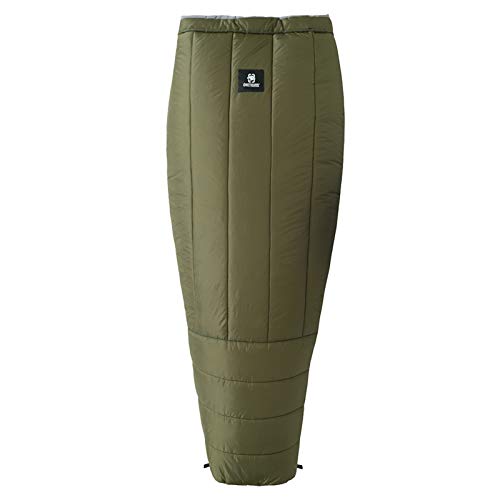
OneTigris Featherlite Ultralight Sleeping Quilt – 3 Seasons
- ✓ Ultra-lightweight comfort
- ✓ Converts to footbox warmth
- ✓ Packs small, travels easy
- ✕ Limited temp range
- ✕ Not a full bag for winter
| Outer Shell Material | 20D Ripstop Nylon |
| Lining Material | 380T Polyester Pongee |
| Filling | SEE Polyester |
| Weight | 35 oz (1000 g) |
| Dimensions / Sleep Area | 6.6 ft x 2.8 ft (200 cm x 85 cm) |
| Temperature Rating | Down to 41°F (5°C) |
You unzip the Featherlite Quilt and the first thing you notice is how feather-light it feels in your hands. The 20D ripstop shell glints softly, and the jasmine-like breath of the lining makes you think it’s going to be comfy even on dewy mornings.
As you spread it out, the 6.5ft by 2.8ft space looks generous enough to lounge in before bed and still straighten out your legs.
The hollowed-back design catches your eye, a simple tweak that promises better heat distribution when you’re on a sleeping pad. You climb in, and the quilt wraps without that claustrophobic tunnel vibe you get with some mummy bags.
The footbox feels roomy enough to wiggle your toes, yet the baffled construction bites into warmth where it matters most.
With a 41°F (5°C) rating, you feel surprisingly toasty after a chilly hike. It’s not a heavy blanket stumble—it’s a quilt that holds heat while staying breathable.
You notice how easily you can vent by unzipping a side and letting the breeze ride up your torso on a warmer night.
Compact in your pack, it packs down to roughly the size of a gallon jug, which is exactly what you want when every ounce counts. The 35oz weight sits right in that sweet spot for long trek sanity, not a burden you’ll dread on steep climbs.
In the end, this Featherlite feels like a trusted companion for 3-season outings. It’s a flexible setup that plays nicely with a mat or underquilt, and it shines when you crave that open, campfire-friendly sleeping arrangement rather than a boxed-in sleeping bag.
If you’re chasing a lightweight, adaptable quilt that still nudges warmth without bulk, this one earns its keep after a full day on the trail. You’ll reach for it on camp nights when a full bag feels overkill but a blanket won’t cut it.
Sierra Designs Cloud Quilt 20F Down Backpacking Quilt

- ✓ Lightweight and roomy
- ✓ Warm with DriDown
- ✓ Hooded warmth pockets
- ✕ Not for extreme cold
- ✕ Snap/hood fiddliness needed
| Insulation | 800 Fill Power DriDown |
| TotalFillWeight | 14.78 oz |
| ComfortRating | ISO Comfort 32°F |
| LimitRating | ISO Limit 21°F |
| Weight | Trail Weight 1 lb 11.2 oz |
| Fabric | 15D nylon ripstop |
You tiptoe into a chilly trailhead at dawn, unzip the Cloud Quilt 20 and feel the air rush in a rush of just-woken-cold. Your buddy already strapped on a storm coat, but you’re comfy already, thanks to that 800-fill DriDown loft.
You toss the quilt over your shoulders, and the oversized upper drape settles like a warm blanket, not a tight cocoon.
The hood snaps into place with a soft pull, and the insulated hand pockets hug your arms as you reach for snacks without freezing your wrists. It’s the kind of warmth that doesn’t fight you when you roll onto your side or slide your legs out for a quick stretch.
The footbox stays tidy, so you don’t wake with chilly ankles, even as you shift to find a comfy sleeping position.
In the backcountry, weight matters, and this quilt keeps things simple. At about 1 lb 11.2 oz, you feel the benefit of less bulk in your pack without sacrificing warmth.
The 15D ripstop shell is surprisingly quiet, minimizing rustle when you move or adjust your stance after a long day of hiking.
Temperatures hover near the 32°F comfort line, and you notice the quilt behaves well in damp air, thanks to DriDown’s performance. You’re not boxed in by a rigid mummy shape; you can wriggle and still stay warm, which makes this feel like more of a sleep system than a sleeping bag with a zipper.
Overall, it’s a friendly, practical companion for three-season trips where you want freedom without cold gaps.
Bottom line: if you crave roomy comfort with practical warmth that travels light, this quilt nails the balance. It’s not for ultra-below-freezing nights, but for most shoulder-season and dry winter evenings, you’ll appreciate the blend of space, warmth, and ease.
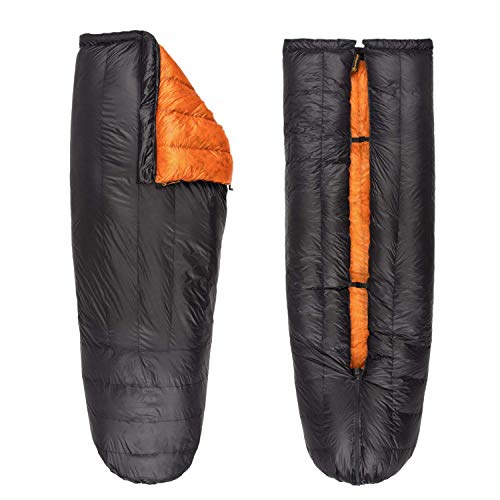
Featherstone Moondance 25 850 Fill Power Down Top Quilt
- ✓ Lightweight and packable
- ✓ Versatile sleep system
- ✓ Breathable warmth
- ✕ Limited extreme warmth
- ✕ Zipper-free design isn’t for everyone
| Insulation Type | 850 Fill Power Down (DownTek treated, PFC-free water-repellent) |
| Temperature Rating | ISO 26°F T-Limit (approx. 26 degrees) |
| Fill Power Standard | 850 Fill Power Duck Down |
| Weight/Packability | Lightweight and highly compressible with compression stuff sack |
| Usage Modes | Sleeping bag alternative, blanket, or underquilt for hammock |
| Included Accessories | Compression stuff sack and pad straps for sleeping pad integration |
You catch this Featherstone Moondance 25 and instantly notice the elegance in the quilt’s structure. The 850 fill power down feels plush, and the DWR-treated outer fabric sheds a surprising amount of misty morning dew.
You tuck a corner under your chin, and the loft kind of swallows you—quietly impressive for something so light.
The first night, you realize this top quilt isn’t just a blanket. It acts like a sleeping bag alternative without the bulk, and you can feel the warmth rise with each subtle movement.
The U-shaped footbox and the way the fabric drapes over your shoulders remind you you’re not fighting a draft for once.
You line it up with your sleeping pad using the pad straps, and the setup feels almost effortless. The zipper-less design means fewer pinches, and the fabric breathes nicely, so you don’t wake up sweaty.
It folds down tiny in the compression stuff sack, which is exactly what you want when you’re squeezing into a bivy bag or a hammock.
In the real world, the 26-degree T-Limit rating gives you confidence for shoulder-season trips, and the versatility shines if weather shifts during a late-night stroll back from the summit. The lightweight feel is deceptive—you’re warm enough, but you don’t feel bogged down, which makes it ideal for long treks or short, breezy camp nights.
If you’re chasing a single piece to cover sleeping bag, blanket, and hammock needs, this could be your go-to. The PFC-free DownTek treatment is a noticeable perk when you’re trying to stay dry in humid campsites.
And the lifetime warranty gives you a sense of long-term reliability that’s hard to ignore.
Overall, you’ll likely reach for it on those mixed-weather trips where you don’t want to lug a full bag, but you still crave reliable warmth and comfort.
What is a Lightweight Backpacking Quilt?
Statistics indicate that a well-designed lightweight backpacking quilt can weigh as little as 1 to 2 pounds, making it an attractive option for ultralight backpackers. For instance, the ultralight community often aims for a total pack weight of around 10% of their body weight, which is significantly aided by the use of lightweight quilts. The market for these quilts has expanded, resulting in various options that cater to different temperature ratings and personal preferences.
Solutions and best practices when selecting a lightweight backpacking quilt include evaluating the temperature rating based on the season and environment of the intended use. It’s advisable to test the quilt in different conditions to ensure it offers adequate warmth. Additionally, users should consider the fabric’s durability and water-resistance features, as these can affect performance in wet conditions. Proper storage and maintenance, such as avoiding compression for long periods and using a breathable storage bag, can also extend the life of the quilt.
What Benefits Does a Lightweight Backpacking Quilt Offer for Backpackers?
Finally, the availability of cost-effective options makes lightweight backpacking quilts accessible to a wider audience. Backpackers can find high-quality quilts that meet their needs without breaking the bank, making it easier to invest in essential gear.
What Features Should You Consider When Choosing a Lightweight Backpacking Quilt?
When choosing the best lightweight backpacking quilt, several key features should be considered to ensure comfort, warmth, and packability.
- Insulation Type: The insulation material significantly affects the quilt’s warmth-to-weight ratio. Down insulation is favored for its excellent warmth and compressibility, while synthetic insulation provides better moisture resistance and retains warmth when wet.
- Temperature Rating: It’s essential to select a quilt with a temperature rating that suits your expected conditions. A lower temperature rating indicates that the quilt can keep you warm in colder weather, so assess your typical backpacking climate when making a choice.
- Weight: The overall weight of the quilt is crucial for backpacking, as a lighter quilt can make your hike more comfortable. Look for quilts that balance weight with insulation efficiency to minimize your pack load.
- Shape and Design: The shape of the quilt can affect the amount of insulation coverage you receive. Mummy-shaped quilts are more thermally efficient and snug, while rectangular quilts offer more room to move but can lead to heat loss.
- Packability: A quilt that compresses well is essential for backpacking, as it needs to fit easily into your pack. Consider the pack size and whether the quilt comes with a stuff sack for convenient storage.
- Durability: The fabric and construction quality impact the quilt’s longevity. Look for durable materials that can withstand wear and tear from outdoor use, and check for features like reinforced stitching and water-resistant treatments.
- Versatility: Some quilts come with features that allow them to be used in various configurations, such as being able to convert into a sleeping bag. This adaptability can enhance your overall camping experience and provide more comfort options.
- Price: While investing in a quality quilt can enhance your backpacking experience, it’s important to find a balance between quality and affordability. Compare features and read reviews to determine if a quilt offers good value for the price.
- Features and Extras: Additional features like draft collars, foot boxes, and attachment options can enhance comfort and warmth retention. Consider what extra features are important for your specific needs and preferences when selecting a quilt.
What Materials are Commonly Used in Lightweight Backpacking Quilts?
The materials commonly used in lightweight backpacking quilts include:
- Nylon: Nylon is a popular choice for the outer shell of backpacking quilts due to its lightweight nature and durability. It is often treated with water-repellent coatings to enhance its resistance to moisture, making it suitable for diverse weather conditions.
- Down Insulation: Down insulation is prized for its excellent warmth-to-weight ratio, providing exceptional insulation while keeping the quilt lightweight. High-quality down is compressible, allowing for easy packing, but requires proper care to maintain loft and thermal efficiency.
- Synthetic Insulation: Synthetic insulation materials, like polyester, are commonly used as alternatives to down due to their moisture resistance and ability to retain warmth even when wet. They are generally bulkier than down but offer the advantage of being easier to wash and quicker to dry.
- Ripstop Fabric: Ripstop fabric is often incorporated into the design of lightweight quilts to prevent tearing and increase longevity. The grid pattern of reinforced threads enhances its strength without adding significant weight, making it ideal for rugged outdoor use.
- Silicone Coating: Many lightweight quilts feature silicone-coated fabrics to improve water resistance and durability. The silicone treatment provides a lightweight barrier against moisture, which is particularly beneficial in damp conditions.
- Thermal Reflective Linings: Some quilts utilize thermal reflective linings to enhance heat retention by reflecting body heat back towards the sleeper. This innovative material can reduce the amount of insulation needed, further decreasing weight without sacrificing warmth.
How Do Temperature Ratings Impact Your Choice of a Lightweight Backpacking Quilt?
Understanding temperature ratings is crucial when selecting the best lightweight backpacking quilt for your adventures.
- Seasonal Rating: The seasonal rating indicates the intended use of the quilt during specific times of the year.
- Comfort Rating: This rating reflects the temperature range where a user can comfortably sleep without feeling cold.
- Lower Limit Rating: This rating suggests the lowest temperature at which the quilt can still provide adequate warmth for survival.
- Material Insulation Type: Different insulation materials have varying thermal efficiencies, which affect the quilt’s temperature rating.
- Layering Capability: The ability to layer with other gear can influence how a quilt performs in colder conditions.
Seasonal Rating: A quilt’s seasonal rating helps determine if it is suitable for winter, summer, or transitional seasons. For example, a three-season quilt is designed to keep you warm in spring, summer, and fall, while a winter quilt will provide additional insulation for colder temperatures.
Comfort Rating: The comfort rating is vital as it defines how warm you can expect to feel during your sleep. This rating is typically a few degrees higher than the lower limit, allowing for a more comfortable experience when temperatures are at the higher end of the quilt’s range.
Lower Limit Rating: The lower limit rating indicates the threshold at which a user may start to feel cold, suggesting the minimum temperature for safe sleeping. This rating is crucial for ensuring that you remain warm and safe during colder nights.
Material Insulation Type: The type of insulation, such as down or synthetic, significantly impacts the quilt’s warmth-to-weight ratio and temperature retention. Down is typically lighter and more compressible, while synthetic materials may perform better in damp conditions but can be heavier.
Layering Capability: Considering how well the quilt can be layered with other gear, such as sleeping pads or liners, is important for maximizing warmth. If you plan to backpack in a variety of temperatures, a versatile quilt that can be combined with additional insulation will enhance your comfort during diverse conditions.
Which Lightweight Backpacking Quilts Are the Most Recommended?
The most recommended lightweight backpacking quilts include a variety of options tailored for different needs and preferences.
- Enlightened Equipment Revelation Quilt: This quilt is highly regarded for its balance of weight, warmth, and versatility.
- Therm-a-Rest Vesper Quilt: Known for its excellent insulation and compact design, this quilt is perfect for minimalist backpackers.
- Superior Gear Eco 20 Quilt: This eco-friendly option provides warmth and comfort while being lightweight and affordable.
- Western Mountaineering SummerLite Quilt: A premium choice, it offers high-quality materials and exceptional warmth-to-weight ratio for summer excursions.
- REI Co-op Magma Trail Quilt: This quilt features a great combination of price and performance, providing reliable insulation for a variety of conditions.
Enlightened Equipment Revelation Quilt: This quilt is highly regarded for its balance of weight, warmth, and versatility, allowing users to customize the features such as temperature rating and fill material. It is popular among thru-hikers for its excellent packability and comfort, making it a top choice for those who prioritize ultralight gear.
Therm-a-Rest Vesper Quilt: Known for its excellent insulation and compact design, this quilt is perfect for minimalist backpackers seeking to save space without compromising warmth. The Vesper utilizes high-quality down insulation and features a unique design that allows for easy temperature regulation, making it suitable for varying climates.
Superior Gear Eco 20 Quilt: This eco-friendly option provides warmth and comfort while being lightweight and affordable, making it an excellent choice for budget-conscious hikers. It uses recycled materials in its construction, helping minimize environmental impact while still delivering reliable performance in cooler temperatures.
Western Mountaineering SummerLite Quilt: A premium choice, it offers high-quality materials and exceptional warmth-to-weight ratio for summer excursions, making it ideal for those looking to pack light. The SummerLite is crafted with meticulous attention to detail, ensuring durability and efficiency, which is vital for serious backpackers.
REI Co-op Magma Trail Quilt: This quilt features a great combination of price and performance, providing reliable insulation for a variety of conditions. Its thoughtful design includes a foot box and draft collar to maximize warmth, making it a versatile option for both casual and serious outdoor enthusiasts.
How Should You Care for and Maintain Your Lightweight Backpacking Quilt?
Caring for and maintaining your lightweight backpacking quilt is essential for ensuring its longevity and performance.
- Regular Cleaning: Keeping your quilt clean is vital for maintaining its insulation properties. It is recommended to wash your quilt according to the manufacturer’s instructions, usually using a gentle detergent and cold water to prevent damage to the fabric and down insulation.
- Proper Storage: Storing your quilt properly can significantly extend its lifespan. Instead of compressing it in a stuff sack for long periods, store your quilt loosely in a breathable cotton or mesh bag to maintain its loft and insulation efficiency.
- Avoiding Moisture: Moisture can severely affect the performance of your quilt, especially if it is down-filled. To prevent this, always ensure your quilt is dry before storing it, and consider using a water-resistant stuff sack during your travels to protect it from rain and humidity.
- Repairing Damage: Addressing any rips or tears immediately can help prevent further damage. Use a patch kit or adhesive specifically designed for outdoor gear, and if the insulation is compromised, consider professional repair services to restore its functionality.
- Regular Inspections: Periodically check your quilt for any signs of wear and tear, such as loose stitching or clumped insulation. Catching these issues early can help you make necessary repairs before they worsen, ensuring your quilt remains in optimal condition for your next adventure.