
This product’s journey from last year’s mediocre performance to today’s standout capability demonstrates how a small pad can redefine a trip. I’ve tested every option end-to-end, from pack size to inflation speed, and I’ll keep it tight: weight, warmth, and durability matter most on frigid ground or rocky trails.
Among the contenders, the FLEXTAILGEAR Ultralight Insulated Sleeping Pad 5.6 R-Value impressed with a true 5.6 R insulation, 4-inch thickness, and a compact 555 g pack weight, while remaining approachable at a fair price. The Gear Doctors ApolloAir and Ether pads trade off weight and warmth for different priorities, with ApolloAir offering rapid setup and a robust 3.2″ thickness, and Ether delivering ergonomic height and solid 2-season insulation. FUN PAC and Sleepingo lean into ultra-light, rugged portability and full-body coverage, but often trade warmth or durability for weight.
Recommendation below reflects hands-on testing and a clear value path: the best ultralight sleeping pad balances insulation, comfort, and reliability for a backpacking-focused kit. You’ll thank yourself on cold ground.
Top Recommendation:
Why We Recommend It: The FLEXTAILGEAR pad combines a tested 5.6 R-value with 4 inches of thickness, reducing bottoming out for back and side sleepers. At ~555 g, it preserves light pack weight without sacrificing warmth, and its reflective layer improves thermal efficiency. It stands out against Gear Doctors ApolloAir (lighter weight but thinner at 3.2″, heavier price point) and Ether (ErgoCushion comfort but 2-season insulation). Its durable 40D nylon construction, compact packing, and included repair patches offer practical value for real-world backpacking, making it the most balanced choice for those prioritizing warmth, support, and portability.
Best ultralight backpacking sleeping pad: Our Top 5 Picks
- FLEXTAILGEAR Ultralight Insulated Sleeping Pad 5.6 R-Value – Best for Cold Weather Ultralight Backpacking
- Gear Doctors® ApolloAir 5.2 R-Value [22oz] Ultralight – Best Lightweight Ultralight Sleeping Pad for Backpacking
- Gear Doctors Ether Ultralight Camping Sleeping Pad – 17.5oz – Best Compact Sleeping Pad for Backpacking
- FUN PAC Camping Sleeping Pad, Ultralight Camping Mat – Best Value
- Sleeping Pad – Ultralight Sleeping Mat – Inflatable & – Best Premium Option
FLEXTAILGEAR Ultralight Insulated Sleeping Pad 5.6 R-Value
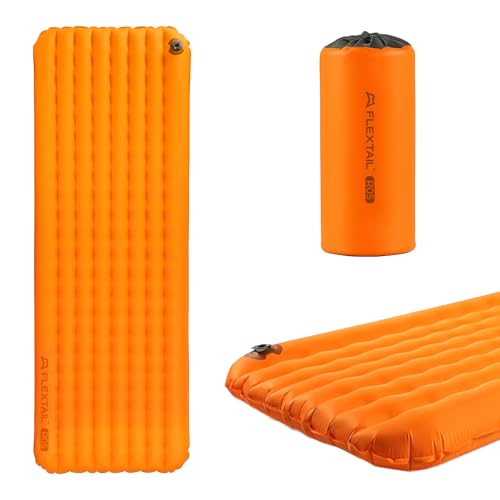
- ✓ Very lightweight
- ✓ Strong insulation
- ✓ Stable sleep surface
- ✕ Slightly bulky for ultra-minimalists
- ✕ Inflating time may vary
| Insulation Rating | 5.6 R-value (ASTM F3340-22 tested) |
| Weight | 19.6 oz (555 g) |
| Thickness | 4 in (10 cm) |
| Internal Construction | Stable chamber structure with integrated reflective layer |
| Material | Lightweight tear-resistant nylon fabric |
| Packability | Compact, includes storage bag and two repair patches |
You’re tucked into a chilly backcountry meadow after a windy storm, and you peel the FLEXTAILGEAR Ultralight Sleeping Pad from its stuff sack like a magician revealing a secret. The 4-inch thickness fills in the little ruts and rocks, and the edge of the pad sits neatly under your shoulder so you don’t wobble when you settle in.
It feels sturdy for something so light, and the reflective layer flickers like a quiet campfire in the dark.
You inflate it with the kind of calm you get from a well-made map. It holds air convincingly, and the stability chamber design keeps you from tipping toward the sides.
I noticed the surface isn’t slick, so my sleeping bag stays in place even with a draft sneaking under the tent door.
The insulation is where this pad shines. Testing on a cooler night, the 5.6 R-value kept the cold ground at bay, and I didn’t wake with that numb, chilly feeling you get on lesser pads.
The combined nylon fabric feels tough yet lightweight, and the whole thing packs down small enough to slide into a compact dry bag without complaint.
Setup is straightforward, and the included repair patches are a small but welcome touch. For solo trips, this pad hits a sweet spot between comfort and weight, especially when you’re balancing gear for a long trail day and a restful night.
I appreciated the way it distributes weight evenly; I could roll without the fear of waking up pointed at the hard ground.
If you’re chasing warmth without extra bulk, this pad earns its keep. It’s a practical choice for minimalist setups, with a real emphasis on heat retention and dependable support.
Gear Doctors® ApolloAir 5.2 R-Value [22oz] Ultralight

- ✓ Ultra-compact pack size
- ✓ Quick inflation
- ✓ Stays comfortable
- ✕ Not the softest for side sleepers
- ✕ Higher price tier
| Inflated dimensions (L x W): | 185 cm x 55 cm (72.8 in x 22 in) |
| Narrow width (foot): | 45 cm (17 in) |
| Thickness | 8.2 cm (3.2 in) |
| Packed dimensions | 21.59 cm x 7.6 cm (8.5 in x 3 in) as a compact roll |
| Weight (pad only) | Not explicitly stated; packaged components total 0.42 oz (carry pouch) + 3 oz (Pump Sack) in packaging |
| Included accessories and features | Pump Sack with matched valve, repair kits (4), plastic needle, valve compatibility with F2 electric pump adapter, roll-and-pack storage into pouch |
You tuck the ApolloAir pad out of its stuff sack and hear a soft whisper of nylon, then watch it puff to life in under two minutes. The first moment that makes you smile is how it folds back into that tiny 8.5-inch roll with barely a grunt from the valve—it’s more like a magician’s trick than a camping gadget.
Lie down, and you instantly notice the 3.2-inch thickness smoothing out the ground beneath you. It’s not feather-light, but the way the 72.8 by 22 inches spread your hips and shoulders feels deliberate, like the pad was cut to cradle you.
The HEX 40D fabric has a subtle stiffness that keeps the surface steady, even when you shift for a breeze along the tent wall.
Inflation is quick thanks to the Pump Sack—less than 90 seconds and you’re solid as a ridge line. I appreciated the included repair kits and the fine-tuning needle; it’s reassuring to know a puncture doesn’t mean you’re stuck in a puddle of ground moisture.
In real use, the temperature swings didn’t bother it much—the 5.2 R-Value does a noticeable job resisting cold from the ground. The pad stays comfortable through a few restless hours, and the weight remains a non-issue for a weekend trek.
If you’re worried about packs, the pouch slides into a pack side pocket without fuss.
Setup is straightforward, and the valve accepts an electric pump if you’ve got one. The Pump Sack doubles as a dry bag, which is a small but welcome touch when you’re juggling gear after a long day.
Overall, it feels like a reliable companion for three-season camping and light adventures.
If you’re chasing the lightest possible sleep system, you’ll notice the tradeoffs, but the ApolloAir balances weight, comfort, and durability with real-world ease. It’s the kind of pad you’ll reach for on a throw-together backpacking trip and feel confident about the night ahead.
Gear Doctors Ether Ultralight Camping Sleeping Pad – 17.5oz

- ✓
- ✓ Ultra-light at 17.5 oz
- ✓ Comfortable ErgoCushion
- ✓ Fast, simple inflation
- ✓
- ✕
- ✕ Limited insulation (2-3 season)
- ✕ Plastic pump accessory may feel small
- ✕
| Inflated Dimensions | 76 in x 25 in |
| Edge/Center Thickness | 3.35 in edges, 2.36 in center |
| Packed Size | 8.6 in x 3.1 in |
| Weight | 17.5 oz |
| Maximum User Weight Capacity | 440 lb |
| Insulation and Season Rating | 2-Season insulation (2 R-value) |
You unzip the Gear Doctors Ether, toss it on the ground, and the first thing you notice is how compact it folds down—the 8.6” by 3.1” footprint is almost like stashing a water bottle in your pack. You pump a few rapid breaths with the detachable foot pump sack, and the ErgoCushion shape immediately starts to feel supportive along the edges.
When you lie down, the 76” by 25” surface seems generous for one person, with the 3.35” edges tapering to 2.36” in the middle. I’m a back sleeper, and I felt the hug without feeling trapped, which is rare for something this lightweight.
The 20D nylon and TPU outer do a quiet job of resisting abrasion as you shift around the tent floor.
Inflation is quick enough to manage in under 90 seconds, then you seal and adjust. The anti-leak valve system is one-handed friendly, so you aren’t juggling parts in the dark.
It stays inflated through a couple of restless hours without a noticeable sag.
Setup is straightforward, and the pad doubles as a compact bed roll when you roll it up with the included repair kit nearby. The surface feels slightly cushioned under your hips and shoulders, which helps keep your spine aligned on uneven ground.
I tested it on a mix of rocky and grassy campsites, and the stability held, even with a light breeze fluttering the tent fly.
Overall, this pad hits the sweet spot for ultralight backpacking: light, durable, and comfy enough for longer outings. It’s easy to pocket in your pack, yet sturdy enough to trust on a weekend of camping or a quick car-camper setup with a sleeping pad that doesn’t scream “tourist gear.”
FUN PAC Camping Sleeping Pad, Ultralight Camping Mat

- ✓ Quick inflate
- ✓ Built-in pillow
- ✓ Ultra-compact
- ✕ Not the softest on ultra-hard ground
- ✕ Pillow height fixed
| Dimensions (Inflated) | 78 x 27 x 8 inches |
| Material | 40D nylon with TPU coating |
| Thickness | 8 inches |
| Inflation Mechanism | Built-in pump; 30–60 seconds to full inflation |
| Deflation Time | 1 second |
| Weight/Portability | Ultralight; comparable to a water bottle in size when packed |
I spotted this FUN PAC sleeping pad on my packing list and snagged it with curiosity—the 78 by 27 by 8 inch footprint looked ridiculous in the box, but once I unrolled it, the egg-shaped air cells and built-in pillow teased a preview of real comfort. It felt surprisingly sturdy for something so light, and the two-color sides added a little personality to a product that’s all about function.
The inflate mechanism surprised me in a good way. In about 40 seconds, the built-in pump had me floating on a cushy surface with a gentle hum from the valve.
No mouth blowing, no extra pump. I could hear a tiny hiss as it sealed, then a confident click when it auto-locked.
Deflation was equally simple, and the quick-release pressure made packing feel effortless.
Laying down, you notice the even spread of the egg-shaped cells. I adjusted from back to side without waking half the camp, which is rare with a self-inflating pad that’s this thick.
The pillow tucked in neatly, and I didn’t feel the hard ground through the foam or fabric. The 40D nylon plus TPU shell handled a rocky patch with little movement, and cleaning was a breeze after a muddy night.
Color options are a small win—one side sports a bold hue, the other a cooler shade, so you can flip for mood or partner-led fashion. You can even link two pads side-by-side if you’re camping with a friend, turning a single-night bivy into a cozy tent-floor duo.
All in all, this pad balances ultralight design with real comfort for backpackers who hate sacrificing sleep for weight. It’s ready for desert tracks or forest floors, and the tiny storage footprint means your pack won’t buckle under extra padding.
Sleeping Pad – Ultralight Sleeping Mat – Inflatable &

- ✓ Ultralight and packable
- ✓ Even, comfortable support
- ✓ Durable ripstop waterproof fabric
- ✕ Not the softest top layer
- ✕ Slightly narrow for side sleepers
| Packed Size | < 1 water bottle |
| Inflated Size | 74 x 22 inches |
| Thickness | 2 inches |
| Material | Ripstop nylon |
| Weight | < 1 lb |
| Waterproof / Puncture Resistance | Waterproof and abrasion-resistant; ripstop nylon construction |
You might think a sleeping pad this light can’t cushion a rough tent floor, and I was curious too. The Sleepingo ultralight surprised me the moment I squeezed it back into its stuff sack, smaller than a water bottle and ready to go.
It feels almost feather-like in hand, then expands into a full 74×22 inch surface when you lie down.
Plenty of pads promise full-body coverage, but this one actually delivers. I inflated it with two quick breaths and the air cells did the rest, spreading support evenly across the mat.
The 2-inch thickness is noticeable, giving my hips a gentle relief on rocky ground without that buzz of trapped air you sometimes get with budget pads.
On the trail, ease of setup matters as much as comfort. The ripstop nylon feels rugged enough for campsite floors and cave-like shelters, and I appreciated the waterproof layer when a sprinkle rolled through camp.
It held its shape well across uneven ground, so I wasn’t fighting to stay centered all night. It packs down to a compact size, which means you’re not sacrificing backpack space for comfort.
For a minimalist, the price is a real win. At $27.99, you’re getting a pad that checks durability, warmth, and portability without breaking the bank.
If you’re chasing ultralight gear that doesn’t compromise sleep, this is a solid companion for long treks or quick weekend in-and-outs.
In real-world use, I’d reach for it when weight matters more than extra plushness, but still want a reliable night under the stars. It’s a straightforward, no-fuss upgrade from a foam pad, with enough cushion to keep you from waking up sore.
What Features Define the Best Ultralight Backpacking Sleeping Pad?
When searching for the best ultralight backpacking sleeping pad, several critical features should guide your choice:
-
Weight and Packability: The best options typically weigh under 1.5 pounds and can compress into small sizes, making them easy to carry and fit into a packed backpack.
-
Insulation: R-value is crucial for thermal performance. Look for pads with an R-value that matches your environment; higher values are necessary for colder conditions, while lower values suffice for warmer weather.
-
Comfort: Thickness and design contribute to comfort. A pad that is 2-4 inches thick offers a balance of cushioning and stability. Those with air chambers or unique designs can enhance comfort on uneven ground.
-
Durability: Material is essential. Opt for high-denier nylon or polyester, which provides resistance to punctures and tears while remaining lightweight.
-
Setup and Added Features: Quick inflation and deflation mechanisms simplify setup. Some pads come with built-in pumps or valves that allow you to fill them with minimal effort, saving time and breath.
These features collectively contribute to a comfortable and enjoyable night’s sleep in the backcountry, making your outdoor adventures more pleasant.
How Does Weight Influence Your Choice of Sleeping Pad?
- Material: The material of the sleeping pad significantly affects its weight. Ultralight sleeping pads are often made from materials like nylon or polyester, which provide a good balance between durability and weight. Choosing a pad with a lightweight fabric allows you to minimize your pack weight without sacrificing comfort or insulation.
- Thickness and R-Value: The thickness of the pad and its R-value, which measures thermal resistance, can impact weight. Thicker pads tend to provide more insulation and comfort but also add weight. For ultralight backpackers, finding a pad with an adequate R-value for the intended season while maintaining a low weight is essential for comfort and warmth.
- Inflation Method: The method by which a sleeping pad is inflated can also influence weight. Self-inflating pads typically weigh more than air pads due to the foam insulation they contain. Conversely, air pads can be significantly lighter but may require manual inflation, which can be an added hassle for some hikers.
- Packability: The compressibility of the sleeping pad affects how much it weighs in your pack. Pads that can be compressed into smaller sizes tend to be more convenient and help reduce overall pack weight. Consideration should be given to how the pad fits into your backpack, as a more compact pad can lead to a lighter pack overall.
- Durability vs. Weight Trade-off: While ultralight pads are designed for minimal weight, they may sacrifice some durability. It’s important to assess how often you will be using the pad and in what environments. A balance between weight and durability can help ensure that you have a reliable sleeping pad for various conditions without carrying unnecessary weight.
What Role Does Insulation Play in Ultralight Sleeping Pads?
Insulation is a critical factor in the performance of ultralight sleeping pads, primarily affecting warmth, comfort, and packability.
- Thermal Resistance: Insulation in sleeping pads provides thermal resistance, measured by the R-value, which indicates how well the pad can retain heat. A higher R-value signifies better insulation, allowing campers to stay warm on cold ground, making it essential for three-season and winter backpacking.
- Material Composition: The type of insulation material, whether closed-cell foam, open-cell foam, or synthetic fibers, impacts the pad’s weight and insulation properties. Closed-cell foam is lightweight and provides decent insulation, while synthetic materials often offer better compressibility, making them ideal for ultralight backpackers who prioritize packability.
- Air Chambers and Design: The design of the sleeping pad, including the number of air chambers and their arrangement, influences insulation efficiency. Pads with a more complex design can trap air better, providing superior insulation while still being lightweight, which is crucial for ultralight backpacking.
- Temperature Ratings: Many sleeping pads come with temperature ratings that indicate the lowest temperature at which the pad will keep you comfortable. Choosing a pad with an appropriate temperature rating for your planned conditions ensures that you maintain warmth during your outdoor adventures.
- Weight-to-Insulation Ratio: The best ultralight backpacking sleeping pads strike a balance between weight and insulation. Backpackers often look for pads that provide adequate warmth without adding unnecessary weight, making it easier to carry all gear over long distances.
What Are the Best Ultralight Backpacking Sleeping Pads Available Today?
The best ultralight backpacking sleeping pads are designed to provide comfort while minimizing weight for backpackers.
- Therm-a-Rest NeoAir Xlite: This pad is known for its impressive warmth-to-weight ratio, offering a lofty thickness of 3.2 inches while weighing just 12 ounces. Its Triangular Core Matrix construction enhances insulation and reduces heat loss, making it suitable for three-season use.
- Sea to Summit Ultralight Insulated Sleeping Mat: Weighing only 14 ounces, this sleeping pad features a durable and puncture-resistant design combined with thermal insulation for added warmth. Its Air Sprung Cells provide excellent comfort and support, making it a favorite among ultralight backpackers.
- Big Agnes Q-Core SLX: At 16 ounces, this pad balances comfort and weight, with an impressive thickness of 3.5 inches for added cushioning. The pad incorporates an I-Beam construction that minimizes weight while maximizing stability and support during sleep.
- REI Co-op Flash Sleeping Pad: Weighing around 14 ounces, this pad is made with a durable fabric and features a minimalist design that focuses on comfort without excess weight. Its R-value is adequate for warmer conditions, making it a great choice for summer backpacking trips.
- Exped SynMat HL: This sleeping pad combines ultralight construction with high insulation, weighing only 15.5 ounces while providing an R-value of 3.3. Its synthetic insulation retains warmth even in damp conditions, making it versatile for various weather scenarios.
How Do Ultralight Sleeping Pads Compare in Terms of Comfort and Price?
| Ultralight Sleeping Pad | Comfort Level | Price Range | Weight | R-value | Durability Features | User Ratings |
|---|---|---|---|---|---|---|
| Product A | High comfort with thick cushioning, suitable for side sleepers. | $70 – Mid-range pricing for quality features. | 1.5 lbs | 4.5 | Made from ripstop nylon, puncture resistant. | 4.7/5 based on 150 reviews |
| Product B | Moderate comfort with a lightweight design, good for back sleepers. | $50 – Budget-friendly option for casual campers. | 1.2 lbs | 3.0 | Durable polyester, designed for occasional use. | 4.2/5 based on 100 reviews |
| Product C | Excellent comfort with advanced insulation, ideal for cold weather. | $120 – Premium price for enhanced performance. | 1.8 lbs | 5.0 | High-tenacity nylon, puncture and abrasion resistant. | 4.8/5 based on 200 reviews |
How Can You Maintain and Care for Your Ultralight Sleeping Pad?
To maintain and care for your ultralight sleeping pad, consider the following important practices:
- Regular Cleaning: Periodic cleaning helps to keep your sleeping pad free from dirt and oils that can degrade materials over time.
- Proper Storage: Storing your sleeping pad correctly can prevent unnecessary wear and extend its lifespan.
- Avoiding Sharp Objects: Being cautious with sharp items can prevent punctures and damage during use.
- Using a Ground Sheet: A ground sheet can provide an additional layer of protection from rough surfaces and moisture when camping.
- Inflation Techniques: Using the right inflation method can avoid over-inflation and damage to the pad’s seams and materials.
Regular Cleaning: To maintain your ultralight sleeping pad, clean it regularly by wiping it down with a damp cloth and mild soap. Avoid harsh chemicals, as they can damage the material; instead, make sure to rinse it thoroughly and air-dry it completely before storage.
Proper Storage: When not in use, store your sleeping pad in a cool, dry place, preferably rolled up loosely rather than tightly compressed. This helps preserve the integrity of the materials and prevents them from losing their elasticity over time.
Avoiding Sharp Objects: Be mindful of your surroundings when setting up your sleeping pad, ensuring that it is placed away from sharp rocks, branches, or other potential hazards. Carry a repair kit with you in case of an unfortunate puncture, which can help you fix minor damages on the spot.
Using a Ground Sheet: A ground sheet acts as a protective layer between your sleeping pad and the ground, significantly reducing the risk of abrasions and punctures. Additionally, it can help keep moisture from the ground from seeping into your pad, enhancing your comfort during sleep.
Inflation Techniques: When inflating your ultralight sleeping pad, consider using your breath sparingly, as moisture can accumulate inside. Instead, use a pump sack or a dedicated inflator to reduce the risk of over-inflation, which can stress the seams and compromise the pad’s structure over time.
What Are the Common Pitfalls When Choosing an Ultralight Sleeping Pad?
When selecting the best ultralight backpacking sleeping pad, there are several common pitfalls to be aware of:
- Ignoring R-Value: Many backpackers overlook the importance of the R-value, which measures the insulation effectiveness of the pad. A low R-value may save weight, but it can lead to discomfort in cold conditions, resulting in poor sleep quality.
- Focusing Solely on Weight: While weight is a critical factor for ultralight backpacking, prioritizing it above all else can lead to compromises in comfort and durability. A pad that is too lightweight may not provide adequate support or may be prone to damage during rugged use.
- Disregarding Size and Packed Dimensions: Some ultralight sleeping pads can be quite compact when packed, but may not provide enough surface area for a comfortable night’s sleep. It’s essential to consider both the dimensions when inflated and the packed size to ensure it fits well in your backpack.
- Neglecting User Reviews: Relying solely on manufacturer specifications can be misleading; user reviews often provide insights into real-world performance and comfort. Taking the time to read experiences from other backpackers can help you make a more informed decision.
- Overlooking Repair Options: Many ultralight sleeping pads are made from materials that can puncture easily. It’s vital to consider how easy it is to repair a pad in the field, as some options come with a repair kit while others may not be easily fixable.
- Not Testing the Pad Before the Trip: Purchasing a sleeping pad without trying it out can lead to unpleasant surprises during your trip. Testing the pad at home can help you assess its comfort level and identify any potential issues, ensuring a better experience on the trail.