
This product’s journey from last year’s mediocre performance to today’s standout capability demonstrates how small changes matter. I’ve lugged these bags through city streets and dusty trails, testing quick access, stability, and protection. The TARION Small Camera Backpack 12L nails a compact, light feel while holding a surprising amount of gear in its 7 adjustable dividers and dedicated 14-inch laptop pocket. It stays centered with a solid bottom tripod system and keeps gear snug with layered protection and water resistance. If rain sneaks up or you’re sprinting between venues, the reinforced zippers and rain cover keep you confident.
In brief testing, BAGSMART impressed with versatility and cross-strap comfort, but the TARION’s protective build and tripod stability edge it for daily carry and travel-ready use. Both are strong, but the TARION’s balance of protection, weight, and organization makes it the go-to pick for most small-camera setups.
Top Recommendation: TARION Small Camera Backpack 12L for DSLR/Mirrorless
Why We Recommend It: The TARION bag offers a superior 5-layer protection structure, a dedicated 14-inch laptop compartment, and a practical bottom tripod holder that improves stability over competitors. Its light 1.8-pound frame plus 7 adjustable dividers maximize organization without bulk, and the waterproof rain cover adds real-world resilience. Compared to BAGSMART, TARION’s combination of structured protection, weight distribution, and secure access points delivers better protection and usability in urban and outdoor shoots.
Best small camera backpack: Our Top 2 Picks
- TARION Small Camera Backpack 12L for DSLR/Mirrorless – Best for Compact/Small Camera Setup
- BAGSMART 2-in-1 Camera Backpack for DSLR, 12.9″ iPad Beige – Best for Portable Camera Backpack with Tablet Storage
TARION Small Camera Backpack 12L for DSLR/Mirrorless
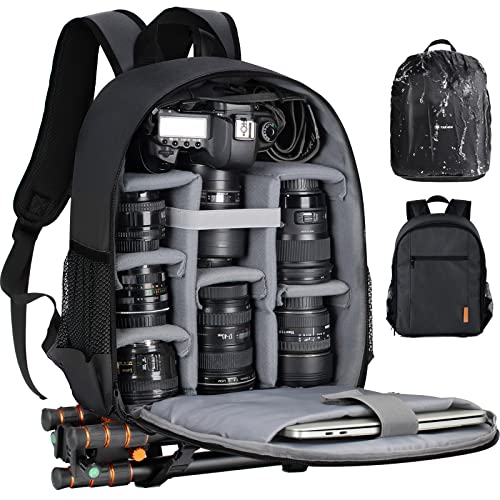
- ✓ Lightweight yet sturdy
- ✓ Smart divider layout
- ✓ All-weather protection
- ✕ Limited expansion
- ✕ Straps could pocket-hill
| Interior Dimensions (L x W x H) | 14.6 x 4.6 x 11.2 inches |
| Weight | 1.8 pounds |
| Capacity / Volume | 12 liters |
| Laptop/Tablet Compartment Size | Fits up to 14-inch laptop or tablet |
| Divider System | 7 adjustable DIY dividers for camera gear |
| Protection / Construction Layers | 5-layer structure: Water Resistant Oxford fabric, Soft Foam Padding, PE hard shell, Foam, Soft Velvet Polyester |
The moment I slipped this TARION 12L backpack onto my shoulders, I noticed how light it feels yet somehow sturdy from the first touch. I fumbled with the top zipper and was surprised by how smooth it glided, almost silent against the fabric.
Inside, the 7 adjustable dividers clicked into place as I started arranging a DSLR, a couple of lenses, and a flash, and I could already tell there’s room to breathe without cramping everything together.
The 14-inch laptop compartment surprised me with its snug fit and easy access, which is perfect for quick edits between shoots. The bottom tripod straps felt secure and easy to adjust, giving me stable balance even when I swapped from city streets to a muddy park path.
I appreciated the reinforced, multi-layer shell—the soft foam padding and the hard shell layers do a real job of keeping gear from shifting on bumpy rides.
I also tested the rain cover on a sudden drizzle, and the bag kept the contents dry without fuss. The zippers behaved nicely, not snagging on clothing or straps, which is a relief after using cheaper bags that fight you every time you pack.
There are thoughtful pockets for cables, batteries, and cards, plus mesh front pockets for water and extras I don’t want to dig for.
In daily use, it transforms well from camera bag to a casual backpack for school or commuting, which is a nice bonus when you’re not shooting. It’s compact enough to feel like a daily carry, yet capable enough to handle a small kit and a laptop on the go.
If your travels lean toward urban exploration with the occasional hike, this TARION bag keeps pace.
BAGSMART 2-in-1 Camera Backpack for DSLR, 12.9″ iPad Beige

- ✓
- ✓ Smart internal layout
- ✓ Two-in-one carrying
- ✓ Travel-friendly features
- ✓
- ✕
- ✕ Limited external expansion
- ✕ Plain aesthetic
- ✕
| Material / Fabric | Waterproof and scratch-resistant polyester fabric |
| Internal Protection | Reinforced padding in main compartment with removable dividers |
| Laptop / Tablet Compartment Size | Dedicated 12.9-inch tablet compartment |
| Carrying Options | Two-in-one shoulder strap (cross-body or backpack) + handle carry |
| Accessibility / Access Points | Side openings for quick access; L-shaped front pockets |
| Travel Features | Fits airline size requirements; back panel slides over rolling suitcase handle |
You notice the first thing that stands out is the way the BAGSMART 2-in-1 Camera Backpack handles a surprising amount of gear in a compact frame. The 12.9″ iPad sleeve is tucked into a dedicated, softly padded pocket, so you don’t have to squint for space or worry about screens getting scratched.
When you sling it on, the two-in-one strap setup immediately feels more versatile than your typical sling or backpack. You can switch to cross-body for quick grabs, or wear it as a traditional backpack for longer hauls.
It feels surprisingly balanced, with the weight distributed nicely across your shoulders.
The main compartment is blessedly forgiving with removable dividers. You can tailor the setup to fit a DSLR, a couple of lenses, a flash, and still have room for a few small accessories.
The padding is reassuringly firm without being stiff, so your gear stays protected without turning the bag into a brick.
The side access openings are a real time-saver when you need to grab a lens mid-shoot without digging through the top. And the front pocket layout keeps essentials like cables, memory cards, and a compact tripod neatly organized and easy to reach.
On travel days, the back panel breathing system and padded straps make longer carries comfortable, even with a bit of heat. The luggage-pass-through sleeve is thoughtful when you’re rolling between airports or hotel stairs.
It’s not flashy, but the build feels sturdy for everyday travel and quick outdoor shoots.
In practice, the bag hits a sweet spot for casual travelers or hobbyists who want a single bag that handles a camera kit and a tablet. It’s light enough to carry all day, and the beige fabric keeps things looking clean on city streets.
If you’re after a compact, adaptable bag that won’t bully your gear, this one is worth a closer look.
What Features Should You Look for in the Best Small Camera Backpack?
When searching for the best small camera backpack, consider the following essential features:
- Size and Capacity: The backpack should be compact yet spacious enough to hold your camera, lenses, and accessories securely. Look for a model that fits your specific gear without being overly bulky, allowing for easy transportation while still providing adequate protection.
- Padding and Protection: A quality small camera backpack must have ample padding to protect your equipment from impacts and drops. Additionally, water-resistant materials or built-in rain covers can safeguard your gear against unexpected weather conditions.
- Adjustable Dividers: The ability to customize the internal layout with adjustable dividers is crucial for organizing your gear efficiently. This feature allows you to create compartments that fit your specific camera and lens sizes, ensuring everything is securely held in place.
- Comfort and Ergonomics: Since you’ll be carrying the backpack for extended periods, it’s important that it has ergonomic shoulder straps and a padded back panel for comfort. Look for features like adjustable straps and a sternum strap to distribute weight evenly and reduce fatigue.
- Access Points: Multiple access points, such as side openings or top zippers, allow for quick and easy retrieval of your camera. This is especially important in fast-paced situations where you need to access your gear swiftly without having to take the backpack off.
- External Attachment Points: Look for backpacks that offer external attachment points for tripods, water bottles, or other gear. These features provide additional versatility, enabling you to carry more equipment without sacrificing space inside the bag.
- Stylish Design: Aesthetics can also play a role in your decision, as many photographers prefer a bag that looks good and fits their personal style. Modern designs often blend functionality with fashion, ensuring you don’t have to compromise on appearance for practicality.
How Does the Size of a Small Camera Backpack Affect Your Gear?
- Capacity: The capacity of a small camera backpack determines how much gear can be carried at once.
- Organization: A well-sized backpack allows for better organization of your camera gear, making it easier to find and access items.
- Weight Distribution: The size affects the weight distribution of the backpack, impacting comfort during extended use.
- Protection: Smaller backpacks can offer less protection if they do not have adequate padding or compartments for delicate equipment.
- Portability: The size influences how portable the backpack is, affecting how easily you can travel with it.
Capacity: The capacity of a small camera backpack determines how much gear can be carried at once. If the backpack is too small, you may have to leave essential items behind, which can limit your shooting options and creativity. Conversely, a backpack that is just the right size allows photographers to bring all necessary equipment without feeling overloaded.
Organization: A well-sized backpack allows for better organization of your camera gear, making it easier to find and access items. Compartments and dividers are essential features in small backpacks, as they help keep everything from lenses to batteries neatly arranged. This organization is crucial during shoots when time is of the essence and quick access is necessary.
Weight Distribution: The size affects the weight distribution of the backpack, impacting comfort during extended use. A small, well-designed backpack will distribute weight evenly across your shoulders, preventing strain and fatigue. If the backpack is too large for the gear it contains, it can lead to awkward weight distribution and discomfort.
Protection: Smaller backpacks can offer less protection if they do not have adequate padding or compartments for delicate equipment. It is essential to ensure that even a compact backpack has sufficient cushioning to shield your camera and lenses from bumps and drops. Without proper protection, the risk of damage to your gear increases significantly.
Portability: The size influences how portable the backpack is, affecting how easily you can travel with it. A smaller backpack is typically lighter and easier to maneuver, making it ideal for hiking or city exploration. However, if the backpack is too small, you may find it challenging to fit all necessary gear, which could restrict your ability to capture spontaneous moments.
Why Is Comfort and Fit Important for a Camera Backpack?
Comfort and fit are vital factors when selecting a small camera backpack, primarily due to the nature of photography work, which often involves long hours on the move. A backpack that does not provide adequate support can lead to fatigue and discomfort, detracting from the overall shooting experience. Here are some key considerations:
-
Weight Distribution: A well-designed camera backpack will distribute weight evenly across your back, minimizing strain. Look for padded shoulder straps and adjustable side compression straps that help secure the load.
-
Adjustability: An adjustable backpack accommodates various body types, ensuring a snug fit. Features such as adjustable sternum straps and hip belts can provide additional support and prevent the backpack from shifting during movement.
-
Ventilation: Proper ventilation reduces sweating and increases comfort during extended use. Mesh panels on the back and padded shoulder straps promote airflow.
-
Accessibility: A backpack that allows quick access to your camera gear enhances the shooting experience. Ensure zippers and openings are positioned conveniently.
Choosing a camera backpack that prioritizes comfort and fit can significantly enhance productivity and enjoyment during photography sessions.
What Level of Protection Should You Expect from a Small Camera Backpack?
A small camera backpack should provide adequate protection for your gear while remaining lightweight and convenient for travel.
- Padding: A well-designed small camera backpack features thick padding in its compartments to absorb shocks and impacts, protecting your camera and lenses from damage during transport.
- Weather Resistance: Look for materials that offer water resistance or include a rain cover; this ensures your equipment stays dry in unexpected weather conditions, safeguarding it from moisture-related issues.
- Dividers: Adjustable dividers allow you to customize the internal layout, providing a snug fit for your camera gear and minimizing movement inside the bag, which can lead to scratches or impacts.
- Secure Closures: Quality zippers and buckles that close securely help prevent accidental openings and keep your equipment secure, reducing the risk of theft or loss while on the go.
- Ergonomic Design: A backpack with a comfortable, ergonomic design distributes weight evenly, making it easier to carry for extended periods and reducing strain on your back and shoulders.
Which Are the Top Small Camera Backpacks Currently Available?
The top small camera backpacks currently available combine functionality, comfort, and style for photographers on the go.
- Peak Design Everyday Backpack V2: Known for its versatile design and customizable compartments, this backpack is perfect for both photographers and everyday use.
- Lowepro Slingshot Edge 250 AW: This compact backpack features a unique sling design that allows easy access to camera gear without having to remove the bag.
- F-Stop Gear Tilopa BC: Aimed at adventure photographers, this durable backpack can carry a substantial amount of gear while still being lightweight and comfortable.
- Tenba Solstice 12L Backpack: This stylish backpack provides protection and organization for your camera gear while also being compact enough for urban exploration.
- WANDRD PRVKE Series Backpack: This backpack offers a sleek design with weatherproof materials and a roll-top closure, making it suitable for various outdoor conditions.
Peak Design Everyday Backpack V2: This backpack stands out due to its FlexFold dividers that allow for customizable organization of camera gear. It also features quick side access to your equipment and an expandable top section for additional storage, making it ideal for any scenario from casual outings to professional shoots.
Lowepro Slingshot Edge 250 AW: The Slingshot design allows for easy access to your camera gear without needing to take off the entire backpack. It features adjustable compartments and a built-in rain cover, making it perfect for photographers who need quick access while on the move.
F-Stop Gear Tilopa BC: This backpack is specifically designed for outdoor photography and offers a large capacity for gear, making it suitable for extended trips. It includes a customizable internal compartment system and is made from weather-resistant materials to protect your equipment in various environments.
Tenba Solstice 12L Backpack: The Solstice 12L is a compact yet functional option that features padded compartments to keep your camera and lenses safe. Its sleek design allows it to double as an everyday bag, making it a versatile choice for urban photography.
WANDRD PRVKE Series Backpack: This backpack combines modern aesthetics with practical features, including an expandable roll-top and weatherproof materials. It’s designed for photographers who need a stylish yet functional bag for various environments, accommodating both camera gear and personal items seamlessly.
What Do Users Consider the Best in Terms of Durability?
When users assess durability in small camera backpacks, several key factors are often highlighted:
-
Material Quality: High-quality materials, such as ballistic nylon or weather-resistant fabric, are preferred. These materials help shield gear from moisture and abrasions, ensuring longevity even under challenging conditions.
-
Zipper Strength: Robust zippers, particularly those that are water-resistant or sealed, are essential. Weak or low-quality zippers can easily fail, leading to gear exposure and potential damage.
-
Padding and Reinforcement: Adequate padding throughout the backpack not only protects the camera and accessories but also contributes to the overall durability. Look for backpacks with reinforced seams and sturdy stitching to prevent fraying.
-
Weight Distribution: A well-designed backpack distributes weight evenly, preventing stress points that could lead to wear and tear. Adjustable straps are essential for customizing fit, which can prolong the life of the backpack as well.
-
Warranty and Brand Reputation: Users often consider brands that offer warranties as a sign of confidence in their product’s durability. Established brands with positive reviews tend to assure quality.
For example, the Lowepro Slingshot Edge 250 AW and the Peak Design Everyday Backpack are frequently praised for their durable constructions, addressing all of these factors effectively.
How Do Storage Solutions Differ Among Popular Models?
The best small camera backpacks vary in design, storage capacity, and features tailored for photographers on the go.
- Peak Design Everyday Backpack: This backpack is renowned for its customizable internal dividers and weatherproof materials, making it ideal for various camera setups.
- Lowepro Slingshot Edge 250 AW: A unique sling design allows quick access to gear while providing ample storage and organization options, perfect for street photography.
- Think Tank Photo MindShift Gear BackLight 26L: This backpack is designed with a rear access system that allows you to easily retrieve your camera without fully taking off the pack, offering convenience and security.
- F-Stop Gear Tilopa 50L: Known for its modular system, this backpack can be tailored with different internal camera cubes, allowing photographers to customize their pack based on their specific gear needs.
- Manfrotto Pro Light Reloader Switch 55: Combining a wheeled option with a backpack, this versatile solution is perfect for travel photographers who need to carry a significant amount of gear without compromising on mobility.
The Peak Design Everyday Backpack stands out with its innovative design that includes customizable dividers and a weatherproof exterior, catering to photographers who require flexibility in organizing various camera equipment. The Lowepro Slingshot Edge 250 AW is particularly favored for its easy-access sling feature, which allows photographers to grab their camera quickly while maintaining a secure fit during movement.
The Think Tank Photo MindShift Gear BackLight 26L offers a unique rear access design that lets users reach their gear without removing the entire pack, making it exceptionally user-friendly for those in dynamic shooting environments. The F-Stop Gear Tilopa 50L is celebrated for its modular approach, allowing photographers to choose from a variety of internal camera cubes, thus providing tailored storage solutions that can adapt to different shooting scenarios.
Lastly, the Manfrotto Pro Light Reloader Switch 55 merges the convenience of a wheeled bag with the utility of a backpack, which serves as an excellent option for travel photographers who need to transport a lot of gear while navigating airports and city streets seamlessly.
How Can You Determine the Right Price for a Small Camera Backpack?
Determining the right price for a small camera backpack involves evaluating several key factors.
- Material Quality: The quality of materials used in the backpack significantly impacts its price. High-quality fabrics like nylon or polyester are more durable and water-resistant, which typically justifies a higher price point.
- Brand Reputation: Well-known brands in the photography industry often charge more due to their established reputation and trust among consumers. Investing in a reputable brand can ensure better customer support and warranty options.
- Features and Functionality: The features offered by the backpack, such as padded compartments, weatherproofing, and customizable dividers, can influence its price. Backpacks with advanced features tend to be more expensive, as they provide added protection and convenience for photographers.
- Size and Capacity: The size of the backpack and its capacity to hold camera gear can also affect pricing. Larger backpacks that accommodate more equipment often come with a higher price tag, making it essential to balance size with price for your specific needs.
- Market Trends: Keeping an eye on market trends, including seasonal sales and new releases, can help in determining the best price. Prices may fluctuate based on demand, so purchasing during off-peak seasons can lead to better deals on quality backpacks.
What Insights Can User Reviews Offer About the Best Small Camera Backpacks?
User reviews provide valuable insights into the best small camera backpacks by highlighting practical experiences and specific features that users appreciate.
- Comfort: Many reviews emphasize the importance of comfort, especially for those who carry their camera gear for extended periods. Users often mention padded shoulder straps and breathable back panels, which can significantly reduce fatigue during long hikes or city explorations.
- Organization: Reviewers frequently highlight the effectiveness of internal organizational features such as dividers, pockets, and compartments. A well-organized backpack helps users quickly access their camera gear, ensuring that they can capture moments without fumbling through a messy bag.
- Durability: Durability is a common theme in user feedback, with many reviewers praising backpacks made from high-quality materials that withstand various weather conditions. Users often report on the effectiveness of water-resistant fabrics and robust zippers, which protect their valuable equipment from the elements.
- Size and Capacity: Reviews often discuss how the size and capacity of a backpack cater to different gear needs. Users share their experiences regarding fitting not only their camera but also additional lenses, tripods, and personal items, indicating which backpacks offer the best balance of compactness and storage.
- Accessibility: Many users appreciate backpacks that offer quick access to their gear, such as side openings or top-loading designs. This feature is particularly valued by photographers who need to grab their camera quickly to capture spontaneous shots without having to remove their entire bag.
- Style: Aesthetic appeal is often mentioned in reviews, as users want a backpack that not only serves its functional purpose but also looks good. Many users express satisfaction with designs that blend well in urban environments or those that can also function as casual bags when not in use for photography.
- Price Point: User reviews frequently discuss the value for money offered by various backpacks. Many photographers compare different options at various price points, sharing insights on whether a more expensive backpack provides enough additional features to justify the cost.
How Do You Choose the Right Small Camera Backpack for Your Photography Style?
Choosing the right small camera backpack depends on various factors tailored to your photography style.
- Size and Capacity: Consider the amount of gear you need to carry, including camera bodies, lenses, and accessories. A backpack that is too small will leave you struggling to fit your equipment, while one that is too large may be cumbersome during outings.
- Comfort and Fit: Look for adjustable straps and padded areas that can provide comfort during long shoots. A well-fitted backpack will distribute weight evenly, preventing strain on your back and shoulders.
- Access and Organization: Evaluate how quickly you can access your gear during a shoot. Features like side access zippers or modular compartments can help you organize your equipment efficiently and reach for items without hassle.
- Weather Resistance: Ensure the backpack has water-resistant materials or includes a rain cover. This feature is essential for protecting your camera gear from unexpected weather conditions, allowing you to shoot confidently in various environments.
- Durability and Build Quality: Choose a backpack made from high-quality materials that can withstand the rigors of travel and outdoor use. A durable backpack will not only protect your gear but also serve you well over time, even with frequent use.
- Style and Aesthetics: Consider how the backpack’s design aligns with your personal style or professional image. A stylish backpack can be both functional and visually appealing, making it easier to carry your gear in a way that reflects your personality.